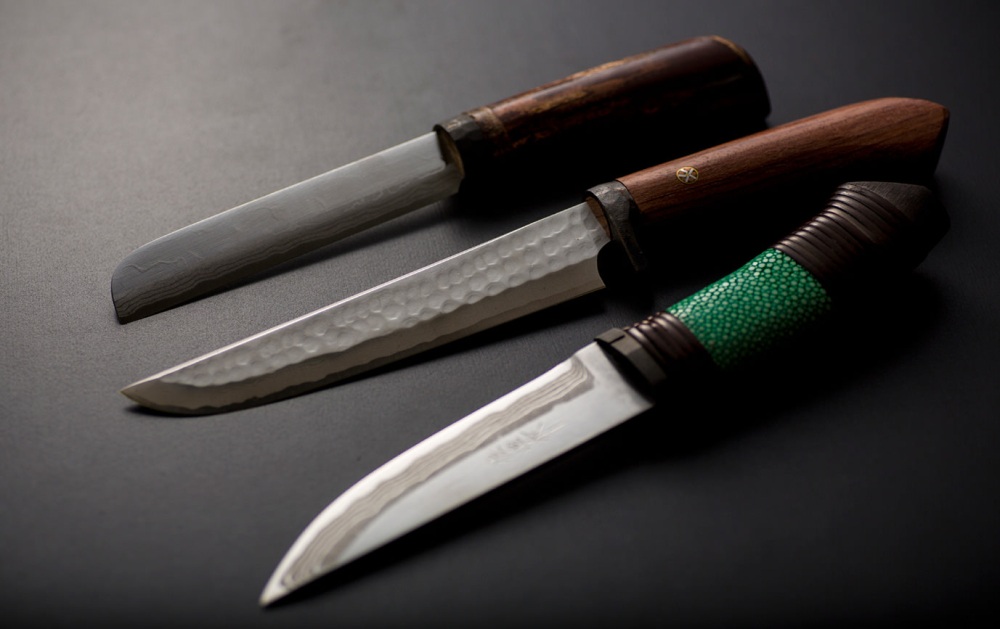
Echizen Blades: Japanese Knife-Making in Fukui
For hundreds of years, Japan’s most famous blades were the ones used by samurai warriors. The blade-making industry of the Echizen region of Fukui, though, was started nearly 700 years ago by a swordsmith who made sickles for farming. He hoped that his works would no longer take life, but instead help sustain it.
In 1979, Echizen became the first blade-making region in Japan to receive traditional craft designation by the national government—these knives and tools are forged using traditional Japanese techniques, and sharpened by hand. Today, each Echizen Blade is made with a focus on utility, carefully designed to suit a specific task: long, narrow yanagiba knives slice fish in a single cut, while large, squared-off menkiri noodle-cutting knives apply even pressure along a straight line, and can be used to scoop up the cut noodles.
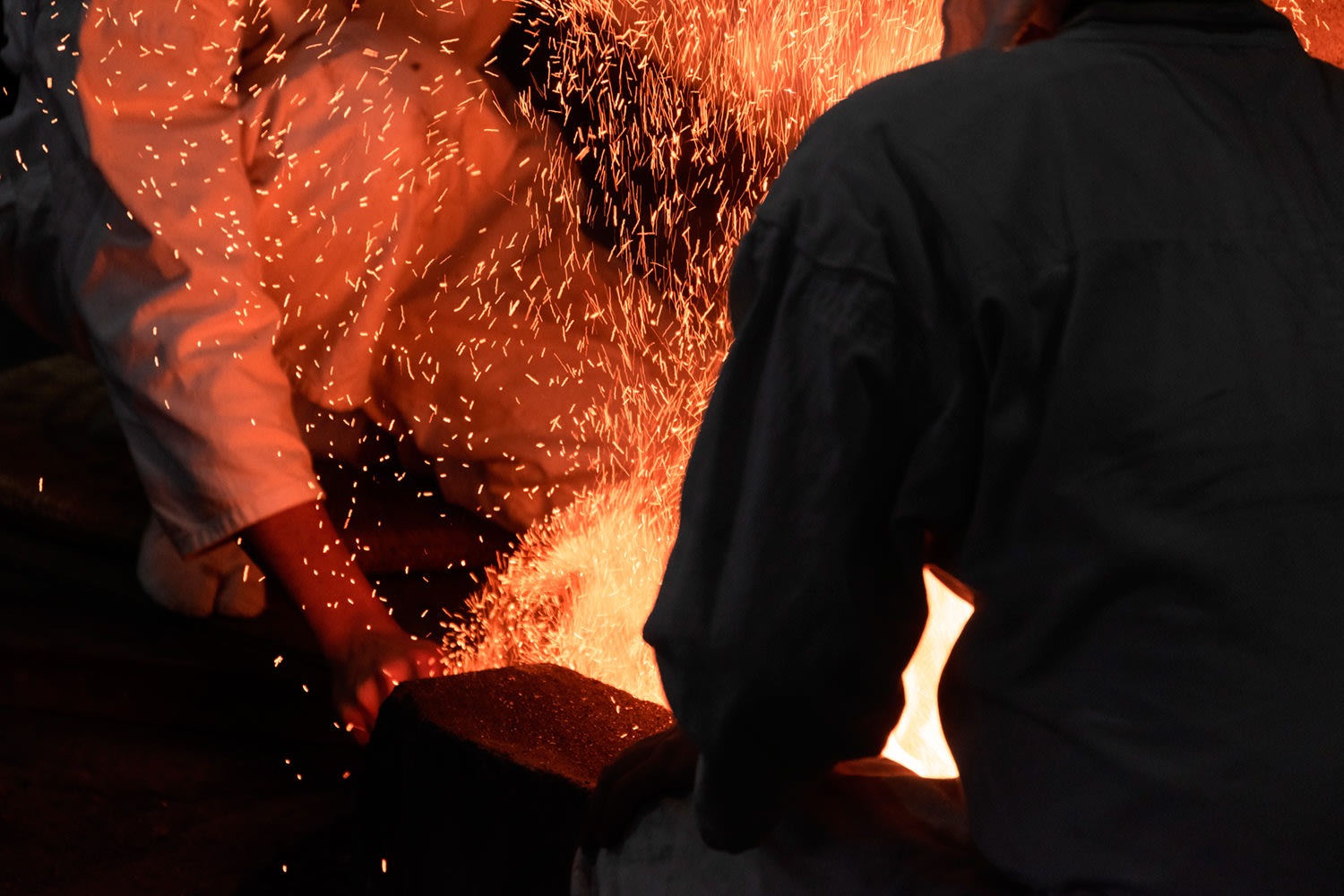
The History of Echizen Blades
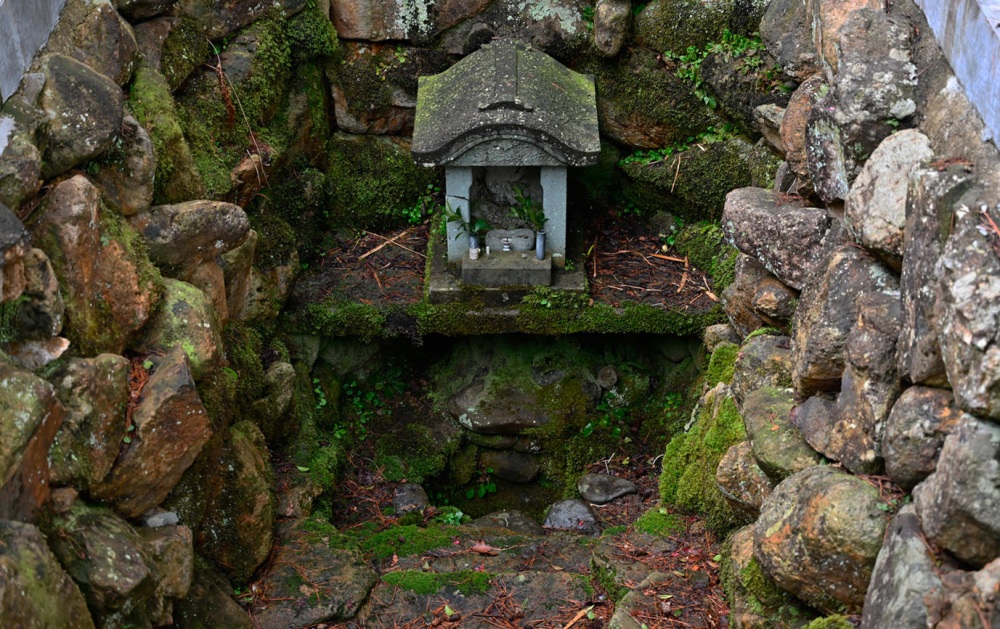
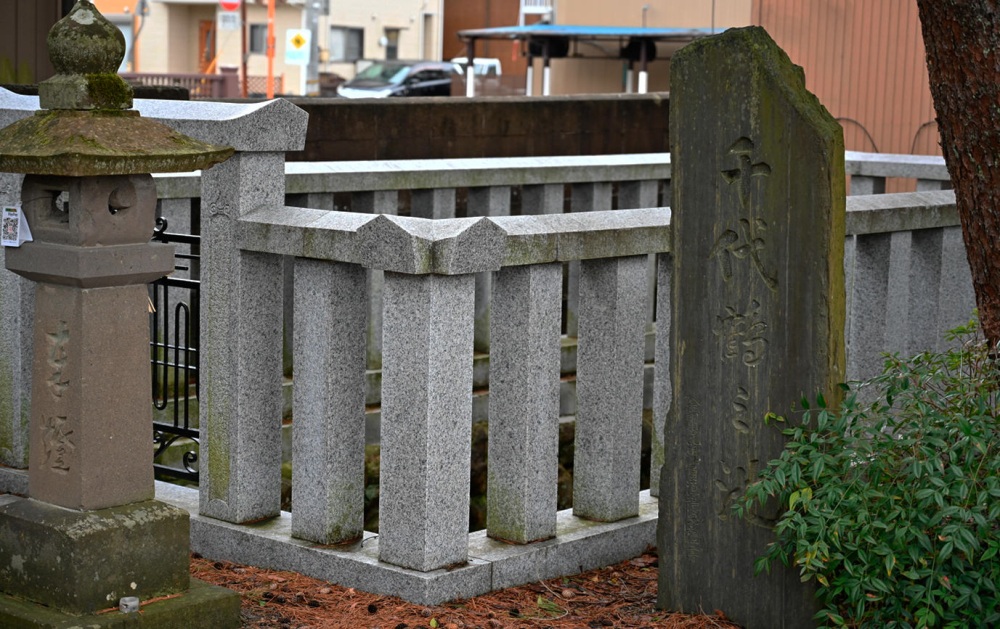
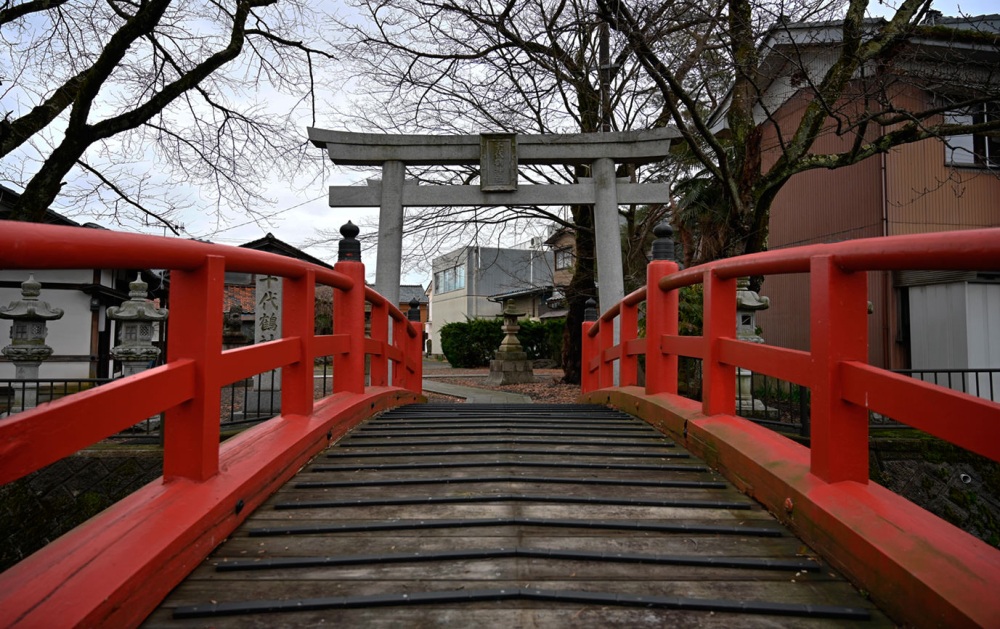
Over the centuries, demand for Echizen Blades grew significantly through the Echizen Lacquerware industry. Lacquer tappers traveled around the country gathering lacquer sap from trees, to bring back for lacquerware makers. Their job was difficult, and sales were unstable, so tappers sometimes had to sell their own sickles. As Echizen sickles changed hands, their reputation grew nationwide: lacquer tappers effectively became salespeople, and would bring back orders for tools from around the country.
An Artisanal Tradition
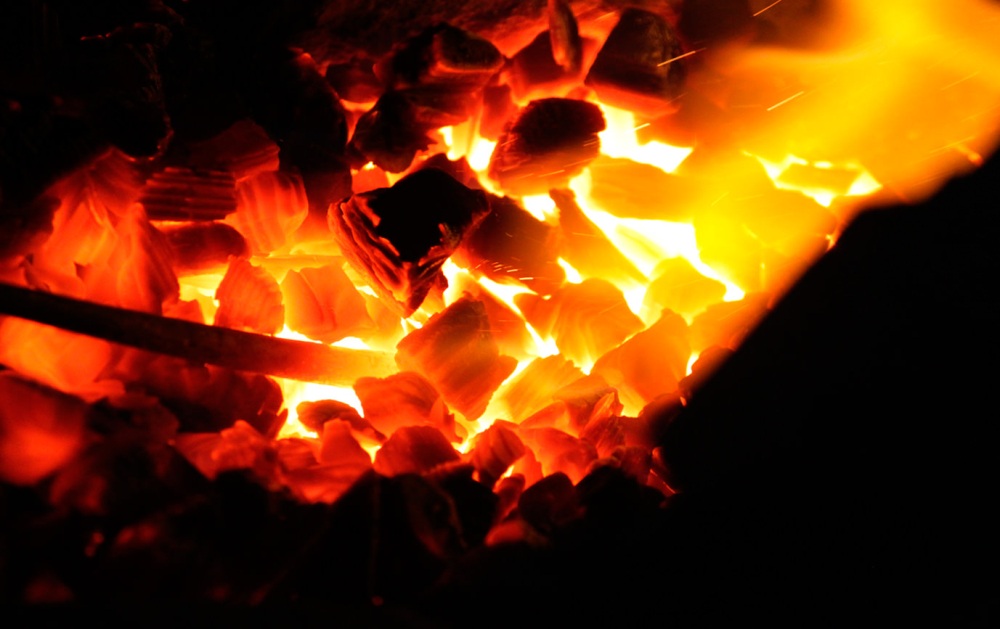
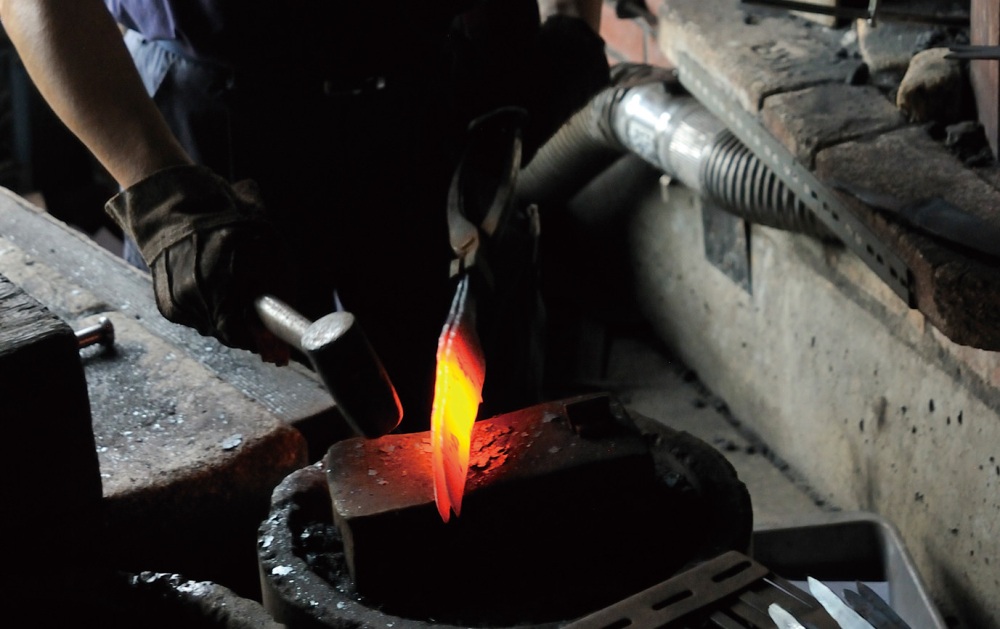
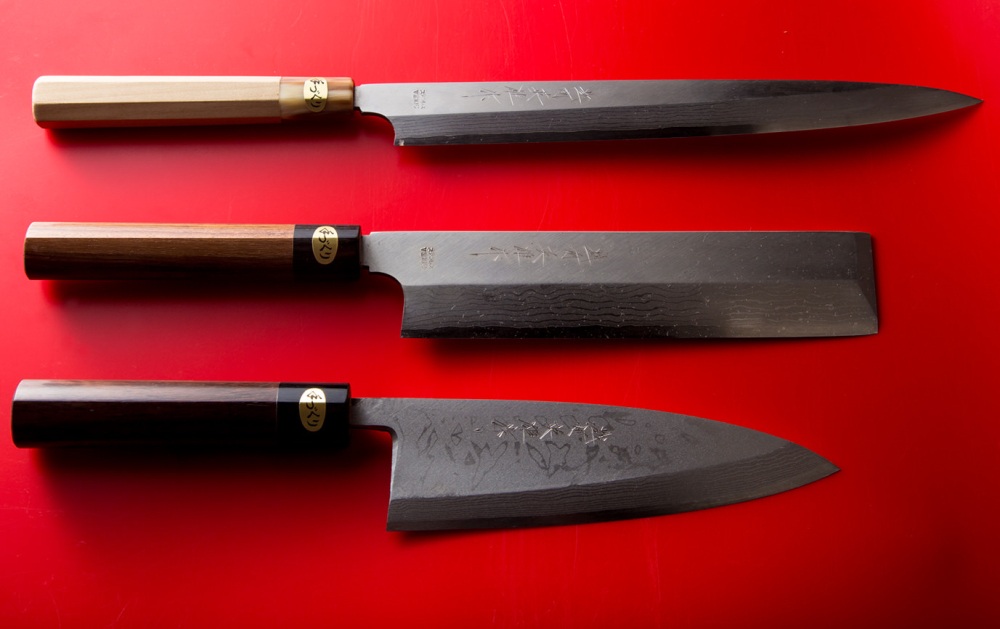
Echizen Blades have been renowned for their high quality since the fourteenth century, particularly among Japan’s knife makers. This traditional craft continues to evolve. In the second half of the twentieth century, the community established Echizen Blades as a globally recognized premium brand.
Modern Approaches to Echizen Blade Traditions
Ryusen Knives
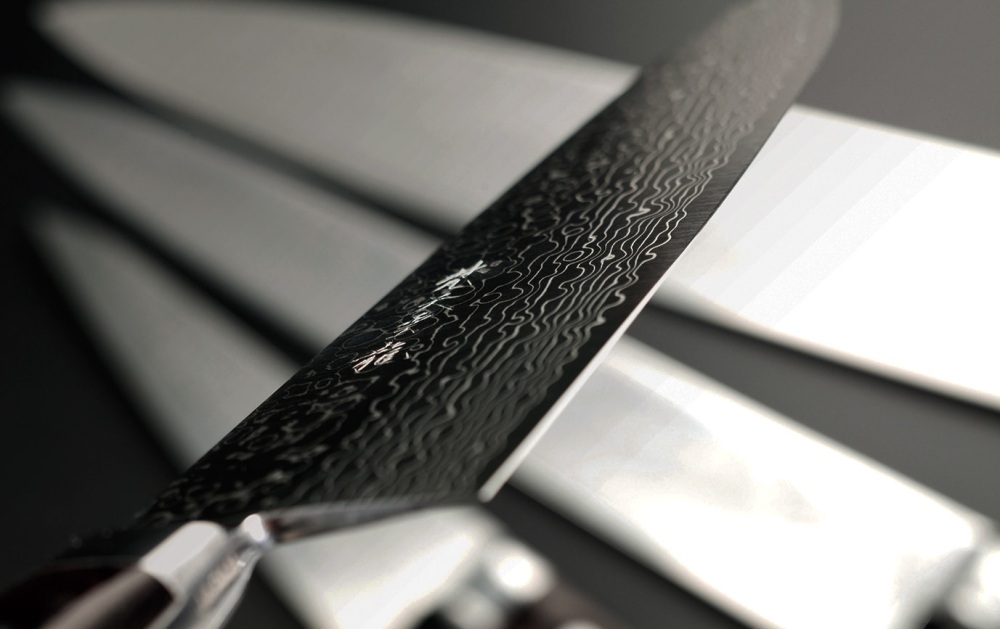
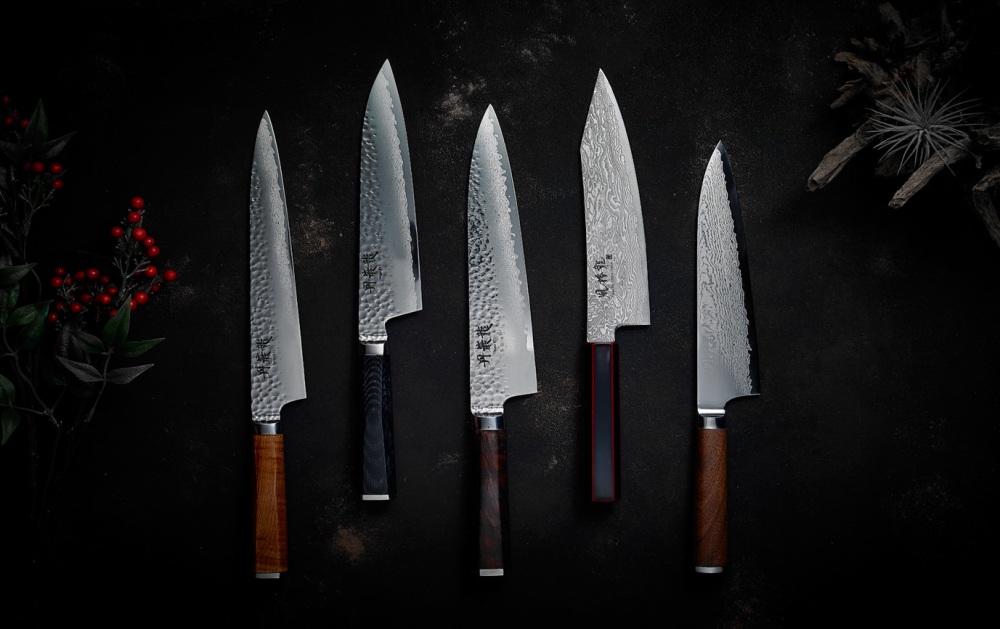
Ryusen’s knives feature a distinctive pattern, known as “Ryusen-rin,” or “Ryusen rings.” This pattern is not merely cosmetic, but a by-product of the forging process. The process is similar to what is sometimes called “Damascus steel”: the metal is forged with layers of softer and harder steel, folded together many times. It creates strong edges that maintain an exceptional sharpness. When blades forged this way are polished, they display a pattern like ripples on water—a trademark of the Ryusen brand.