Guide for First-Time Visitors
Rediscover Japan—and rediscover yourself—in Fukui. The human touch of Zen Buddhism and traditional crafts. The natural beauty of rugged coastlines and mountain forests. Explore at your own pace, for relaxation, spiritual enrichment, and fun.
Where is Fukui?
Fukui is located on the Sea of Japan coast in the Hokuriku region, just between Kyoto and Kanazawa. Fukui City, the capital, offers convenient shopping and nightlife. The rest of the prefecture is divided into two main regions: Northern Fukui is known for Soto Zen Buddhism and artisanal crafts, while southern Fukui is famous for its excellent seafood.
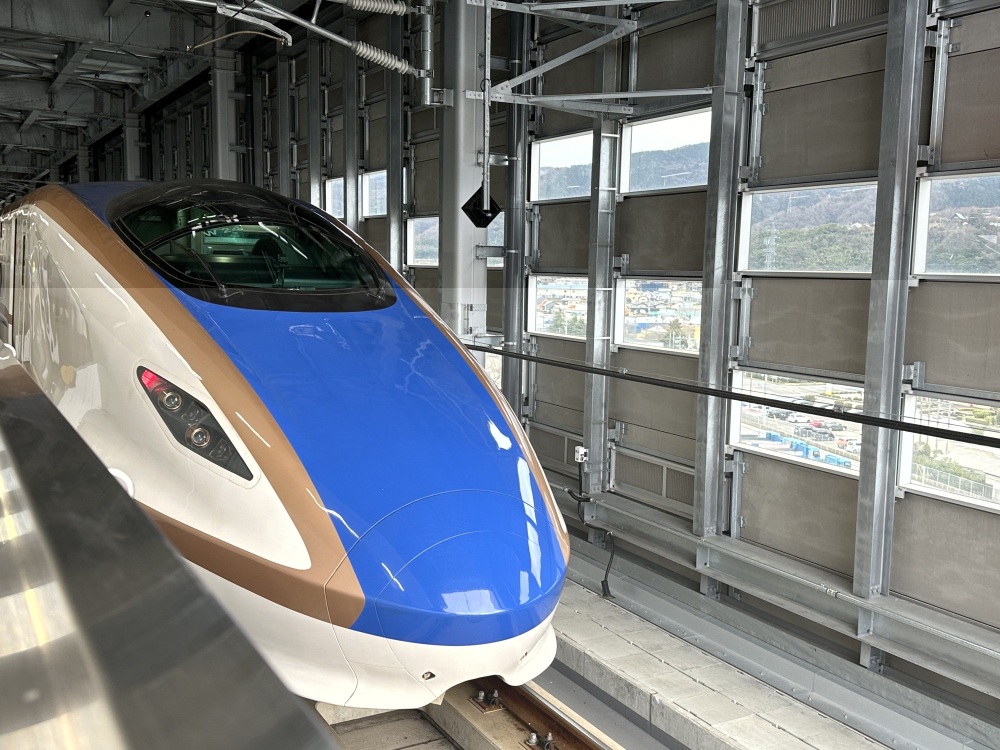
Fukui is easy to get to from many major cities. From Tokyo, take the Hokuriku Shinkansen Line for a direct trip with no transfer (2h 51m). Limited Express trains to Tsuruga, southern Fukui, from where you can transfer to the Hokuriku Shinkansen to reach Fukui City, are available from Osaka, Kyoto, and Nagoya, with total travel times of under two hours to Fukui Station. Highway buses are also available.
5 Reasons to Visit Fukui
Fukui is a hidden treasure, offering a glimpse into another side of Japan. Find natural beauty, incredible food, and old-fashioned lifestyles, all within a few hours of Japan’s biggest cities.
1- Clear Your Mind and Enrich Your Spirit
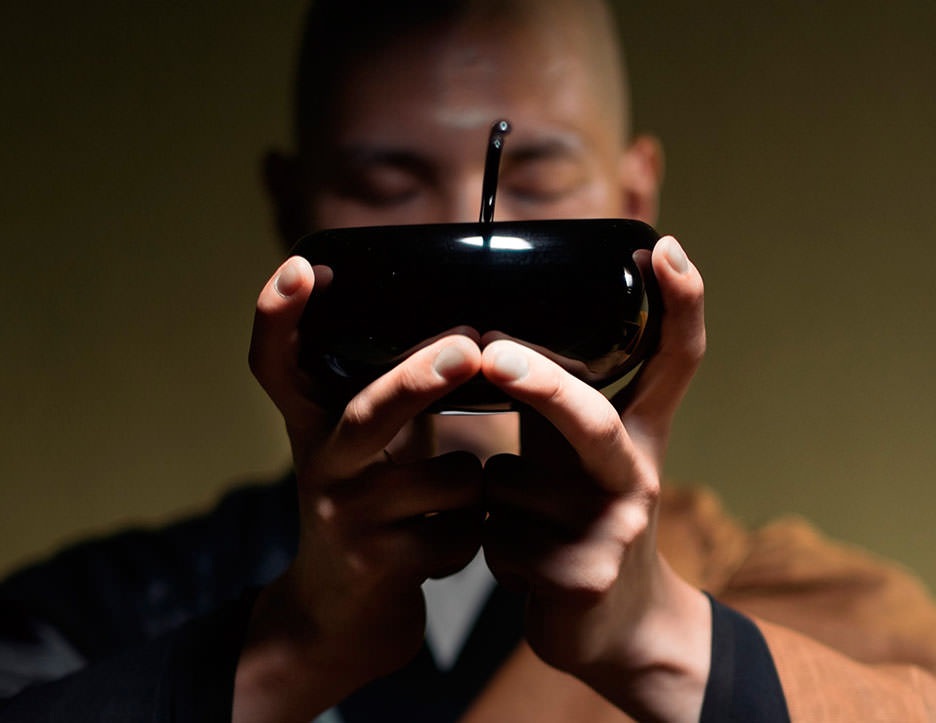
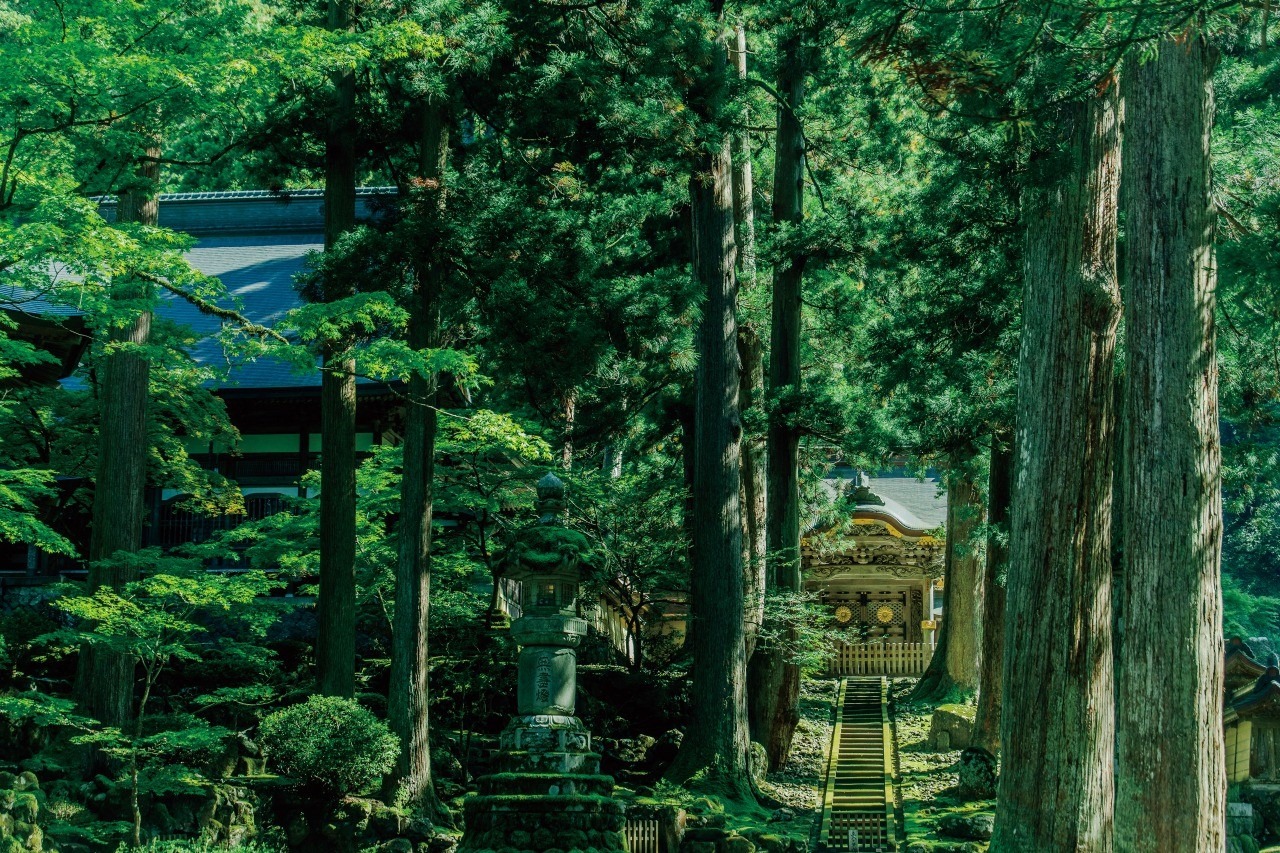
Fukui consistently ranks as Japan’s happiest prefecture. Some say this is because of the natural beauty all around. Others say it comes from the deep roots of Zen Buddhism and its influence on the local culture. Fukui is home to Eiheiji Temple, the head temple of Soto Zen Buddhism. Step away from the noise and distraction of the everyday world. Enjoy a moment of calm as you walk around peaceful temple grounds, or try zazen seated meditation and other mind-clearing activities.
2- Modern Innovations in Traditional Japanese Crafts
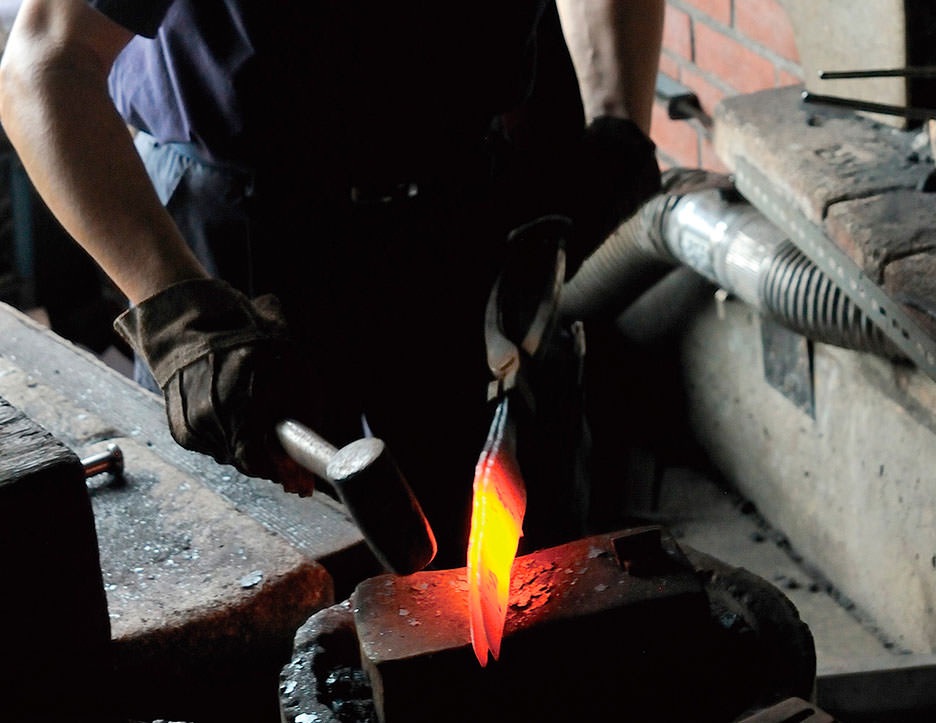
Fukui is home to a rich heritage of craftsmanship, preserved and practiced by thriving artisan communities in areas like Echizen and Wakasa. Fukui’s artisans draw on centuries of tradition making blades, joinery, lacquerware, ceramics, paper, lacquered chopsticks, and agate work, to innovate through collaboration. Come learn about—and even try making—some of these traditional crafts.
3- Delicious Dishes from Both Land and Sea
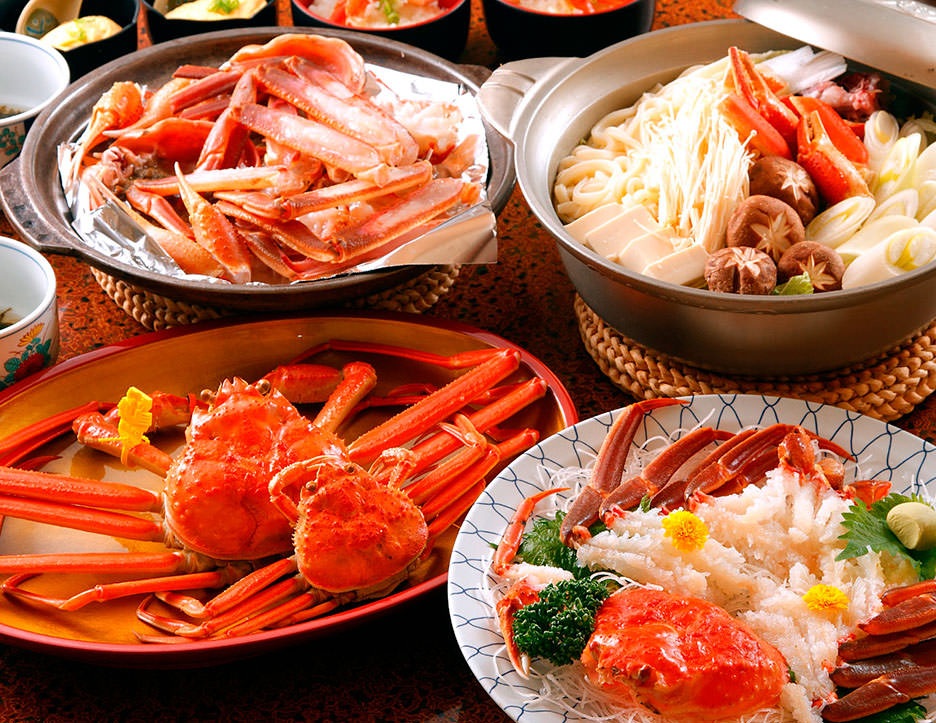
Fukui’s reputation for excellent food goes back centuries, to when the region provided seafood to the imperial court. Today, Fukui is known for premium seafood like Echizen Gani crab, as well as everyday favorites like Oroshi Soba noodles and Sauce Katsu-don pork cutlet bowls. Don’t miss these must-try local specialties.
4- Surround Yourself with Refreshing Natural Beauty
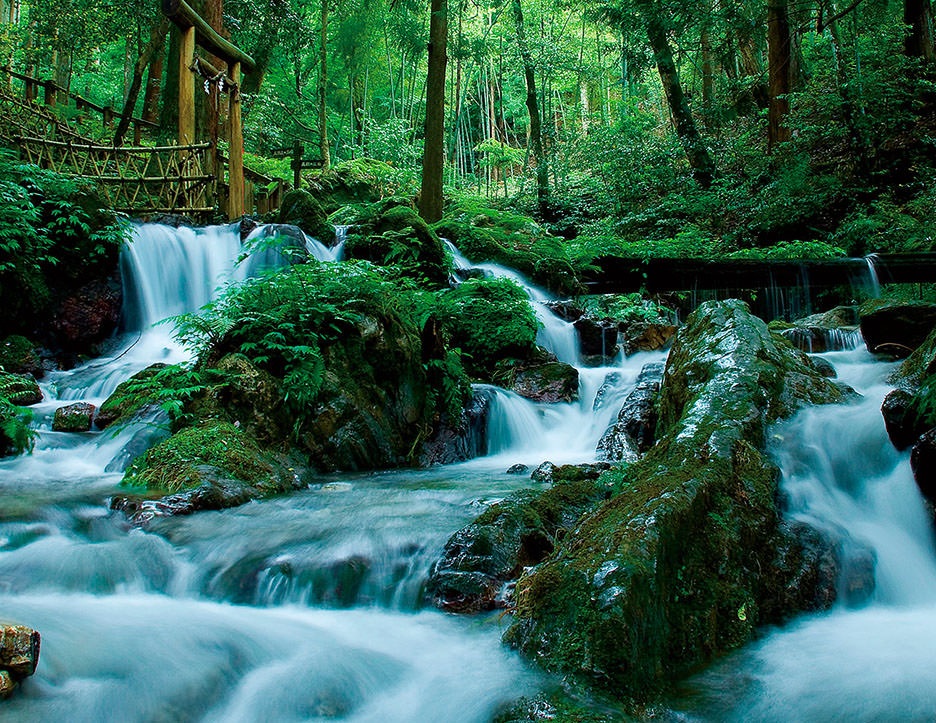
Fukui has plenty to see and explore in the great outdoors. The Five Lakes of Mikata are all close to one another, yet each visibly distinct, with different colors. For forest lovers, hidden springs and waterfalls are just waiting to be discovered, such as the Uriwari no Taki, an ice-cold freshwater spring that flows out into a waterfall, surrounded by tall, ancient trees.
5- Excitement and Leisure in the Great Outdoors
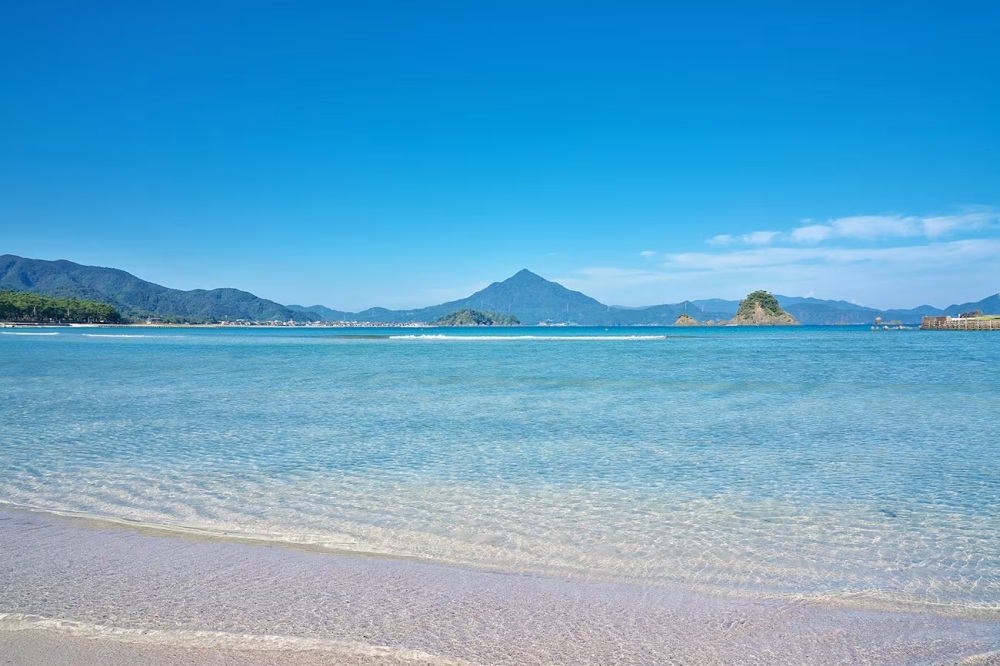
Fukui has lots to do outside. Ride giant ziplines through the forests of Ikeda, or go skiing and snowboarding in Katsuyama. There are more relaxed options, too, for simply enjoying the rural scenery: cool off at sandy beaches, bicycle through lush rice fields, or explore dramatic rocky coastlines.
Column
Fukui Featured in the Washington Post
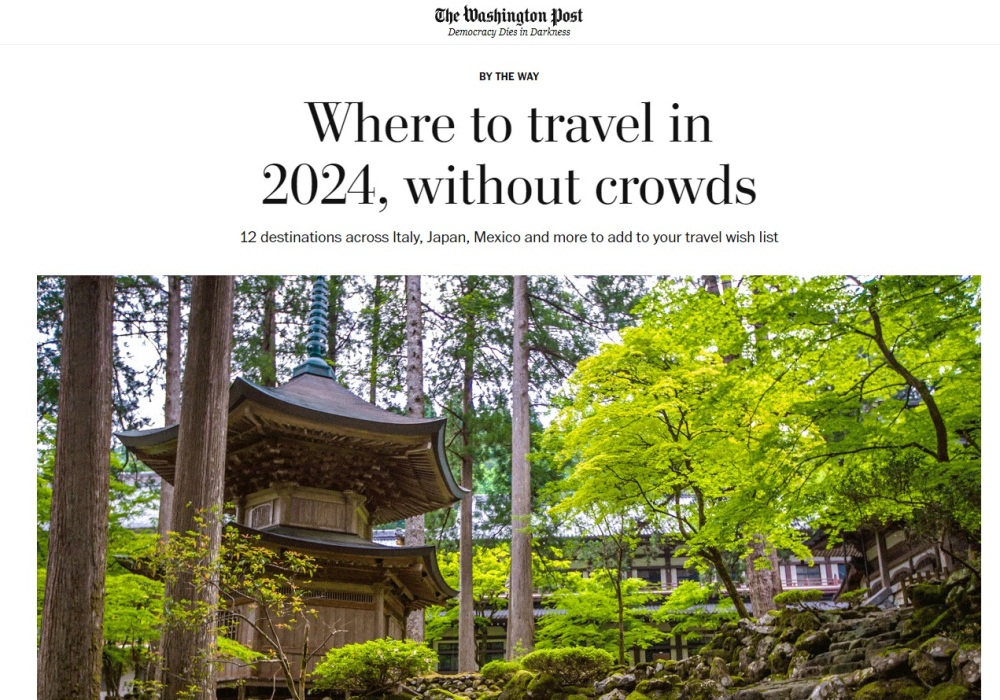
Fukui Prefecture was selected by the Washington Post as one of 12 destinations around the world to travel to, without the crowds.
How Much Time Should I Spend in Fukui?
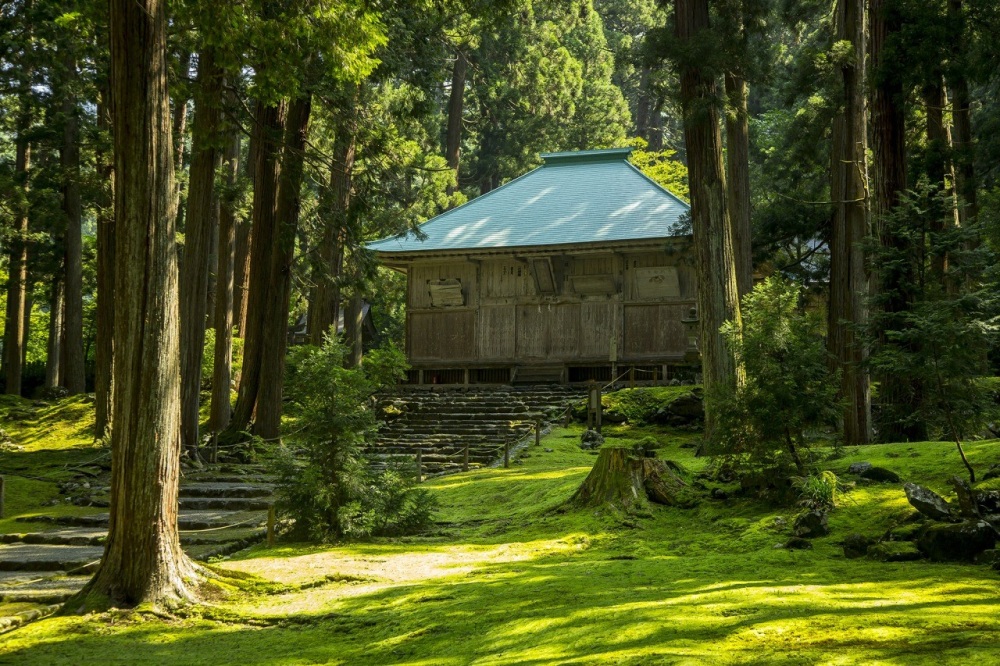
Be it for an overnight stay, or a few days in the prefecture, Fukui has plenty to offer! Here are a few itineraries for trips of different lengths.
When to Visit?
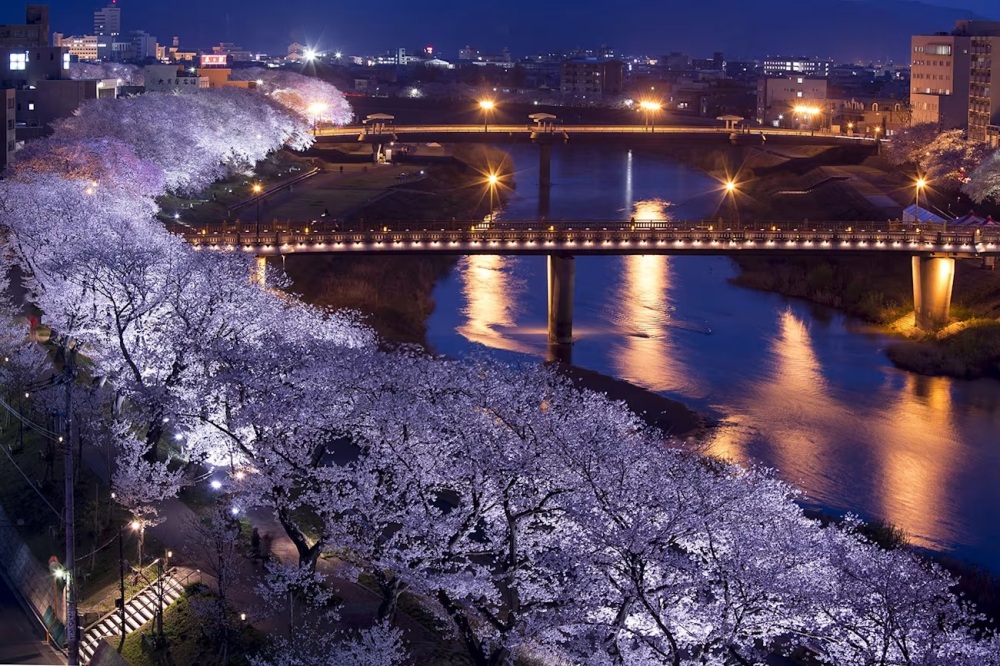
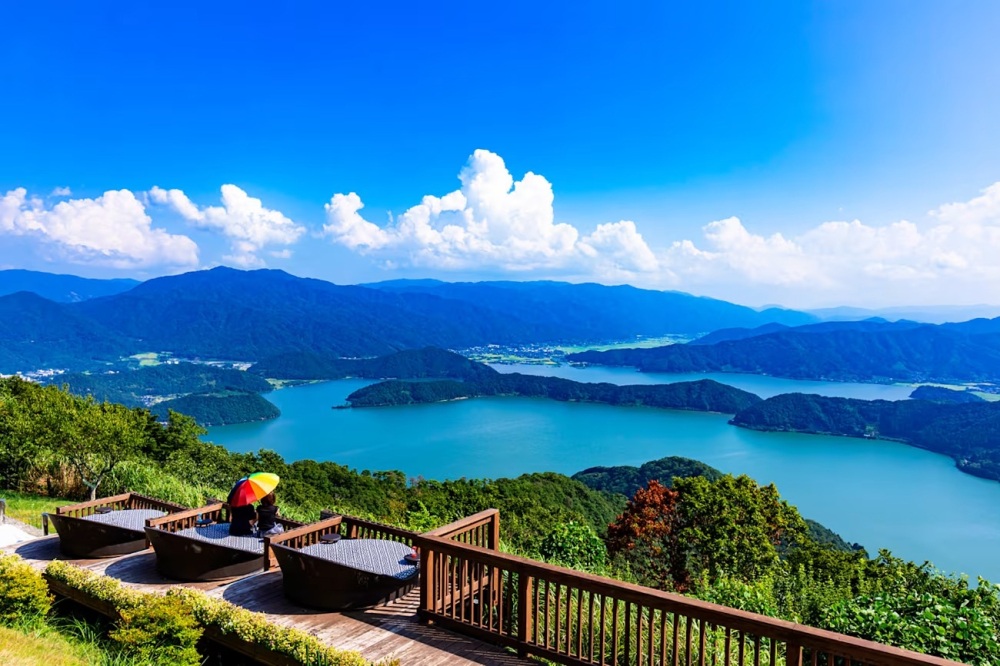
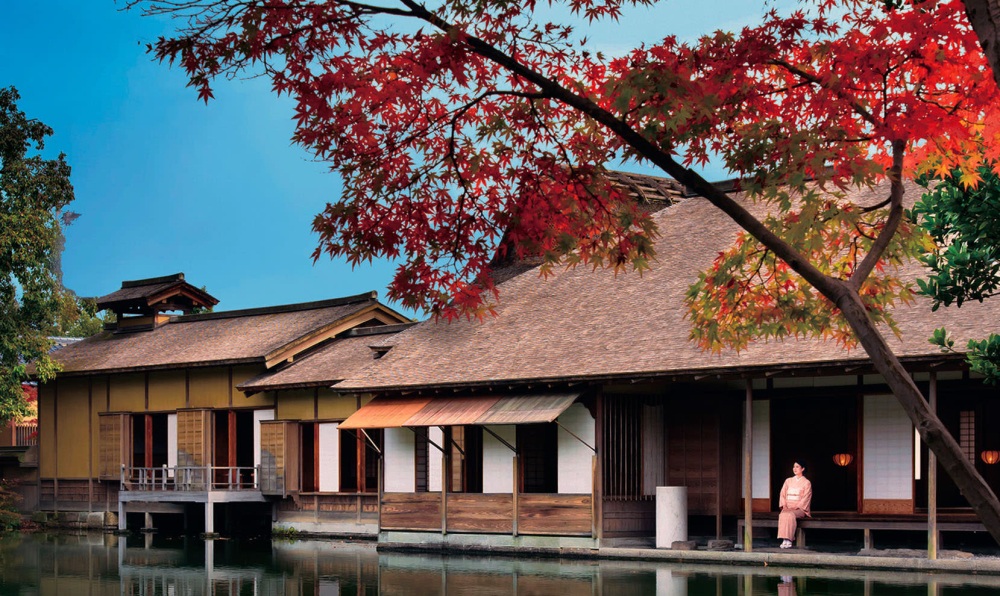
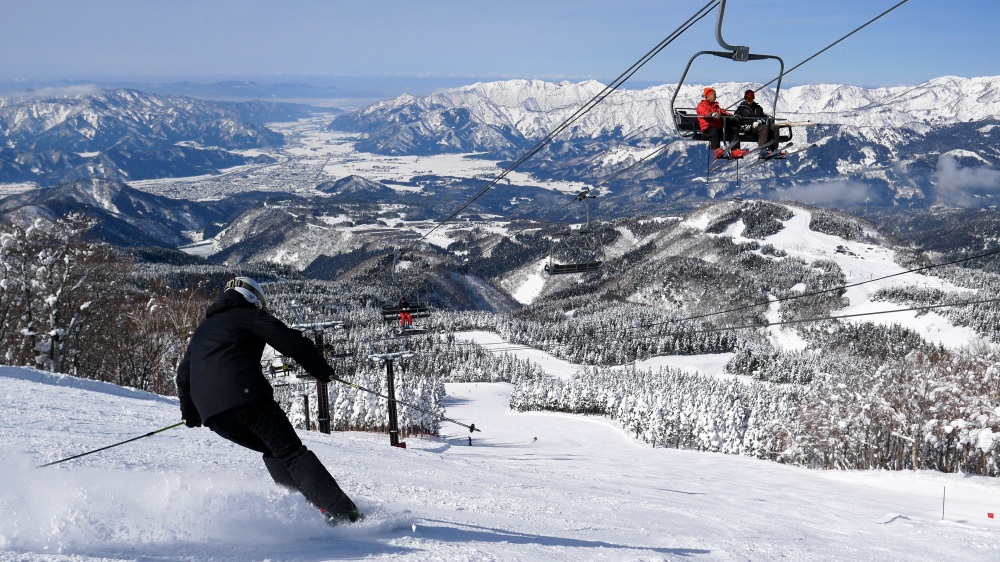
Every time of year brings its own seasonal beauty. The northern half of the prefecture in particular has wet winters with heavy snows. Spring is defined by cherry blossoms and other flowers blooming. Summers are hot and sunny, with warm evenings. Autumn is short but dramatic, with red maple leaves.
Where to Stay?
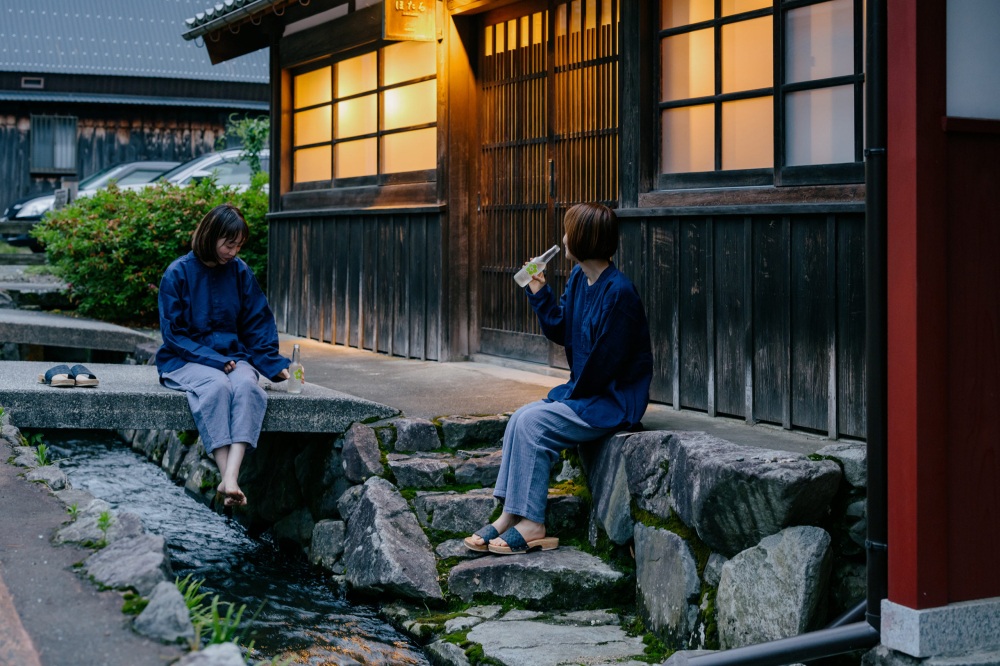
Fukui offers accommodations for a variety of budgets and travel styles, and most can be booked online. Major cities have Western-style hotels, particularly near their main train stations.
Make your trip unforgettable with a stay at one of Fukui’s stand-out accommodations. Dinosaur-themed hotels, temple stays, and restored Edo-period (1603–1867) buildings are among some of the noteworthy accommodation experiences available in Fukui. Learn more about some of these extraordinary vacation-defining stays here.
Minshuku (Guesthouses)
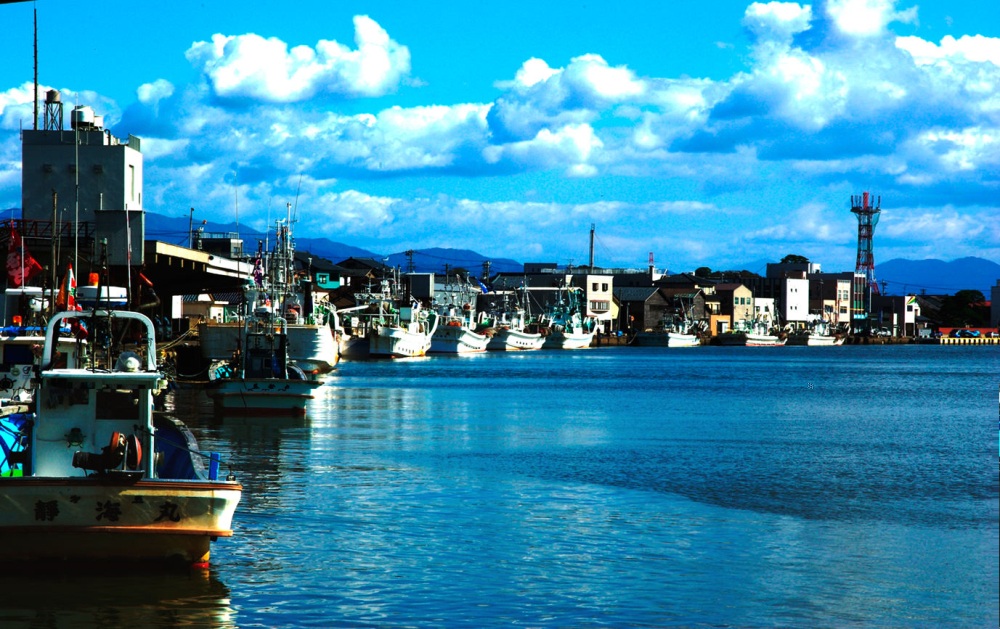
Enjoy beautiful sunsets, quiet beaches, and delicious seafood with a seaside stay. With over 400 kilometers of coastline, you can find your ideal accommodation, from a family-run guesthouse in a charming fishing port to a luxurious beachside resort. Seaside stays provide easy access to beach activities like fishing, swimming, and exploring fascinating coastal formations. Dine on fresh Fukui seafood, such as world-renowned Echizen crab or Wakasa fugu.
Onsen
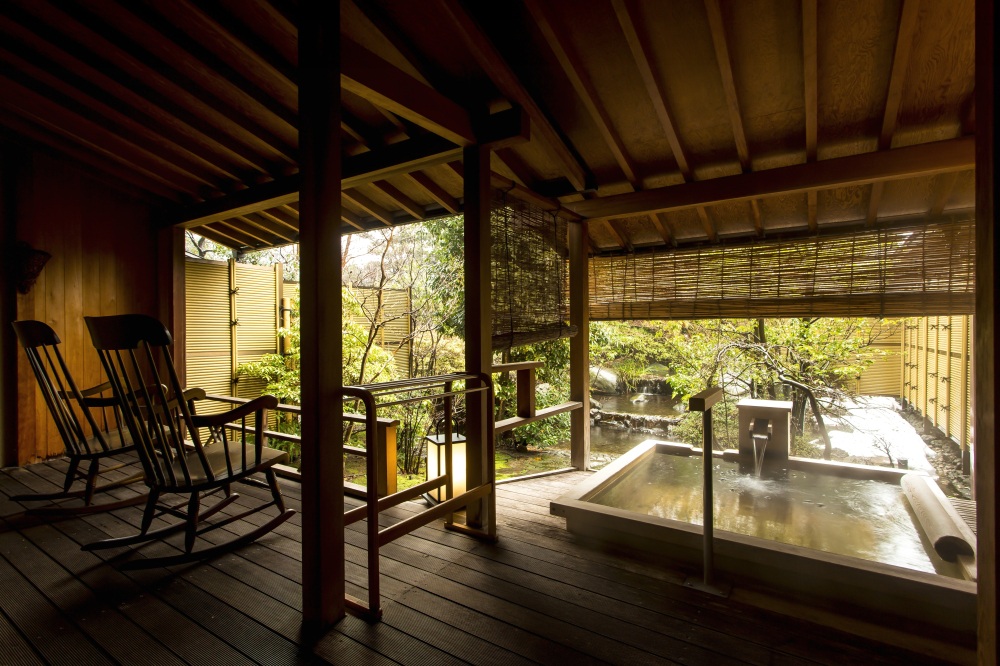
A stay at a traditional ryokan inn is the best way to experience authentic Japanese hospitality. Rooms typically feature tatami flooring, low wooden furniture, and futon beds. Dinner and breakfast are usually included in the room cost and are a point of pride at Fukui’s ryokan, with seasonal dishes artfully prepared with local ingredients. Many ryokan, especially those in onsen hot-spring towns like Awara Onsen in northern Fukui, have open-air baths where you can relax in rejuvenating, mineral-rich waters.
Hotels & Ryokan

Hotels in Fukui provide a familiar, comfortable experience, with convenience and flexibility. Whether simple business hotels or well-known international hotel chains, these accommodations feature Western-style rooms with modern amenities. They are typically located near major train stations and in urban areas. Many have buffet-style breakfasts and services like free Wi-Fi, concierge assistance, and laundry facilities.
In Fukui, a ryokan stay offers a warm window into traditional Japanese life. Sleep atop tatami mats, enjoy heartfelt meals prepared with the region’s fresh seafood and mountain harvests, and soak in natural hot springs that have been cherished for generations. Surrounded by Fukui’s tranquil countryside and friendly hospitality, you’ll discover an authentic and timeless side of Japan.
Dinosaur Hotels
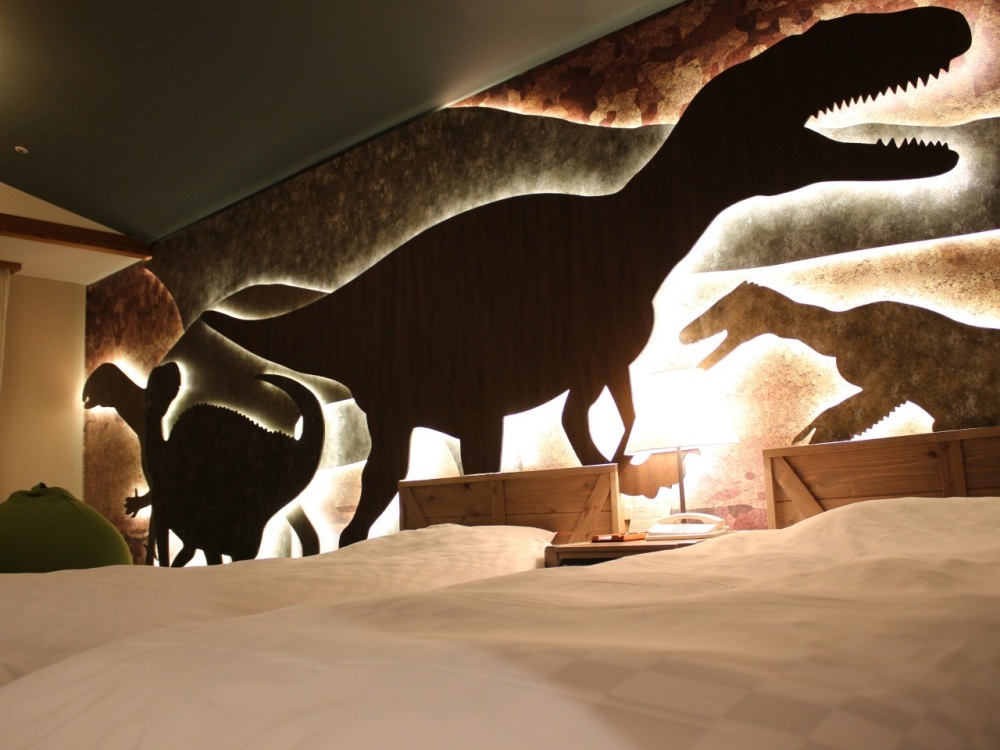
At Fukui's several Dinosaur Hotels, your prehistoric adventure begins the moment you arrive—greeted by life-sized dinosaur figures at the entrance, or through stays in dinosaur-themed rooms decorated with playful designs, cuddly plush toys, and picture books, perfect for both kids and the young at heart. It’s the ideal base for visiting the Fukui Prefectural Dinosaur Museum—whether you choose to spend the night after your museum visit, savoring the excitement, or stay beforehand to build anticipation for the adventure ahead.
Getting Around Fukui
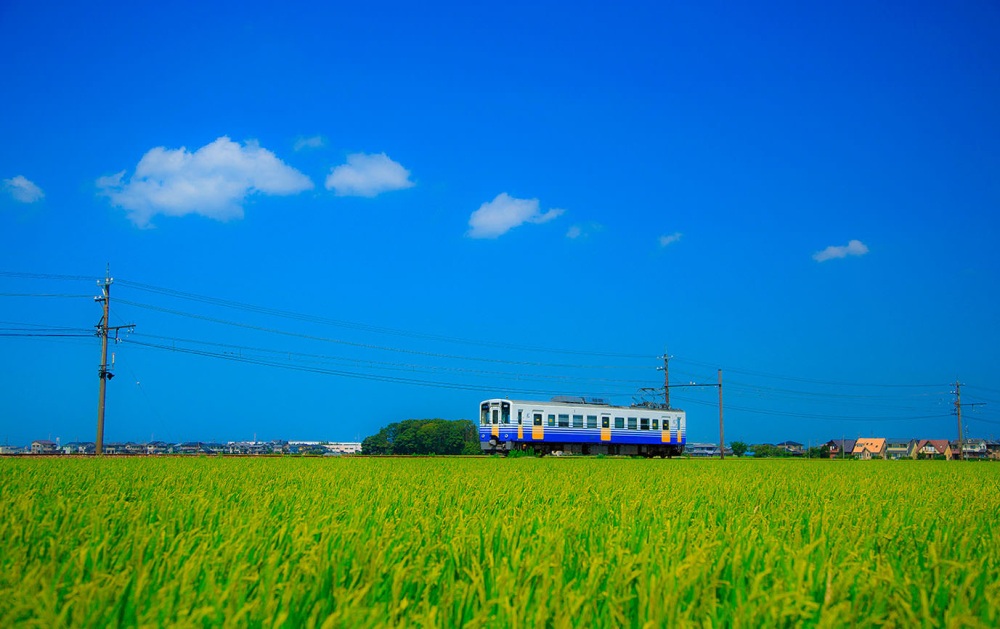
Though much of Fukui is fairly spread out, most major destinations throughout the prefecture are accessible by trains and buses. Multiple railways operate in and around Fukui, and there are bus networks that cover much of Fukui, with major destinations such as Eiheiji Temple being readily accessible by bus.
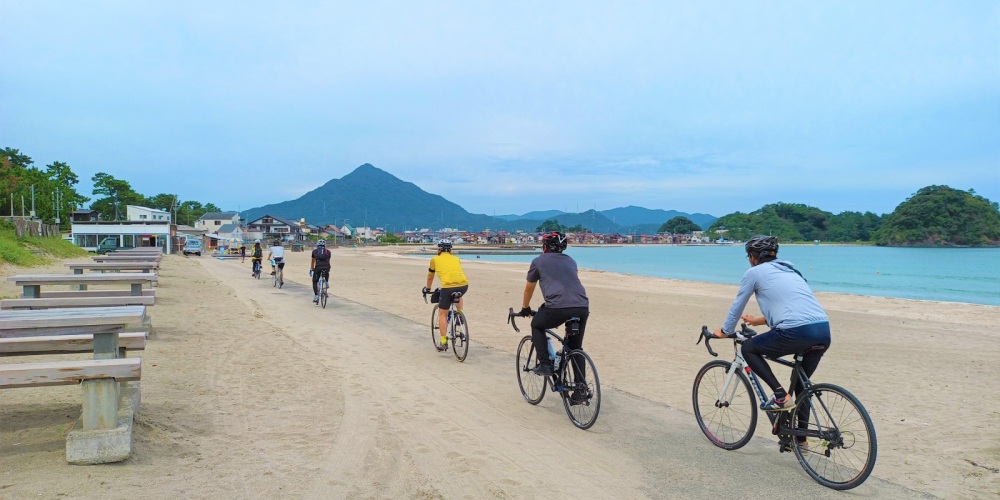
Much of Fukui is fairly flat, making bicycles a fun way to experience Fukui’s vast natural environments. Many places offer bicycle rentals (including e-bikes), especially near stations.
For visitors with an international driving permit, a car is an especially convenient way to get around Fukui. Rentals are available near Fukui Station and other major stations.
Column
Wakasa Bay Cycling Route (Waka-Cycle)
The Wakasa Bay Cycling Route, nicknamed Waka-Cycle, is a cycling route covering total length of 126 kilometers along the calm and picturesque Reinan area. The route is rich in diverse culture and constantly changing scenery, such as beautiful nature, temples and shrines, historic townscapes, abundant food, and echoes of a former trade culture scattered everywhere. With few ups and downs, the route offers an easy ride that is recommended for beginner cyclists. You can strive to complete the entire route, or just try short courses in each area.
FUKUI Deep. Crafted. Layered.
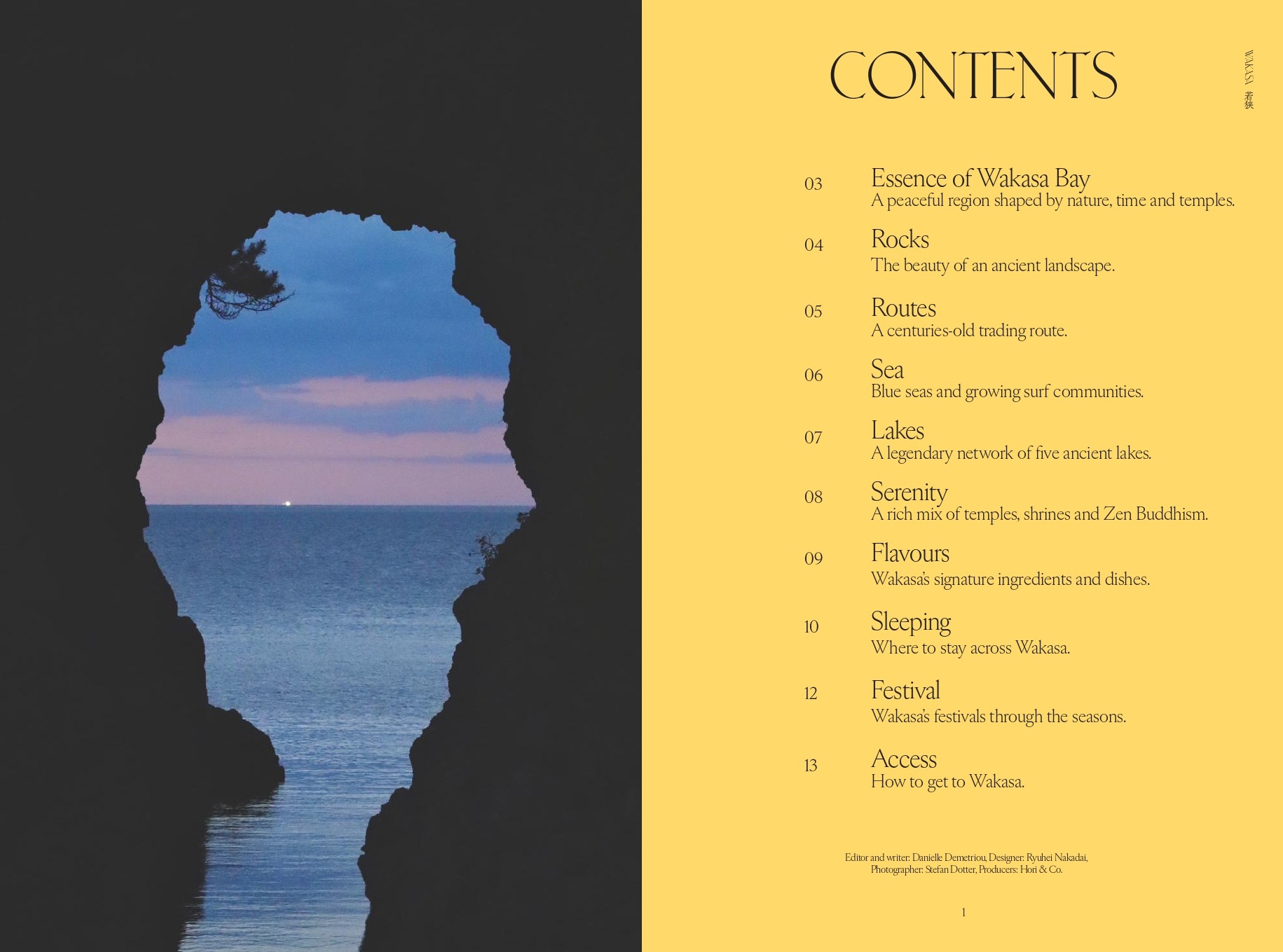
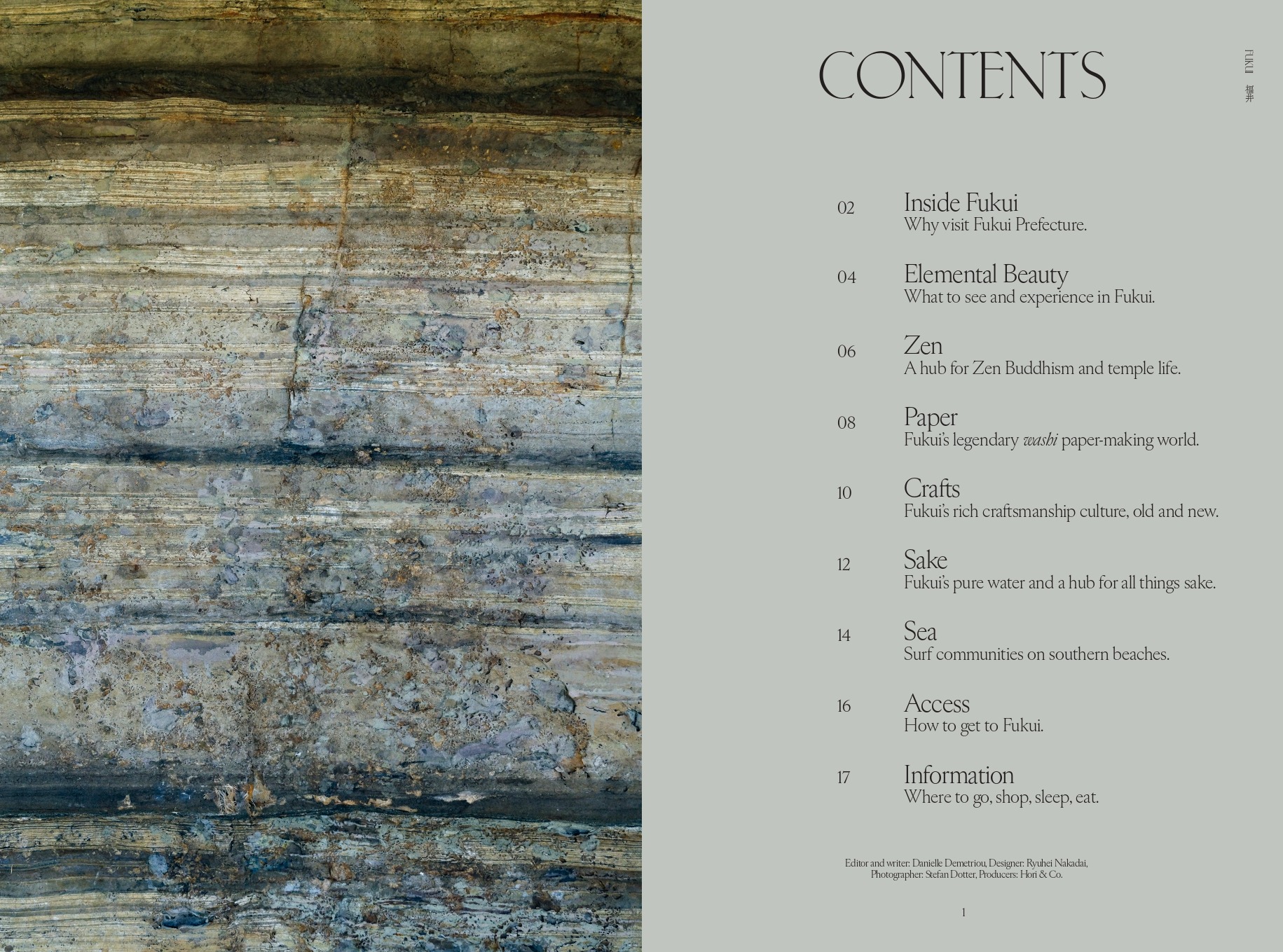
Download our Brand Book (Covering all of Fukui Prefecture)
Related Information
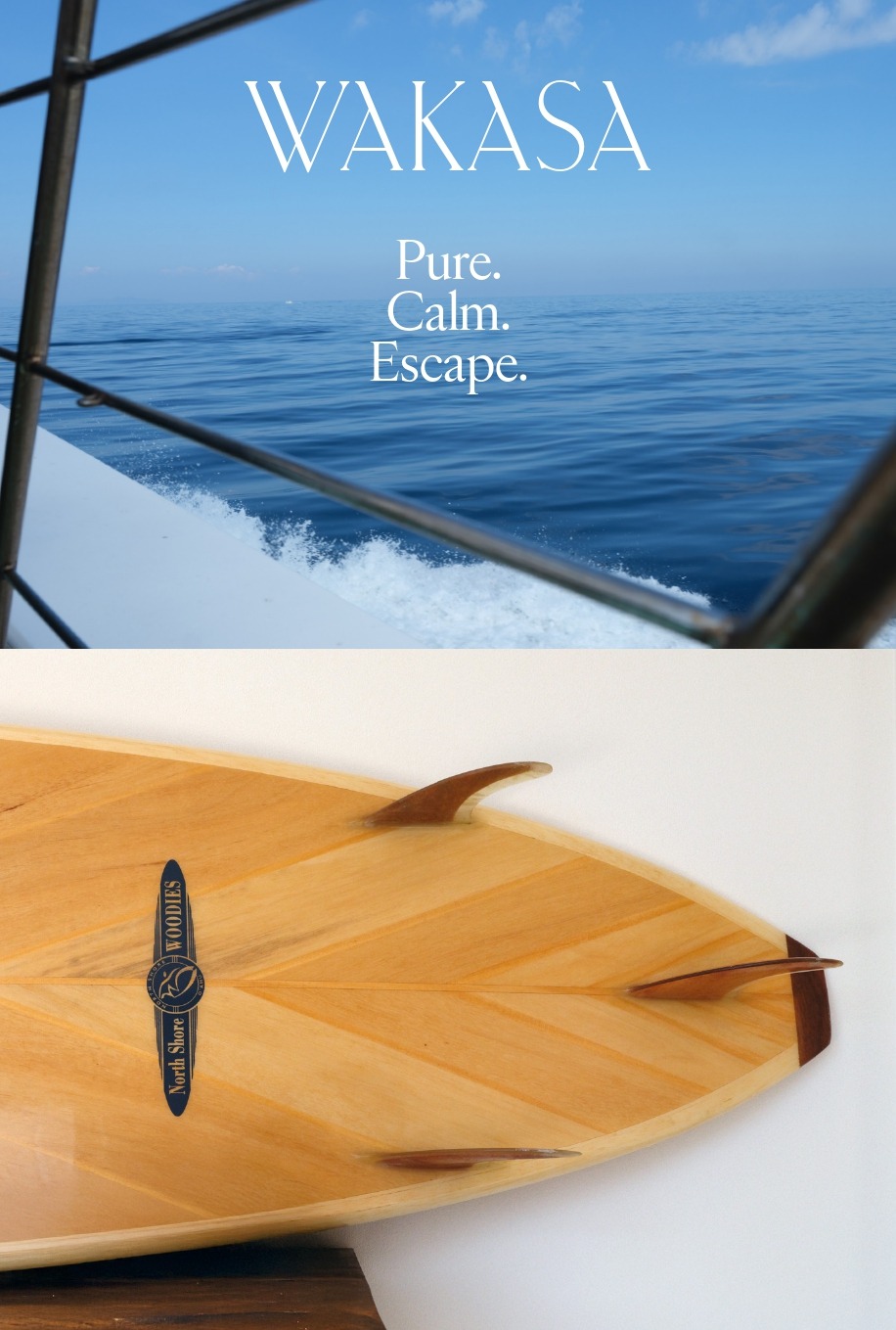
WAKASA Pure. Calm. Escape.
Download our Brand Book (Covering the Wakasa area of Southern Fukui Prefecture)