Fukui Souvenirs & Gifts
Bring back a piece of your trip off the beaten path to Japan. Popular souvenirs in Fukui include beautiful Japanese traditional crafts that will make your everyday life all the more enjoyable, as well as delicious foods and snacks you could share with your loved ones... or just keep for yourself!
Fukui souvenirs are often rare, one-of-a-kind items that can only be enjoyed here. Many are hard to find in big cities like Tokyo or Osaka, or even at airports, so we recommend picking them up while you’re in Fukui.
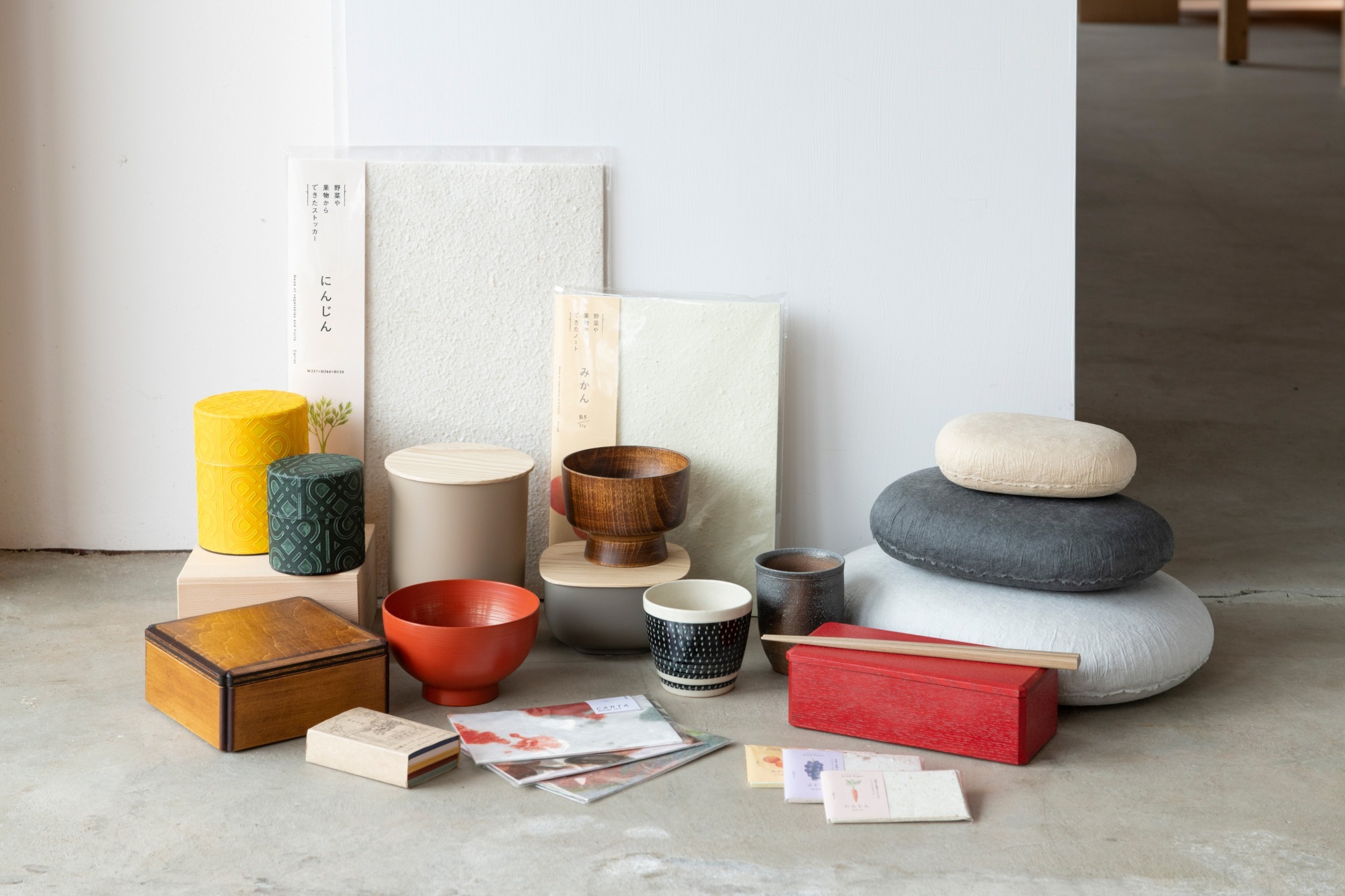
Traditional Crafts
Fukui is home to seven traditional Japanese crafts, each one centered around a limited area where craftspeople work together to pursue their trade. There, you can visit workshops and ateliers, shop for high-quality handmade items, and even try making your own pieces with the help of friendly artisans. These traditional crafts, handmade in Fukui, are not only beautiful to look at, most of them serve a practical purpose and will make your everyday life easier and feel all the more special, even long after you have gone back from your trip!
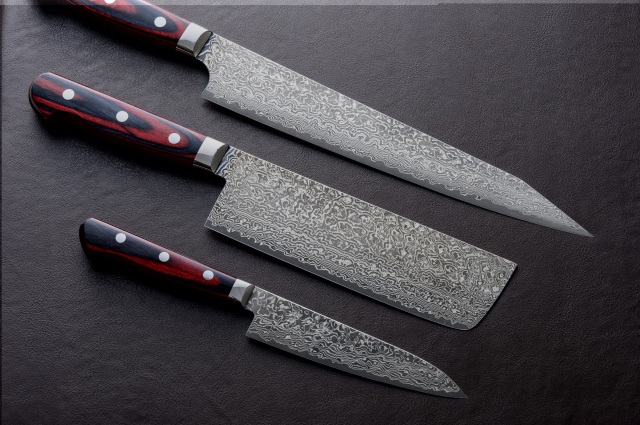
- Echizen Knives
- The tradition of blade-making in Echizen began around 700 years ago, when a Kyoto swordsmith settled in the region to craft high-quality tools for local farmers. Echizen blades are lightweight and renowned for their durability and sharpness. This is a result of a unique forging process that is still largely performed by hand.
- See More
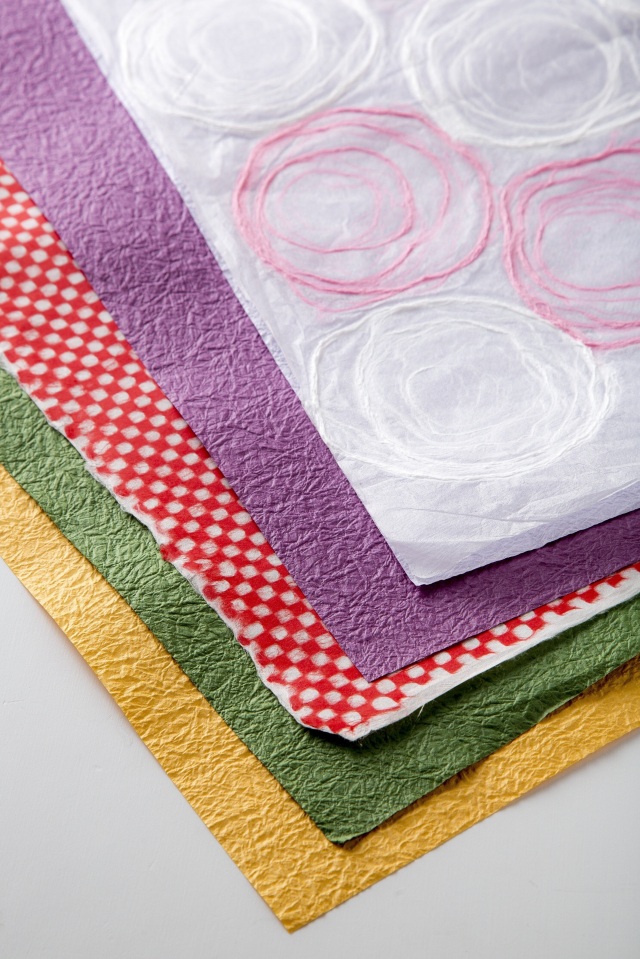
- Echizen Washi
- Echizen washi paper, a craft more than 1,500 years old, is renowned for its quality and has long been used in art, calligraphy, and decoration. Echizen remains one of Japan’s largest producers of handmade washi, with over 60 paper workshops still in operation.
- See More
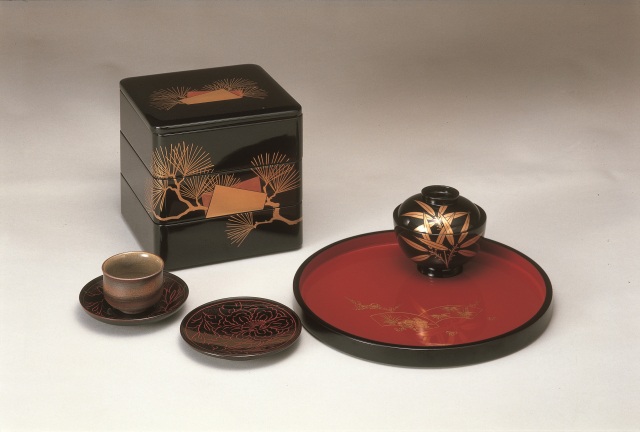
- Echizen Lacquerware
- Echizen lacquerware has a history of around 1,500 years. Woodworkers, lacquerers, and decorators work collectively to produce Echizen lacquer products, known for their brilliant luster and warm beauty.
- See More
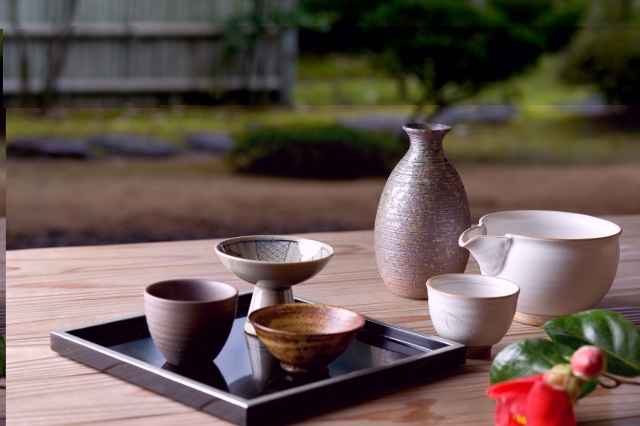
- Echizen Pottery
- Echizen pottery has been produced since the Heian period (794–1185) and is known for its durability and reddish-brown color, a result of the region’s iron-rich clay.
- See More
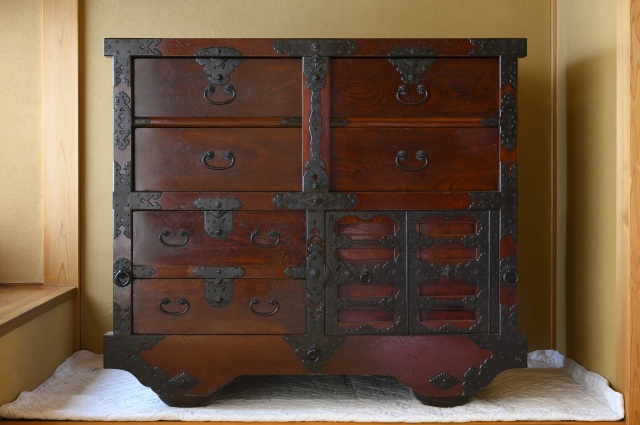
- Echizen Chests
- Echizen chests (tansu) are known for their sturdiness, elegant designs, and nail-free joinery. The chests are coated with lacquer for protection and finished with iron fittings for durability and ornamentation.
- See More
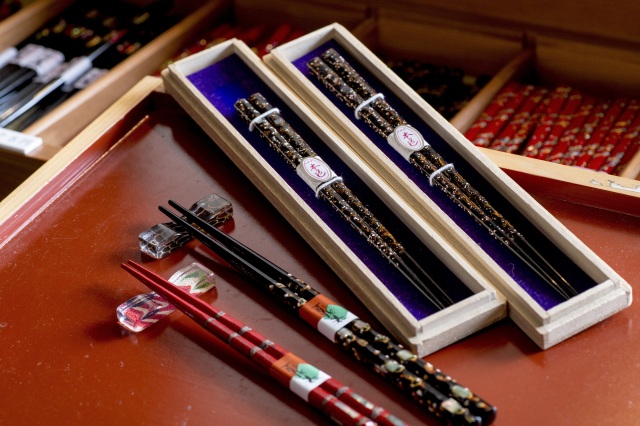
- Wakasa Lacquered Chopsticks
- For over 400 years, Wakasa lacquered chopsticks have been produced in Obama, a city said to account for about 80% of Japan’s lacquered chopstick production today. Distinguished by their elegant designs and glossy finish, said to represent the deep of the Japan Sea, these utensils are created through a meticulous process, coated multiple times and inlaid with decorative materials, including seashells, eggshells, pine leaves, and gold leaf.
- See More
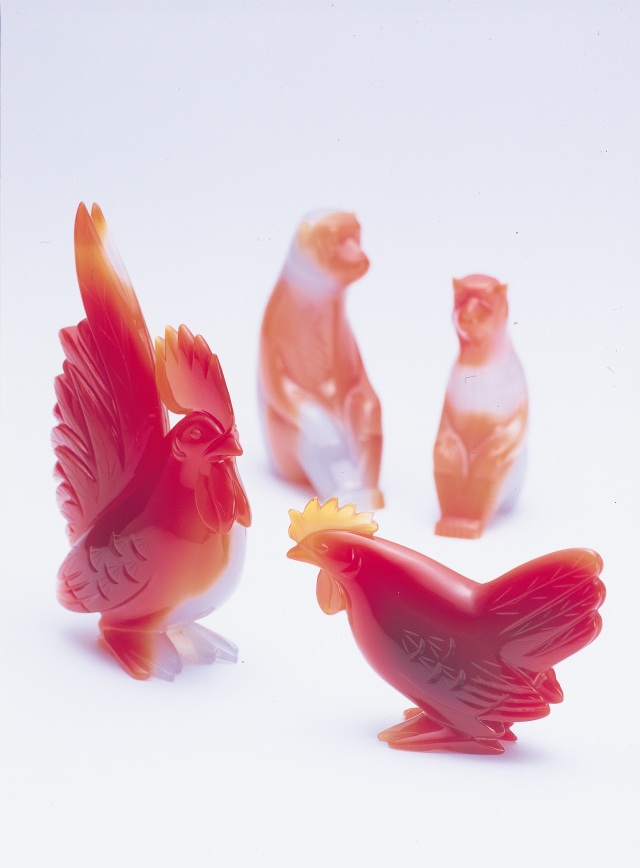
- Wakasa Agate Crafts
- Wakasa agate crafts have been made in the city of Obama for over 270 years and are recognized as Japan’s first gemstone craft. Agates are stones that form within volcanic or metamorphic rocks. While they come in a wide variety of colors, artisans in Obama are known for creating works with deep red hues that seem to glow as light passes through them.
- See More
Column
Eyewear
The cities of Sabae and Fukui produce over 90% of all eyeglass frames made in Japan. In 1905, local assembly member Masunaga Gozaemon (1871–1938) invited skilled glasses makers to teach the artisans of Sabae. His goal was to establish glasses as a winter off-season industry for the local farming community. Today, the area is home to over a hundred companies that collaborate to make glasses frames.

Confections
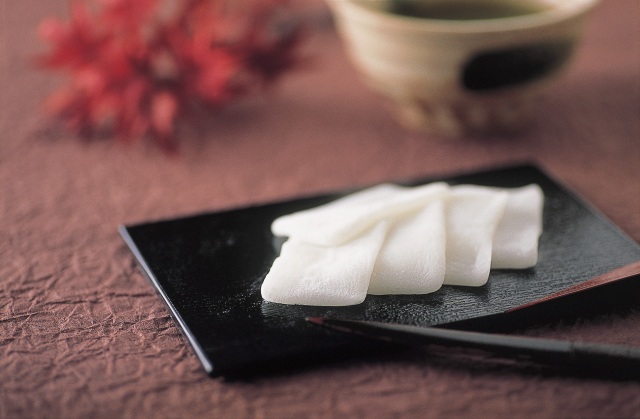
- Habutae Mochi
- A sweet mochi dessert named for habutae, a type of silk weave produced for centuries by the silk makers of Katsuyama. Mochi rice is pounded into a fine flour, steamed, and kneaded. This is then mixed with sugar and mizuame starch syrup, to create a tender yet chewy dessert, with a translucency reminiscent of habutae silk.
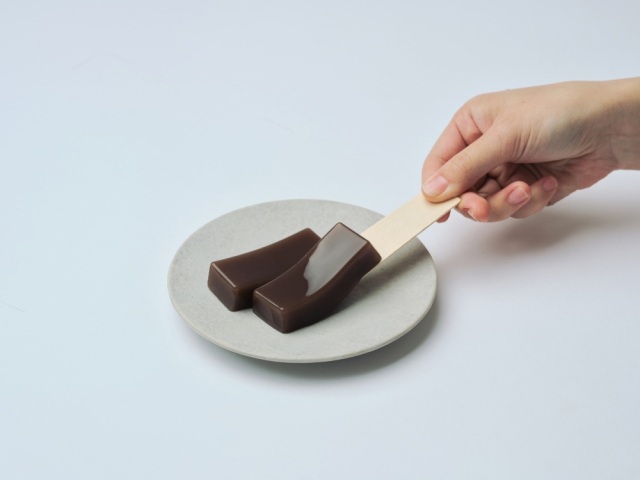
- Mizu-yokan
- Across Japan, mizu-yokan is usually enjoyed as a refreshing summer sweet. But in Fukui, it’s a beloved winter tradition. Made simply from strained red bean paste, agar, and sugar, Fukui’s version uses less sugar and agar, creating a lighter sweetness and smooth, refreshing texture. Families typically enjoy it straight from a large, flat tray—scooping pieces with a small spatula.
Regional Cuisine
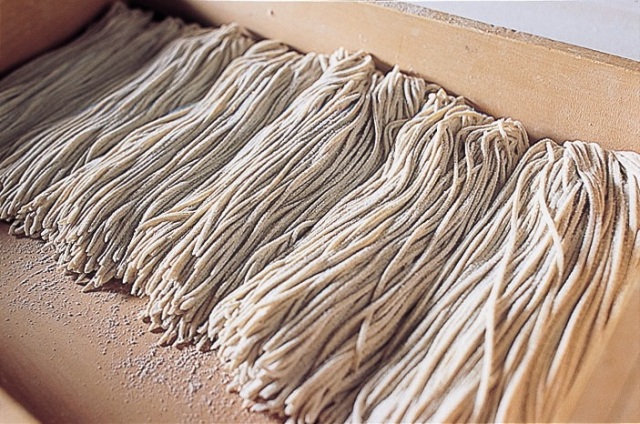
- Echizen Oroshi Soba
- Echizen oroshi soba is one of the prefecture’s signature "fast food" dish. In Fukui, the classic style is to serve chilled soba noodles in a light dipping sauce, topped with grated daikon radish, bonito flakes, and green onions.
- See More
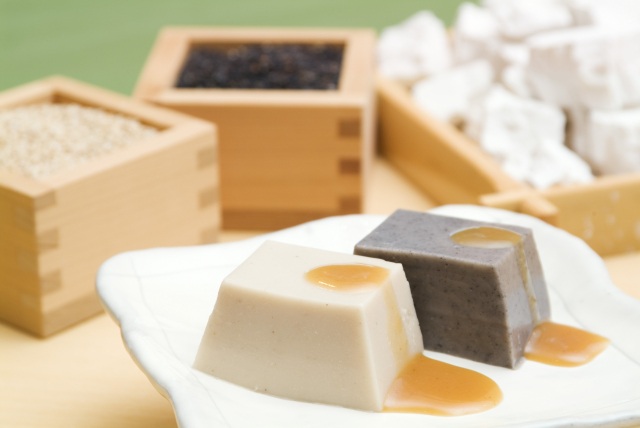
- Goma-dofu
- For centuries, goma-dofu (sesame tofu) has been a vital source of protein for Buddhist monks, and it remains one of the signature dishes of shojin ryori (traditional Buddhist vegetarian cuisine). Carefully roasted sesame seeds are slowly ground to release their rich aroma, then blended with pure mineral-rich spring water from Mt. Hakusan and the finest quality kudzu starch. The mixture is patiently kneaded to create a smooth, elastic texture with a delicate, nutty flavor.
- See More
Seafood
Fukui, facing the Sea of Japan, is renowned for its fresh seafood and traditional delicacies made from the ocean’s bounty. These specialties are a highlight for anyone visiting the region.
Since they’re crafted with only the freshest ingredients, they don’t last long—making them best enjoyed right here during your trip. It’s a one-of-a-kind chance to taste authentic local flavors while on the road.
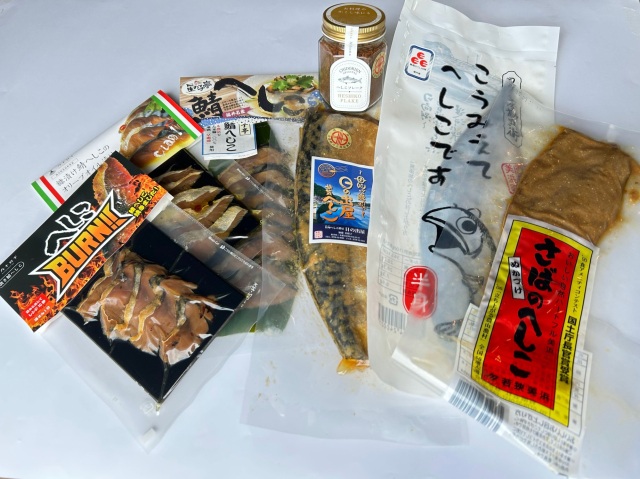
- Heshiko
- Heshiko is a traditional type of preserved mackerel from the Wakasa region: the fish is first salted, then covered in rice bran and fermented. The result has a firm, jerky-like texture, with an intensely savory flavor and distinctive aroma.
- See More
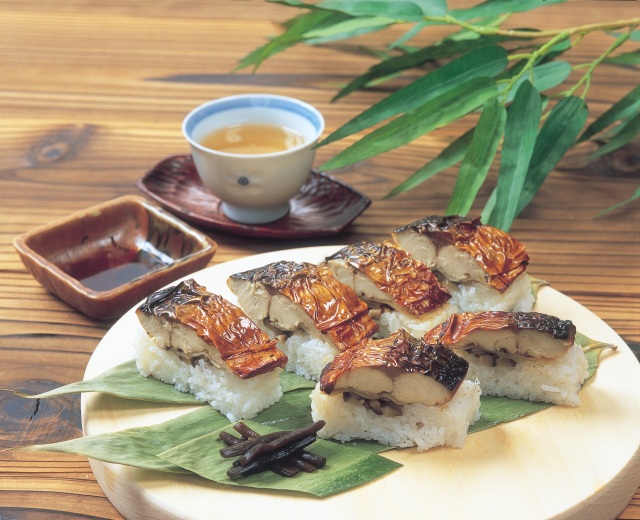
- Grilled Mackerel Sushi
- The oiliness and rich flavor of the fish bring out the sweetness of the sushi rice, for a well-balanced match.
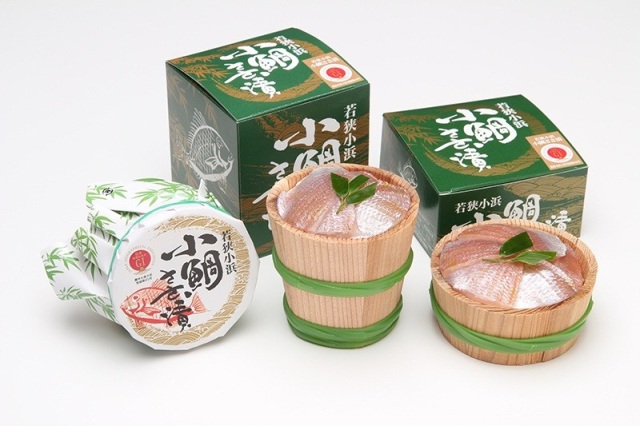
- Kodai no Sasazuke
- Kodai no Sasazuke is a local delicacy made exclusively in Obama City, the only place in the world where it is produced. Fresh sea bream (kodai) is filleted into three pieces, lightly salted, pickled in vinegar, and then packed into barrels.
Local Alcohol
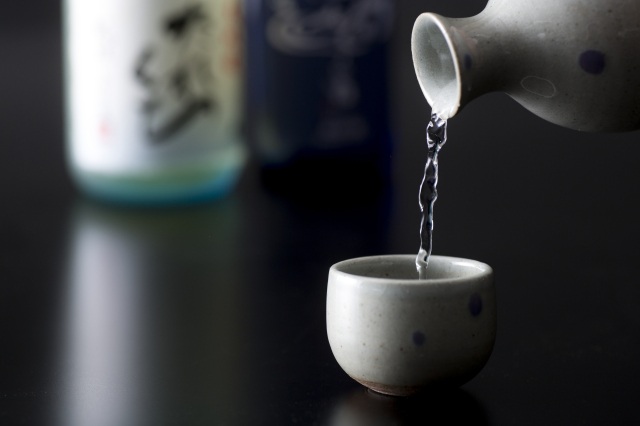
- Sake
- Fukui Prefecture is a leading sake-producing region, with over 30 breweries that benefit from its fertile soil, clean water, and centuries of expertise. While sake brewing in Fukui dates from the Edo period (1603–1867), young toji (master brewers) are innovating ways to enjoy the national drink, blending tradition with modern tastes.
- See More
- Umeshu
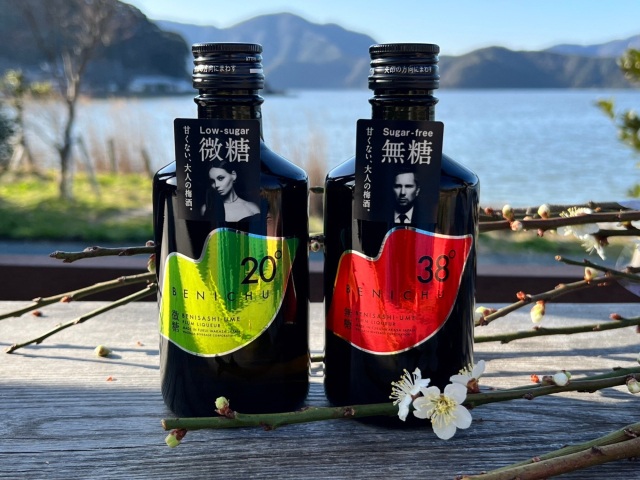
- Southern Fukui is the largest producer of ume plums (Japanese apricots) on the coast of the Japan Sea. In Fukui, the popular Japanese fruit liqueur is available in both sweet and unsweetened versions. Ume wine is also a popular gift.
- Craft Beer
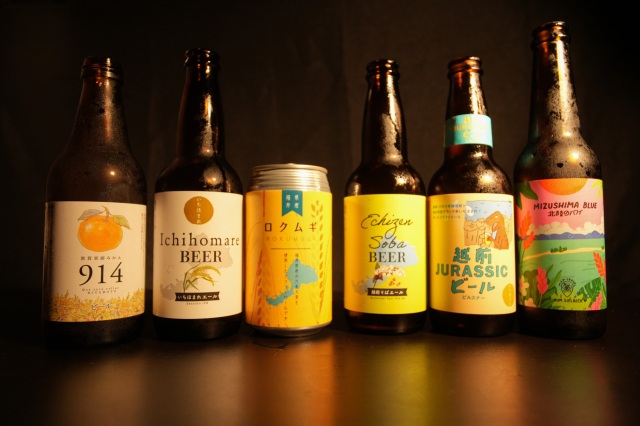
- Artisanal beers in Fukui (some of them made by local sake breweries!) make the most of local ingredients such as kombu, rice, soba, barley, etc. for a unique spin on the worldwide favorite.
Shops in Fukui
Find out where to buy souvenirs and gifts around Fukui Prefecture.
Shops in Tokyo
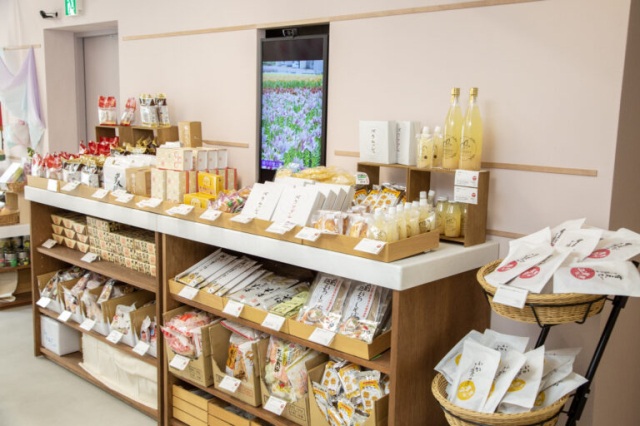
Fukui souvenirs and gifts are hard to come by outside of the prefecture, but select stores in Tokyo offer some of the best Fukui has to offer.
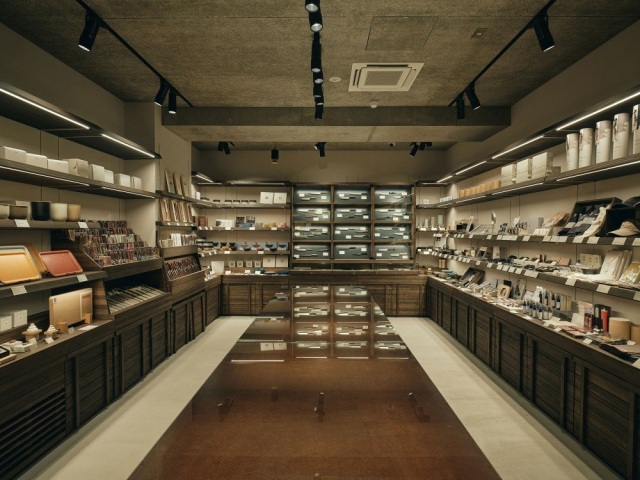
- FUKUI ANTENNA SHOP GINZA
- A multi-purpose facility that brings together the best of Fukui. Inside, you’ll find a shop offering carefully selected foods and crafts from across the prefecture, a restaurant where you can savor Fukui’s culinary delights, and an information corner providing travel support for visitors.
- See More
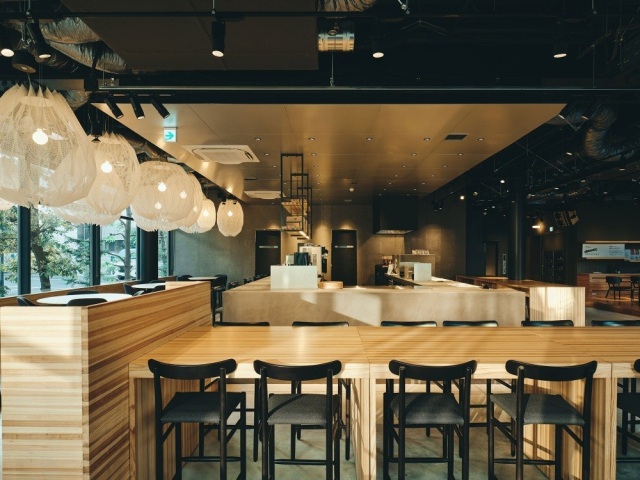
- FUKUI ANTENNA SHOP MINAMIAOYAMA
- In the stylish and relaxed dining space, you can enjoy menus featuring Fukui’s premium rice Ichihomare, along with drinks and tableware carefully selected from local producers. Whether dining in or taking out, you’ll experience the authentic flavors of Fukui.
- See More
- Sakai City (Fukui Prefecture) Antenna Shop
- The facility offers specialty products from Sakai City, along with tourist information, guidance, and a restaurant. In particular, we recommend products related to the bounties of the Sea of Japan!
- See More