Explore Japan’s Undiscovered Food Haven in FUKUI
Blessed with a rich climate, pure spring water, and exceptional ingredients, Fukui has long supported the food culture of Japan’s ancient capital. Often called a true “culinary treasure trove,” Fukui offers the freshest seafood, mountain harvests, and traditional local dishes—authentic flavors that bring out the best of each season. In the southern Wakasa region, generations of fishermen and farmers have even supplied fresh delicacies to the Imperial Family for centuries. For food lovers, there’s no place quite like Fukui.
On this page, you’ll find gourmet specialties available only in Fukui, along with stories that reveal the depth of Japan’s culinary culture. More than just delicious, each dish carries history and tradition within it. Come and explore the world of Fukui cuisine—an experience that is authentic, refreshing, and deeply rooted in the true spirit of Japan.
1.Fukui’s Signature Dishes & Ingredients
Seafood
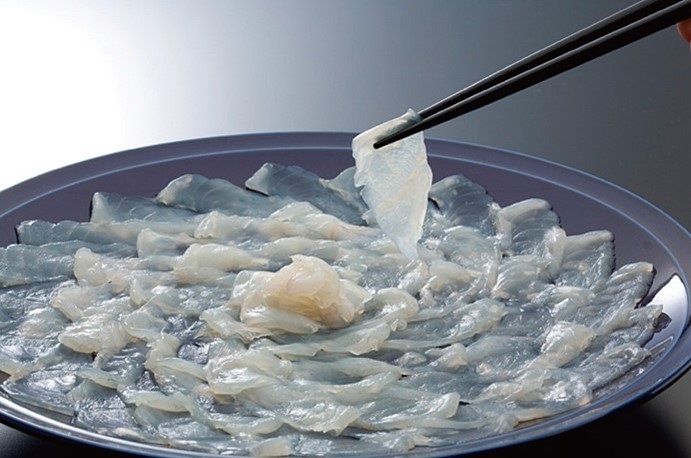
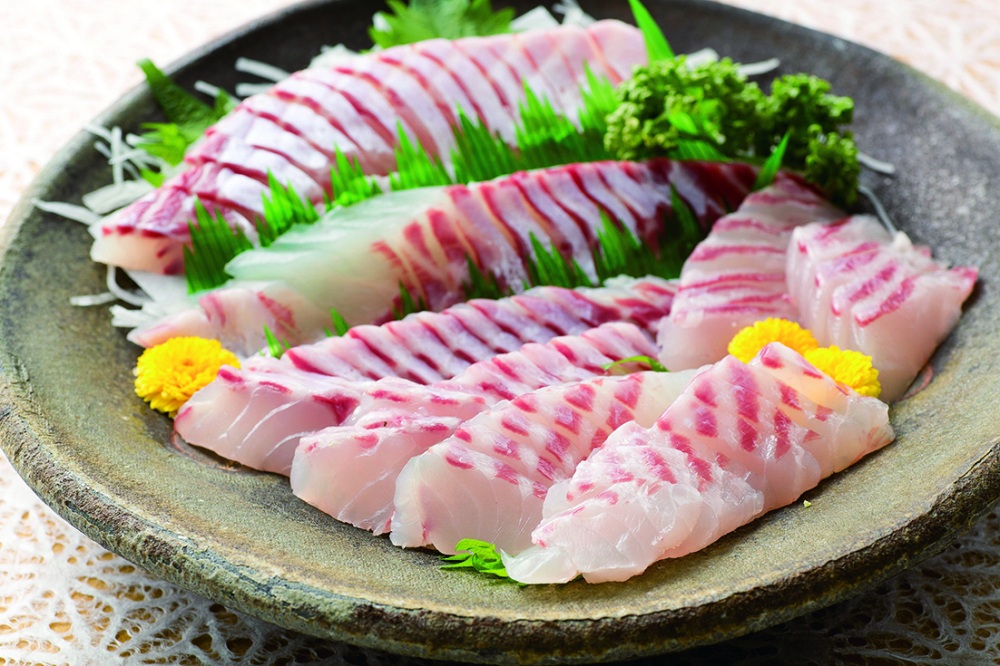
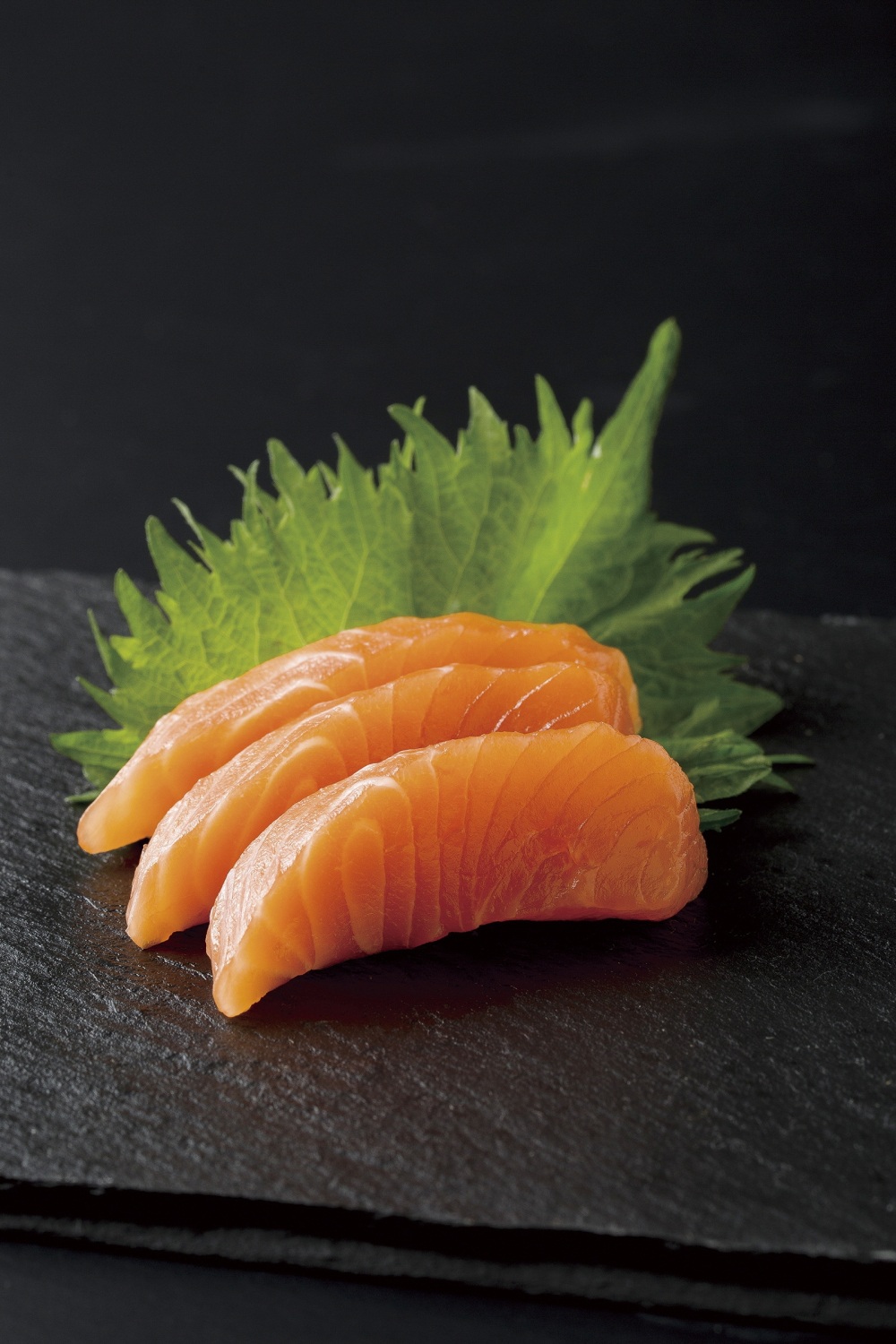
In the past, southern Fukui played a special role as a Miketsukuni, a region tasked with delivering food reliably to the emperor and nobles in Kyoto. At that time, fish such as mackerel, tilefish (Wakasa guji), and flounder were highly prized and said to be reserved for people of high status.
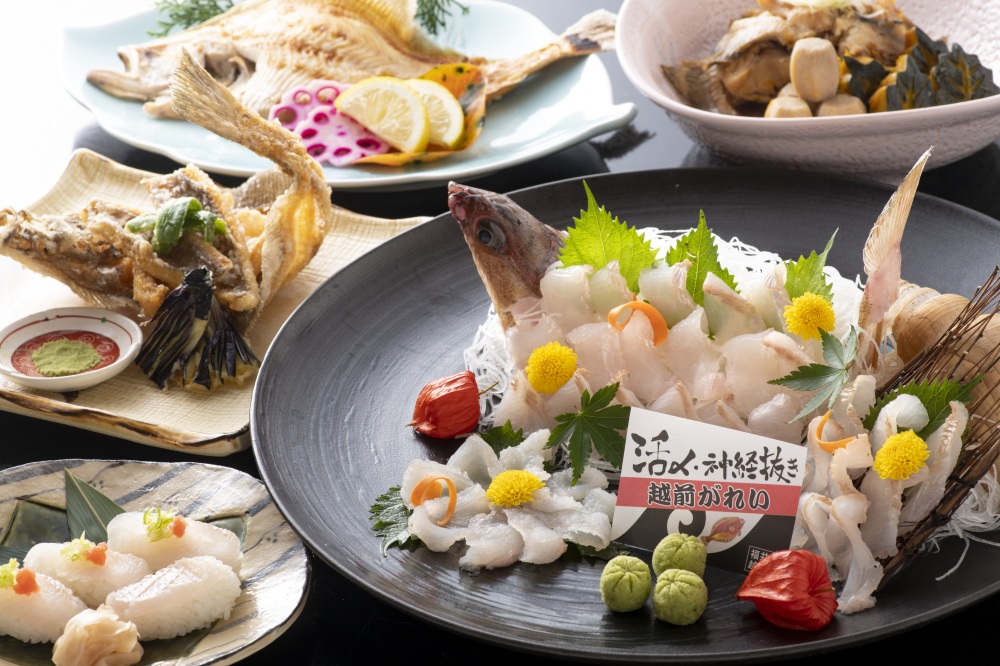
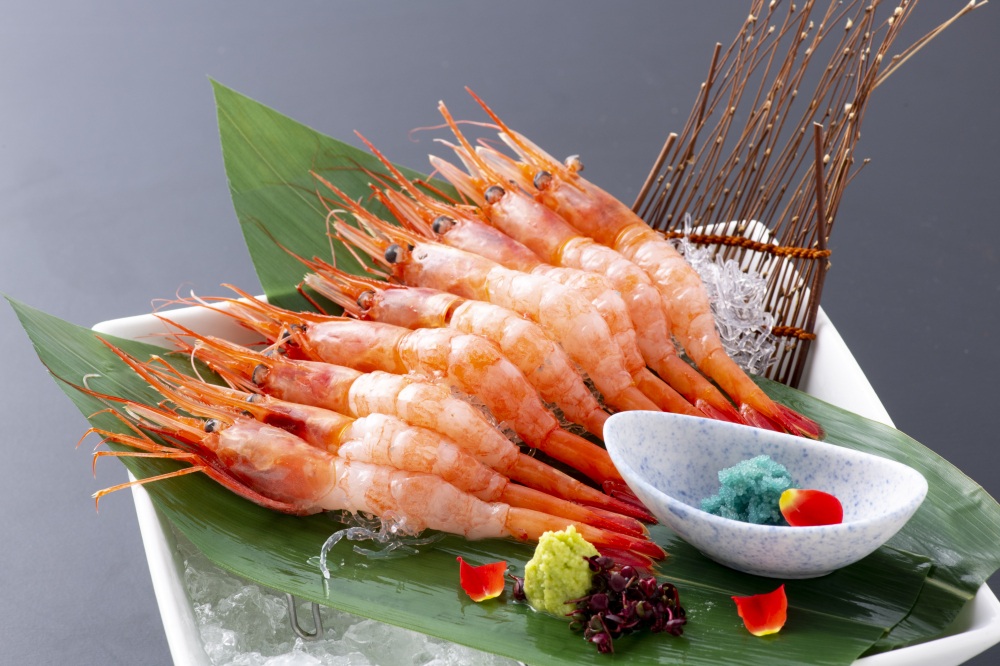
Even today, Fukui offers a variety of delicious seafood. From the carefully selected Fukui Amaebi (sweet shrimp), prized for its size, season, and freshness, to the firm, flavorful Wakasa Fugu, raised in cold seawater, and the versatile Echizen Garei, fluffy and juicy when grilled or tender when simmered. Fukui also boasts new local specialties such as Fukui Salmon, raised under strict management from juvenile fish, and Yopparai Saba, mackerel given fodder mixed with sake lees.
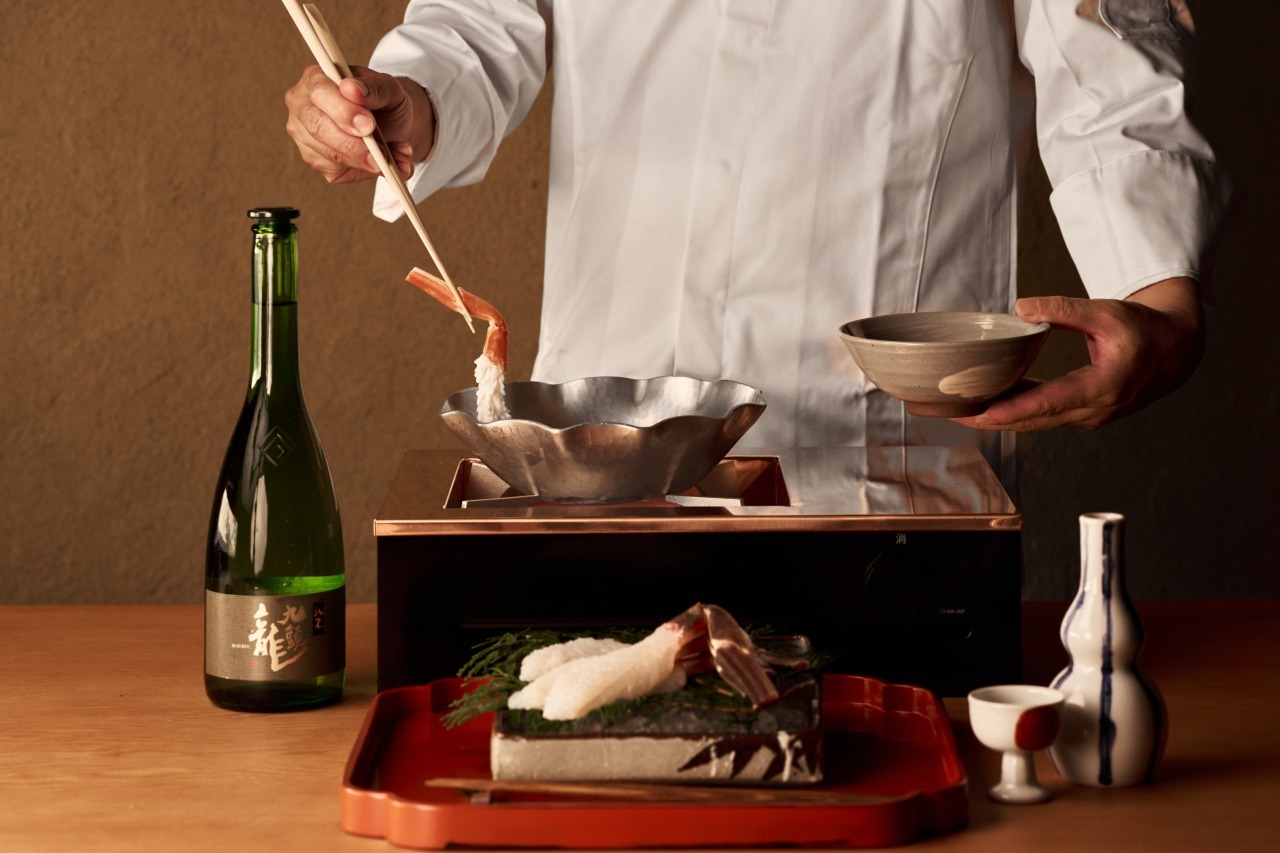
Echizen Gani Crab
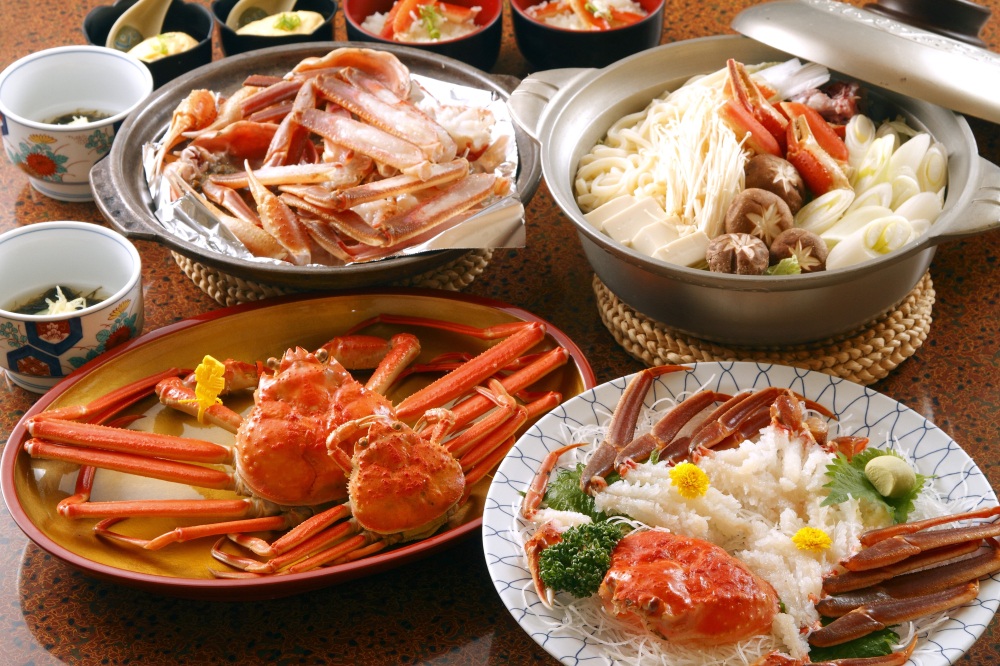
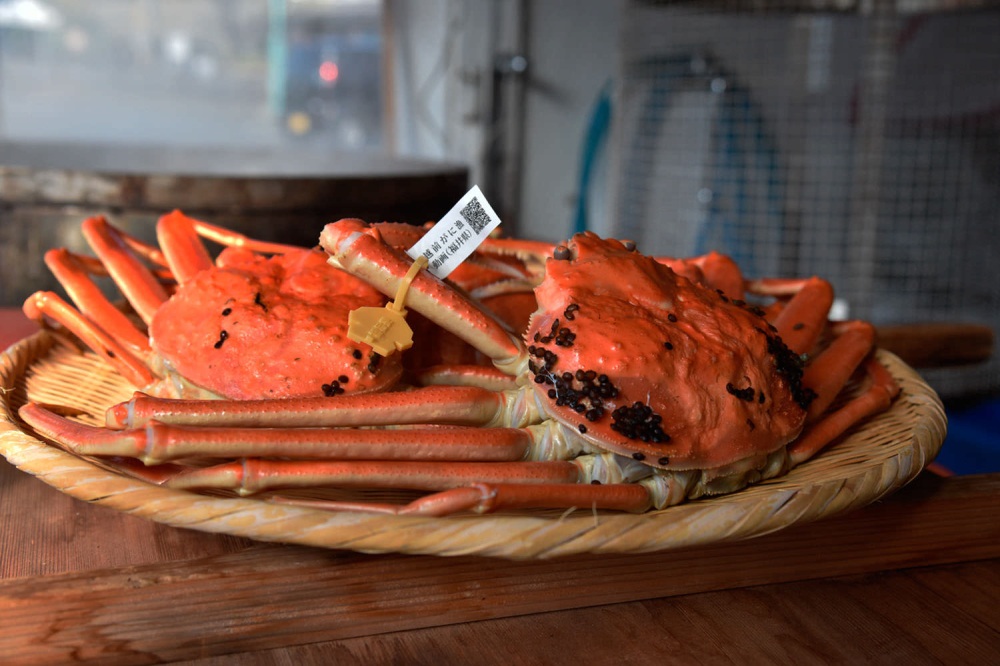
Echizen Gani crab refers to male snow crabs (zuwai gani) landed at Fukui’s fishing ports. In Fukui, each crab is tagged with a yellow label stamped with the port name, serving as proof that it is an authentic Echizen Gani crab from Fukui Prefecture.
While snow crabs are also branded in other regions, the flavor varies depending on the fishing environment. Echizen Gani crab benefits from ideal conditions along the Echizen Coast—rich feeding grounds, unique coastal topography, and cold winter waters—resulting in sweet, firm, high-quality meat. For this reason, Echizen Gani crab is the only snow crab permitted as an offering to the Imperial Family. The most exceptional crabs, chosen for color, sheen, and shape, receive a second yellow tag, creating the coveted “double tag” that delights seafood connoisseurs.
The Echizen Gani crab season opens every year on November 6. From that day, freshly boiled crabs appear at local ports, and ryokan and restaurants throughout the prefecture serve authentic Echizen Gani crab dishes for visitors to enjoy.
Sauce Katsu-Don & Echizen Oroshi Soba
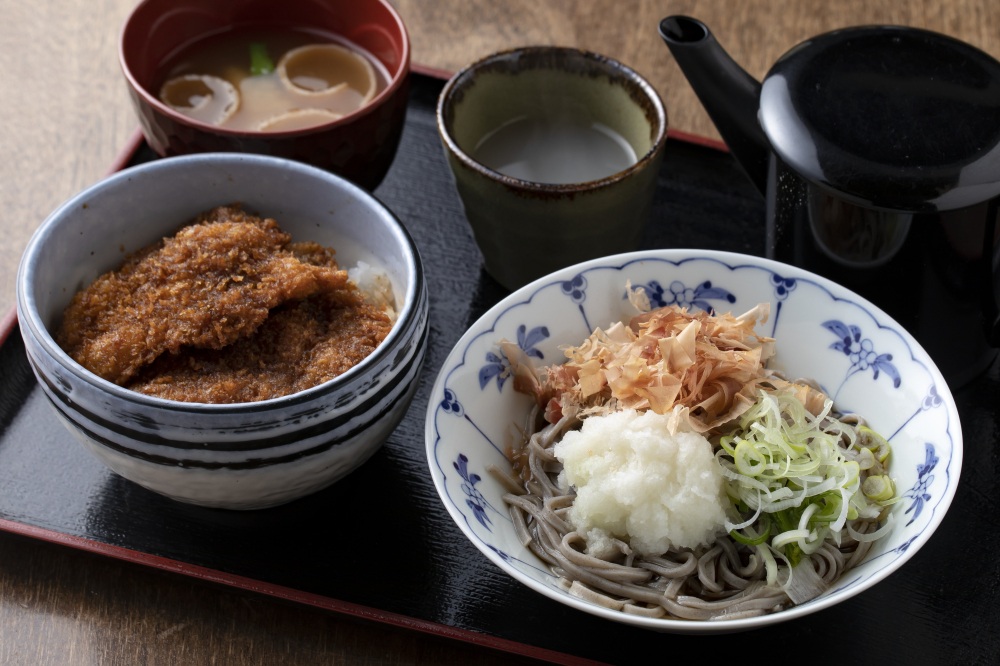
Two of Fukui’s most famous local specialties are Sauce Katsu-Don pork cutlet bowls and Echizen Oroshi Soba noodles. Sauce Katsu-Don features multiple layers of freshly fried, thin pork cutlets, drenched in a sweet and savory special sauce and served over rice—a style unique to Fukui. Each restaurant offers its own variation of sauce and batter, making every meal a new experience. This beloved dish is also popular as a take-out bento, making it a staple of daily life.
Echizen Oroshi Soba, on the other hand, is a classic northern Fukui specialty. Cold soba noodles are served in a chilled broth, topped with grated daikon radish, bonito flakes, and green onions. The fragrant soba perfectly balances the refreshing spiciness of the daikon, creating a harmonious flavor.
Many restaurants in Fukui offer these two specialties together, allowing visitors to enjoy the best of the region’s culinary heritage in a single meal.
Locally Brewed Sake
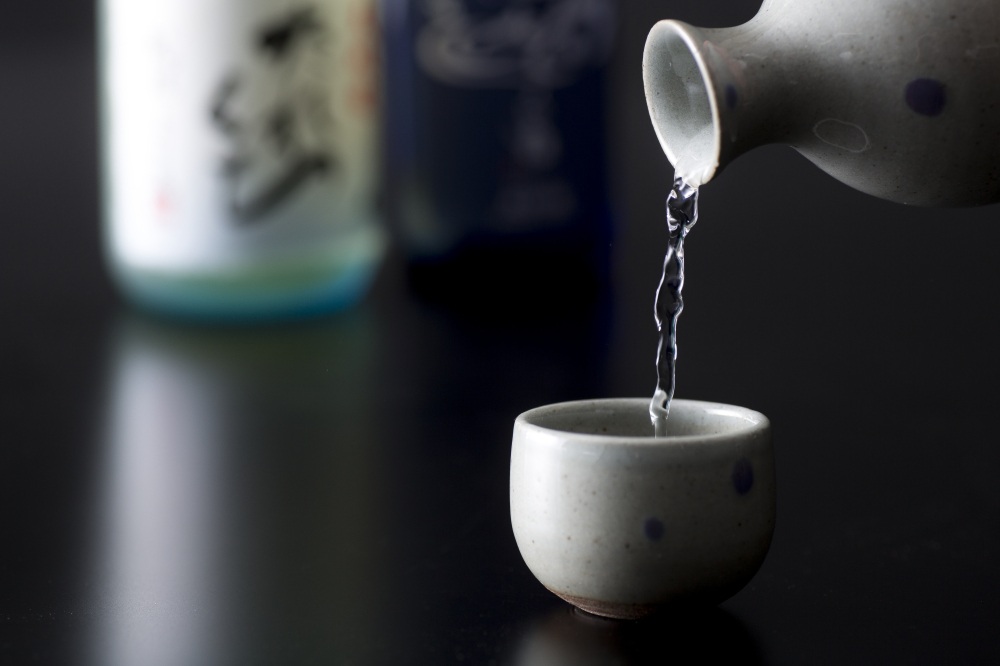
Fukui has long been a region with abundant rice production, especially varieties ideal for brewing sake. The prefecture also boasts plentiful clean, delicious water—essential for sake-making—which, together with its natural blessings, has allowed Fukui to produce high-quality sake for generations.
There are more than 30 breweries of various sizes throughout the prefecture, offering a wide range of flavors and aromas to explore. In recent years, many breweries have started producing sweeter and fruitier sake, making it accessible and enjoyable even for those who typically don’t drink sake, or alcohol. Sake is best savored alongside local dishes.
In particular, Ono City and Minami-Echizen Town feature areas where multiple breweries are within walking distance. Take in the local scenery and ambiance while visiting several breweries and tasting their sake—a one-of-a-kind Fukui experience.
Sustainable Food Practices in Fukui
2.Sustainable Food Practices in Fukui
Heshiko
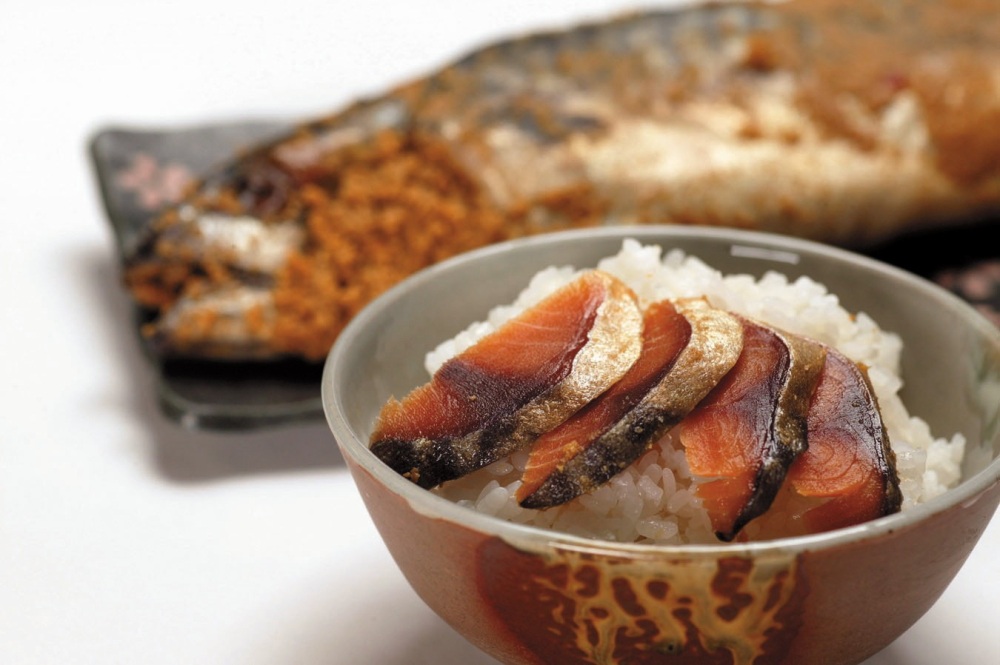
Heshiko is a traditional preserved fish from Fukui Prefecture, made for generations in the coastal Wakasa region in the south and along the Echizen Coast in the northwest. To make heshiko, the fish is first gutted and salted. It is then wrapped with rice bran (nuka)—a powder derived from rice—and chili peppers, and left to ferment for an extended period. This method allowed people to safely enjoy fish throughout the winter months. Historically, heshiko was an important source of protein during the cold season when food was scarce. The most famous type is mackerel heshiko, though sardines and pufferfish (fugu) are also used.
There are several ways to enjoy heshiko. Lightly brushing off the rice bran and grilling it brings out a fragrant, savory flavor. Alternatively, washing off the rice bran completely and slicing the fish thinly allows it to be enjoyed like sashimi. Its salty, umami-rich taste pairs perfectly with sake or rice. In recent years, heshiko has also been used in creative dishes such as ochazuke (rice with tea) and pizza.
Grilled Whole Mackerel
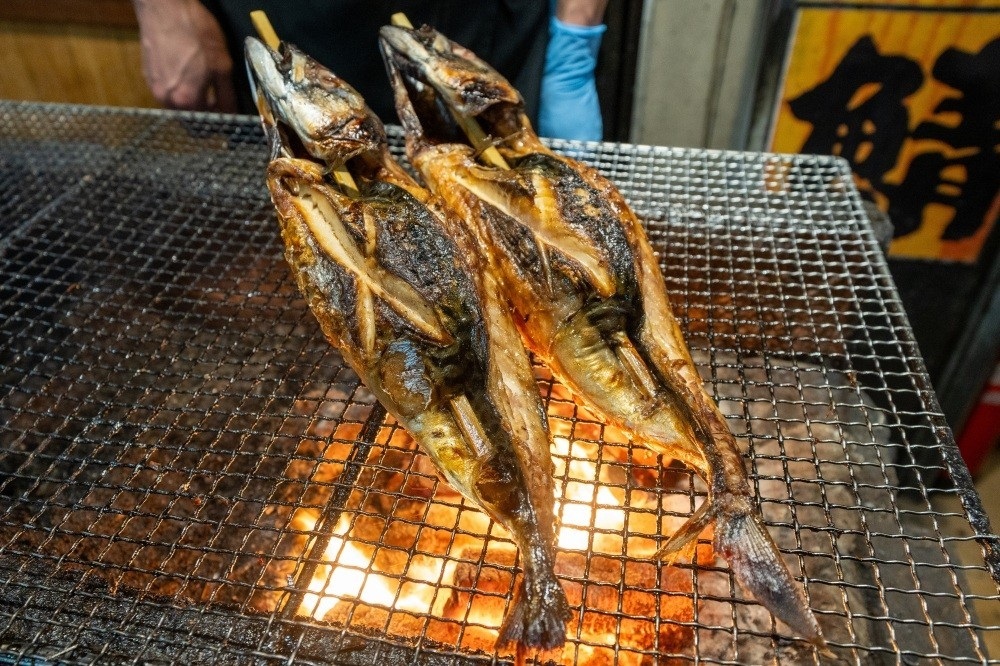
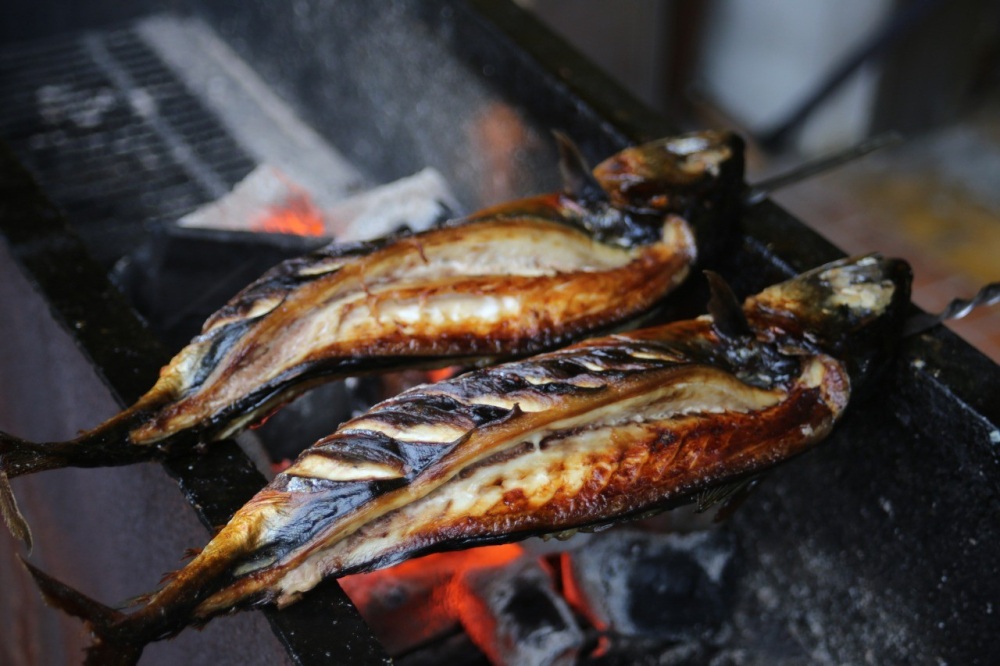
The Wakasa region in southern Fukui has long been known as a “Miketsukuni”—a special area tasked with supplying food to the capital. Mackerel was especially prized for its rich, flavorful flesh. In the past, people carried the fish on their backs all the way to Kyoto. The route they took became known as the “Saba Kaido” (Mackerel Road), and by the time the mackerel reached Kyoto, it was said to have the perfect level of saltiness.
Grilled whole mackerel on a bamboo skewer, known as “Maruyaki Saba,” was considered a luxurious dish, traditionally served on special occasions such as weddings.
In northern Fukui, there is still a custom of eating grilled mackerel on Hangeshō (around July 2), a summer festival day. This tradition began when the local lord distributed mackerel to reward and support people who had been working hard in the rice fields.
The most popular way to enjoy it today is to remove the mackerel from the skewer and eat it with ginger soy sauce.
Shio Uni (Salted Sea Urchin)
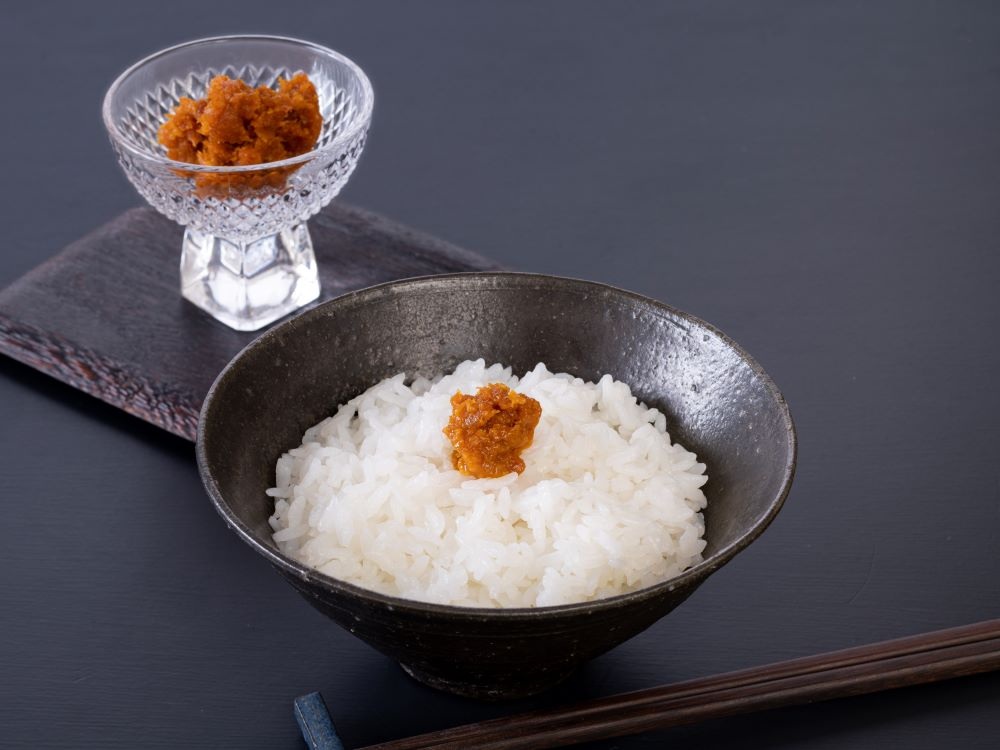
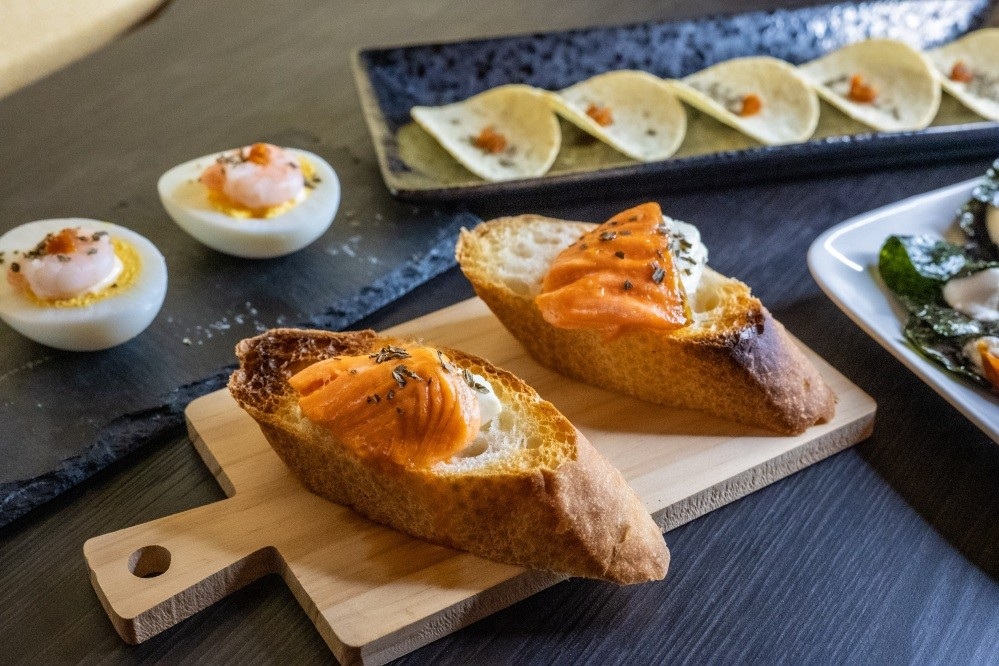
Shio Uni is a long-lasting delicacy made by mixing salt with the edible part (roe) of bafun uni (sea urchin). From a single sea urchin, only about 1 gram of this treat can be produced, making it an extremely rare and prized delicacy.
In Mikuni Town, Sakai City, renowned for its bafun uni, the sea urchin season runs for about a month starting in late July each year. Local female divers, called ama, dive into the sea to harvest the uni—a beloved summer tradition in the region. The freshly collected sea urchins are quickly processed on site and preserved with salt.
Shio Uni has a rich, deep aroma of the ocean and pairs perfectly with Japanese sake. It can also be enjoyed atop rice or eaten on its own. Each bite offers a luxurious taste that fully captures the bounty of the sea.
Oboro Kombu Shaved Kelp
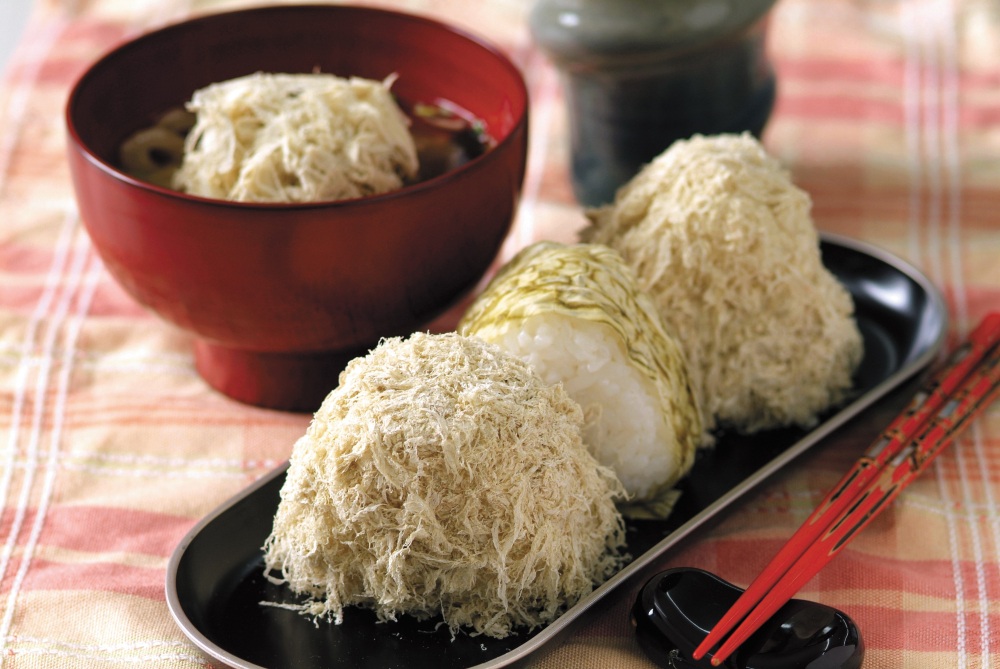
Fukui Prefecture is renowned as a traditional production area for oboro kombu, a delicate kelp product carefully shaved by skilled artisans, sheet by sheet. Oboro kombu is used in sushi, rice balls, soups, and more, offering a mild umami flavor and elegant, refined texture. Visitors can experience the craftsmanship firsthand through workshops where they can watch artisans at work or even try shaving oboro kombu themselves, gaining a deeper appreciation for this traditional technique.
During the Edo period (1603-1868), merchant ships navigating the Sea of Japan were called Kitamaebune. These ships didn’t just transport rice and fish—they also purchased goods at each port and sold them at the next, effectively acting as “mobile trading companies” that brought prosperity to many towns.
Among the goods carried by Kitamaebune, kombu from Hokkaido became particularly important. The port town of Tsuruga in southern Fukui became a major hub for collecting kombu, attracting skilled artisans who refined the art of making oboro kombu. Even today, Tsuruga has one of the highest concentrations of kombu-shaving artisans in Japan.
Kombu is a natural seaweed grown in the ocean and contains no animal products, making it a completely plant-based ingredient. Today, it is widely enjoyed as a safe and flavorful seasoning, and a favorite among vegetarians and vegans.
3. The Culinary Diversity of Fukui
Shojin Ryori Buddhist Cuisine
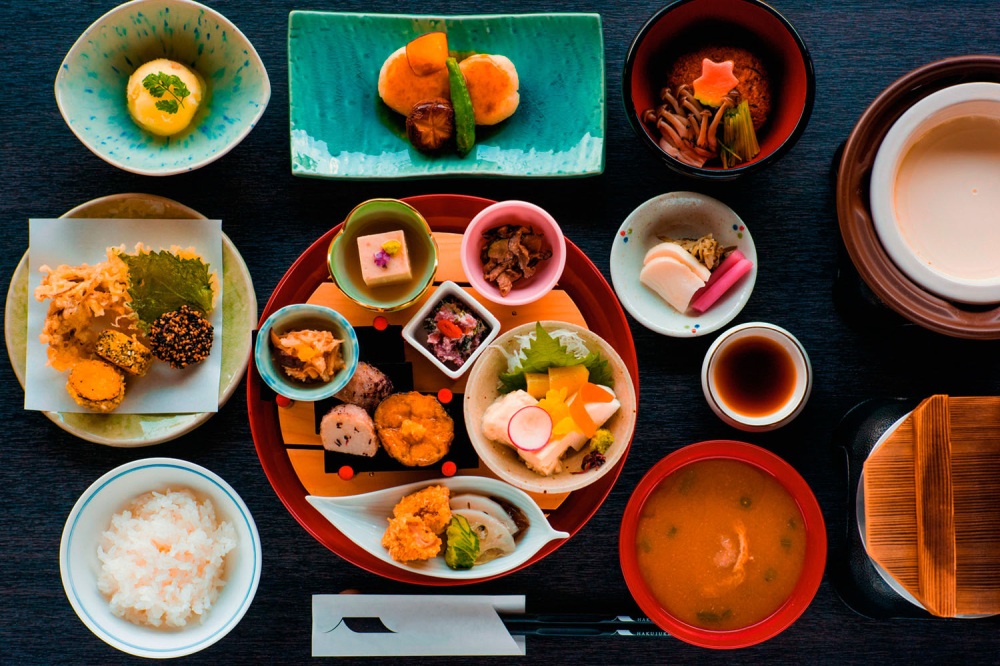
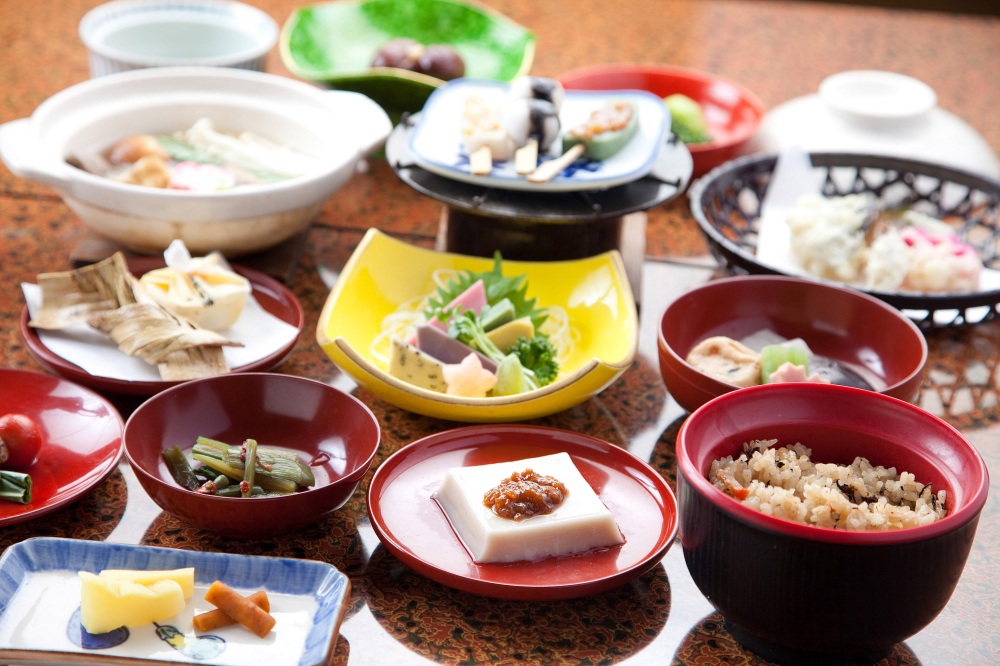
Shojin cuisine is a traditional style of cooking based on the Buddhist principle of respecting life. It is made entirely without meat, fish, eggs, or dairy, using only vegetables, beans, seaweed, and mushrooms. This makes it a safe and enjoyable dining experience for vegans and vegetarians as well.
At Eiheiji Temple, chefs carefully use every part of the ingredients to avoid waste. For example, vegetable scraps are used to make broth, and the ends of shiitake mushrooms are finely chopped and incorporated into dishes, ensuring almost nothing goes to waste.
Fukui’s shojin ryori cuisine emphasizes the beauty of seasonal ingredients, with delicate seasoning that is gentle on the body. Traditional dishes such as simmered taro and sesame tofu (goma-dofu) are highlights. This is a special culinary experience that delights both the eyes and the palate, offering a unique taste of Fukui’s culture.
Echizen Oroshi Soba: A Variety of Native Buckwheat
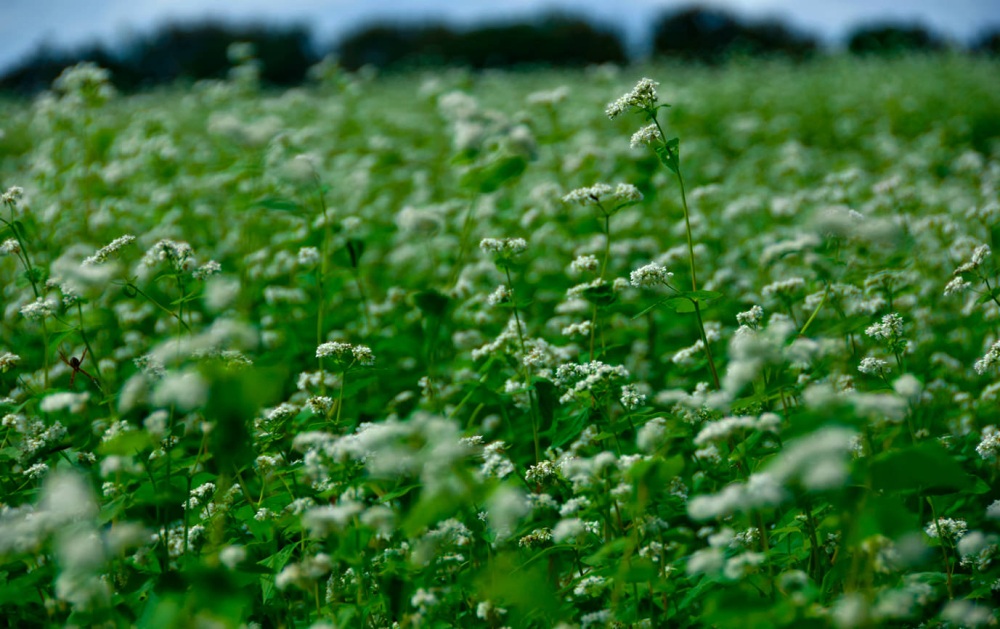
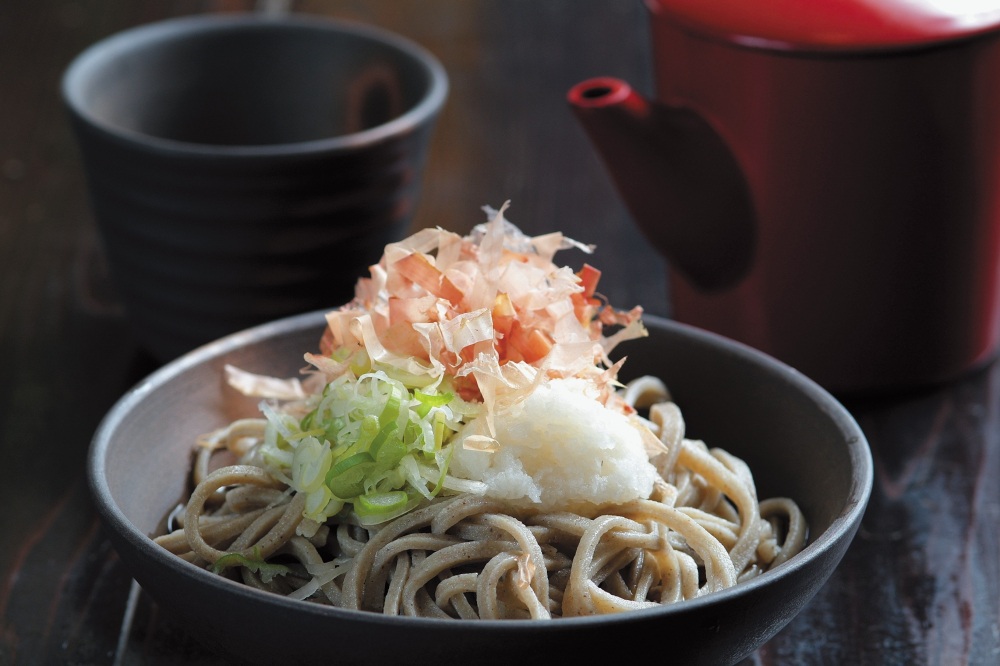
In Fukui Prefecture, many varieties of native buckwheat—known locally as zairai-shu—have been cultivated for generations. The flavor of soba varies widely depending on the climate, soil, and the techniques of individual producers, making each region’s soba unique and full of character.
“Native varieties” are buckwheat strains that have been passed down and grown in the same area for generations. While they can be challenging to cultivate and yields may fluctuate, their flavor and texture are highly prized. Although much of Japan now relies on improved, commercially bred buckwheat, Fukui continues to nurture native varieties across the prefecture, earning it the reputation as the “Kingdom of Native Soba.”
Abura-age (Deep-Fried Tofu)
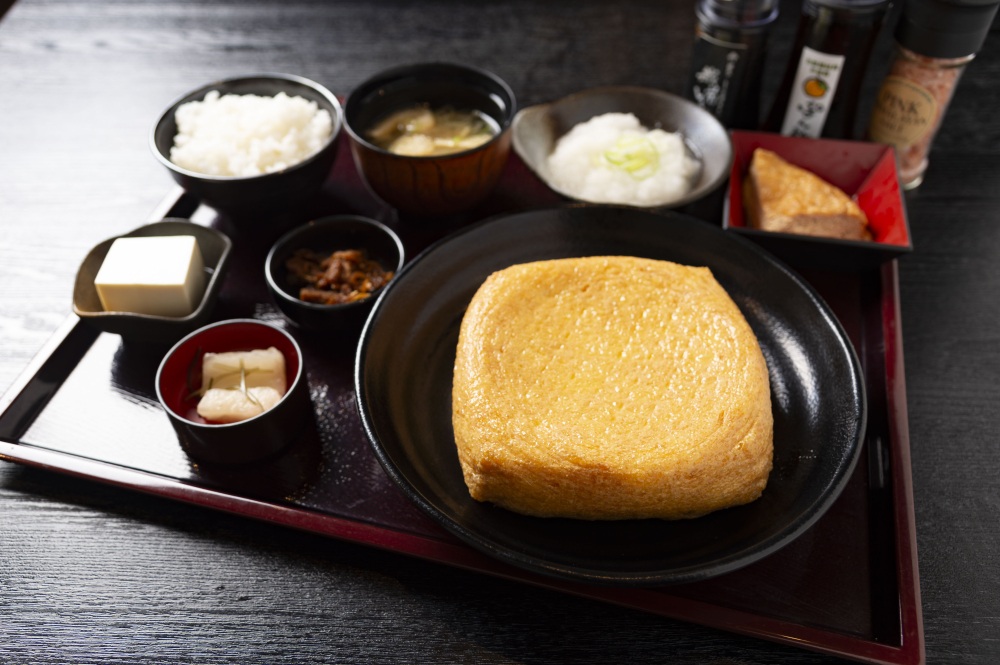
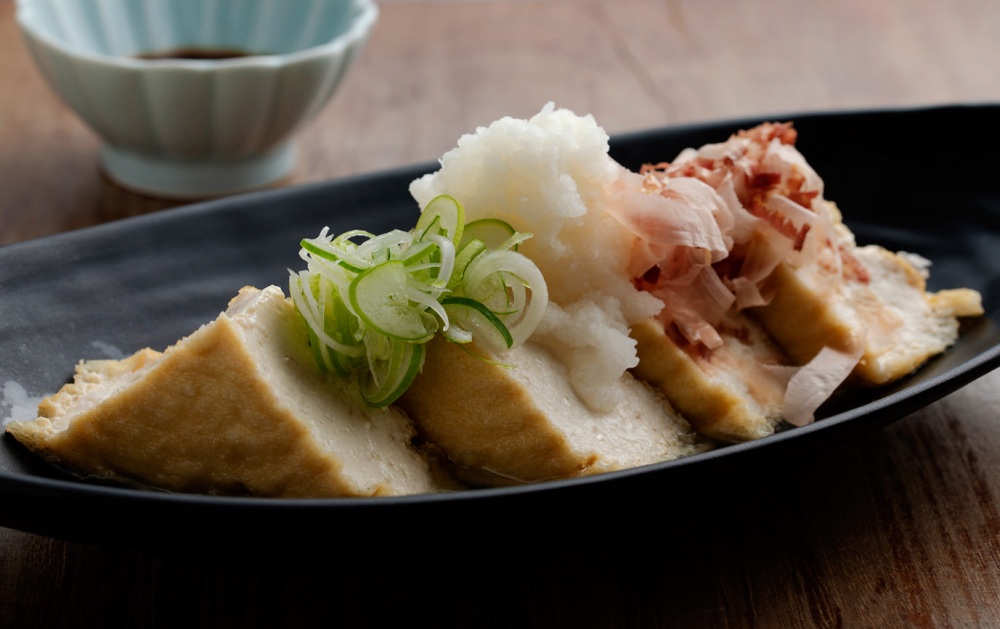
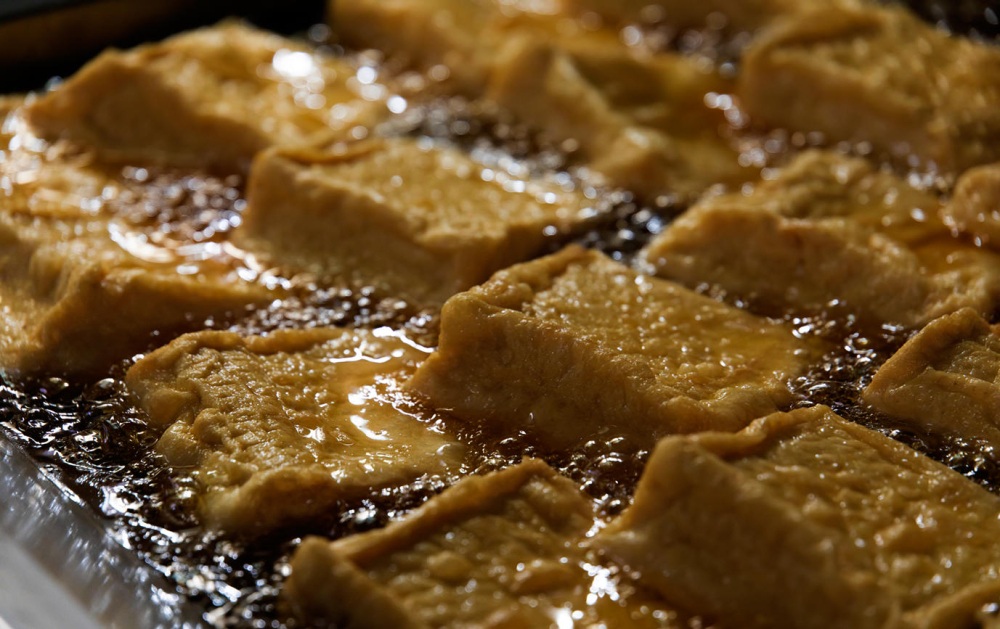
In most of Japan, “abura-age” refers to thin, flat slices of deep-fried tofu. In Fukui Prefecture, however, abura-age means thick, large pieces of fried tofu, known locally as atsu-age. Fukui is famous for its love of abura-age, consistently ranking first in the nation for consumption of this versatile ingredient for over 50 years.
Historically, abura-age appeared in meals served during Buddhist ceremonies in Fukui, where it was once considered a luxury item. This tradition helped spread its popularity as a staple of home cooking. Made from soybeans and fried in oil, aburaage contains no animal products, making it a key ingredient in shojin (Buddhist vegetarian) cuisine and a dish that vegetarians and vegans can enjoy.
In Fukui, aburaage is enjoyed in many ways: simmered in broths, topped with seasonings and eaten as is, or added to soba noodles for extra flavor and texture.
Column
Seasonal Delicacies
Be sure to also check out our special feature pages that showcase seasonal delicacies and other seasonal foods.
Column
This Is the True Taste of the Region! Local Cheap Eats You’ll Want to Try in Fukui
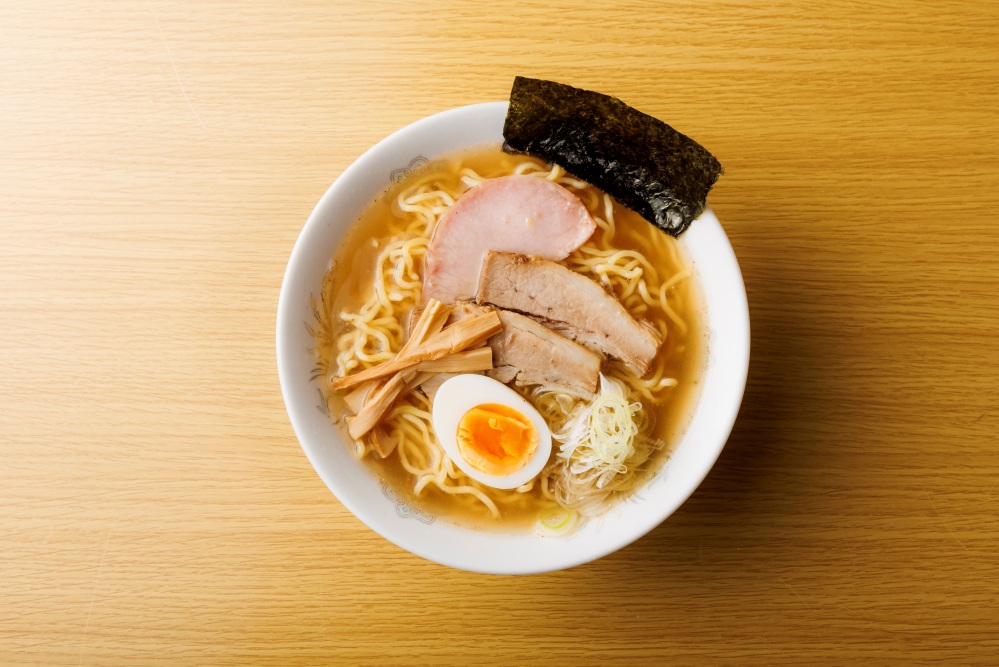
While local specialties like “Echizen Gani” crab and “Echizen oroshi soba” buckwheat noodles with grated daikon radish are great, Fukui’s soul food is also absolutely delicious! In this article, we’ll introduce you to a wide variety of Fukui’s local cuisine that’s deeply loved by the locals. Be sure to enjoy these dishes during your sightseeing or at your lodging in Fukui.
Column
EAT FUKUI
"EAT! FUKUI" is a multilingual restaurant guide site introducing dining establishments and menus across Fukui Prefecture. You can search by area, cuisine type, price range, or meal time, and filter for restaurants that accommodate allergies, vegetarian diets, or other specific dietary needs.