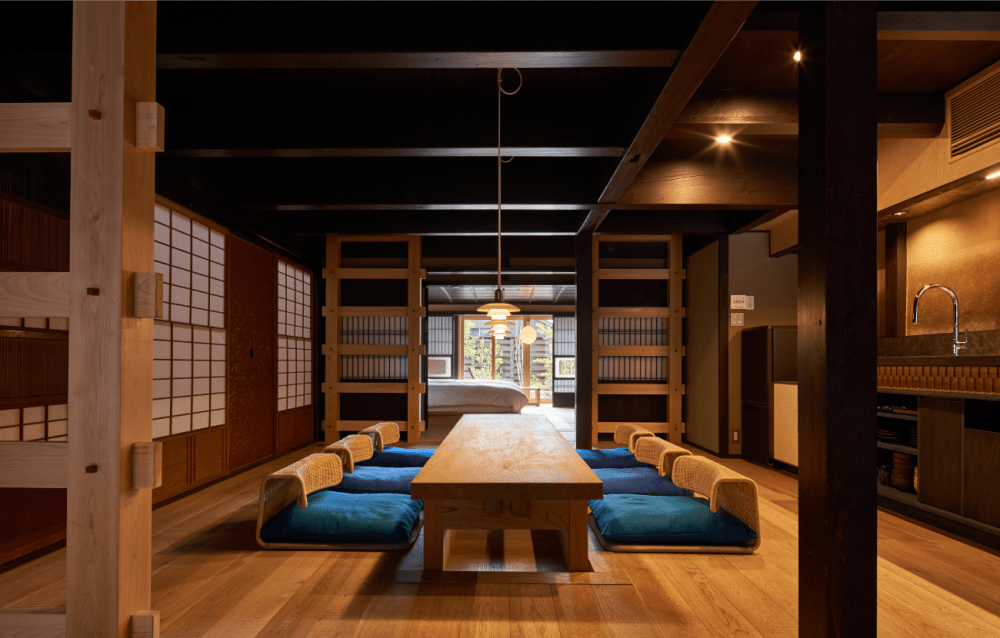
The Four Seasons of Fukui
Japan is famous for its four distinct seasons, and Fukui ーlocated in the middle of the country's Honshu main islandー is a great place to experience them all.
Since ancient times, people in Fukui have led their lives according to the seasons. Each one comes with its beautifully unique scenery, activities, foods, and events to enjoy, a selection of which is introduced on this page.
Spring (March - May)
From March to May, average daytime temperatures in Fukui range from approximately 7 to 18°C (45 to 64°F). While daytime highs can reach up to 23°C (73°F), temperatures can also drop as low as 3°C (37°F), so mornings and evenings can be quite chilly. It might be a good idea to bring a light coat with you and layer during your trip.
Hanami: The Japanese Art of Admiring Flowers
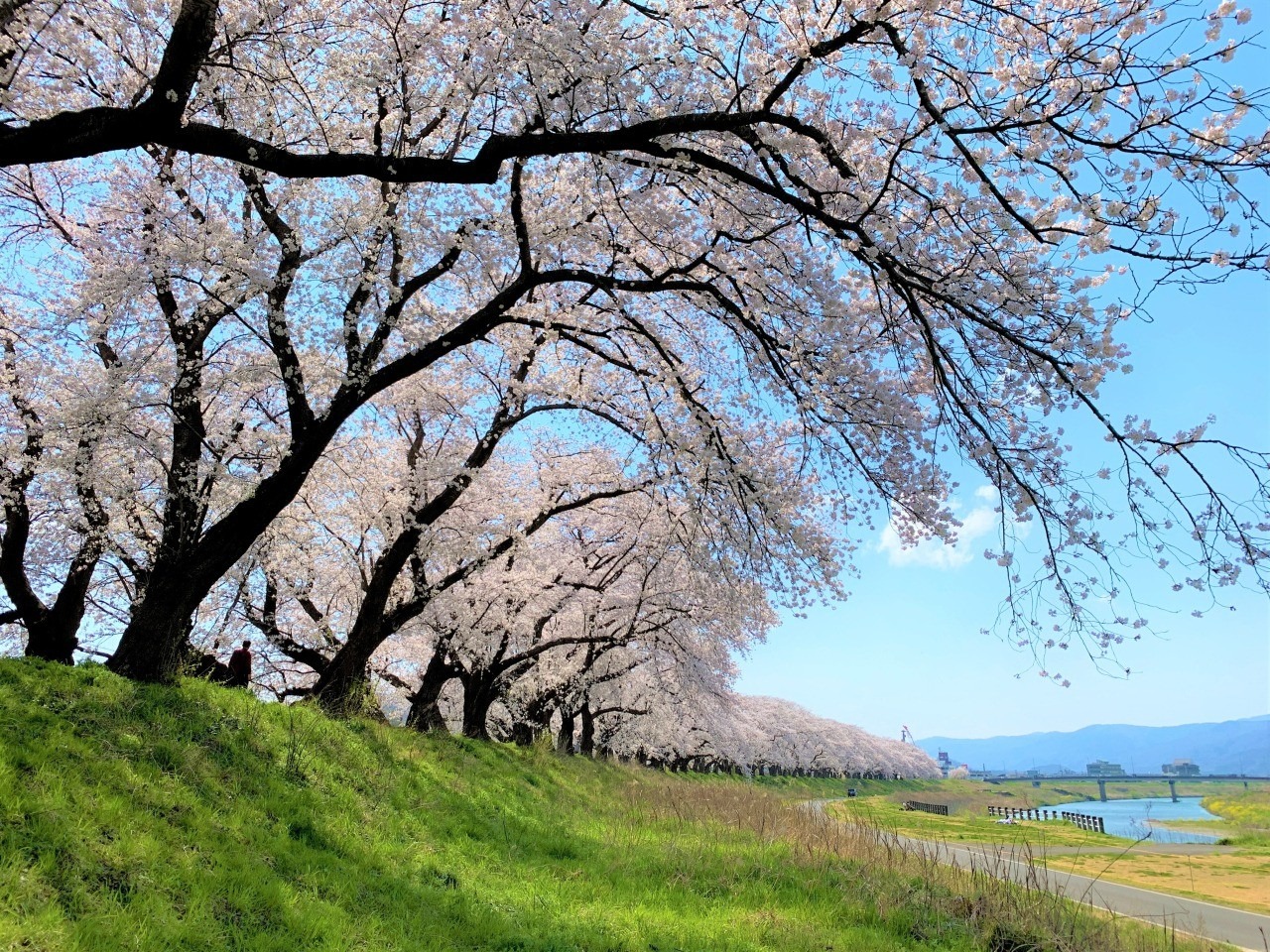
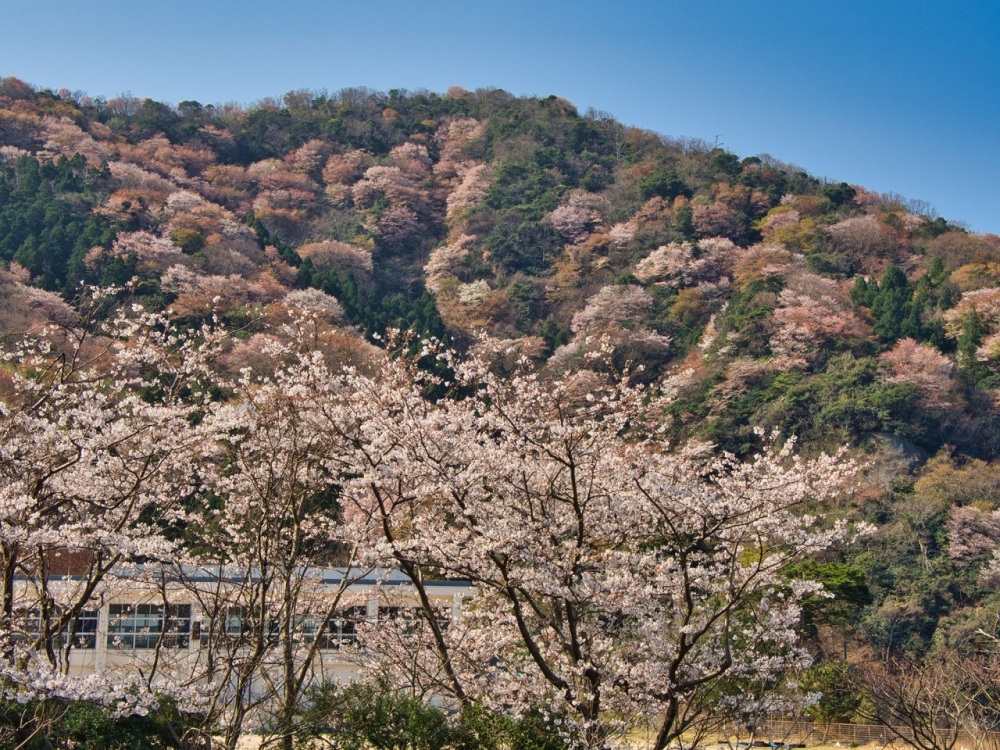
Spring in Japan is synonymous with flowers, starting with the delicate sakura cherry blossoms. In Fukui, you can take in the view away from crowds. And to make the fun last longer, follow the "sakura front" as it moves from the south to the north of Fukui around from late March to mid-April.
Other flowers, such as ume plums, wisterias, and azaleas, are also a staple in some areas of Fukui.
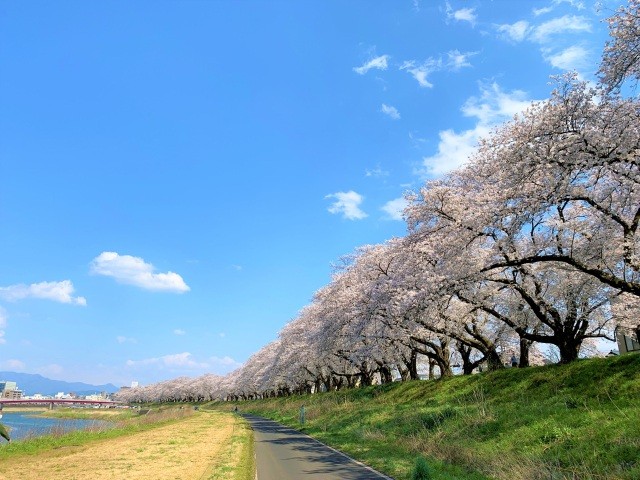
- Cherry Blossoms along the Asuwa River
- In Fukui City, the banks of the Asuwa River are a beloved springtime destination for cherry blossoms. Some 600 trees line a stre…
- See More
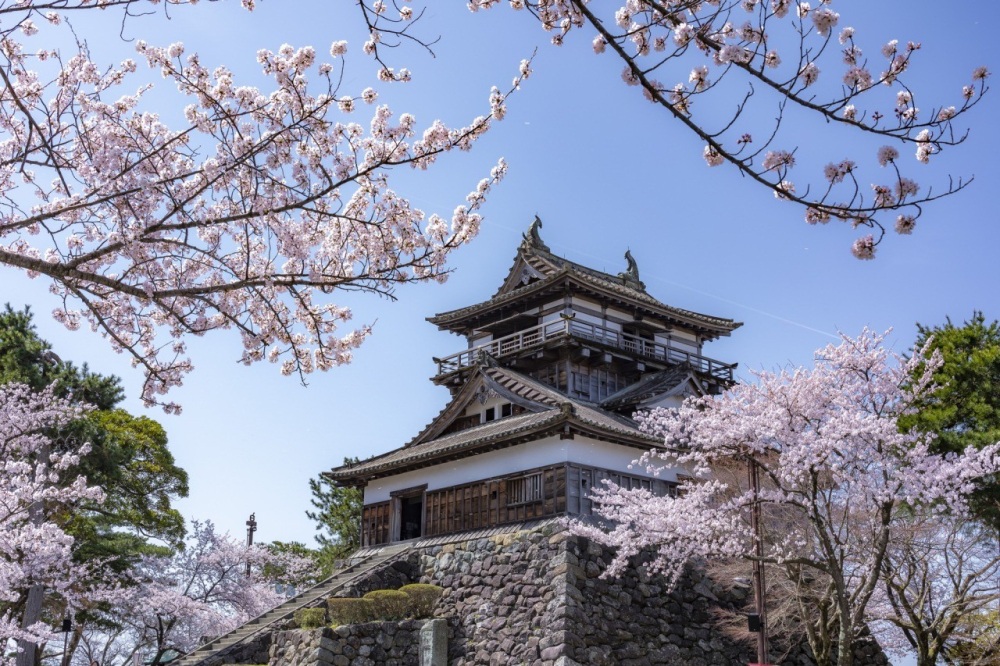
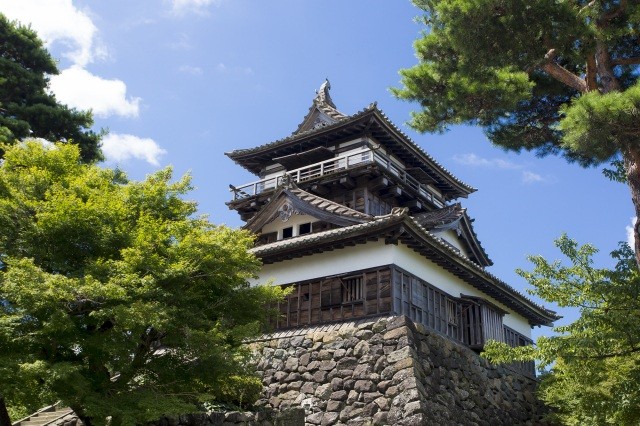
- Maruoka Castle
- Maruoka Castle dates back to 1576, and is one of only twelve original castle towers remaining in Japan today. In early and mid A…
- See More
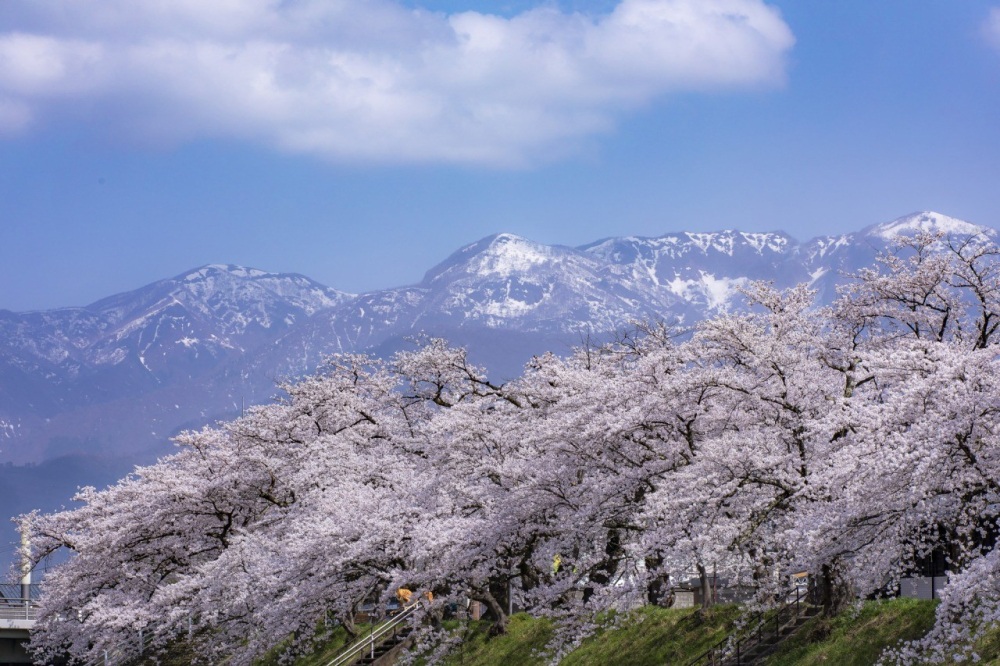
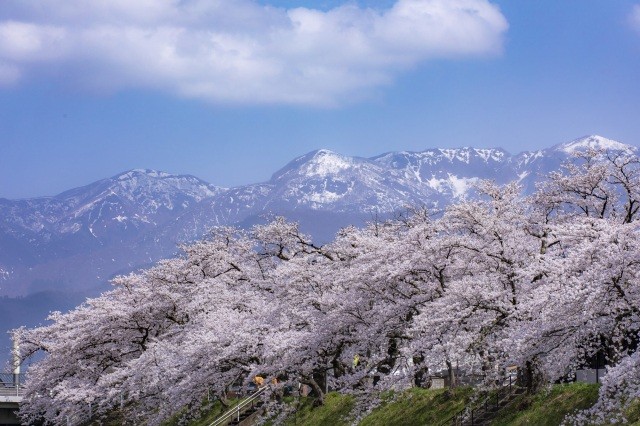
- Katsuyama Bentenzakura Cherry Trees
- The Bentenzakura Cherry Blossom Avenue, stretching approximately 1.5 km along the right bank of the Kuzuryu River, is known as &…
- See More
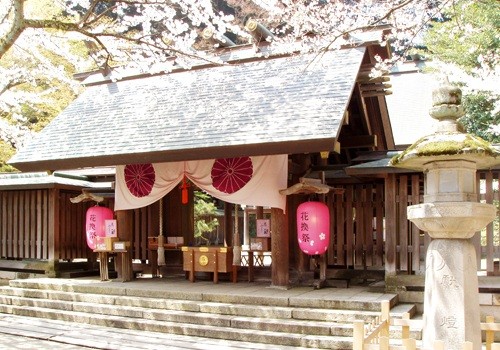
- Kanegasaki-gu Shrine
- This is the old battlefield where Nitta Yoshisada, the protector of Prince Tsunenaga and Prince Takera, fought against the Ashik…
- See More
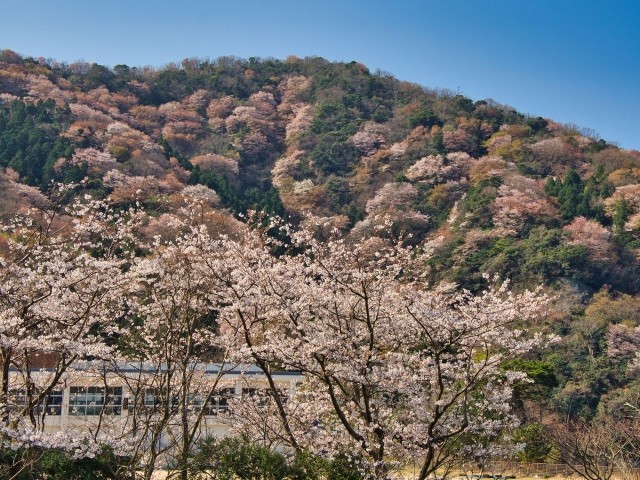
- Mountain Cherry Blossoms of Miko
- Located on the Tsunejima Peninsula, the town of Miko features approximately 300 magnificent mountain cherry trees designated as …
- See More
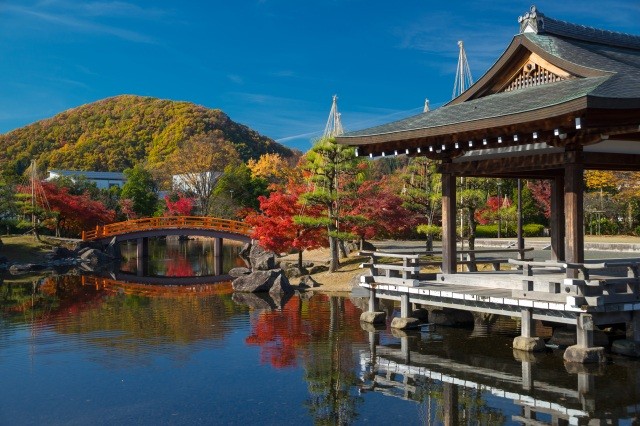
- Murasaki Shikibu Park
- Echizen City is the place where Murasaki Shikibu, the author of *The Tale of Genji*, lived away from the capital for the only ti…
- See More
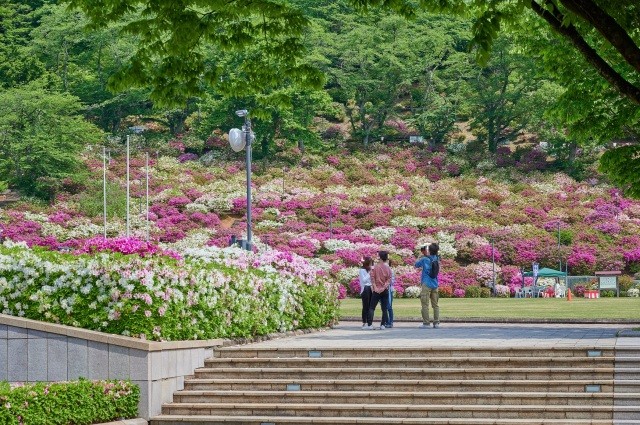
- Azaleas of Nishiyama Park
- With approximately 50,000 azaleas in full bloom, it is the most famous azalea viewing spot on the Sea of Japan coast. Every year…
- See More
Mountain Climbing & Hiking
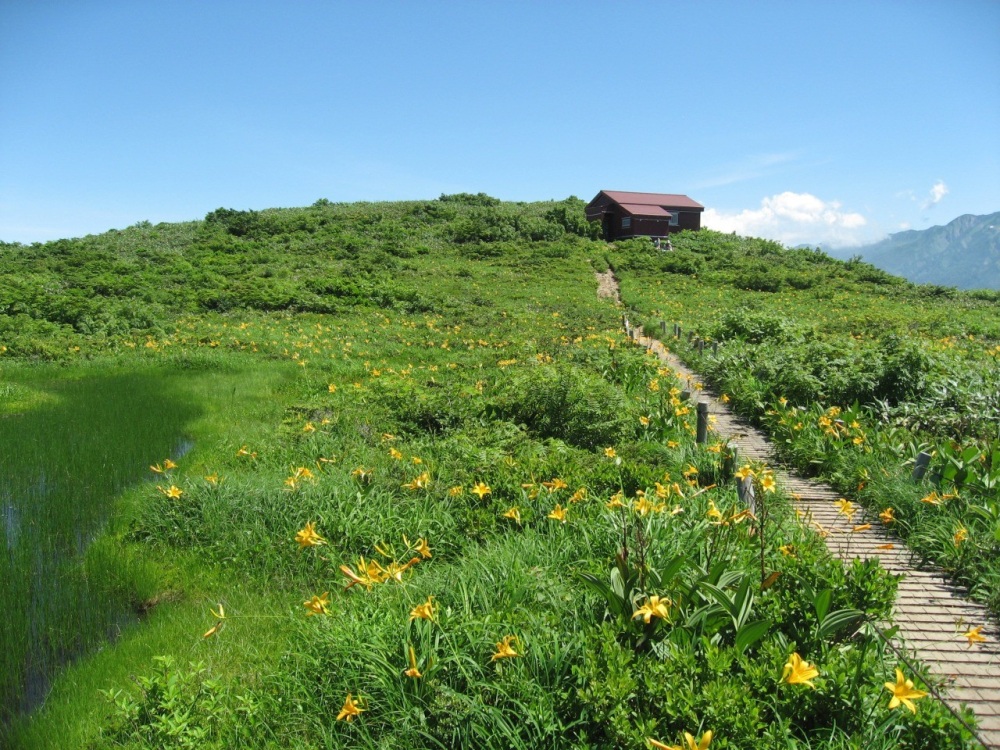
Spring, with its comfortably mild climate, is a great time for outdoor activites. Lined with many mountains and lush nature, Fukui is the ideal place to enjoy mountain climbing and hiking in Japan.
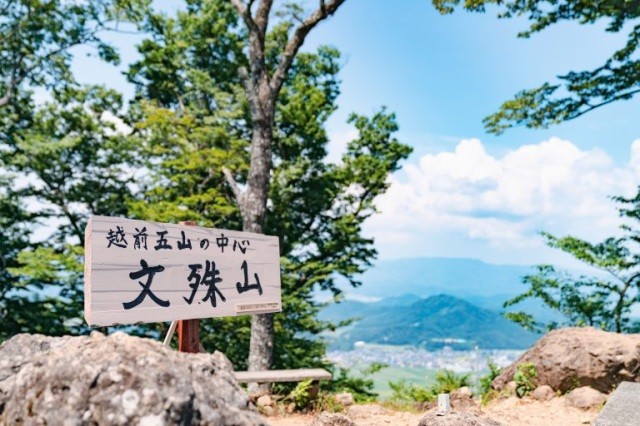
- Mount Monju
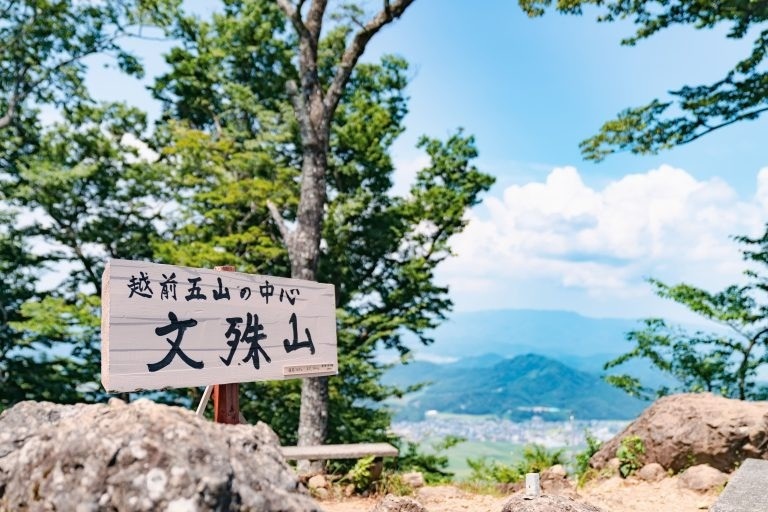
- Mount Monju is a sacred mountain founded by the great monk Taichō in the first year of the Yōrō era (717), approximately 1,300 y…
- See More
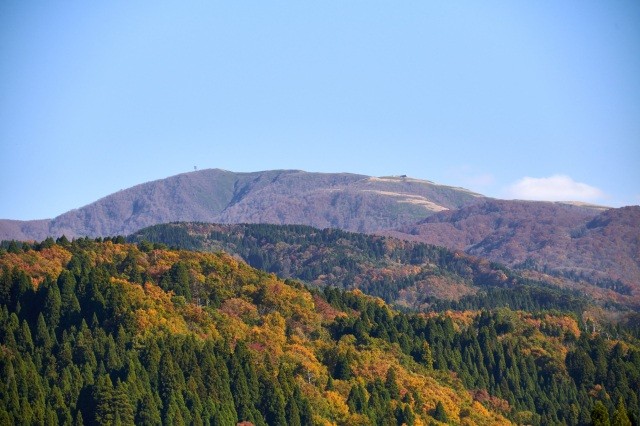
- Bukozan
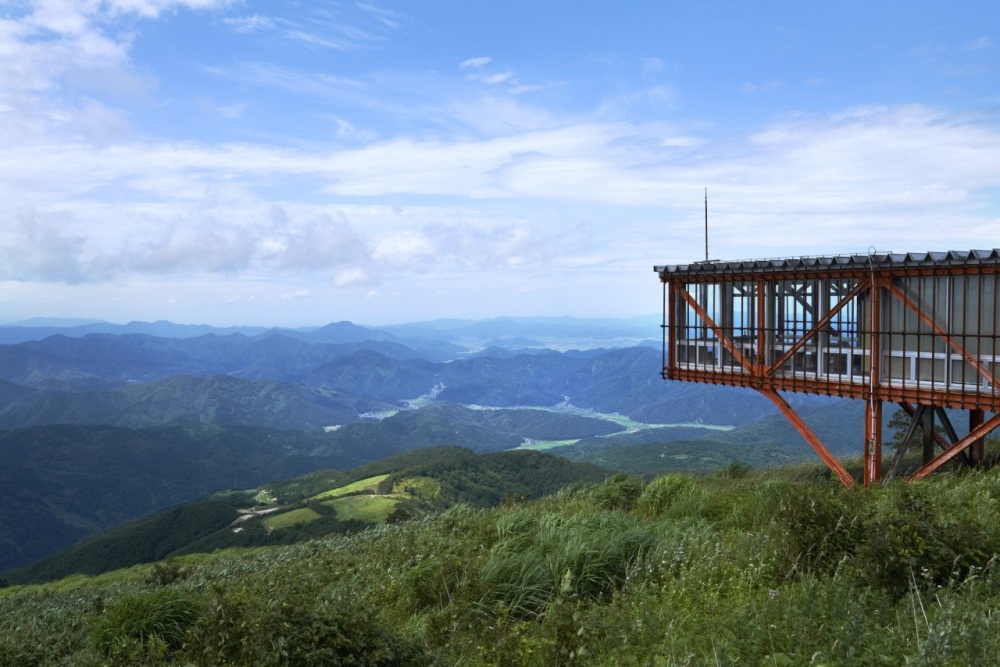
- Elevation: 1,464m. A gentle mountain with a feminine appearance, accessible by car up to a point 4.6 kilometers from the summit.…
- See More
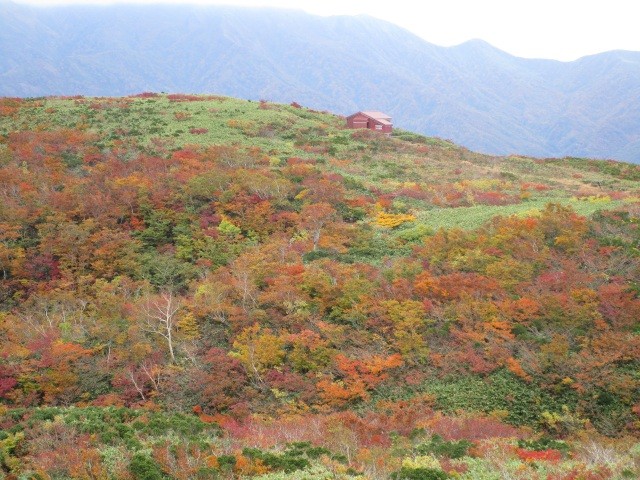
- Mt. Akausagi
- A mountain on the border with Ishikawa Prefecture.Its gentle, rounded silhouette resembles a rabbit, hence the name.Near the dis…
- See More
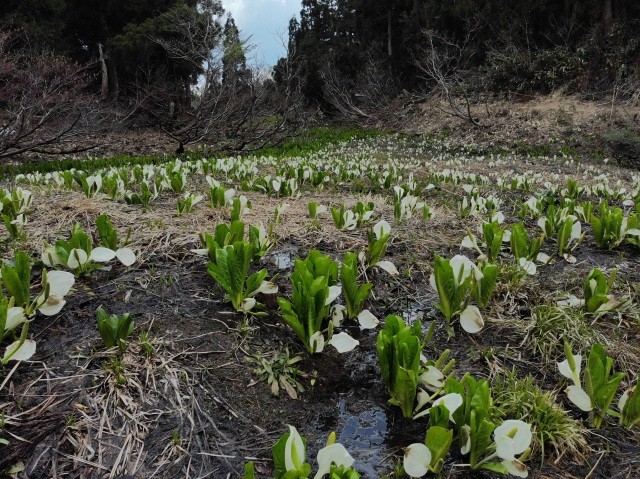
- Toriage Mountain
- Located on the border of Ishikawa Prefecture, it is renowned as a mountain where skunk cabbages bloom profusely in early spring.…
- See More
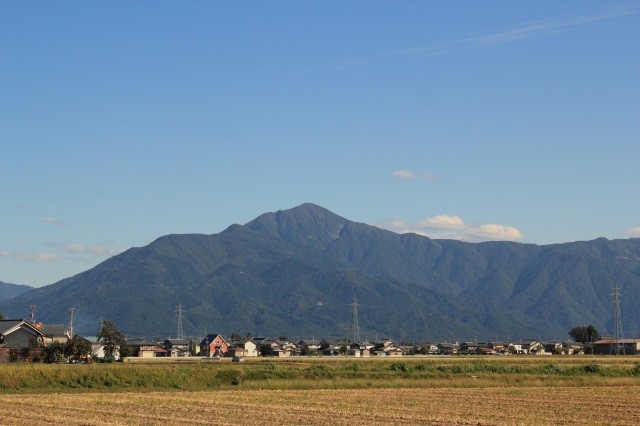
- Mount Arajima
- Mount Arajima, towering over the southeast of the Ono Basin, is renowned for its beautiful form and has been selected as one of …
- See More
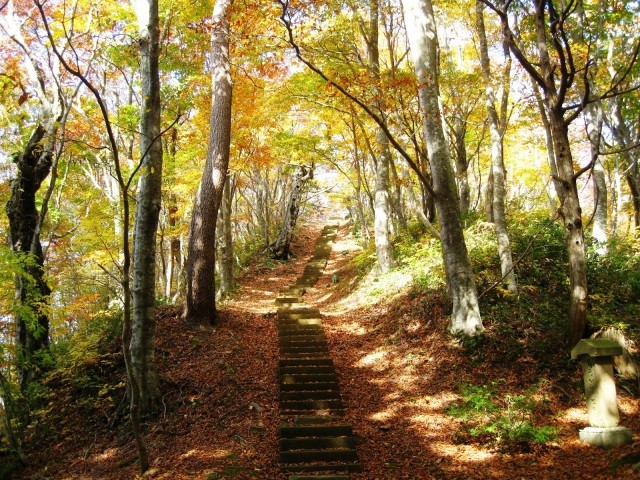
- Ochi Shrine
- The summit area of Mount Ochi is said to have once been a sacred mountain site blending Shinto and Buddhist elements. Near the t…
- See More
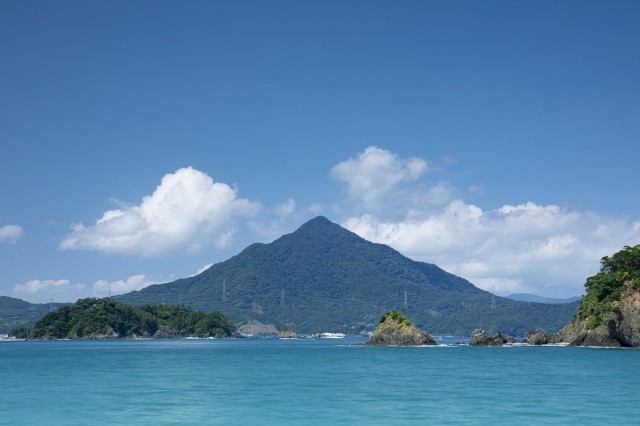
- Mt. Aoba
- Known as "the Mt. Fuji of Wakasa" for its beautiful mountain silhouette, this symbol of Takahama Town is also popular …
- See More
Spring Delicacies
Here is a list of seasonal foods you must try if you are around Fukui in the spring.
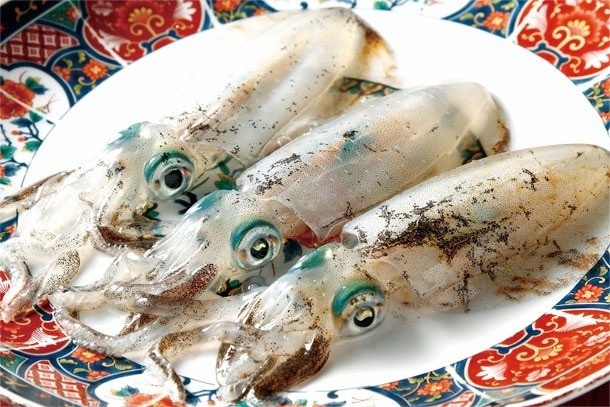
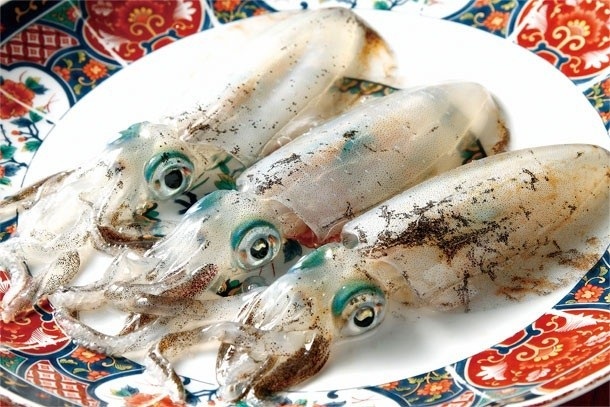
- Squid
- Squid is one of the most beloved seafoods in Japan. With each season comes a different type of squid, but Fukui is one of the few places where fresh squid is caught year-round.
- See More
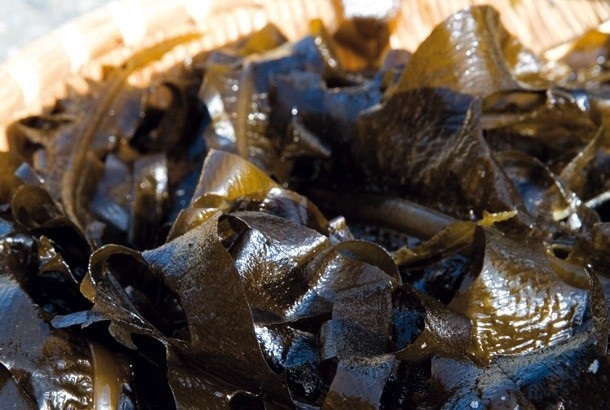
- Wild Wakame Seaweed
- In spring, local ama (female free divers) harvest wild wakame seaweed by hand—a true taste of the season. Don’t miss the handmade powdered wakame, a hidden gem known only to those in the know.
- See More
Spring Events
Fun events, including many hanami-themed ones, are held across the prefecture throughout the season.
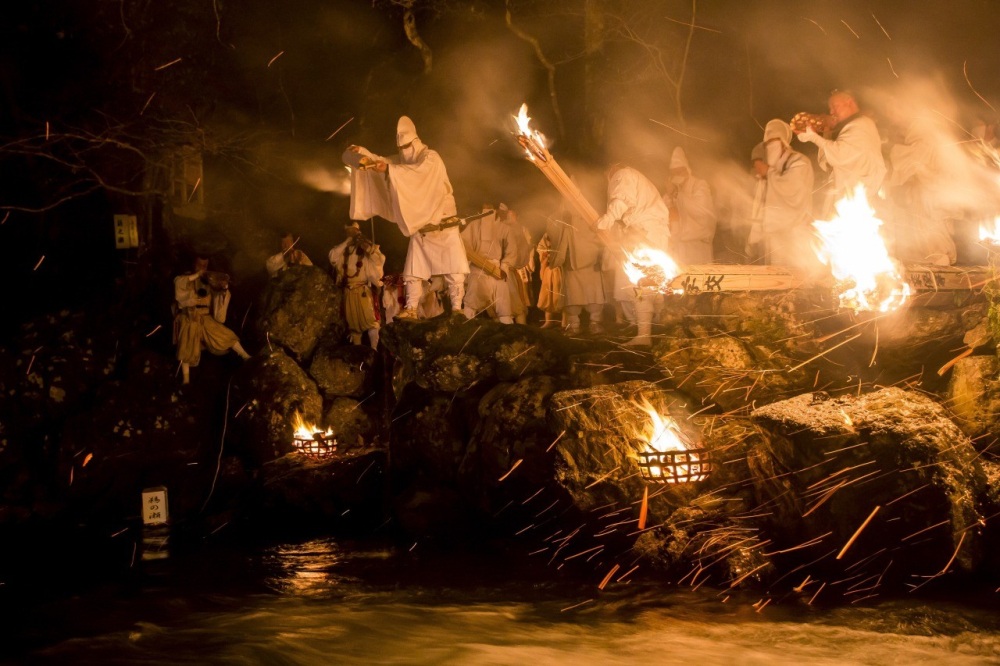
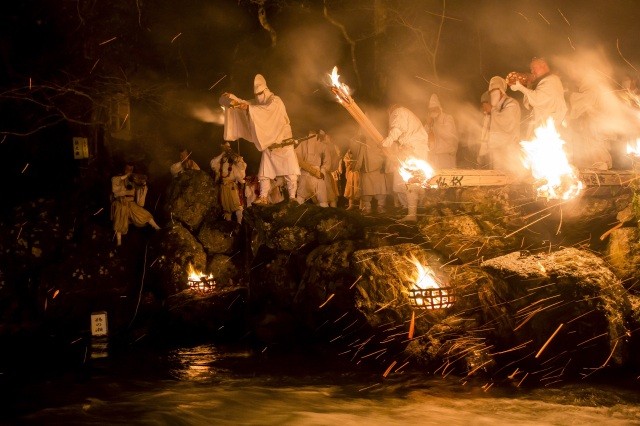
- Omizu-Okuri "Water-Sending" Ritual
- The "Water Sending Ceremony," a ritual announcing spring in Wakasa held annually on March 2nd.On March 2, the Om…
- See More
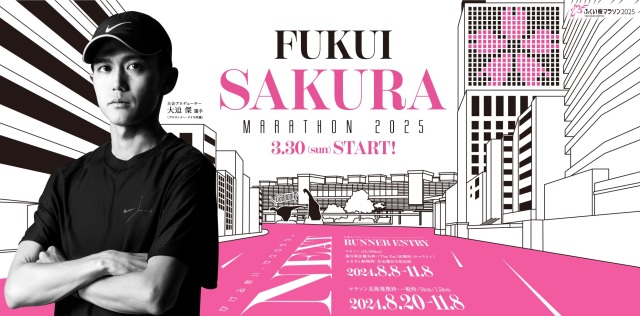
- Fukui Sakura Marathon
- The Fukui Sakura Marathon is a 42.195-kilometer race held under the concept of being “a unique event originating in Fukui …
- See More
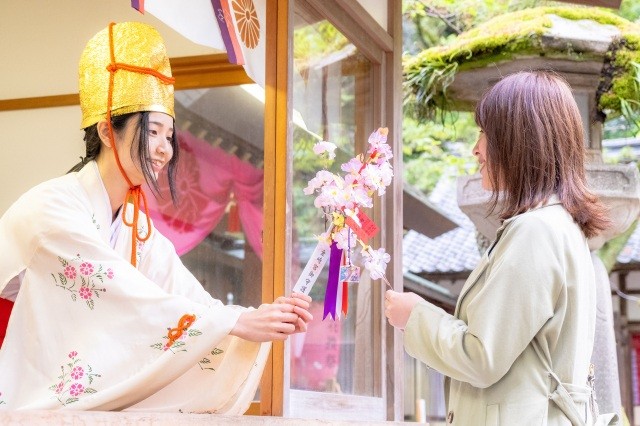
- Hanakae “Flower Exchange” Festival
- This is a festival where visitors to Kanegasaki-gu Shrine to view the cherry blossoms call out, “Let’s exchange flow…
- See More
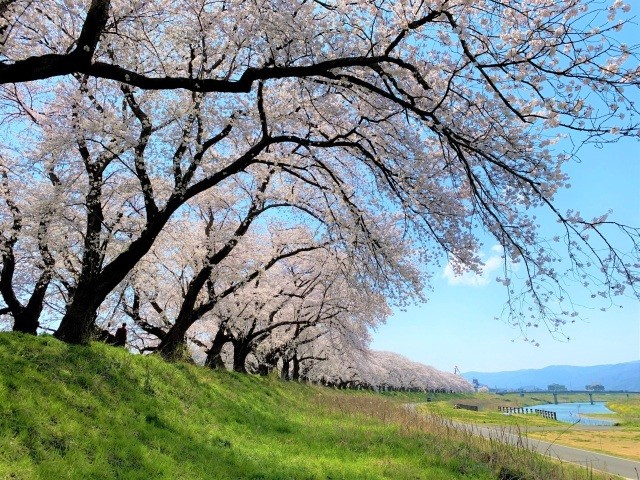
- Fukui Cherry Blossom Festival
- Saturday, March 21, 2026 – Sunday, April 5, 2026; Sunday, April 12, 2026*The festival period has been extended based …
- See More
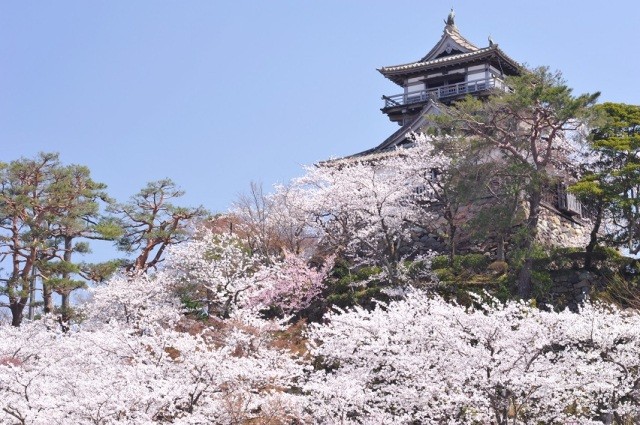
- Maruoka Castle Cherry Blossom Festival
- Maruoka Castle, selected as one of the “100 Best Cherry Blossom Spots in Japan,” offers a stunning view of its castl…
- See More
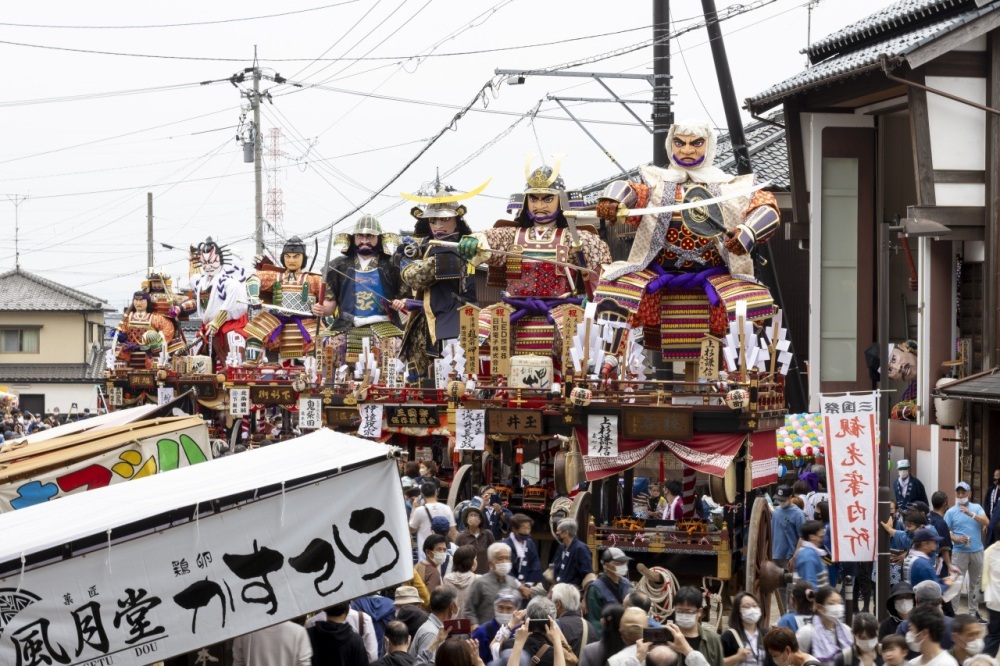
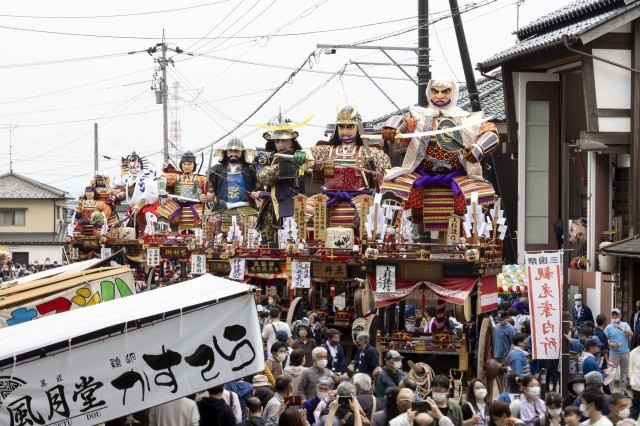
- Mikuni Festival
- The Mikuni Festival is held every year on May 19–21, with the main event of the festival on May 20, and is best known for …
- See More
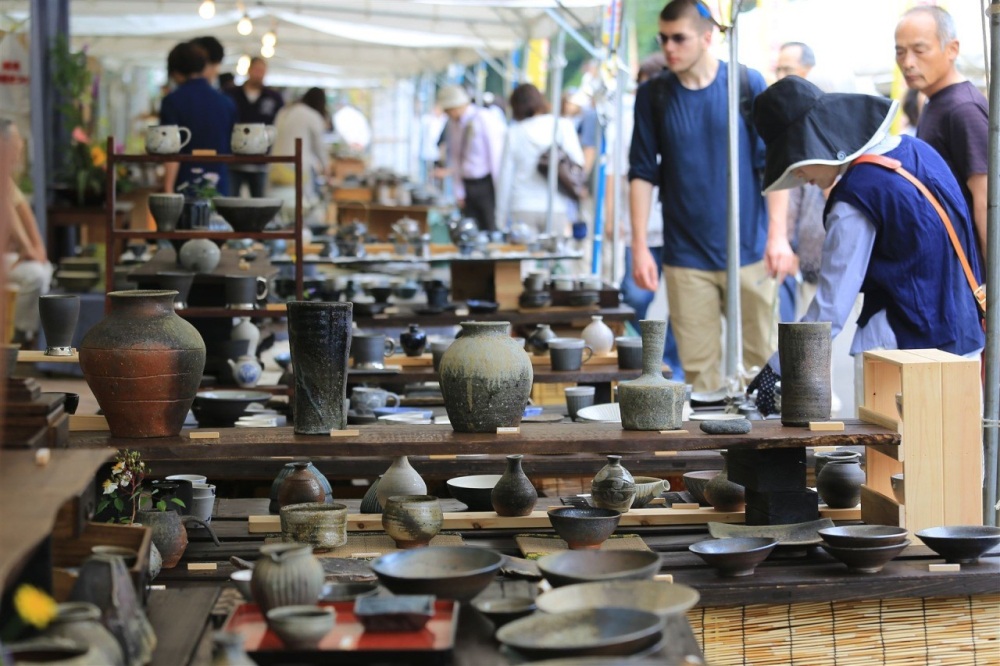
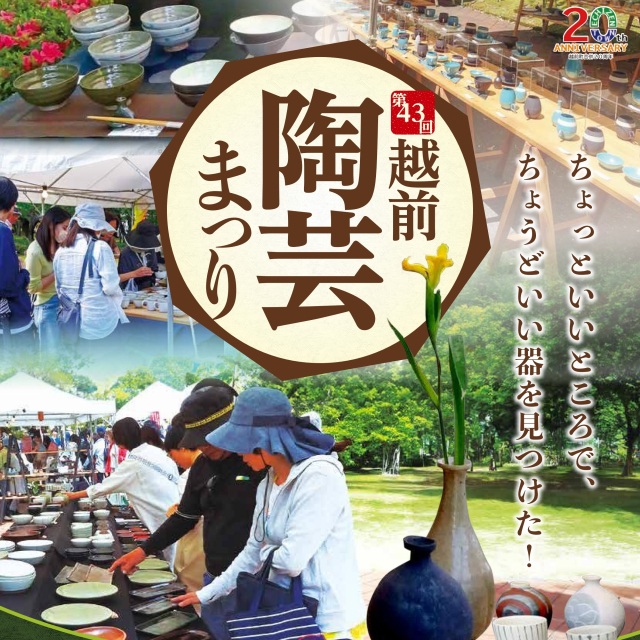
- Echizen Pottery Festival
- The largest pottery fair in the prefecture, featuring Echizen-yaki Pottery.The Echizen Pottery Festival brings together Echizen-…
- See More
Summer (June - August)
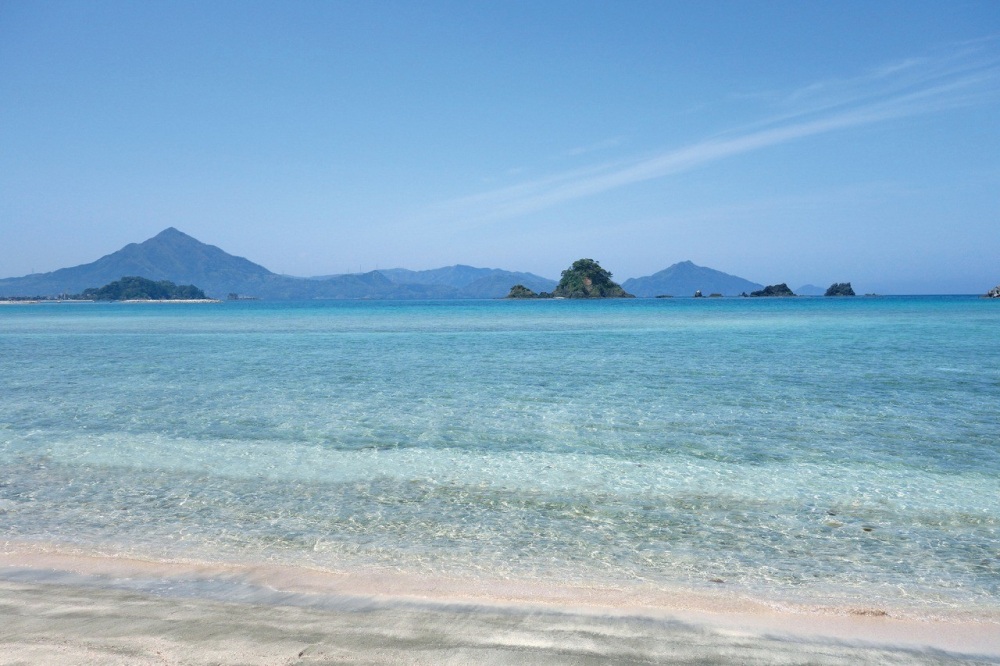
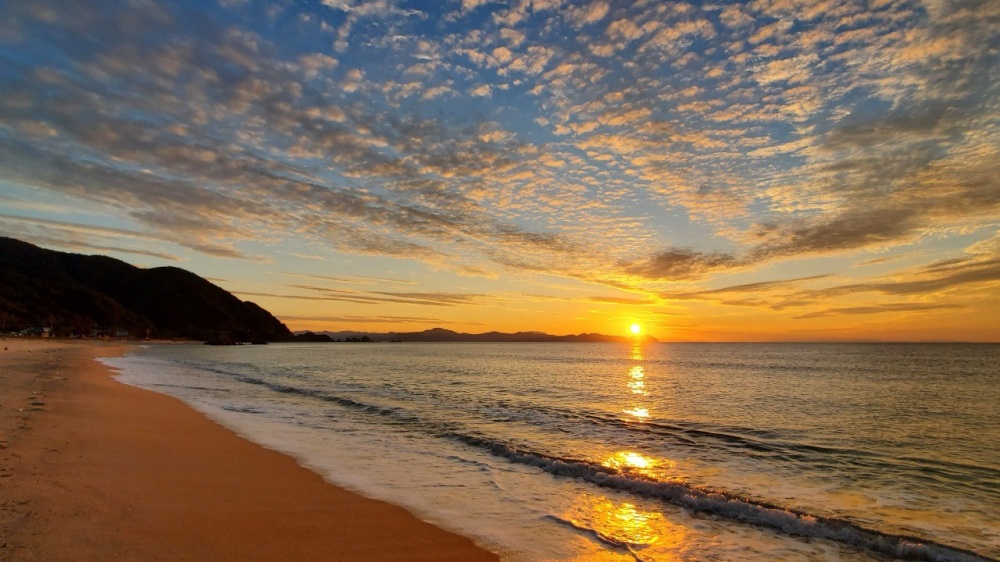
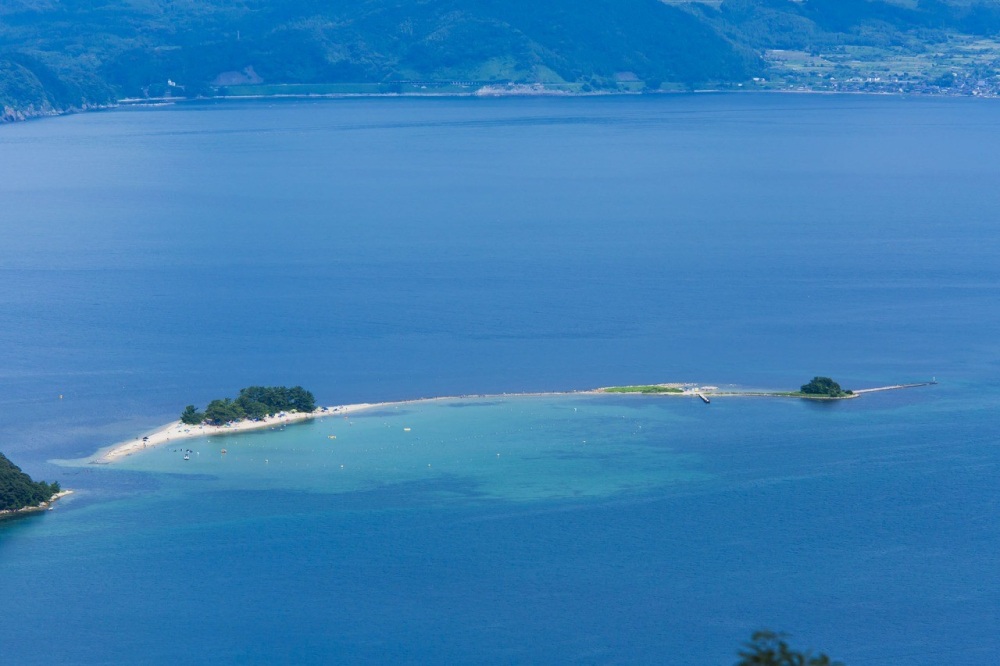
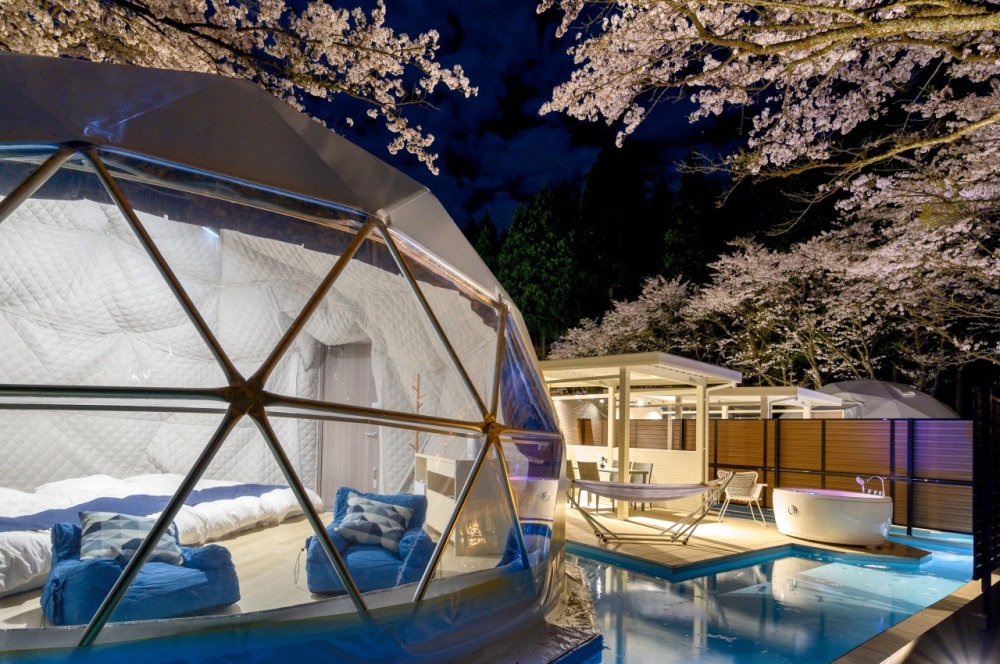
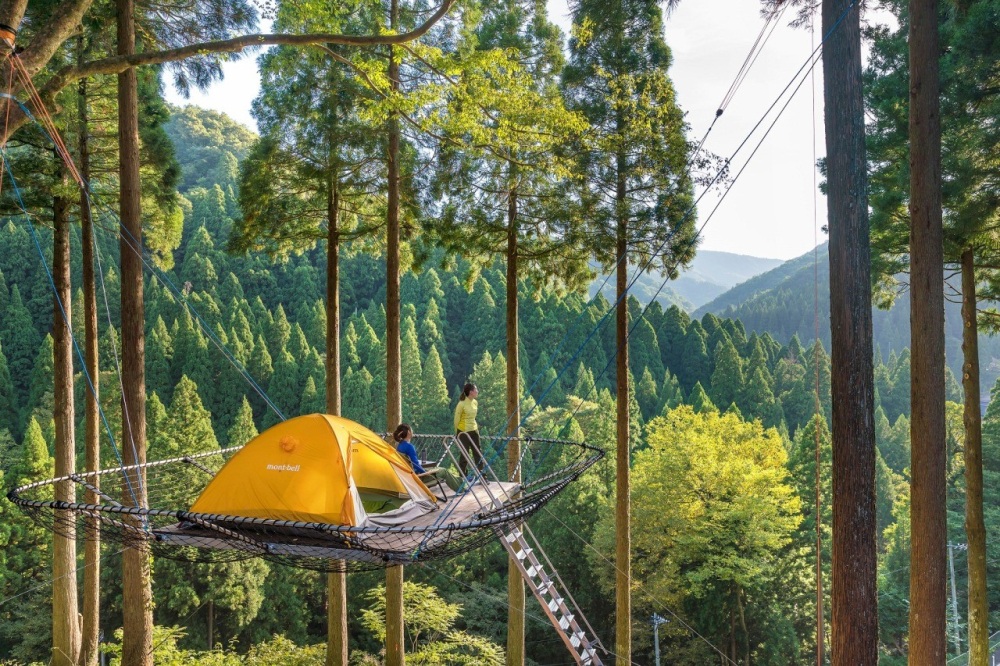
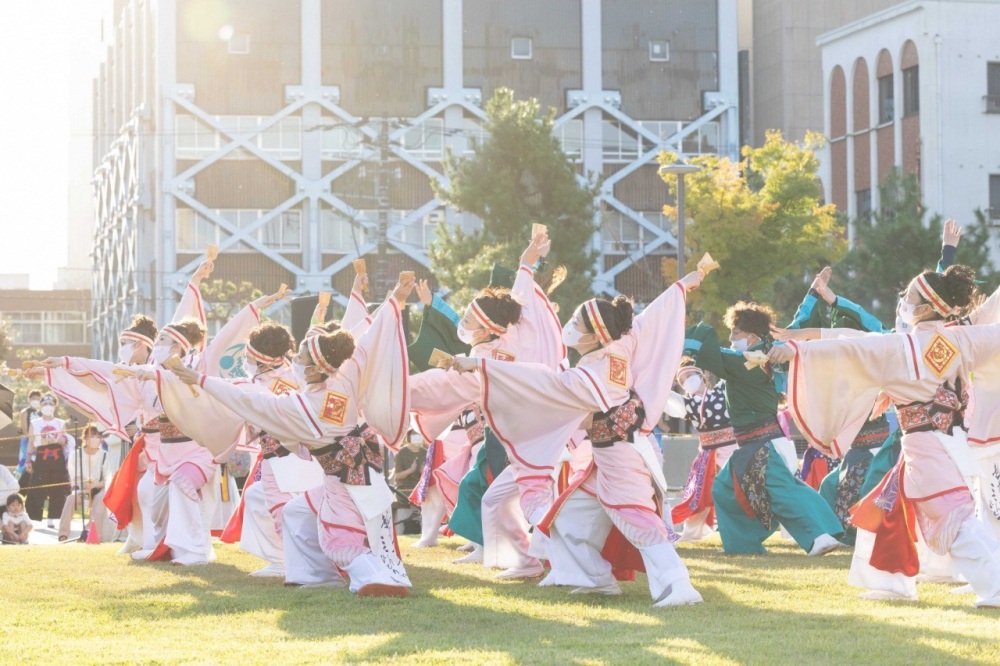
In summer, average daytime temperatures in Fukui range from 22 to 27°C (72 to 81°F). While the lows are around 18°C (64°F), highs can reach up to 32°C (90°F). Combined with high humidity, it can feel even hotter than the actual temperature, so make sure to bring something light to wear during your time in Fukui.
Seaside Beaches
A great way to cool off during hot Japanese summer days is to head over to the beach, and Fukui ーfacing the beautiful Sea of Japanー showcases a great variety of clean, safe options for beachgoers to relax, swim, and enjoy marine activities at.
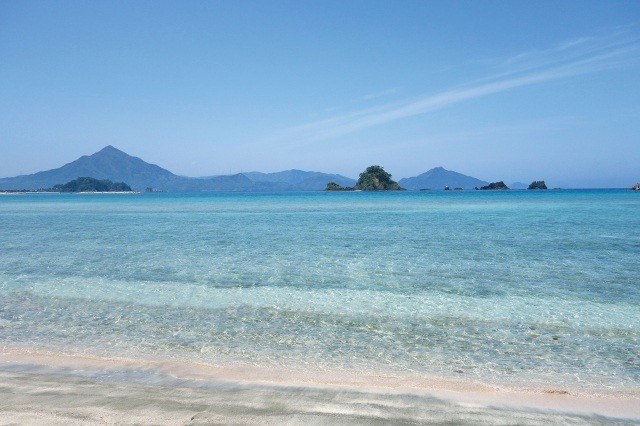
- Wakasa Wada Beach
- 2026 Beach Season: Saturday, July 11 – Sunday, August 30 This popular beach was the first in Asia to receive the inte…
- See More
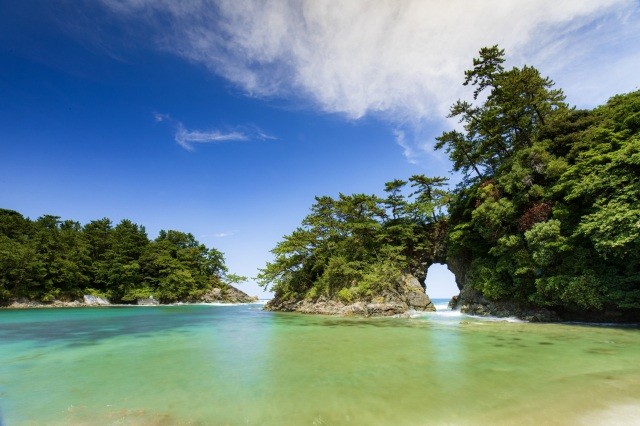
- Shiroyama Park, Meikyodo Cave (Shiroyama Swimming Beach)
- Shiroyama Park, the site of Takahama Castle built by Masanori Itsumi in the Warring States Period, has the famous Meikyodo Cave …
- See More
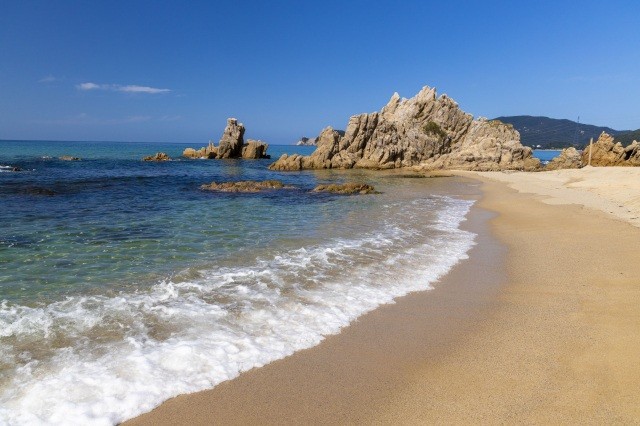
- Suishohama Beach
- This beach attracts swimmers from both within and outside the prefecture. It is known for its fine, sparkling white sand. It is …
- See More
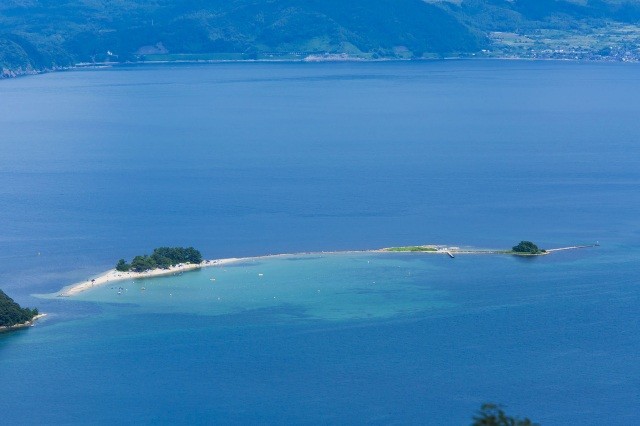
- Mizushima Island
- Mizushima is a small uninhabited island located at the tip of the Tsuruga Peninsula.Known for its crystal-clear waters and white…
- See More
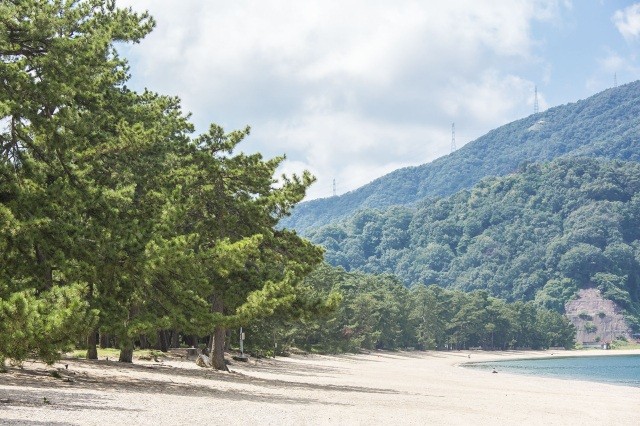
- Kehi no Matsubara Pine Grove
- The Kehi no Matsubara Pine Grove, stretching to the innermost part of Tsuruga Bay, is a scenic spot renowned for its white sands…
- See More
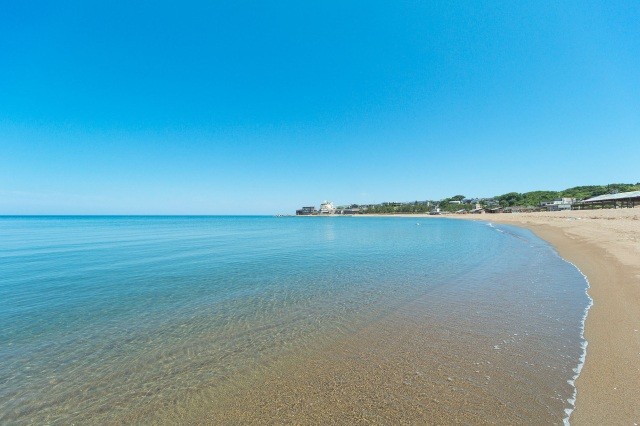
- Mikuni Sunset Beach
- This beach, located in the northwestern part of Mikuni Port, is popular with families with children because the water is shallow…
- See More
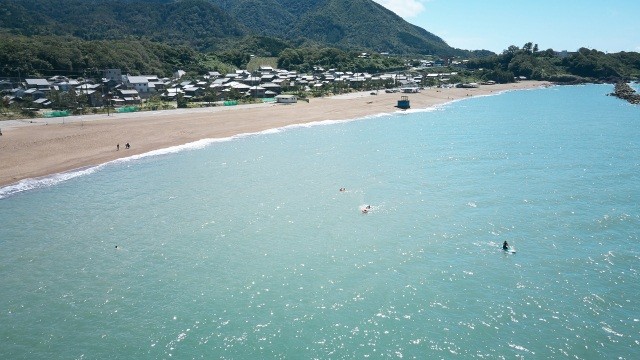
- Takasu Swimming Beach
- One of the Sea of Japan's most pristine beaches, renowned for its crystal-clear waters. Nearby, numerous guesthouses and inn…
- See More
Camping & BBQ
With its untouched nature and stunning night sky, Fukui is the ideal place to try out some camping in Japan. Glamping options including camping equipment and/or a fully-furnished cottage, are also available.
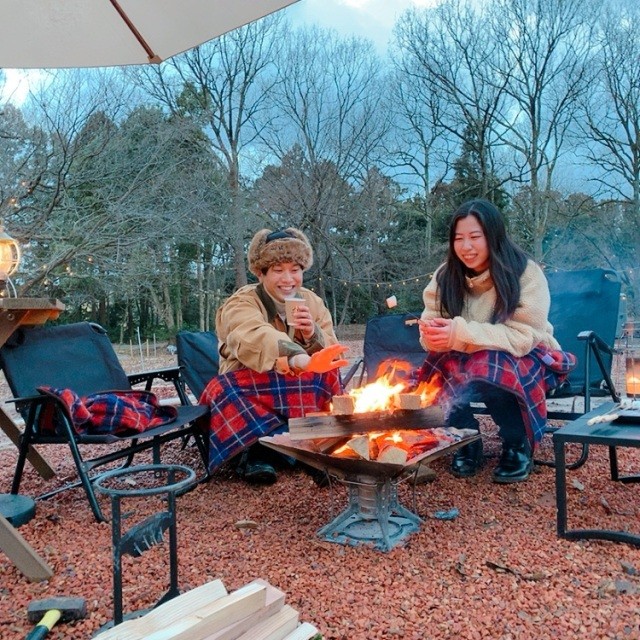
- Juraku Forest
- A forest of approximately 30,000 square meters features campsites limited to about 10 groups, glamping sites, cabins with saunas…
- See More
- Rupo no Mori (Dinosaur Hotel)
- At Rupo no Mori, you can enjoy dome-style glamping with an attached natural hot spring inn, along with a variety of dishes prepa…

- See More
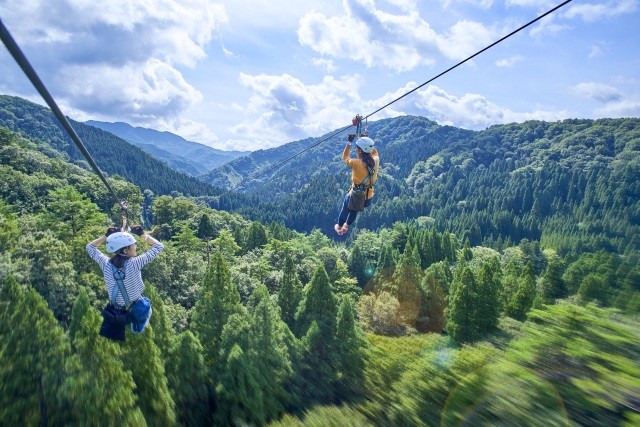
- Tree Picnic Adventure Ikeda
- Located in Ikeda Town, this is one of Japan’s largest adventure forests. It offers a wide variety of programs where you ca…
- See More
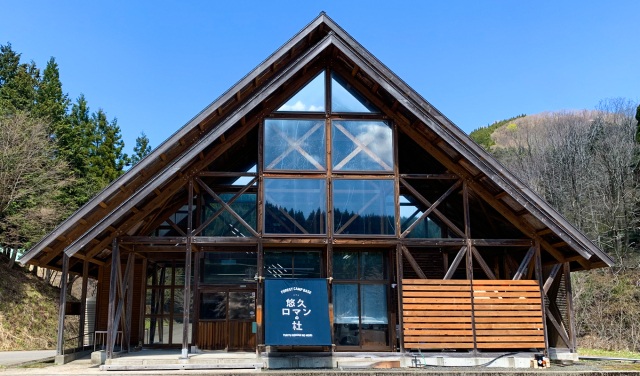
- Forest Camp Base: Yukyu Roman no Mori (Echizen Town)
- Stars twinkle, and you feel the forest's breath. Hear nature's voice in the Eternal Grove.Yukyu Roman no Mori …
- See More
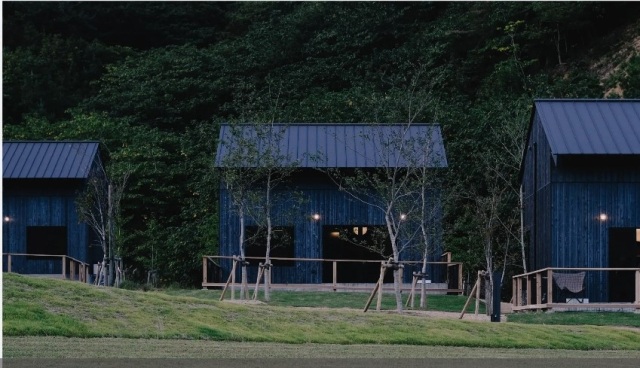
- SANZA KUMAGAWA
- To help you fully enjoy mountain livingwe've prepared the perfect environment.A mountain lodge available for exclusive renta…
- See More
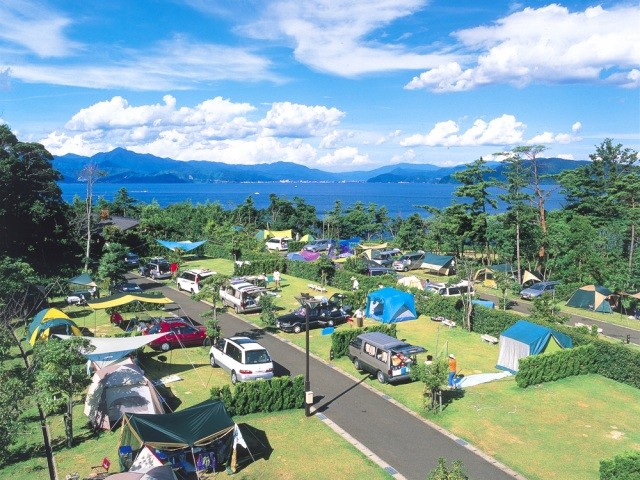
- Akagurizaki Auto Campground
- This campground offers beautiful views of Wakasa Bay, where you can wake to the sound of the waves and enjoy fun barbecues under…
- See More
Summer Delicacies
Here are some delicious foods that are in season during the summer months.
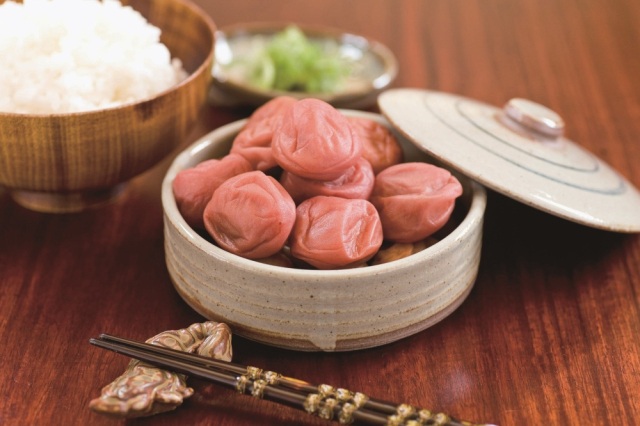
- Fukui Ume Plum
- The Fukui ume plum is packed with minerals that promote beauty and health. Known for its small pits and generous, flavorful flesh, it’s highly prized as a delicious treat—and is even famously gifted to sumo champions.
- See More
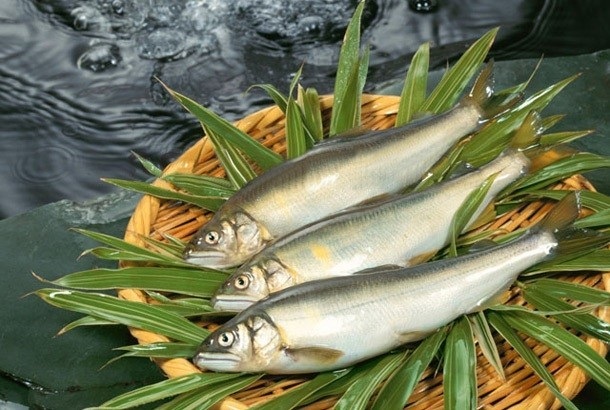
- Ayu Sweetfish
- With abundant water, a fast current, and crystal-clear flow, the Kuzuryu River—Fukui’s longest and most renowned—provides the perfect conditions for high-quality algae to grow, which in turn nurtures some of the finest sweetfish (ayu) in the region.
- See More
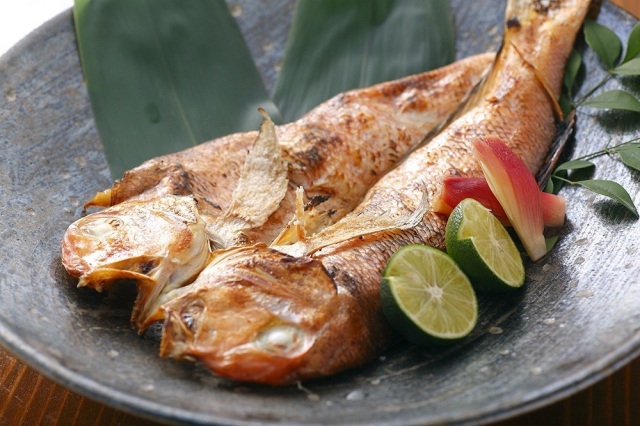
- Wakasa Guji Red Tilefish
- The red tilefish caught in Wakasa Bay, known as Wakasa guji, has been loved by high-end restaurants in Kyoto since ancient times. With its delicate sweetness that gently spreads across the palate and its elegant appearance, it remains an essential ingredient in Kyoto traditional cuisine to this day.
- See More
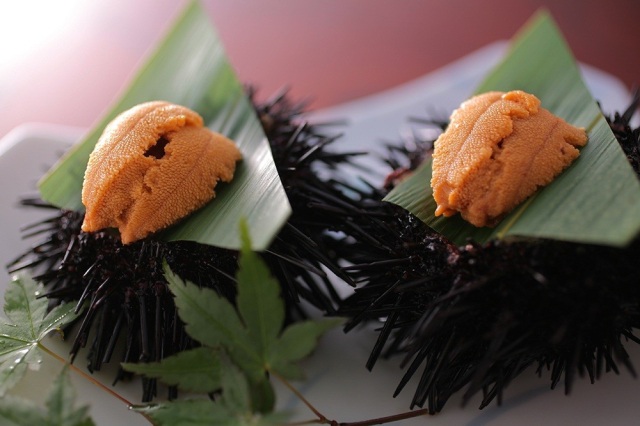
- Echizen Uni Sea Urchin
- The rocky coastal waters of Fukui are rich with high-quality seaweed, which serves as ideal food for sea urchins to grow flavorful and sweet. The taste of Echizen uni (sea urchin from Fukui) is a proud part of the region’s culinary culture—perfect over warm rice or as a savory pairing with sake.
- See More
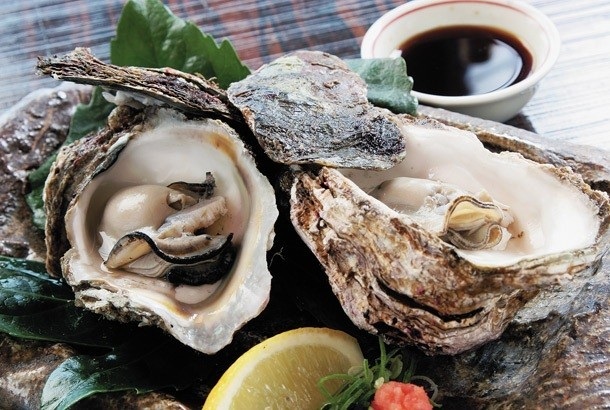
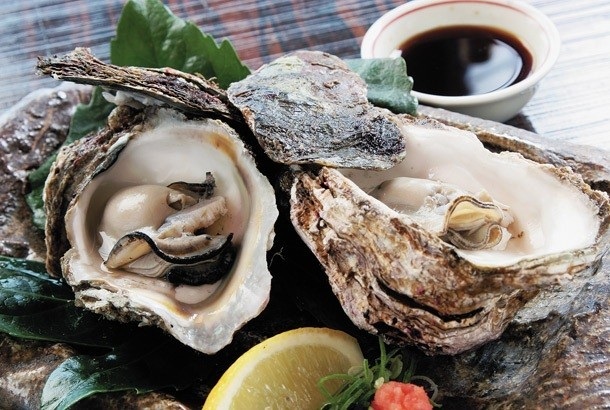
- Wakasa Rock Oyters
- The waters of Wakasa provide the perfect conditions for delicious rock oysters to thrive. Clean seas and the rich natural environment, including the mountains that meet the coast, create an ideal habitat. Enjoy the fresh, plump, and flavorful rock oysters that Wakasa is famous for.
- See More
Matsuri Festivals and Fireworks
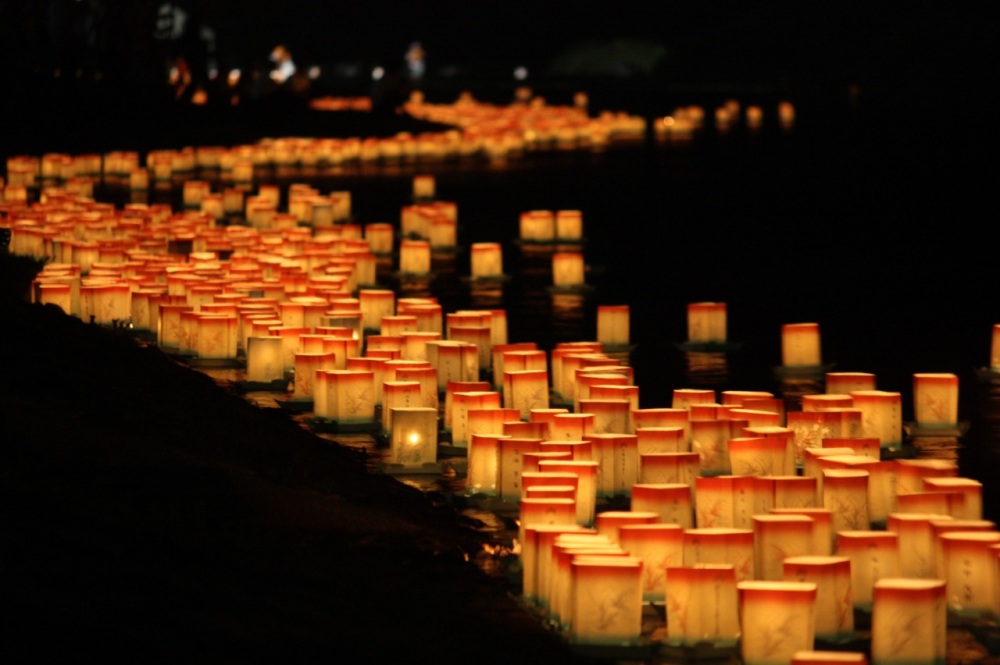
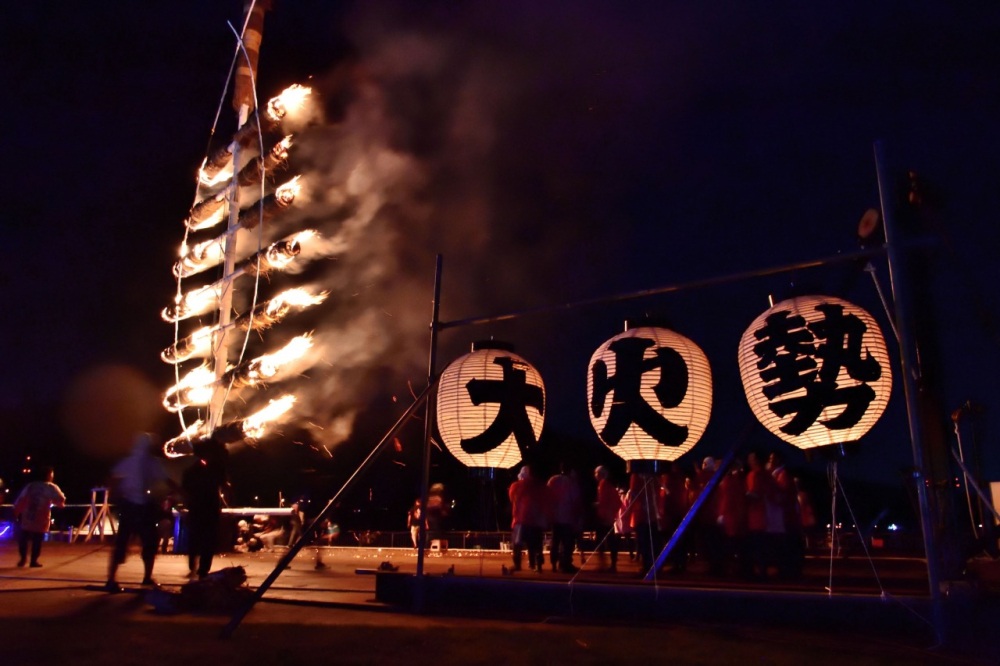
Local matsuri festivals in Japan ーsome of which have been going on for hundreds if not thousands of yearsー offer a glimpse into Japanese traditions and culture, and an amazing opportunity to mingle with locals and try Japanese festival staple foods.
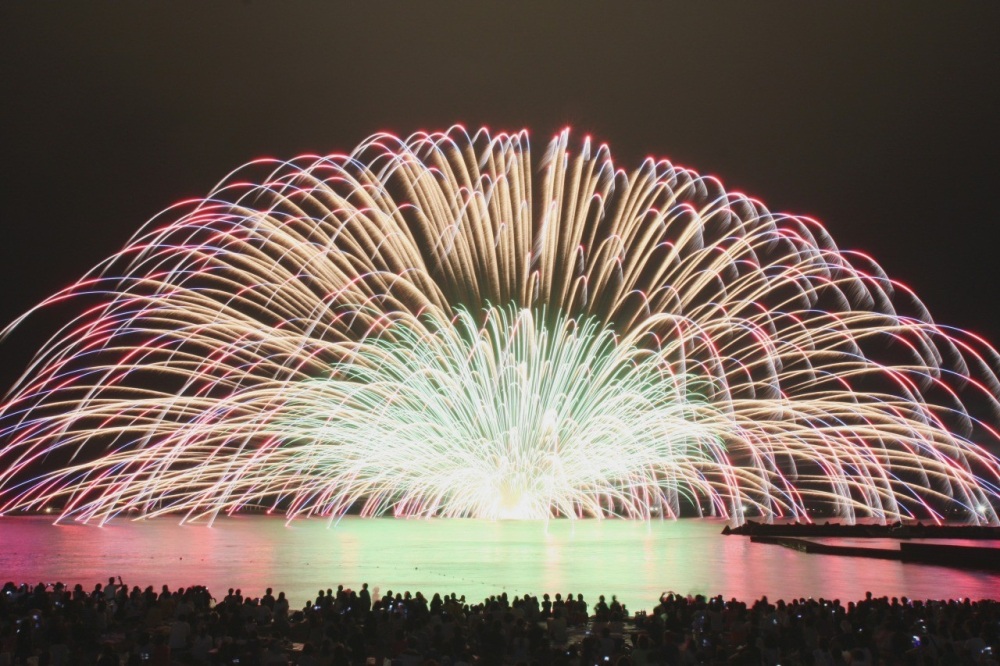
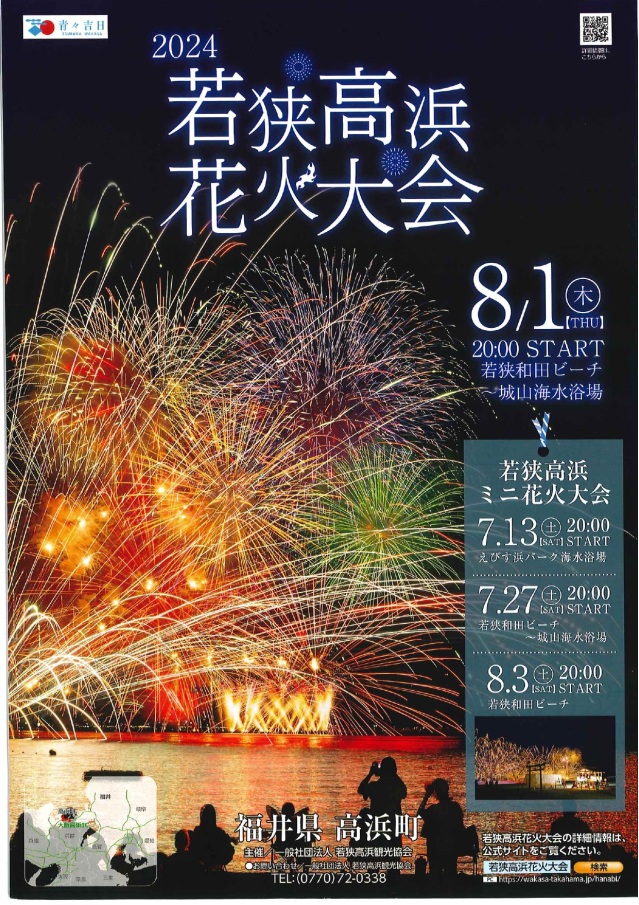
- Wakasa Takahama Fireworks Festival
- The Wakasa Takahama Fireworks Festival, a summer tradition in Wakasa Takahama, draws many visitors every year.The entire 4-kilom…
- See More
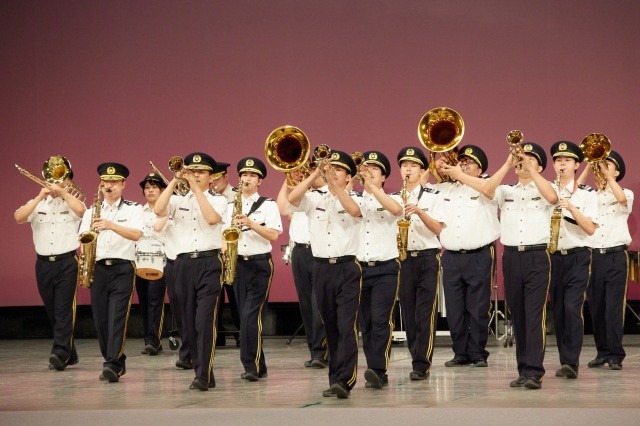
- Fukui Phoenix Festival
- The Fukui Phoenix Festival began in 1954 to celebrate overcoming disasters such as war damage, earthquakes, and floods, and to w…
- See More
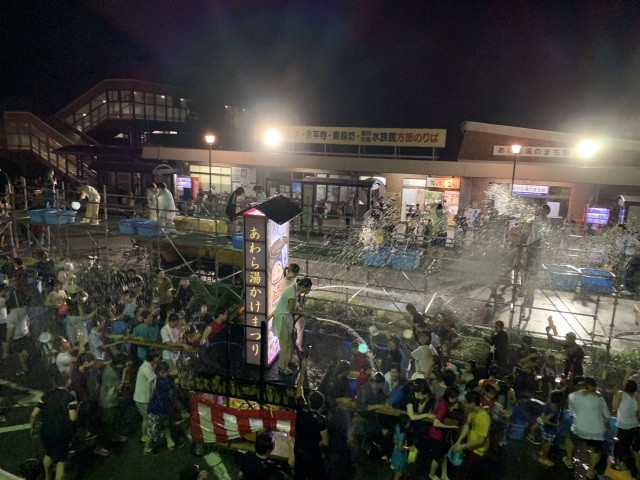
- Awara Hot Water Festival
- This is a rare event (even in Japan!) where water from the hot spring town of Awara Onsen is poured over mikoshi floats.Children…
- See More
- Otaiko Hibike Taiko Drumming Festival
- Otaiko Hibike is one of Japan’s largest festivals dedicated to taiko drumming. Every August, the outdoor recreation facili…

- See More
- Millennium Future Arts & Crafts Festival
- Two days to discover contemporary crafts!! Exhibitions, market, workshops. A festival of craftsmanship where you can meet arti…

- See More
Fall (September - November)
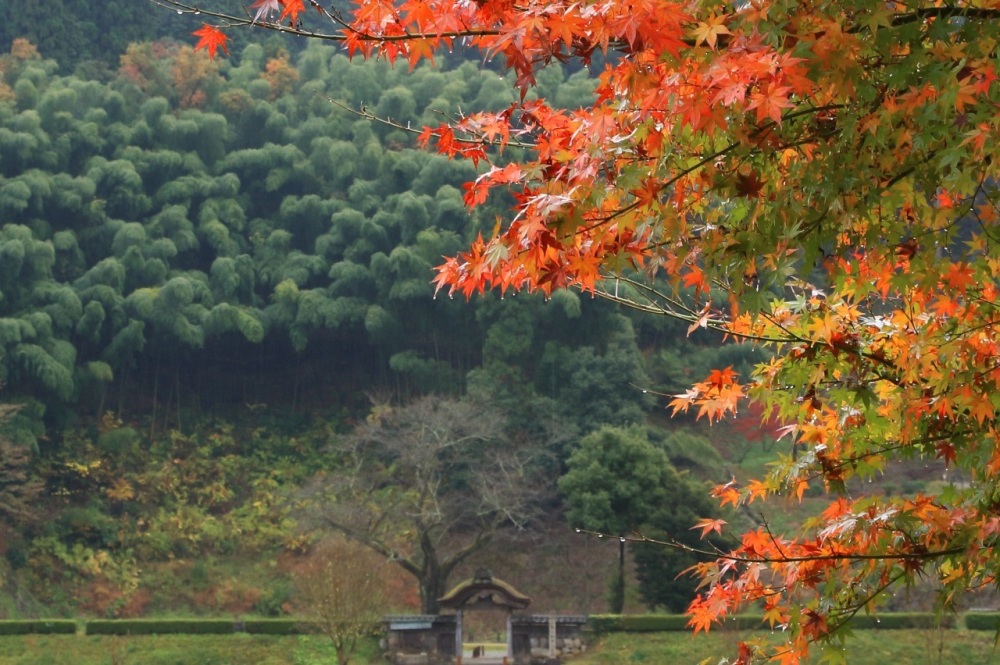
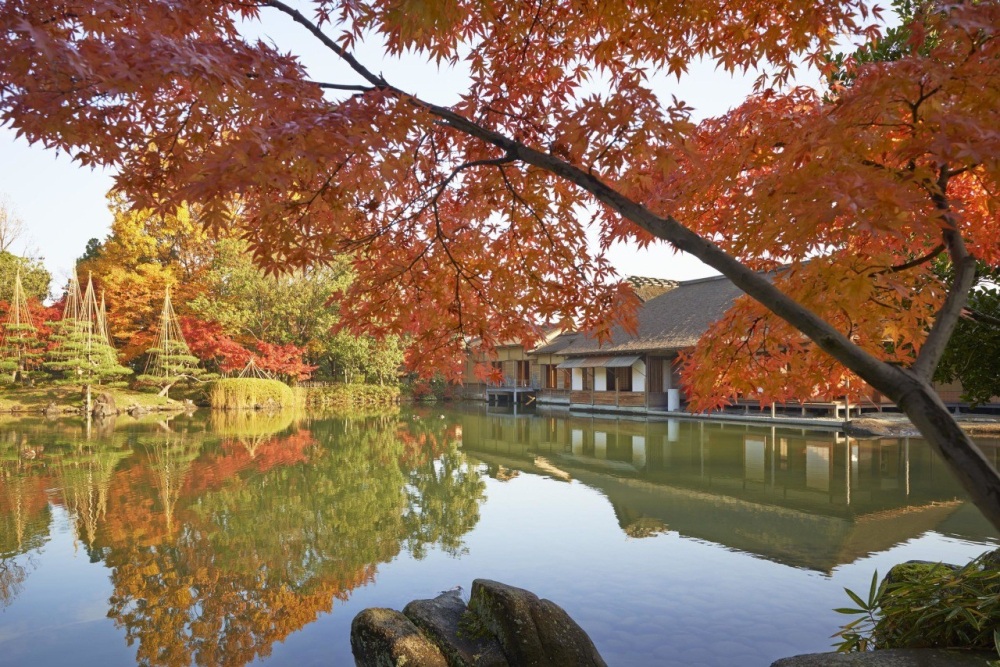
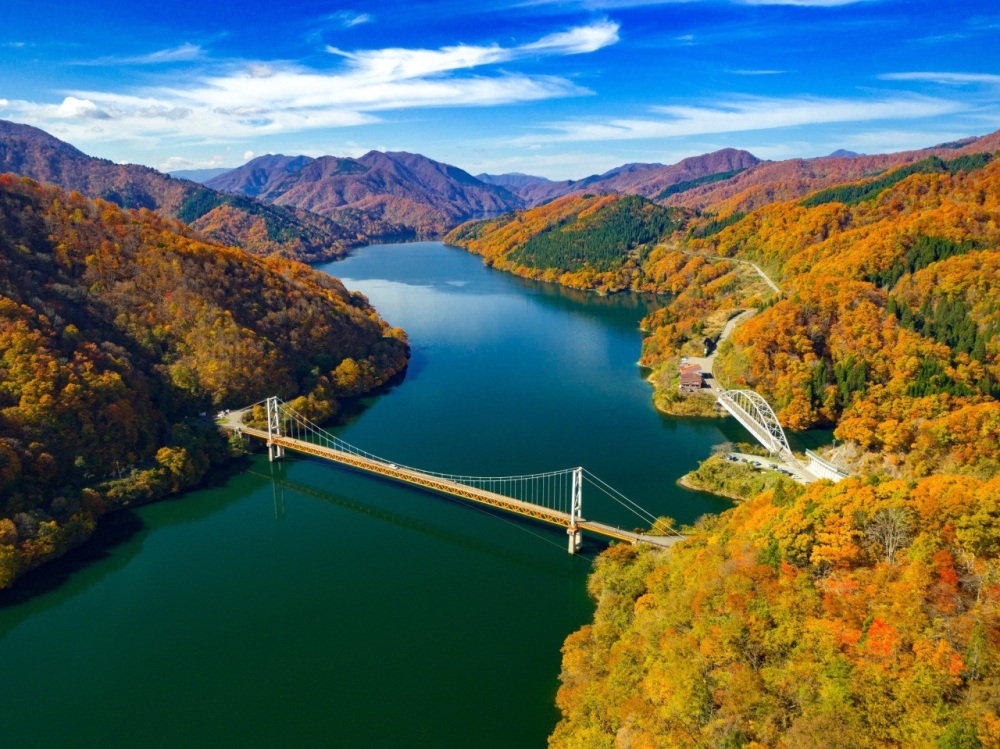
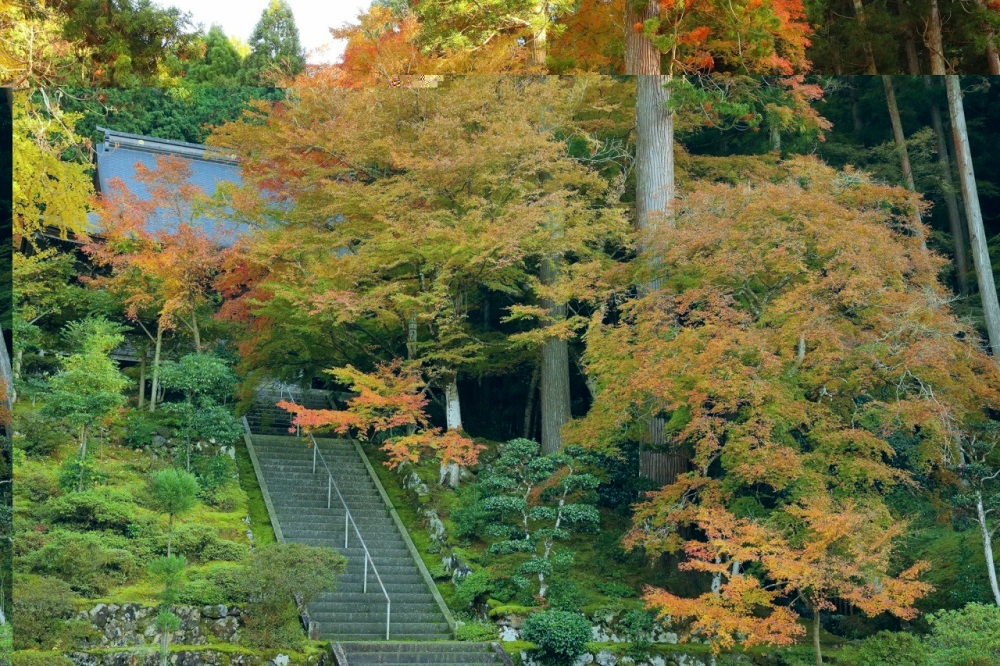
As autumn deepens, average daytime temperatures in Fukui drop from around 23°C (73°F) to 11°C (52°F). Highs can reach up to 28°C (82°F), while lows may fall to 7°C (45°F), so we recommend bringing a light coat with you and layering during your trip, especially in the mornings and evenings later in the season.
Fall Leaves
Fall in Japan is simply stunning. In Fukui, too, colorful fall leaves can be seen around historic sites, shrines and temples, parks and gardens, and many other places!
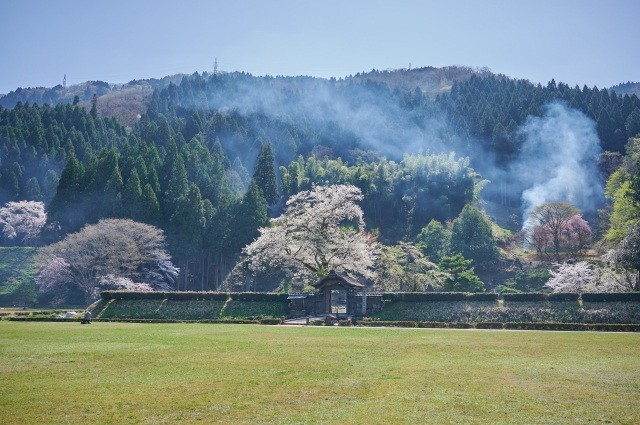
- Ichijodani Asakura Clan Ruins (Ichijodani Asakura Family Site)
- The Ichijodani Asakura Clan Ruins, located in Ichijodani about 10 km southeast of Fukui City, were…
- See More
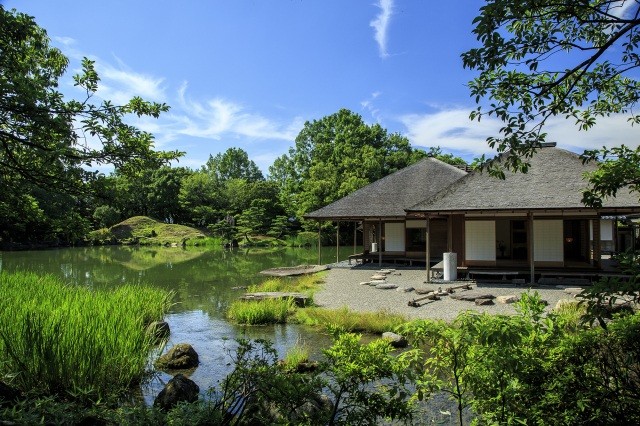
- Yokokan Garden
- A 10-minute walk from Fukui Station and about 5 minutes from the ruins of Fukui Castle, Yokokan Garden is known for its harmony …
- See More
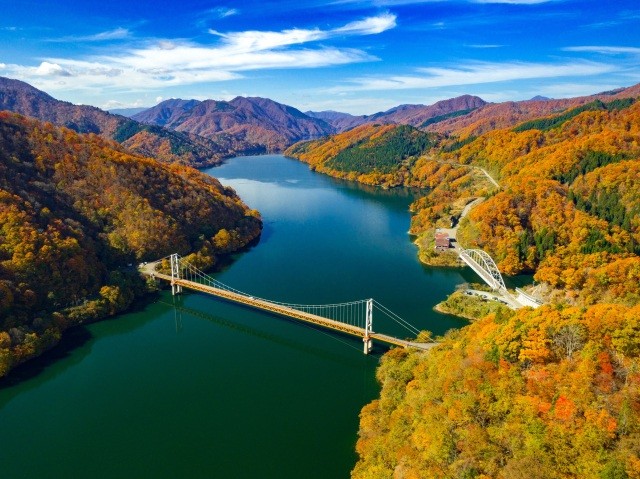
- Lake Kuzuryu
- Lake Kuzuryu is an artificial lake created by the construction of a rock-fill dam. The "Yume no Kakehashi" bridge, bui…
- See More
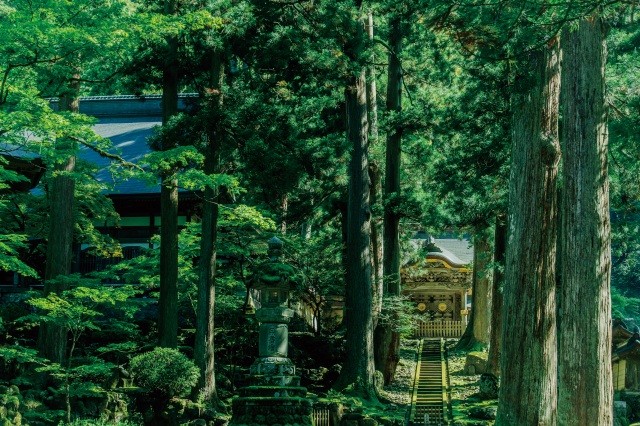
- Eiheiji Temple
- The temple of Eiheiji was established in 1244 as a temple of the Soto school of Zen Buddhism, by Zen Master Dogen (1200–12…
- See More
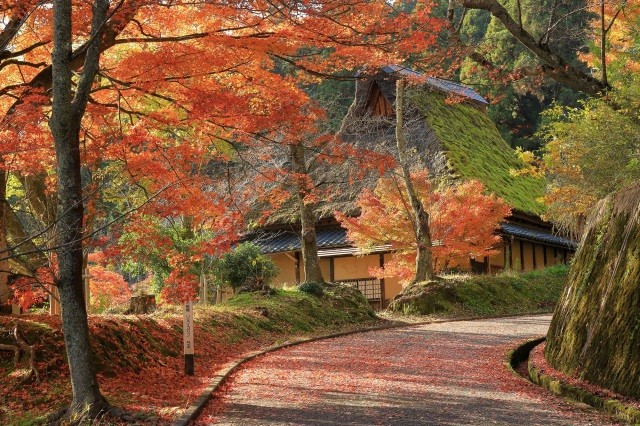
- Kakyo Park (Usuzumi Sakura Cherry Tree)
- Kakyo Park was established in honor of Echizen’s ties to Emperor Keitai (c. 450–c. 531). The park is known for its b…
- See More
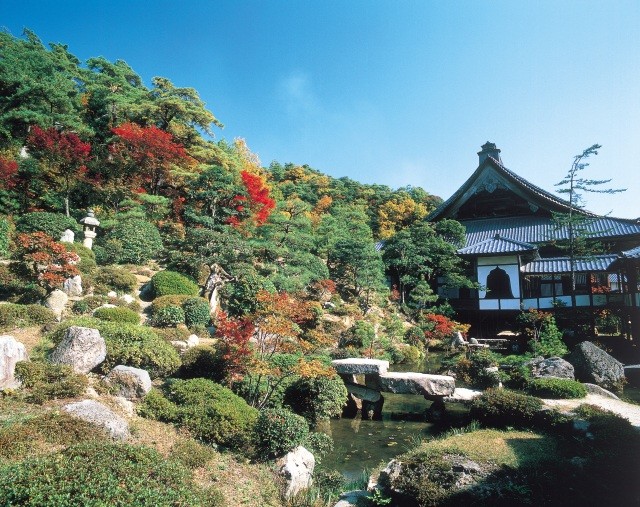
- Saifukuji Temple
- The Jodo Buddhist temple Saifukuji was built in 1368. The temple is best known for its huge garden, more than 4,600 square meter…
- See More
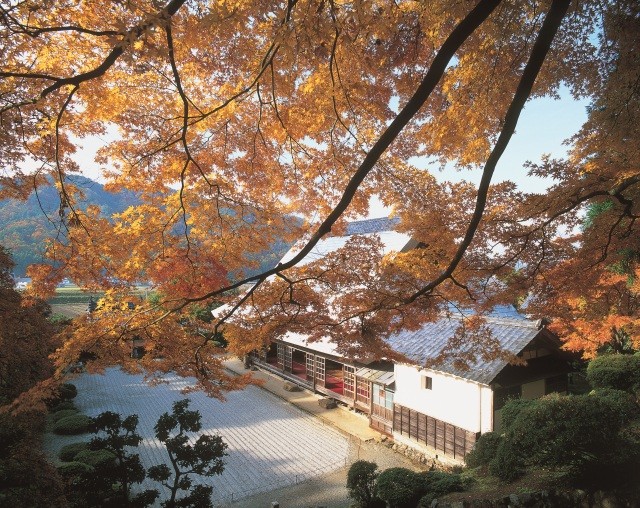
- Mantokuji Temple
- Mantokuji Temple is a Shingon Buddhist temple best known for its hillside landscape garden and carefully raked rock garden. Thes…
- See More
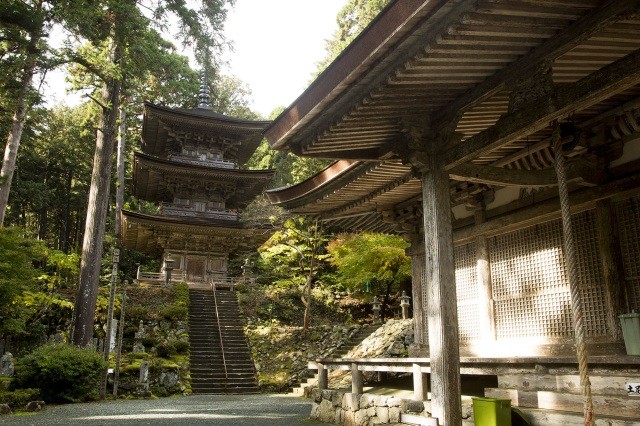
- Myotsuji Temple
- Myotsuji Temple is located in the mountains of Obama, surrounded by peaceful forests. The temple’s Hondo main hall and thr…
- See More
Cycling
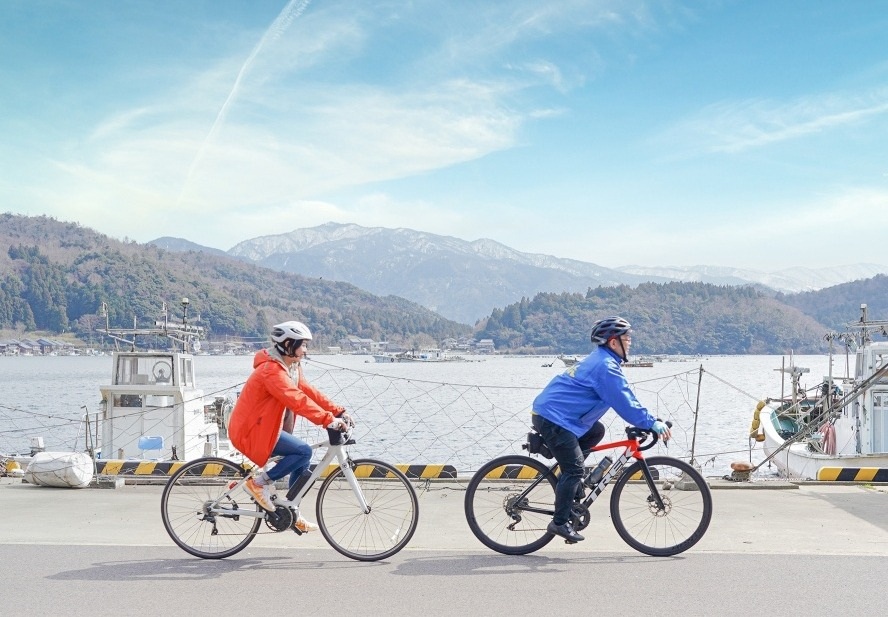
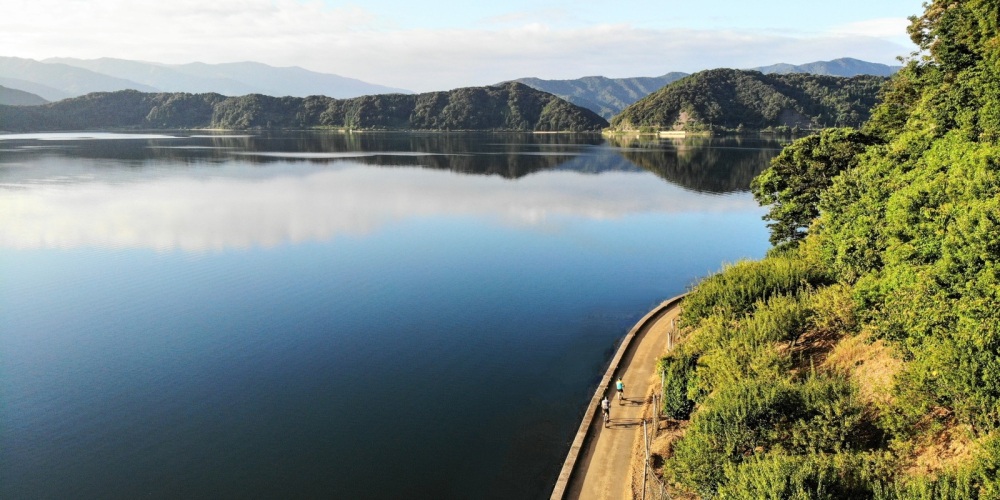
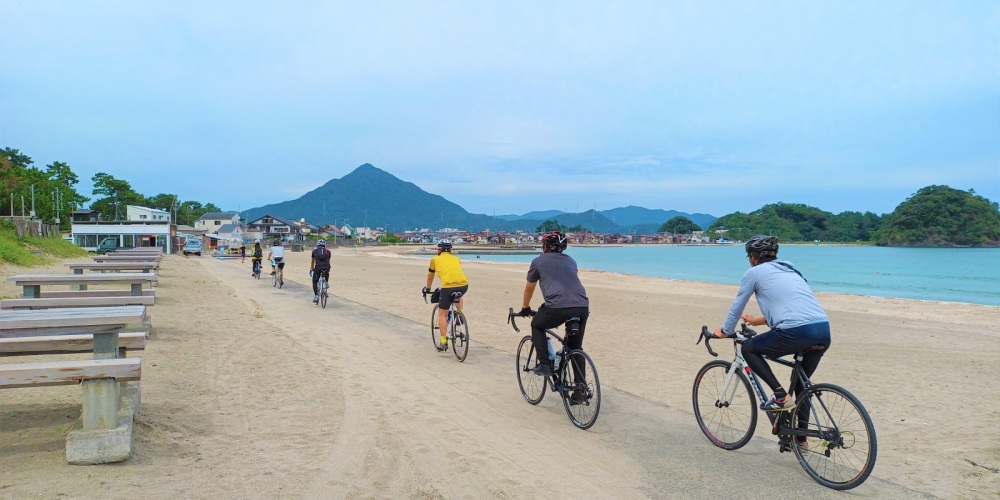
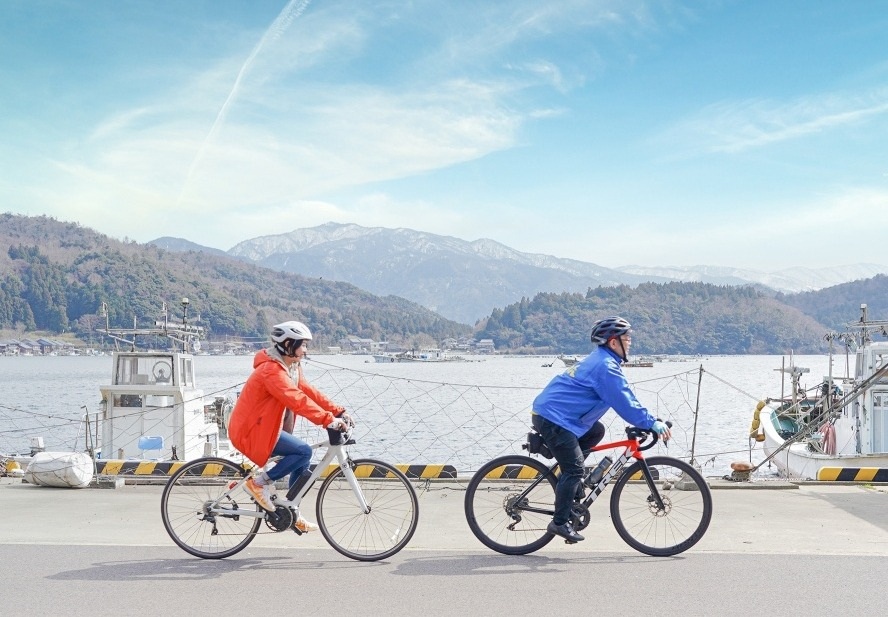
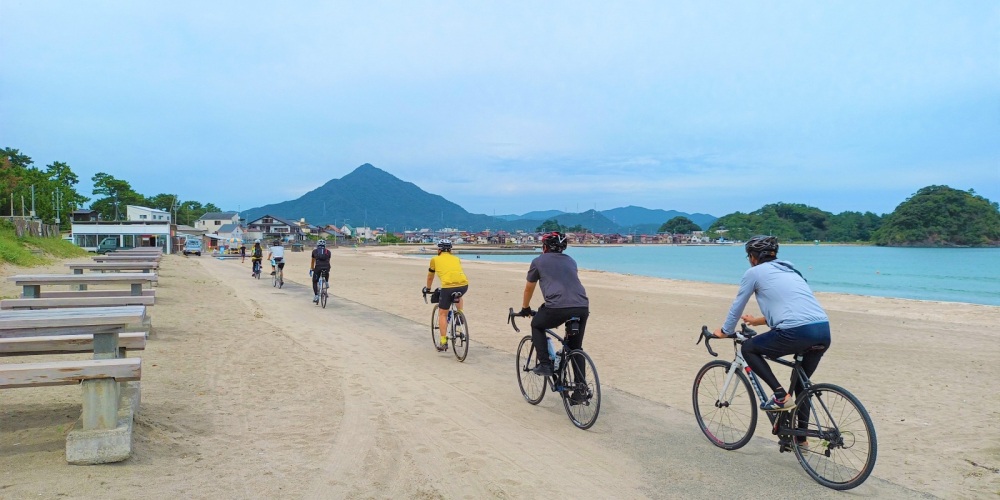
Just like spring, fall is the perfect season to enjoy the great outdoors, and cycling is a fun way to get around. You can rent bicycles at most major train stations around Fukui.
The Wakasa Bay Cycling Route, or Waka-Cycle, is a 126km-long route that runs along the picturesque Wakasa Bay in southern Fukui. With few ups and downs, the route can be enjoyed by both beginners and cycling enthusiasts. You can strive to complete the entire route, or just try short courses in each area.
Fall Delicacies
Here are some of the seasonal ingredients at their peak during the fall.
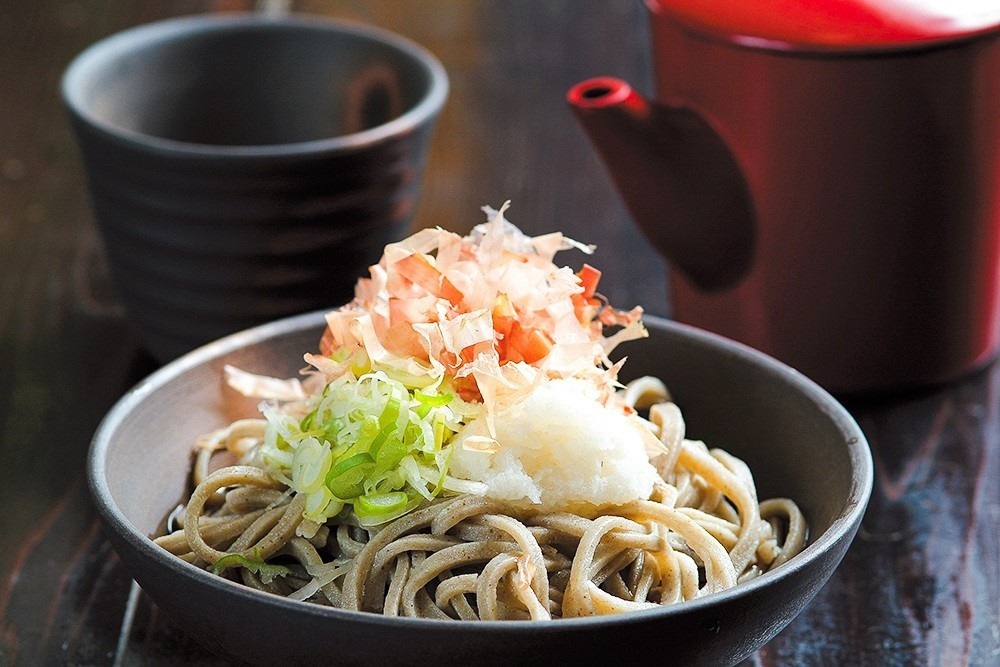
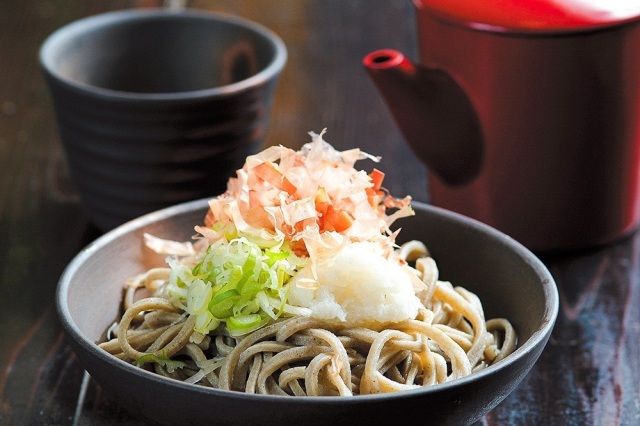
- Echizen Oroshi Soba
- Echizen Oroshi Soba is typically served with green onions and dried bonito flakes. The flavorful buckwheat noodles pair perfectly with the sharp, spicy kick of grated daikon radish. Though a simple dish, its taste is rich and complex, and it has recently gained attention as a food that promotes longevity.
- See More
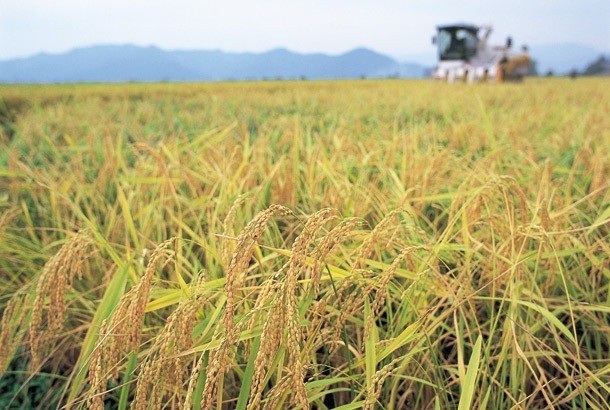
- Fukui Rice
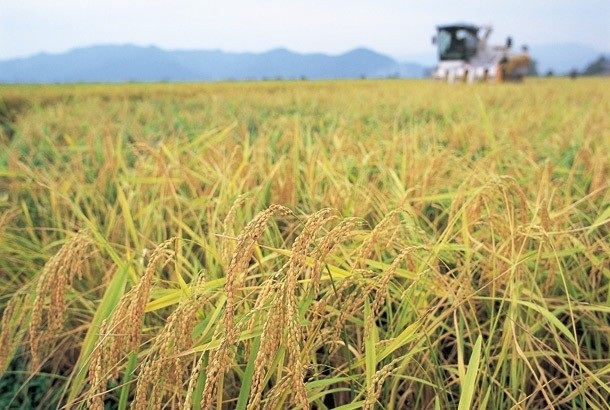
- Fukui Prefecture, the birthplace of Japan’s famous Koshihikari rice, begins its rice harvest around the end of August. The region’s unique climate, soil, and water create rice that’s sweet, glossy, and delicious even when cooled—making it truly special.
- See More
- Amaebi Sweet Shrimp
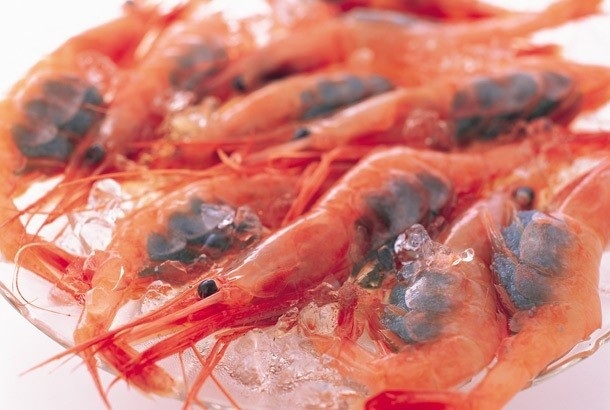
- The most prized Amaebi (sweet shrimp) are the “komochi” variety, which carry small blue eggs on their abdomen. These shrimp boast a glossy, vibrant red color that’s truly mesmerizing. Once you taste them, you’ll notice a delicate hint of the sea, along with a rich, creamy texture and natural sweetness.
- See More
Fall Events
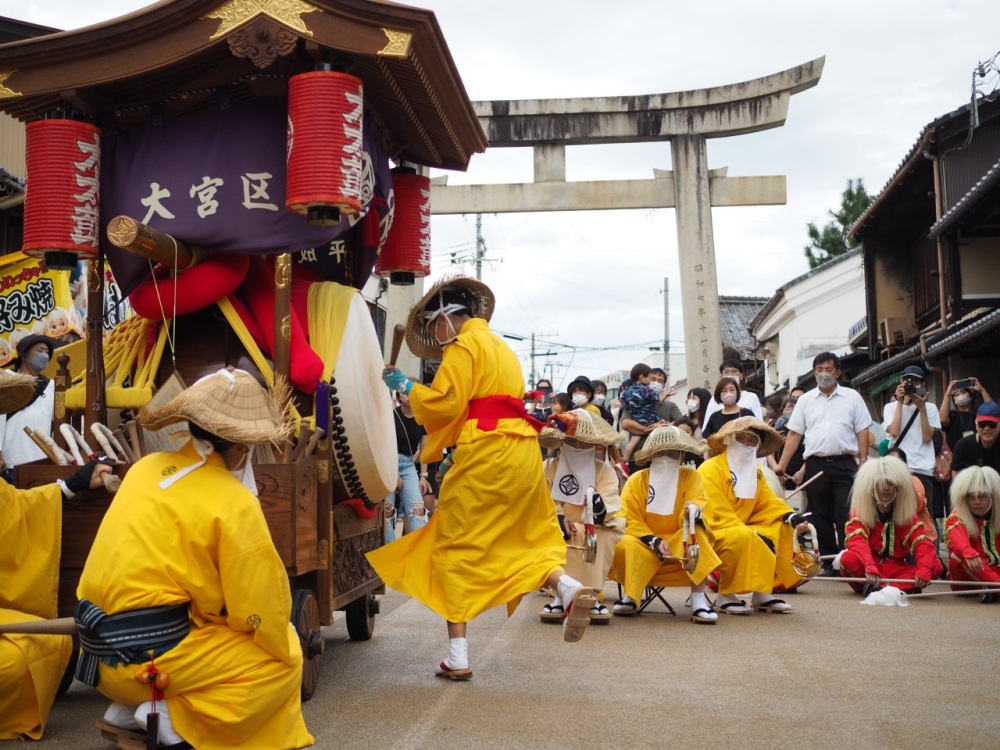
Many traditional matsuri festivals take place in the fall. And every year, November 6th marks the beginning of crab season in Fukui, so several events are held across the prefecture to celebrate.
- Tsuruga Festival
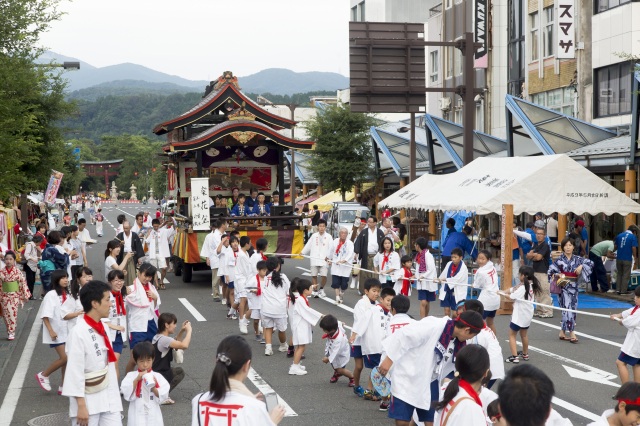
- In early September every year, the Tsuruga Festival is held around Kehi Jingu Shrine. This festival involves six highly decorate…
- See More
- Obama Hoze Festival
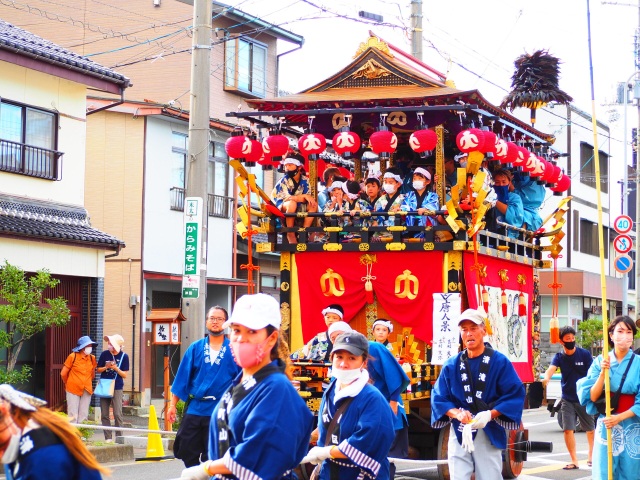
- The “Obama Hoze Festival” is the annual grand festival of Hachiman Shrine in Obama City, boasting a tradition of ove…
- See More
- Megane (Glasses) Festival
- "Thank you, glasses" is the concept.The Megane Festival is a one-of-a-kind event held for over 10 years in Sabae City,…

- See More
- Mikuni Minato Obi no Machi Nagashi
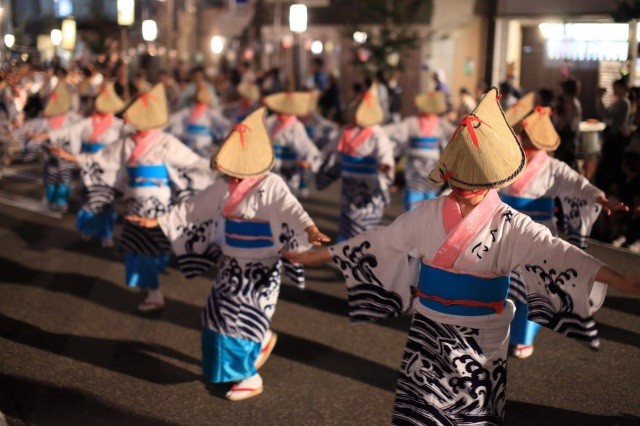
- Mikuni Port flourished as a port of call for Kitamae ships ーmerchant ships from roughly the 18th to 19th centuries (Edo to Meij…
- See More
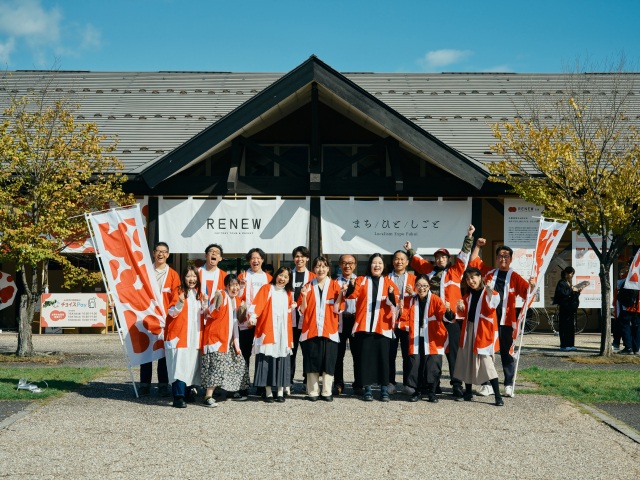
- Renew
- RENEW is an industrial tourism event held in Sabae City, Echizen City, and Echizen Town, Fukui Prefecture, aimed at creating sus…
- See More
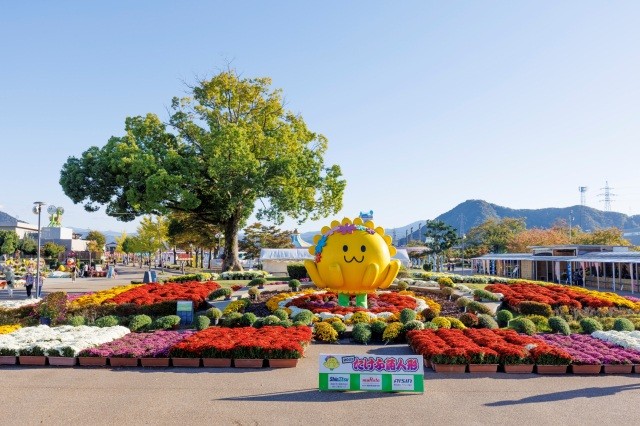
- Takefu Chrysanthemum Doll Festival
- The Takefu Chrysanthemum Doll Festival is an annual celebration of chrysanthemums, the national flower of Japan. The festival in…
- See More
- Echizen Crab Festival
- =Announcement=The 2026 "Echizen Crab Festival" will be held on Saturday, November 14, Sunday, November 15, Saturday, N…

- See More
Winter (December - February)
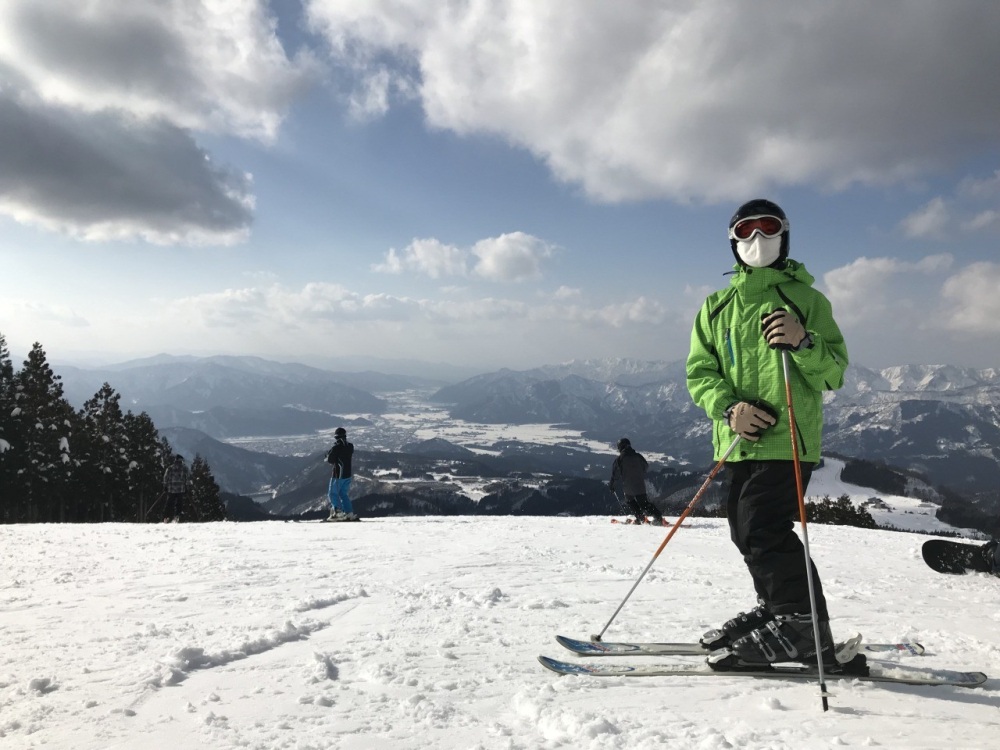
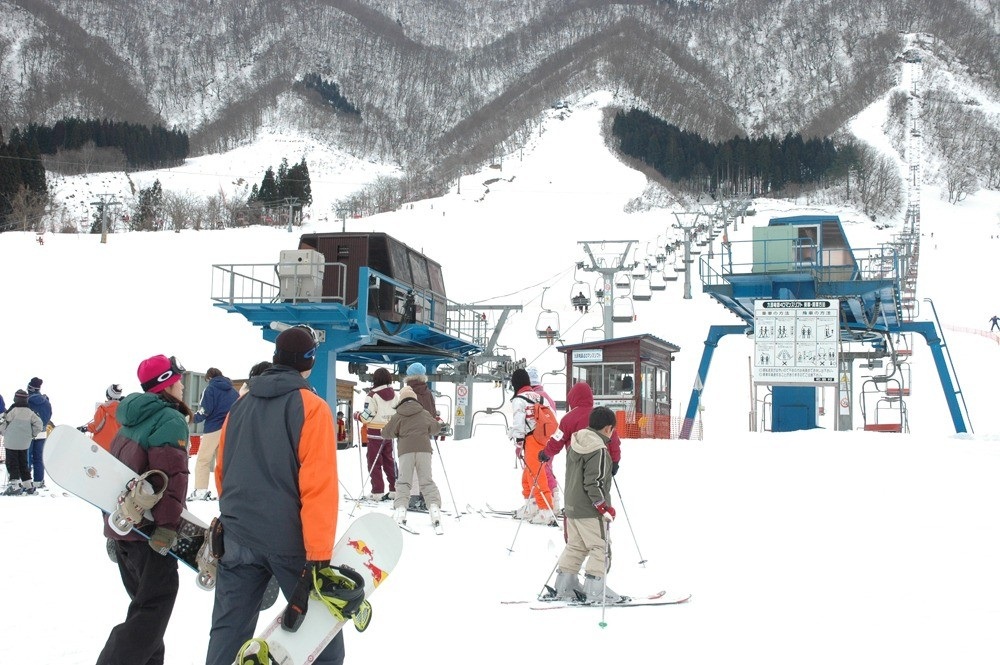
In winter, average daytime temperatures in Fukui range from about 3 to 6°C (37 to 43°F). Highs can reach up to 10°C (50°F), while lows may drop to 0°C (32°F), so make sure to bring a winter coat and boots, as well as warm clothes, if you want to make the most of your time in this winter wonderland.
Ski & Snow Resorts
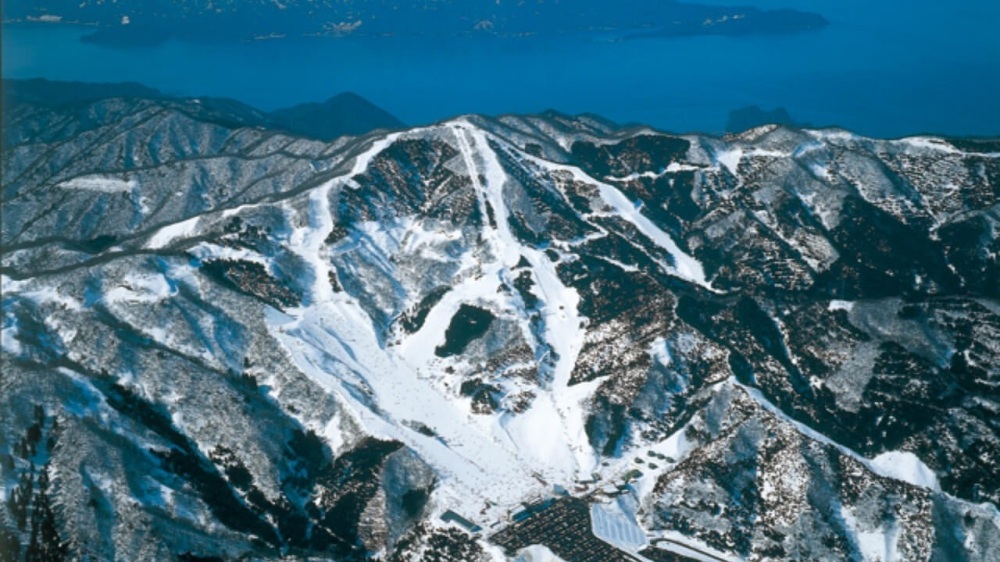
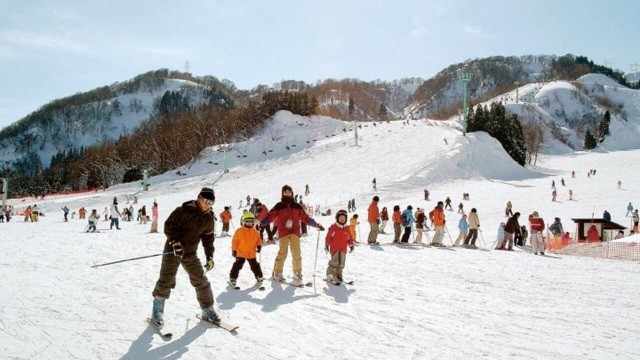
Fukui’s heavy snowfalls make it a popular destination for winter sports. Its resorts feature a variety of trails, suited to everyone from beginners to experts. Rental equipment is also available for both skiers and snowboarders at select resorts, and lessons are sometimes available in English.
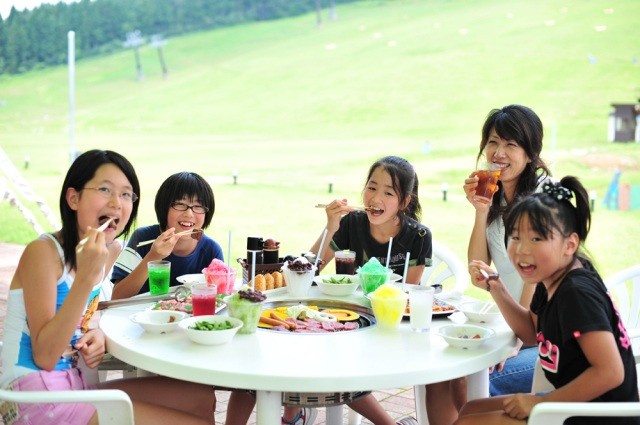
- JAM Fukui Katsuyama Mountain Resort
- JAM Fukui Katsuyama Mountain Resort is one of the largest ski resorts in Western Japan, located on Mt. Hōonji in Katsuyama City.…
- See More
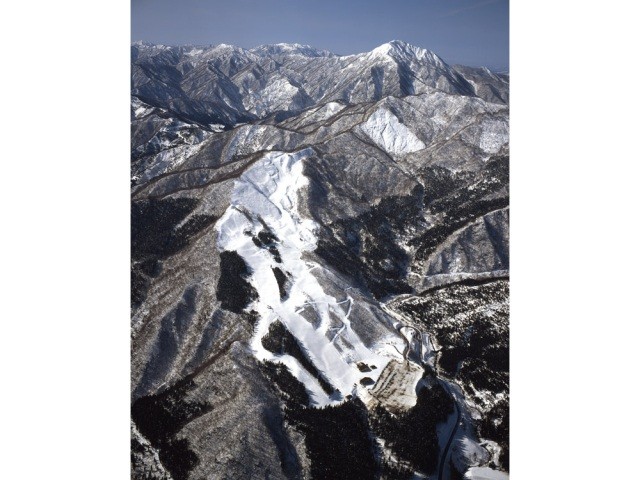
- Fukui Izumi Ski Resort
- SOY JOY Park offers fun for everyone from beginners to experts, featuring three lanes with a variety of obstacles sized for diff…
- See More
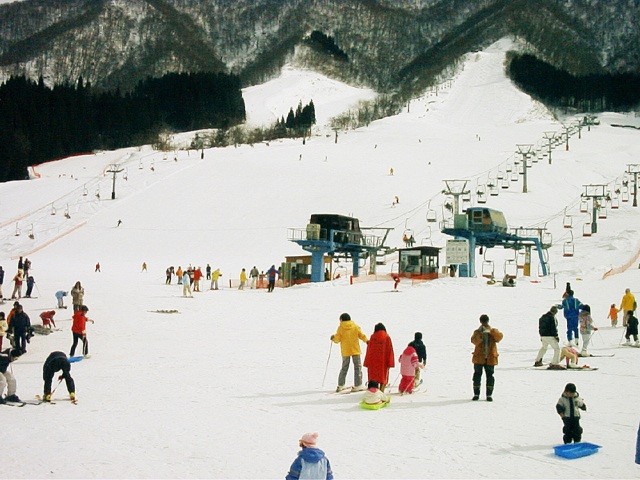
- Kuzuryu Ski Resort
- Our slopes range from gentle inclines averaging 15 degrees to steep runs reaching 42 degrees, and snowboarding is permitted on a…
- See More
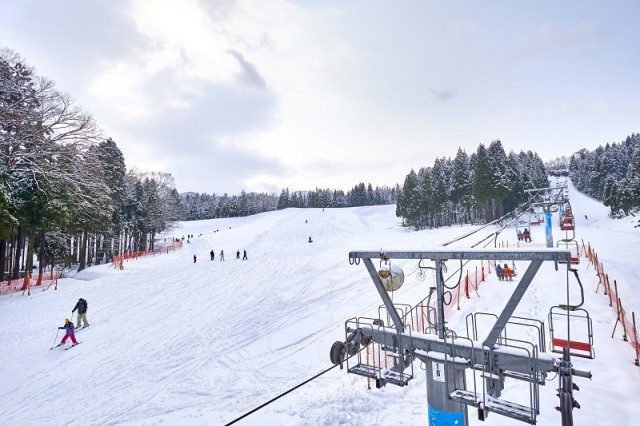
- Shinbo Family Ski Resort
- Please check our website ( http://www.ski.ikeda-kibou.com/ ) for current operating hours. This ski resort features gentle slopes…
- See More
- Imajo 365 Ski Resort
- On clear days, the Imazuka 365 Ski Resort offers a breathtaking panorama of nature, with views stretching to the distant Hakusan…
- See More
Onsen Hot Springs & Sento Public Baths
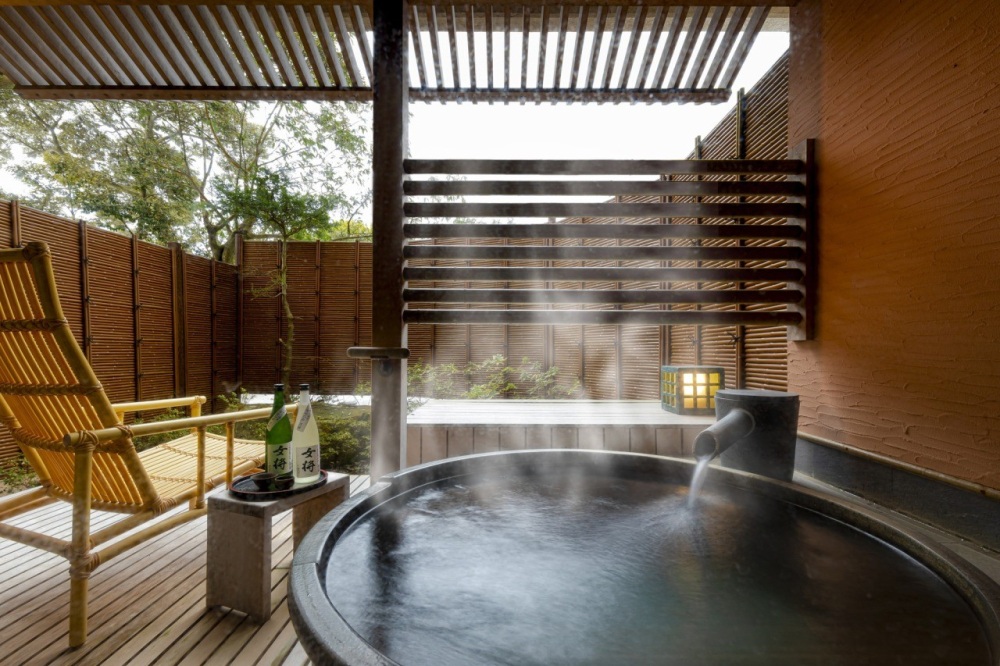
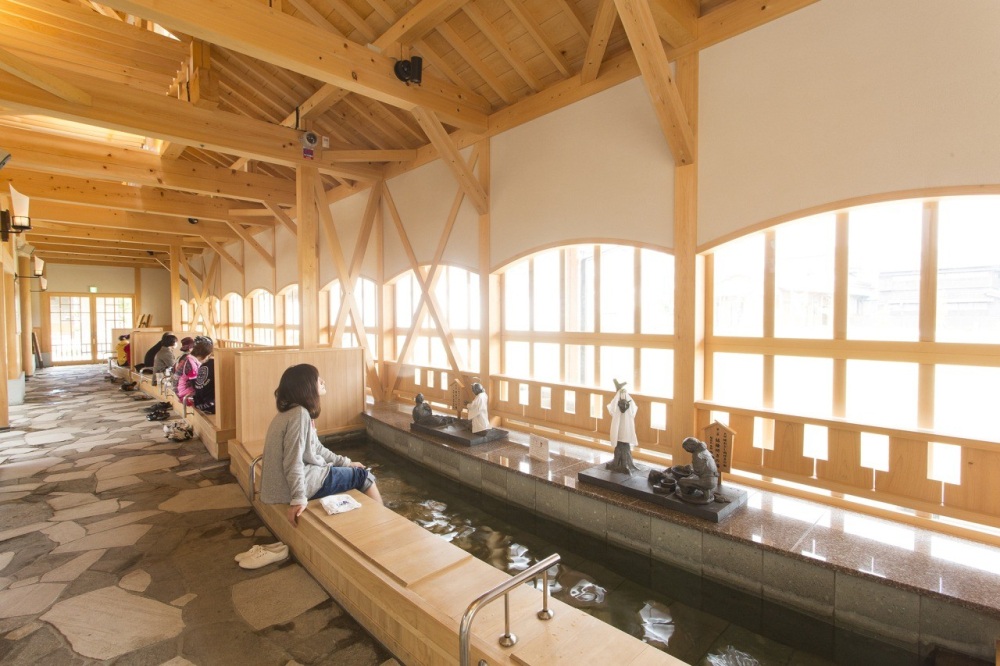
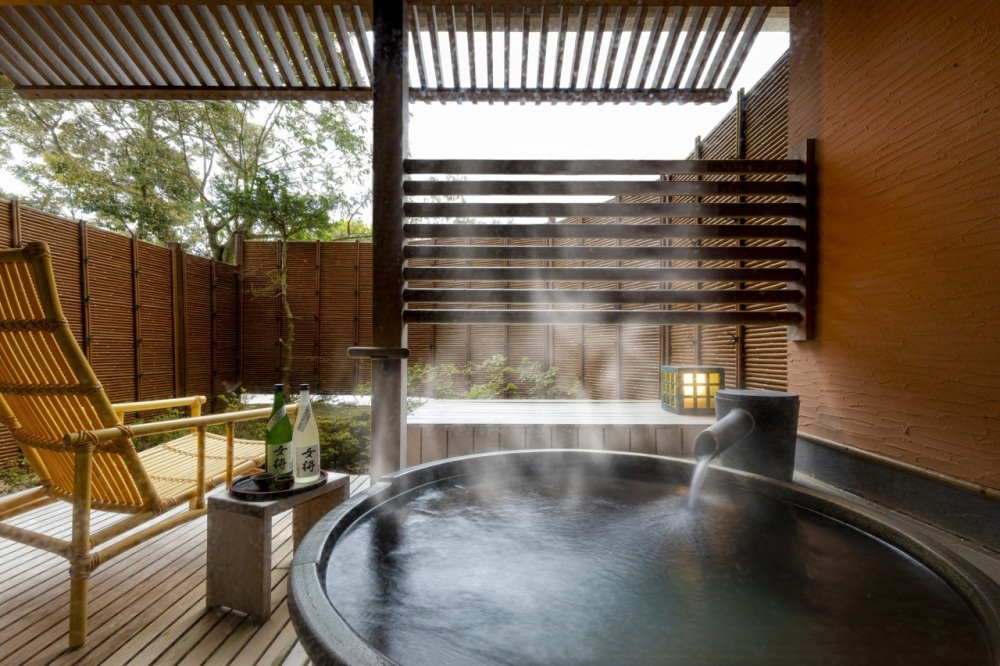
Fukui experiences heavy snowfall in winter, making it an ideal destination not only for winter sports but also for relaxing hot spring getaways. While you can enjoy bathing culture at various ryokan inns, hotels, and public baths throughout the prefecture, for a truly authentic onsen experience, be sure to visit Awara Onsen—the largest hot spring area in Fukui.
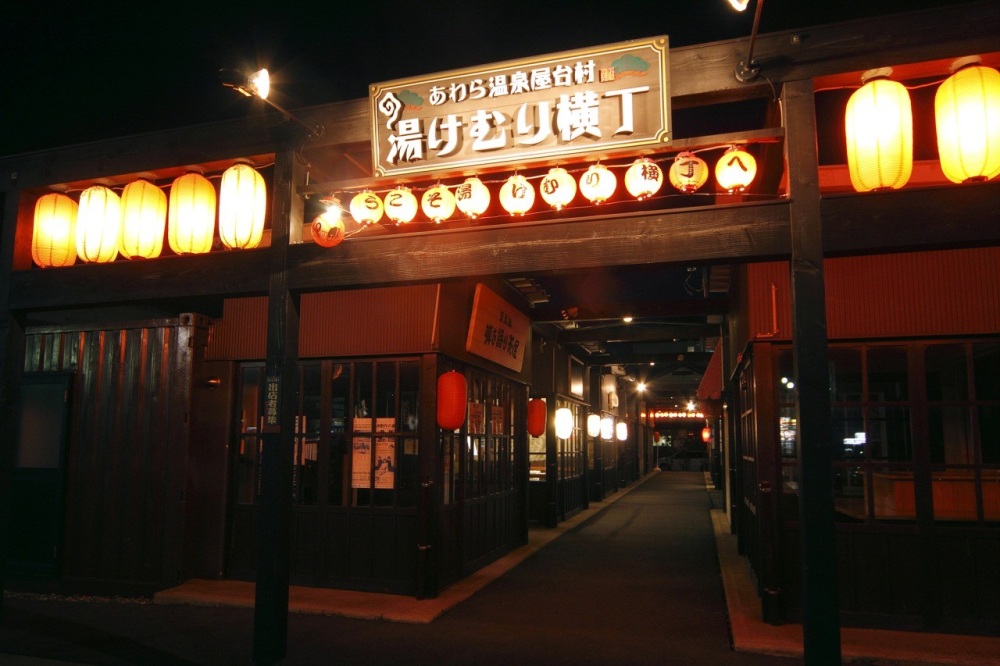
Awara Onsen is Fukui’s largest hot spring resort town, with many hot spring inns of all sizes. The hot spring baths at many of these inns are open to the public during the day—in the evenings, they are limited to overnight guests. In the evening, the small restaurants of Yukemuri Yokocho open across the street from the station, for dinner, drinks, and friendly conversation.
Many of the town’s hot spring inns are within walking distance of the local train station, and free shuttle buses are available.
Winter Delicacies
Winter, when fish put on some weight to get through the season, is said to be the best time for seafood. Located right where cold currents from the north and warm currents from the south intersect, creating the perfect environment for plankton to flourish, Fukui's waters provide the prefecture with plenty of delicious options during the season.
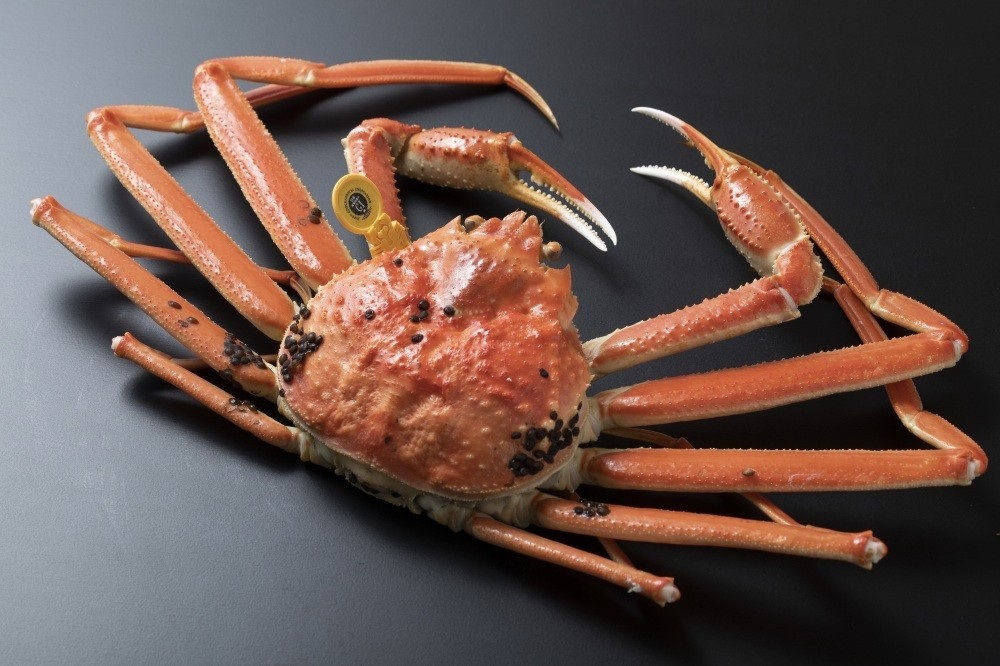
- Echizen Gani Crab
- Season: November through March
Echizen Gani crabs are packed with sweet, firm meat and crab paste, earning them the local nickname “the king of winter foods.” Crab connoisseurs know to also look for Seiko Gani Crab, or female snow crabs, which are smaller but full of delicious eggs. 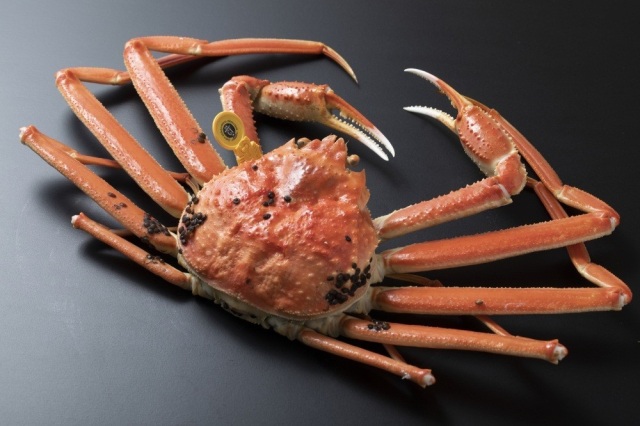
- See More
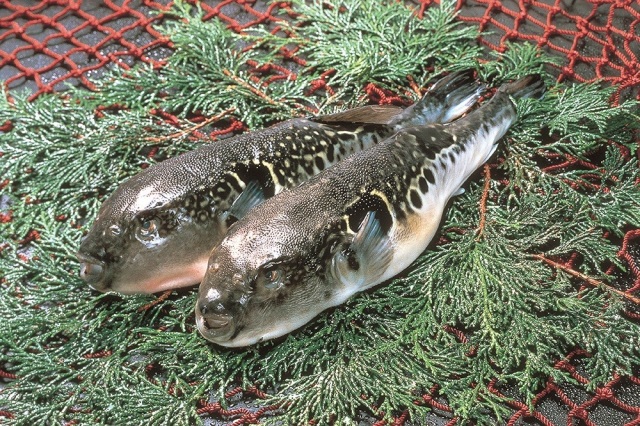
- Wakasa Fugu
- Among edible pufferfish, the most delicious and prized variety is known as the “tiger puffer” (torafugu). In Wakasa, Fukui Prefecture, the snowmelt keeps the waters colder for longer than in other regions. Raised in these cold, harsh winter conditions—but in relatively calm waves—the Wakasa torafugu develops firm flesh and accumulates rich, savory flavors.
- See More
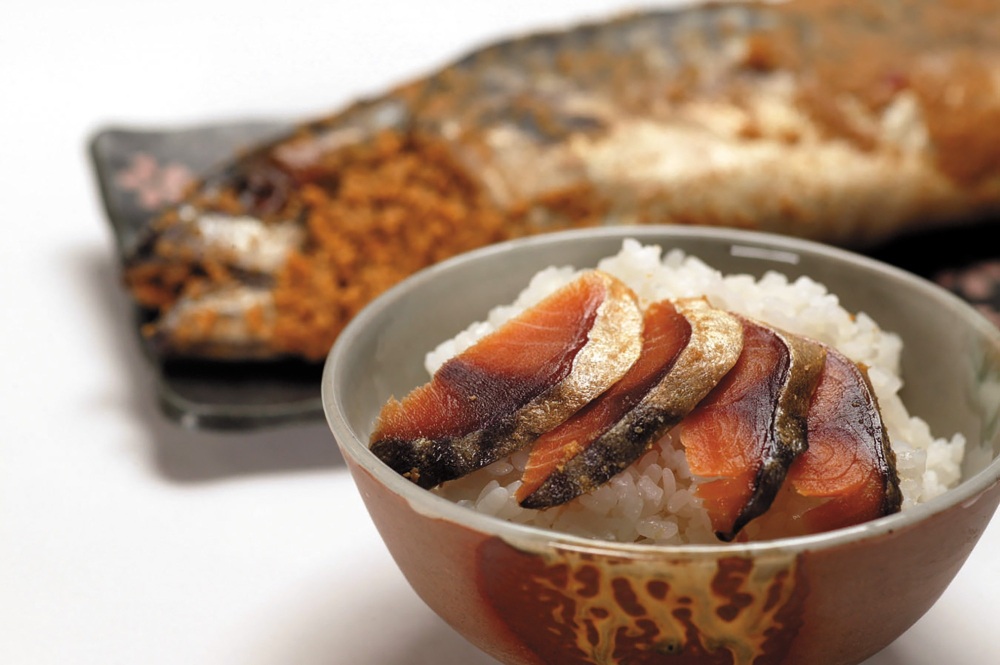
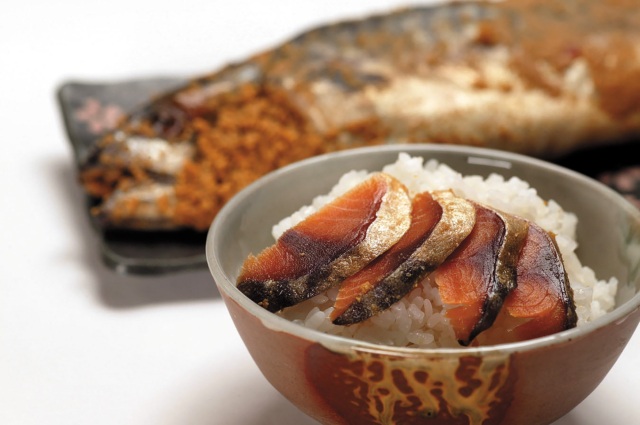
- Heshiko
- Heshiko is a flavorful, traditional preserved food made by pickling fish, usually mackerel, in salt and rice bran. Dating from the Edo period (1603–1867), it was a crucial protein source for coastal communities along the Sea of Japan in the winter. Today, heshiko remains popular for its bold, umami-packed flavor that pairs well with sake.
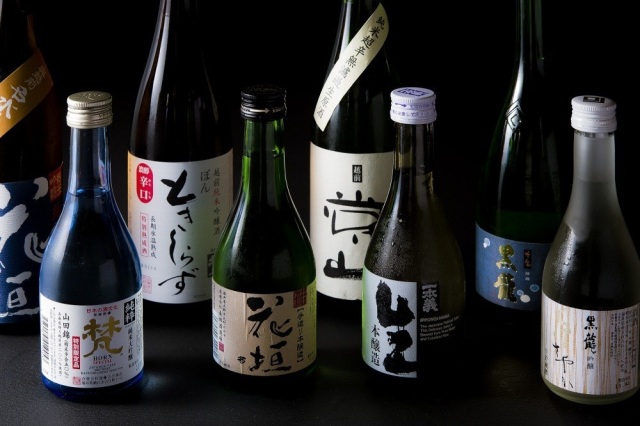
- Sake
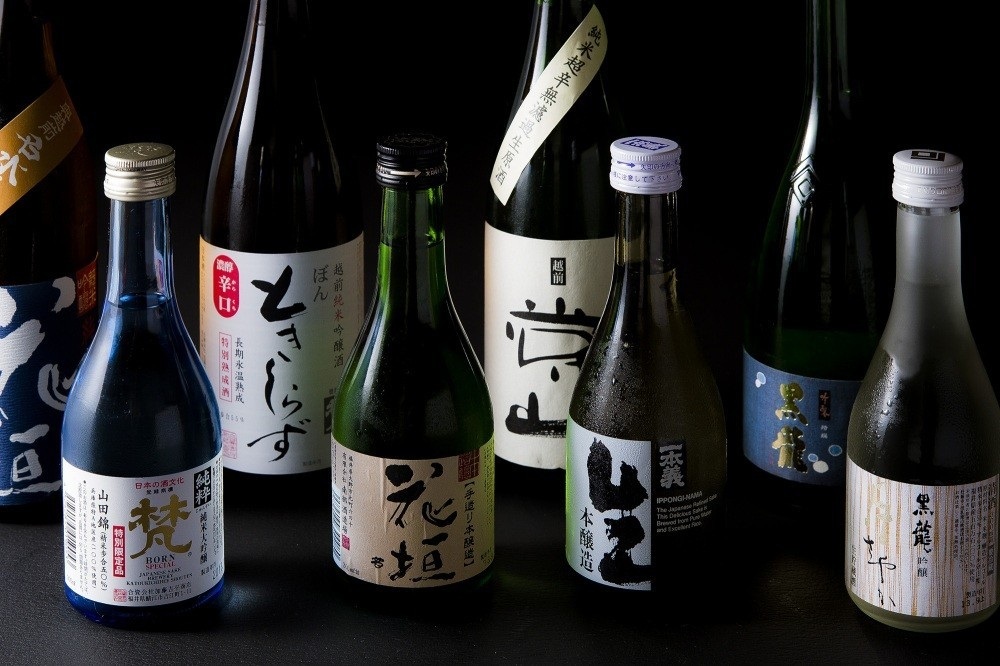
- Sake is usually made in the winter in Japan, and Fukui Prefecture is a leading sake-producing region, with over 30 breweries that benefit from its fertile soil, clean water, and centuries of expertise.
- See More
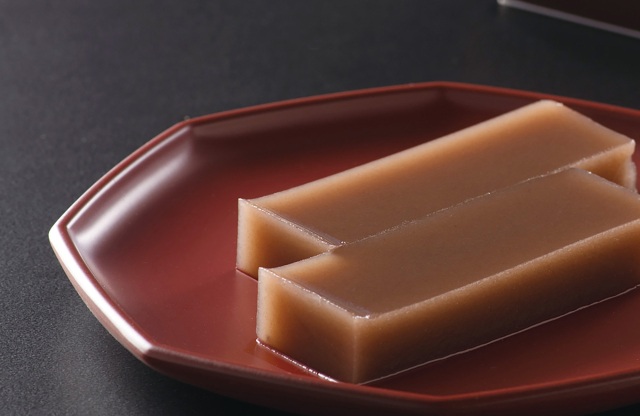
- Mizu-Yokan
- In Fukui, if you want to spend winter like a true local, get under your kotatsu heating table and grab a box of mizu-yokan. The Japanese sweet ―made of sugar, red bean paste and agar gelatin― may be eaten on hot summer days in other parts of the country, it has long been synonymous with wintertime around here.
Winter Events
Local matsuri festivals continue well into the colder season, including some celebrating the Japanese New Year.
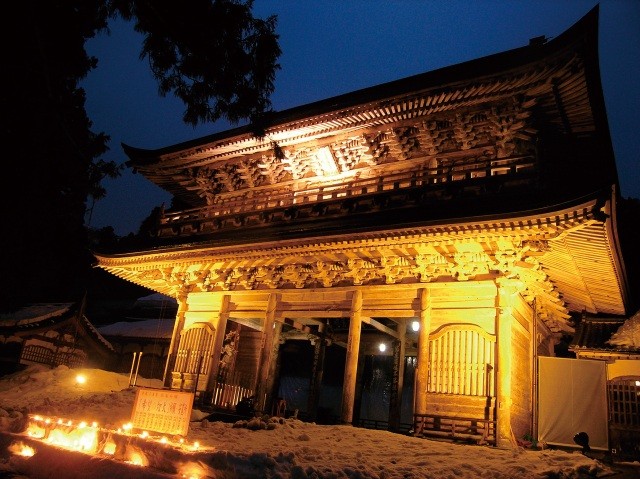
- Eiheiji Temple New Year’s Eve Bell Ringing and Illumination
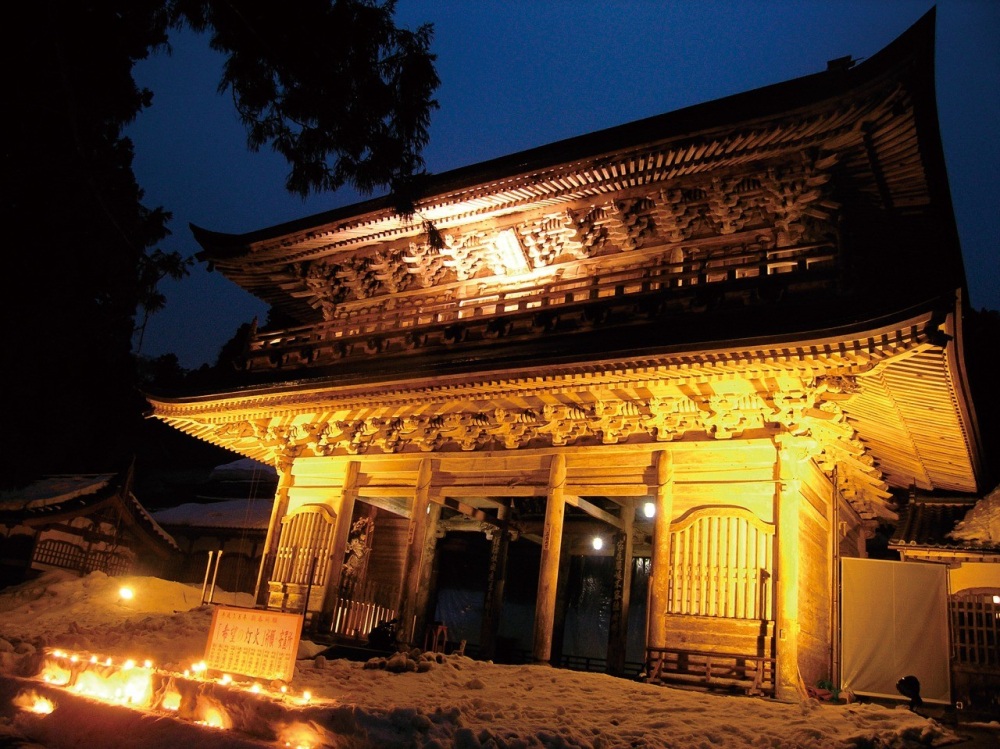
- On New Year’s Eve, the bell and central gate of Eiheiji Temple are lit up. Visitors are invited to ring the bell—tra…
- See More
- Daffodil Festival
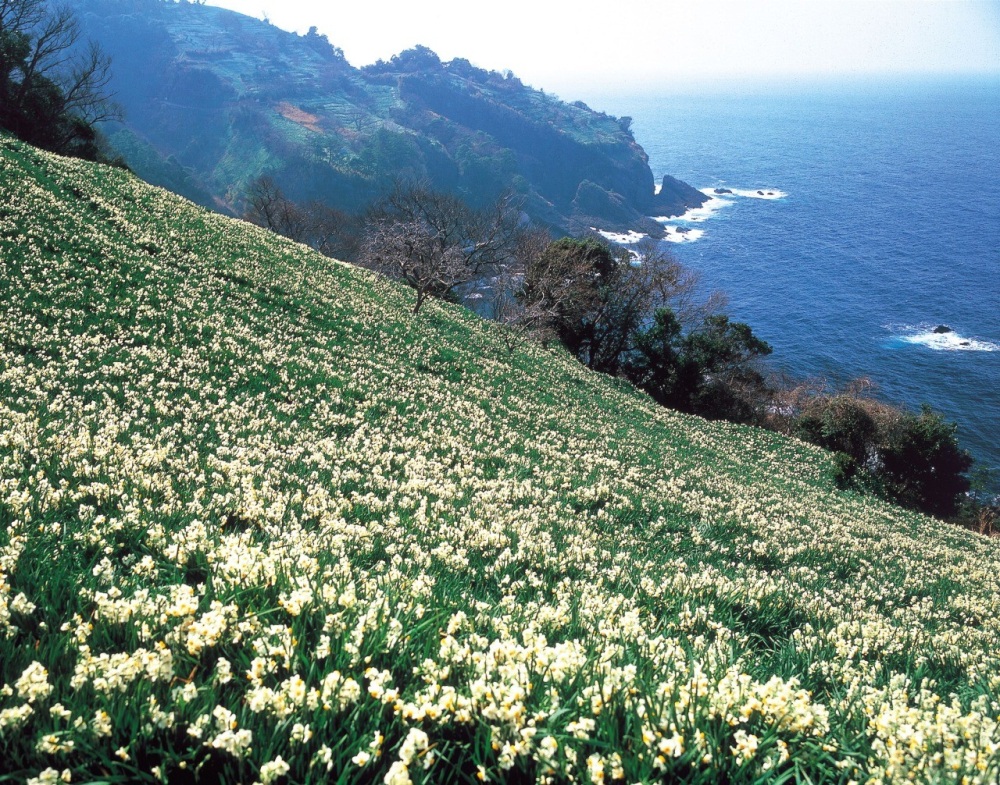
- The Echizen Coast is renowned as a major natural habitat for Japanese daffodils, counted among the "Three Great Japanese Da…

- See More
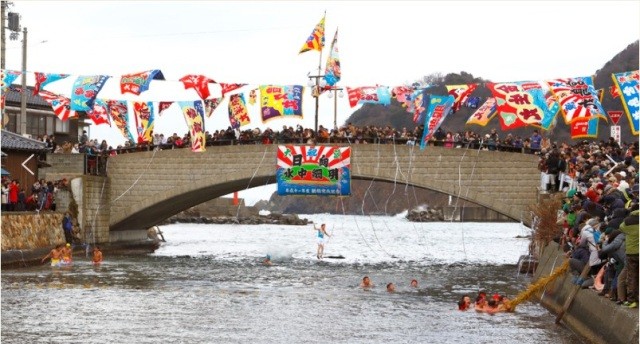
- Underwater Tug-of-War in Hiruga
- The Mihama Hiruga Underwater Tug-of-War, held annually on the third Sunday of January, begins in the morning. A rope 30 cm thick…
- See More
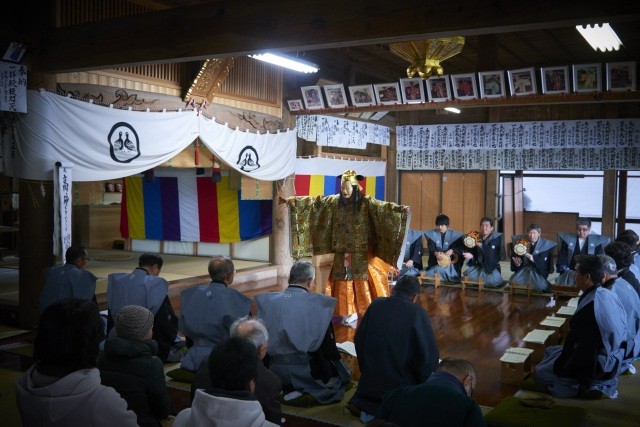
- Mizuumi Dengaku and Noh Dances
- The Mizuumi Dengaku and Noh Dances, said to have been passed down since the Kamakura period of 1185-1333, has been preserved in …
- See More
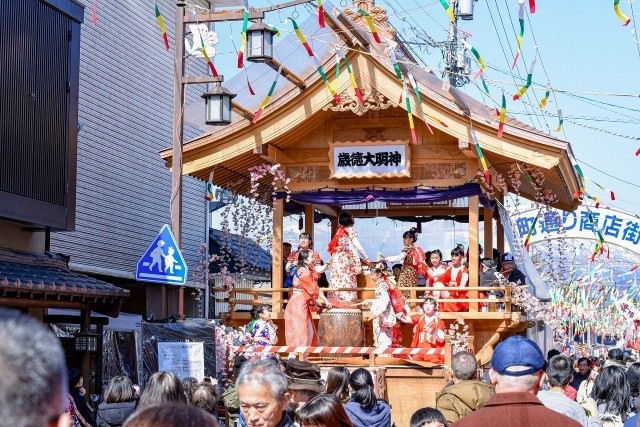
- Katsuyama Sagicho Festival
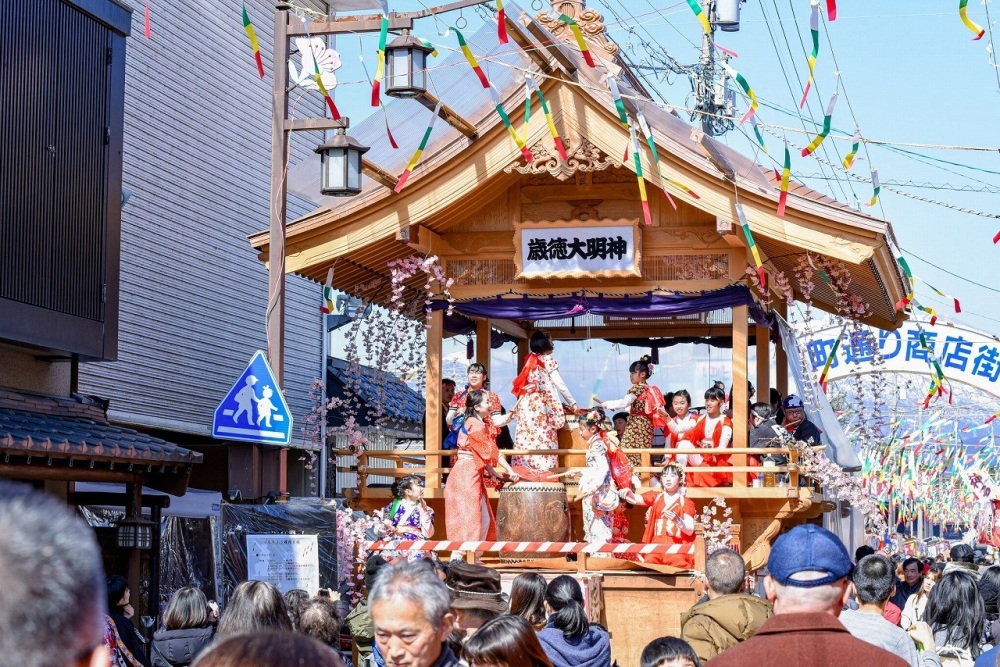
- Katsuyama City’s “Sagicho” boasts a history of over 300 years dating back to the arrival of the Ogasawara clan…
- See More
Column
Where to Stay in Fukui
From seaside guesthouses and mountain ski resorts to traditional ryokan inns and historical townhouses, whatever your travel style, Fukui has a place for you. Many Western-style hotels, including some international chains, are also available throughout the prefecture.