This Is the True Taste of the Region! Local Cheap Eats You’ll Want to Try in Fukui
While local specialties like “Echizen Gani” crab and “Echizen oroshi soba” buckwheat noodles with grated daikon radish are great, Fukui’s soul food is also absolutely delicious! In this article, we’ll introduce you to a wide variety of Fukui’s local cuisine that’s deeply loved by the locals. Be sure to enjoy these dishes during your sightseeing or at your lodging in Fukui.
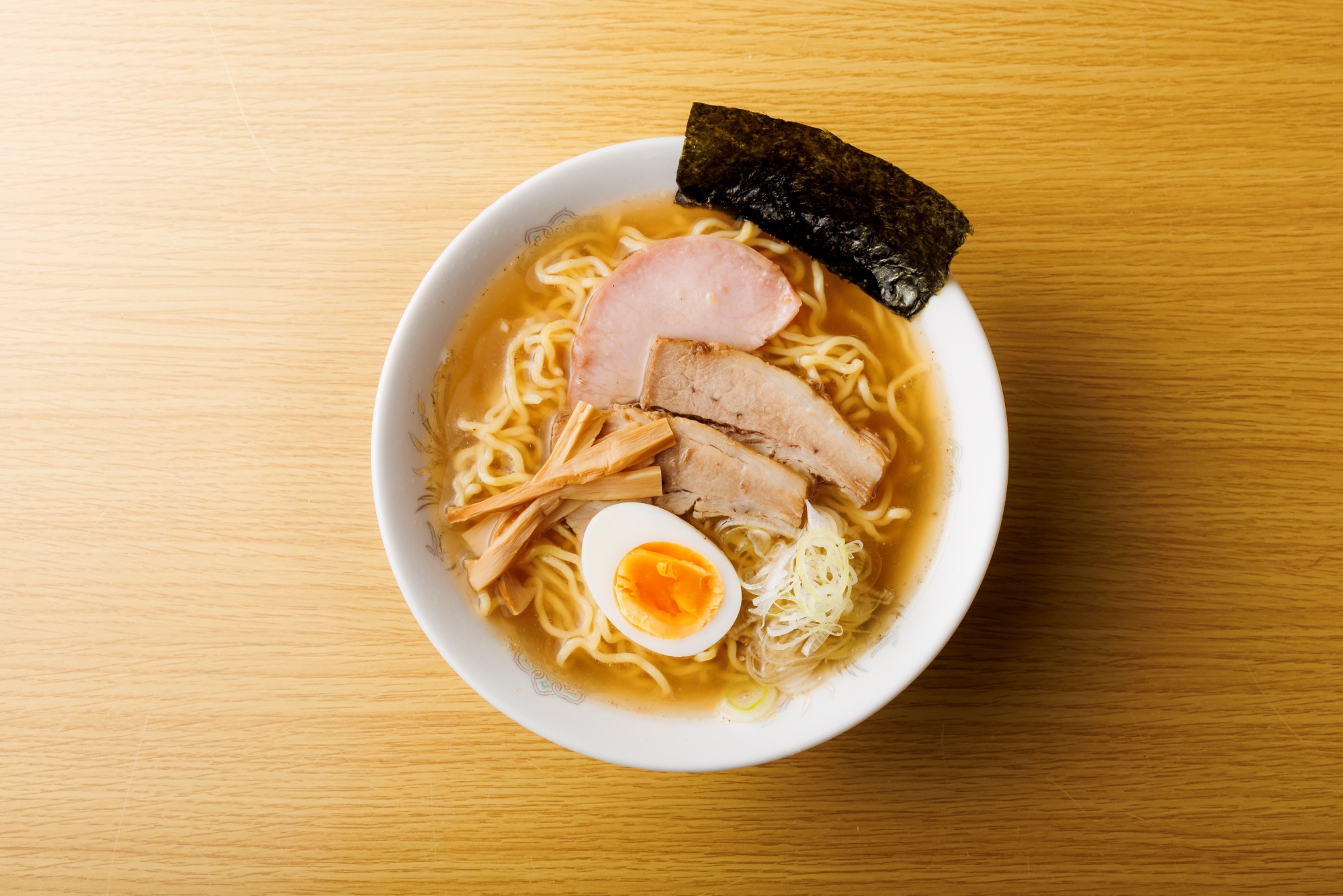
"Sauce Katsudon," Fukui's signature soul food
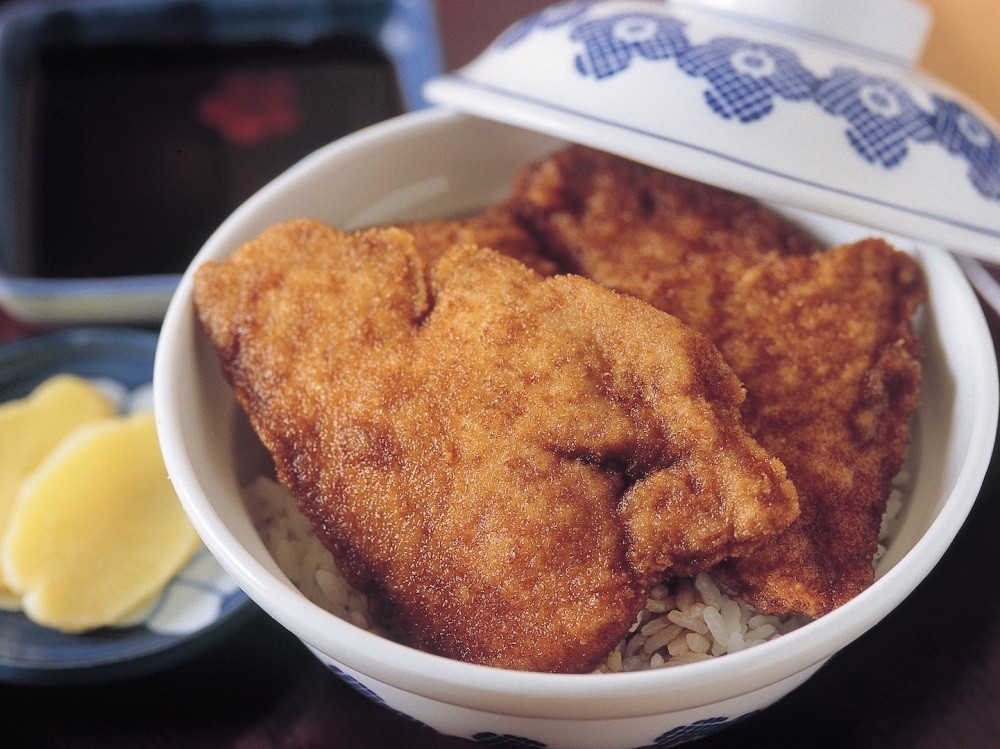
When it comes to Fukui’s soul food, “sauce katsu-don” is the classic choice. If you order “katsu-don,” you’ll generally be served “sauce katsu-don” rather than the egg-topped version you would find in other regions of Japan. It’s a remarkably simple dish—thin, crispy pork cutlets dipped in a special sauce and piled generously over white rice—but once you try it, you’ll be hooked. The special sauce, which soaks deeply into the cutlets, is truly appetizing. You can find it at restaurants all over the prefecture, but since each place has its own unique take on the sauce and rice, comparing different versions to find your favorite is part of the fun.
"Volga Rice": The Dream Combination of Tonkatsu and Omelet Rice Comes to Life
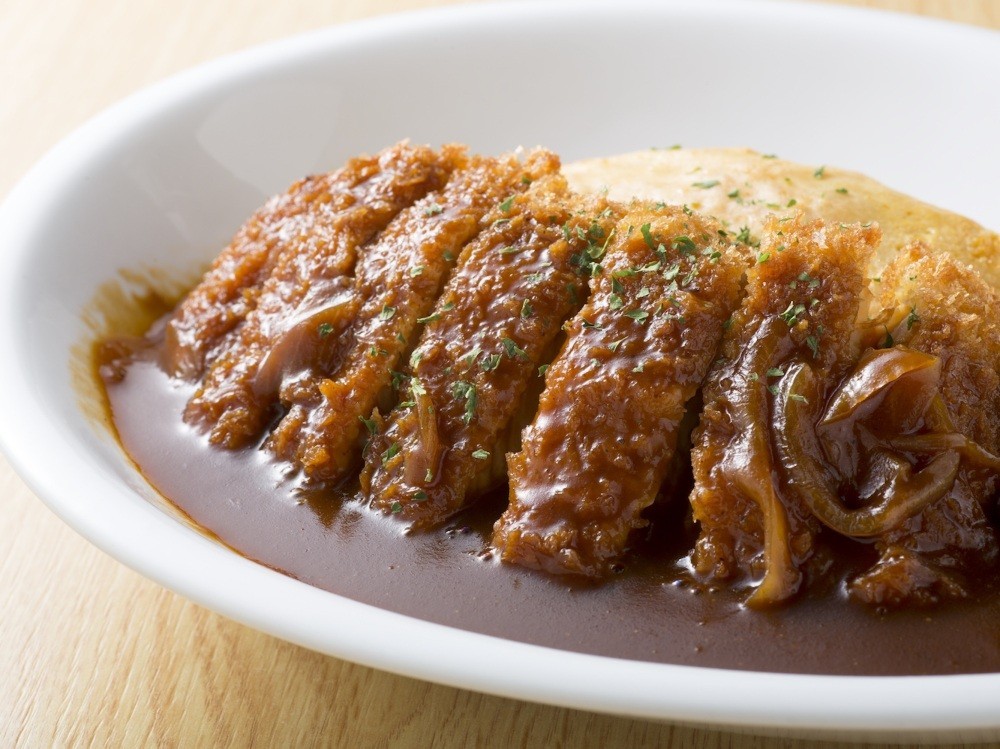
"Volga Rice," a local specialty from the Takefu area of Echizen City, is a dream-like dish that combines popular yoshoku-style dishes (a style of Japanese-influenced Western cuisine): an omelet rice topped with a tonkatsu cutlet and drizzled with a special sauce. Although it has been a beloved local delicacy in the area for over 30 years, its exact origin and history remain unclear. It gradually began to gain attention around 2010, and today there are more than 20 restaurants in the city that serve it. The filling of the omelet and the sauce vary from restaurant to restaurant; some use chicken rice (chicken and diced vegetables pan-fried with tomato ketchup), while others use fried rice or pilaf. The sauces also range from demi-glace to Chinese-style thick gravies, showcasing each restaurant’s unique character.
"Yakitori"—with its bursting umami flavor and satisfying texture—is truly addictive.
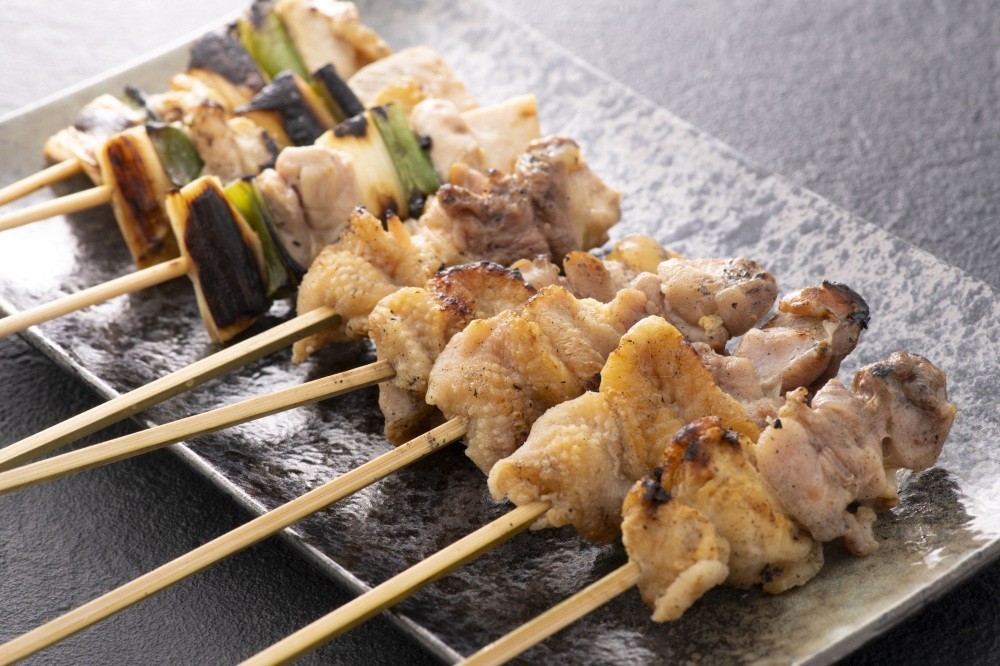
When it comes to the cuisine that the people of Fukui Prefecture love above all else, it’s yakitori! It might come as a bit of a surprise, but Fukui Prefecture actually ranks among the top in the country for per-capita consumption of yakitori, a traditional Japanese dish of bite-sized chicken pieces skewered on bamboo sticks and grilled over a charcoal fire. At yakitori restaurants, it’s not uncommon for a single person to eat dozens of skewers. A distinctive feature of Fukui’s yakitori culture is the preference for “hine-dori” (adult hens). “Hine-dori” refers to female chickens that have finished laying eggs. Compared to the young chickens commonly eaten, their meat is firmer and is said to be rich in matured umami. The pleasantly firm, crunchy texture and the umami that bursts forth the more you chew make it the perfect choice for yakitori.
"Tsuruga Ramen" has its roots in the nostalgic street-stall ramen of yesteryear
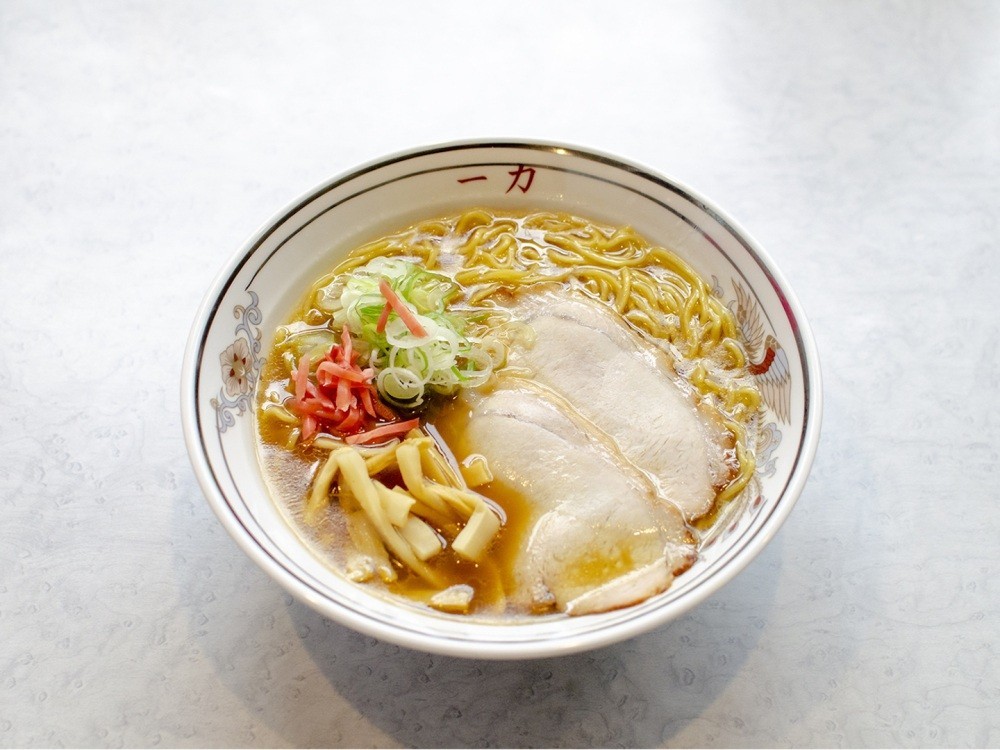
“Tsuruga Ramen” is said to have originated from ramen food stalls that began operating around Tsuruga Station. Characterized by a rich soy sauce broth made from pork bone and chicken bone stock, served with medium-thin noodles, this ramen has a flavor that evokes a sense of nostalgia even for first-time eaters. During the Showa era (1926–1989), when truck transport was thriving along National Route 8, its popularity spread primarily among truck drivers, and at one point, as many as 15 food stalls lined the route. In Tsuruga, ramen food stalls still line National Route 8 today, and the city center is home to numerous ramen restaurants that trace their origins back to those stalls. It’s a local flavor loved by a wide range of people—from families coming for dinner to those heading out from the entertainment district looking for a bowl of ramen to cap off their night.
A Lightly Flavored "Shoyu Katsu Don" Born in a Town Famous for Its Water
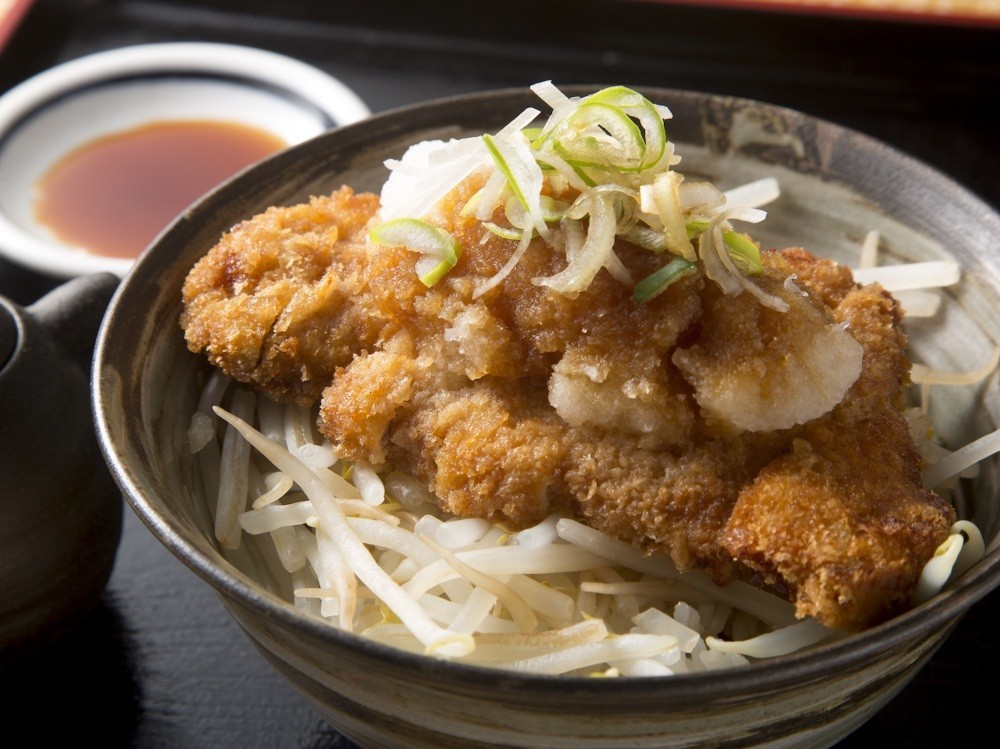
Fukui’s katsu-don isn’t just about sauce katsu-don! In Ono City, known as the “City of Water,” there’s a local specialty called “shoyu katsu-don.” In Ono, shoyu (soy sauce) production—which makes full use of the area’s delicious water—is thriving, and “shoyu katsu-don” became a local specialty after a long-established soy sauce shop in Ono developed a special sauce for it. Unlike sauce katsu-don, which features only pork cutlet atop rice, shoyu katsu-don is generously topped with vegetables and is characterized by its light, refreshing flavor. There are no set rules for the vegetable combinations—variations range from just grated daikon radish to shredded cabbage with shiso leaves (an aromatic herb in the mint family, extensively used in Japanese cuisine)—so you’ll want to try the flavors at various restaurants.
"Takefu Station Chuka Soba": A gentle, comforting meal that slowly warms your stomach
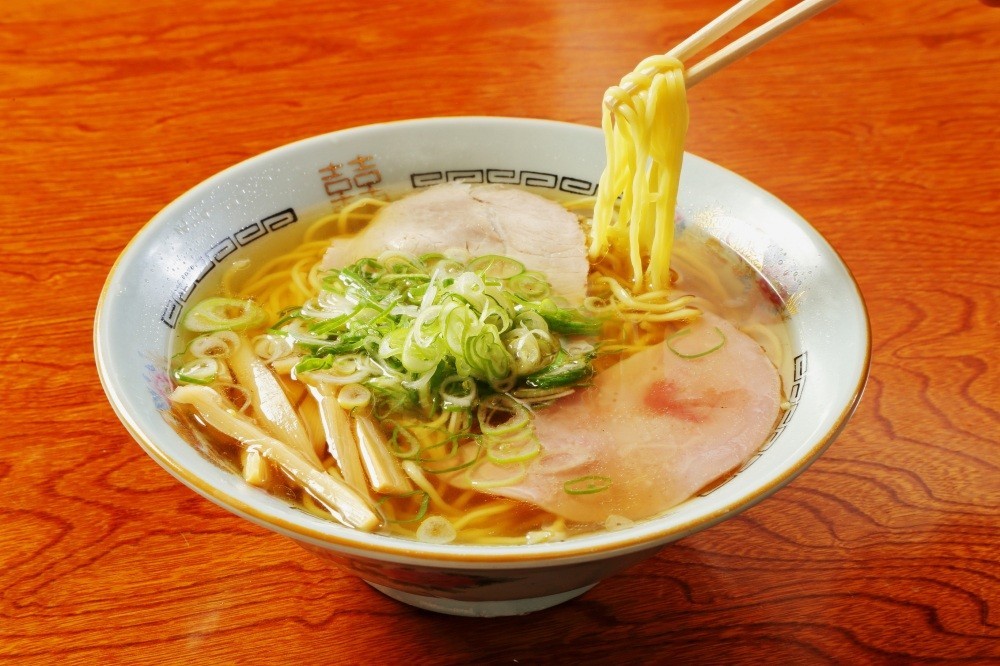
When it comes to gourmet food in the Takefu area of Echizen City, “Chuka Soba” (Chinese noodles) is another local specialty alongside Volga Rice. There are nearly 20 restaurants—including soba shops and casual diners—serving “Chuka Soba” around Takefu Station, and it’s also known as “Takefu Station Chuka Soba.”
The basic method for making ramen broth involves pouring a clear broth made from simmering pork belly and chicken bones into a “kaeshi” base—a mixture of chashu (a savory, melt-in-your-mouth Japanese braised pork) broth, soy sauce, and mirin. However, the key difference with Echizen City’s “Chuka Soba” is that it uses soba sauce instead of “kaeshi.” Typical toppings for Chuka Soba include green onions, menma (a popular Japanese condiment made from lacto-fermented, dried bamboo shoots), kamaboko (a traditional Japanese cured surimi—a processed seafood product made from pureed white fish), and chashu; some shops even serve traditional ham instead of chashu. The light, clear broth is absolutely exquisite as a final dish after a night of drinking!
Column
Explore Japan’s Undiscovered Food Haven in FUKUI
Blessed with a rich climate, pure spring water, and exceptional ingredients, Fukui has long supported the food culture of Japan’s ancient capital. Often called a true “culinary treasure trove,” Fukui offers the freshest seafood, mountain harvests, and traditional local dishes—authentic flavors that bring out the best of each season. In the southern Wakasa region, generations of fishermen and farmers have even supplied fresh delicacies to the Imperial Family for centuries. For food lovers, there’s no place quite like Fukui.
Inspired by the creative and resourceful way of life of the people of Fukui Prefecture, she moved there from Tokyo during the COVID-19 pandemic. She is currently based in Tsuruga City, where she is active in the local community, while also working as a freelance writer for media outlets both within and outside the prefecture. Her hobbies include, above all, cooking and eating.