Fukui Favorites: Taste the Terroir
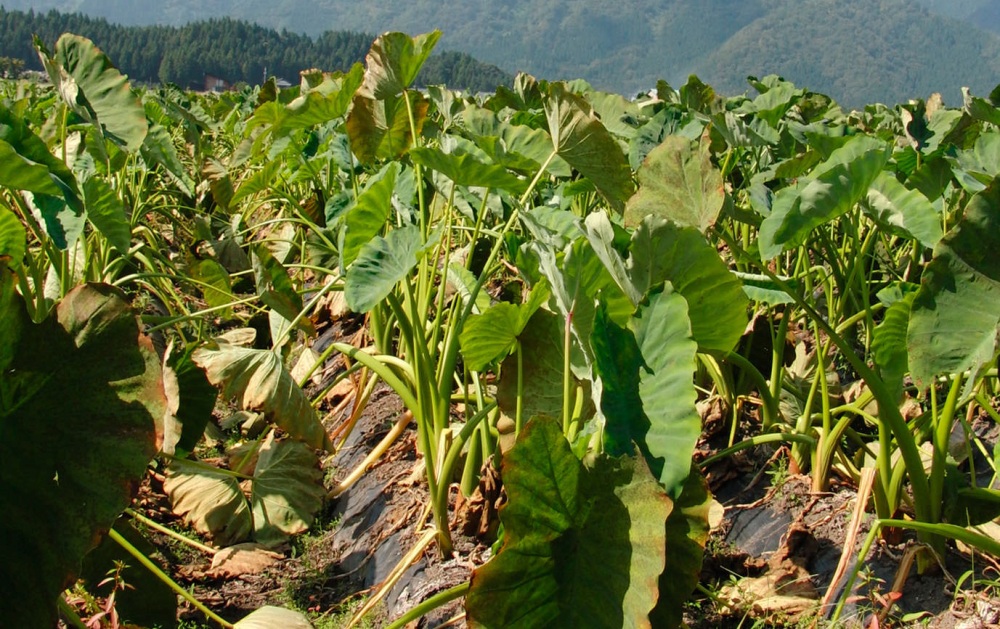
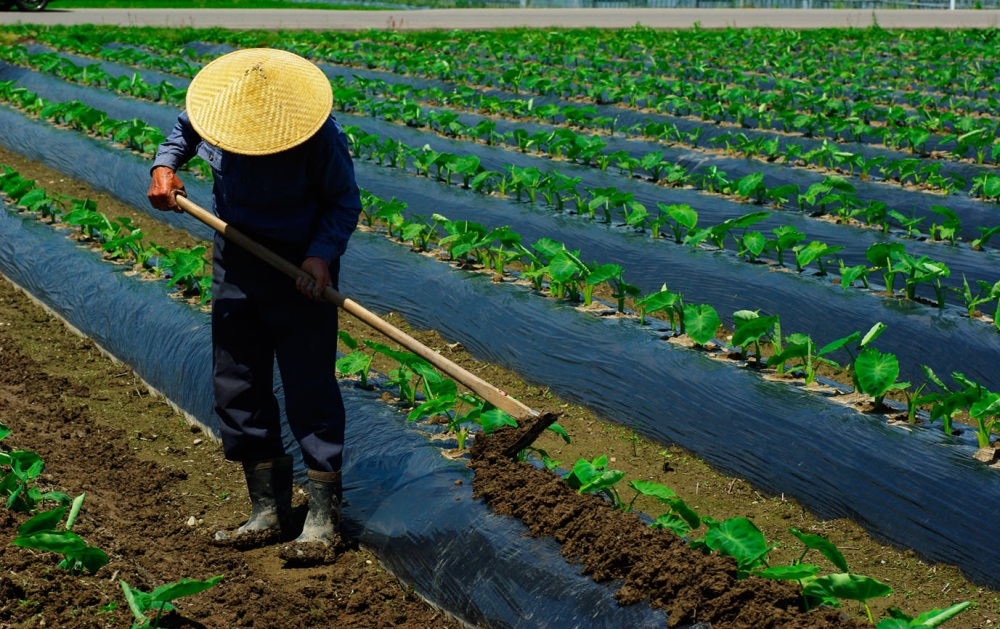
Fukui’s rich natural environment makes it a paradise for farmers—and for food lovers. Restaurants throughout the prefecture serve a wide variety of local ingredients, but cooks in Fukui often think of delicious local fruits and vegetables as simply being “normal,” making them easy to overlook as a visitor. Shops at places like Wakasa Fisherman’s Wharf, and roadside stations like Michi no Eki Echizen Ono Arashima no Sato, offer a convenient way to experience these great Fukui specialties and the products made with them.
Environment Is Everything

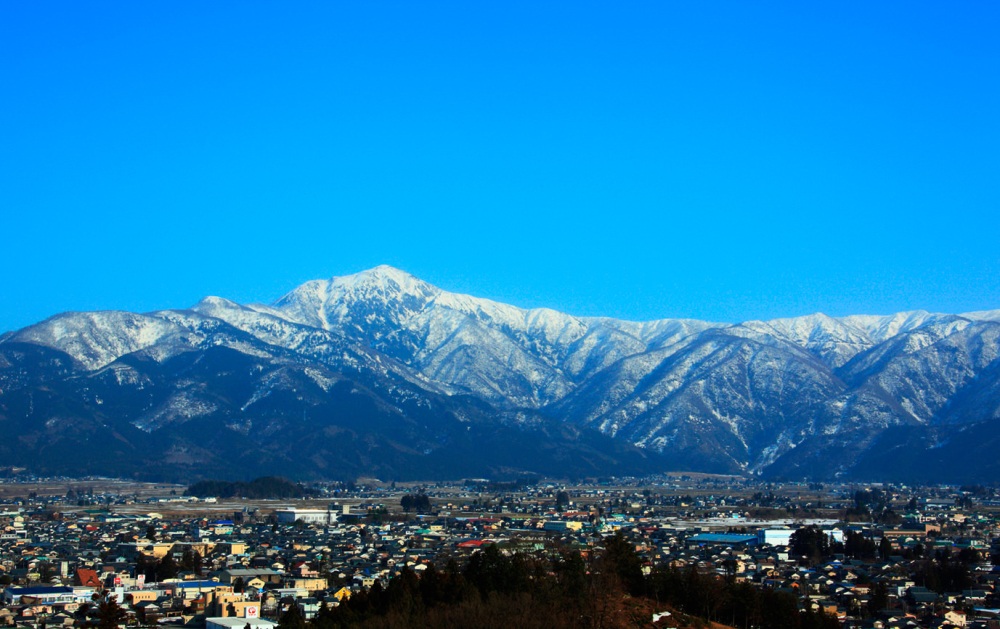

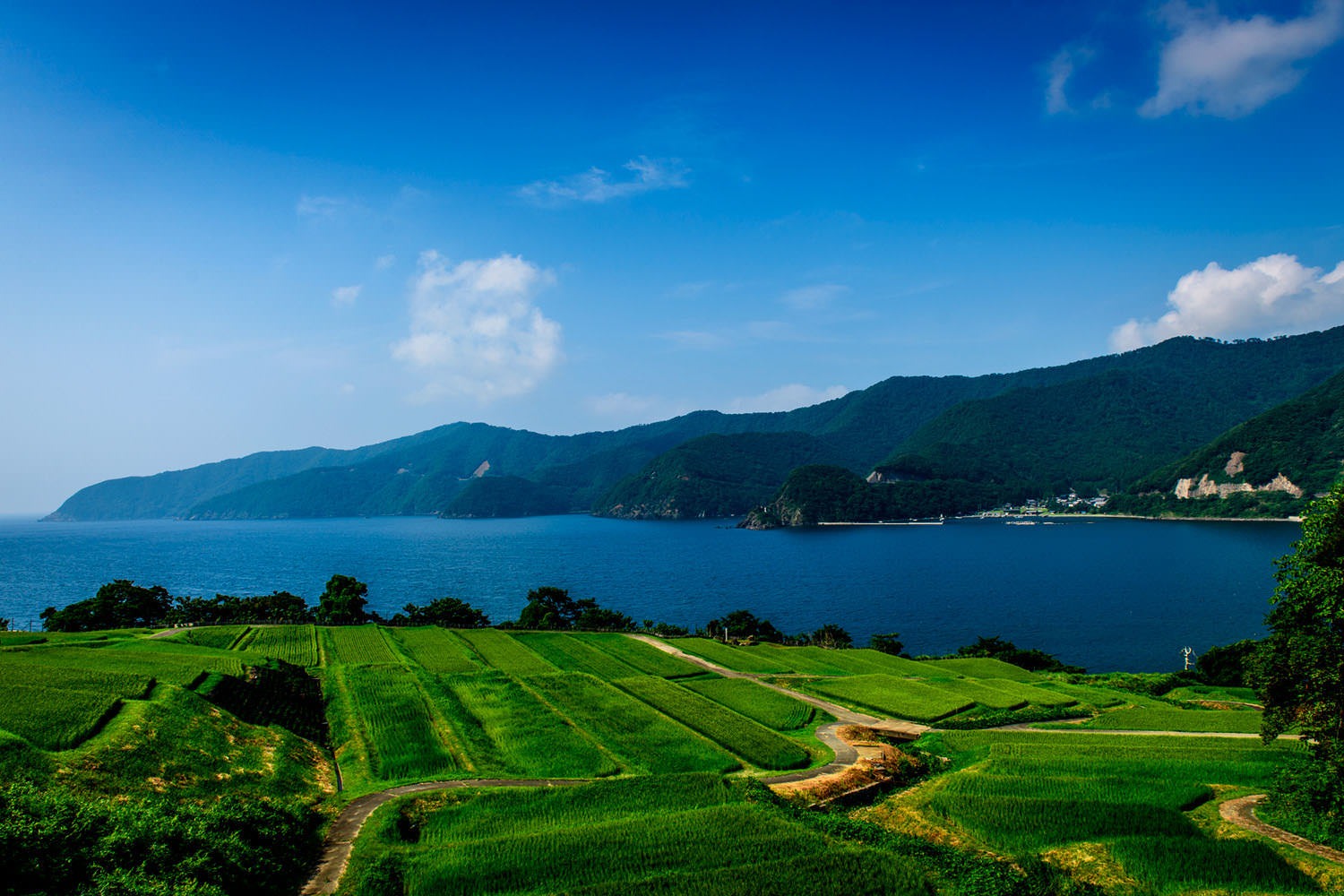
Fukui’s natural surroundings are varied, yet excellent for growing many different crops. The prefecture has a long coastline to the west, mountains more than 1,000 meters tall to the east, and plenty of wide, flat plains in between. Local farmers have worked to make the most of this abundant environment, developing ways to improve the soil even further.
The climate is another major factor in why everything is so delicious. Fukui gets plenty of rain throughout the year, and heavy snowfalls in winter. Many communities here are surrounded by mountains, and in spring and autumn in particular, these areas get warm days with cold nights—a combination that is considered key for delicious fruits and vegetables.
However, for farming, there is one more crucial element: the water. Rivers flow from the sacred Mt. Hakusan, bringing nutritious, mineral-rich water to much of Fukui. Springs such as Uriwari no Taki Falls and Unose are celebrated for water that is not only delicious to drink, but excellent for growing crops.
Can’t-Miss Hidden Gems
Sake
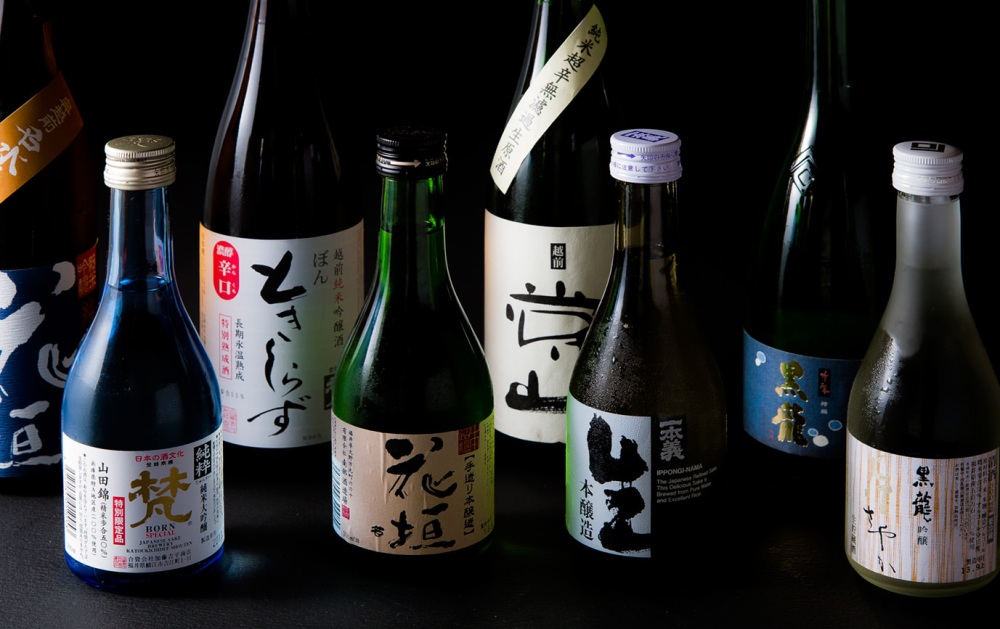
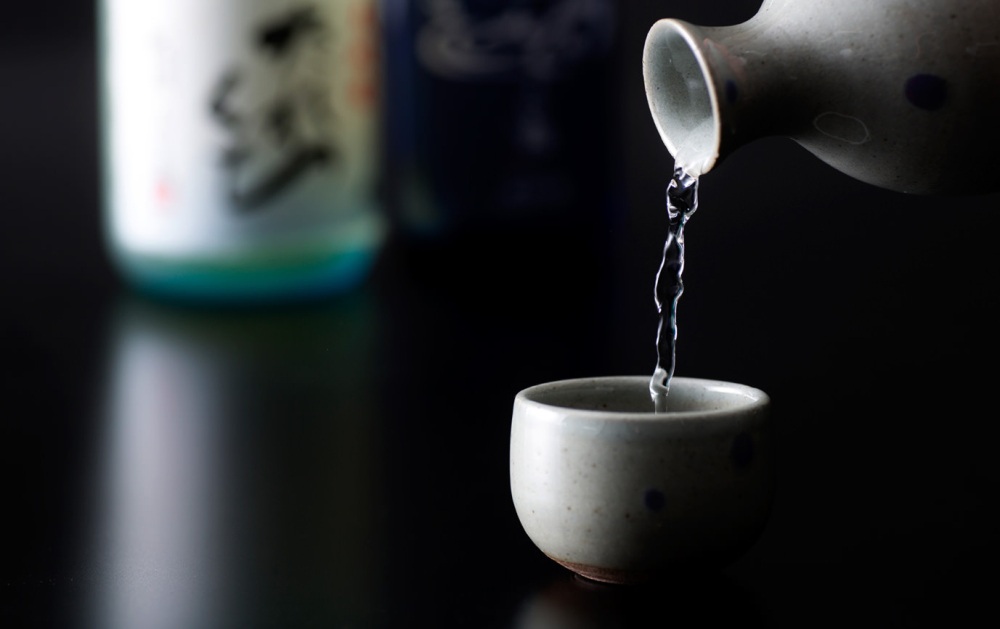
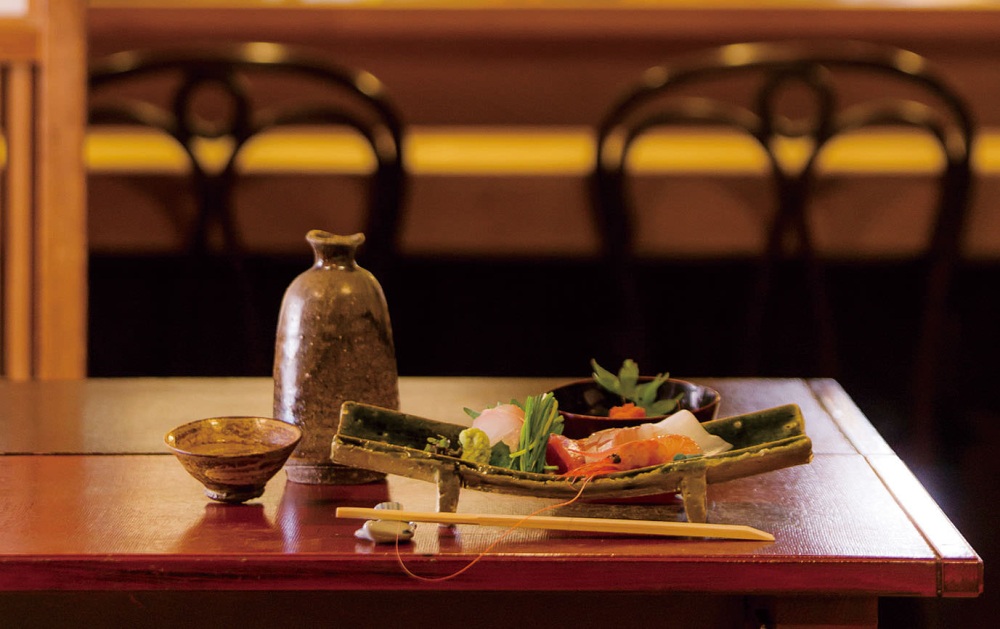
The main ingredients of sake are little more than rice and water, so both of these must be as good as possible. Fukui has long taken pride in being the birthplace of Koshihikari rice, Japan’s most popular variety of rice to eat, but it is also the birthplace of Sakahomare, a premium variety of rice developed specifically to make excellent sake. Expert brewers apply their careful technique to the superior local ingredients, and take advantage of Fukui’s cold, snowy winters for slow, flavorful fermentation.
The prefecture is so well suited to sake brewing, in so many ways, that it may come as no surprise that Fukui has more sake breweries per capita than any other prefecture. Sake fans can enjoy tours at some of these breweries, or visit restaurants and bars in Katamachi and Hamamachi that offer local sake from all around Fukui, in every style from rich and fruity to crisp and refreshing.
Fukui Ume Plums
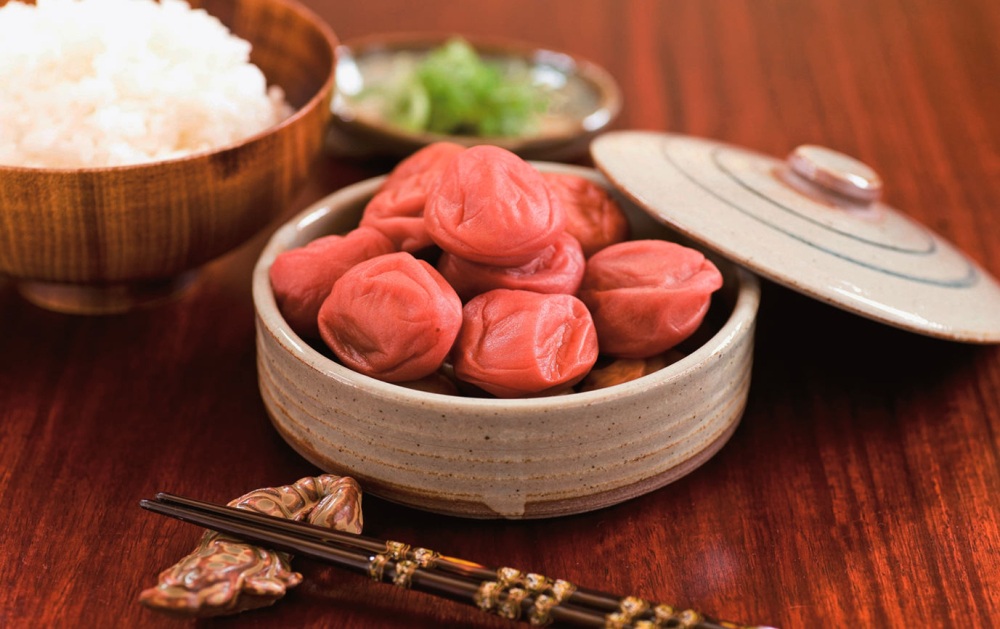
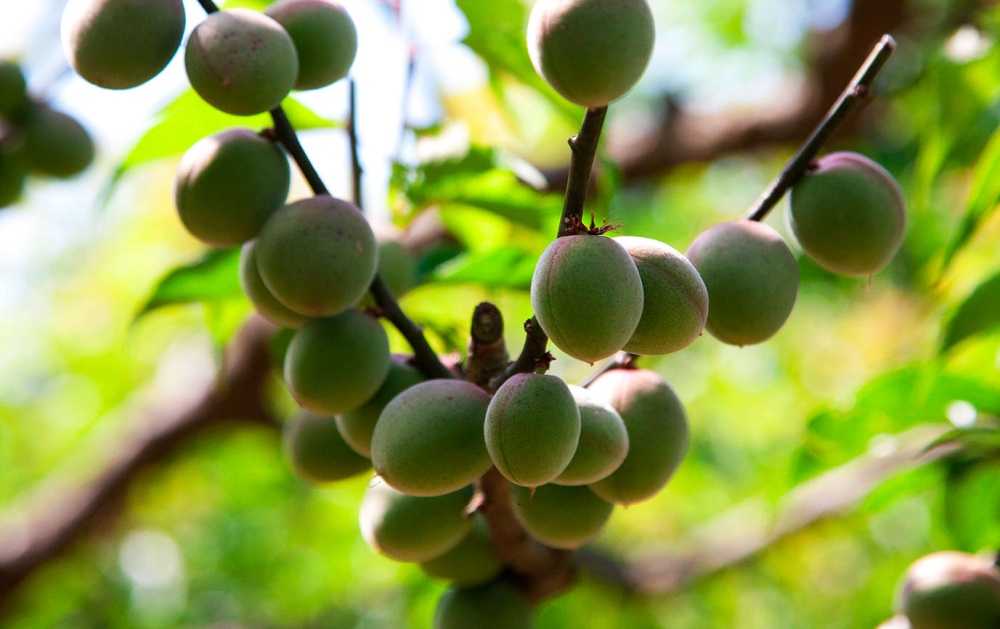
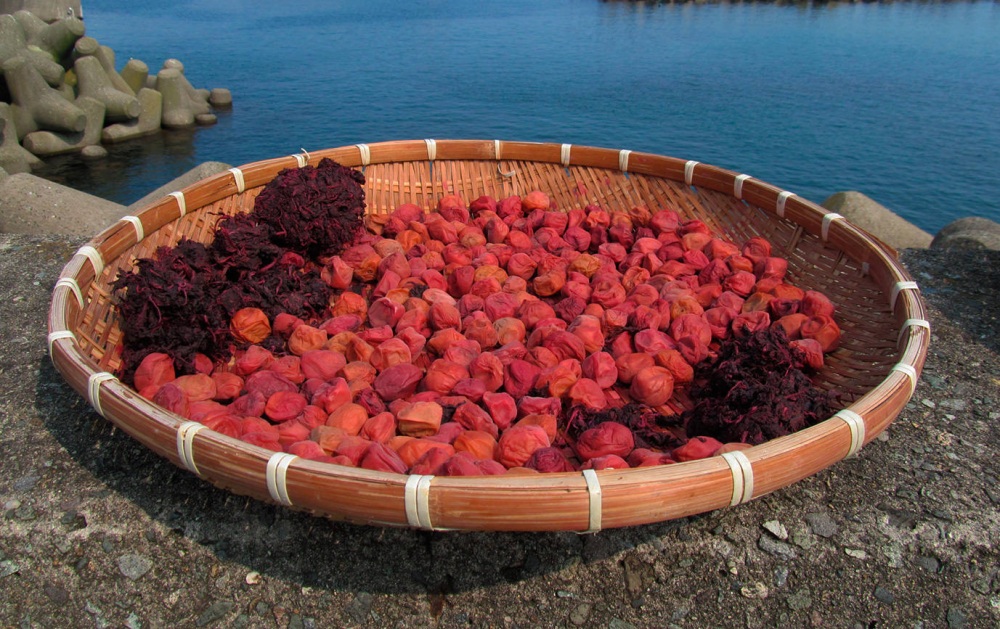
Umeboshi pickled ume plums from Fukui are made the old-fashioned way, with only ripe fruit, salt, and red shiso leaf. This simple recipe takes advantage of their natural flavor and texture, for a sour-and-salty result meant to be eaten with rice. Local producers also use these fruit to make other items, such as traditional umeshu liqueur, as well as more modern items like ume wine and jam—perfect souvenirs for lovers of tart, fruity flavors.