Amazing Sharpness! Buy Echizen Blades at "Takefu Knife Village"!
Using a "once-in-a-lifetime" knife carefully crafted as Echizen Blades will undoubtedly make your daily cooking delicious and fun! We introduce Takefu Knife Village, where you can see and buy works from various Echizen Blades workshops!
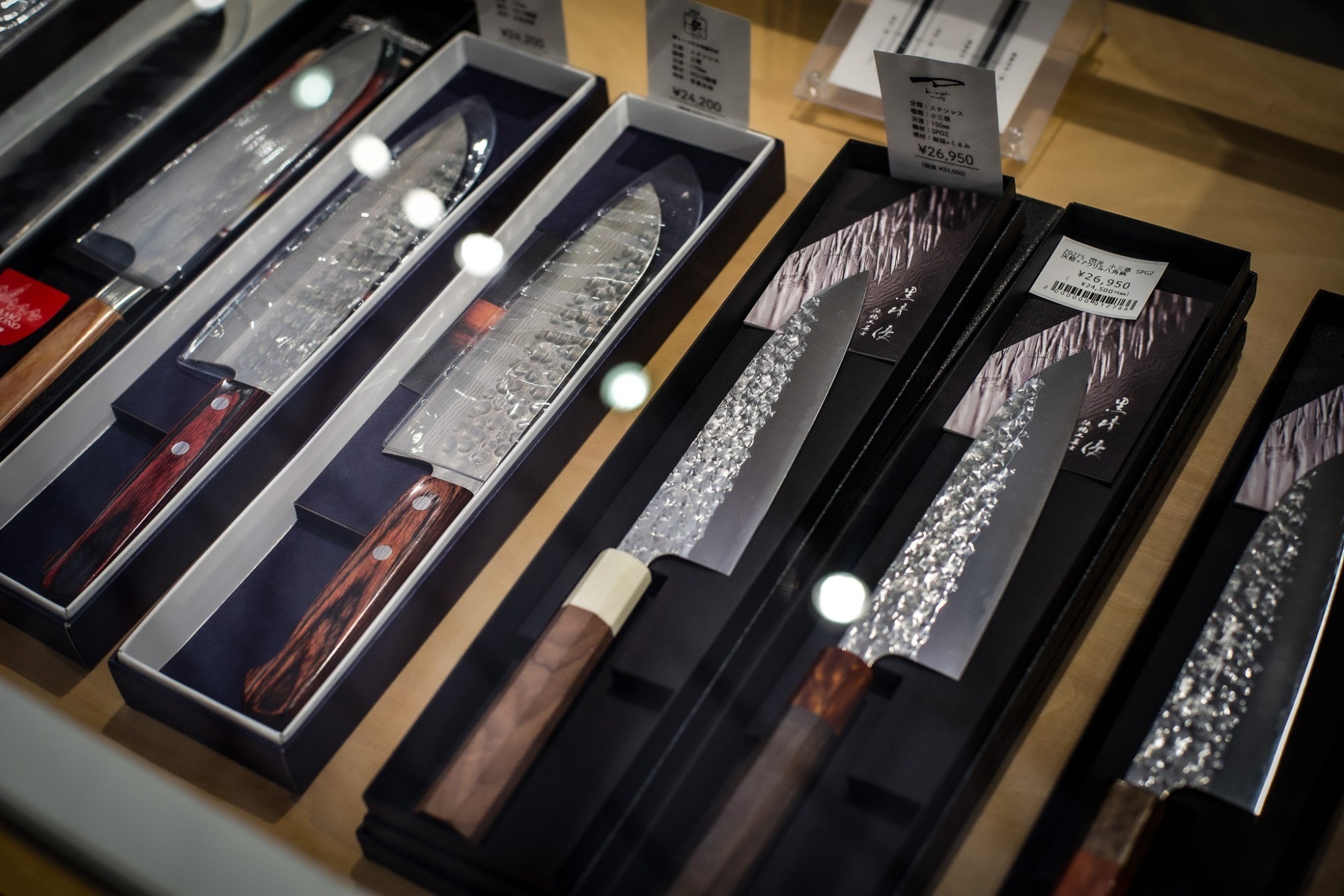
The knife I bought at "Takefu Knife Village" was so good that I went back to buy a second one years later!
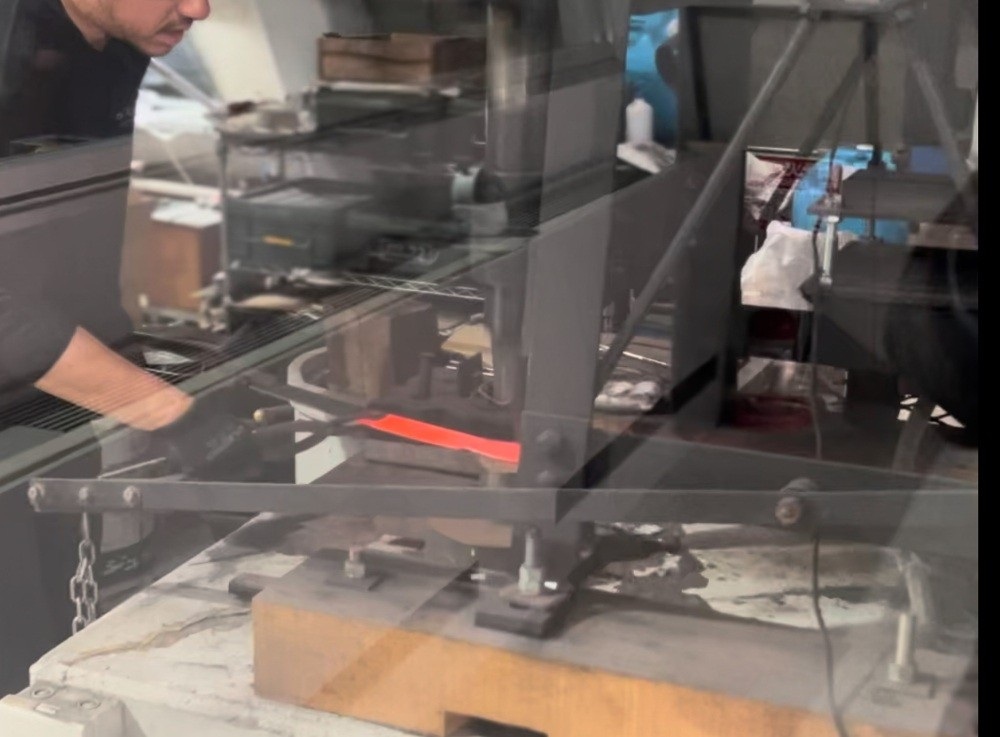
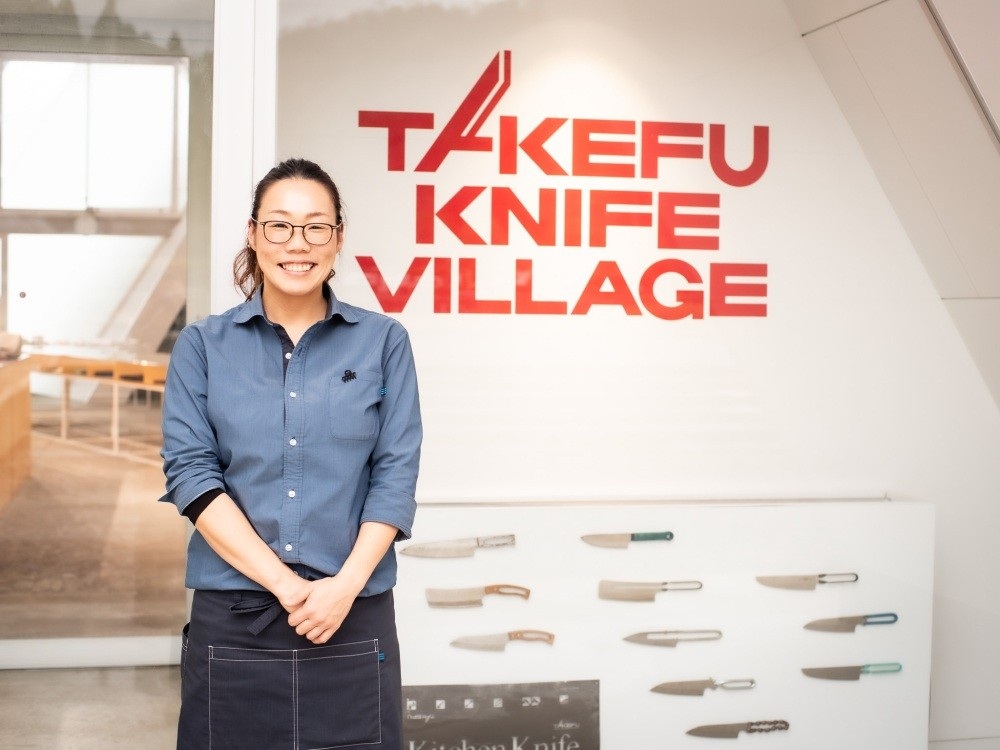
Actually, even before I started as a writer for "Fuku-tabi" (Fukui's official tourism website), I visited this place and purchased a Santoku (An all-purpose knife for meat, fish, and vegetables) made by Echizen Kintaro. Since then, I've loved cooking so much that I even started filleting fish. However, while a Santoku made of Echizen Blades cuts well, it's not ideal for filleting whole fish. So, I went to buy a Deba (A heavy knife designed for filleting and butchering fish) as my second forged knife and interviewed Ms. Higashi at Takefu Knife Village! Understanding the background makes you love the knife even more. Let me introduce Takefu Knife Village!
Ms. Higashi! What are Echizen Blades?
- Ms. Higashi! What are Echizen Blades? I know the sharpness is amazing because I bought one myself, but please tell me more about them!

- Echizen Blades began 700 years ago when Chiyozuru Kuniyasu (A master swordsmith from Kyoto) moved to present-day Echizen City and created Kamas (Sickles) for farmers. Even today, knives and sickles are made using the same Tanzo (The traditional blacksmithing method of heating and hammering steel to increase its strength) method used for Katana (Japanese swords). It was the first craft in Japan to be officially designated as a Traditional Craft. Because forging results in extremely hard material, the knives can be made thin and incredibly sharp!
- It’s true, the sharpness is so good that I can't imagine going back to other knives! Recently, stainless steel has become common, but is there a reason to choose Hagane (Traditional carbon steel/iron) over stainless, or vice versa?

- Good question! Stainless steel is popular lately because it’s rust-resistant and easy to maintain even with casual handling. It’s actually harder than iron, so it stays sharp, but that hardness makes it difficult to resharpen. On the other hand, Hagane (Carbon steel/iron) knives require careful maintenance, as they will rust if left wet. However, while the metal is hard, it is much easier to sharpen, allowing you to restore the edge quickly. If you prioritize sharpness above all else, choose iron; if you want ease of maintenance, stainless is better!
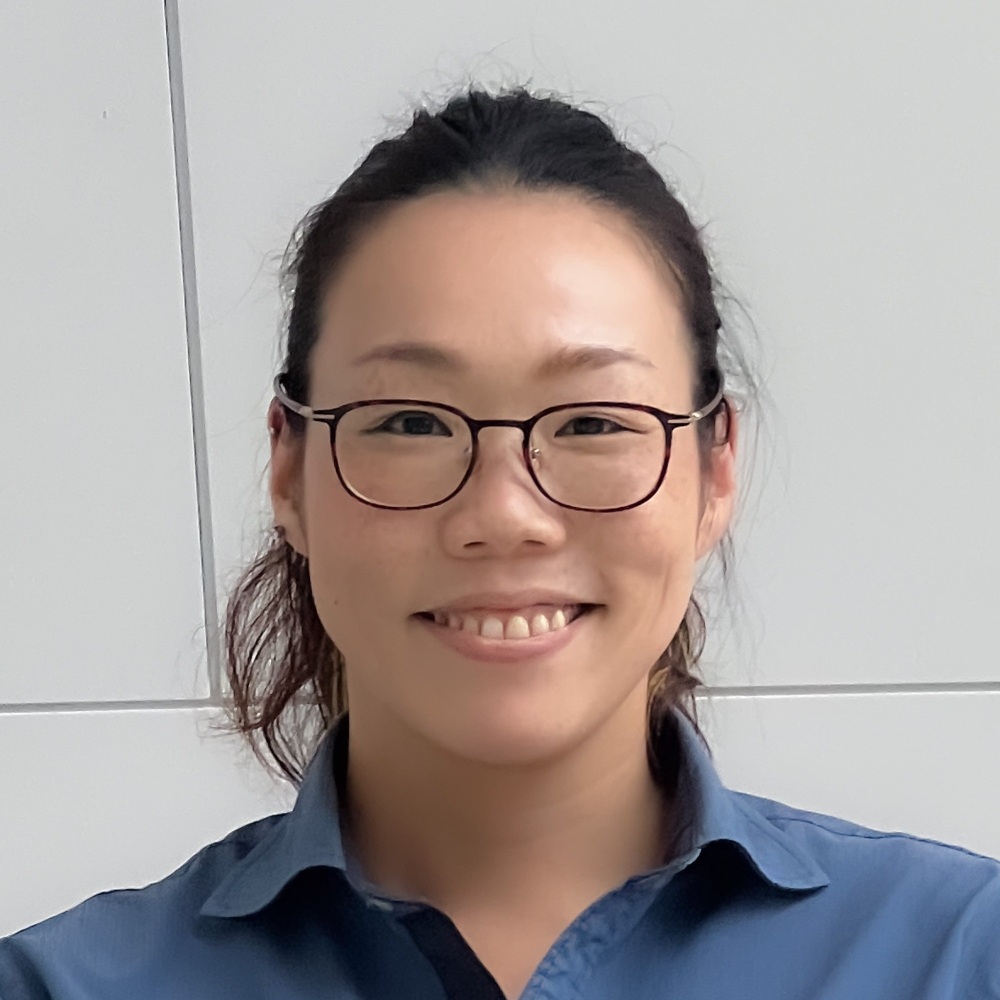
- Instead of using a Toishi (Whetstone), can I just use those pull-through sharpeners? Is that okay?

- For Ryoba (Double-edged knives like standard Western knives), a pull-through sharpener is perfectly fine! However, for Kataba (Single-edged knives like a Deba for filleting fish), you must use a whetstone; otherwise, it won't sharpen correctly, so you need to be careful there.
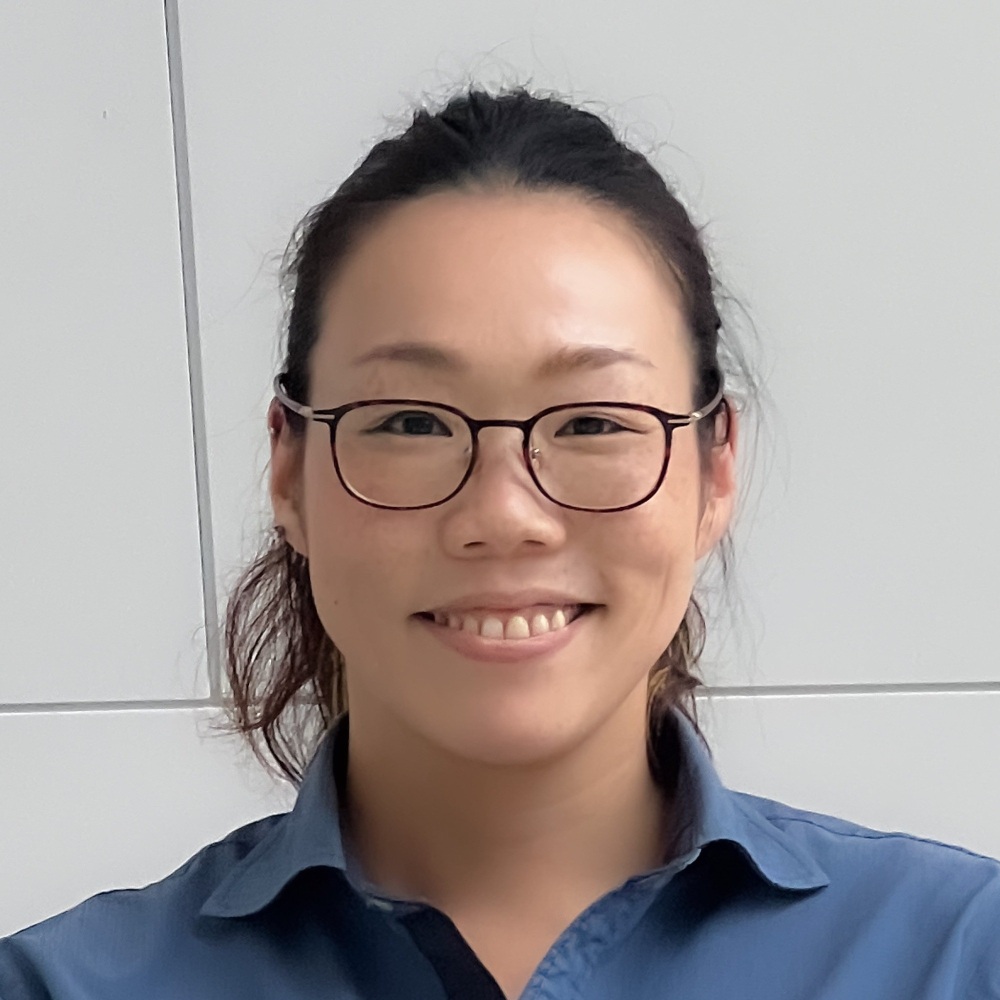
- Sharpening with a whetstone looks pretty cool, and once you try it, it’s surprisingly simple. Personally, I really want people to choose a Hagane (Carbon steel/iron) knife and experience that true sharpness for themselves!

Even if the blade chips, it can be restored by Resharpening!
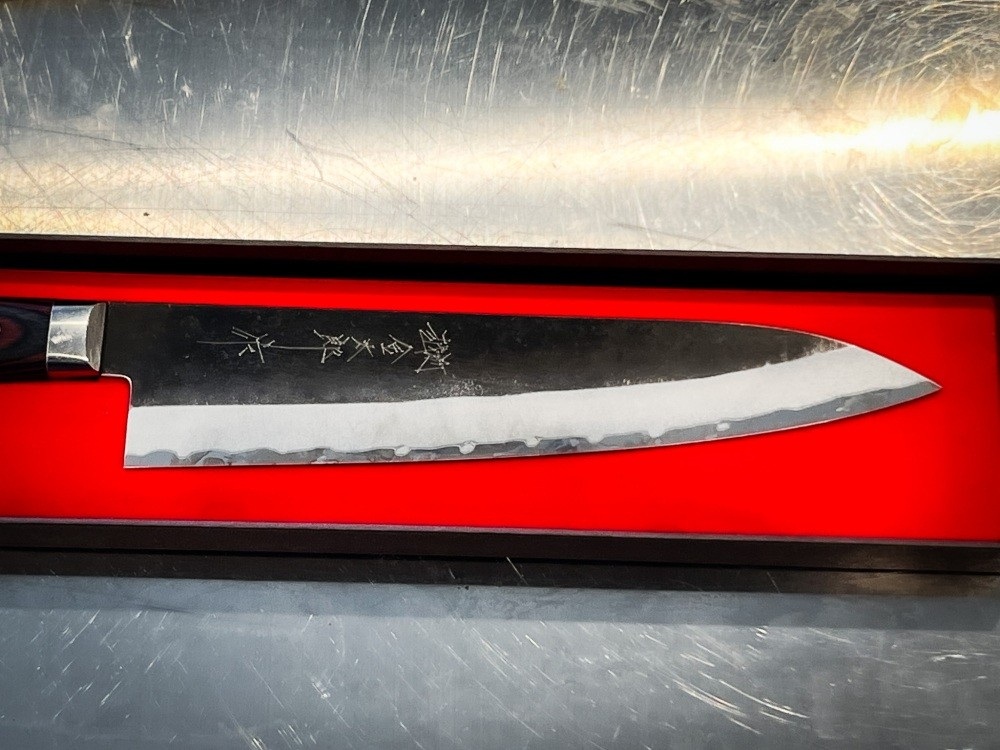
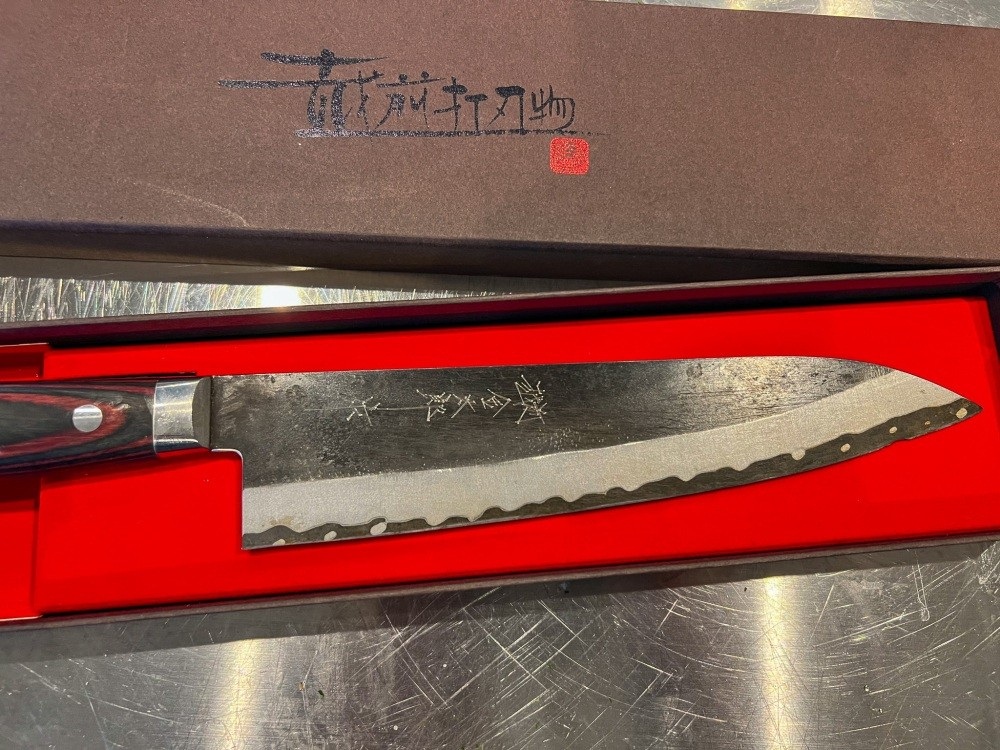
Actually, while I was filleting a large fish with my Santoku knife, I pried the middle bone with the tip of the blade, and it chipped... (The tips of Yo-bocho, or Western-style knives, are thin and weak against lateral prying forces). Since it was a significant chip, I couldn't easily restore it by sharpening it myself, so I brought it to Takefu Knife Village for professional resharpening during this interview. I’ll show you the "before and after" photos—it came back looking like new! Now I can use it for a long time, and by choosing the right knife for each ingredient from now on, I can take better care of it!
Ms. Higashi! Please tell us about Takefu Knife Village!
- Ms. Higashi! Please tell us about Takefu Knife Village!

- Takefu Knife Village is a collective workshop of 13 companies producing Echizen Blades. You can watch the Kaji (Blacksmithing) and Togi (Sharpening/Polishing) artisans at work for free, experience making your own blades, and see and purchase their actual works!
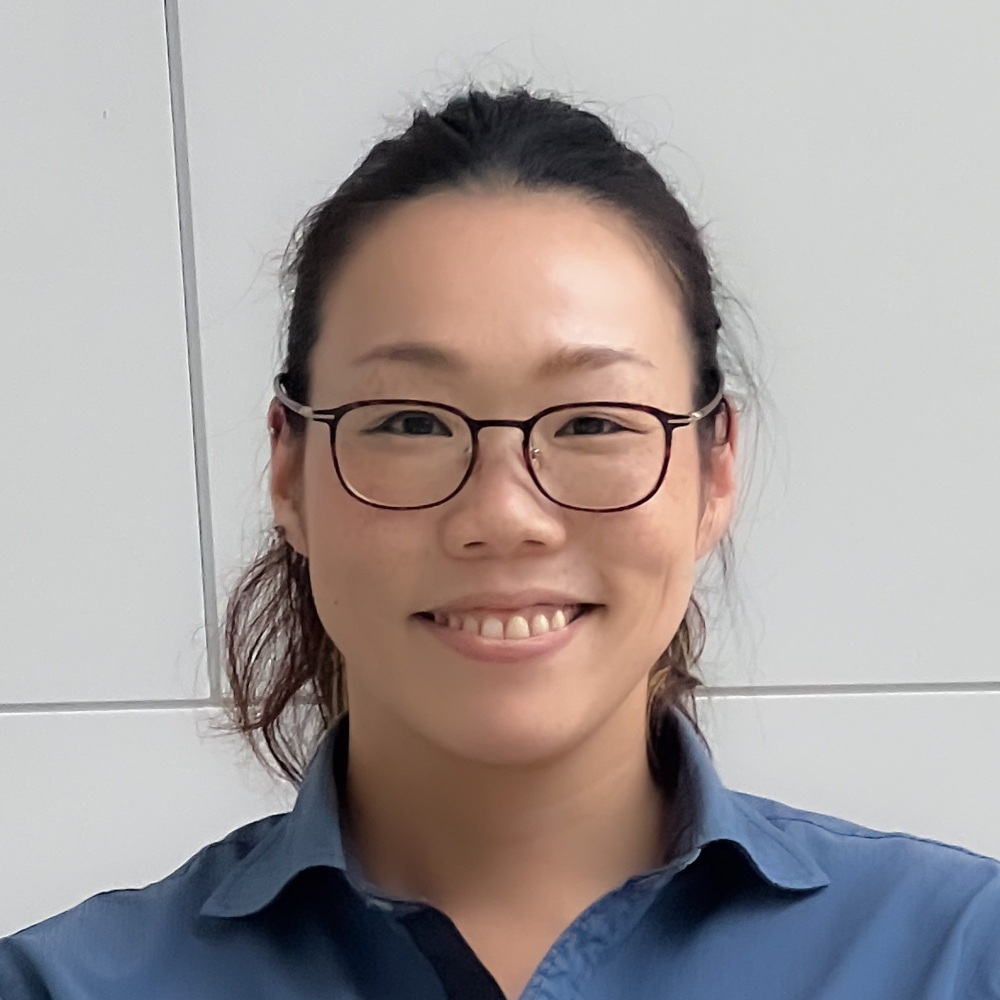
- Actually, several years ago, I bought a Santoku (An all-purpose Japanese kitchen knife for meat, fish, and vegetables) made by Echizen Kintaro of Kato Uchihamono Seisakusho, and I've been using it with great care ever since! It's fun to be able to choose from the works of so many different workshops!

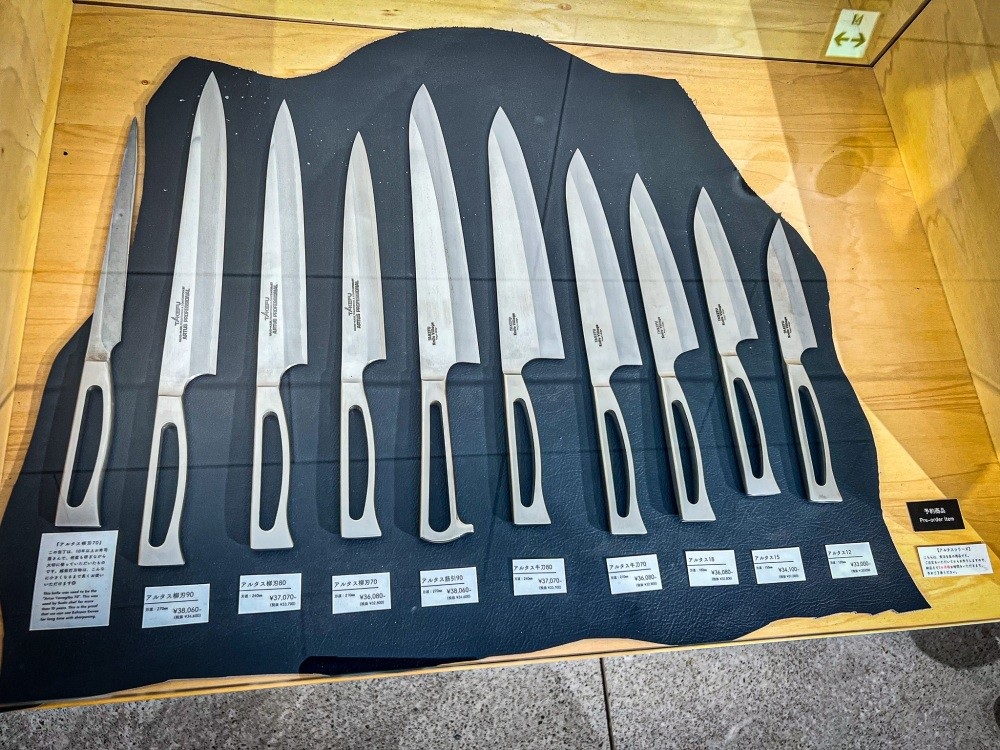
- A unique feature of Takefu Knife Village is that works from each workshop and their respective Oyakata (Master craftsmen or heads of workshops) are on display and available for purchase. It was built decades ago with each master contributing 30 million yen in investment. While they often work in their individual workshops, they sometimes use the large shared workshop here in the village to forge long blades like Yanagiba (A long, slender Japanese knife used primarily for slicing raw fish).
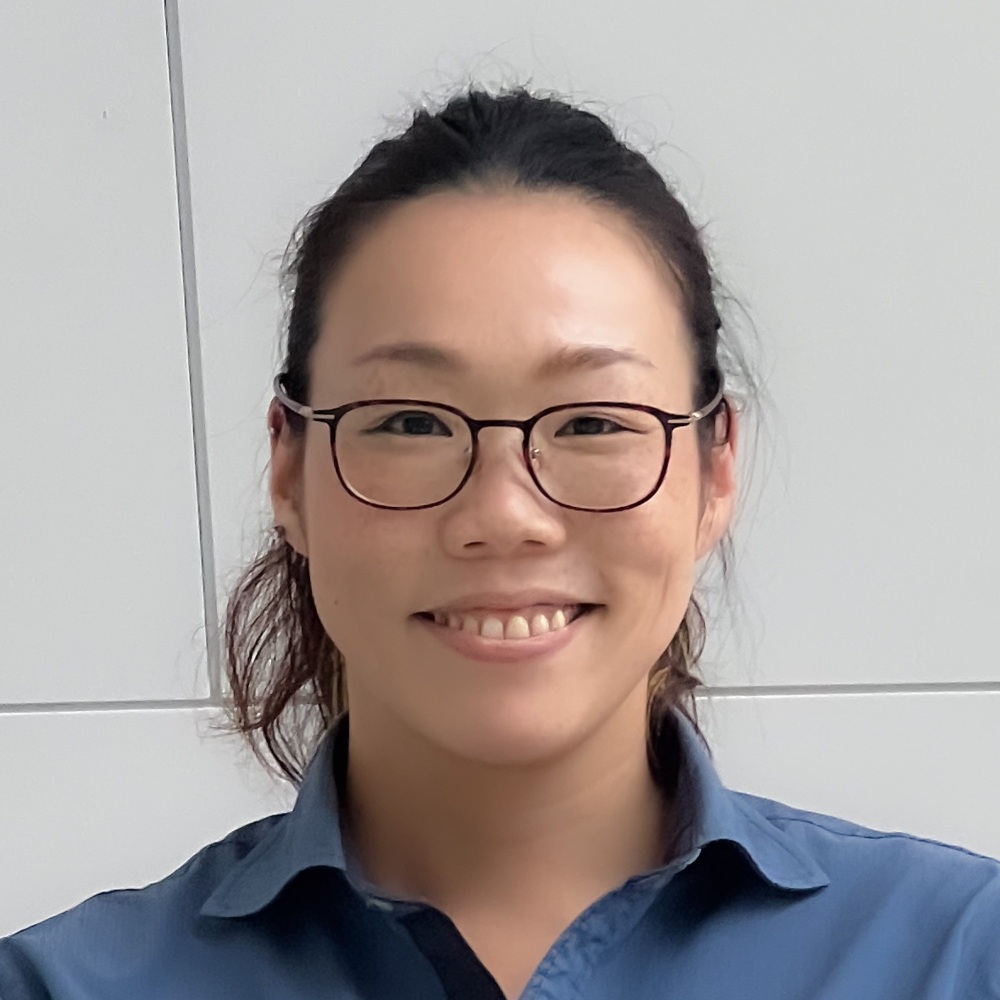
- It’s exciting to compare such works and find the perfect one for yourself! They even offer hands-on workshops where you can actually make your own knife; if you make it yourself, you'll surely develop a deep attachment to it!

Workshop Course: Make Your Own Professional Knife!
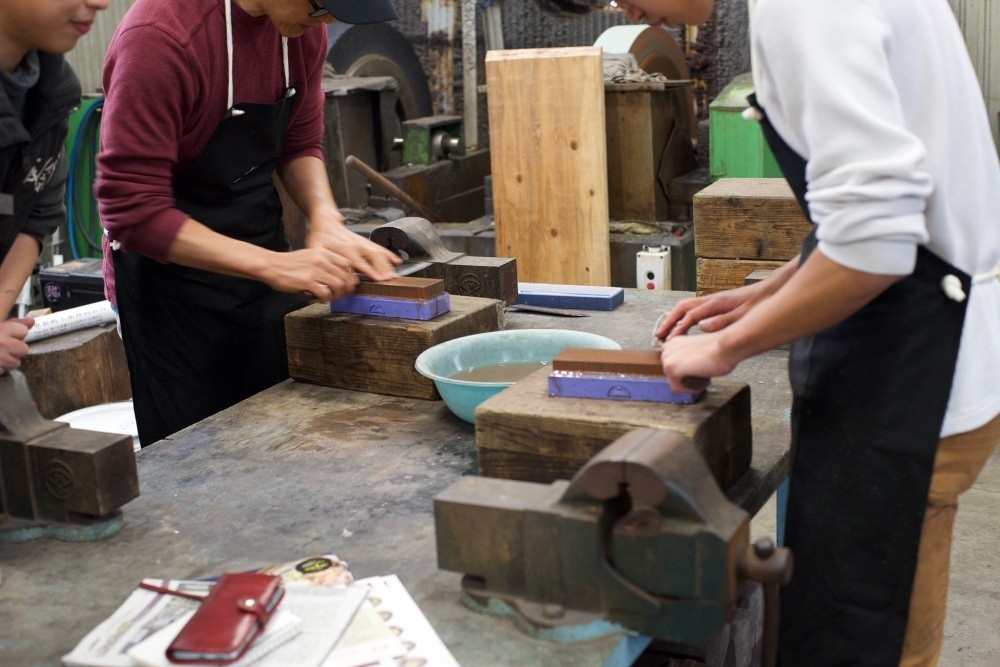
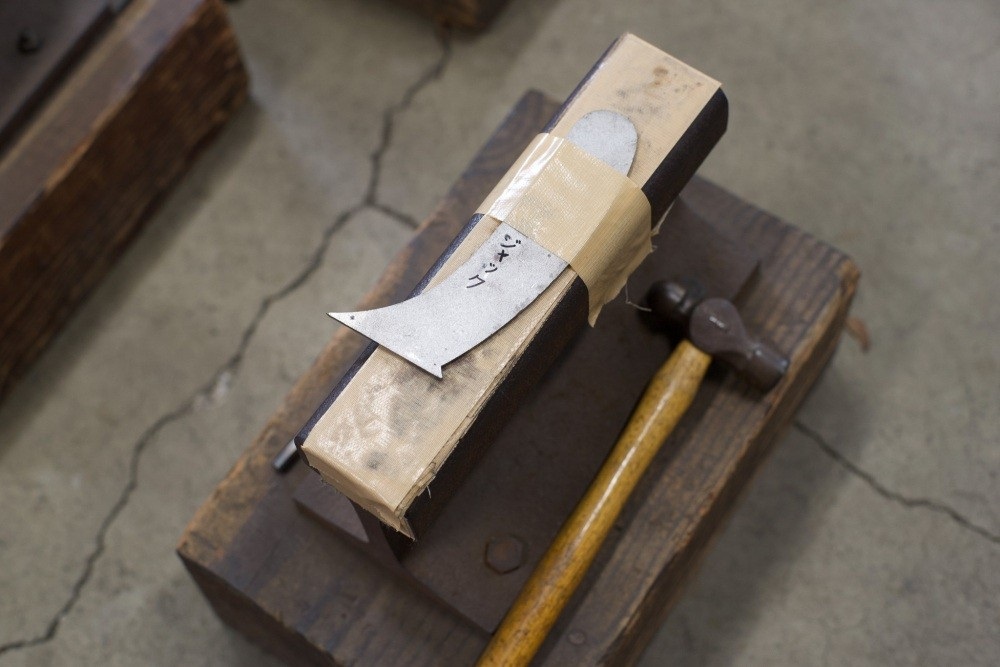
On the day of my interview, I happened to see a visitor from the US making their own knife! Since it was afternoon, the Tanzo (Forging) process was finished, and they were working on the final sharpening with an artisan and an interpreter. For the finishing touch, they were engraving their Mei (The signature or name of the creator) in Katakana, which is popular among international visitors for looking "cool." Having a knife with your own signature is incredibly stylish! This workshop is available for 20,000 yen (tax included). (Please check the official website for details; a plan for international visitors including an interpreter is 35,000 yen.) Getting to take home your very own custom knife after a full 6-hour process for just a bit more than the retail price is a fantastic deal!
Want to Collect Knives for Specific Cutting Purposes!
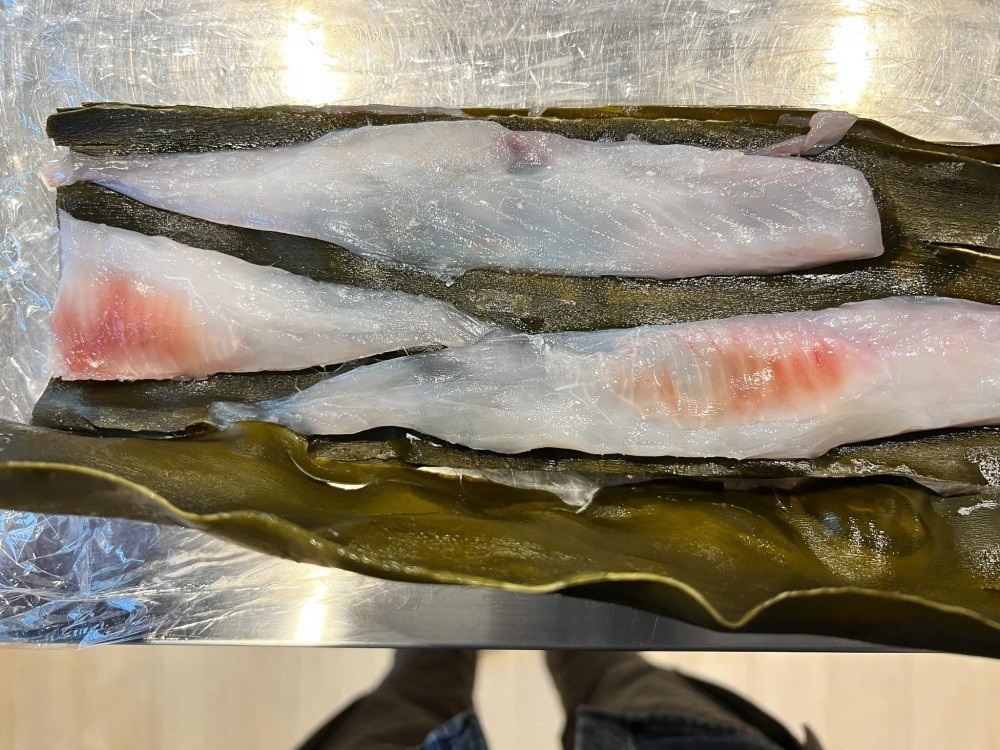
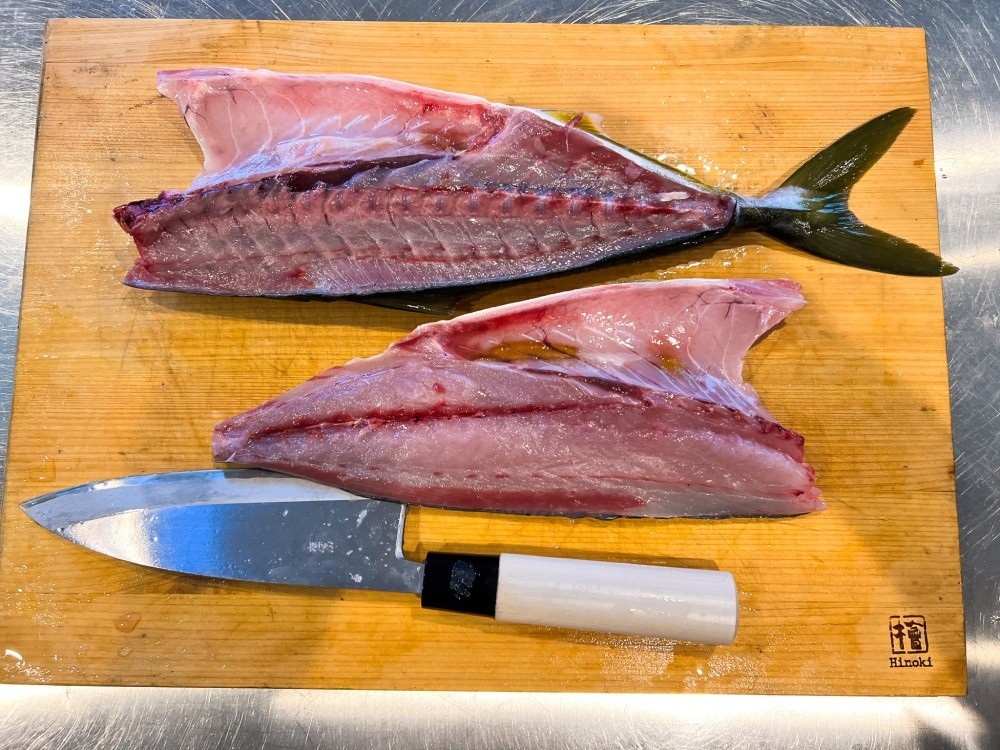
Most ingredients can be cut with a Santoku (All-purpose knife), but filleting fish can be difficult and may chip the blade if forced. I highly recommend an iron Kataba (Single-edged) Deba (A heavy knife designed for filleting and butchering fish). Even as an amateur, I could easily perform Sanmai-oroshi (The traditional technique of filleting a fish into three pieces). The sharpness of forged Echizen Blades designed for the task is on another level! Now I even want a Yanagiba or Takohiki (Long, thin knives specifically for slicing sashimi)! For reference, I bought a 6-sun (A traditional Japanese unit; 6-sun is approx. 18cm) Deba made by the Traditional Craftsman Hideo Echizen for a little over 12,000 yen.
Popular Damascus Pattern Knives are Also Available!
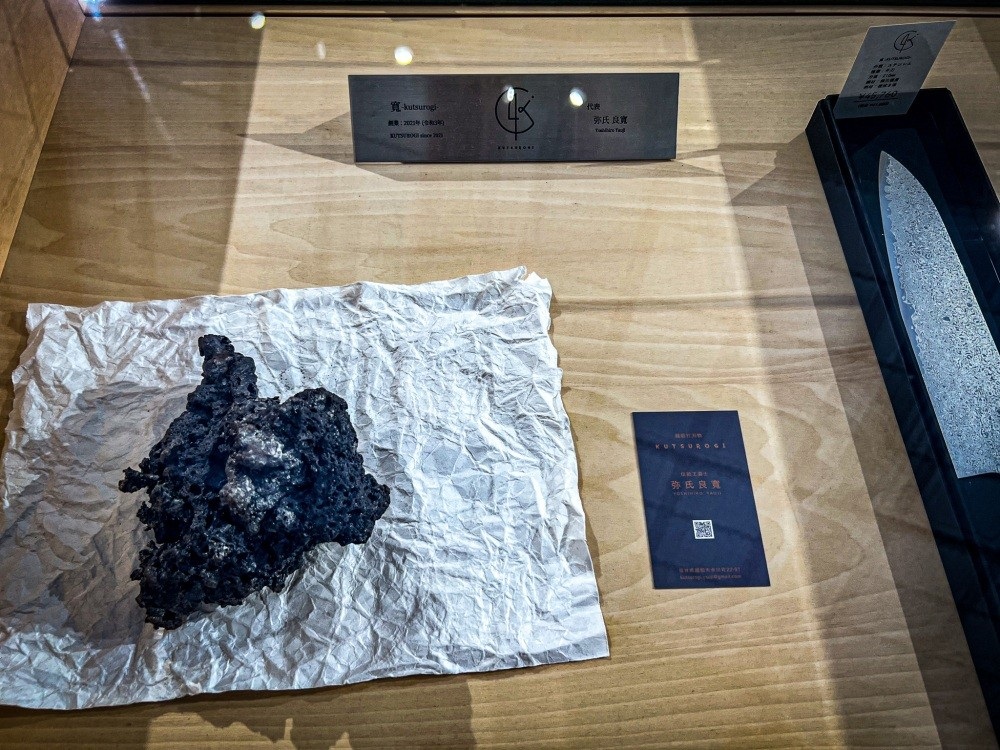
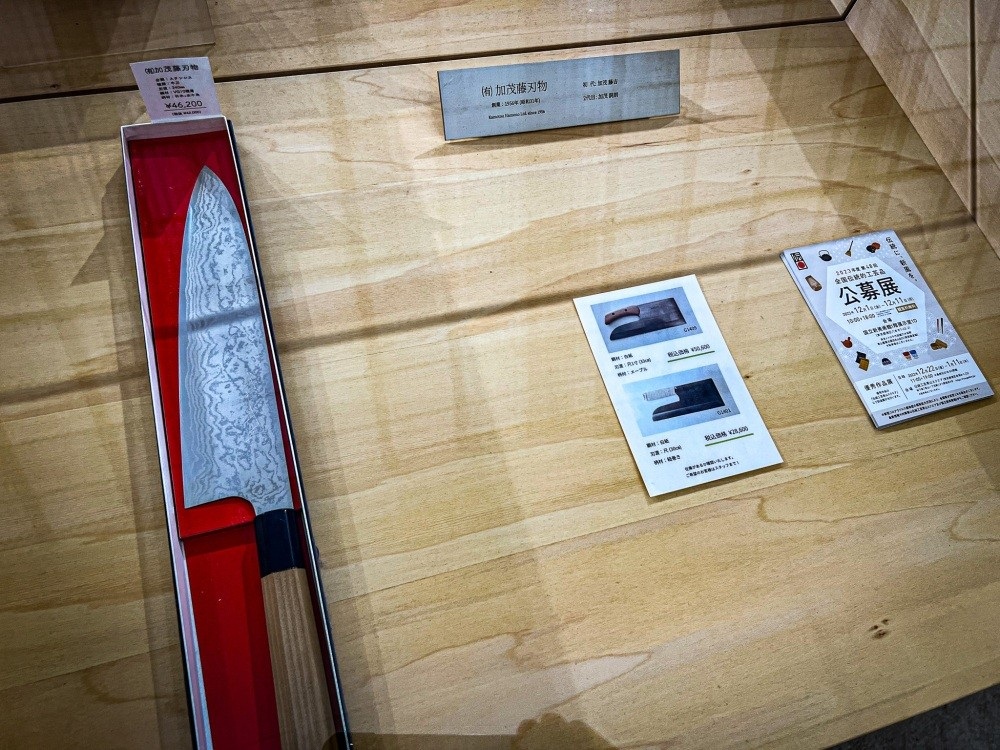
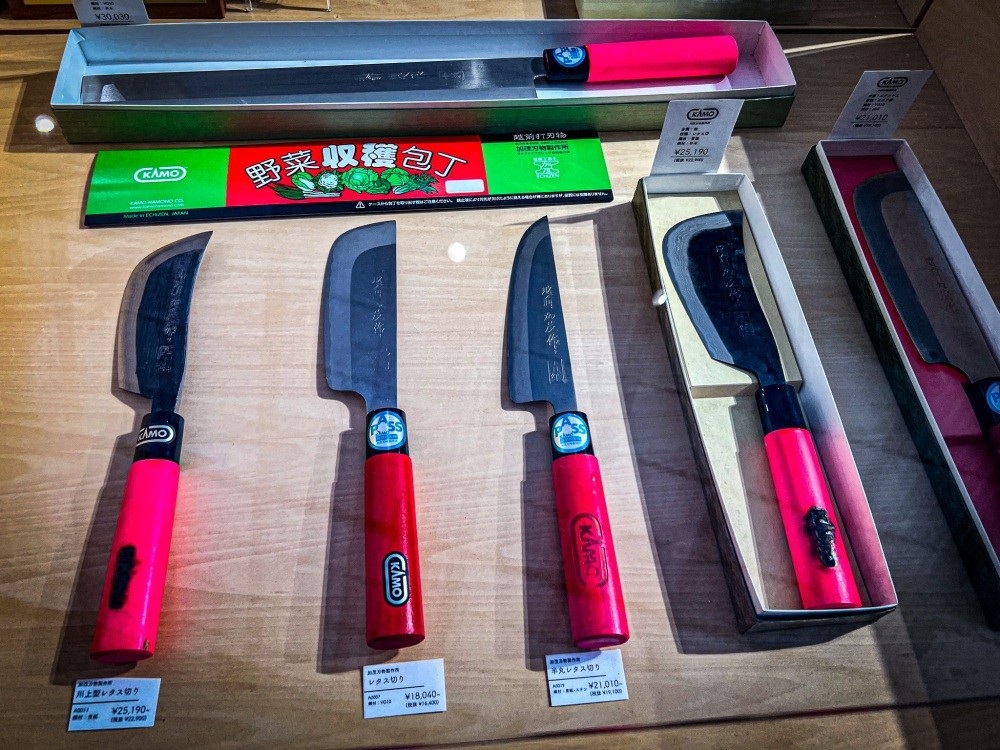
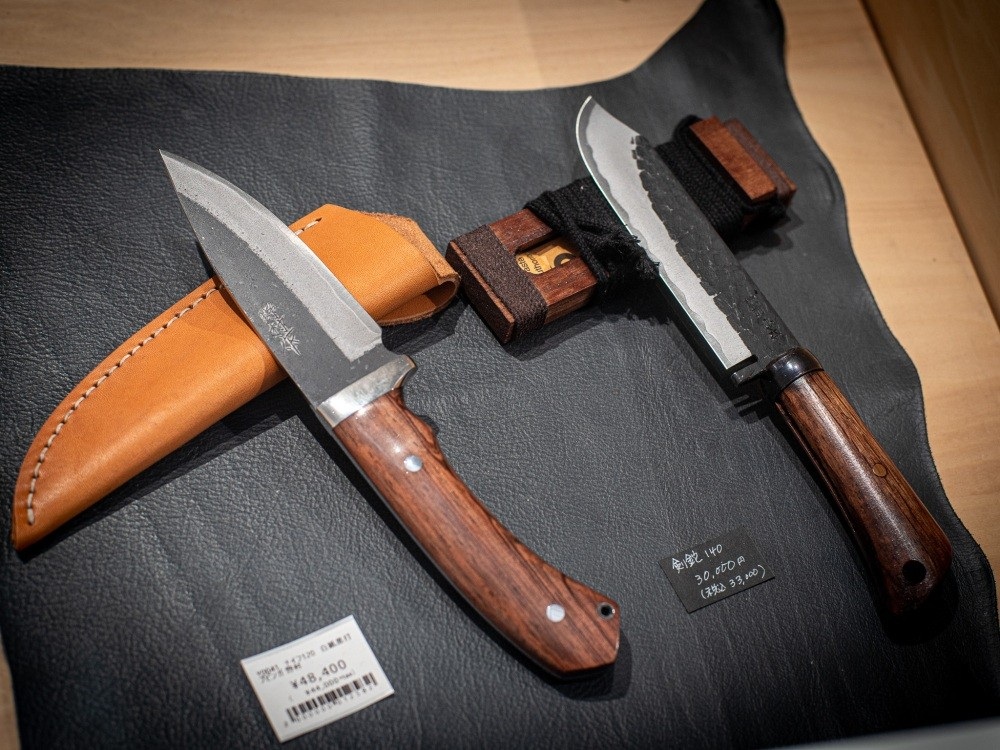
Damascus knives, popular for their beautiful rippled patterns, are a hallmark of forged metalwork. While many "fake" printed patterns exist elsewhere, the ones here are authentic forged Damascus. They also sell Nakiri (A double-edged rectangular knife for vegetables). Apparently, camping knives are rare here because they don't forge them in large quantities due to lower demand!
Ms. Higashi! Can we buy them cheaper at Takefu Knife Village?
- I thought the same items available on the Takefu Knife Village website were here, but the prices in the store seem cheaper than what I saw online. Is it just my imagination?

- Not at all! Actually, the products in the Takefu Knife Village physical store are priced about 10% cheaper than on the online shop! So it’s definitely not your imagination (haha).
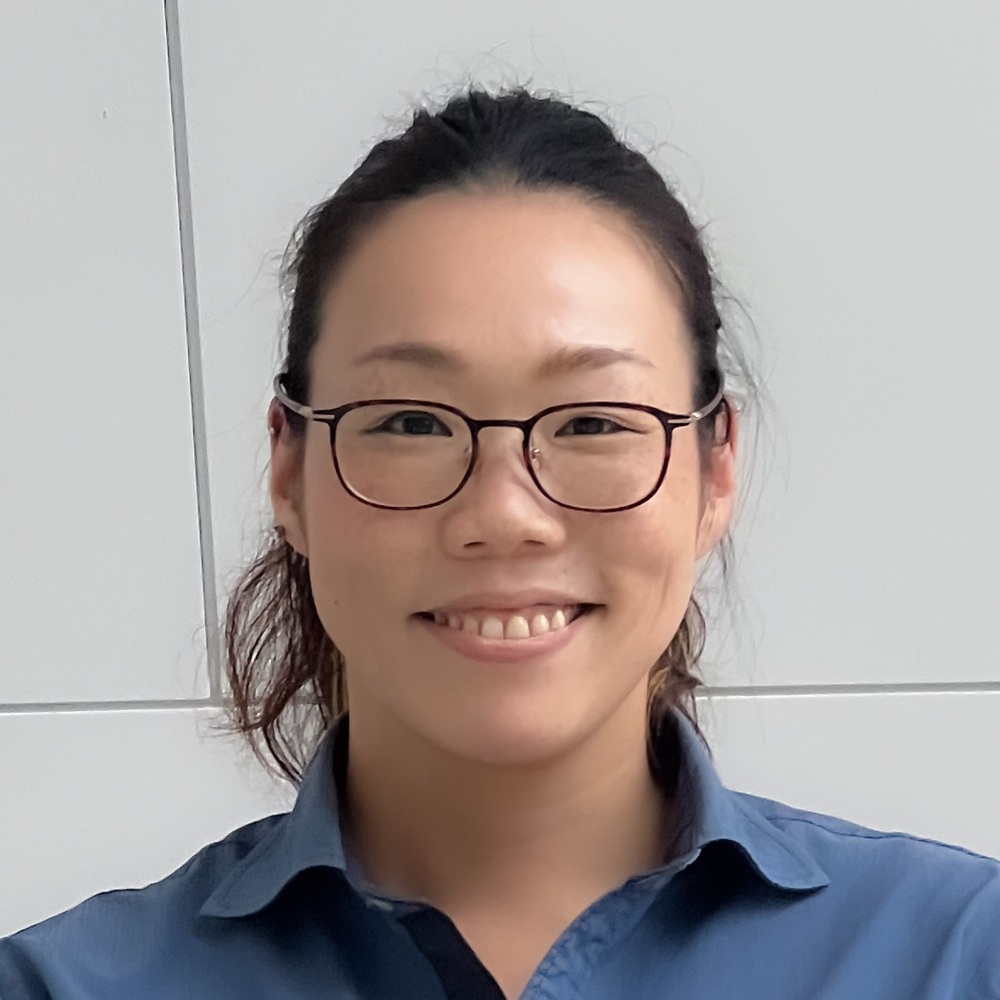
- Ah, I thought so (haha)! Plus, it’s so much fun to be able to actually hold the knife and experience the grip of the E (The handle of a Japanese knife, which often features unique shapes and balances) and its weight while you shop!

- Items that are sold out online, or even those not listed on the website at all, are often available in the shop, so the physical store is the best place to find hidden gems!
Please visit Takefu Knife Village, a place full of highlights!
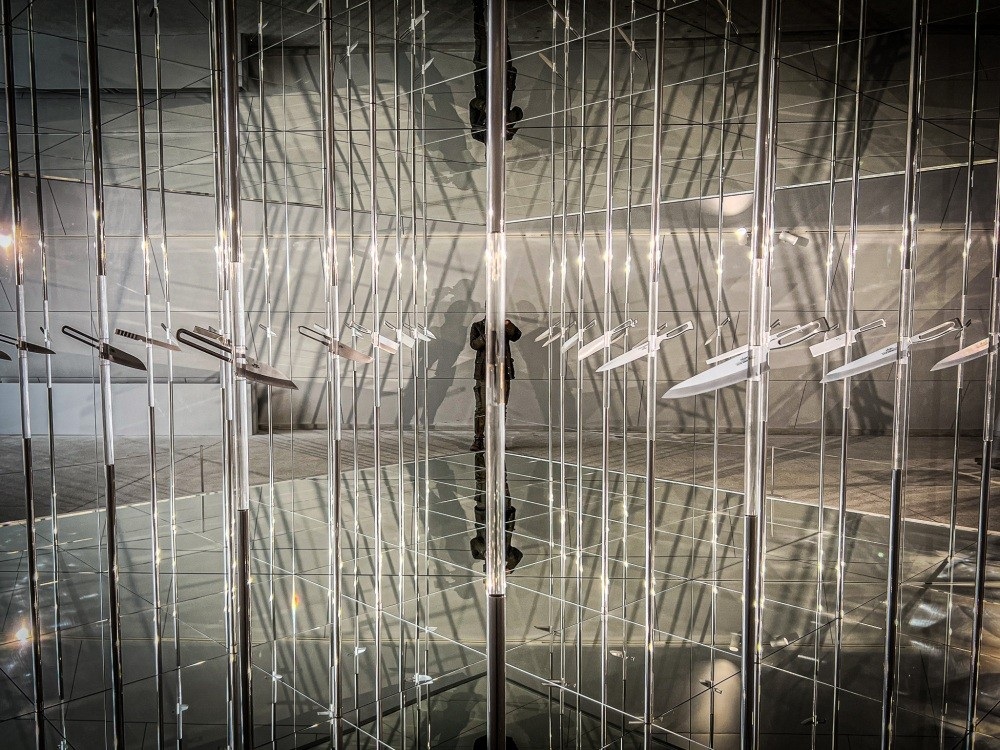
Check out the Instagrammable spot with knives displayed in a mirrored area! From the right angle, the knives reflect inward and look incredibly beautiful. It's also interesting as modern art, representing the past, present, and future. Visit Takefu Knife Village to find your own "once-in-a-lifetime" knife!
*Prices are subject to change. Please check the official website or contact the facility for the latest information.
- HIR☺︎
Born and raised in Fukui, a true Fukui local through and through. I have over 20 years of photography experience. I travel across Fukui Prefecture, primarily focusing on the Reihoku (The northern part of Fukui Prefecture) and Okuetsu (The inland mountainous area of eastern Reihoku, including Ono and Katsuyama cities) regions, to photograph Meisho Kisho (Scenic spots and extraordinary natural wonders).