Fukui Favorites: the Finest from the Sea
2,642 views
For centuries, Fukui served as an imperial food province, because the seafood here was considered good enough to serve to the emperor. The many sushi restaurants all around the prefecture are simply a part of the local culture, as are the seafood shops and restaurants near the fishing ports, such as Nihonkai Sakanamachi, Wakasa Obama Fish Center, and Umikara. Whether prepared by a chef or grilled on your own, there are plenty of ways to enjoy both seasonal catches and year-found favorites in Fukui.
Natural Features and Human Ingenuity for Fresher Fish
Natural Features and Human Ingenuity for Fresher Fish
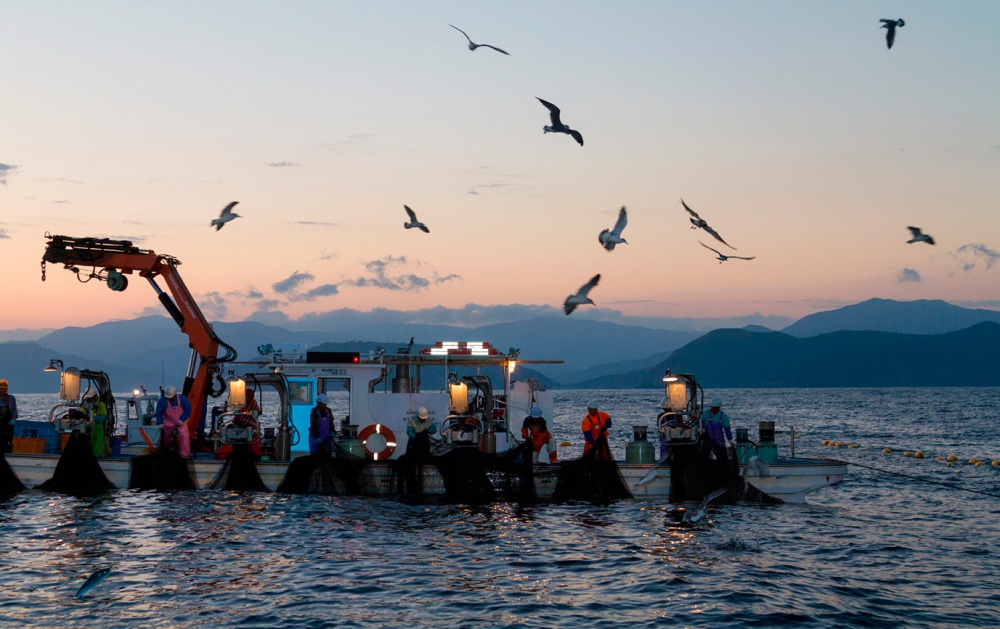
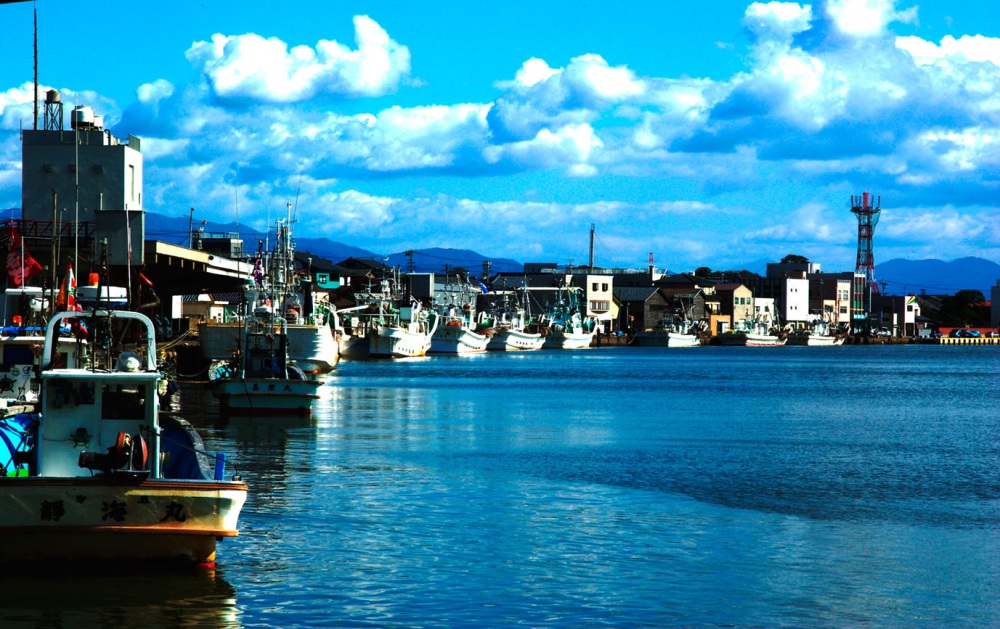
One secret to Fukui’s excellent seafood is the natural surroundings: it is near the center of the Sea of Japan coast, and the four major fishing ports along its coastline mean that most of the prefecture is fairly close to a fishing port. Ships can leave port early in the morning, and be back with their hauls around lunchtime—perfect for having incredibly fresh seafood, ready to sell or serve.
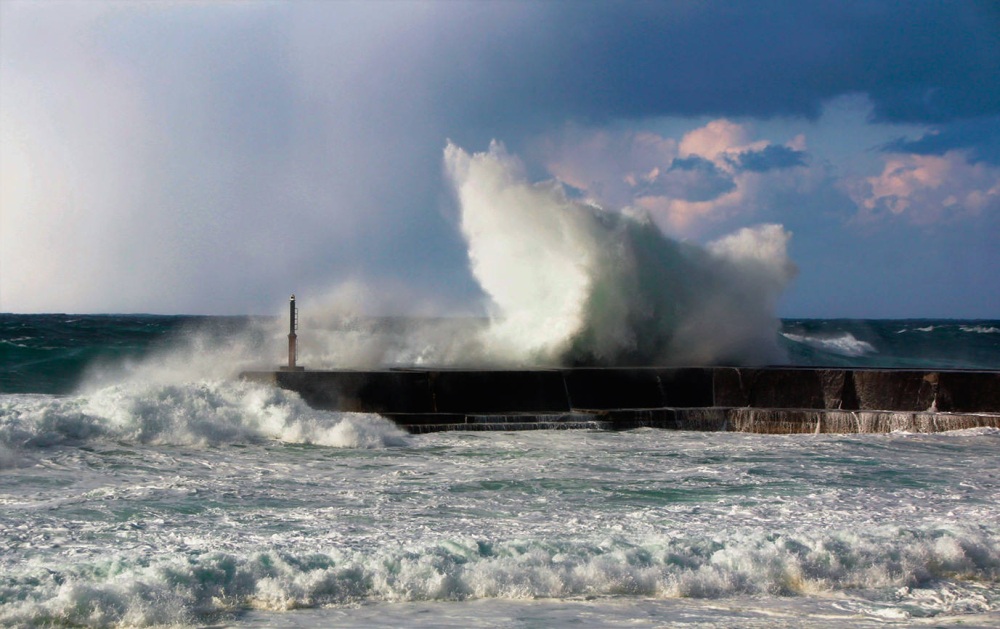
Naturally, the Sea of Japan itself plays a key role in this great seafood, too. The harsh waves here lead to fish with firm meat, and plenty of delicious fat. Warm and cold currents meet off the coast of Fukui, and this plankton-rich water flows into Wakasa Bay, making it a great environment for fish to live in, and ideal for fishing.
Fishers and researchers in Fukui have worked to find ways to keep seafood fresher for longer. These include packing fish into containers designed for better temperature control, or carefully butchering fish immediately after catching them.
Naturally, the Sea of Japan itself plays a key role in this great seafood, too. The harsh waves here lead to fish with firm meat, and plenty of delicious fat. Warm and cold currents meet off the coast of Fukui, and this plankton-rich water flows into Wakasa Bay, making it a great environment for fish to live in, and ideal for fishing.
Fishers and researchers in Fukui have worked to find ways to keep seafood fresher for longer. These include packing fish into containers designed for better temperature control, or carefully butchering fish immediately after catching them.
Four Highlights of Fukui’s Seafood Calendar
Echizen Gani Crab
Season: November through March
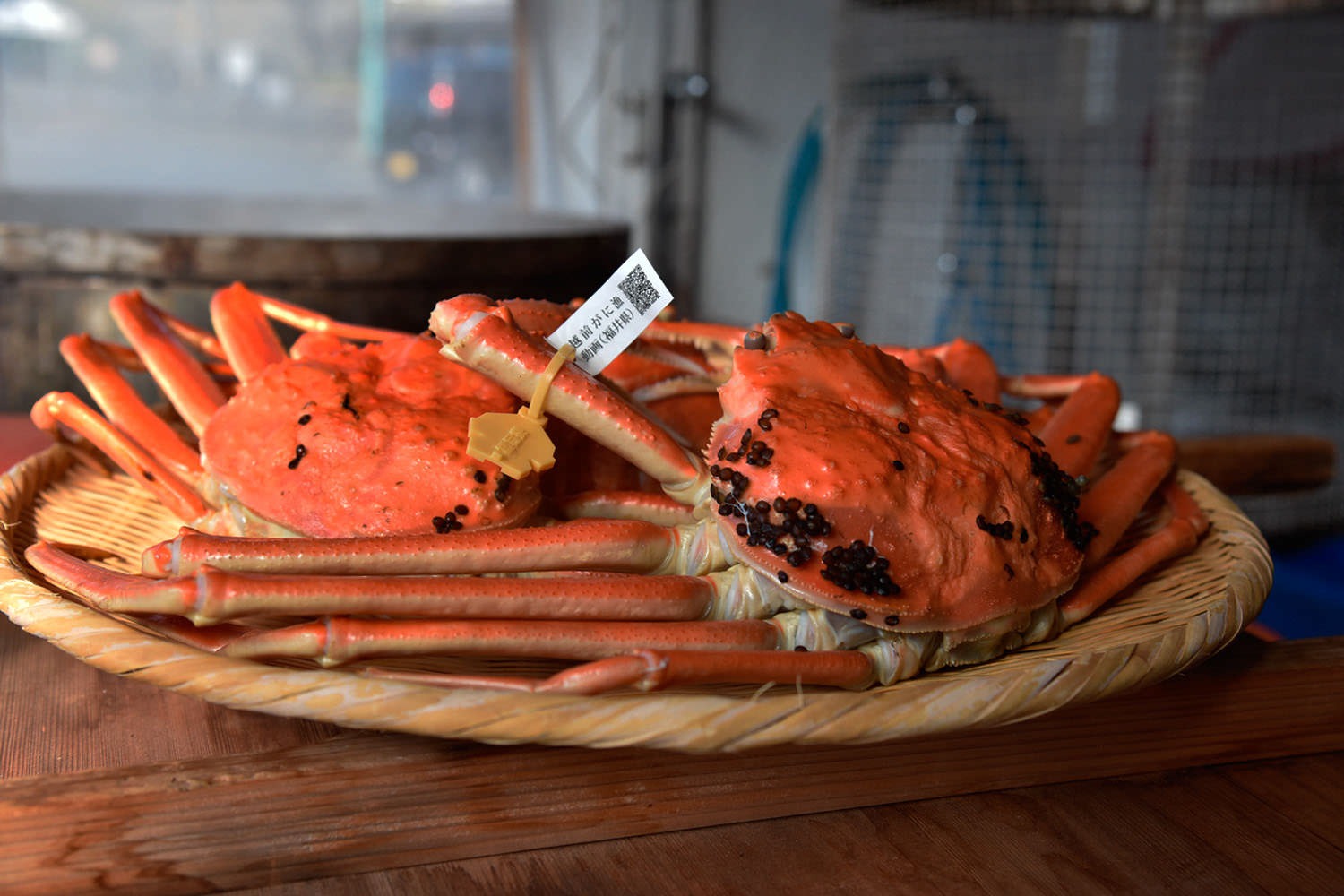
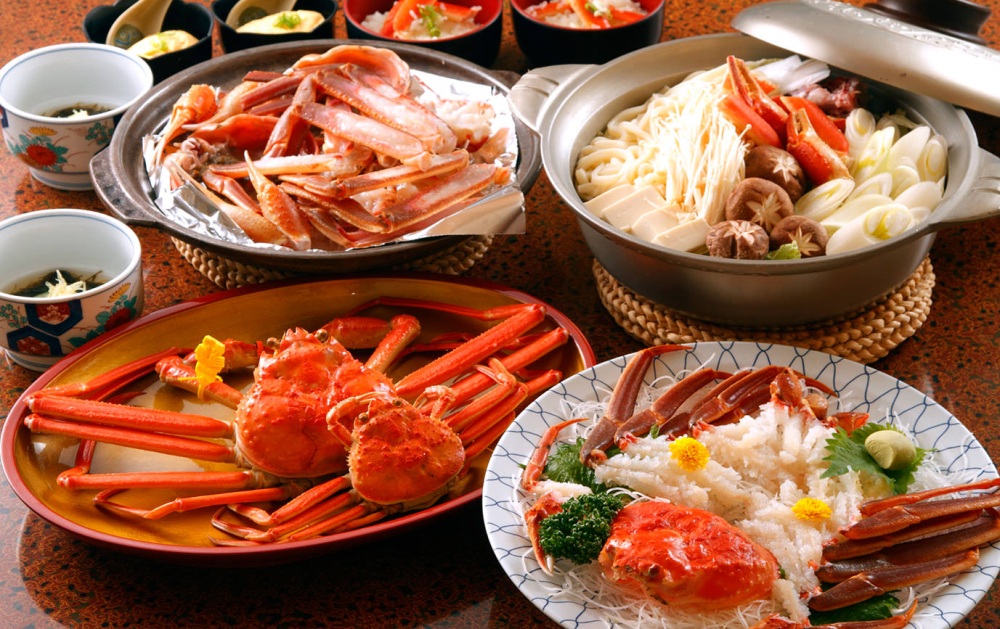
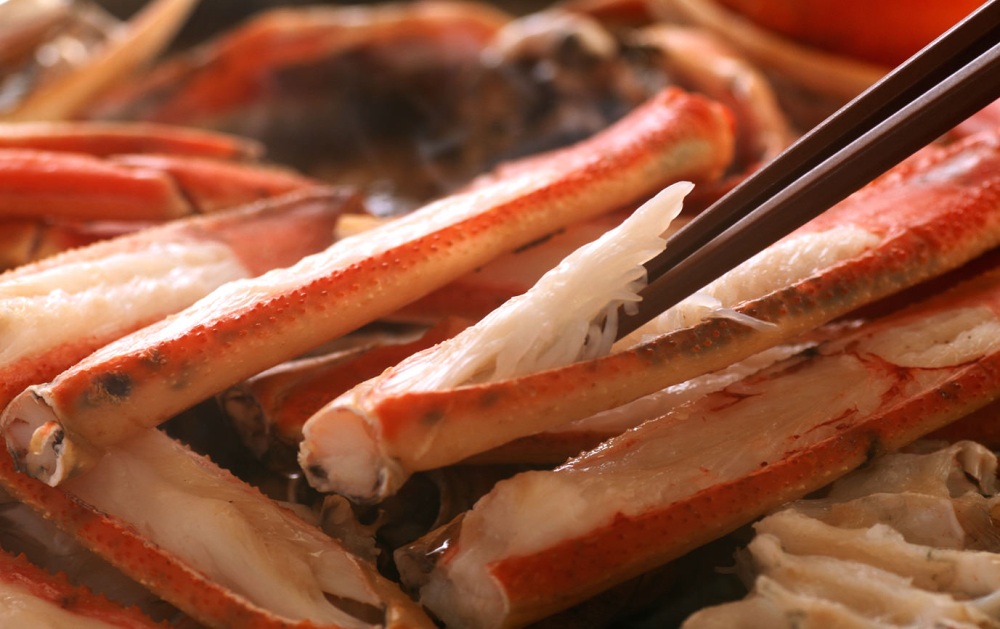
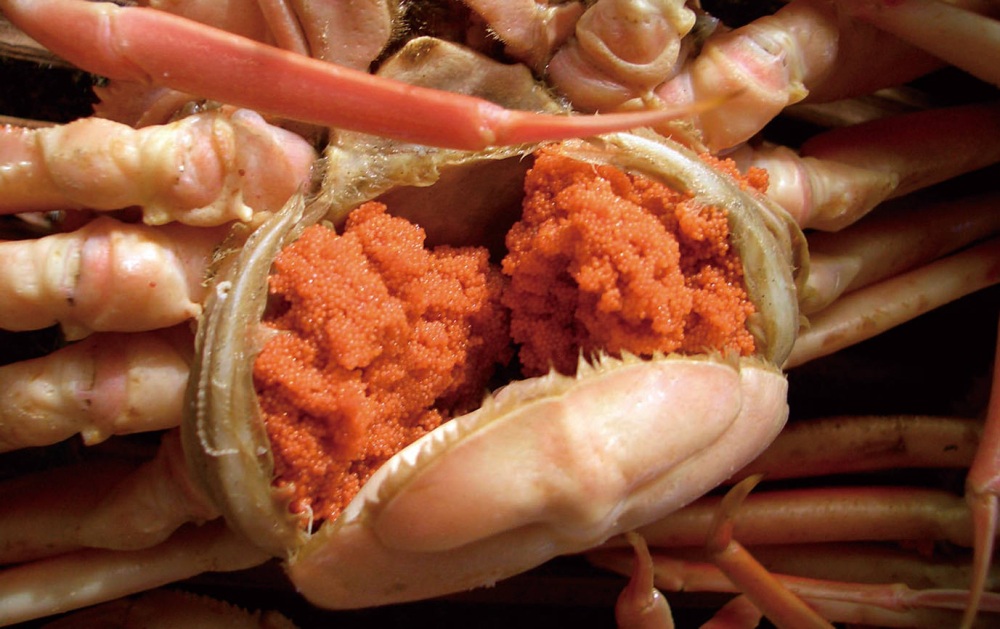
Echizen Gani Crab is the seasonal seafood most closely associated with Fukui. These crabs are packed with sweet, firm meat and crab paste, earning them the local nickname “the king of winter foods.” Every winter, male snow crabs from fishing ports in Echizen, as well as from Mikuni, Tsuruga, and Obama, are sold under the premium Echizen Gani Crab brand. Crab connoisseurs know to also look for Seiko Gani Crab, or female snow crabs, which are smaller but full of delicious eggs. Restaurants throughout the prefecture serve fresh Echizen Gani Crab as sashimi, as well as grilled, boiled, or in hot pots.
Echizen Gani Crab is the seasonal seafood most closely associated with Fukui. These crabs are packed with sweet, firm meat and crab paste, earning them the local nickname “the king of winter foods.” Every winter, male snow crabs from fishing ports in Echizen, as well as from Mikuni, Tsuruga, and Obama, are sold under the premium Echizen Gani Crab brand. Crab connoisseurs know to also look for Seiko Gani Crab, or female snow crabs, which are smaller but full of delicious eggs. Restaurants throughout the prefecture serve fresh Echizen Gani Crab as sashimi, as well as grilled, boiled, or in hot pots.
Fukui Amaebi Shrimp
Season: May through January
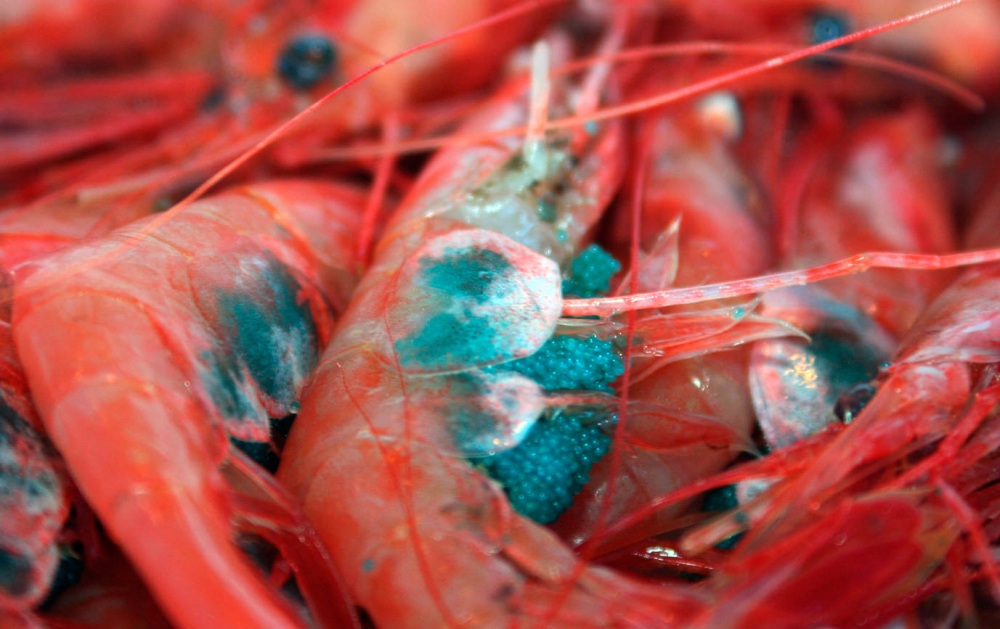
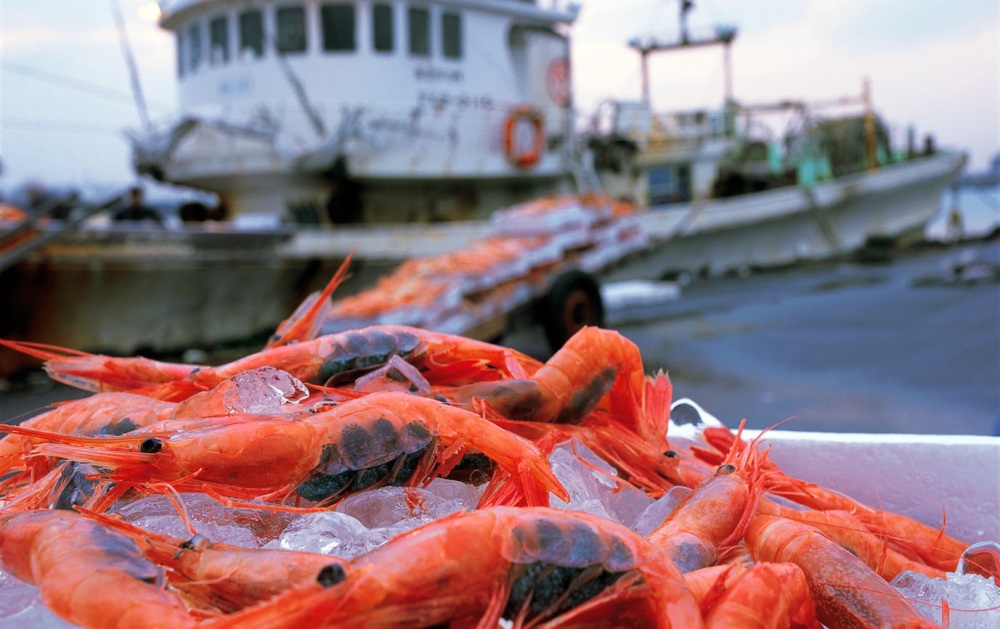
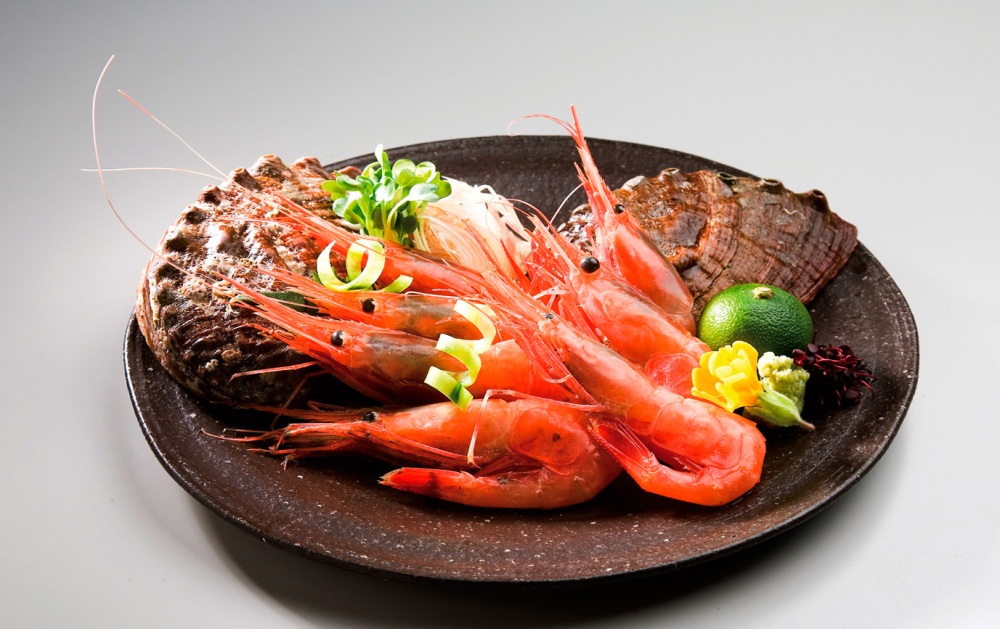
These sweet, tender shrimp are known for their rich color, and go through a strict sorting process based on quality, with the ones full of blue eggs being particularly prized. To find fresh Fukui Amaebi Shrimp, take a close look: the freshest shrimp have the clearest bodies, while less fresh shrimp have darker heads. However, the very freshest shrimp may not necessarily be the best—many seafood lovers believe that these shrimp are at their sweetest and most delicious the day after they are caught. Fukui offers plenty of ways to enjoy the unique texture and great flavor of these shrimp, served in classic styles like sashimi or as a topping for a rice bowl, or fried in tempura. Some restaurants also offer more unusual options, such as “shrimp cutlet” burgers, or cooked with rice to make the most of their flavor.
These sweet, tender shrimp are known for their rich color, and go through a strict sorting process based on quality, with the ones full of blue eggs being particularly prized. To find fresh Fukui Amaebi Shrimp, take a close look: the freshest shrimp have the clearest bodies, while less fresh shrimp have darker heads. However, the very freshest shrimp may not necessarily be the best—many seafood lovers believe that these shrimp are at their sweetest and most delicious the day after they are caught. Fukui offers plenty of ways to enjoy the unique texture and great flavor of these shrimp, served in classic styles like sashimi or as a topping for a rice bowl, or fried in tempura. Some restaurants also offer more unusual options, such as “shrimp cutlet” burgers, or cooked with rice to make the most of their flavor.
Wakasa Guji Tilefish
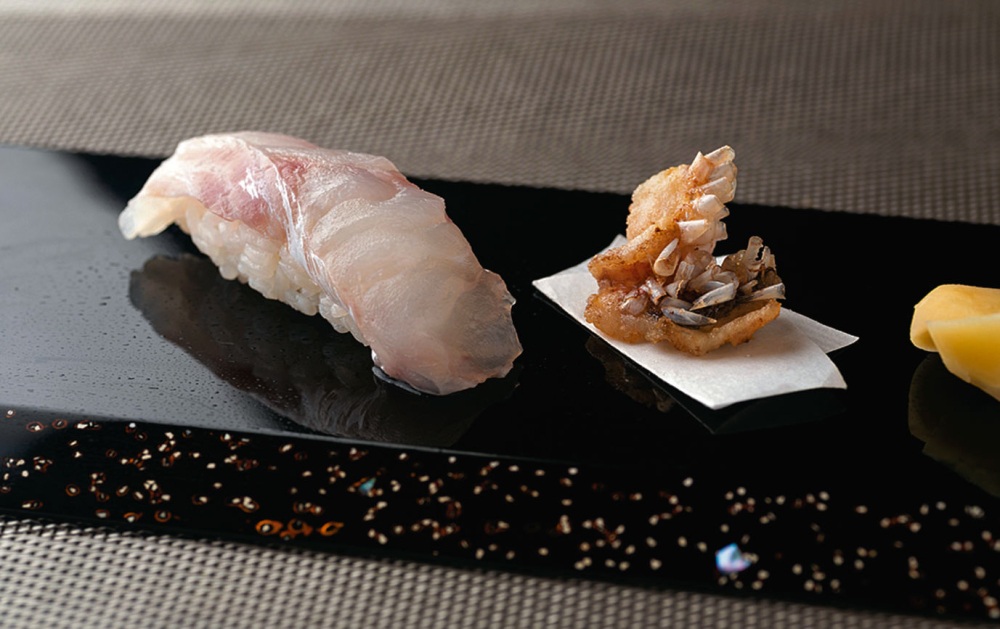
Season: August through November
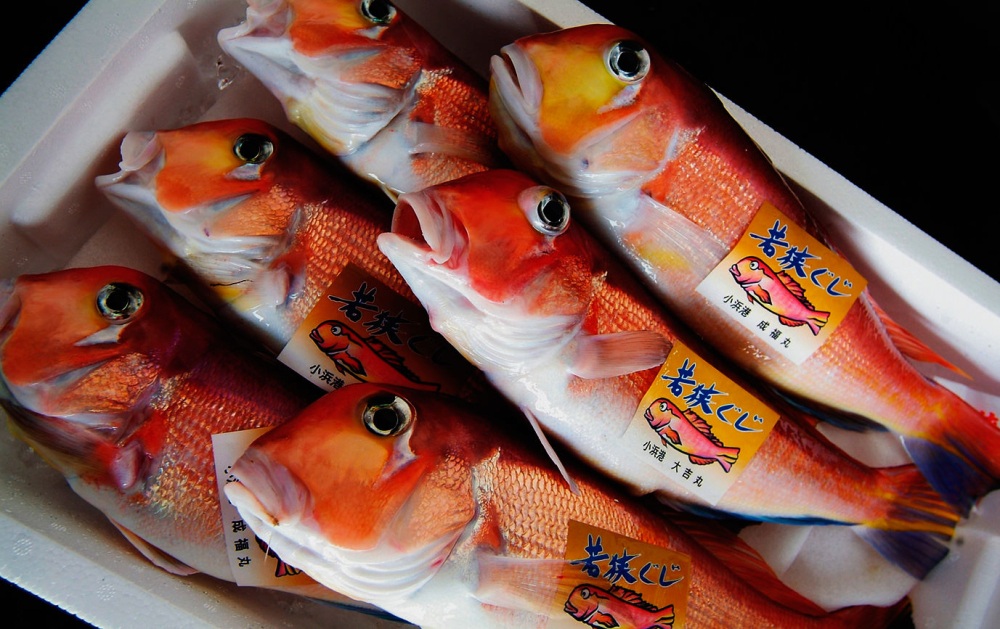
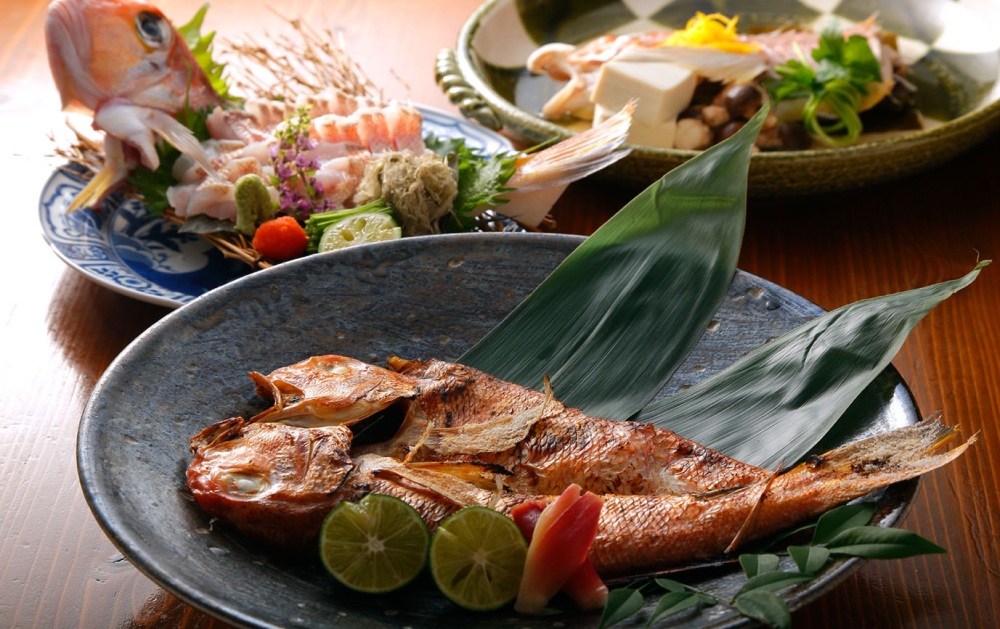
Tilefish caught in Wakasa Bay have a long history as beloved seafood: these were once taken to the imperial court in Kyoto, to be served to the emperor. Wakasa Guji Tilefish are particularly delicate, so to keep them in excellent condition, fishers pack them into special cold storage boxes, and keep them under careful temperature control all the way back to the port. Only the largest and finest of these fish earn the name Wakasa Guji Tilefish, and these are shipped out with a special freshness management system that prevents them from ever touching ice. These fish have tender white meat, and can be prepared in a variety of ways. One of the most distinctive ways to serve them is Wakasa-yaki, or “grilled Wakasa-style”: grilled with their scales still on, to make the most of the rich aroma they provide.
Tilefish caught in Wakasa Bay have a long history as beloved seafood: these were once taken to the imperial court in Kyoto, to be served to the emperor. Wakasa Guji Tilefish are particularly delicate, so to keep them in excellent condition, fishers pack them into special cold storage boxes, and keep them under careful temperature control all the way back to the port. Only the largest and finest of these fish earn the name Wakasa Guji Tilefish, and these are shipped out with a special freshness management system that prevents them from ever touching ice. These fish have tender white meat, and can be prepared in a variety of ways. One of the most distinctive ways to serve them is Wakasa-yaki, or “grilled Wakasa-style”: grilled with their scales still on, to make the most of the rich aroma they provide.
Yopparai Saba Mackerel
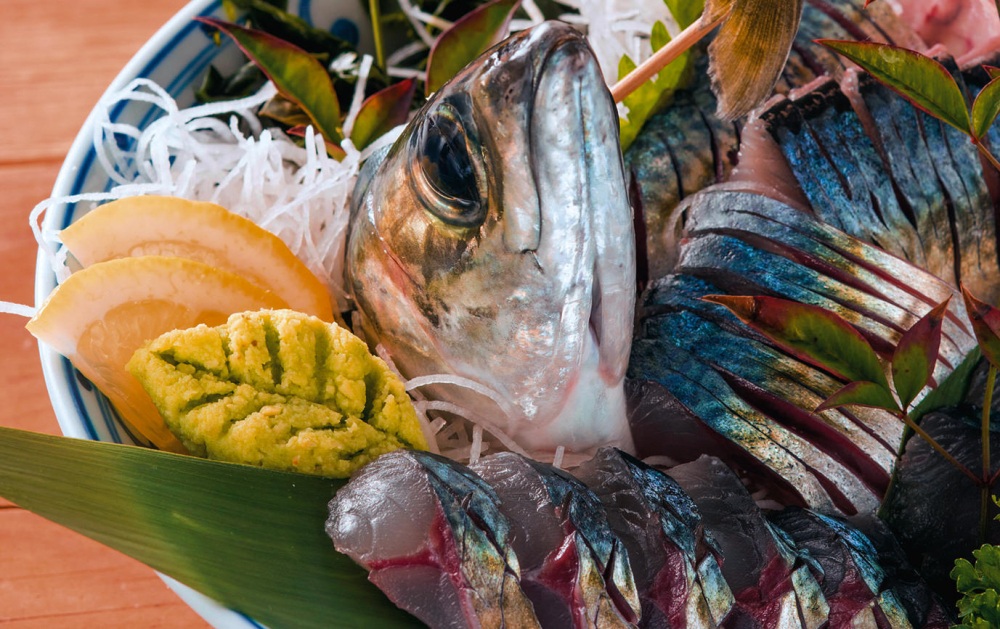
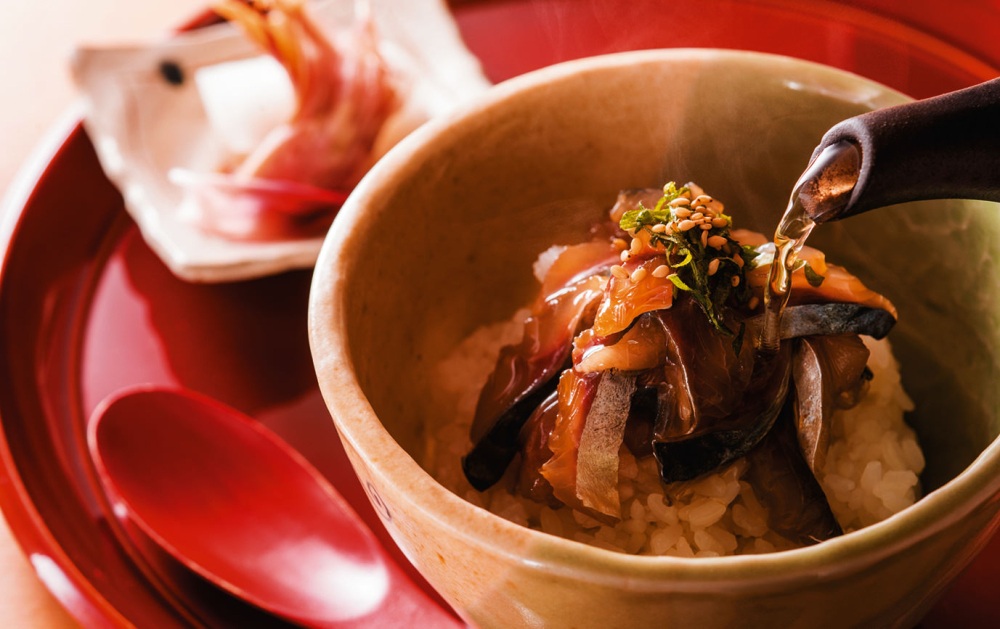
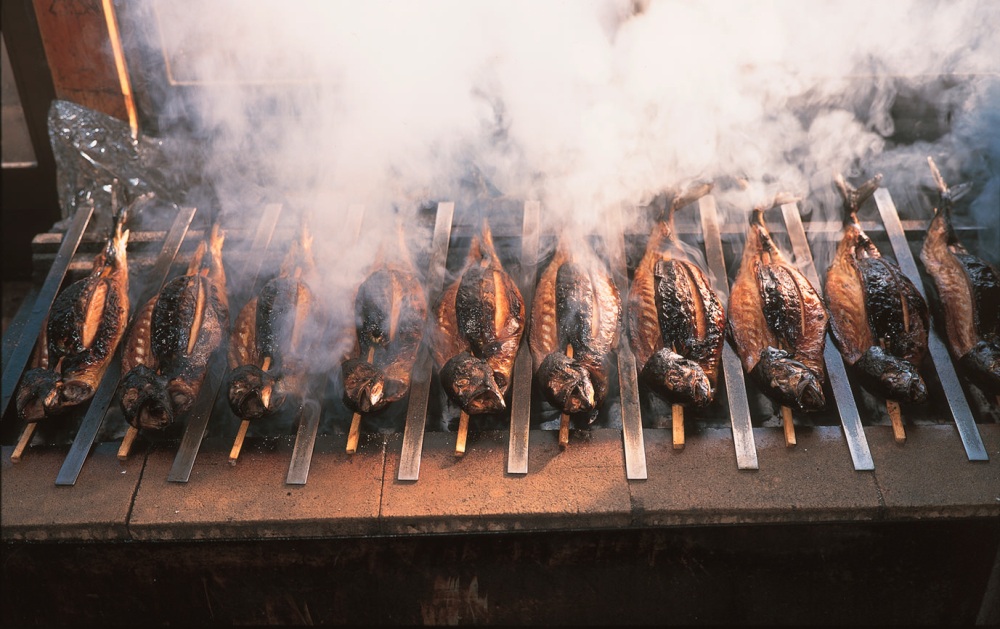
Season: October, November, and February through May