Monument Commemorating the Birthplace of Kōwakon Music
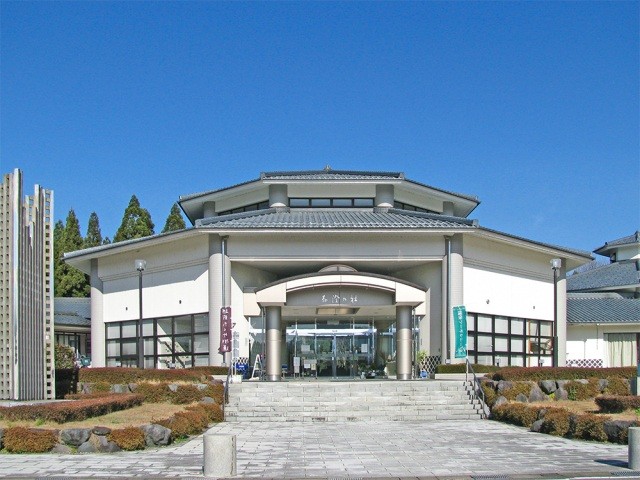
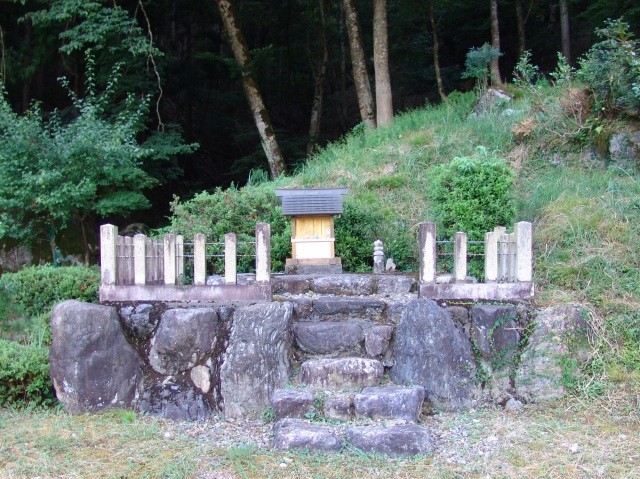
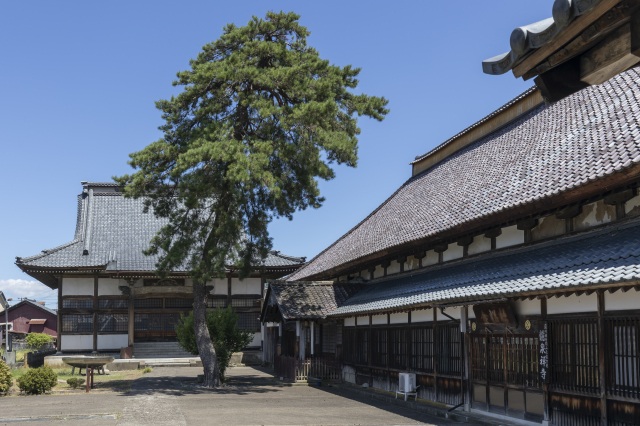
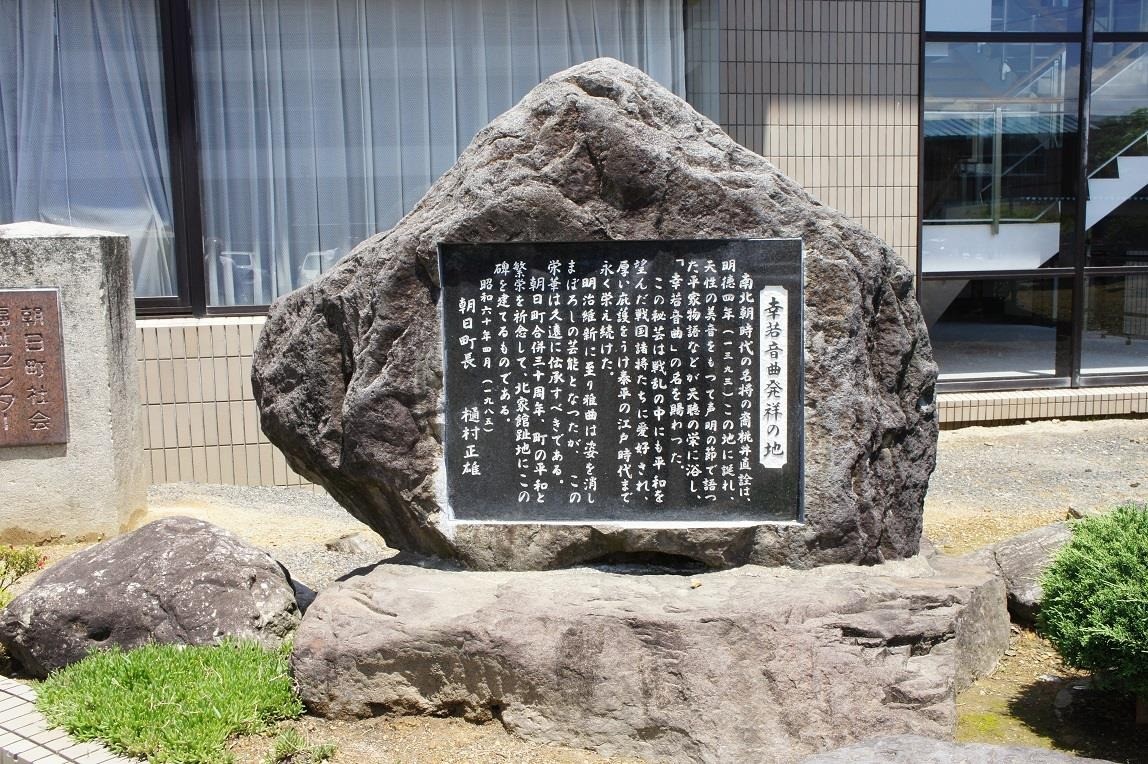
The monument marking the birthplace of Kōwakamono (Kōwakamai) is located beside the main entrance of the Echizen Town Social Welfare Center Chōjuden (Nishitanaka, Echizen Town). Sawaka-mai originated in Nishitanaka, Echizen Town. Like Sarugaku and other forms, it developed as a medieval performing art, boasting a tradition of approximately 600 years. It is said to have been founded during the Muromachi period by Momoi Naotsugu (childhood name: Sawakamaru). His family resided in what is now Nishitanaka, Echizen Town, and performed throughout Japan from this base. As a dance that inspired the samurai spirit, it was cherished and protected by many warlords of the Sengoku period. Oda Nobunaga's fondness for it is particularly famous; it is well known that when setting out for the Battle of Okehazama, he chanted and danced the Kōwakumai piece "Tsunemori," reciting the verse: "Fifty years of human life / Compared to the heavens below / Is like a dream or illusion." Additionally, Toyotomi Hideyoshi and Tokugawa Ieyasu also patronized the Kōwakimai. By the Edo period, it had become an established court profession, performed annually before the shogun as part of the shogunate's ceremonial music.
"Atsumori" tells the tragic story of the Battle of Ichinotani between the Minamoto and Taira clans, where Kumagai Naozane, a Minamoto warrior, beheads Taira no Atsumori, a Taira warrior.
Kumagai Naozane, frustrated by his lack of military achievements, spotted a lone young warrior, Atsumori, fleeing toward the sea. Intending to capture him alive for glory, Naozane realized the youth was only 14 or 15—the same age as his own son—and resolved to save him. However, his fellow warriors cried treason, forcing Naozane to behead Atsumori. Afterward, feeling the transience of the world, Naozane retired to Mount Koya as a monk and prayed for Atsumori's soul.
Information
- Address (in Japanese)
- 福井県越前町西田中8-20-22
- Car Park
- No