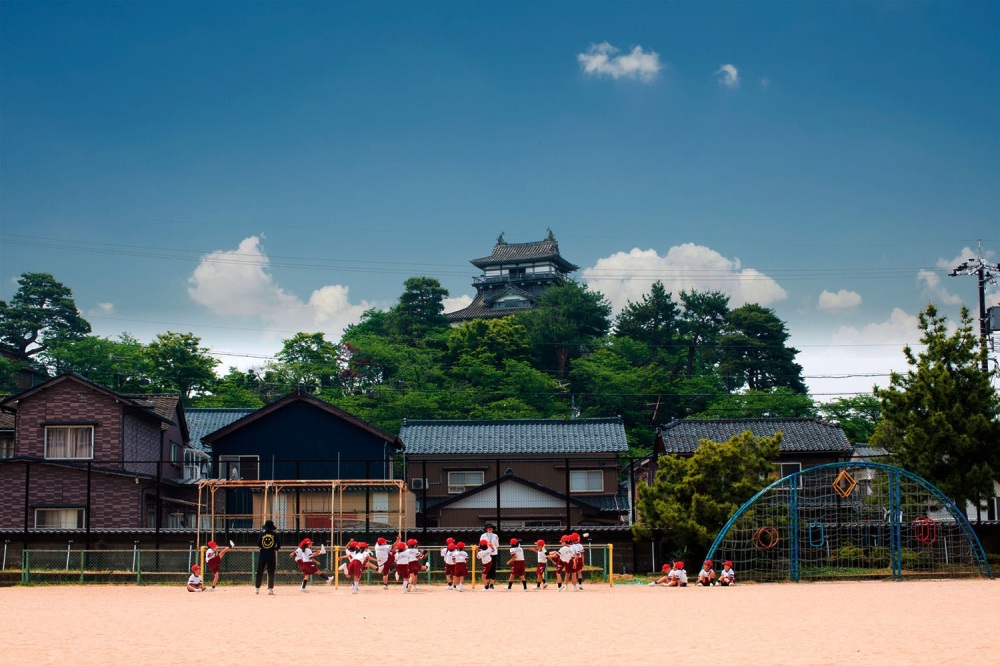
Introducing one of Fukui City’s hidden gems, the Yokokan Garden
Fukui City’s scenic spot, the Yokokan Garden, has been ranked among the top 10 Japanese gardens in Japan for 19 consecutive years by the U.S. specialty magazine "Journal of Japanese Gardens"!
In this article, we’ll explore the secrets behind the growing popularity of the Yokokan Garden—which has recently been attracting increasing attention from international visitors—and highlight all of its must-see features!
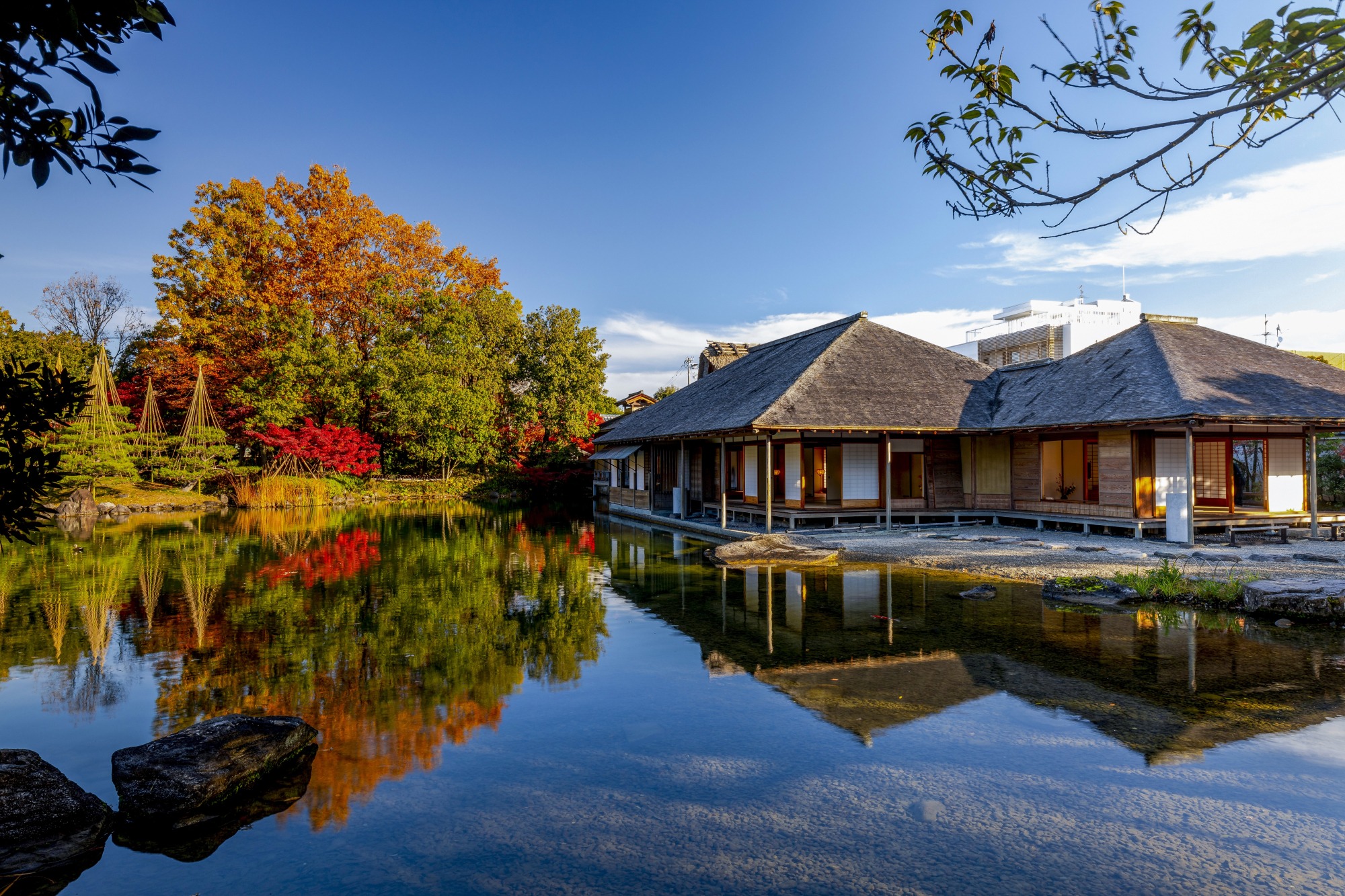
Highlight #1: The History of the Yokokan Garden
A restored garden with a history spanning more than 400 years.
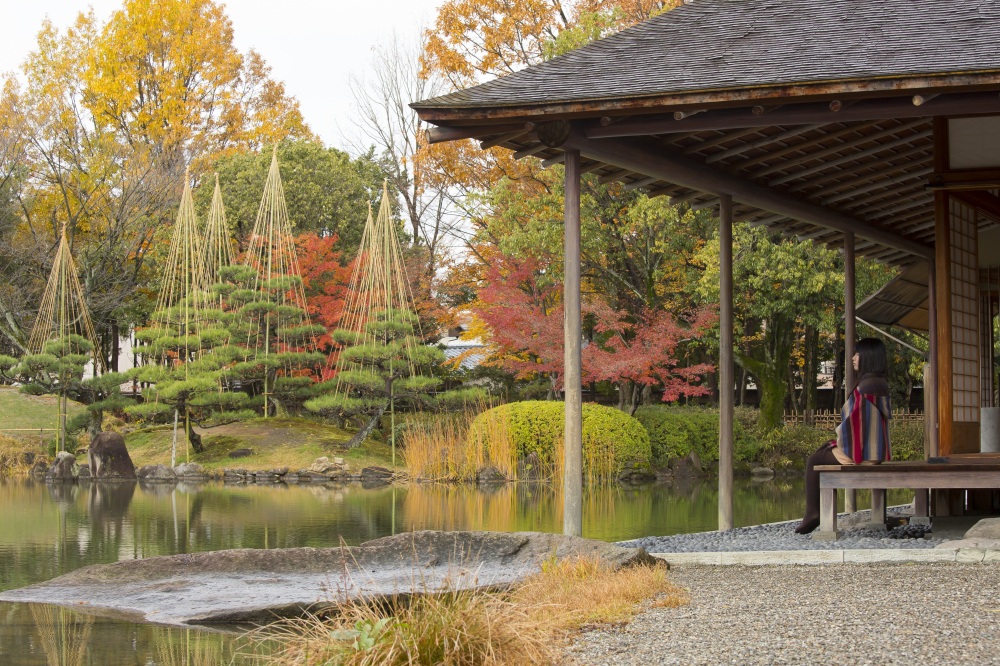
The Yokokan Garden was completed in the early 1600s, during the early Edo period (1603–1868), and served as a villa for the Matsudaira clan of Echizen, the lords of the Fukui Domain.
It is located approximately 400 meters northeast of the Honmaru (inner bailey) of Fukui Castle and adjoins the earthen embankment of the castle’s outer moat.
Even after the buildings were destroyed in the 1945 Fukui air raid, the garden’s most important features—such as the pond, artificial hills, and stone arrangements—remained intact. In 1982, it was designated a National Scenic Spot.
Restoration and renovation work proceeded based on a plan from 1823 titled “Gosen-sui Chizu,” and the project was completed in 1993, approximately eight years later. The current Yokokan Garden was opened to the public at that time.
Don't miss them! The Yokokan Garden is located just a 15-minute walk away from Fukui Station, across from the Site of Fukui Castle, and right next to the Fukui City Museum of History—making it the perfect spot to experience the city’s history!
Highlight #2: The Villa
The vacation villa of the Echizen Matsudaira family, lords of the Fukui Domain, restored along with its garden based on a 19th-century floor plan.
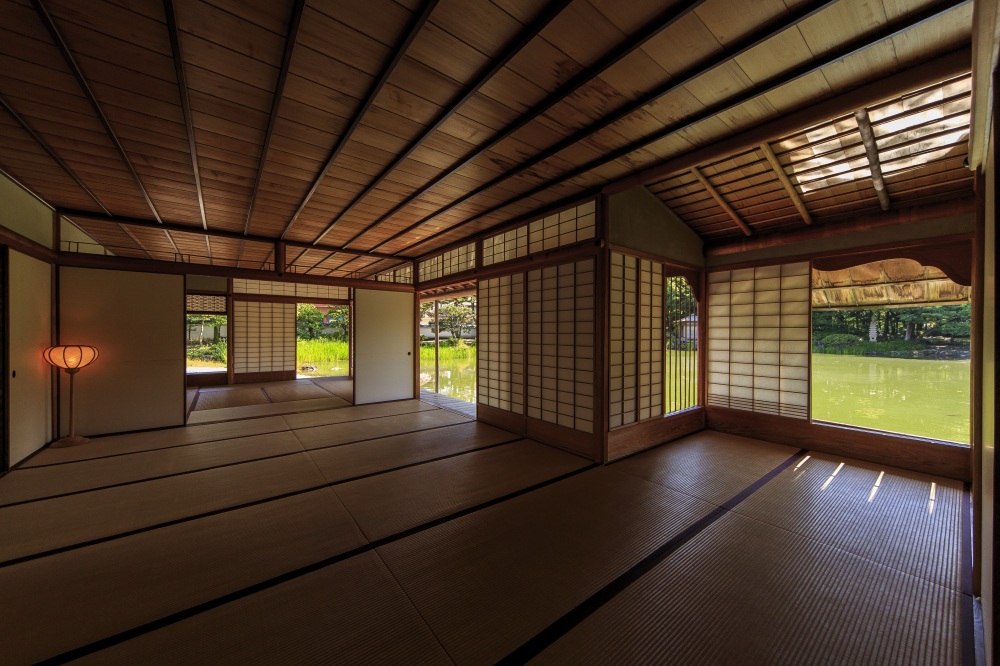
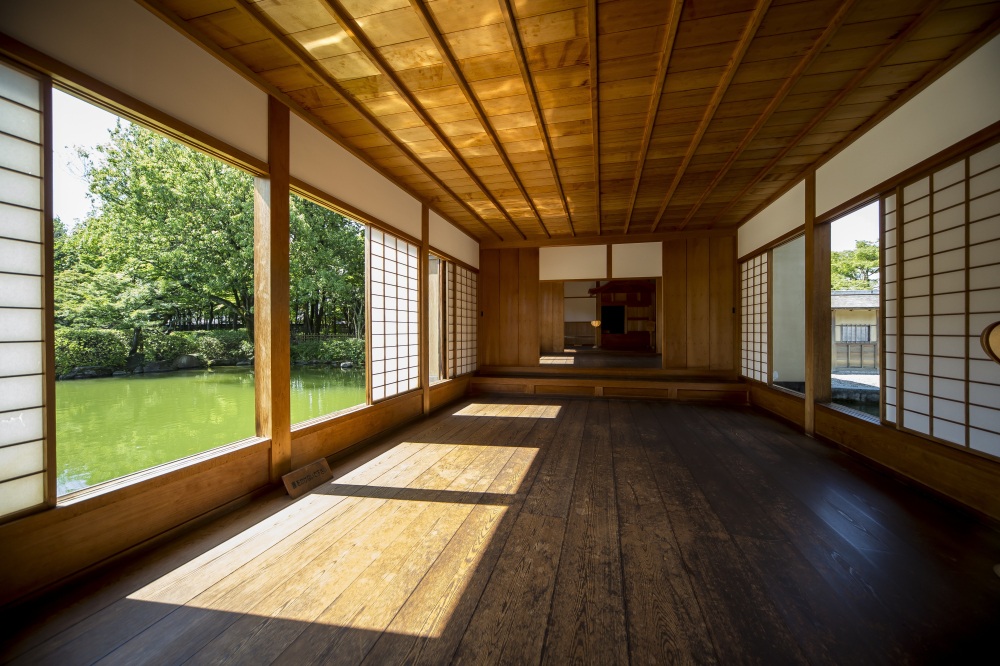
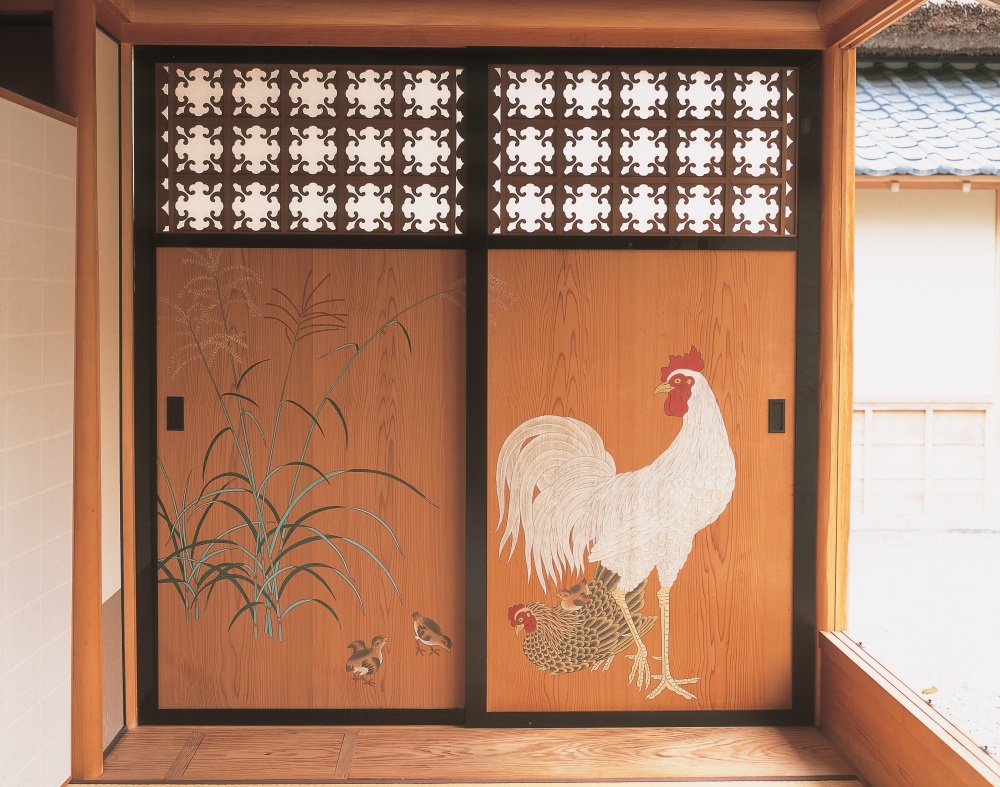
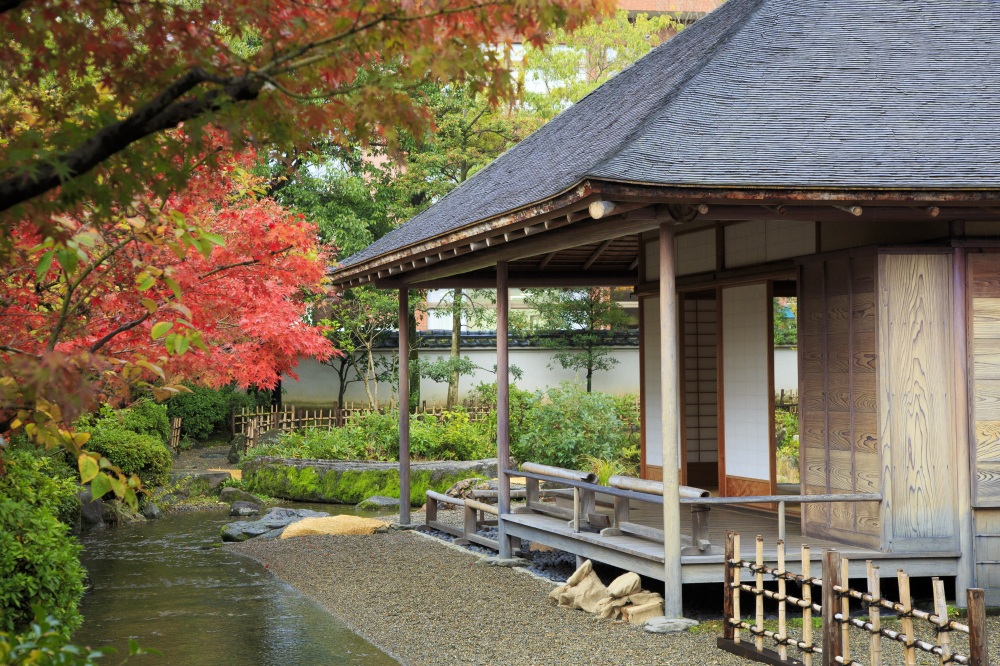
Let’s take a glimpse into the daily lives of the people who once lived in this villa and the building’s unique character through the subtle details hidden in each room.
Upon entering the estate, passing through the gate and the kitchen, the first room you’ll encounter is the Kushigata-no-ma, which faces the pond. Since it’s the room that juts out furthest over the pond within the estate, it offers a sweeping view of the garden. You can feel the water close by, giving you a sense of openness, as if you were aboard a houseboat.
Among the other rooms, you can freely wander through spaces designed for entertaining guests—such as the “Moon-Viewing Room,” (Otsukimi-no-ma) where you can enjoy the sight of the moon reflecting on the water’s surface, and the “Chain Room,” (Kusari-no-ma) decorated with chicken motifs to welcome the sun—as well as rooms used for daily life, including the Grand Corridor and the Bathhouse.
You’ll forget you’re in the 21st century and feel as if you’ve been transported back to the Edo period.
Additionally, the large ridge stone that serves as a counterweight on the roof is made of Shakudani stone, which is quarried exclusively in Fukui. It’s characterized by the way it takes on a pale blue hue when wet with rain.
Don’t miss this! The beautiful, majestic koi are very friendly; if you peek out the window of the Kushigata-no-ma, they’ll swim right up to you.
Fish food is sold at the reception desk, so be sure to try feeding them!
*If children are feeding the fish, please make sure they do not lean out too far.
Seasonal activities: On about 10 weekends in spring and fall, tea ceremony experiences are held in the “Moon-Viewing Room”.
*Please contact the Cultural Promotion Division at Fukui City Hall for the tea ceremony schedule and fees.
*You can also check the Yokokan Garden Instagram page for the latest tea ceremony event schedule. (Posts are published in both Japanese and English.)
Visit the Yokokan Garden with japan-guide!
Highlight #3: The Garden
A serene garden hidden in the heart of town, its reflection shimmering on the water's surface.
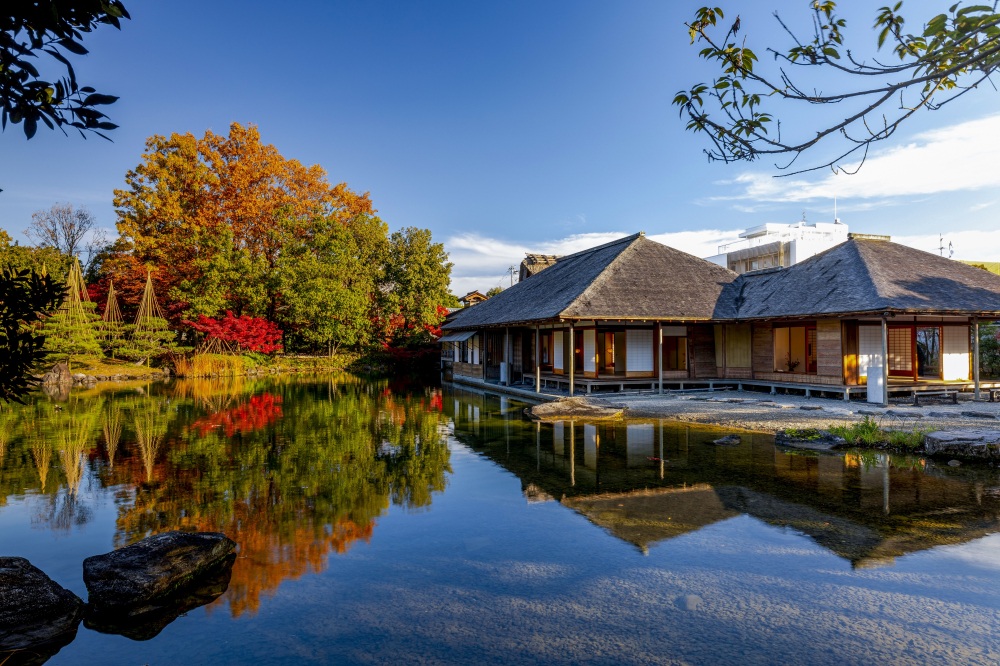
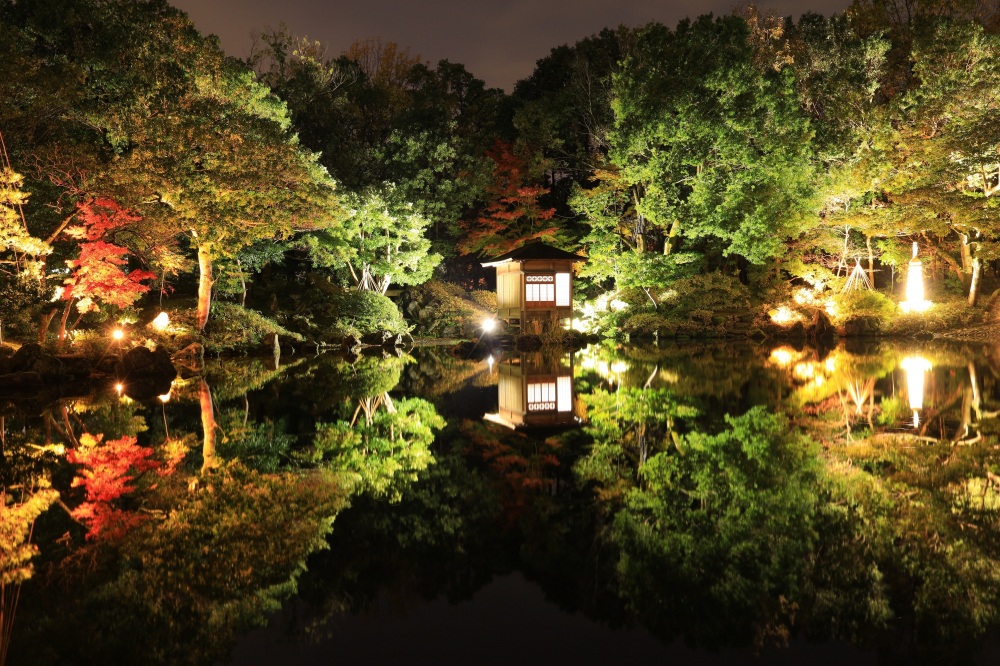
The pond is undoubtedly what best captures the garden’s charm. The serene waters brighten and soothes the hearts of visitors.
Large and nearly square, the pond filling the entire site, and—an unusual feature for a Japanese garden—it has no central island.
Its shoreline is intricately shaped by capes and inlets, creating a varied landscape—a garden where you discover something new with every stroll.
Don't miss this! Just like the mansion, the garden is full of hidden charms scattered throughout. For example, the “Site of the Usu Tea House” along the garden’s south wall is the remnant of a tea house adjacent to the main villa. Although it could not be physically restored in the 80s because it would have encroached on the newly constructed road, the foundation stones have been marked to indicate its former location.
Also, the small pavilion that standing out above the water’s surface that you can see from the Kushigata-no-ma room in the main residence, is called the “Seiren pavilion”. Although you cannot enter it now, it is said that the feudal lord used to take a break here in the past.
Highlight #4: The Charm of Each Season
Spectacular views that change with the seasons.
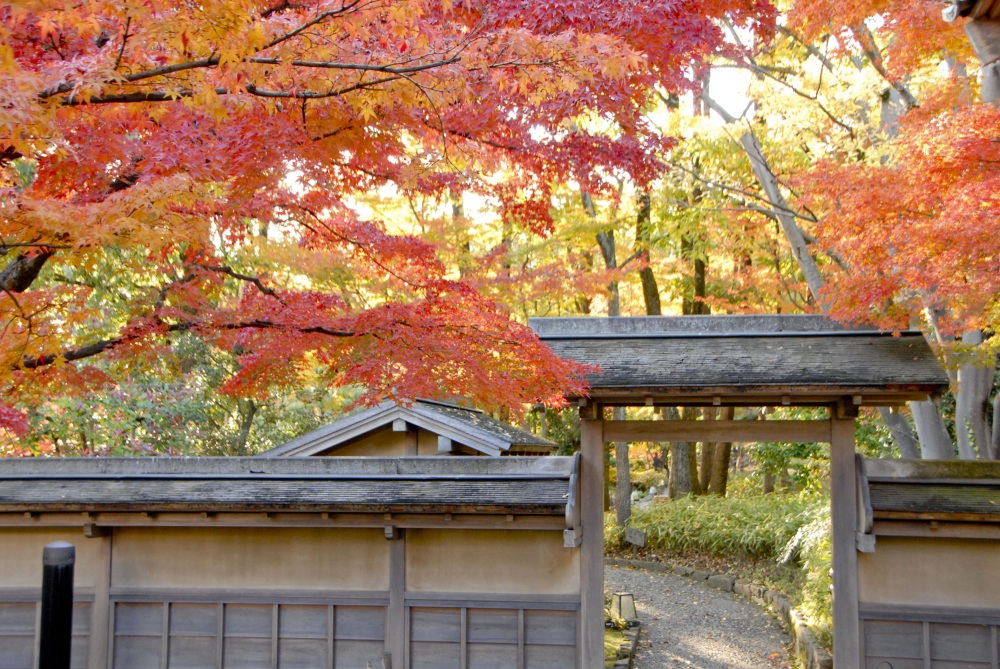
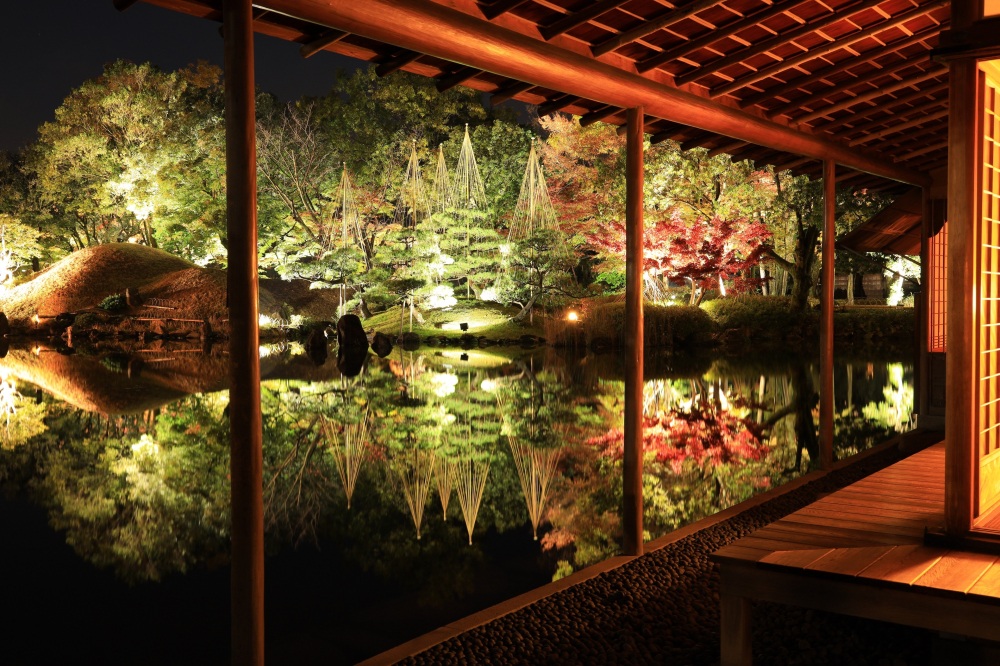
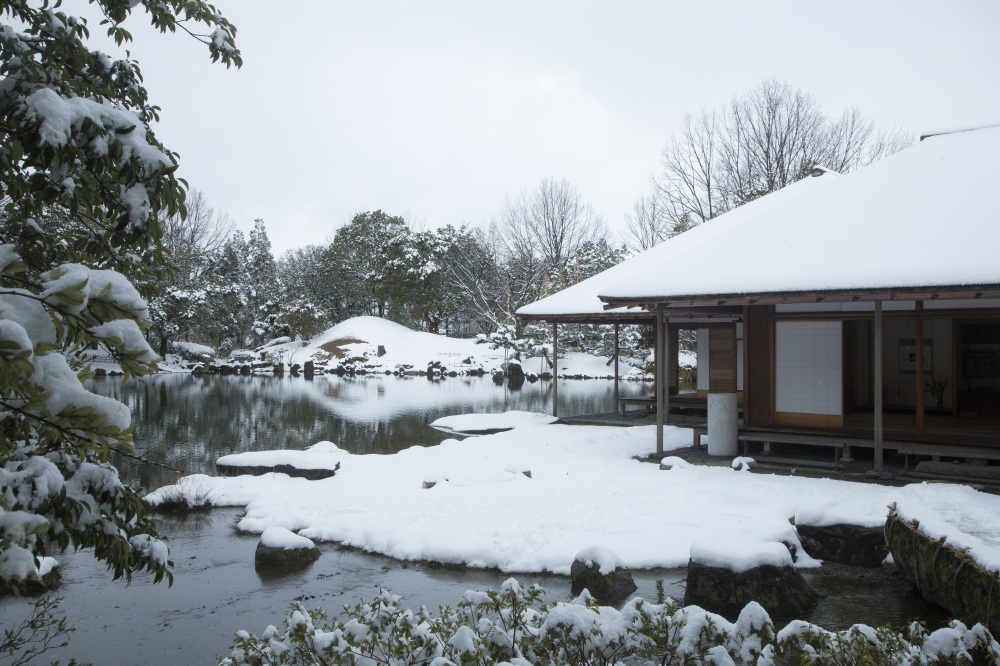
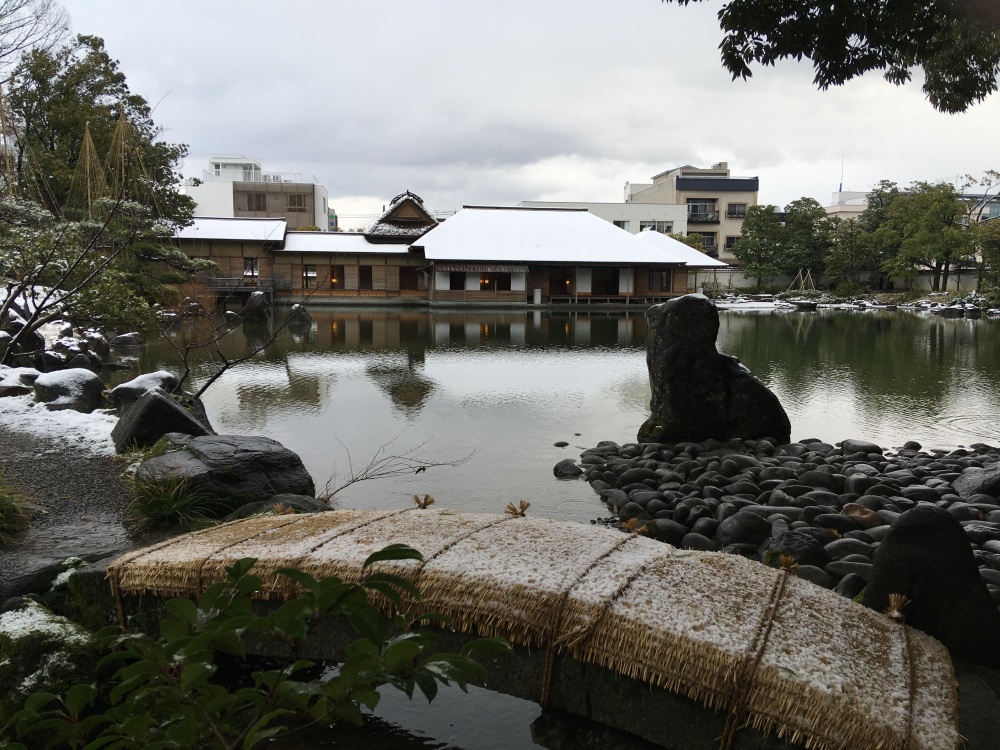
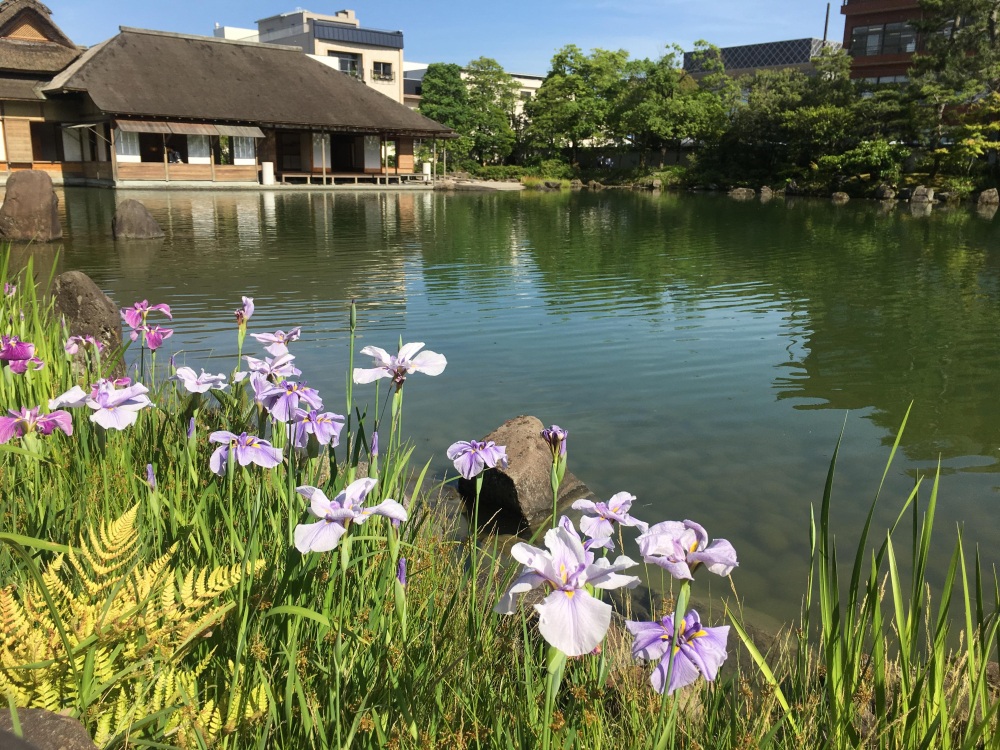
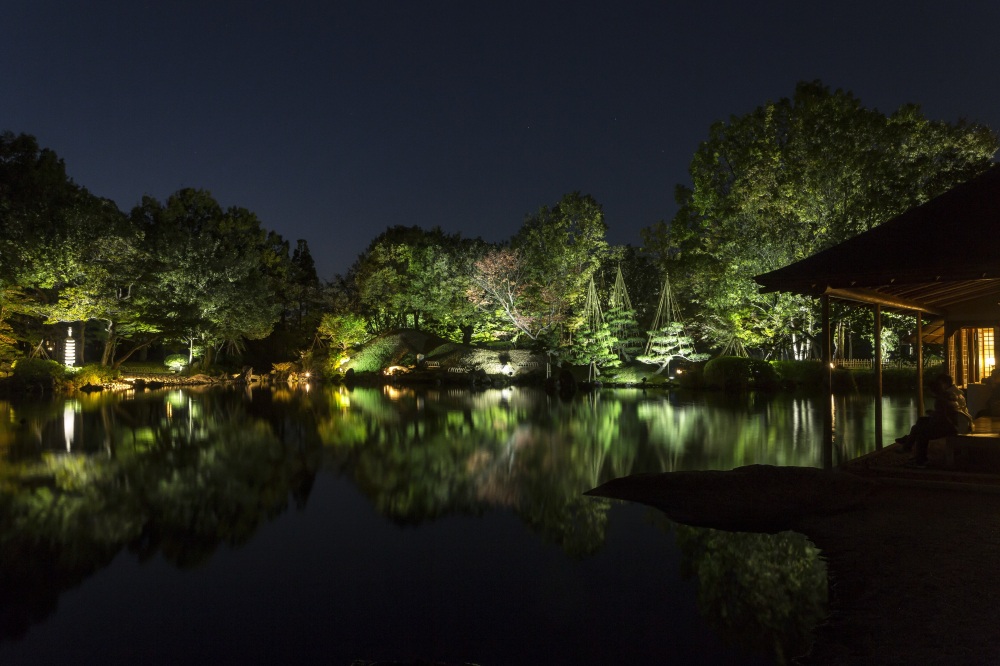
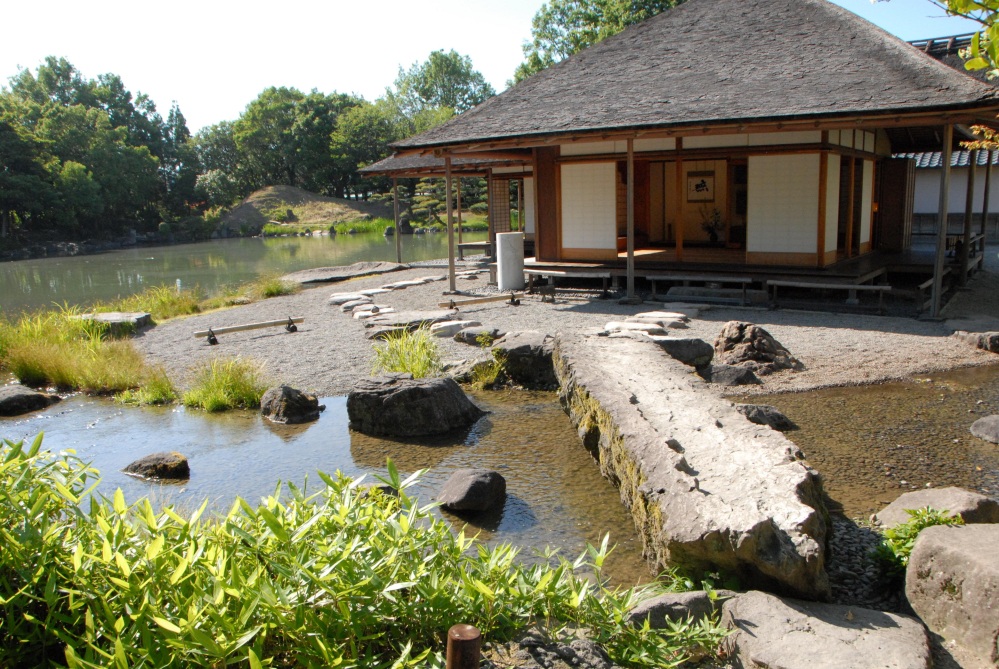
Early spring brings plum blossoms, June brings irises, fall brings the vibrant colors of the changing leaves, and winter brings the tranquility of snow—each season offers its own unique charm and highlights at the Yokokan Garden, so no matter how many times you visit, you’ll always discover something new and inspiring.
I especially recommend the fall illuminations: enjoy the magical atmosphere created by the lights and colorful foliage reflected on the water.
*Please check the Yokokan Garden website or Instagram page for event dates and other details.
Column
Visiting History: Buildings That Tell the Story of Fukui
The Yokokan Garden is not the only attraction in Fukui with a deep history!
Ruins of one of Japan’s largest medieval castle town, one of the 12 remaining original castle towers, a historic family home that symbolizes international exchange, and more! —in the next article, we’ll introduce some of Fukui Prefecture’s historical sites!