[Traditional Crafts of Fukui] Exploration of Craftsmanship (Part 1)
Fukui Prefecture is home to seven traditional crafts nurtured over its long history. Today, the skills of these centuries-old crafts are accessible for visitors to experience firsthand. The "tradition for viewing" has expanded into the "joy of creating." In this first part, we introduce recommended experiences for Echizen City's traditional crafts: Echizen Washi (Handmade paper), Echizen Tansu (Chests), and Echizen Uchihamono (Forged cutlery), alongside Sabae City's Echizen Shikki (Lacquerware) and Sabae's world-famous Eyeglasses.
![[Traditional Crafts of Fukui] Exploration of Craftsmanship (Part 1)](/lsc/upfile/article/0000/0997/997_1_l.jpg)
[Echizen Washi (Traditional paper)] Experience Goshuin-cho (A stamp book for seals from shrines and temples) making at "Igarashi Seishi" in Echizen City
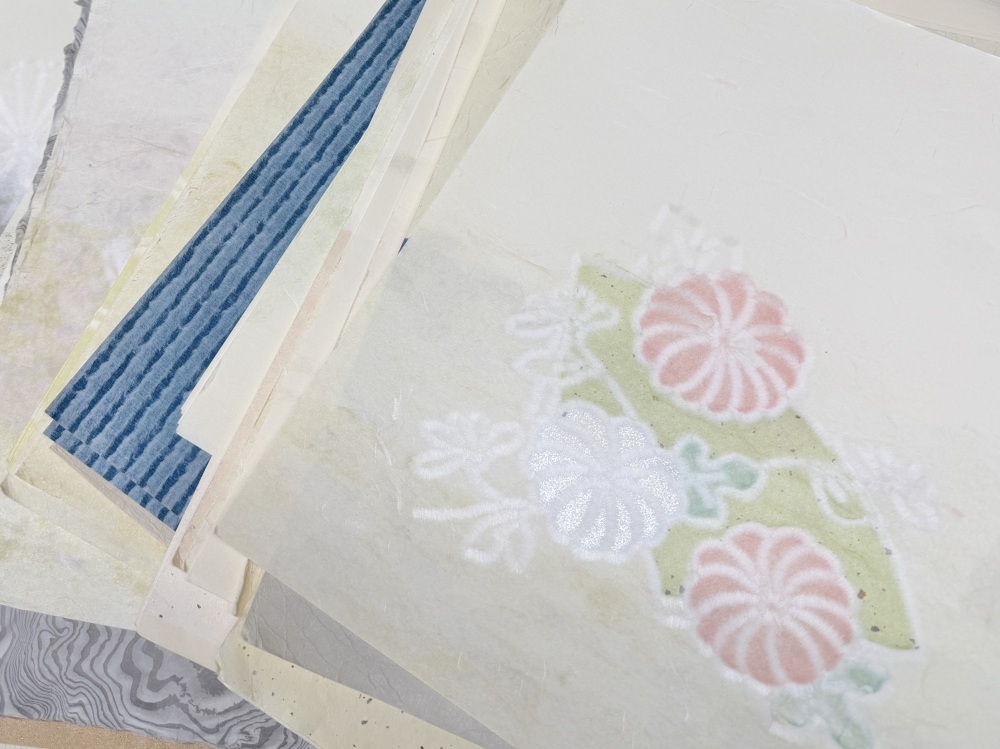
Echizen Washi (Traditional Japanese paper) boasts a history of approximately 1,500 years. Combining beauty and durability, it has long been known as the highest quality Washi. It was adopted as the paper for Japan's first banknotes and is supported by many artists in the fine arts world.
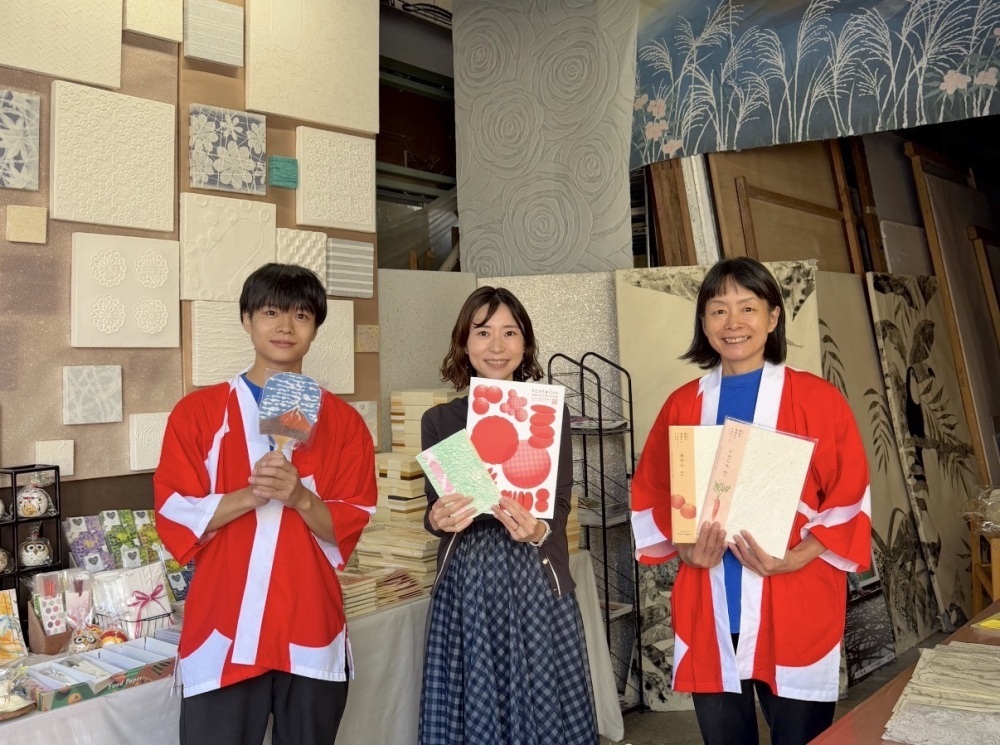
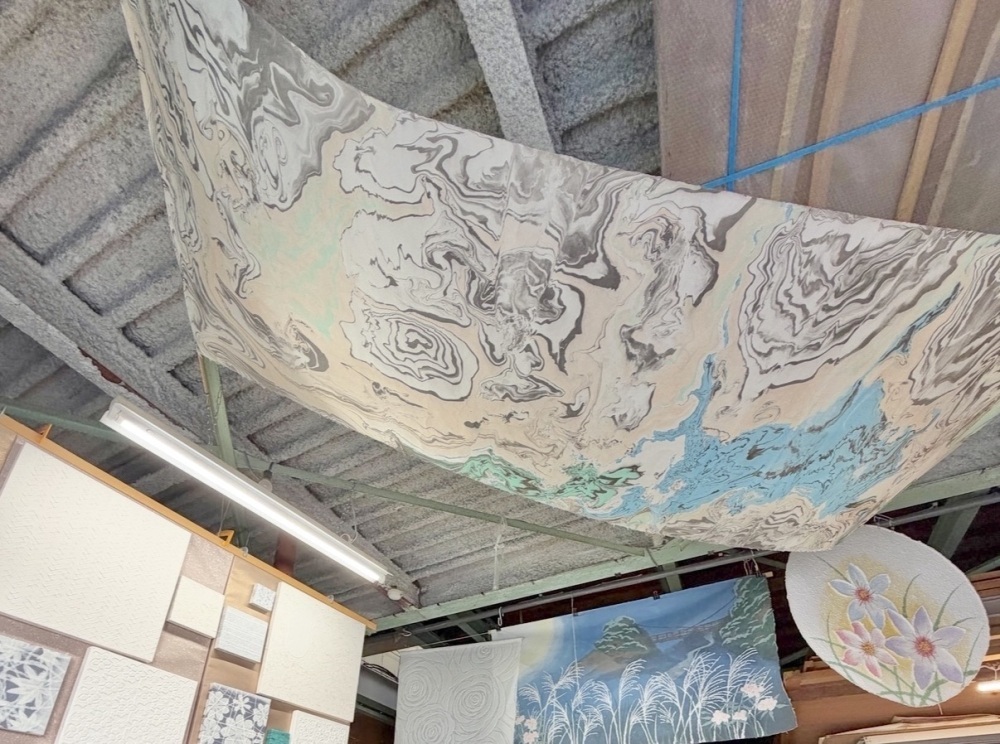
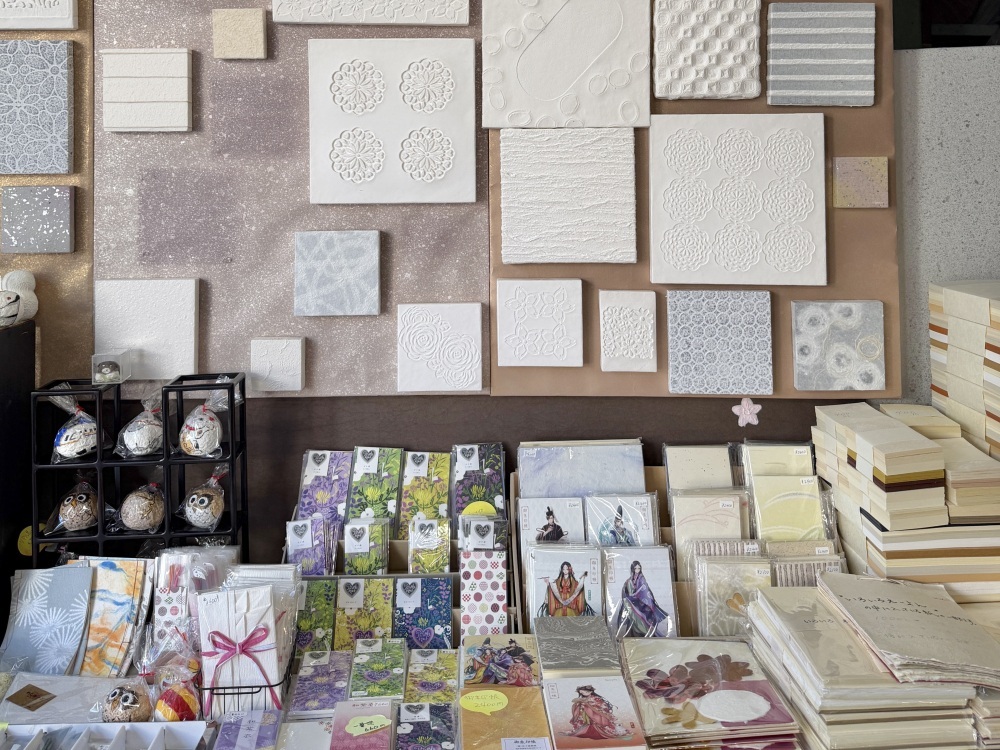
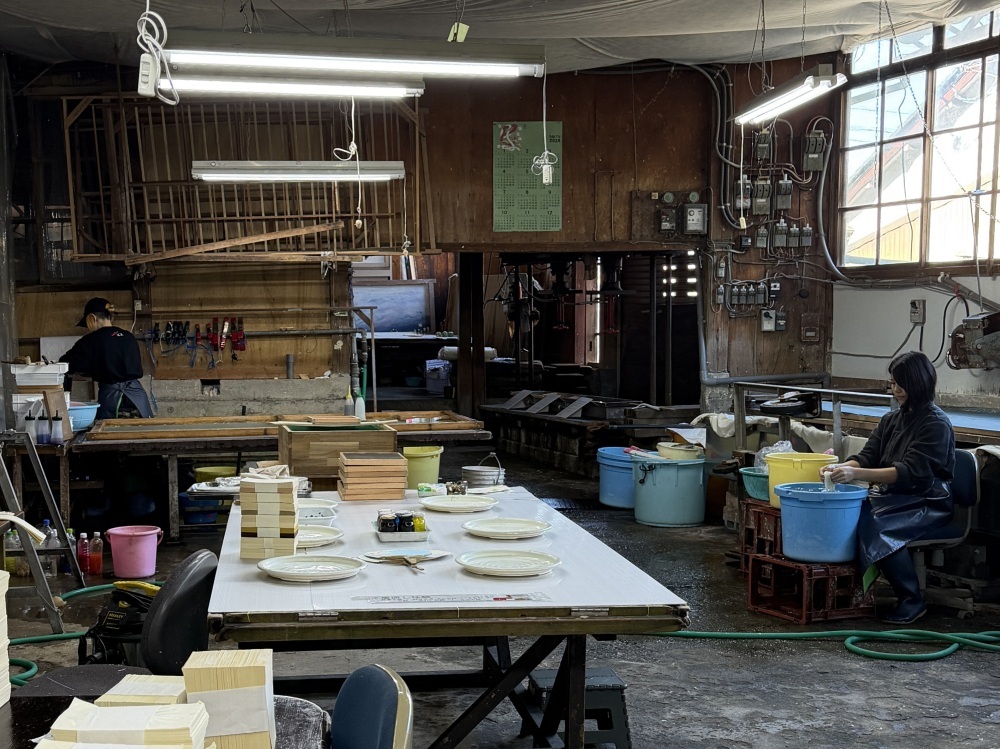
Located in Echizen City, 'Igarashi Seishi' is a long-established manufacturer of Echizen Washi (Traditional handmade Japanese paper) with a history of over 100 years. They handle a wide range of Washi products, primarily machine-made and hand-pressed Fusuma-gami (Paper for traditional sliding doors), as well as wallpapers and small items with varying thicknesses, patterns, and colors. Among their offerings, the large-scale creative hand-pressed Washi created by Dento Kogeishi (Certified Traditional Craftspeople)—who have evolved traditional techniques into modern forms capable of both flat and three-dimensional expression—is truly breathtaking. (This photo was taken during the 'RENEW2025' open factory event.)
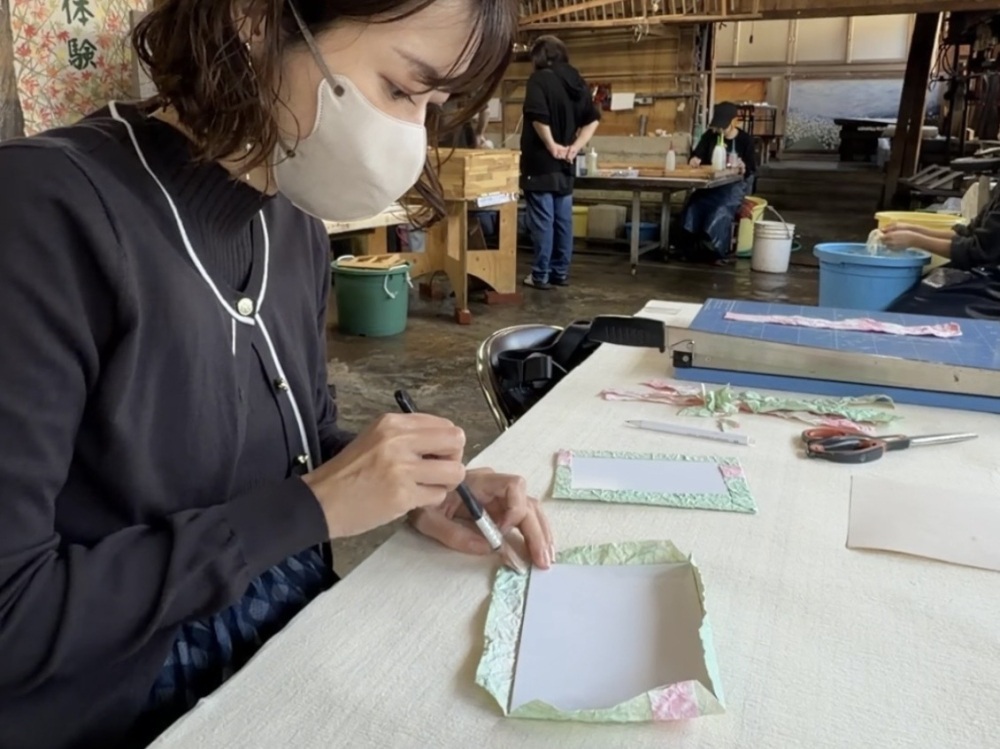
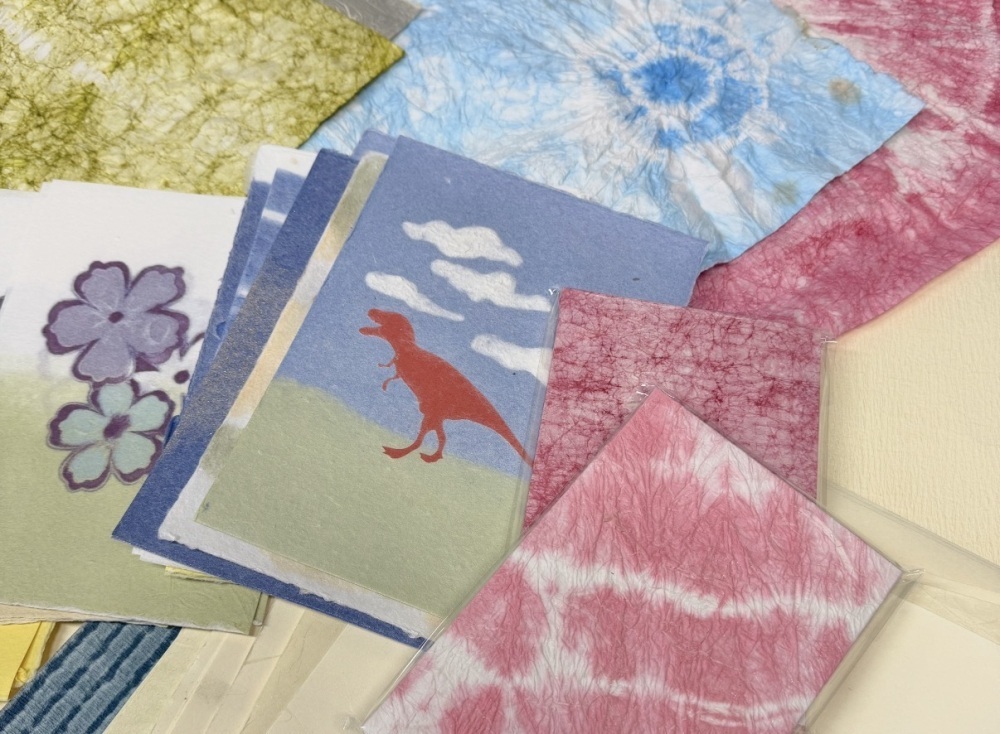
While paper-making experiences are available here, this time we will introduce the popular 'Goshuin-cho (A stamp book for seals from shrines and temples) making (Large size: 1,000 yen).' First, select your favorite from the colorful array of Washi papers lined up. You will likely lose track of time, drawn in by the unique textures and beautiful patterns. As you layer the selected Washi and prepare the cover—carefully guided by artisans who teach you everything from cutting and pasting to professional tips—the book gradually takes shape.
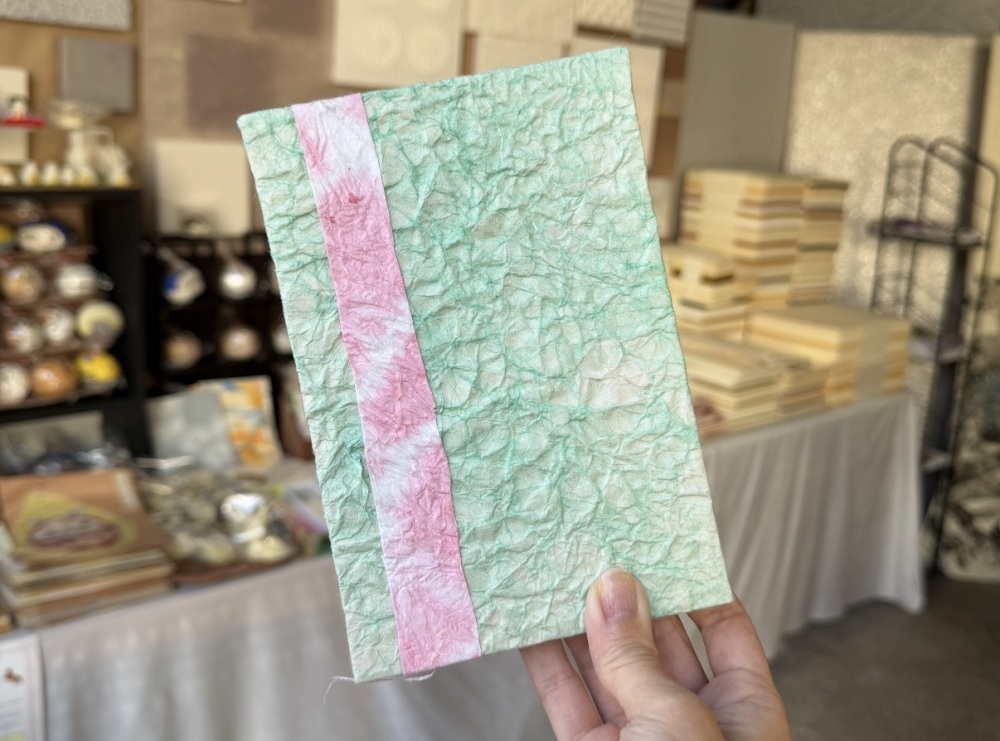
And the moment you finish the final touches, your very own one-of-a-kind Goshuin-cho (A stamp book used to collect seals from shrines and temples) is complete! Holding it, you can really feel the warmth of the Washi (Traditional Japanese handmade paper) and a deep sense of accomplishment.
----------------------------------------------
[ Igarashi Seishi ]
Address: 12-14 Iwamotocho, Echizen City, Fukui Prefecture
TEL: 0778-43-0267
Business Hours: 10:00–17:00
Closed: Saturdays and Sundays
*Please inquire in advance regarding business hours, holidays, and workshops.
Official Website: https://wagamiya.com/[JP]
Official Instagram: @igarashi_seishi
[Echizen Tansu (Traditional wood-jointed chests)] Experience Kanna-kezuri (Wood planing) and Masu (Traditional square box) making at "Oyanagi Tansu-ten" in Echizen City
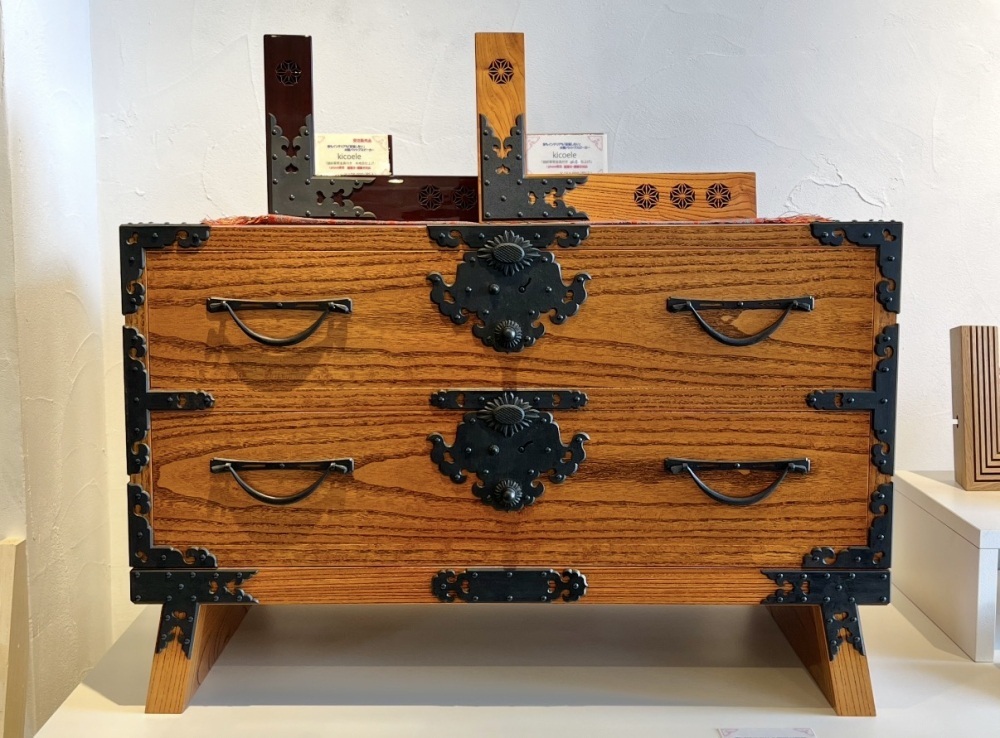
Echizen Tansu (Traditional chests) are crafted using Sashimono (A technique of assembling wooden boards with interlocking joints without nails). They incorporate Echizen Shikki (Lacquerware) techniques for the lacquer finish and Echizen Uchihamono (Hand-forged cutlery) techniques for the decorative iron hardware. Cherished since the Edo period (1603-1867) as wedding dowries and family heirlooms, they are now widely appreciated as ""highly artistic furniture"" that harmoniously blends retro and modern styles.
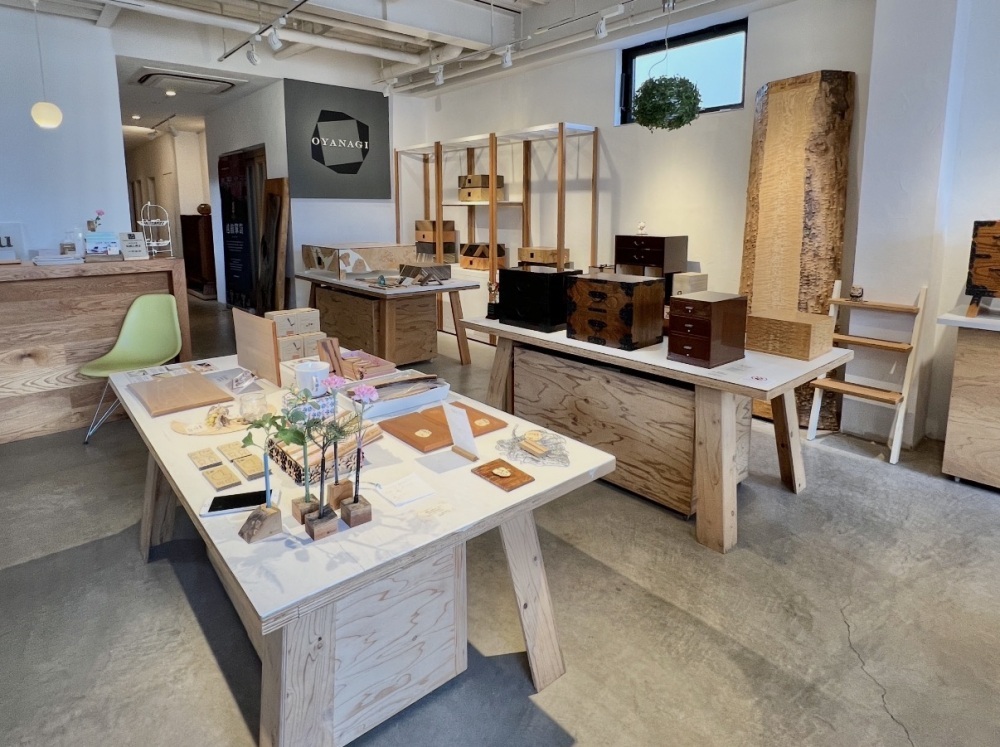
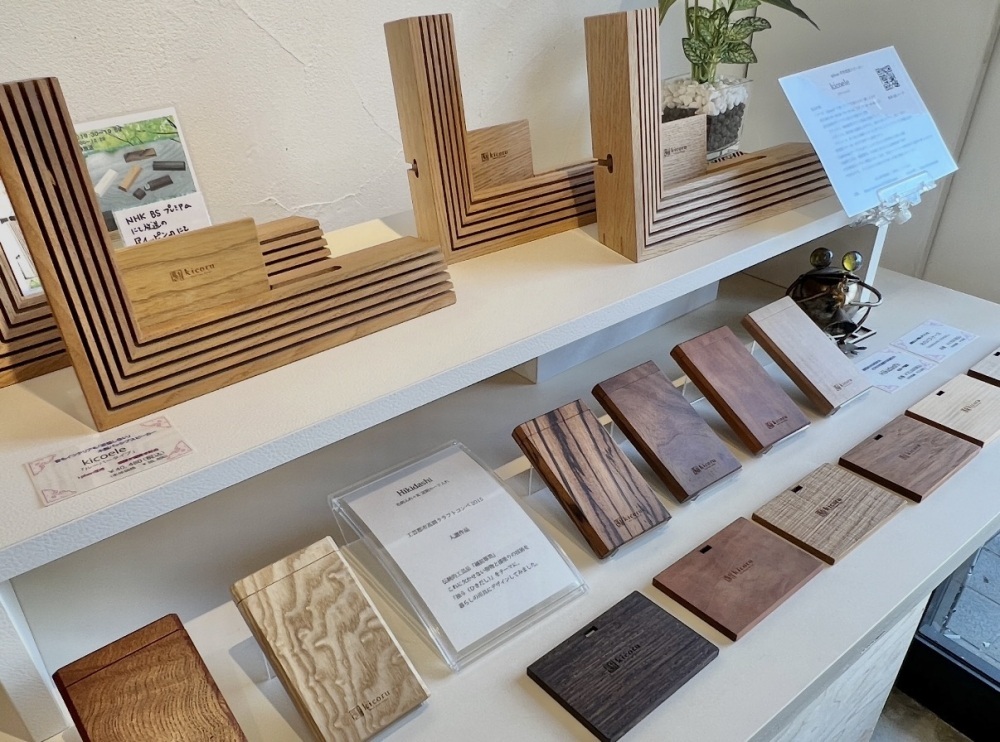
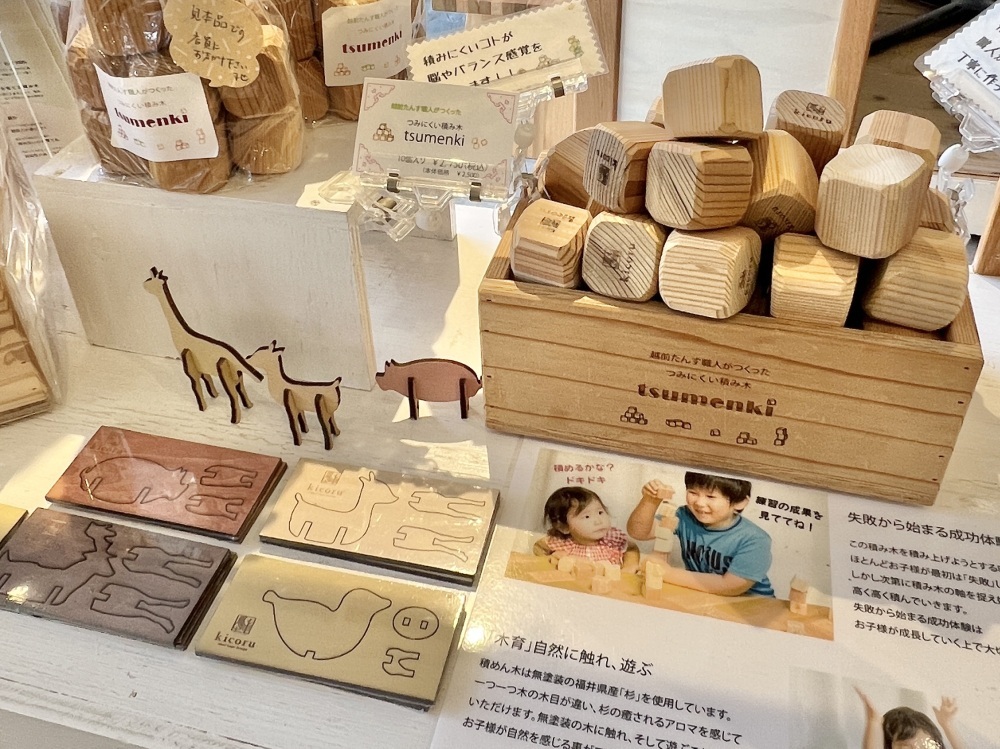
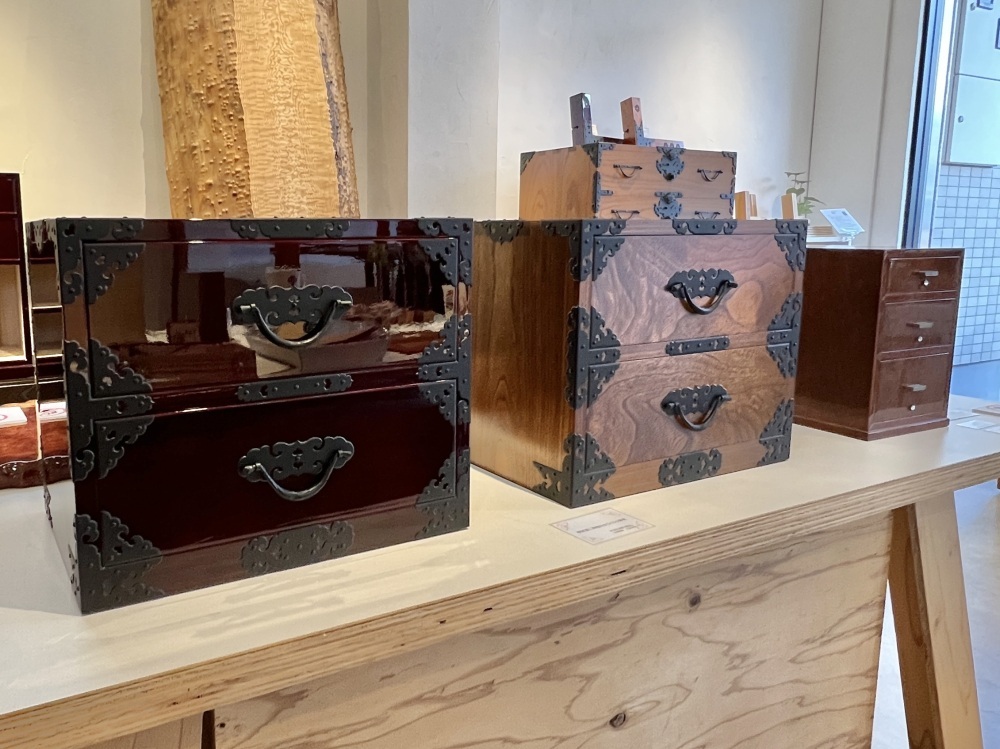
"Oyanagi Tansu-ten" in Echizen City is a Shinise (A long-established shop with a history and tradition) with over 100 years of history. Its atelier, opened in 2014, showcases the brand "kicoru," born from a deep dedication to wood. The shop features various items such as business card cases, wooden speakers, and Moku-iku (Wood education - items designed to foster familiarity with wood) products. These products utilize traditional Echizen Tansu (Traditional wood-jointed chests) techniques while providing innovative ideas for modern daily life. Knowing the artisan's passion behind each piece makes them even more special. Consultations for custom-made furniture are also available.
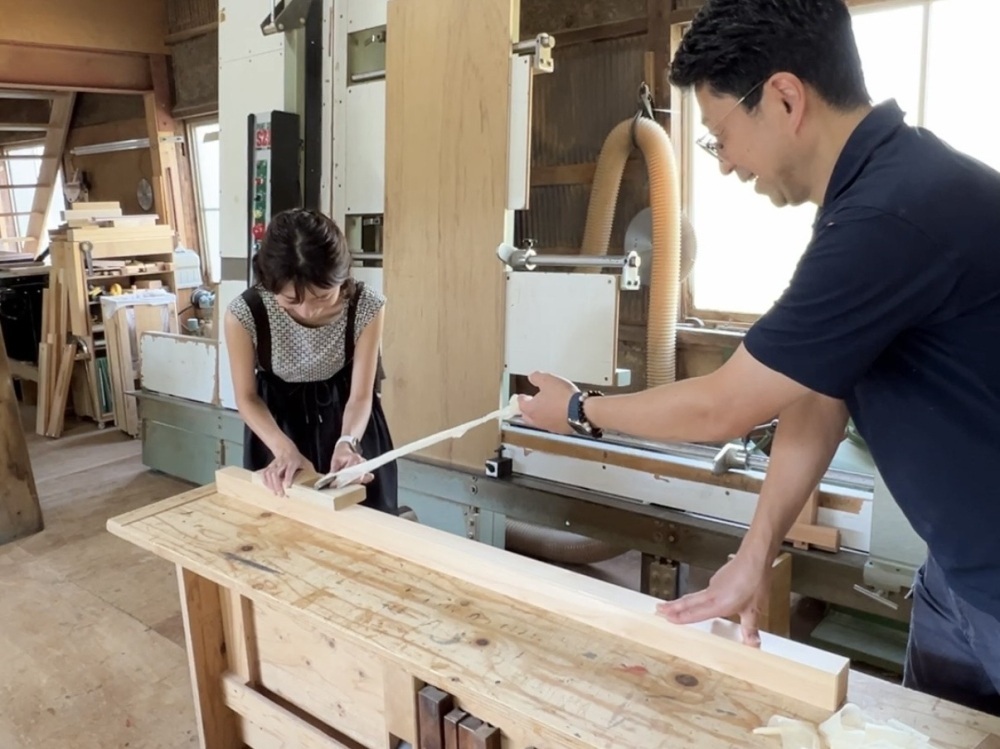
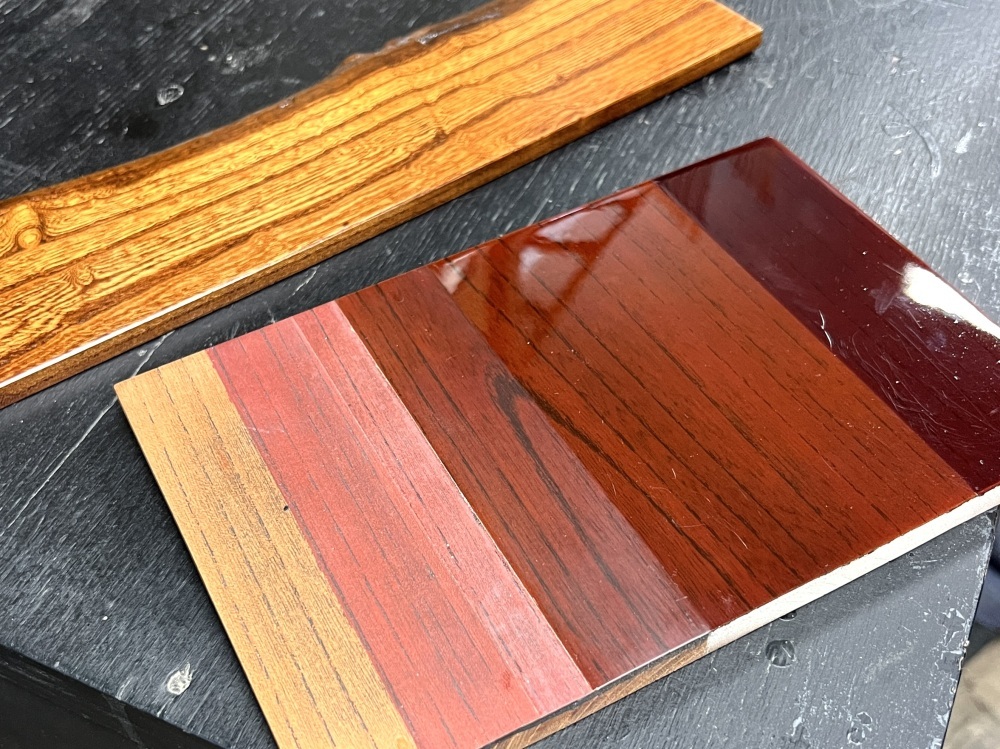
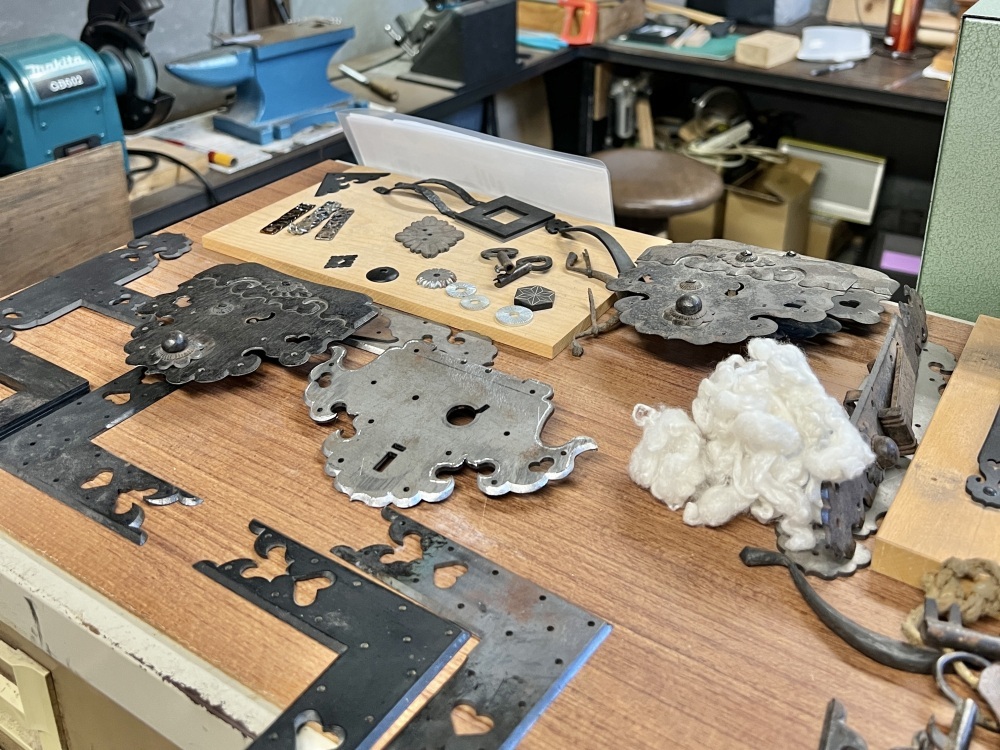
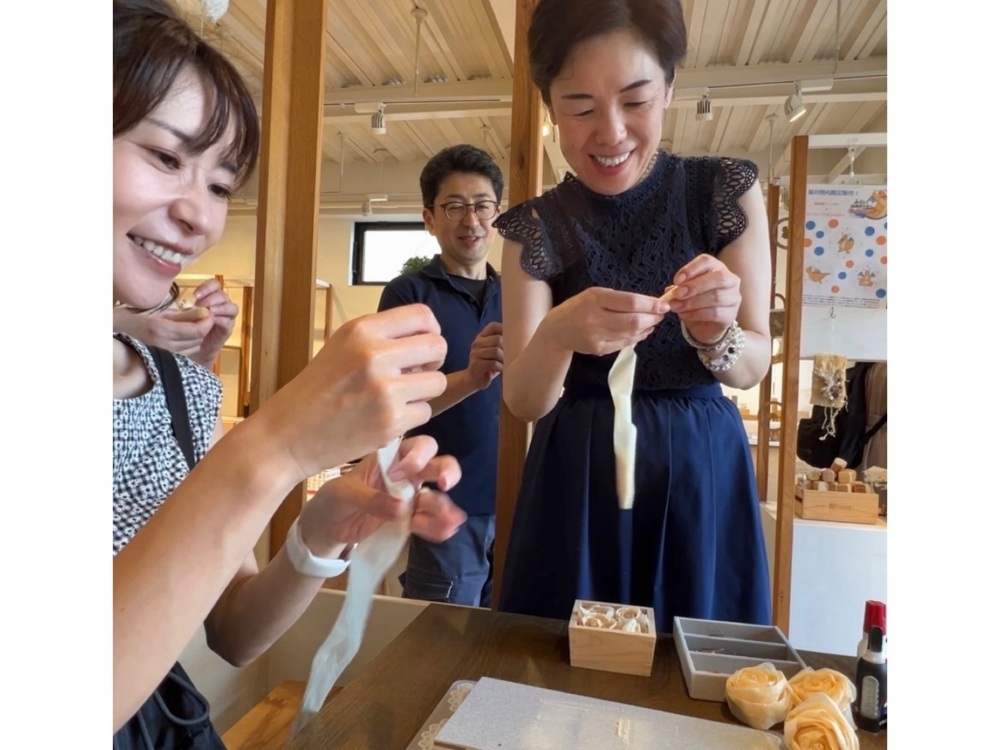
Here, you can enjoy workshop tours and hands-on sessions. After observing the processes of "Wood," "Lacquer," and "Iron" that support Echizen Tansu making, try the "Fuku-hinoki (High-quality cypress from Fukui) Scented Masu Making and Kanna-kezuri (Wood planing) Experience (4,400 yen including tour)." First, use a Kanna (A traditional Japanese plane) to shave the wood. If done well, you'll produce thin, fluffy wood shavings called Kezuribana (Wood flowers) that look like ribbons. Then, using the artisan's Sashimono-gijutsu (Traditional wood joinery technique without nails), carefully assemble the wooden boards to form a Masu (A traditional square wooden box).
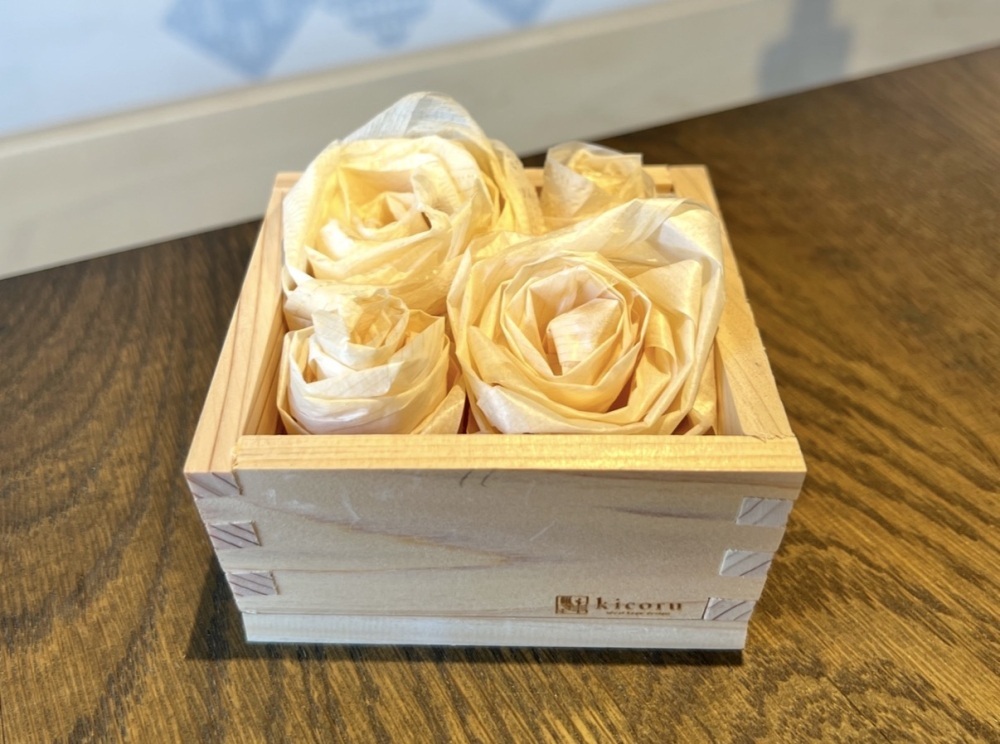
By rolling up the Kezuribana (Thin wood shavings produced during planing), they transform into small floral objects. A pleasant aroma of Hinoki (Japanese cypress) spreads from the finished Masu (Traditional square wooden box), serving as a gentle accent for your room. This experience is filled with the warmth of wood, fostering a special attachment since you make it yourself. Various other workshops, such as making earrings that showcase the natural wood grain, are also available.
-------------------------------------------
[ Oyanagi Tansu-ten / kicoru ]
Address: 10-7 Takefu Yanagi-cho, Echizen City, Fukui Prefecture
TEL: 0778-22-1854
Business Hours: 10:00–19:00
Closed: Irregular holidays
*Please inquire in advance regarding business hours, holidays, and workshops. Oyanagi Tansu-ten
Official Website: https://oyanagi-tansu.jp/[JP]
Oyanagi Tansu-ten Official Instagram: @echizentansu.oyanagi
kicoru Official Website: https://kicoru.com/[JP]
kicoru Official Instagram: @kicoru2013
[Echizen Uchihamono (Traditional hand-forged cutlery)] Experience Ryoba-togi (Double-edged blade sharpening) at "Takefu Knife Village" in Echizen City
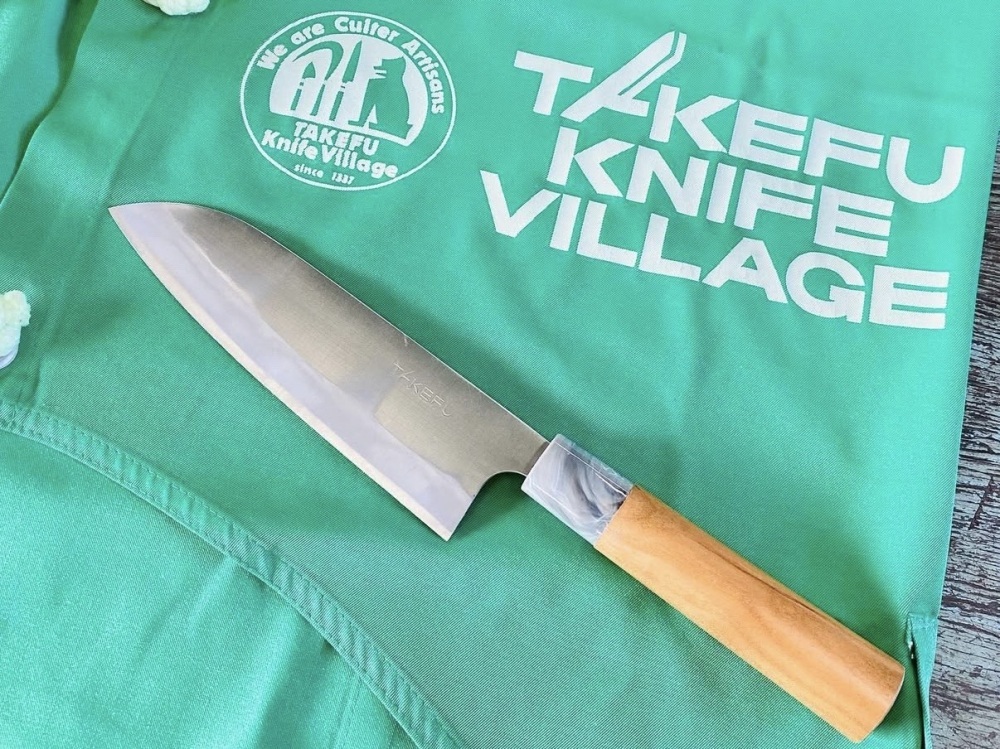
Originating from agricultural sickles during the Nanboku-cho period (The period of Northern and Southern Courts, 1336–1392) about 700 years ago, it has evolved into modern kitchen knives. Echizen Uchihamono (Hand-forged cutlery), which pursues functionality and sophisticated design while preserving history and skill, is highly acclaimed internationally. A key feature is that they can be re-sharpened, allowing them to be used for a long time in daily life.
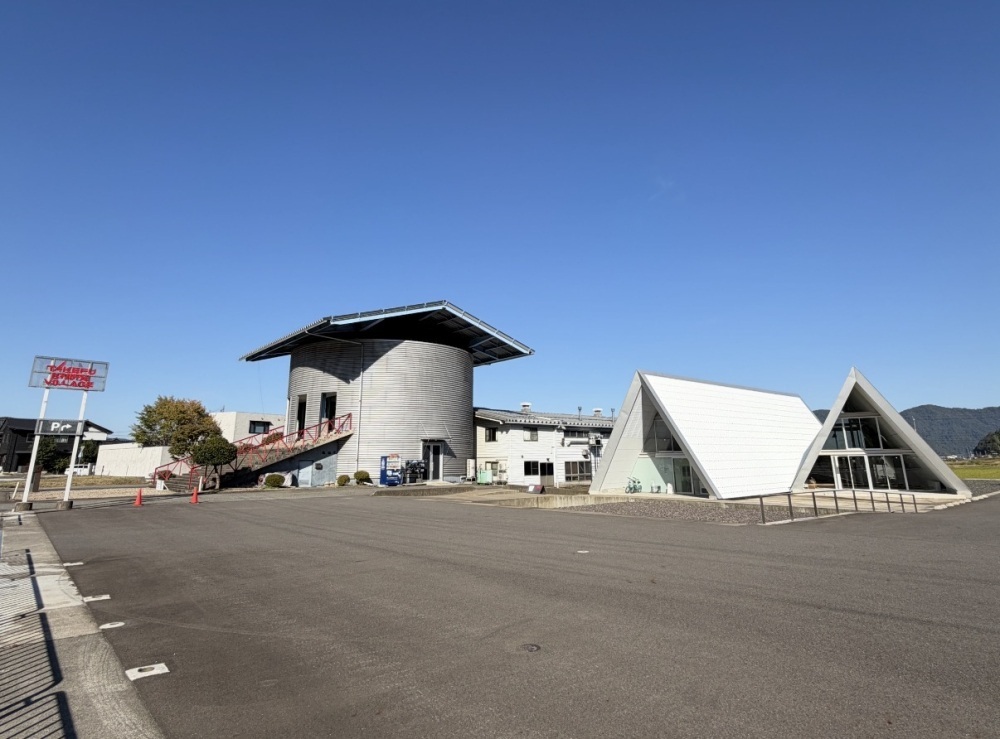
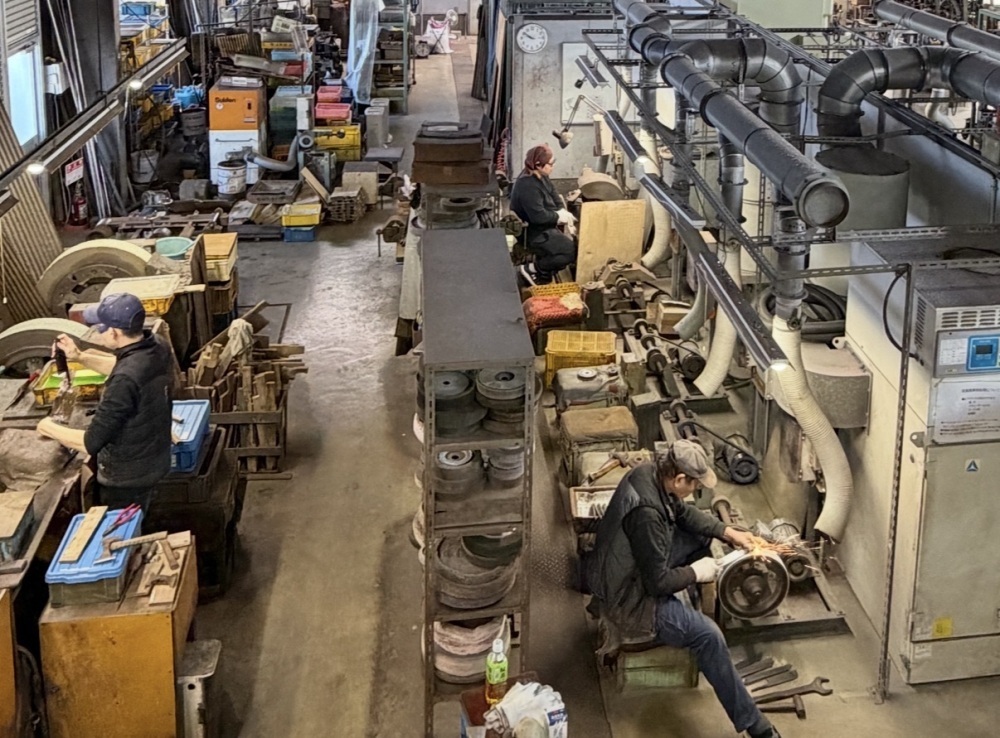
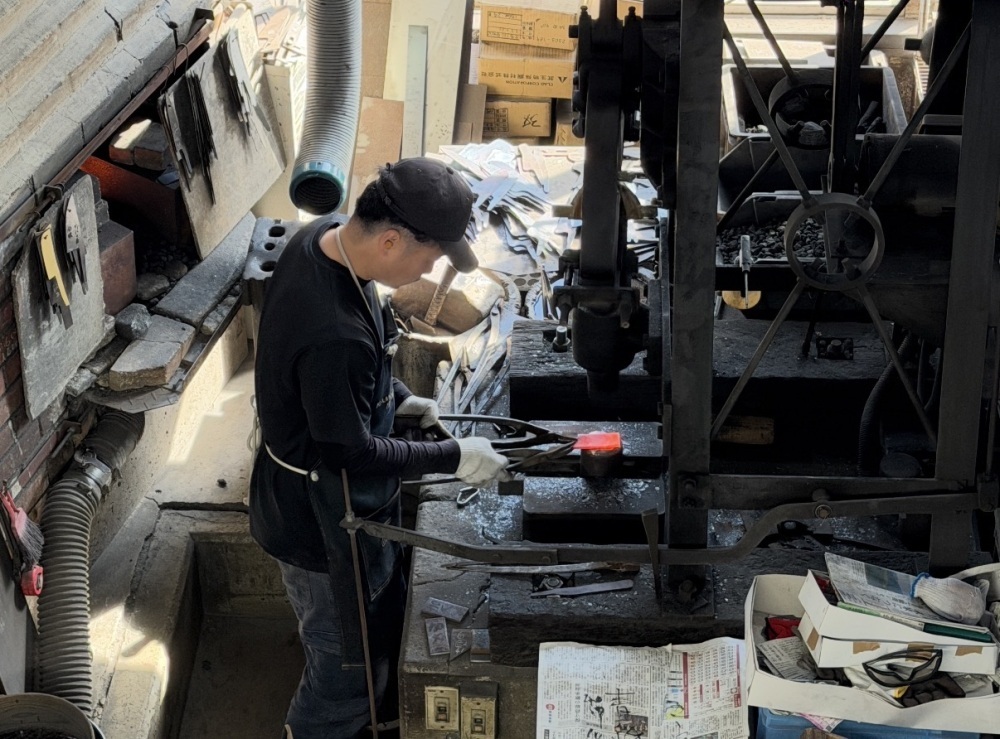
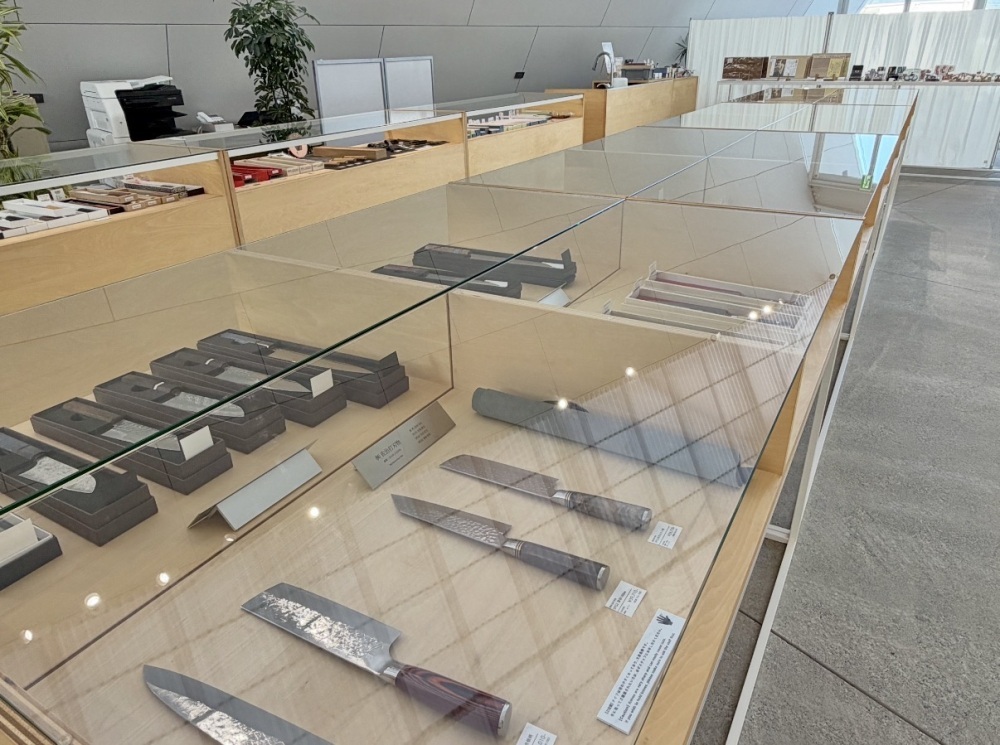
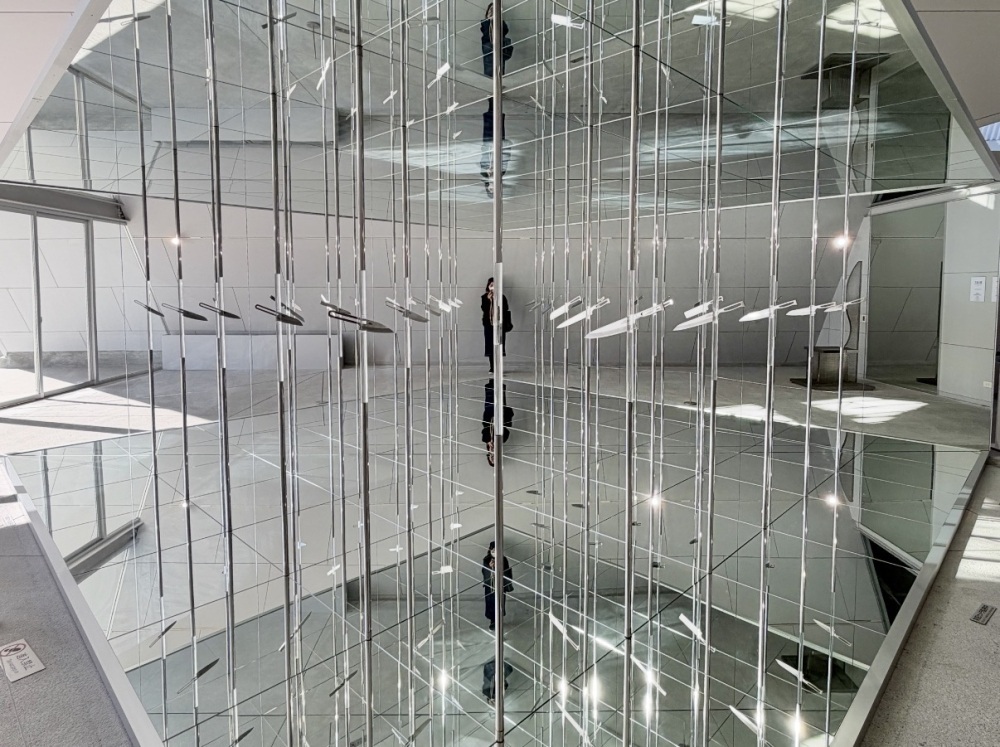
Takefu Knife Village in Echizen City is a spot that carries on the tradition of Echizen Uchihamono (Forged cutlery). The facility is divided into three areas: "Factory Tour," "Shop," and "Workshop." The factory is a "Kyodo-kobo" (Shared workshop) where artisans from 9 different companies gather. From the ramp, you can look down over the entire spacious workshop and get a panoramic view of the artisans at work. Tours are free and open at all times. As artisans are off on Sundays and holidays, a weekday visit is recommended if you wish to see the actual production process. There are also exhibits where you can learn about the history and manufacturing process. The onsite shop features a wide array of products from 14 cutlery companies. Staff members are available for consultation, helping you find the perfect knife that suits your needs. Furthermore, the exhibition of knife works by world-renowned industrial designer Kazuo Kawasaki (born in Fukui) is a must-see. They are highly "Instagrammable" and very popular among visitors!
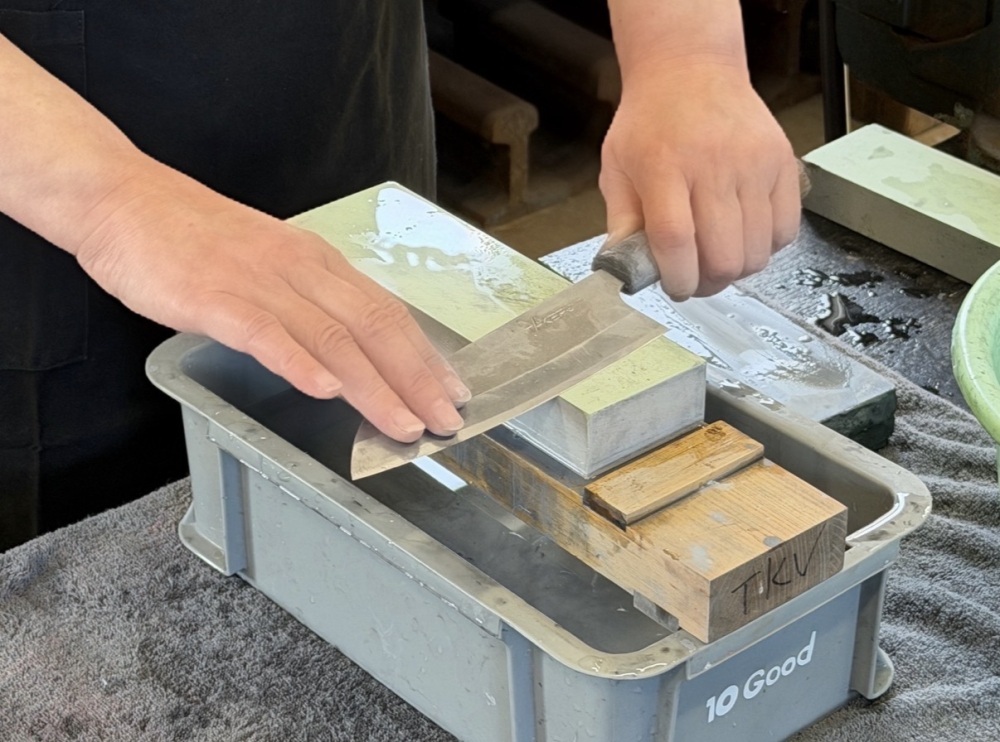
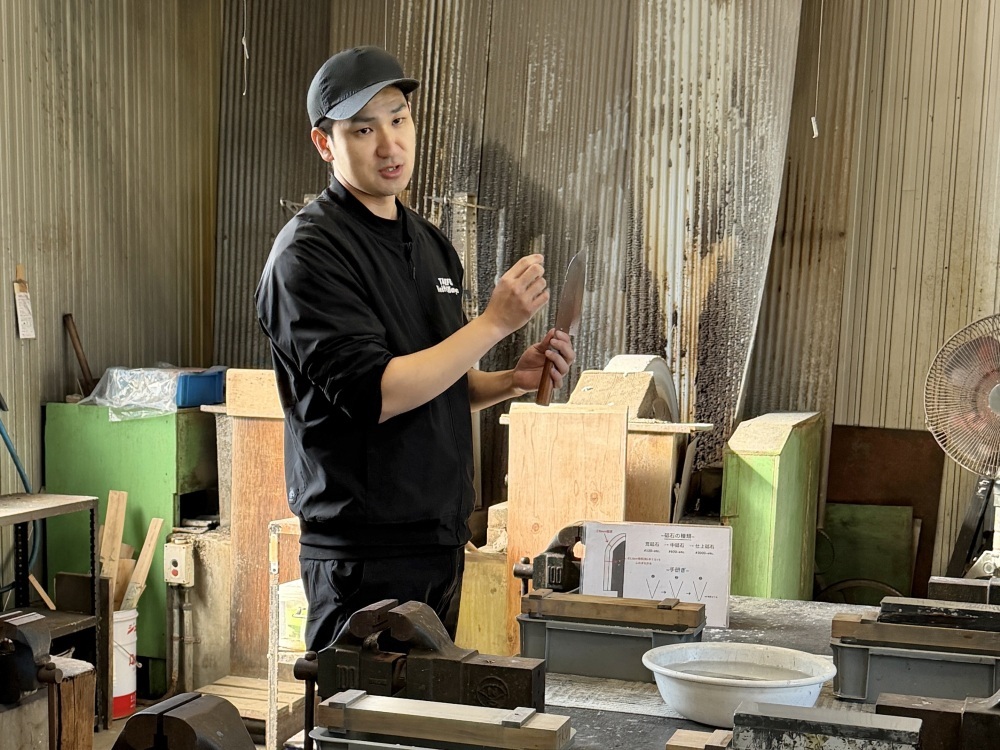
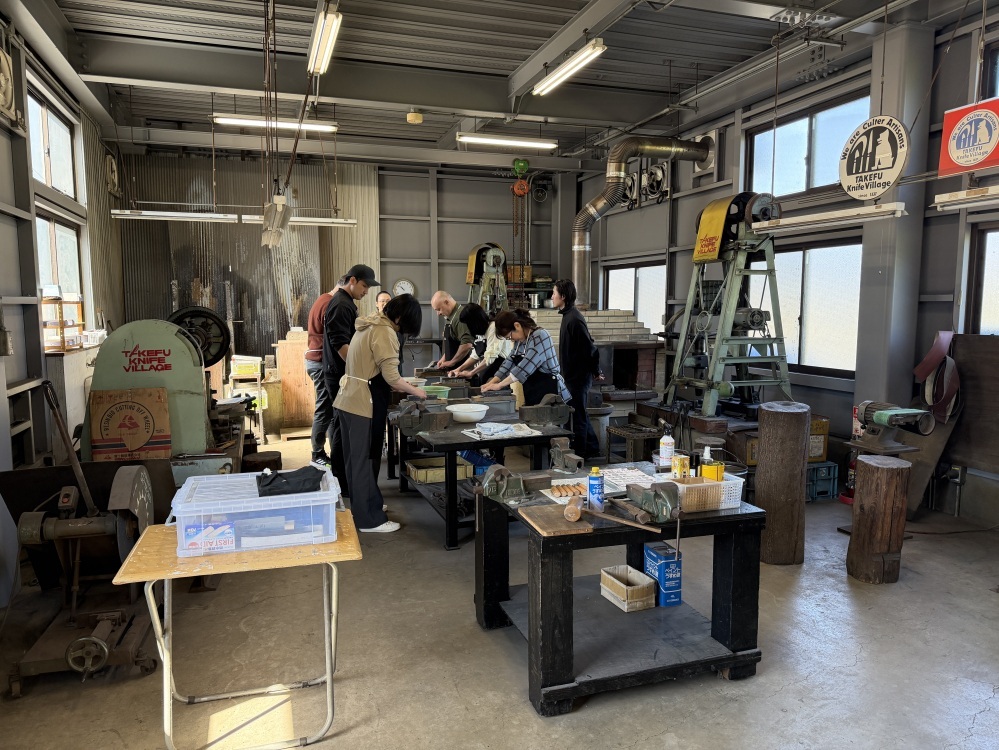
Among the various experiences available, we introduce the popular "Ryoba-togi (Double-edged sharpening) Experience (6,000 yen)." Artisans provide careful guidance while watching your technique, so even beginners can participate with peace of mind. As you carefully slide the blade over the Toishi (Whetstone) and polish it bit by bit, you can see the appearance of the metal transform and its brilliance increase before your eyes.
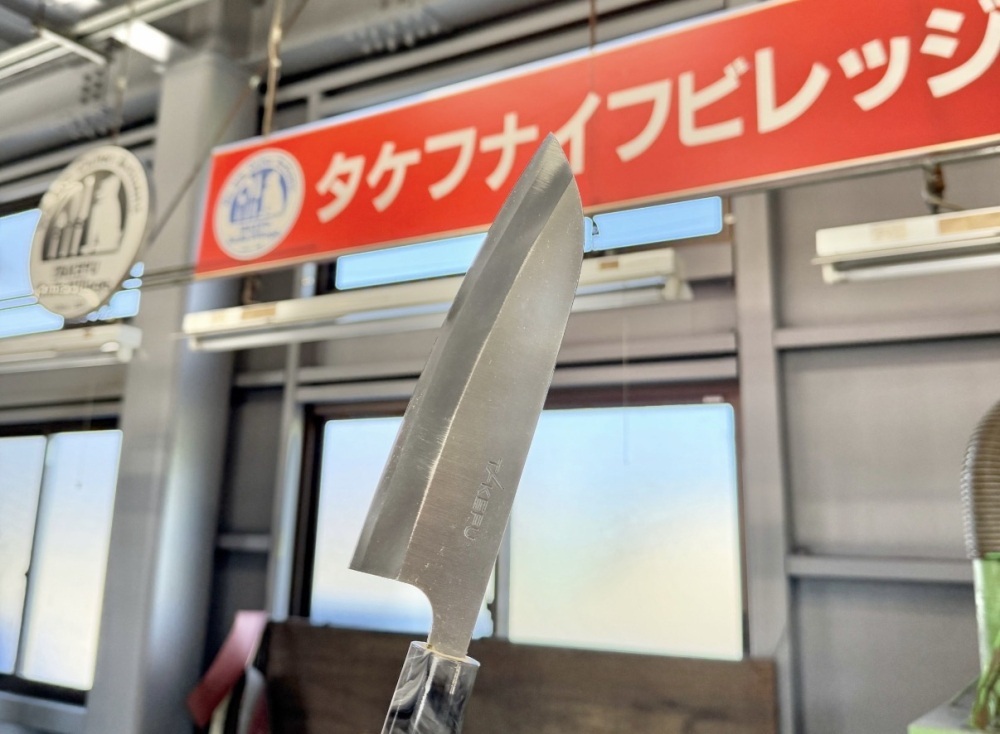
After focusing on the sharpening (Togi) process, the final step is attaching the handle (Tsuka) to finish the knife. In about 1 to 2 hours, your own "My Knife" is complete! Cooking your daily meals with a knife you sharpened yourself will surely double the joy and deliciousness.
-------------------------------------------
[ Takefu Knife Village ]
Address: 22-91 Yokawacho, Echizen City, Fukui Prefecture
TEL: 0778-27-7120
Hours: Reception 9:00–17:00
*Reservations are required in advance for workshops.
Official Website: https://www.takefu-knifevillage.jp/[JP]
Official Instagram: @tkv_info
[Echizen Shikki (Traditional Lacquerware)] Experience E-tsuke (Decorative hand-painting) at "Urushi no Sato Kaikan" (Echizen Lacquerware Hall) in Sabae City
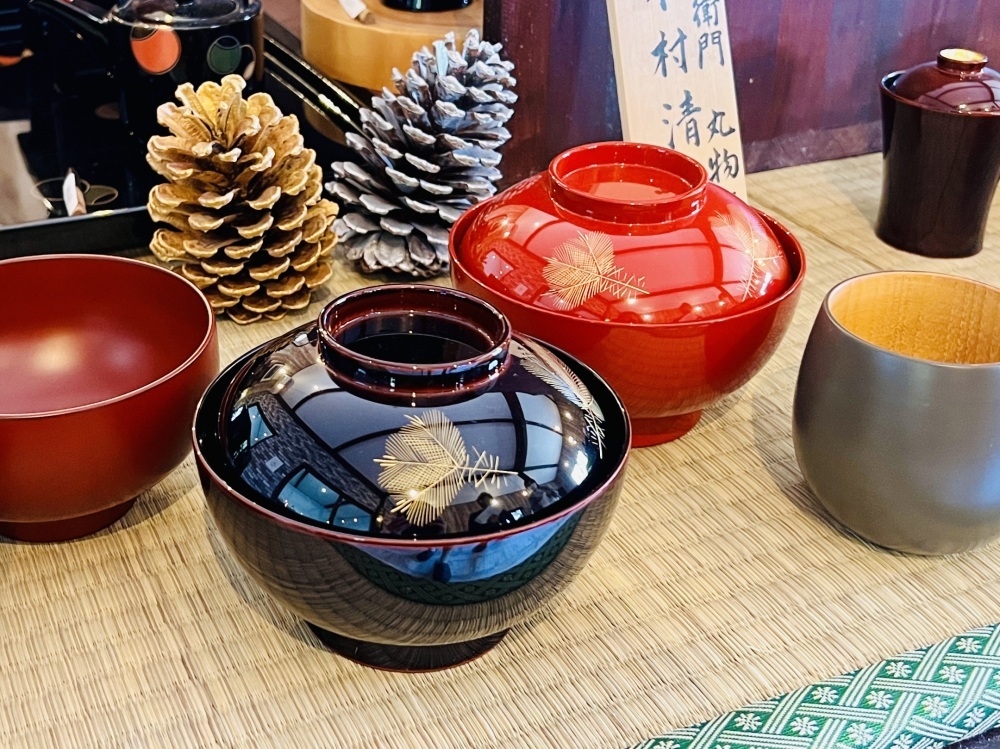
Echizen Shikki has a history of approximately 1,500 years. Since the Edo period (1603–1867), it has incorporated Maki-e (Gold or silver lacquer painting) from Kyoto and Chinkin (Gold-filled engraving) from Wajima, evolving into gorgeous designs. While maintaining the tradition and functionality of Urushi (Natural Japanese lacquer) used for over 10,000 years, products with modern color variations and dishwasher-safe features are increasing.
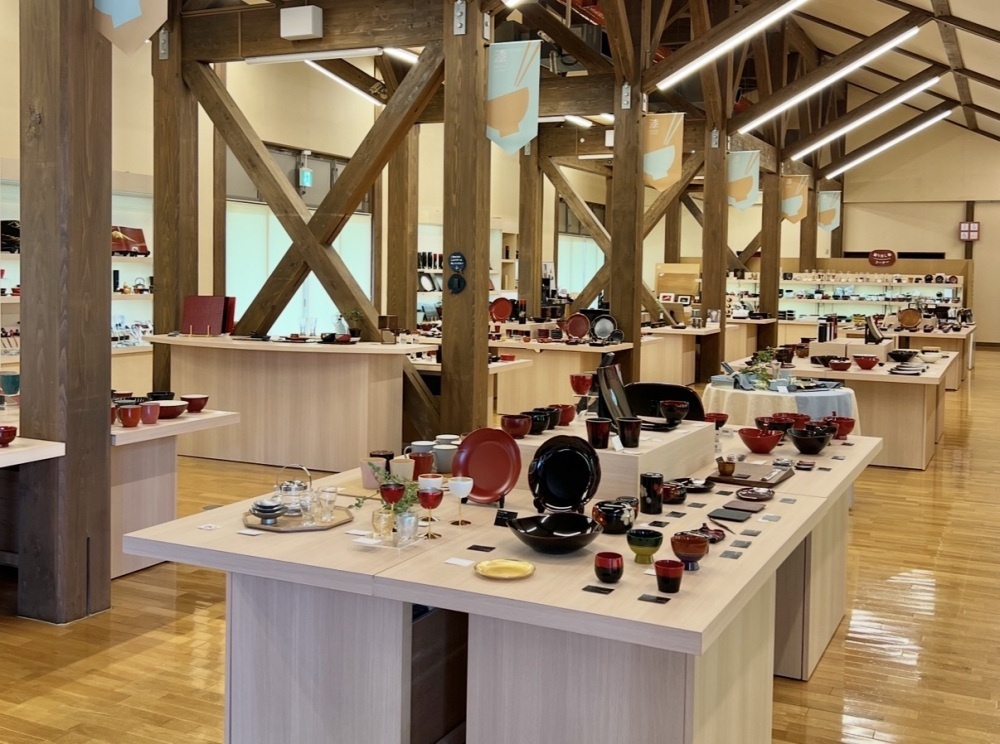
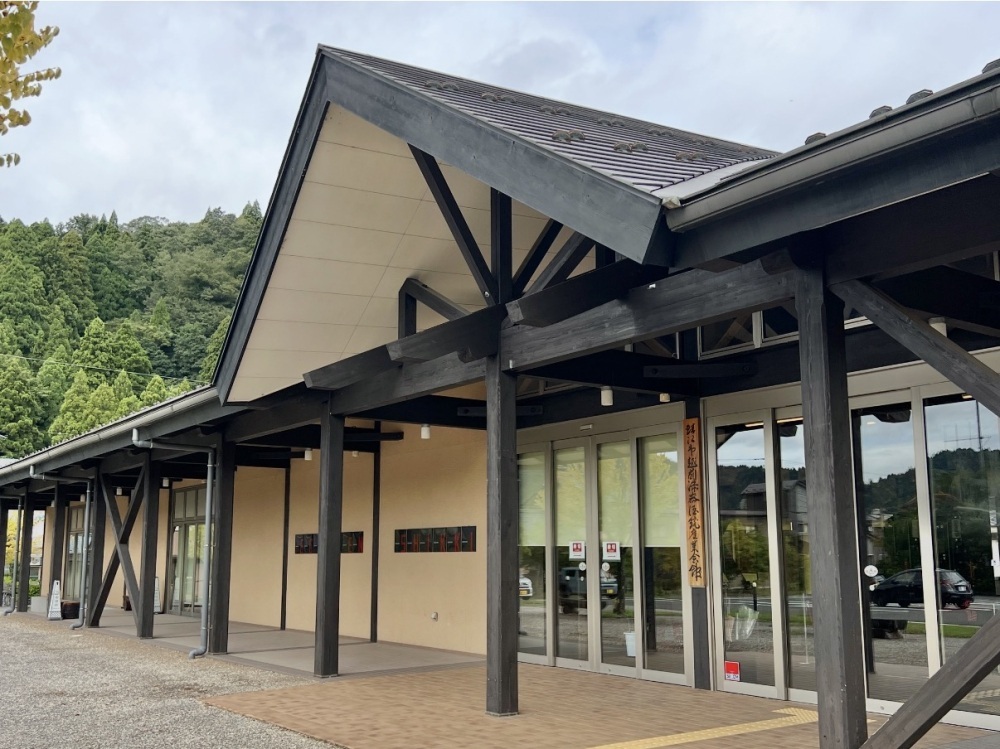
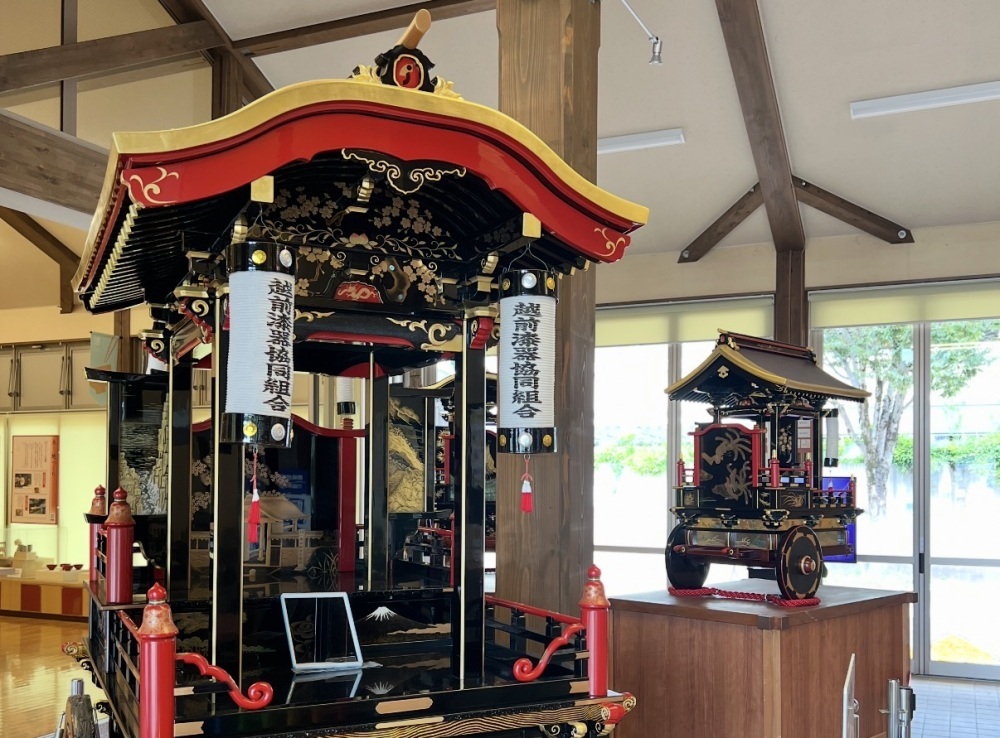
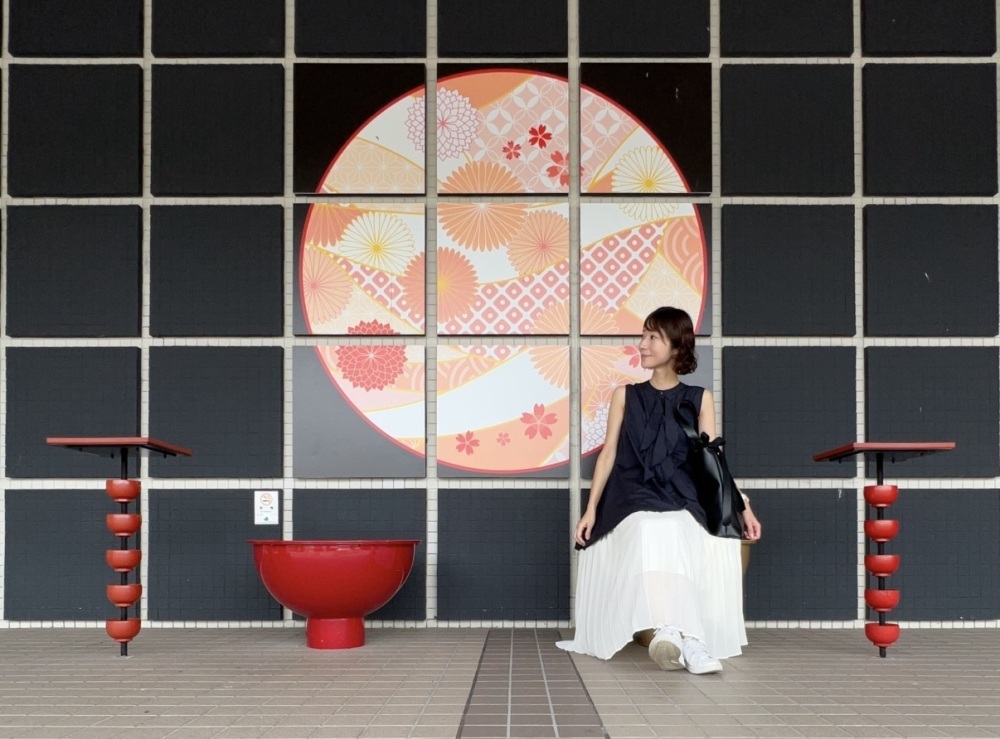
At "Urushi no Sato Kaikan" (Lacquerware Village Museum) in the Kawada area of Sabae City, visitors can learn about the history and background of Echizen Shikki, as well as view exhibits and observe the production process. The facility features a diverse range of lacquerware crafted by local workshops, and the shop space is well-stocked for purchasing.
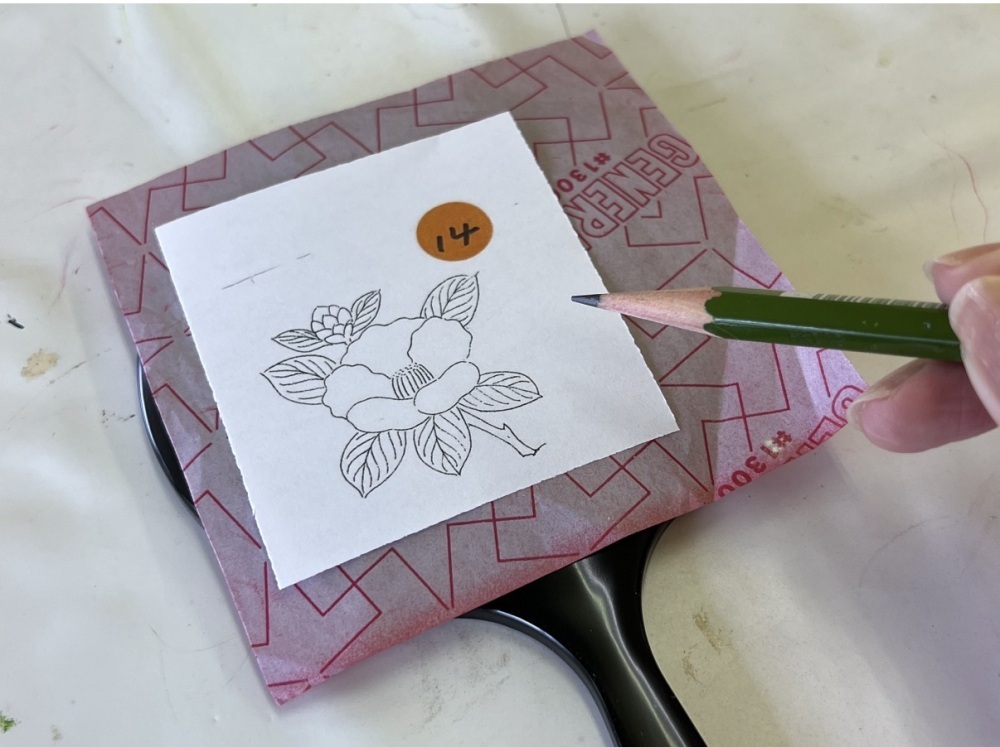
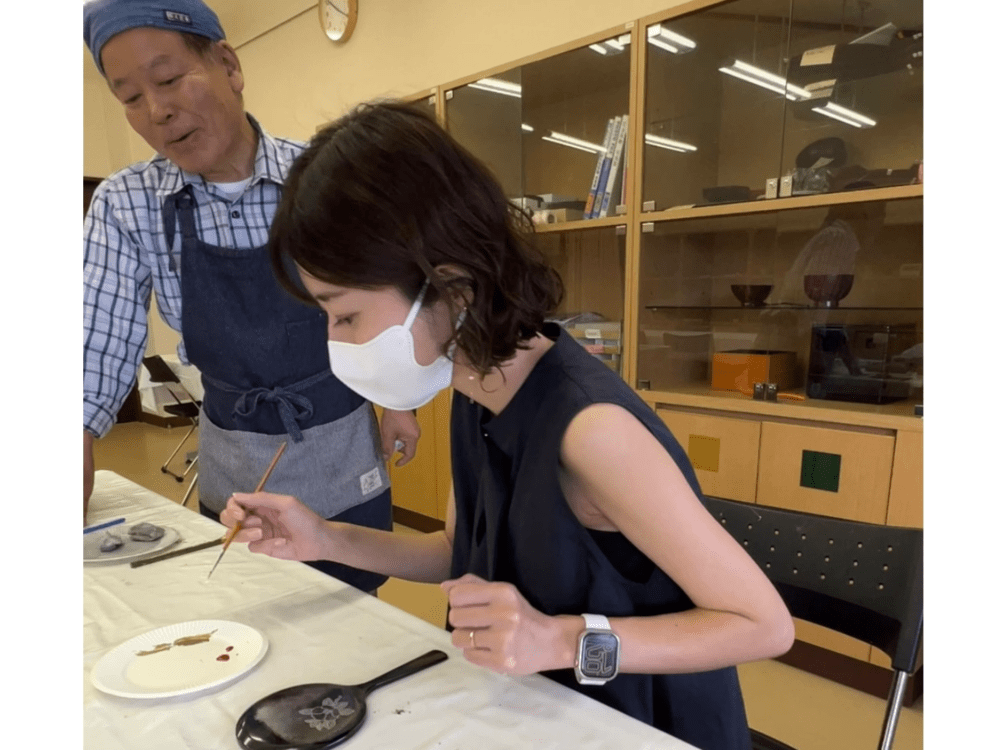
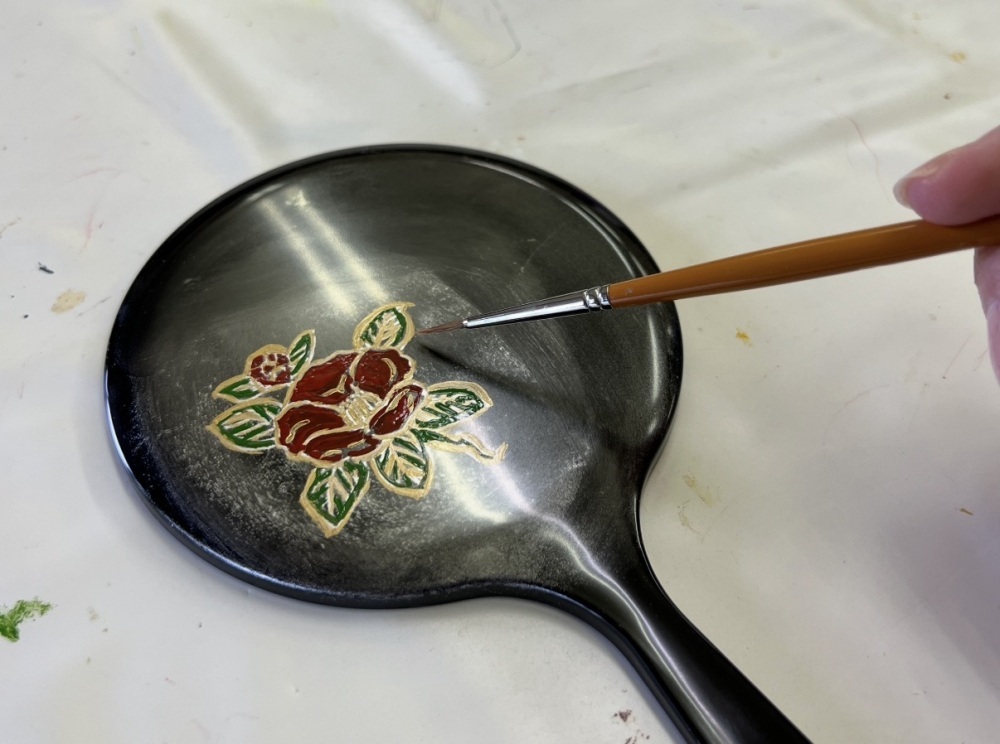
In the "E-tsuke (Decorative hand-painting) Experience (2,200 yen)" workshop, you can choose one favorite item from various lacquer accessories such as bowls, trays, or hand mirrors. This time, we chose a hand mirror. The freedom of expression is part of the appeal, allowing you to trace designs from templates or draw original illustrations. During the experience, an artisan provides a detailed lecture on the process. Spending about an hour focusing on painting—refining lines and applying colors to enhance the luster of the lacquerware—is a truly luxurious time.
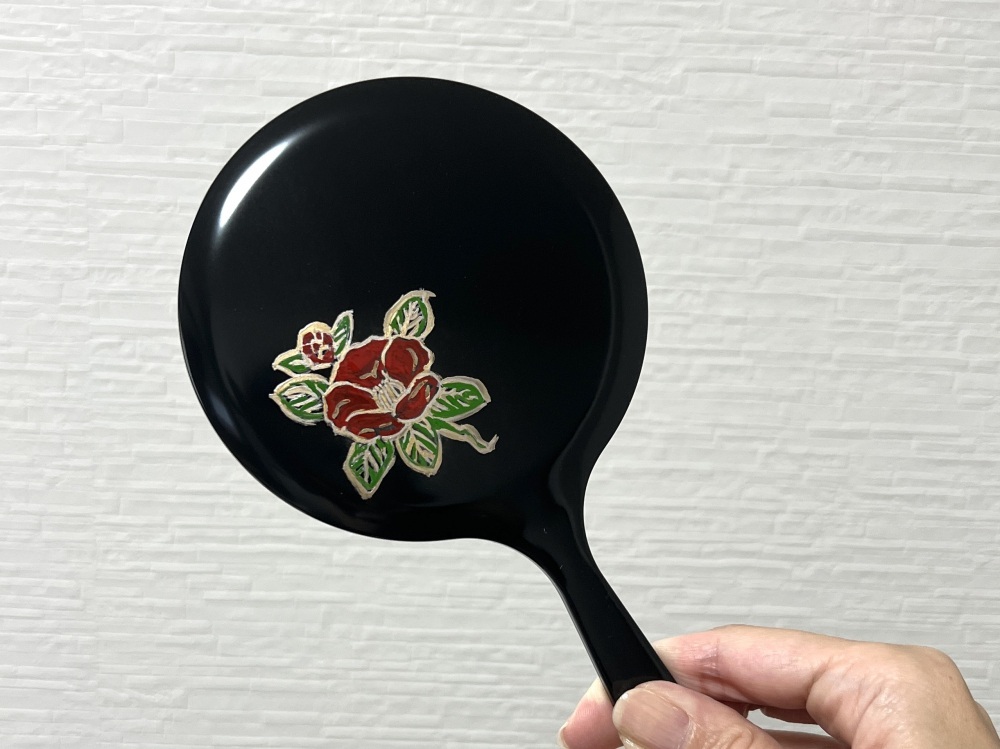
The moment you hold the finished hand mirror, its smooth texture of Urushi (Natural Japanese lacquer) and the cuteness of your design will surely bring a smile to your face.
--------------------------------------------
[ Urushi no Sato Kaikan (Echizen Lacquerware Hall) ]
Address: 37-6-1 Nishibukuro-cho, Sabae City, Fukui Prefecture
TEL: 0778-65-2727
Hours: 9:00–17:00
Closed: 4th Tuesday (If a holiday falls on a Tuesday, it will be open and closed the next day), Year-end and New Year holidays.
*Reservations are required in advance for workshops.
Official Website: https://www.echizen.or.jp/
[Eyeglasses] Experience Bracelet-making at "KISSO" in Sabae City
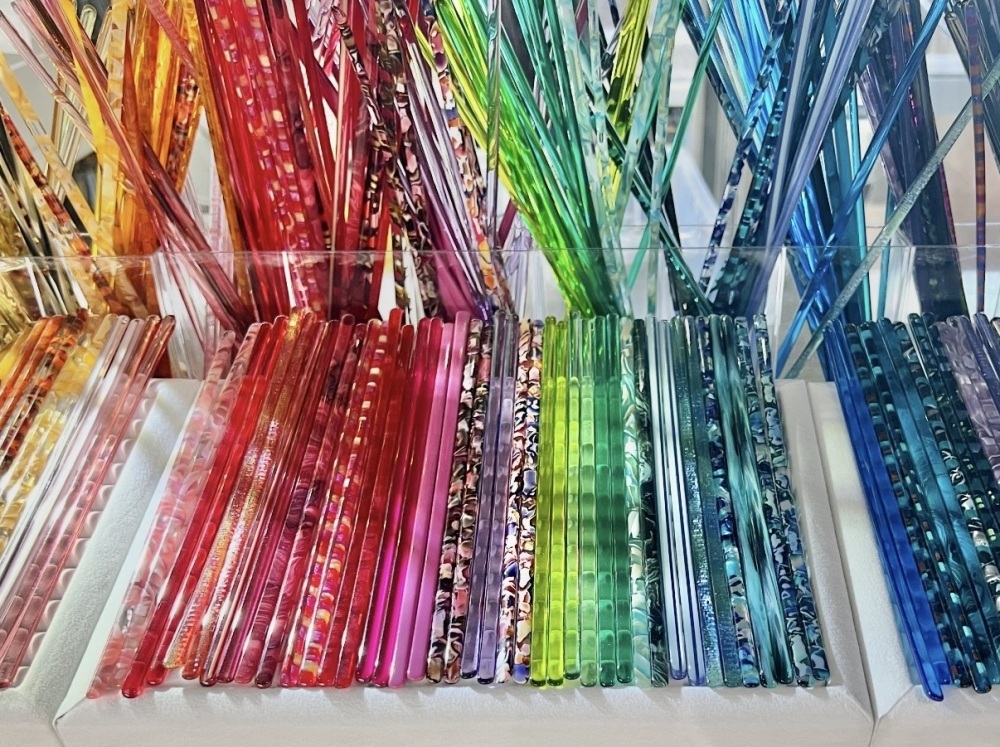
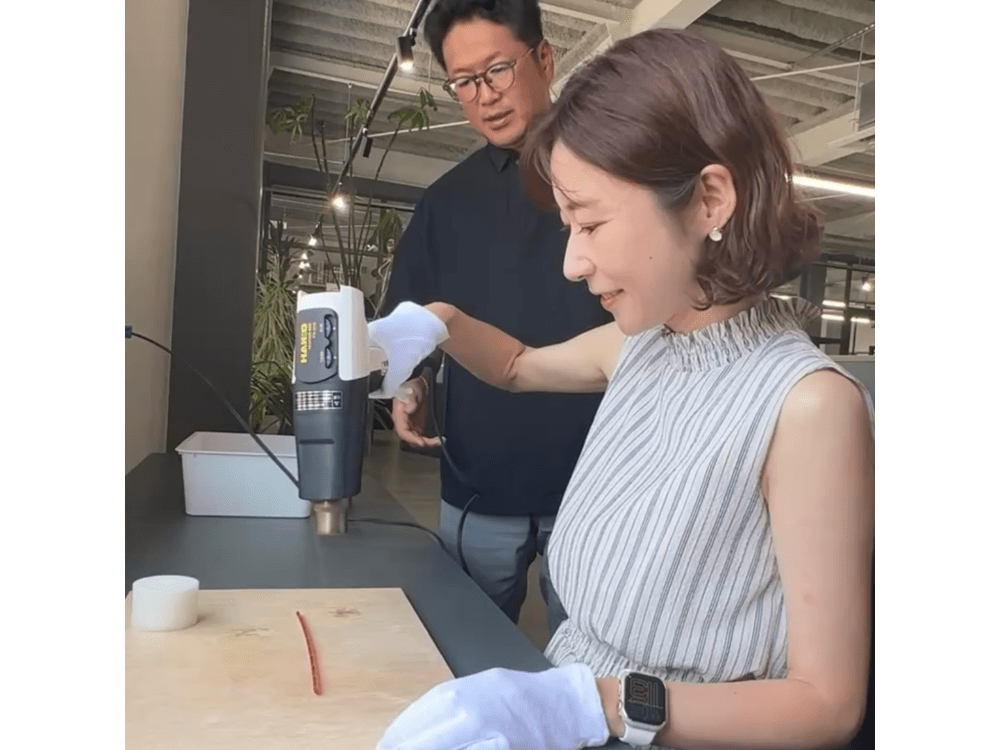
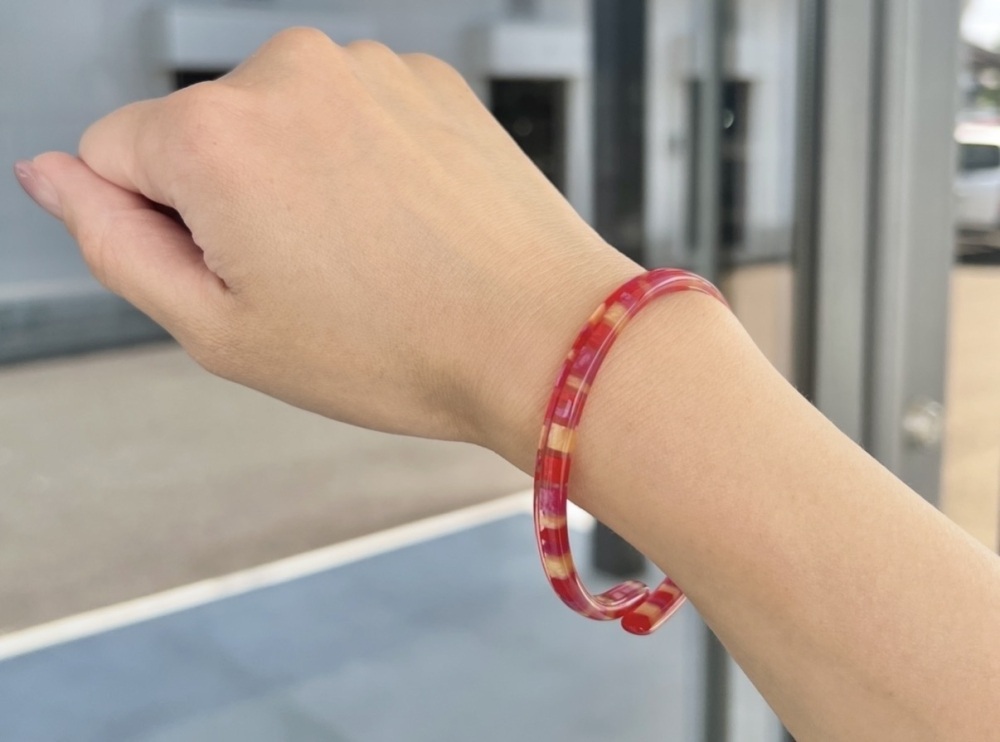
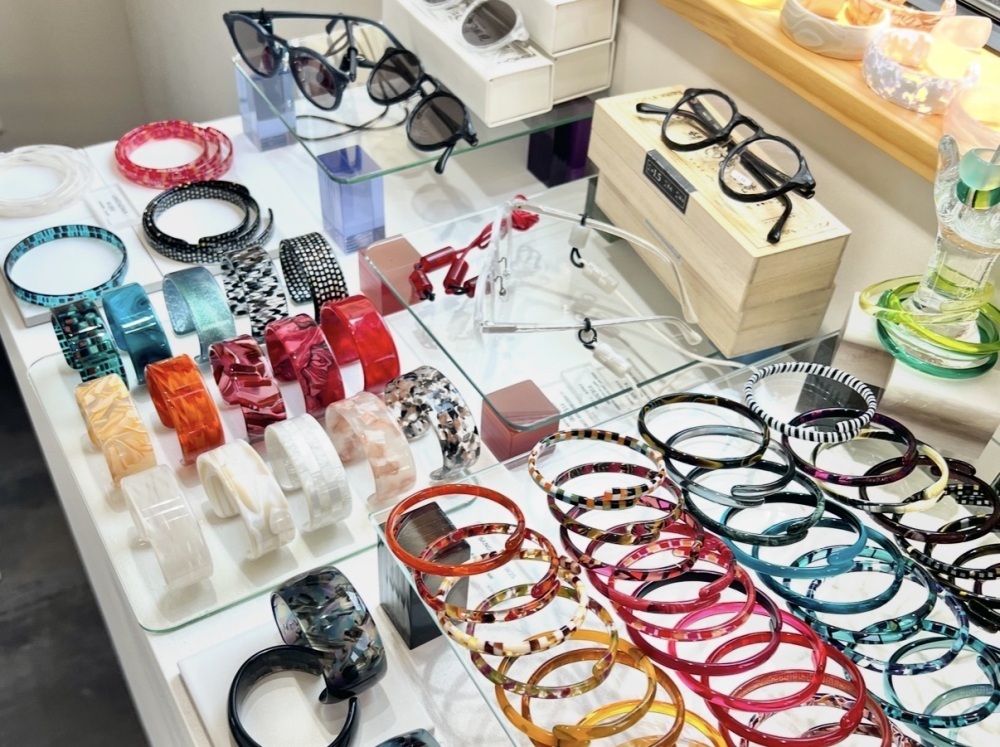
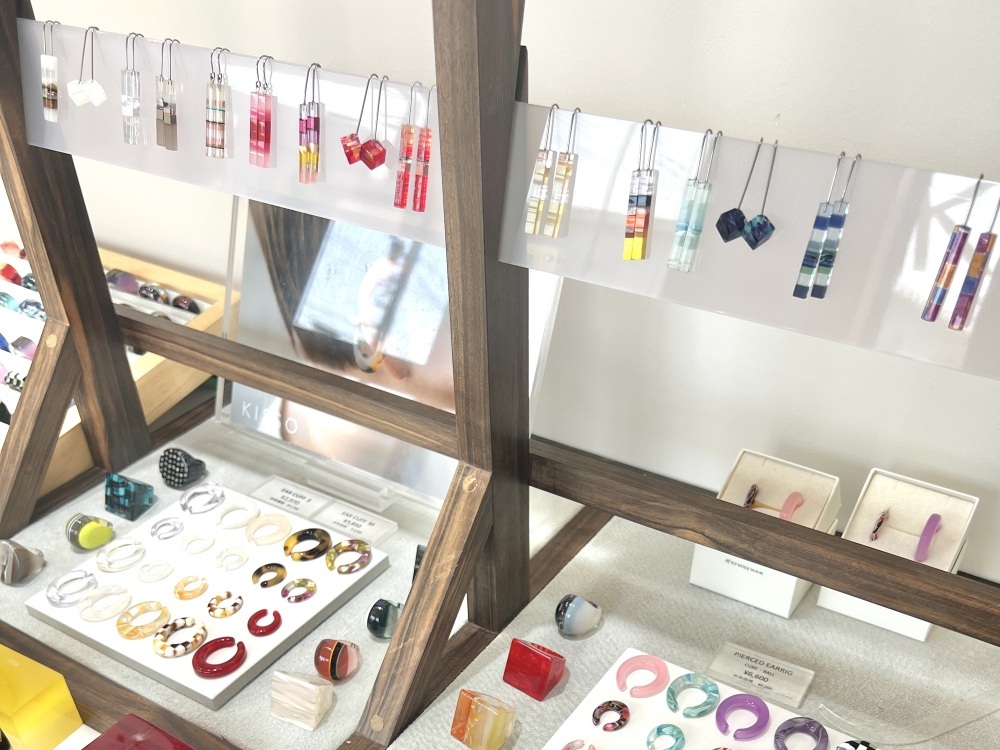
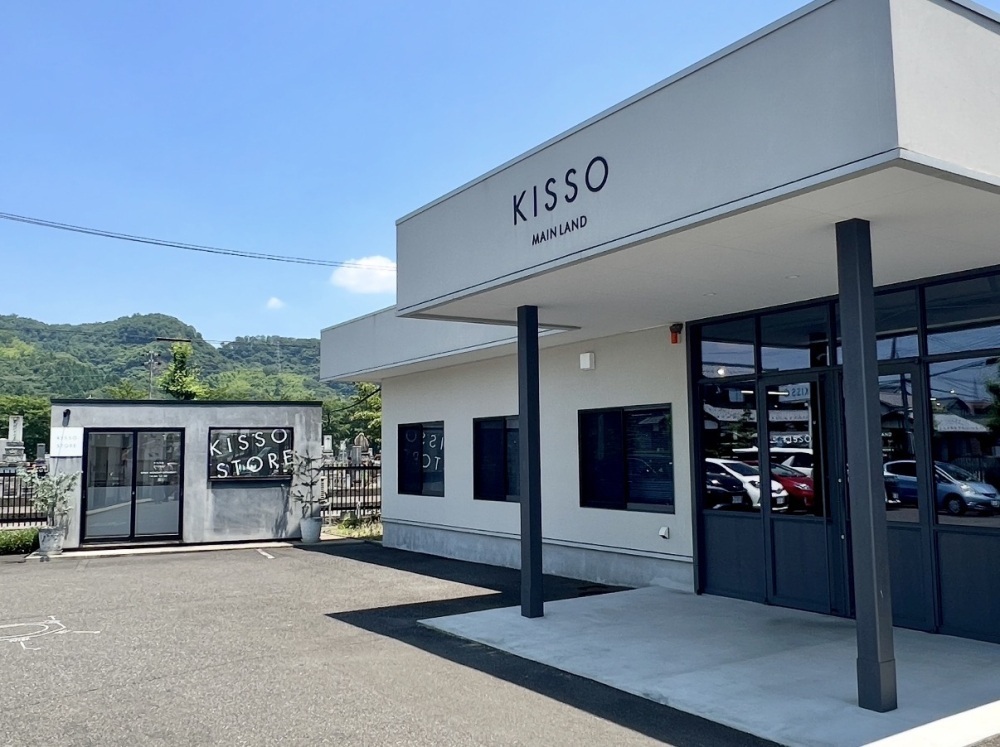
Sabae City is a major production center boasting the top national market share for eyeglass frames. At "KISSO LAND," managed by Kisso Co., Ltd. (A materials trading company specializing in eyewear), visitors can enjoy a hands-on Monozukuri (The Japanese spirit and technique of craftsmanship) experience using Cellulose Acetate (A plant-based resin used for high-quality eyeglass frames). In the popular "Bracelet-making (2,970 yen)" workshop, you select your favorite pattern from a colorful array of Acetate materials. The chosen parts are heated to soften them, then bent and shaped using special molds. Finally, after a polishing process to bring out a beautiful luster... your original bracelet is complete! Because it is handmade, the joy of wearing it is truly special.
[ KISSO LAND ]
Address: 4-305-2 Maruyamacho, Sabae City, Fukui Prefecture
TEL: 0778-54-0355
Hours: 10:00–17:00
Closed: Sundays (Except Year-end/New Year and summer holidays)
*Reservations are required in advance for workshops.
Official Website: https://japan.kisso.co.jp/kisso-land[JP]
Official Instagram: @kisso_official
Visiting the sites of Monozukuri (The traditional Japanese concept of craftsmanship and the spirit of making things with care), connecting with the artisans' passion, and shaping something with your own hands—this series of experiences transforms travel from "viewing" into "participating." Why not set out on your own journey to experience the Kogei (Traditional Japanese crafts) of Fukui?
*Prices are subject to change. Please check the official website for the latest information.
Introducing the charms of hands-on experiences at workshops for Echizen Yaki (Traditional pottery from one of Japan's six ancient kilns), Wakasa Nuri (Unique lacquerware from Obama City), and Wakasa Menou Saiku (Traditional agate craftsmanship with roots in the Nara period), as well as woodworking and textiles.
[Fukui Prefecture Tourism Guide Reporter]
Delivering information on the area around Fukui Station (The main transportation hub and gateway to Fukui Prefecture), where I was born, raised, and currently live, as well as trending spots throughout the prefecture.