Attractions
Area
Category
Preferences
Distance
- Sort
- Most Popular
- Last Updated
- Nearest
- Layout
- List view
- Grid view
- Map view
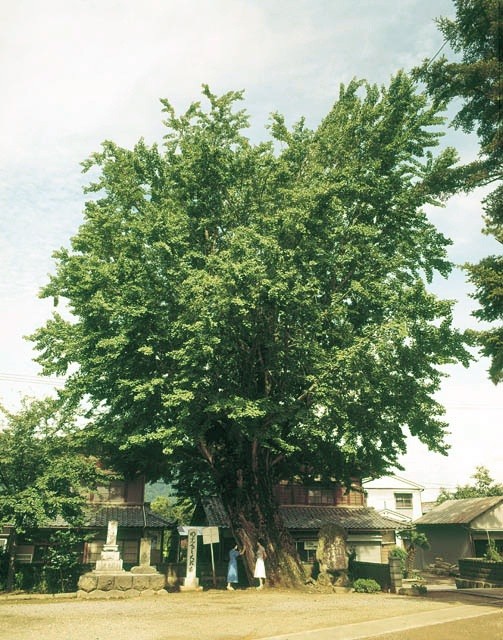
The Great Ginkgo Tree of Myokoji Temple
The great ginkgo tree at Myōkōji Temple is a large female ginkgo located on the western side of the temple grounds and is designated as a Prefectural Natural Monument. Its trunk circumference at breast height is 5.5 meters, its branch spread is app…
- Tannan
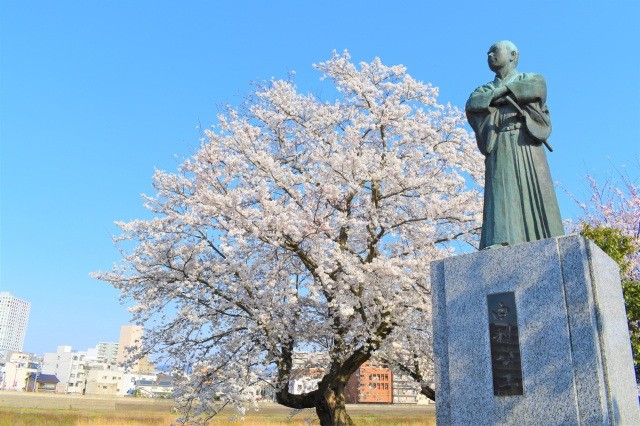
Sanae Park · Statue of Hashimoto Sanae
Hashimoto Sainai was a samurai of the Fukui domain during the late Edo period, a man who demonstrated exceptional talent at a young age. Born the eldest son of a domain physician, he entered the Tekijuku school founded by Ogata Koan in Osaka to stu…
- Awara,Sakai,Fukui
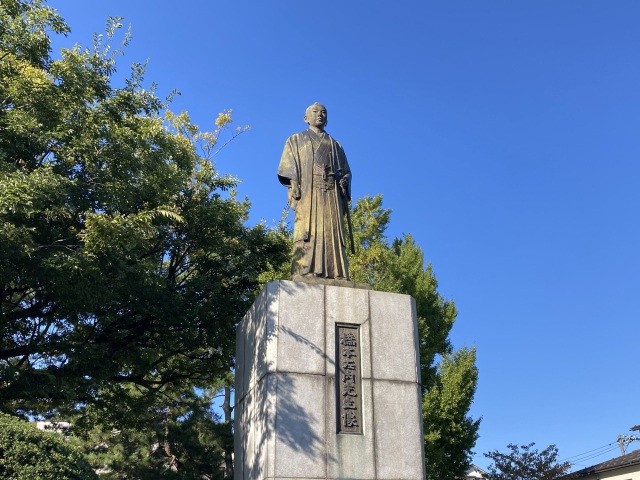
Yuri Kōsei Plaza
A plaza located upstream of the southern end of Sachi Bridge over the Asuwa River, near the site of Yuri Kōsei's residence. It features a statue of Yuri Kōsei facing the direction of the former residence of his mentor, Yokoi Shōnan (located downstr…
- Awara,Sakai,Fukui
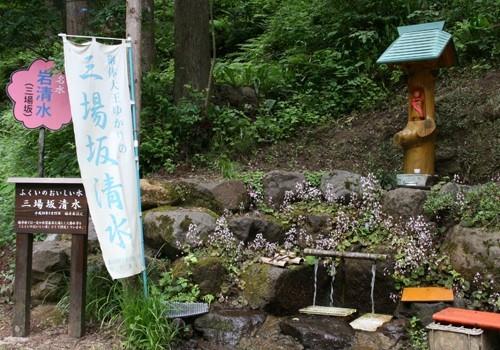
Sanba-zaka Shimizu
Sanbasaka Shimizu is located at the trailhead leading to the location of the Usuzumi cherry tree (a type of Edohigan cherry), said to have been planted by Emperor Keitai. Its water is cold, of excellent quality, and abundant, making it suitable for…
- Tannan
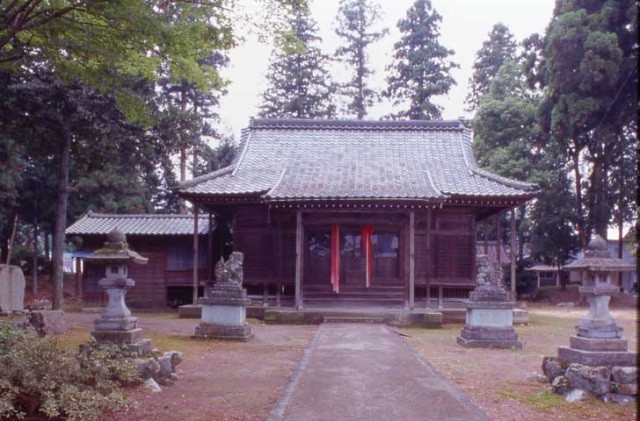
Amino Shrine
A shrine dedicated to Emperor Keitai. Legend holds that Emperor Keitai lived in Ajimano before his ascension to the throne. During the Muromachi period, the Kuratani clan maintained a castle here, and remnants of earthen ramparts remain to the nort…
- Tannan
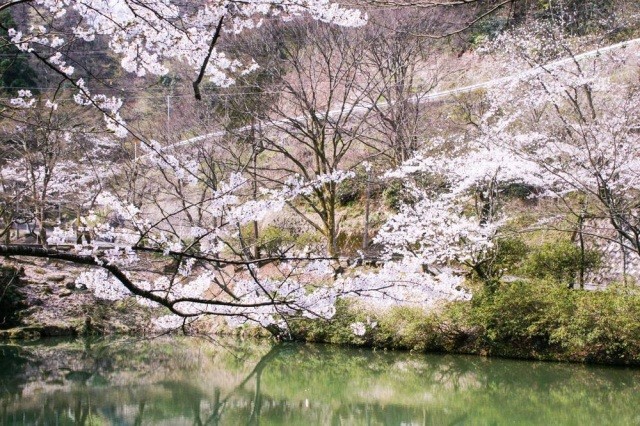
Ashiyama Park
This mountain lies east of Echizen City across the Hino River. Its proximity to the city center and the view of the clear Hino River below led to its development as Ashiyama Park, providing a year-round place of relaxation for citizens. In spring, …
- Tannan
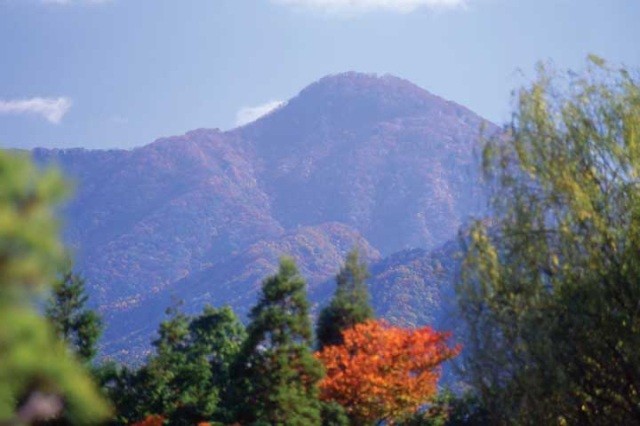
Mount Hinoyama
Located on the border between Echizen City and Minami-Echizen Town, it is said to have been founded in 718 by the eminent monk Taichō Daishi. It has been a sacred mountain since ancient times, with the inner shrine of Hino Shrine situated at its su…
- Tannan
Gekkō-ji Temple
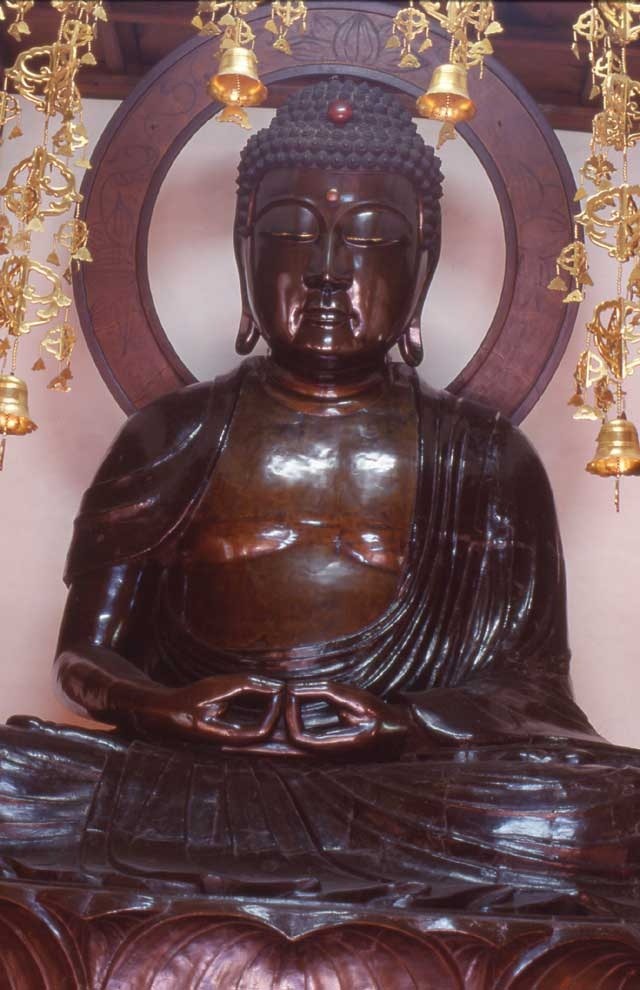
Upon entering the main hall, a magnificent, lustrous bronze Buddha statue immediately greets visitors. Standing approximately 5.5 meters tall from lotus pedestal to crown, it features a serene countenance. Erected in 1847 (Kōka 4), it was dedicated…
- Tannan
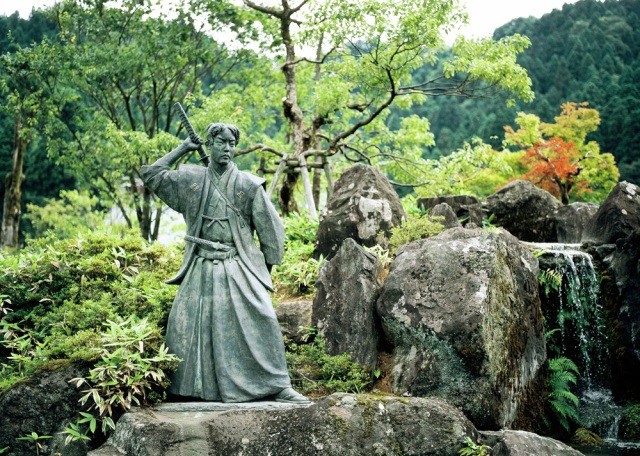
Kojiro Park
A park adjacent to Kōzenji Temple, said to be the birthplace of the legendary swordsman Sasaki Kojirō. Centered around a statue of Kojirō, it features a pond, a stone stage, and other evocative spaces. Cherry blossoms can be enjoyed from early Marc…
- Tannan
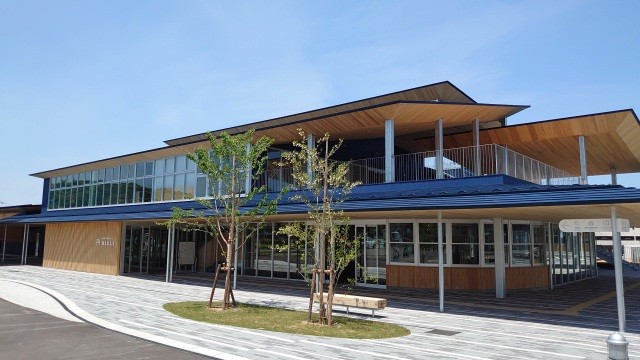
Roadside Station "Wakasa Mihama Hamabiyori"
Located along National Route 27 in front of JR Mihama Station, this roadside station features an open-air space integrated with a covered event plaza and park-like grounds. The two-story facility houses a direct sales market for local agricultural,…
- Wakasa
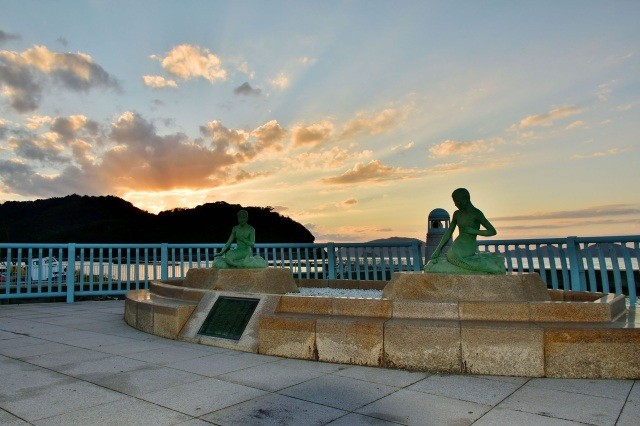
Mermaid Beach
Mermaid Beach, located within Obama Bay, is a popular artificial white sand beach renowned for its exceptional location just minutes from the city center.
- Wakasa
The Solitary Cherry Tree of Zuirinji Temple
From the hill with the solitary cherry tree at Zuirinji Temple, you can take in panoramic views of the Sea of Japan, Lake Kuguko (one of the Sanbōgoko lakes), and the fishing village scenery. This location also served as the setting for the film "S…
- Wakasa
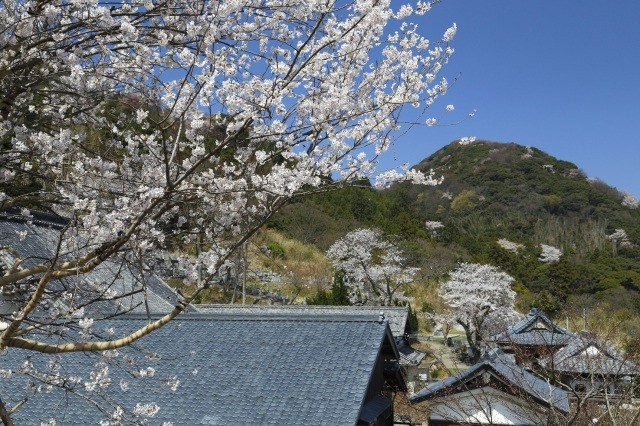
Eigenji
This temple is the family temple of Nijōin Sanuki. Within its grounds stands a monument inscribed with the poem selected for the Hyakunin Isshu anthology: "My sleeves, like the tide's ebb, Are never seen. The offshore rock— Though others may know i…
- Wakasa
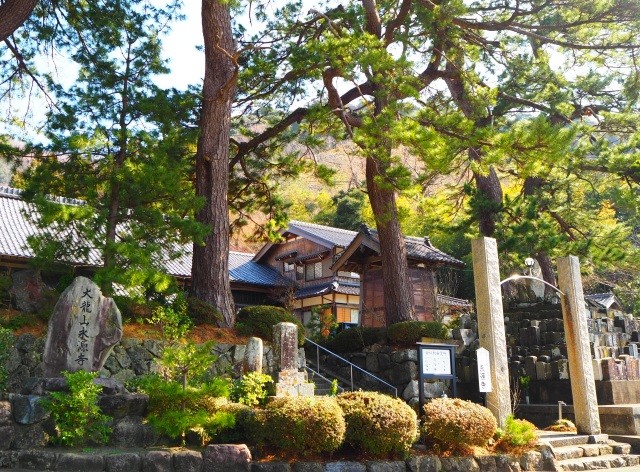
Raigō-ji Temple
Jishū sect temple. Founded in 1387 by Priest Kokua. By the late 16th century, it gained the patronage of Otani Yoshitsugu, lord of Tsuruga Castle. Decorated waist-high sliding screens, said to have been entrusted to the temple by Otani Yoshitsugu b…
- Wakasa
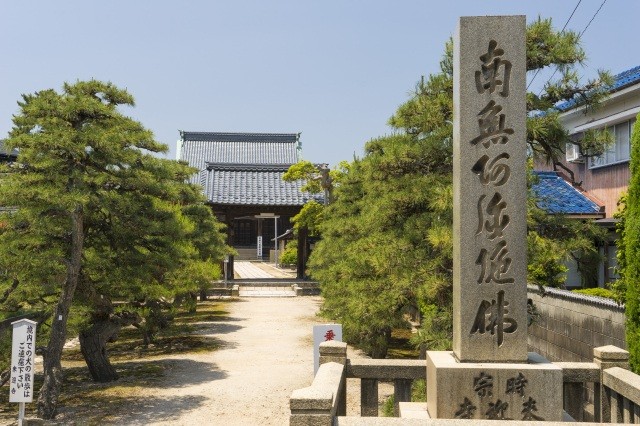
Former Hokuriku Line Tunnel Complex
In 1896, the section between Tsuruga and Fukui on the former Hokuriku Line opened. Particularly challenging was the stretch between Tsuruga and Imajo, characterized by rugged mountains and steep gradients. Twelve tunnels were excavated here, eleven…
- Tannan
- Wakasa
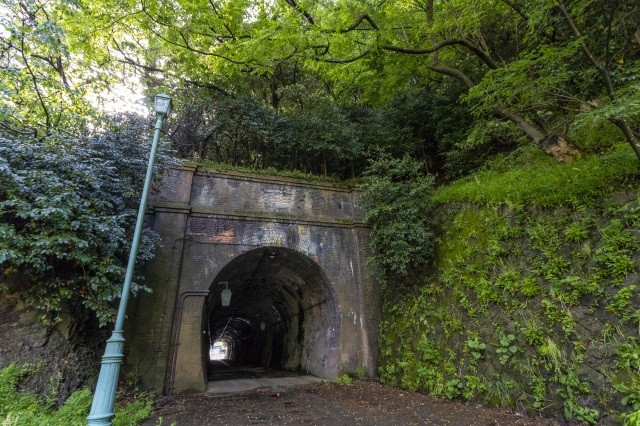
Townscape and Food Pavilion Shikisai-kan Sui-getsu
The Townscape and Food Museum, developed by Obama City as part of its townscape preservation efforts, is housed in the former "Suigetsu" restaurant. Built in the early Meiji period, it served as a central restaurant in Chayamachi throughout the Mei…
- Wakasa
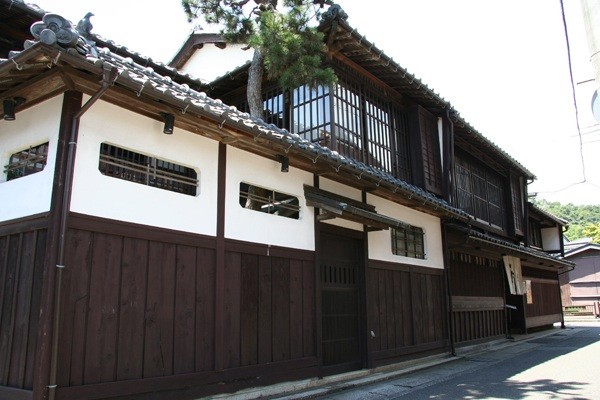
Tsunemiya Shrine
The enshrined deity is Empress Jingū, wife of Emperor Chuai at Kibitsu Shrine, revered as the "Goddess of Childbirth." On July 22 each year, a nationally rare ritual called the Sōsan Festival takes place, where the enshrined deity of Emperor Chuai …
- Wakasa
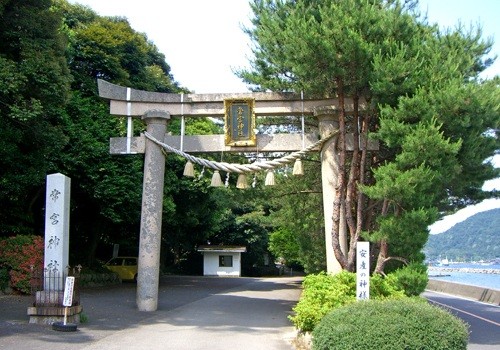
Yamanaka Pass
During the Nara period, travelers entering the province of Etchu (Hokuriku) from the capital crossed the Yamanaka Pass (elevation 389m) from Tsuruga. This was the oldest Hokuriku official road passing through the province of Echizen. It is also cal…
- Tannan
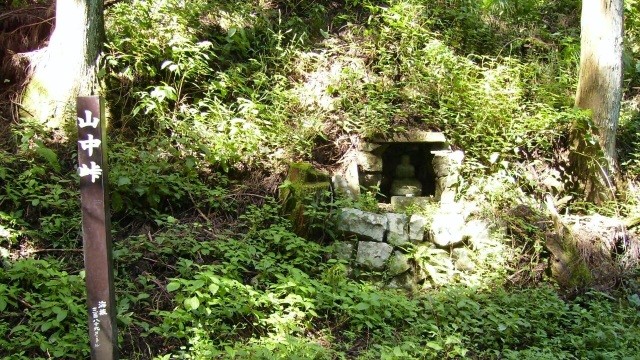
Takechū Pond (Minami-Echizen Town)
A pond with a circumference of approximately 360 meters located at the summit of Mt. Nomigatake. It is a prime hiking spot renowned for its beautiful flowers that bloom profusely throughout the seasons. It is also known for its mystical dragon god …
- Tannan
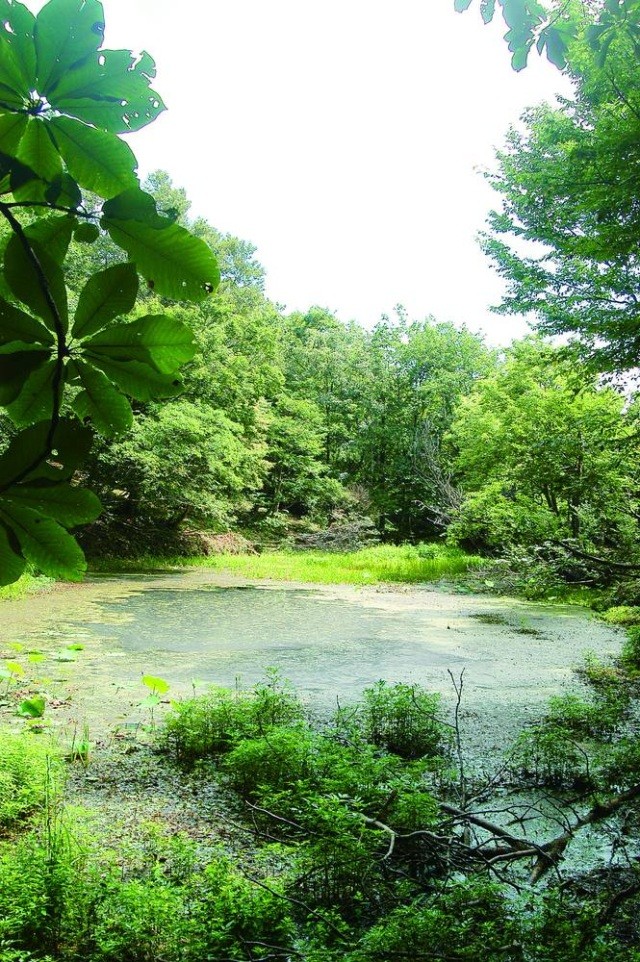
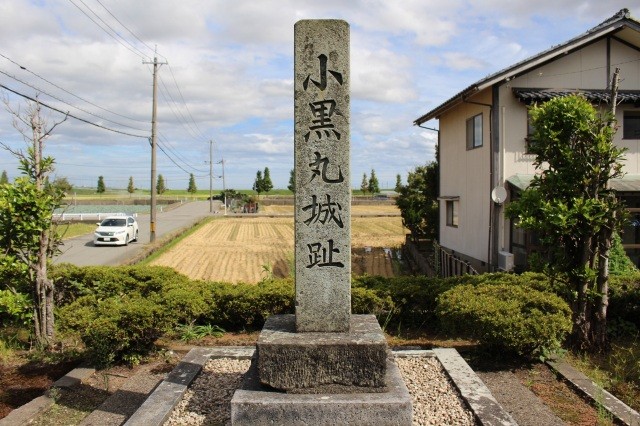
Kokuro-maru Castle Ruins
The military chronicle "Taiheiki" records that Shiba Takatsune, a military commander of the Nanboku-chō period, built seven castles, and Koguro-maru Castle is counted among them (though theories vary).According to Volume 20 of the Taiheiki, Takatsu…
- Awara,Sakai,Fukui