Clear Your Mind: Mindfulness in Fukui
Since 2014, Fukui has consistently placed no. 1 in a research institute’s biannual rankings of the happiest prefectures. Some say this is related to the natural beauty all around, and the long cultural history of Zen Buddhism—Fukui is an excellent place to calm the mind.
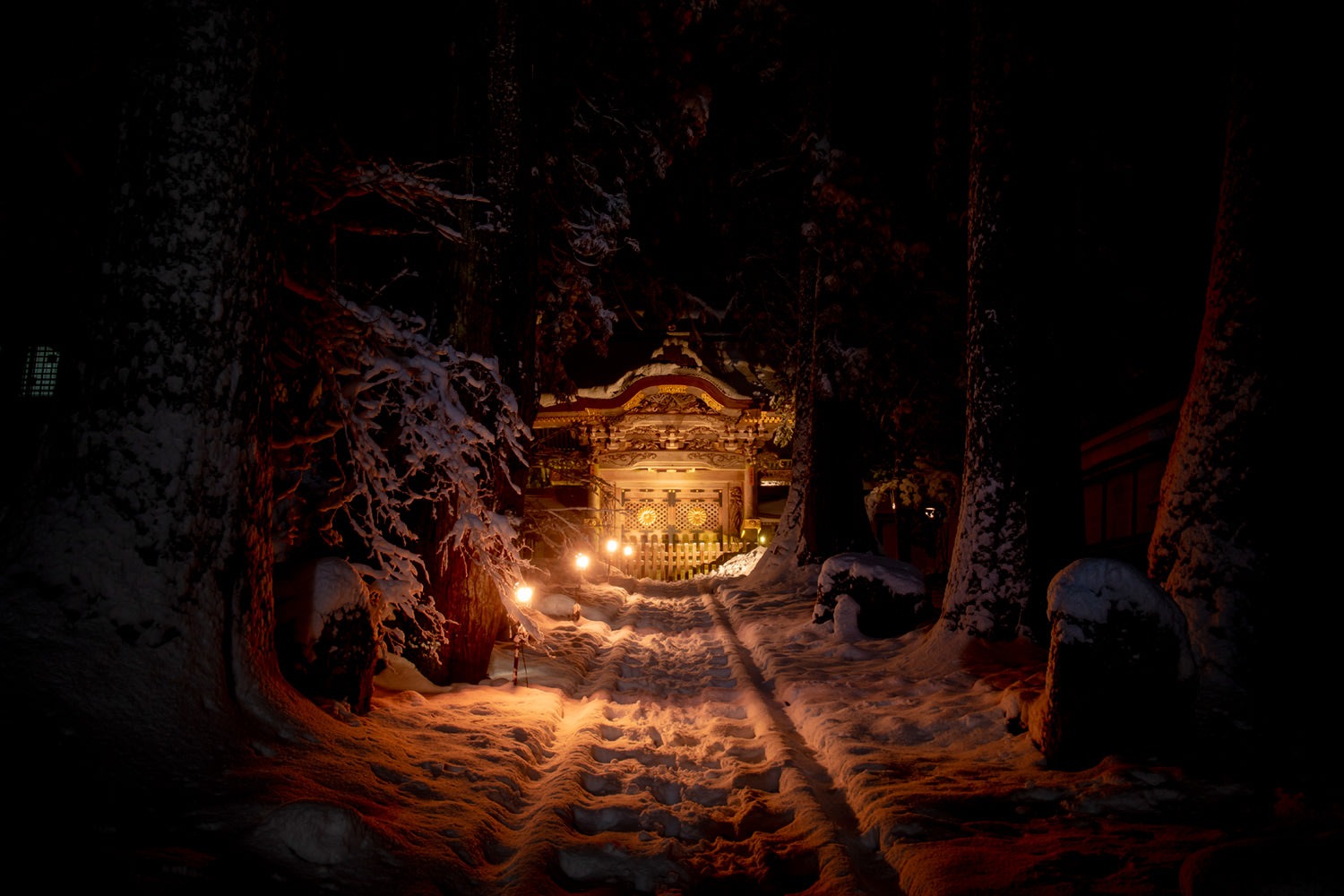
Connecting Mind and Body through Yoga
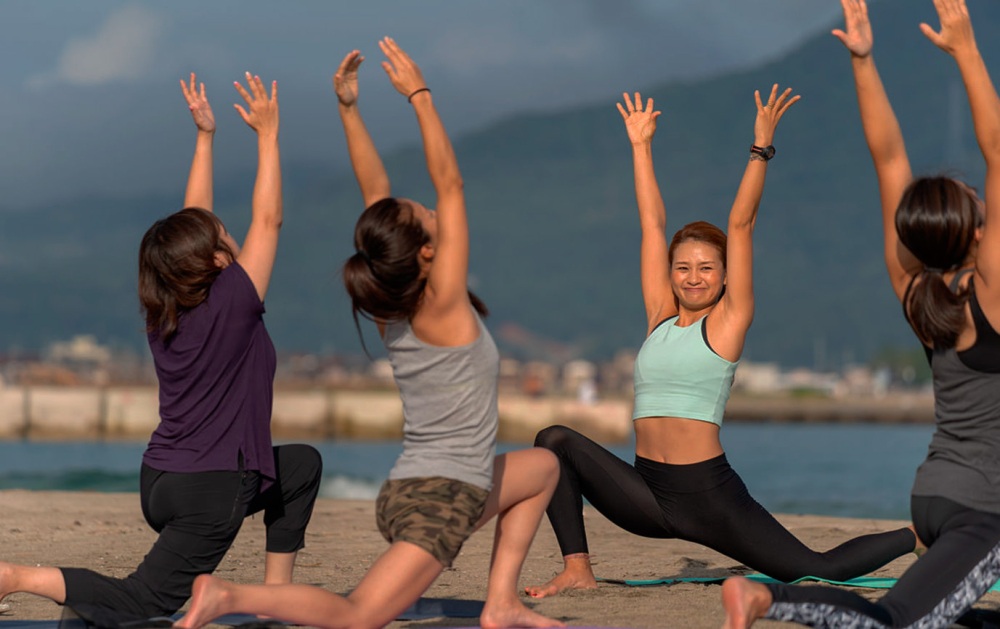
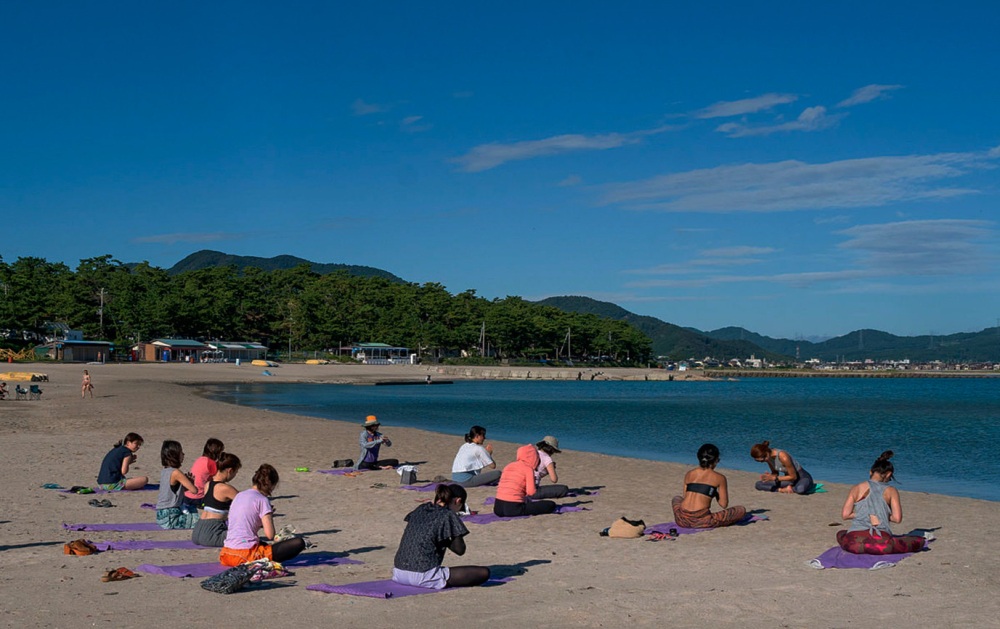
Wakasa Wada Beach in the south offers unique environments to experience yoga in, as well. Yoga classes are held here in an old waterfront house, with nearly a whole wall of the tatami-floored room opened up to provide a view of the sea. For the more adventurous, there are even yoga sessions held on stand-up paddleboards. The unsteadiness of the water below creates a closer connection with the natural world—and helps strengthen core muscles.
The Curative Power of Nature
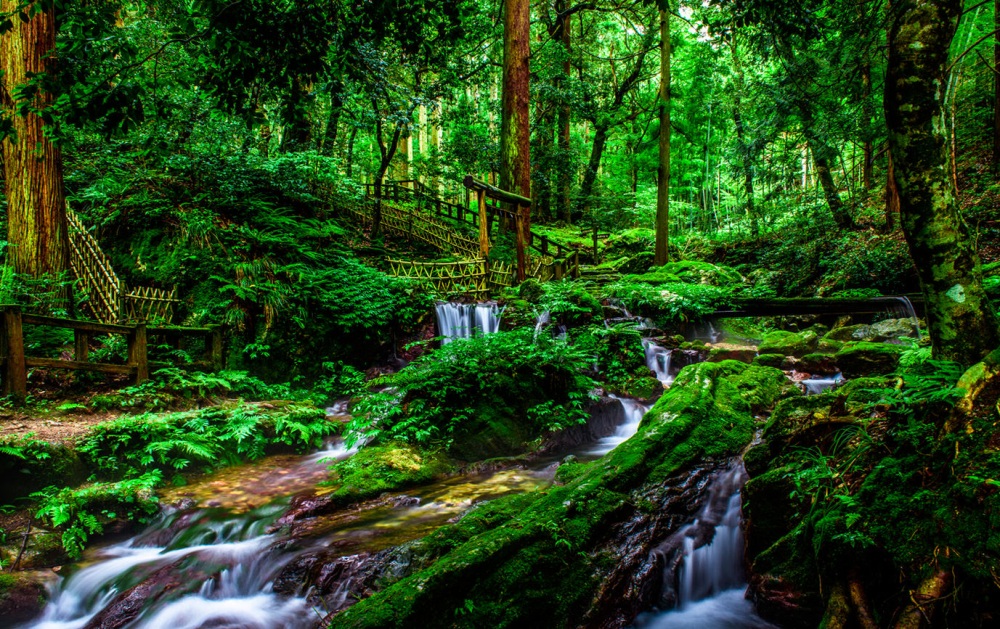
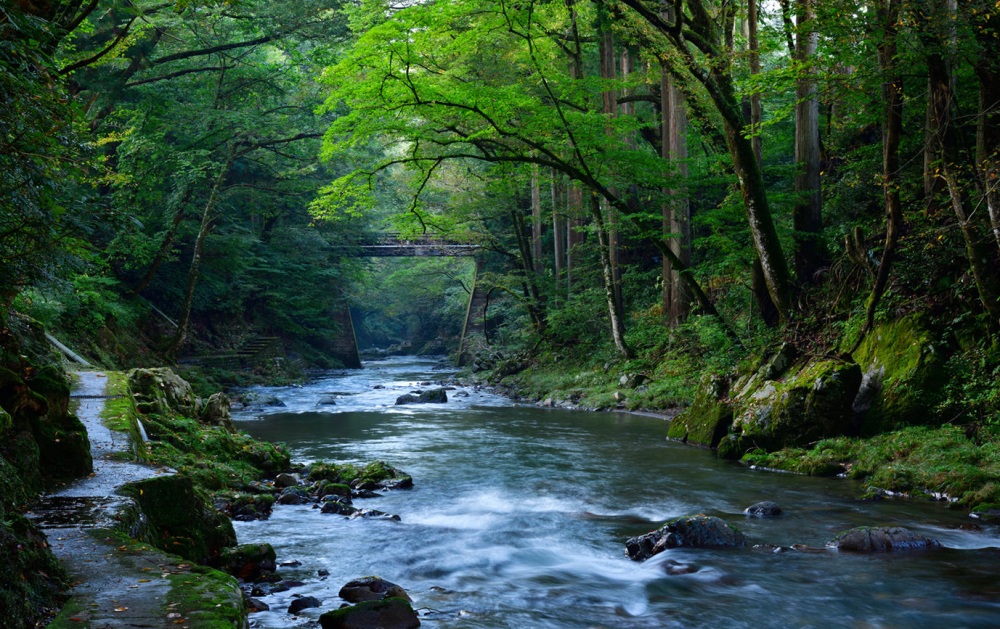
Leaving the city to soothe the mind and body with greenery is an old custom in many countries—in Japan, it is popularly known as shinrin-yoku, or “forest bathing.” Fukui is full of places to surround yourself with nature to improve wellness. Not far from Obama is Uriwari no Taki: this ice-cold natural spring feeds a waterfall, just a short walk into a peaceful forest of tall Japanese cedar trees. The nearby seating area is perfect for relaxing and enjoying the sounds of nature.
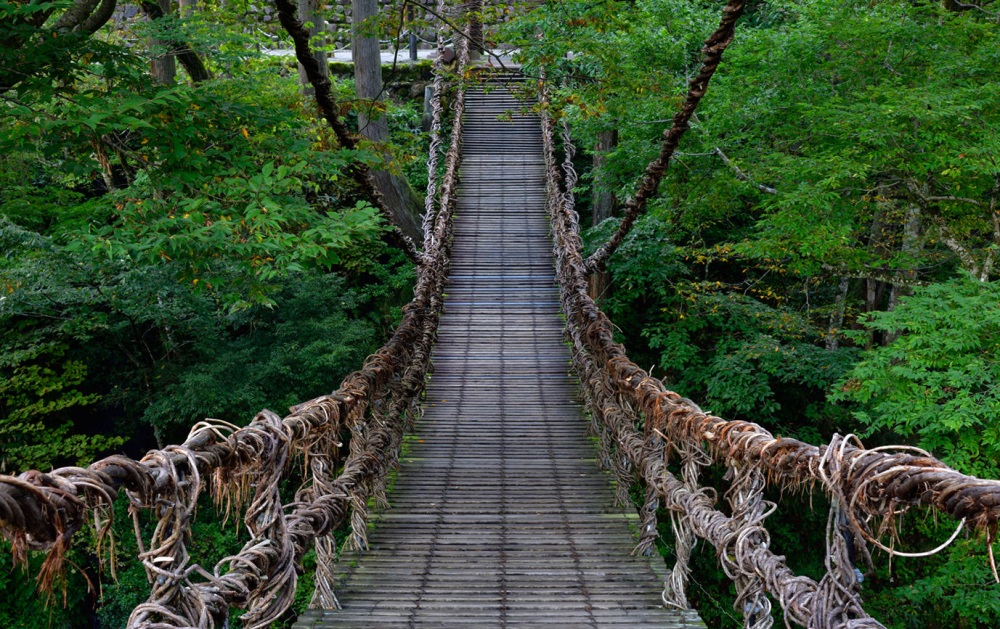
For longer nature walks, there are walking trails in Ikeda through the forests and along the Asuwa River, near Tree Picnic Adventure Ikeda. Though these trails wind around a compact area, there is plenty of variety to experience at your own pace. Ikeda is also home to the only vine bridge on Japan’s main island of Honshu. This bridge is 44 meters from one end to the other, with an excellent view of the river 12 meters below and the greenery all around.
Ways to Find a Moment of Peace
Temple Experiences: the Foundation of Mindfulness
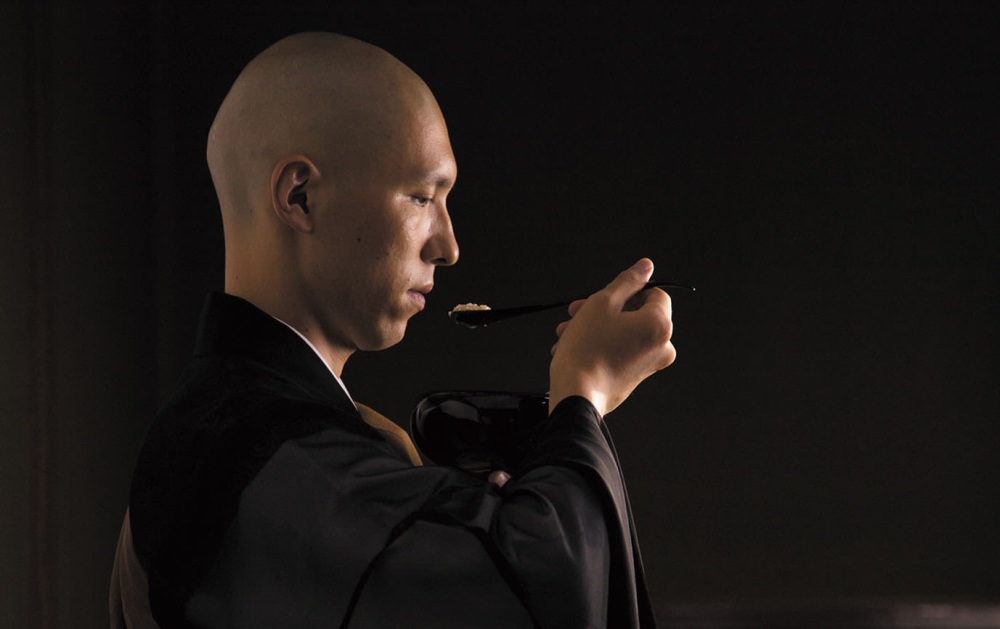

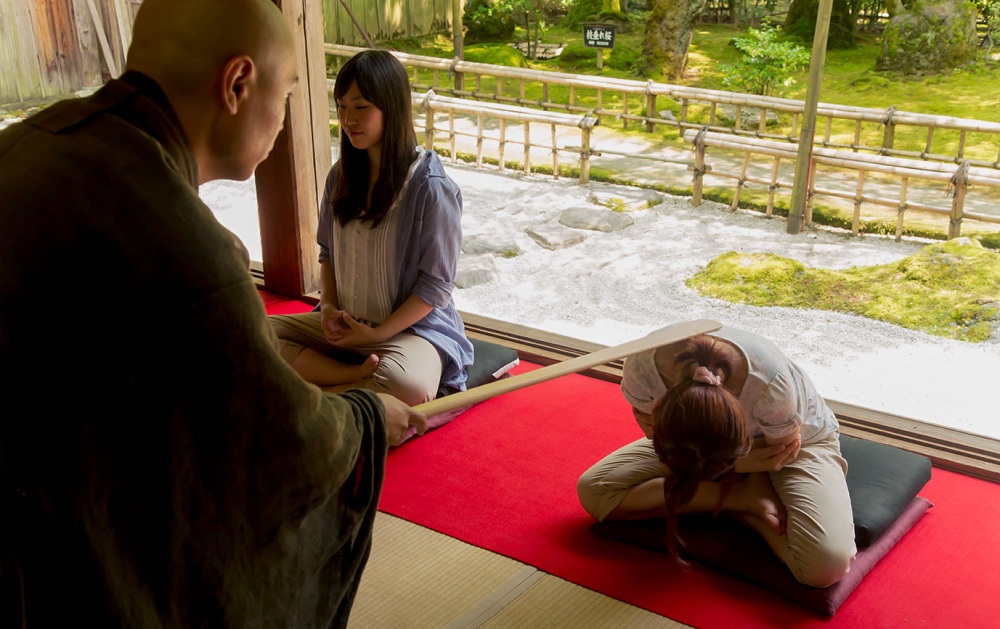
In Obama, guests are invited to take part in early-morning meditation at the nearby Myotsuji Temple. Here, they practice a form of meditation known as ajikan: participants start by staring at a candle’s flame. They then shift their attention to a Sanskrit character lit by the candle, as they attempt to control their breathing. Finally, having calmed the mind, they imagine themselves gradually becoming one with nature. Ajikan puts less emphasis on posture than many other forms of meditation: there are no rules against sitting in a relaxed position, nor closing the eyes.
On the other hand, Eiheiji takes a different approach. Eiheiji is one of the head temples of Soto school of Zen Buddhism, known for a form of sitting practice called zazen. Strictly speaking, zazen is not considered meditation, nor is it meant as a way to achieve enlightenment—rather, the practice is, itself, enlightenment. Practitioners single-mindedly sit in the lotus position, with their eyes open and no specific thoughts or goals in mind. Zazen led by monks is open to visitors on limited dates, but for a deeper, more involved experience, Eiheiji offers overnight stays in the temple lodging. This experience involves zazen multiple times over the course of the day, and other forms of Zen practice, such as chanting sutras.
An Ink Brush to Calm the Mind
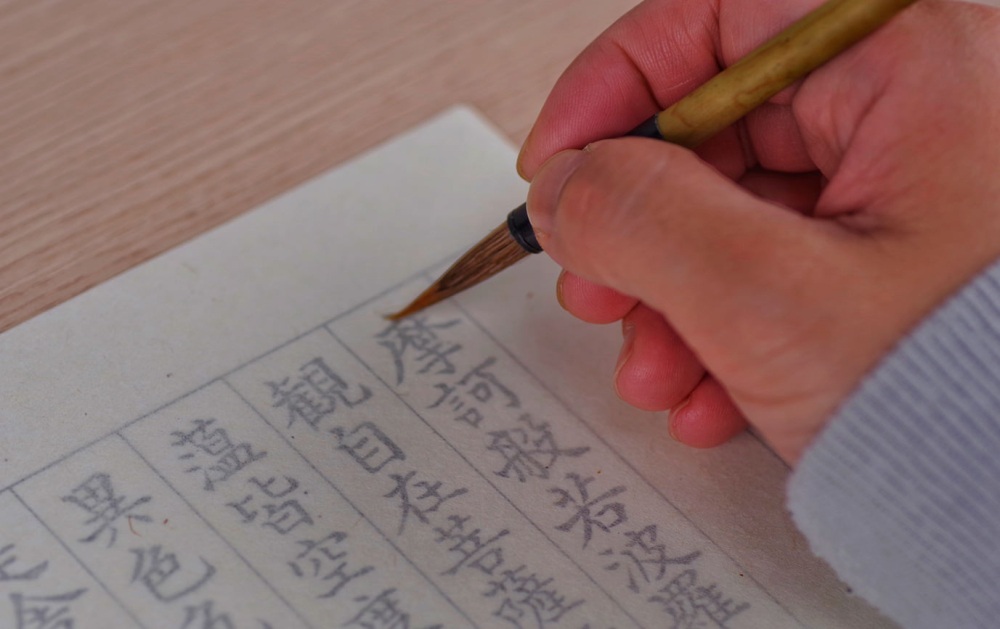
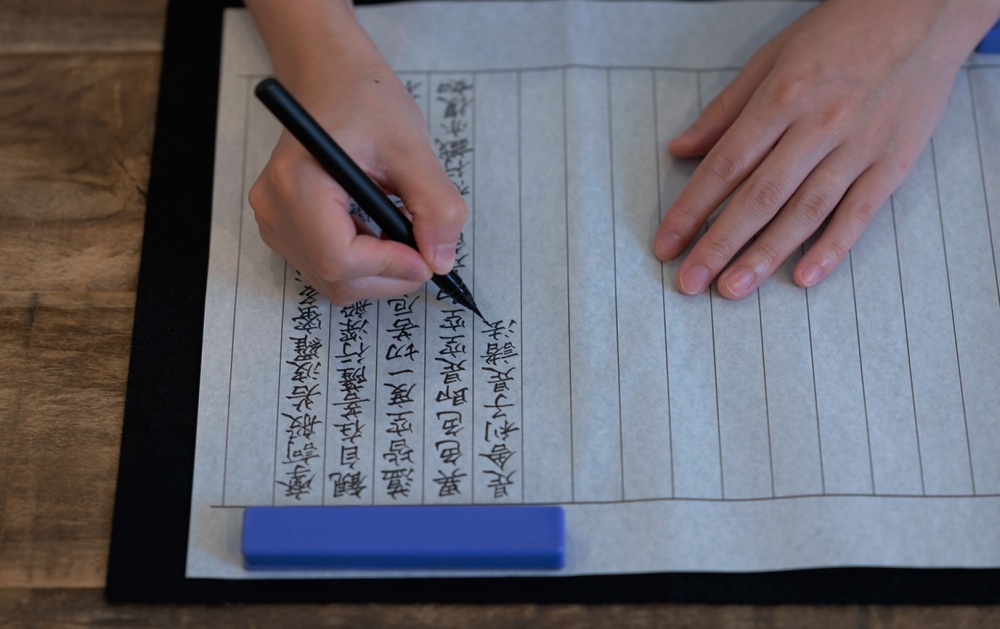
In addition to sutras, Daianzenji Temple provides artistic options. In these more free-form variants, participants trace outlines with a brush, or even cut paper, to reproduce Buddhist art. These experiences generally take 60 to 90 minutes, for an approachable way to try active meditation.