Attractions
Area
Category
Preferences
Distance
- Sort
- Most Popular
- Last Updated
- Nearest
- Layout
- List view
- Grid view
- Map view
Ebisu Beach Park
2026 Beach Season July 11 (Sat) – August 30 (Sun)This beach features wide steps, making it sand-free and easy to rest on. It has rocky areas perfect for exploring the shore and is a comfortably spacious beach, making it ideal for families wit…
- Wakasa
Kugushi Swimming Beach
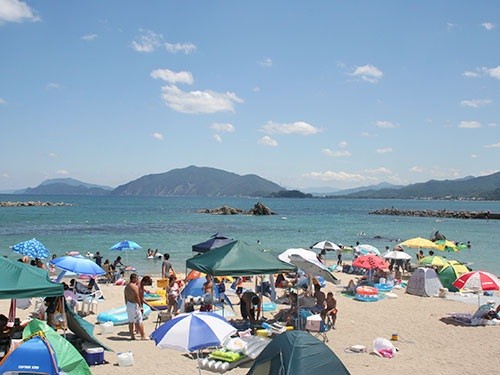
The oldest beach in Mihama, it also serves as the starting point for various leisure activities. Accommodations range from hotels to inns and guesthouses. It's a popular beach for families.It will not be open in 2024.For closure information, pl…
- Wakasa
Nihonkai Open-Air Public Bath
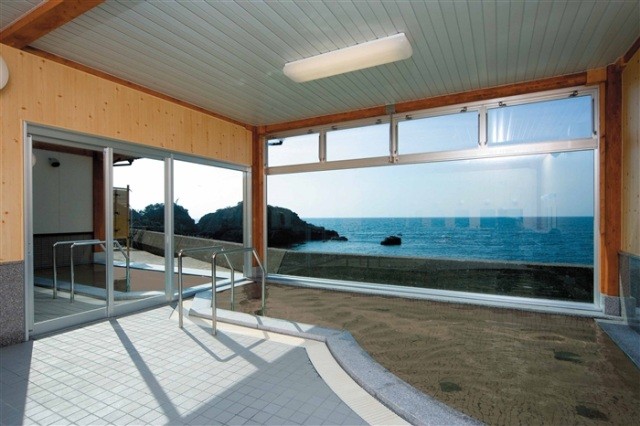
This open-air bath opened in November 2004. It is a cozy hot spring facility utilizing Echizen Minami Onsen.
- Tannan
Sabae City Regional Exchange Center (Tsutsuji Civic Hall)
The second floor features a multipurpose hall with seating for approximately 200 people, suitable for lectures and presentations. The third floor houses a training room. After working out, relax in the bath and two types of saunas on the fourth flo…
- Tannan
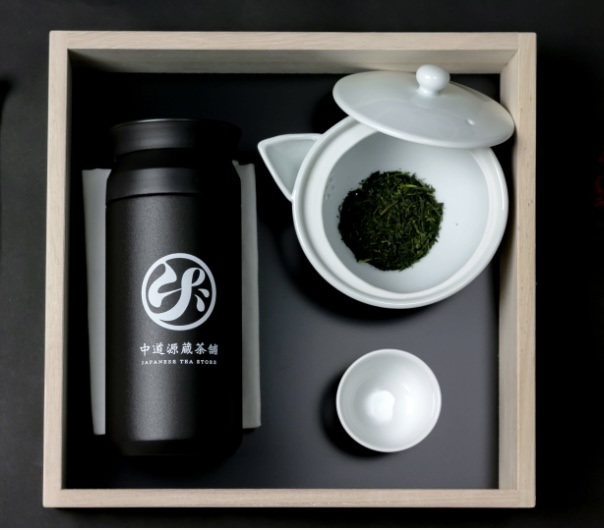
Tea Brewing Experience
By brewing tea yourself, you can appreciate the "aroma" of the tea leaves more than when simply drinking it. Tea also contains theanine, a component known for its relaxing effects. To let you experience these qualities, this experience invites y…
- Wakasa
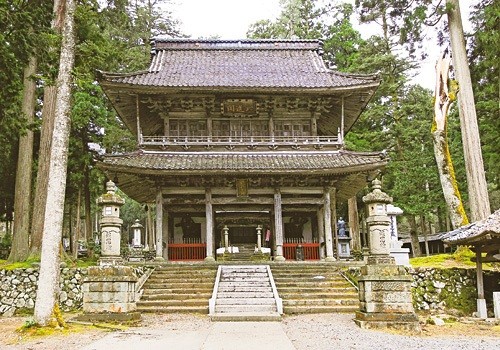
Myōtai-ji Temple
Myōtaiji Temple, known as a sacred site of the Nichiren Shū Myōkenji sect, was founded in 1294 by Nichirō, a disciple of Nichiren Daishōnin. Within its grounds, the main hall built in 1746 stands quietly surrounded by ancient cedar trees said to be…
- Tannan
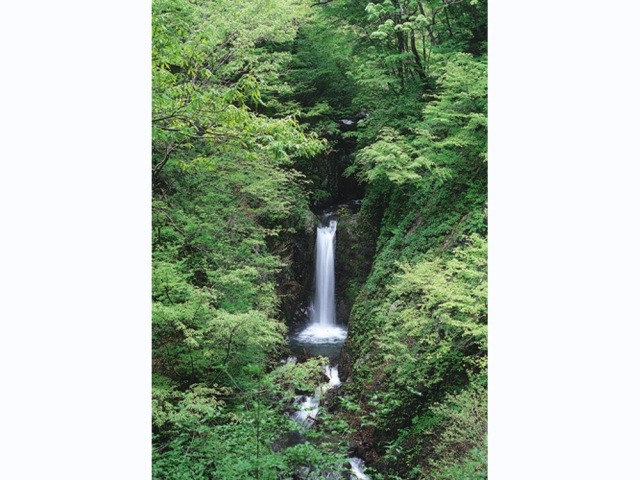
Yashataki Falls
As you begin your hike toward Yashaga Pond, this waterfall soon comes into view on your left. With its abundant flow, this waterfall delights the eyes of hikers.
- Tannan
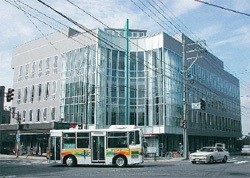
Vibrant Longevity Village · Ami-Shang Oi
Ami-Shang Oi is a comprehensive community facility centered around hot springs, designed to promote health and foster interaction. The fourth floor features an indoor observation bath using hot spring water drawn from 800 meters underground, allowi…
- Wakasa
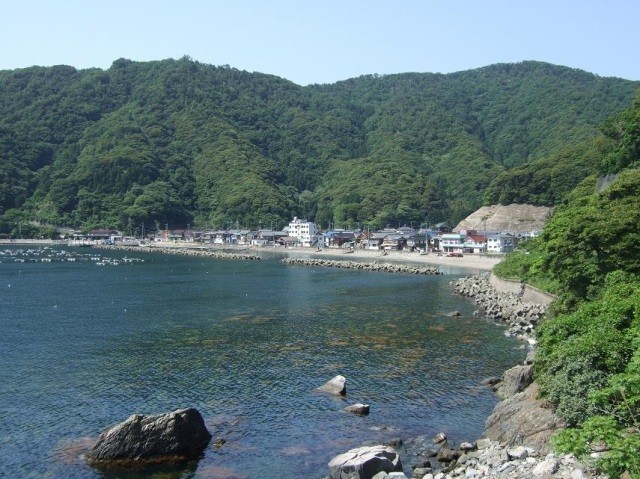
Ogawa Beach
Summer brings crowds of beachgoers to Wakasa Bay. After enjoying the sea to your heart's content, why not savor the delicious fish of Wakasa Bay at a minshuku or ryokan and fully experience the summer sea?
- Wakasa
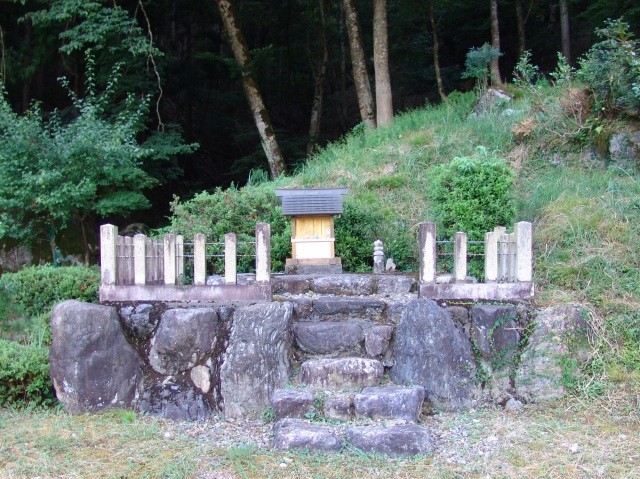
Tomb of Shigemori Komatsu
Komatsu Shigemori Tomb, located near the Minamikawa Sand Control Dam in the former Noda-sho Village (Komatsu District). Komatsu Shigemori was the eldest son of Taira no Kiyomori. Legend holds that people associated with Taira no Shigemori fled to a…
- Wakasa
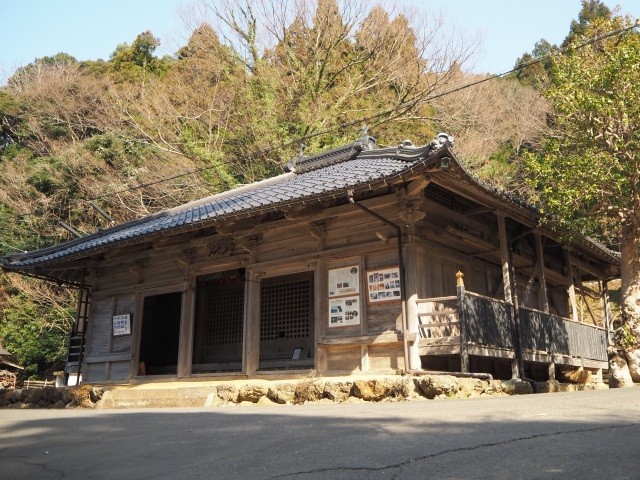
Yashiro Kannon Hall Fukuju Temple
The Sacred Kannon Bodhisattva enshrined in Fukujuji Temple's main hall is said to depict the form of the princess from the Hand-Pestle Festival. It has also been claimed that this Kannon Bodhisattva was brought from Tang China.This seated statue st…
- Wakasa
Eiganjiji Temple
Sōtō Zen sect. The first temple of the Wakasa Thirty-Three Kannon Pilgrimage. Founded in 1413 in what is now Eishin-chō. Relocated to its present site in 1607 by Uta no Sōtei. The Mito Tengu Party included 11 young boys. It is said that Ryudo, the…
- Wakasa
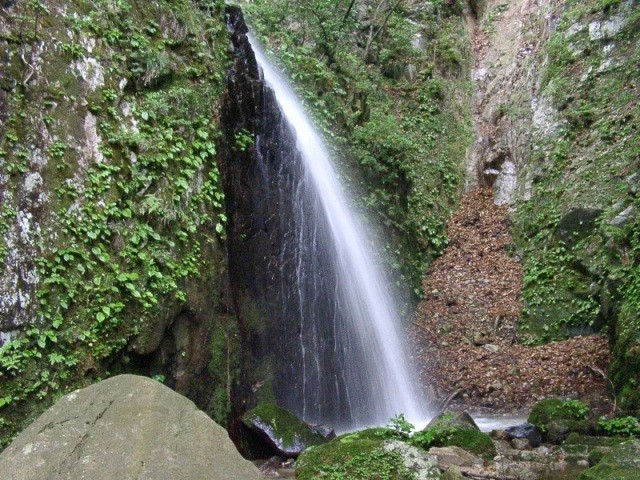
Byobu Falls
From the rear of Kansai Electric Power's Reinan Substation in the Shinsho district of Mihama Town, follow the mountain path along the stream for about 40 minutes to reach Byōbū Falls. Plunging approximately 20 meters down three sheer cliff faces, t…
- Wakasa
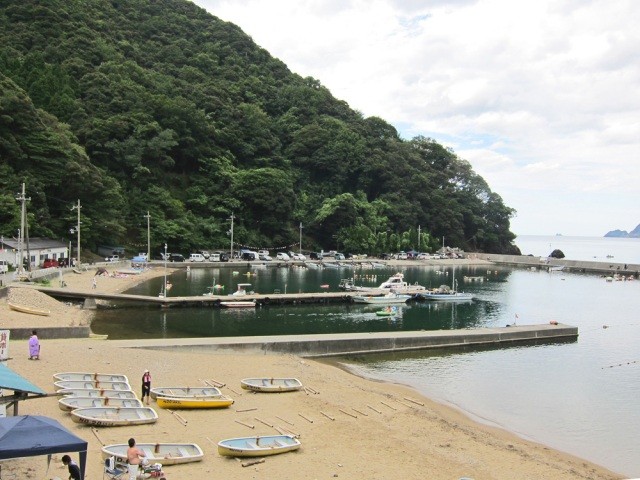
Yashiro Beach
This beach with rocky areas is perfect for families looking to relax and enjoy swimming, as it offers activities like boating and offshore fishing.
- Wakasa
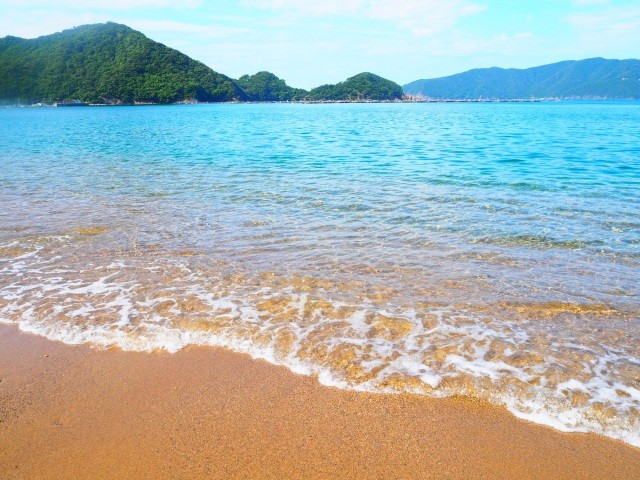
Inukuma Beach
The quality of the sand covering this expansive beach is unmatched even among the many beaches in Obama, making Inukuma the finest. Its rocky areas are also beautiful, perfect for fishing, and it's a beach that stirs the traveler's heart. This is a…
- Wakasa
Ginkgo Kannon of Daionji Temple
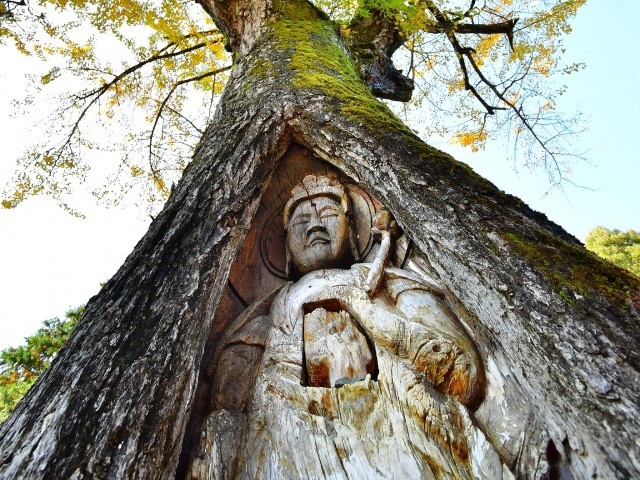
This standing statue of the Eleven-Faced Kannon is carved into a ginkgo tree, estimated to be about 450 years old, standing near the mountain gate of Jōtan-zan Taiō-ji Temple. Believed to save people from all kinds of suffering, it attracts local w…
- Wakasa
Special Mission Ship Kantō Disaster Memorial Park
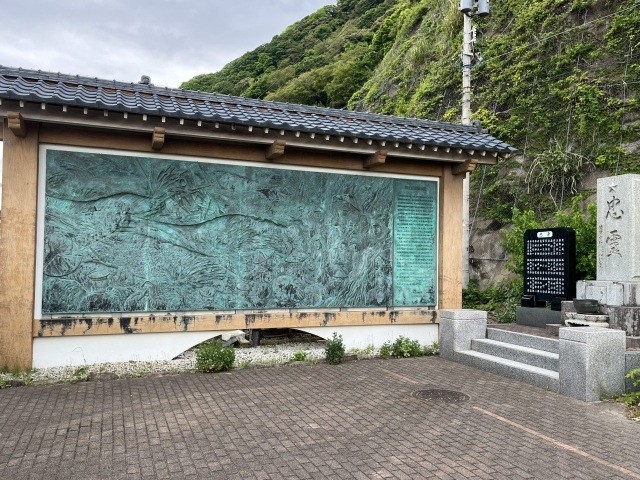
The sea off Kono usually presents a calm and tranquil face. Yet long ago, a fierce storm struck these peaceful waters. Amid blinding snow and raging waves where visibility was zero, there were those who fought desperately to save lives. On December…
- Tannan
Mori no Ne, Kawa no Ne Iwaya
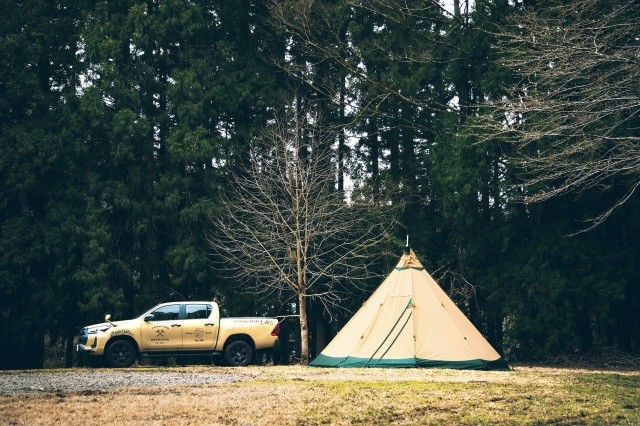
Operating the campground "Tomoyasu Seisakusho Morino Nekawa no Ne IWAYA" under the slogan "Play with Life," we aim to enrich our guests' lives themselves. Located in Katsuyama City, Fukui Prefecture, this campground is embraced by the pr…
- Eiheiji, Okuetsu
Yoshino River
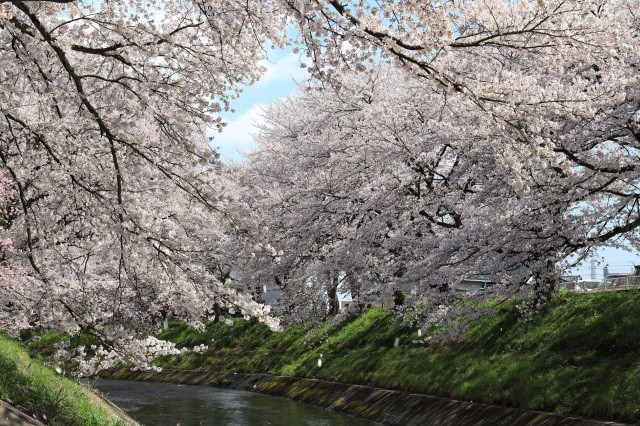
From Ota Bridge to Nogami Bridge, a magnificent row of cherry trees stretches along both banks, their branches reaching out toward the water. This is one of Echizen City's most renowned cherry blossom viewing spots.
- Tannan
Mount Hachifusuyama
The area around Kinome Pass, which divides Fukui Prefecture into the northern and southern regions, is historically fascinating with many preserved historical sites. Today, Hachifusuyama features the Imajō 365 Ski Resort, making hiking to the summi…
- Tannan