Savor a Gourmet Trip Through Fukui
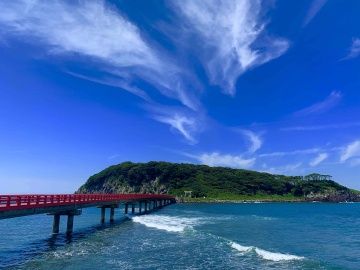
Fukui Prefecture is situated on the Sea of Japan and is renowned for its abundant seafood and rich cultural heritage. Embark on a 3-day gastronomic adventure to discover the defining dishes of the region, from delicate Echizen crab to hearty pork cutlet.
Itinerary Area
- Travel Time
- Recommended Length: 3 Days
- Transportation
- Car
Course Overview
- Obama City
-
![[ Undefined: coursed-title-nl2br ]](/lsc/upfile/courseDetail/0000/1641/1641_1_m.jpg)
Car · 25 min
- Wakasa Town
-
![[ Undefined: coursed-title-nl2br ]](/lsc/upfile/courseDetail/0000/1642/1642_1_m.jpg)
From Wakasa Town to Echizen Town
Car · 1 hr 20 min
- Echizen Town
-
![[ Undefined: coursed-title-nl2br ]](/lsc/upfile/courseDetail/0000/1644/1644_1_m.jpg)
Car · 23 min
- Echizen City
-
![[ Undefined: coursed-title-nl2br ]](/lsc/upfile/courseDetail/0000/1650/1650_1_m.jpg)
Car · 45 min
- Ono City
-
![[ Undefined: coursed-title-nl2br ]](/lsc/upfile/courseDetail/0000/1645/1645_1_m.jpg)
About 45 min
- Fukui City & Sakai City
-
![[ Undefined: coursed-title-nl2br ]](/lsc/upfile/courseDetail/0000/1647/1647_1_m.jpg)
- Fukui City & Sakai City
-
![[ Undefined: coursed-title-nl2br ]](/lsc/upfile/courseDetail/0000/1648/1648_1_m.jpg)
- Fukui City & Sakai City
-
![[ Undefined: coursed-title-nl2br ]](/lsc/upfile/courseDetail/0000/1649/1649_1_m.jpg)
Obama City
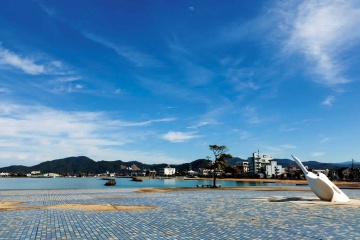
Obama is the starting point of the Saba Kaido, the ancient “mackerel highway” used for transporting seafood to the Imperial Court in the historical capitals of Nara and later Kyoto. Mackerel thus became a big part of the culinary culture and remains popular to this day, whether pickled, grilled, or served as sashimi.
One of Obama’s regional mackerel specialties is yakisaba (grilled mackerel) sushi. The fish is deboned, sliced, and grilled, then layered with shiso and ginger over vinegared rice. It is served at restaurants throughout Obama and can be bought as a bento lunchbox at shops and some train stations.
Car · 25 min
Wakasa Town
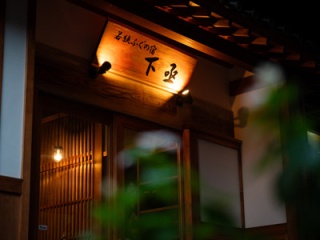
Wakasa to the east of Obama is known for Wakasa fugu, pufferfish farmed in Wakasa Bay. The waters of the bay remain cold later than other regions thanks to the spring snowmelt, which is said to make the meat tight and full of flavor, giving it a firm, chewy texture, and subtle sweetness. In its most popular form, Wakasa fugu is sliced into thin, translucent sashimi pieces and arranged on a plate to resemble delicate flower petals. Colorful or beautifully patterned ceramics are often chosen to enhance the aesthetics of the arrangement.
From Wakasa Town to Echizen Town
Car · 1 hr 20 min
Echizen Town
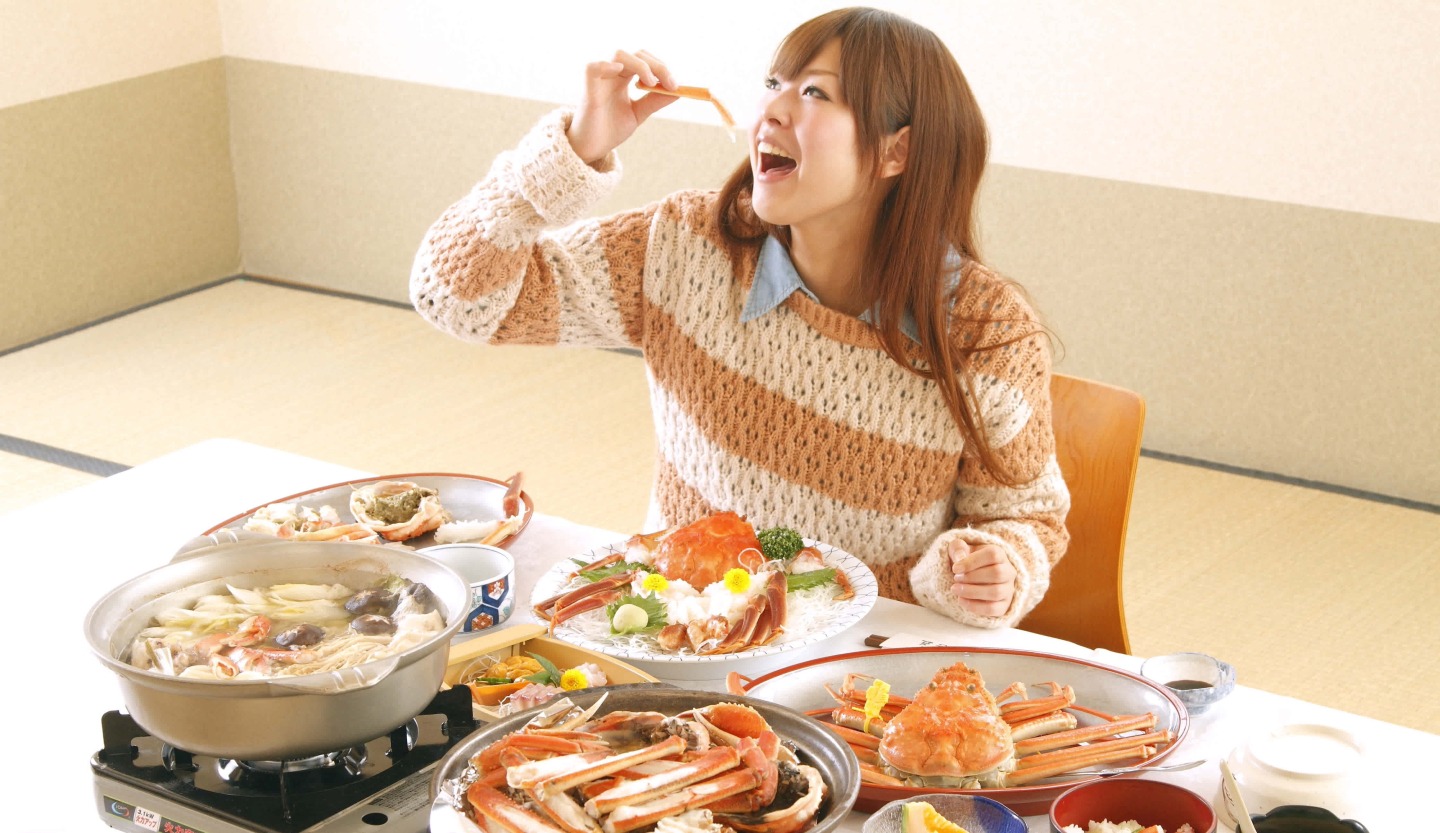
Echizen in the northern part of the prefecture is famed for the eponymous Echizen crab, named after the ancient Echizen province (present-day northern Fukui Prefecture). These snow crabs are one of Fukui’s iconic foods and can be enjoyed throughout the region, but especially in Echizen where the crab catch is largest. Enjoy Echizen crab boiled, grilled, as sashimi, or as part of a hot pot or rice bowl meal.
Car · 23 min
Echizen City
Buckwheat was introduced to the area during the Warring States Period (1467–1568) when
food was scarce. It was adopted as an alternative to rice due to its shorter harvest times. Today,
the largest soba factory in Japan is in Echizen and produces around 50,000 meals’ worth of soba
per day. Oroshi soba is a local favorite, a dish of cold soba topped with grated daikon, shaved
bonito flakes, and chopped scallions. It is served with a dashi broth for pouring over the noodles
or a dashi-based dipping sauce.
Car · 45 min
Ono City
Heading inland to Ono, you can try a regional take on katsudon, pork cutlet served over rice. The city is famous for its quality groundwater fed by the surrounding mountains and forests. It is an ideal region for soy sauce production, because of the groundwater and its wet, rainy climate that helps to grow the koji mold used in the fermentation process. Ono soy sauce is rich yet slightly sweet, and can be used to enhance the flavor of a range of dishes. In shoyu katsudon, the soul food of the Ono area, a local soy sauce-based sauce is used in place of the typical tonkatsu sauce. Vegetables are served with the pork cutlet instead of egg, and toppings may include grated daikon, shredded cabbage, and perilla leaves.
About 45 min
Fukui City & Sakai City
Fukui and Sakui City, north of Echizen, are the final stops on this gastronomic tour.
Fukui is said to have the highest consumption of yakitori, or grilled chicken skewers, per capita in Japan. The capital of the prefecture, Fukui City, has a wide range of places to try this popular dish, from national chains to hole-in-the-wall eateries. A favorite type of yakitori is junkei, made with the meat of hens that have stopped laying eggs. The meat is popular for its firm texture.
Fukui City & Sakai City
Regional varietals of sake abound across the prefecture, thanks to the abundance of freshwater sources and rice. In Sakai, certain sake types are brewed using 200-meter-deep groundwaters from Mt. Takekurabeyama. The water combined with locally grown rice gives the resulting sake a fragrant smooth flavor. Goes great with yakitori.
Fukui City & Sakai City
For some after-dinner indulgence, cleanse the palate with mizu yokan, a gelatinous dessert made from red beans and agar. Yokan is typically consumed as a summer treat, but in Fukui, it is considered more of a winter snack. This was due to Fukui mizu yokan being made with more water and less sugar which meant that the snack would not keep long at room temperatures in a time before refrigeration.
Onward Travels
After eating your way through Fukui, you’ll be well-positioned to explore Ishikawa (Kanazawa) to the north or Gifu (Shirakawa-go; Takayama) to the east—prefectures that are also destinations for gastronomic tourism, as well as natural landscapes and historical sites.