Refresh Yourself: Ancient Temples and Shrines in Fukui
Buddhist temples and Shinto shrines can be found all throughout Fukui, each with their own story. These include the head temple of a major sect of Zen Buddhism, as well as various temples and shrines with unique histories—even a dedication to an unusual deity.
Shinto is the indigenous religion of Japan, and Buddhism arrived from mainland Asia around the fifth century. The two religions have long coexisted peacefully in Japan, and both have been part of everyday life for centuries. Today, these temples and shrines, surrounded by nature, all provide a chance to refresh both body and soul.
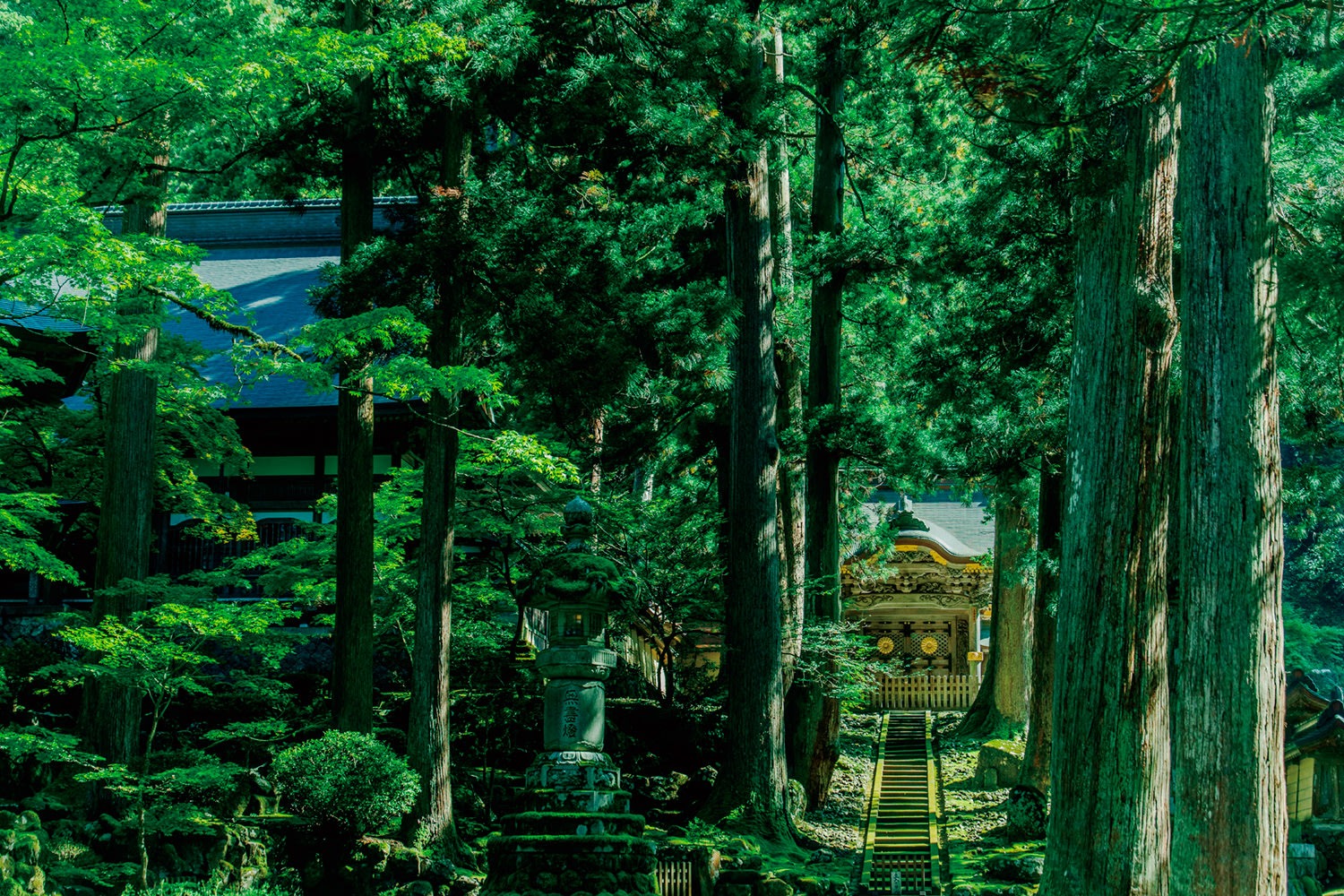
An Ancient Temple in the Mountains
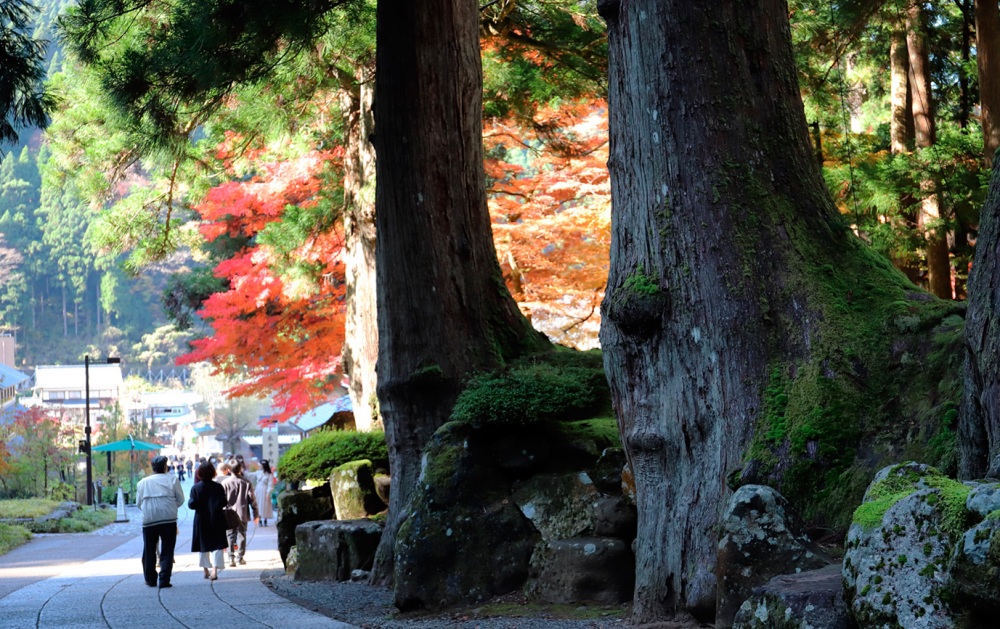
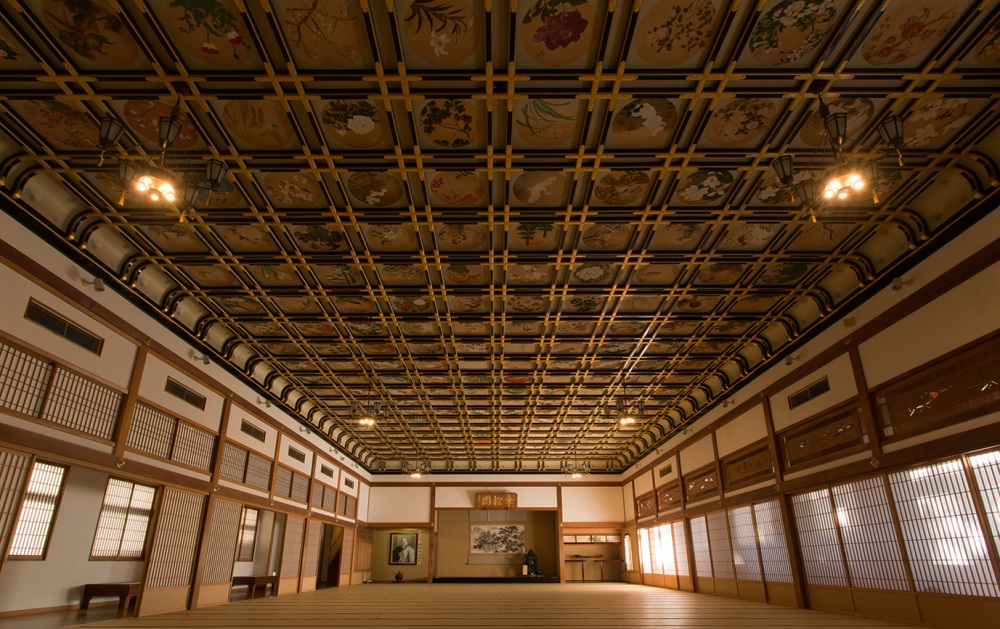
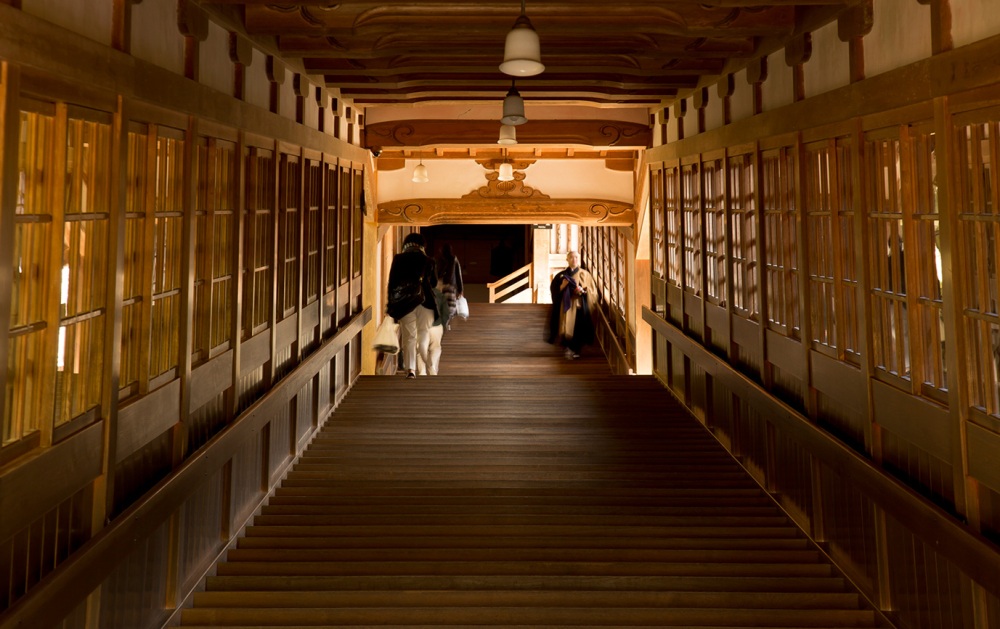
The temple of Eiheiji was founded in 1244, and this large temple complex is still in active use today as a center for Buddhist monk practice. The temple offers in-depth experiences, but also welcomes more casual visitors. Visitors can tour Eiheiji’s beautiful old buildings, which are connected by covered wooden walkways surrounding a central garden. The vast and peaceful temple grounds are filled with greenery to explore, with giant cedar trees said to be as much as 550 years old. Near the temple, there is a trail up a mountain that leads to a view of the entire temple below, surrounded by the forests. Seeing this major temple complex looking so small can be a powerful reminder of the scale of the great outdoors.
Timeless Faith, Surrounded by Nature
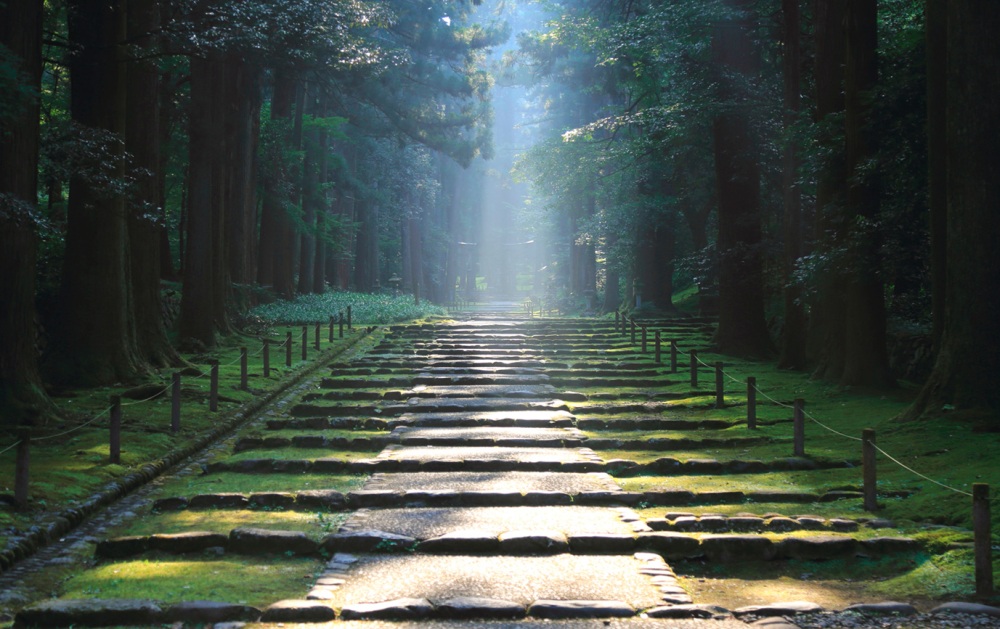
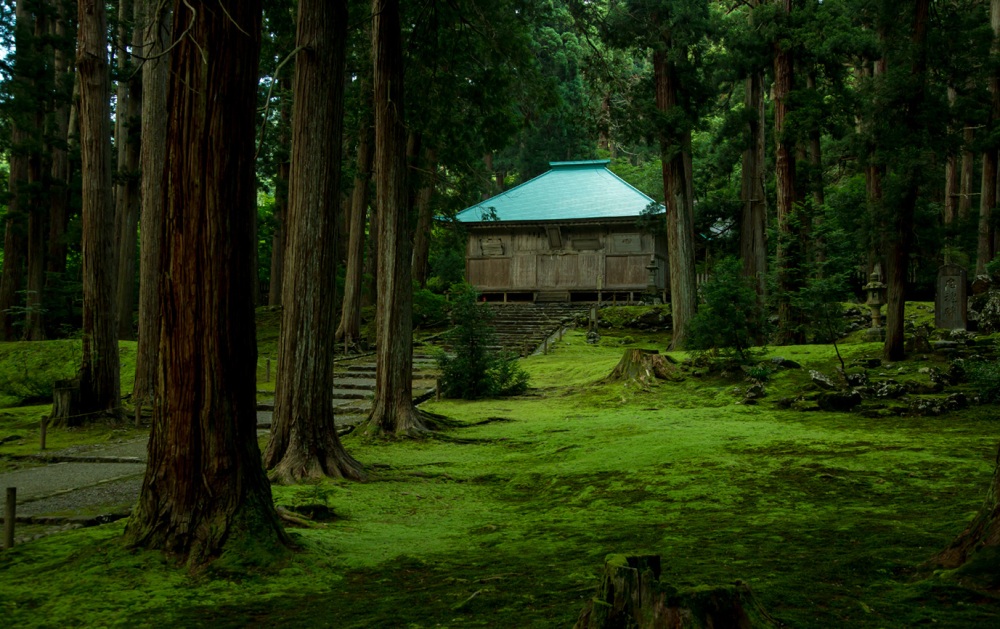
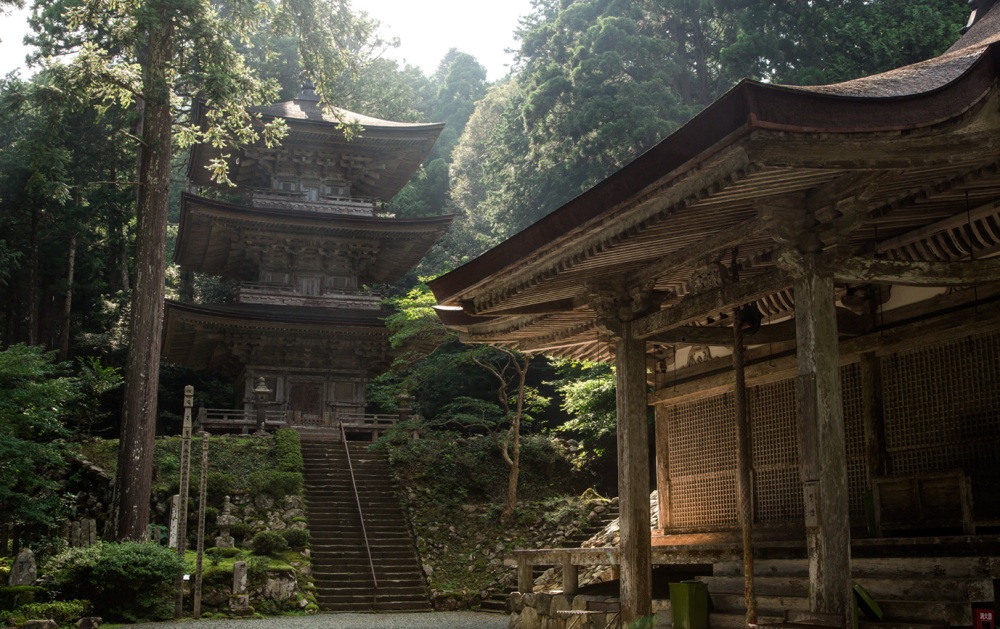
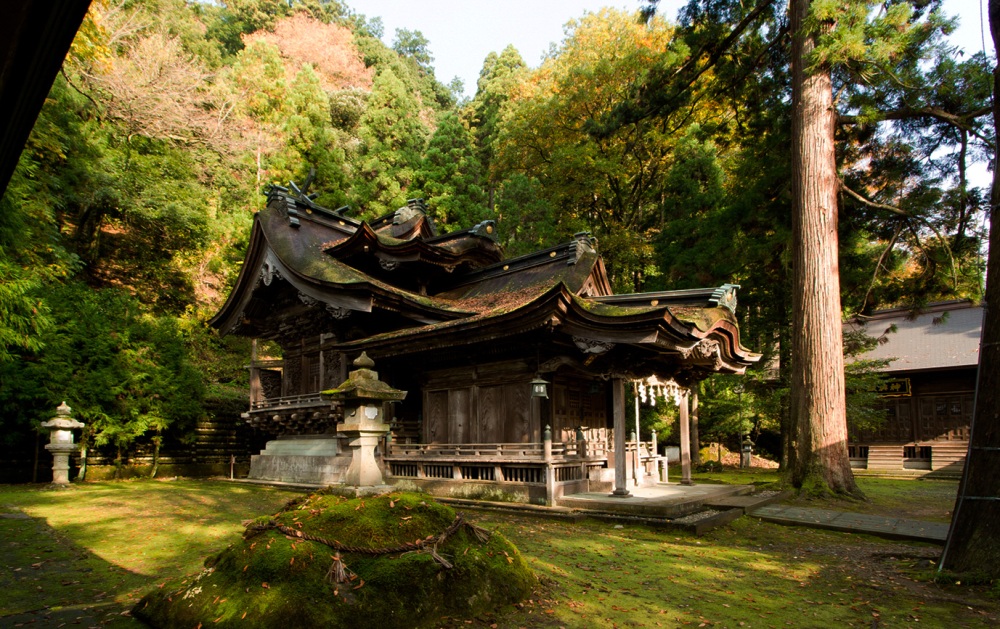
Myotsuji Temple is located deep in the densely forested mountains of Obama. This peaceful temple dates back to the year 806, and is home to two national treasures: the main hall and the three-tiered pagoda. The main hall contains large, historic Buddhist statues, as well as walls covered with countless small statues of the protector deity Jizo. Each Jizo was given as a dedication from a visitor, and holds a little flag representing a specific type of prayer.
Unique Shrines That Offer Unique Blessings
A Memorial to Local Crafts and Folklore
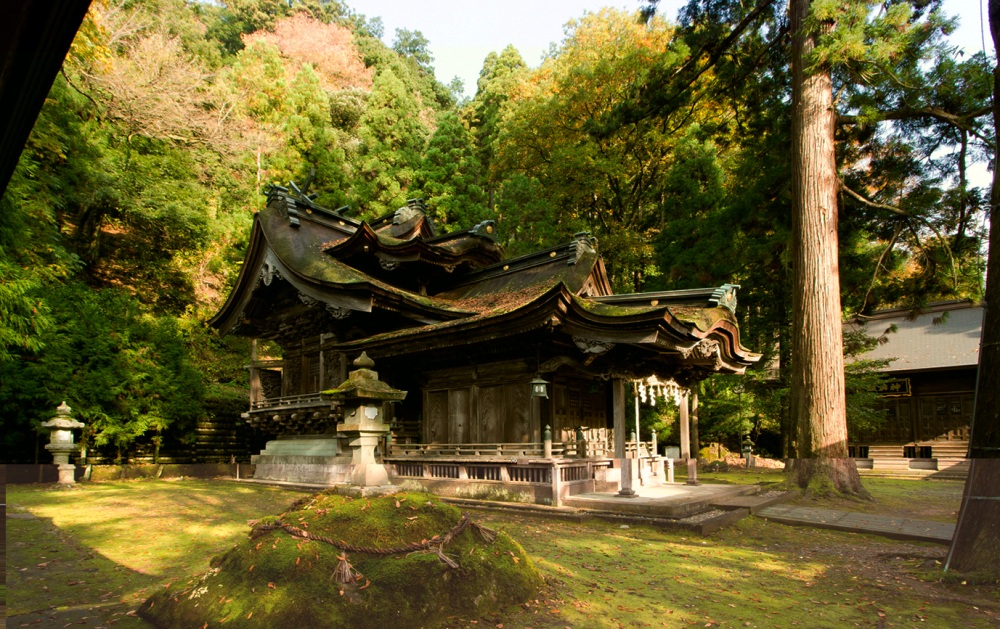
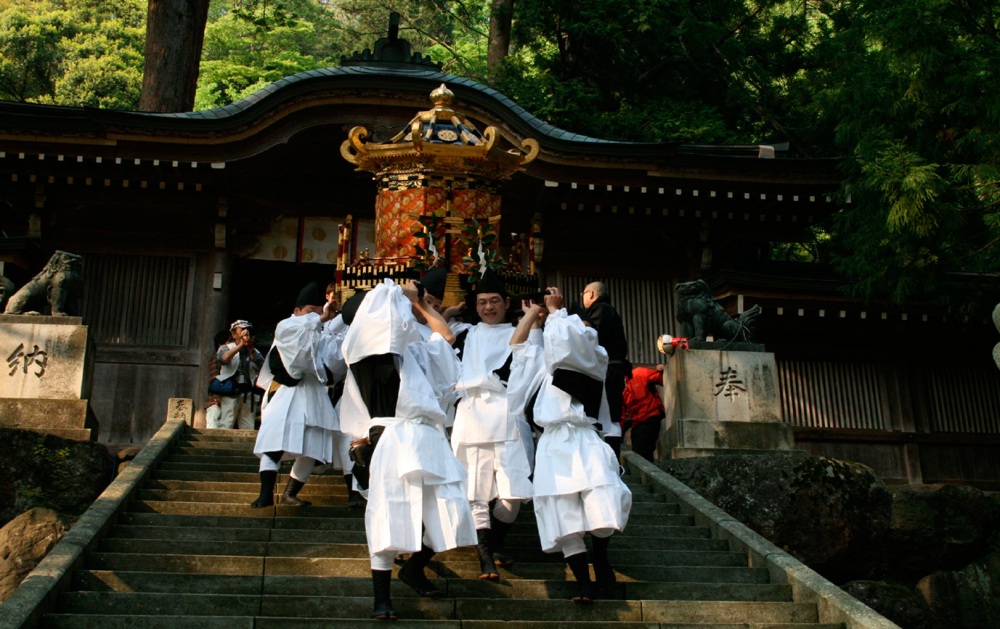
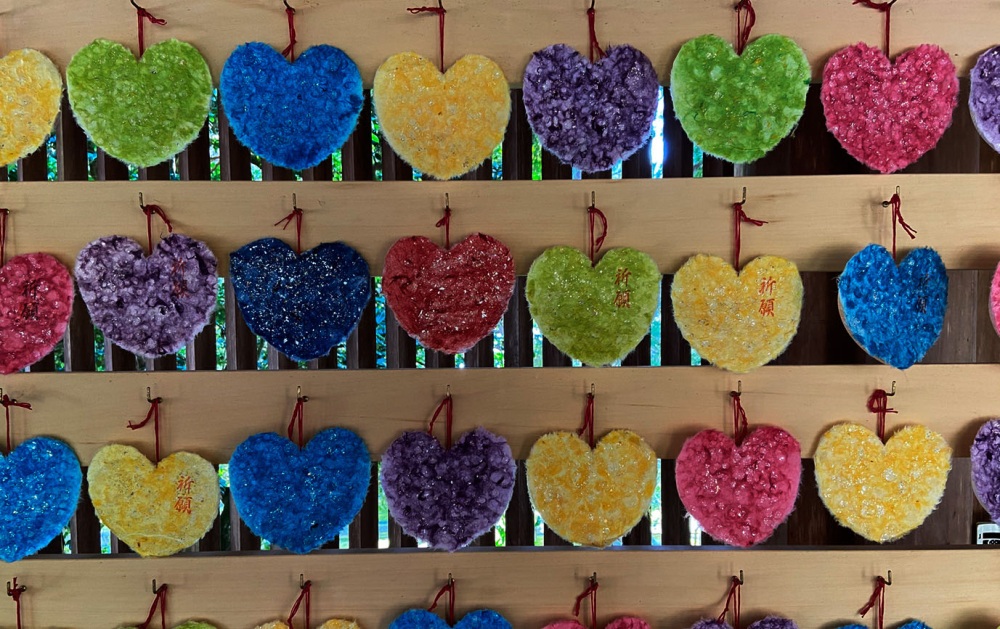
The Echizen region is famous for producing paper, so it may come as no surprise that Okamoto-Otaki Jinja Shrine in Echizen is Japan’s only shrine dedicated to the goddess of paper. According to legend, some 1,500 years ago, a beautiful woman named Kawakami Gozen appeared upstream along the Okamoto River. She is said to have first taught the people of the village how to use their natural resources to make paper. Nowadays, this shrine is known for its history, beautiful grounds, and even its very unusual architecture: Okamoto Shrine and Otaki Shrine share a complex single roof that connects and combines the two shrines into one. At the nearby Papyrus House, visitors can use Echizen paper to make their own ema votives, and then hang them at the shrine as an offering.
Legends of Mystical Powers
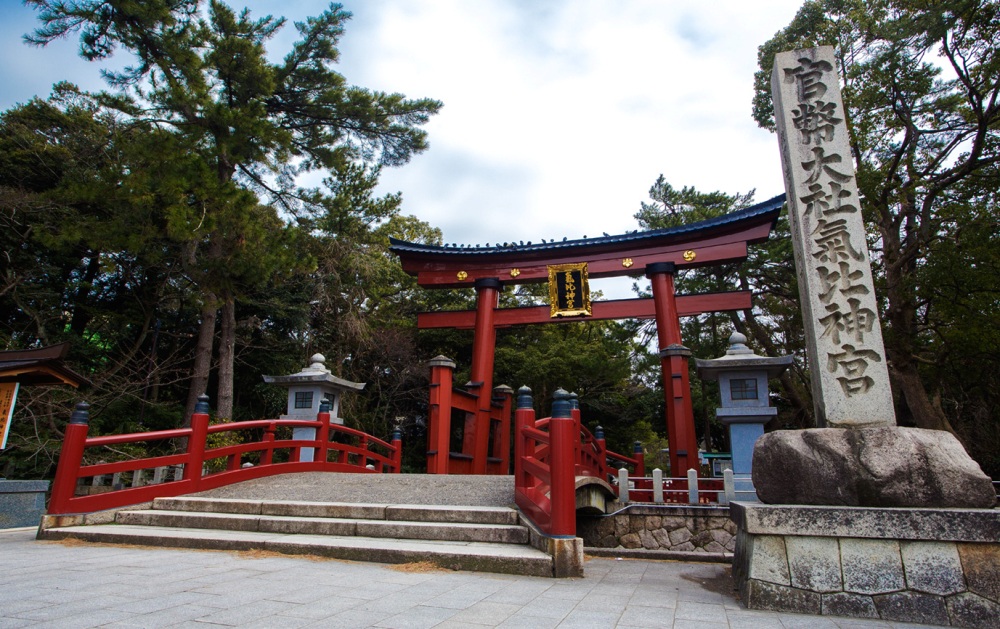
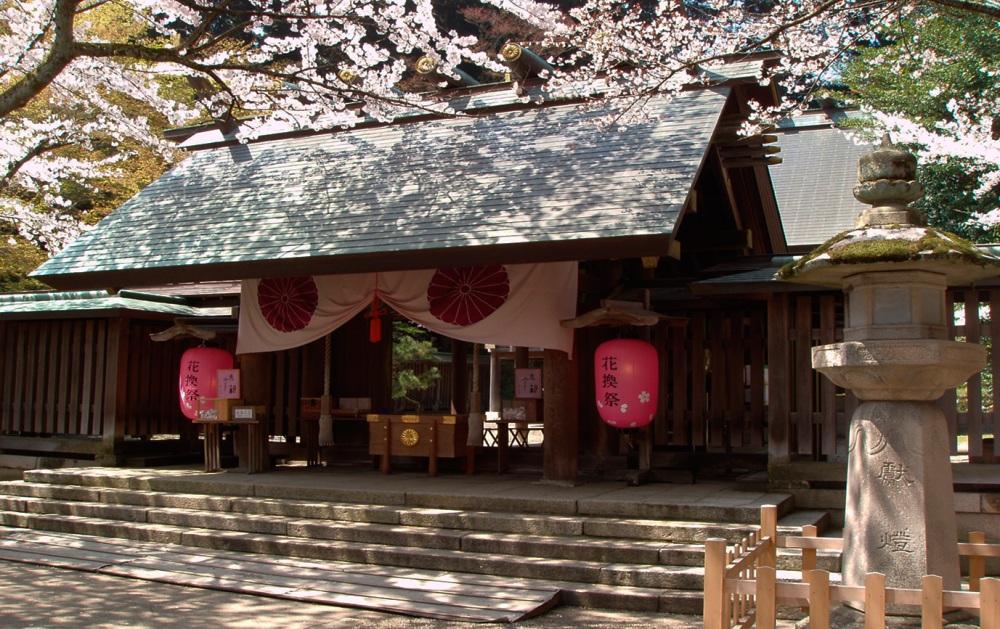
Also in Tsuruga is Kanegasakigu Shrine, known locally as the “shrine of love.” In the early 1900s, the shrine became a hot spot for the cherry blossoms in spring. Young men and women would exchange cherry blossom branches, as a way to express their feelings for one another. Over the years, this tradition grew into the annual Flower-Exchanging Festival, held in early April. The festival represents a search for romance, and serves as a broader celebration of prayers that have been answered.