Heisenji Hakusan Shrine
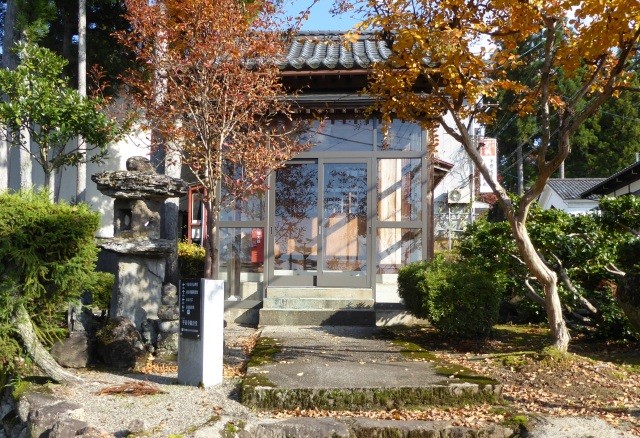
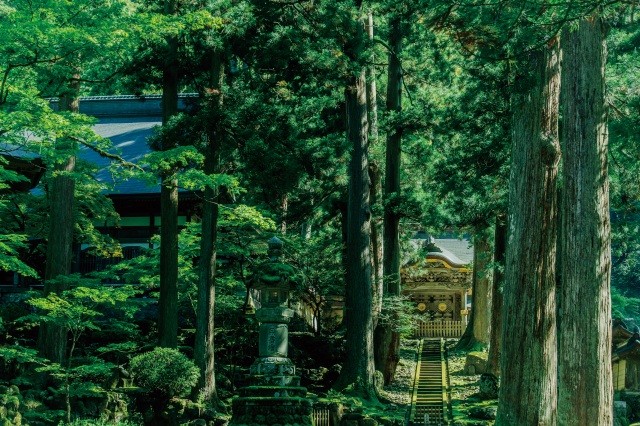
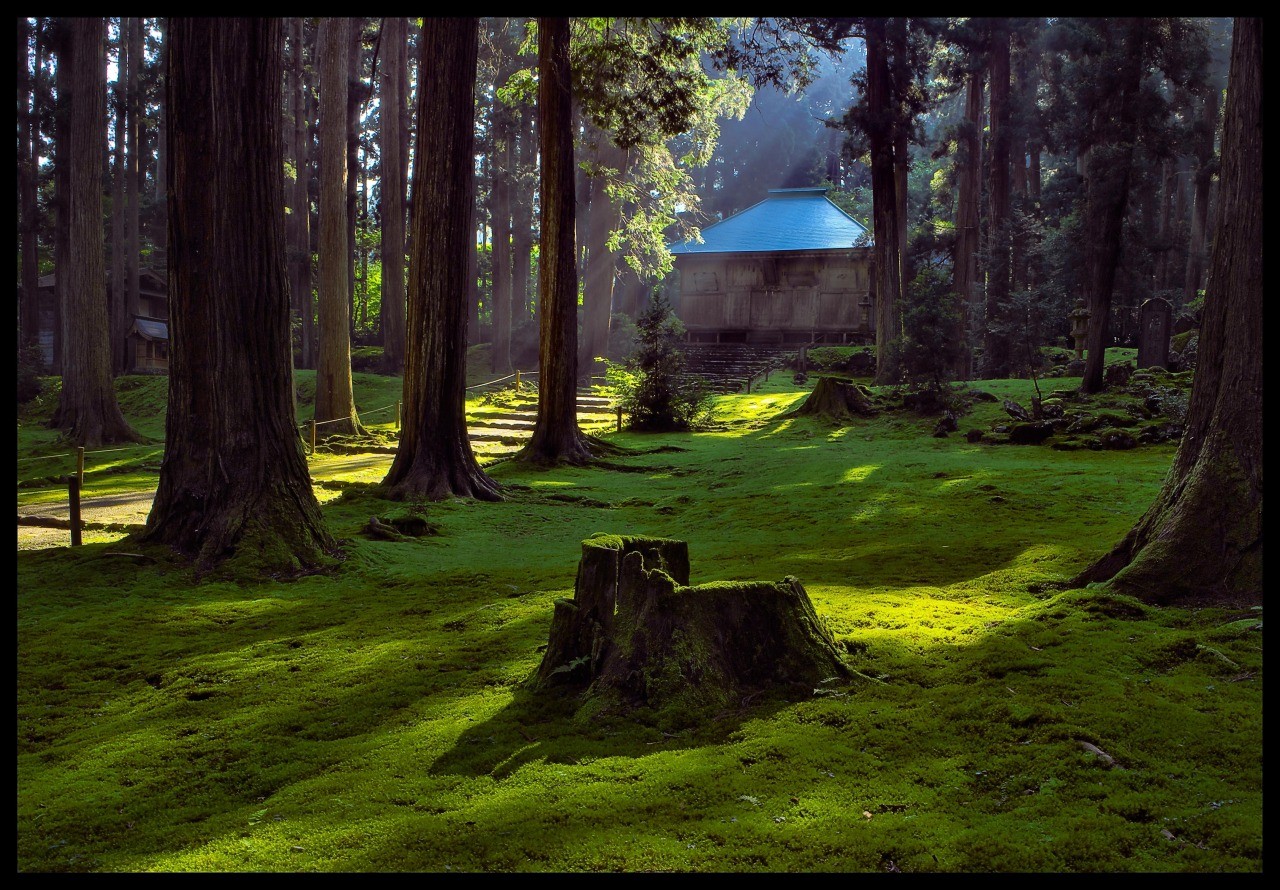
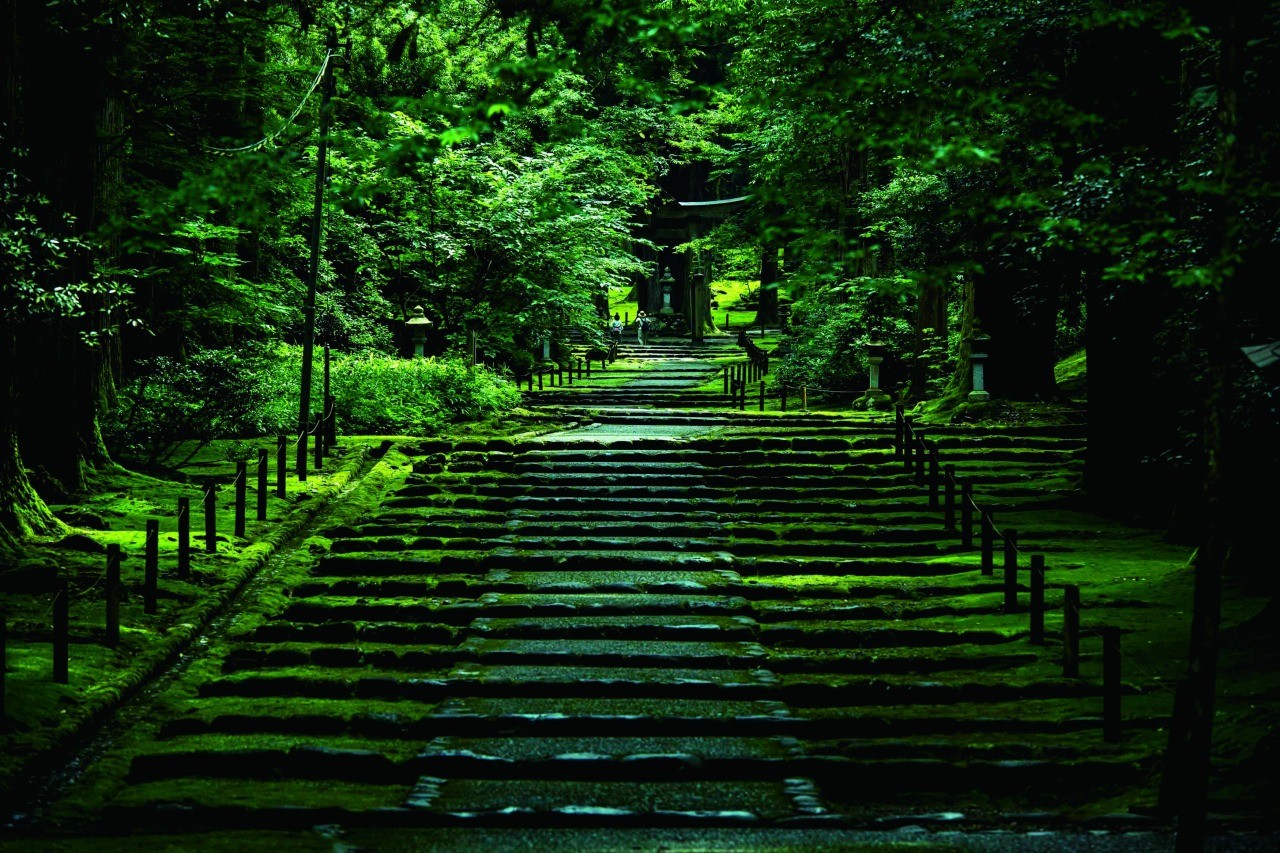
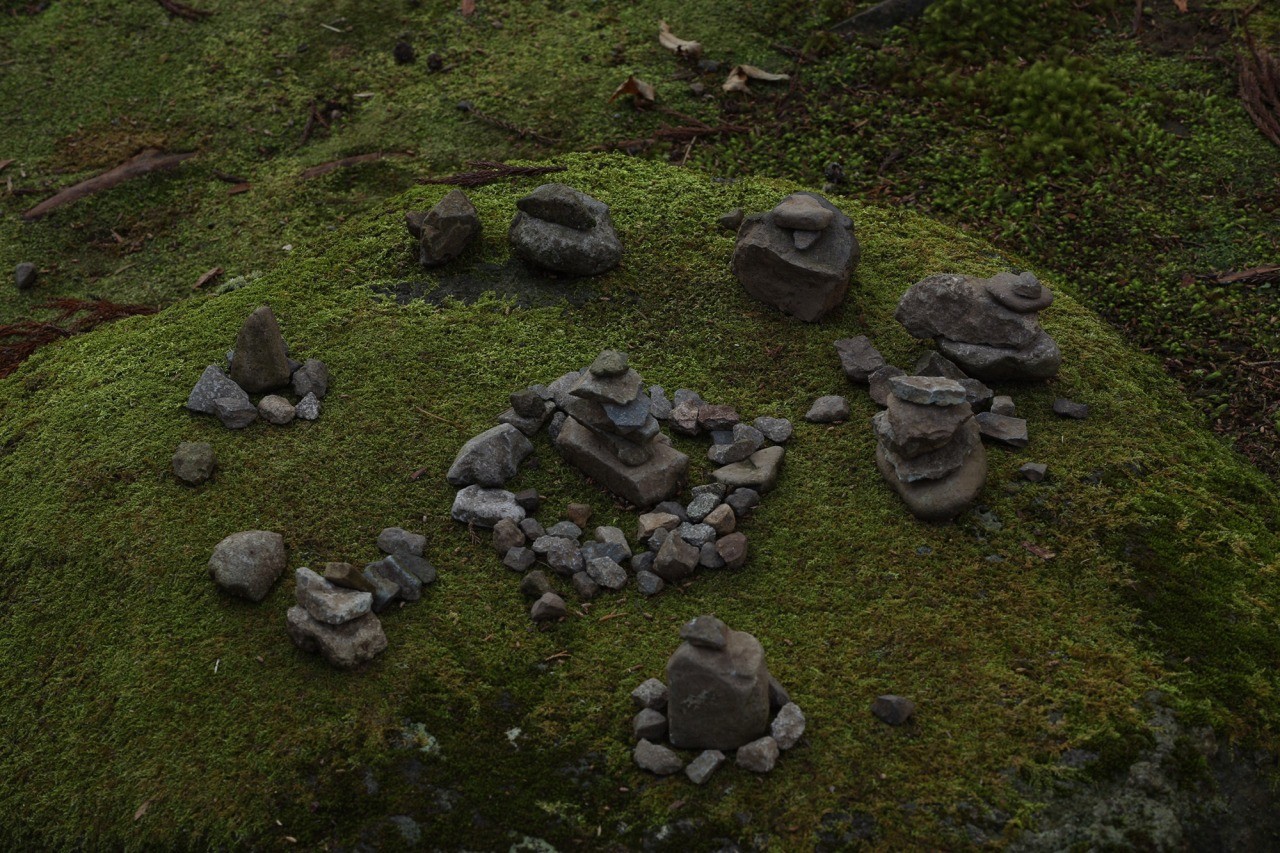
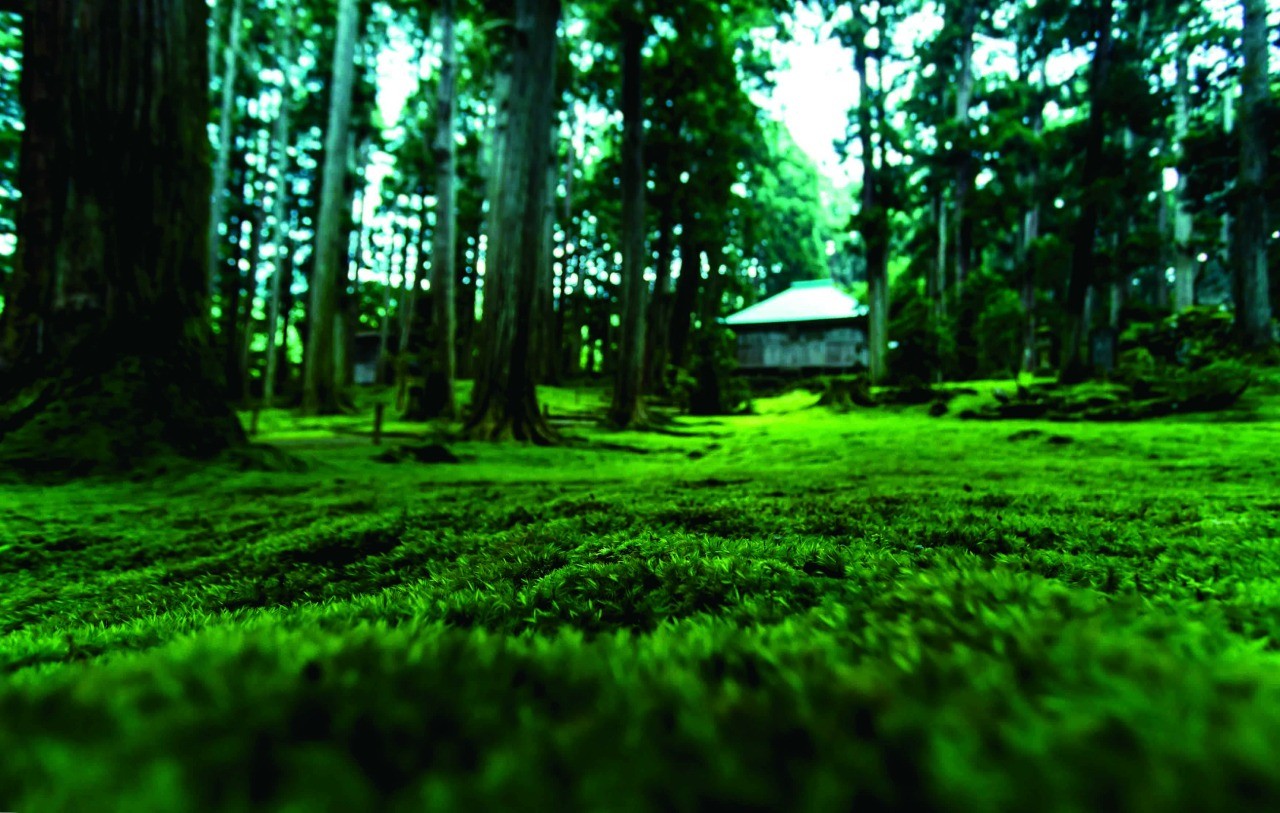
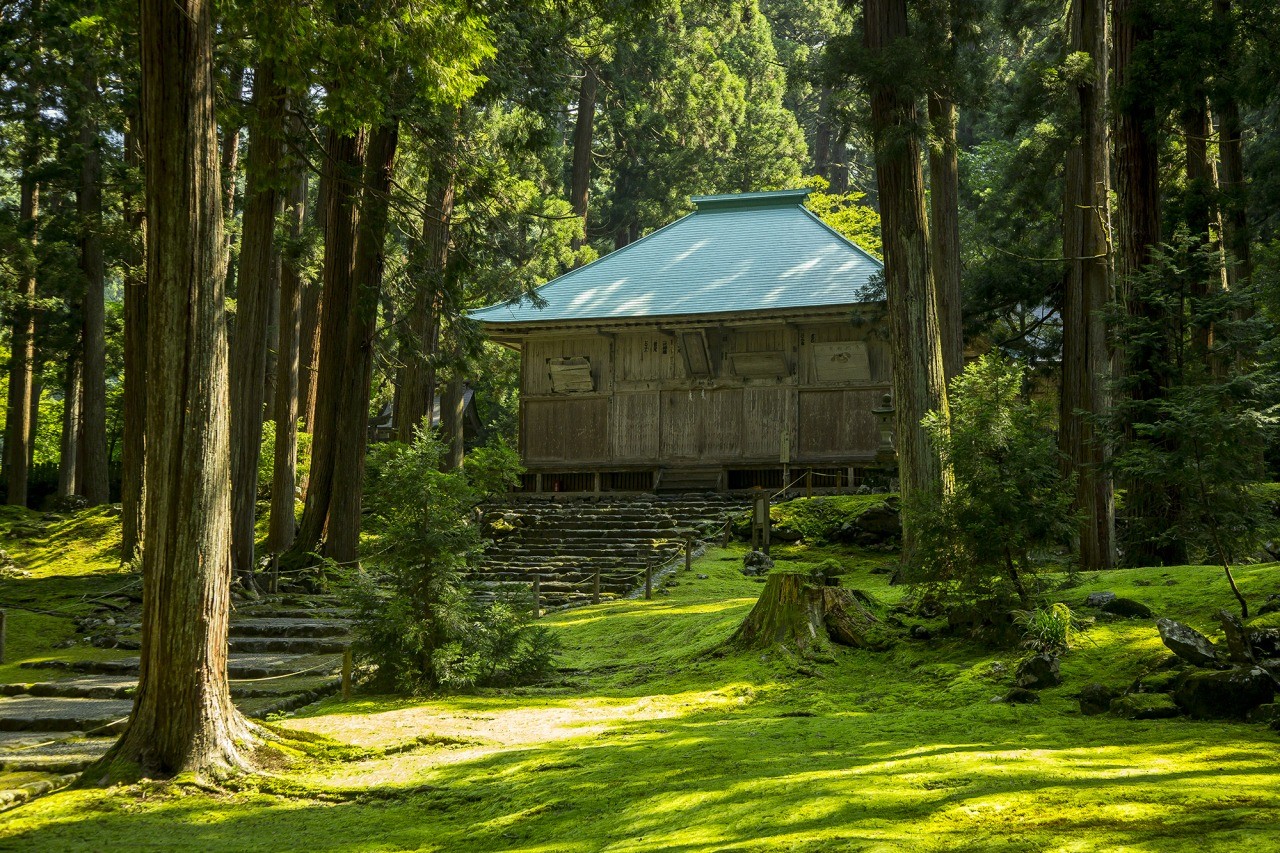
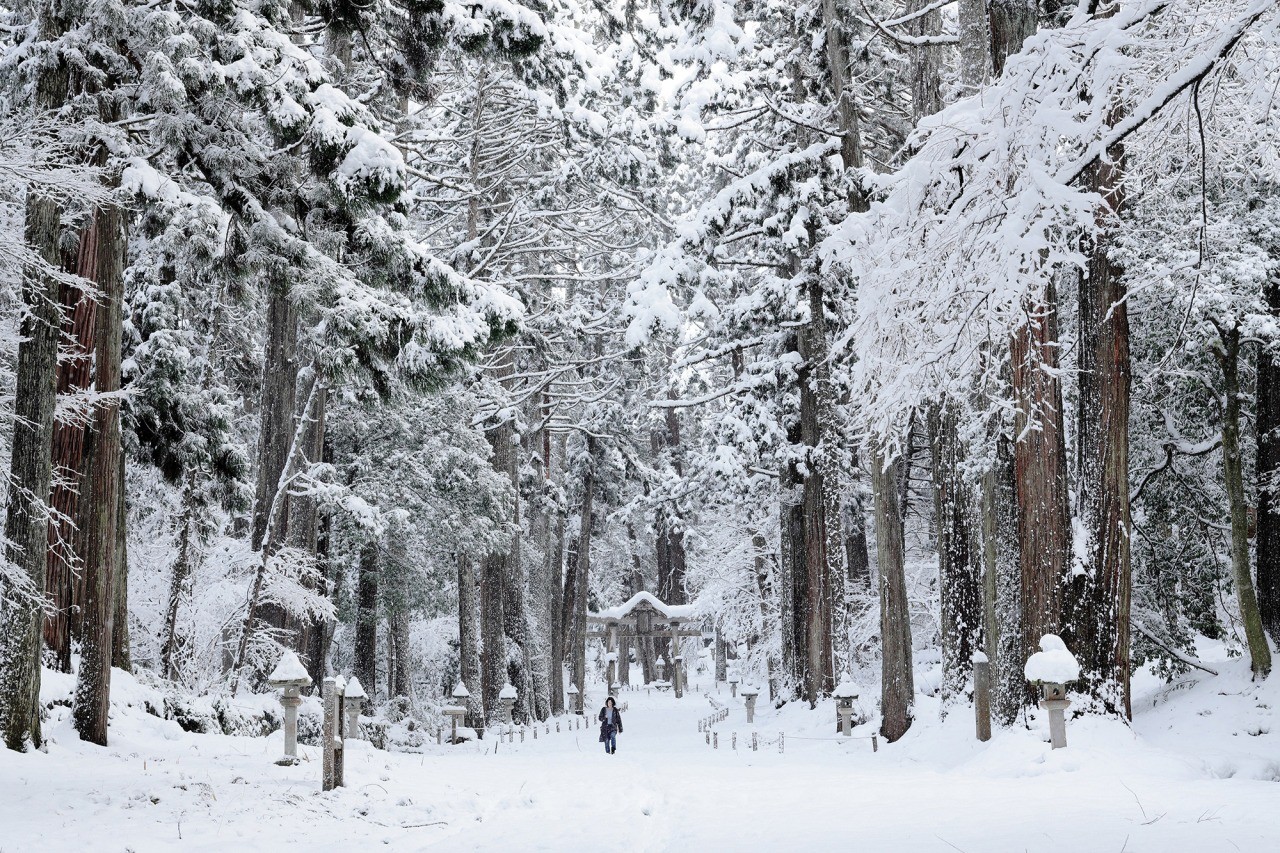
The grounds are covered entirely in beautiful green moss, earning it the nicknames "Moss Shrine" and "Moss Temple"; however, following the Meiji government’s 1868 Edict on the Separation of Shinto and Buddhism, its status as a temple was abolished, and it is now known as Hakusan Shrine.
It is said to have been founded by the Great Master Taichō in the first year of the Yōrō era (717), and it became a center of Hakusan worship on the Echizen side. In the late Heian period, it developed as a branch temple of Enryaku-ji on Mount Hiei of the Tendai sect. At its peak during the Warring States period, it is said to have boasted 48 shrines, 36 halls, and 6,000 monastic quarters, with temple lands yielding 90,000 koku of rice and 90,000 kan of silver, and a force of 8,000 monk-soldiers; it appears to have been one of Japan’s leading religious powers at the time.
In 1574 (Tenshō 2), Heisenji, which had been aligned with Oda Nobunaga, was attacked by the Ikkō-ikki forces of Echizen and the entire mountain was burned to the ground. Although it was partially rebuilt 10 years later, the temple grounds were reduced to about one-tenth of their original size, and the sites of many monastic quarters were buried beneath forests and farmland.
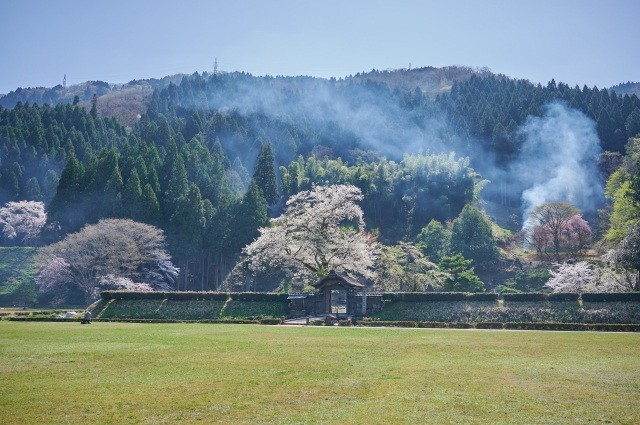
The grounds of Heisenji are estimated to have covered an area of approximately 1.2 km east to west and 1.0 km north to south, encompassing the current Heisenji district settlement. Excavations begun in 1989 revealed that the ruins from that era remain buried beneath the ground in the Heisenji district. Due to the vastness of the site and its excellent state of preservation, the entire former precincts were designated as a National Historic Site, and the name was changed to “Former Precincts of Hakusan Heisenji.”
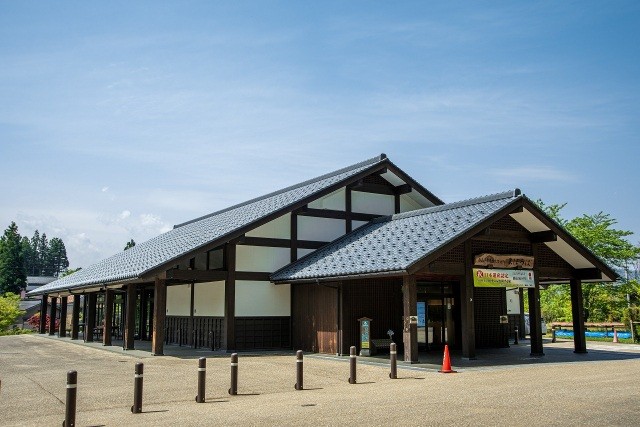
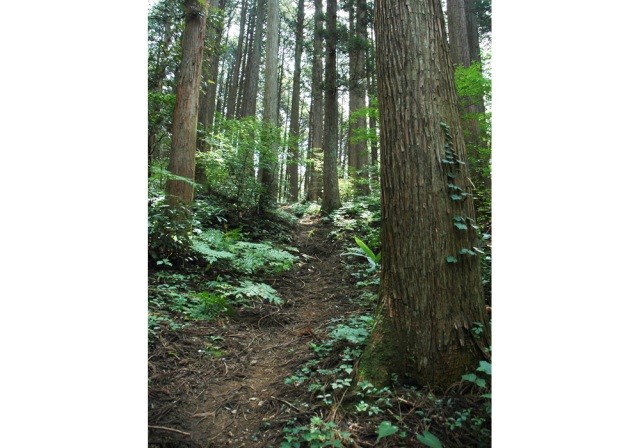
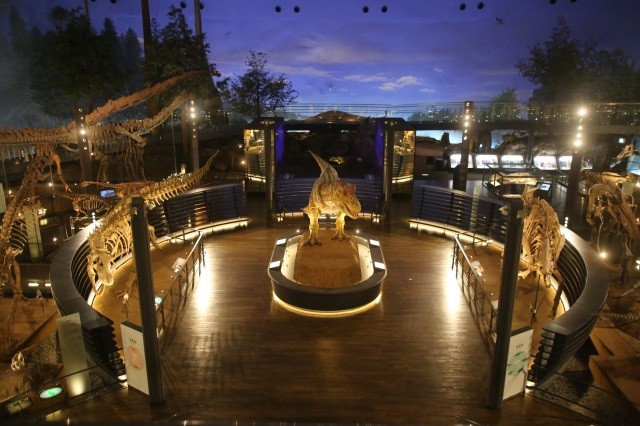
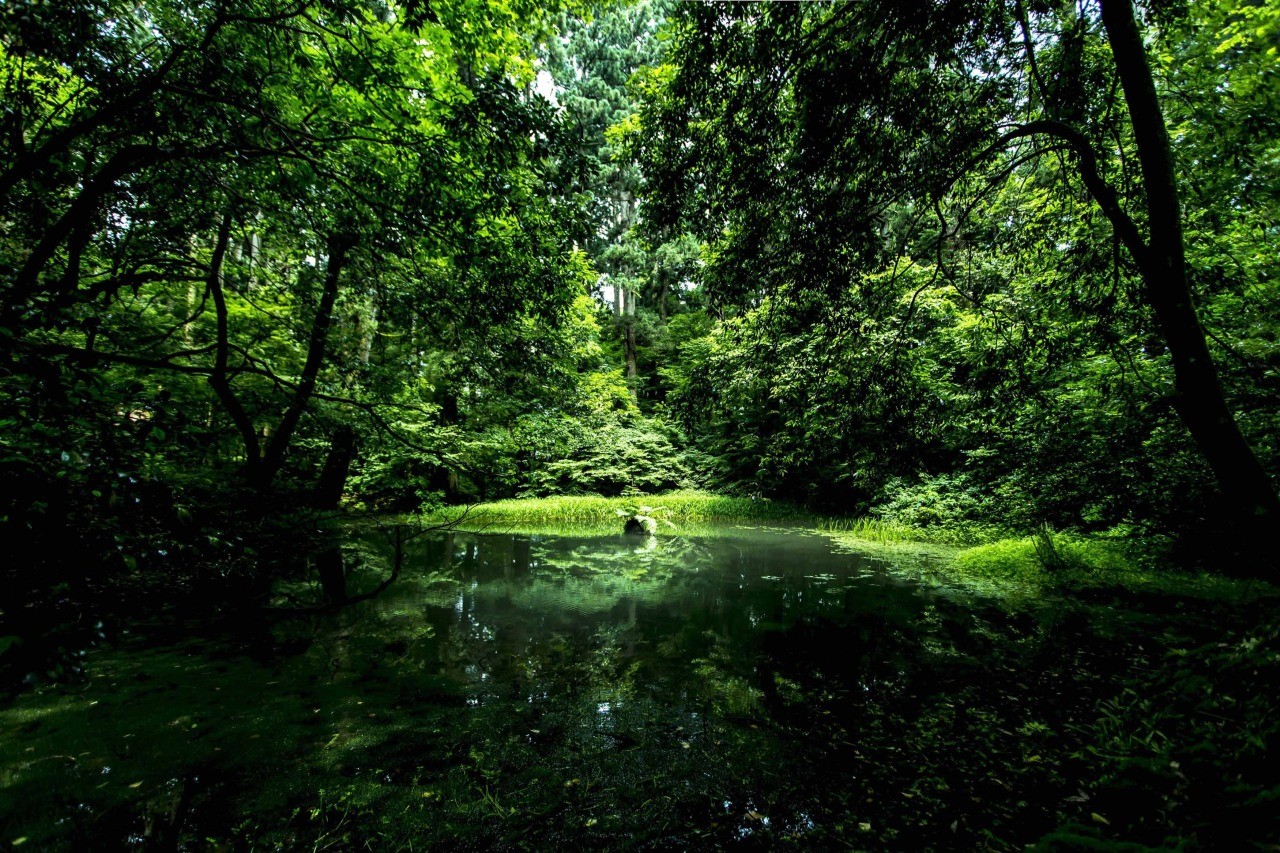
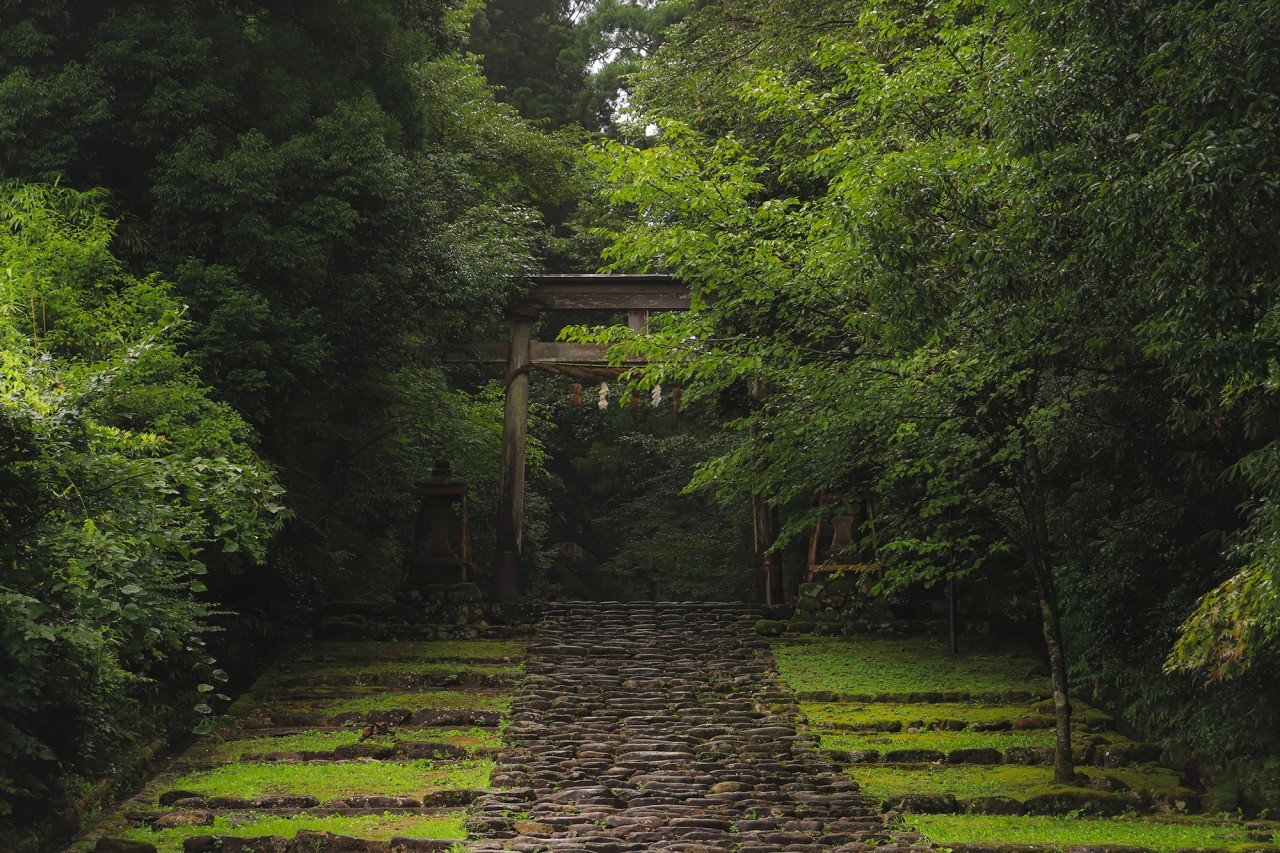
Visitors can envision the former appearance of Heisenji through sites such as the Mitarashi Pond —where, according to legend, the goddess who guided Taichō to Hakusan appeared— and the giant cedar tree said to have survived the fire that destroyed the entire mountain. The site also features one of the largest and most magnificent stone-paved paths in Japan among medieval ruins, as well as the remains of a cluster of temple quarters that follow the slope in a stair-step formation. At the nearby comprehensive visitor center, "Hakusan Heisenji Shrine History Museum Mahoroba," you can learn about the history and nature of Mount Hakusan.
It appears in the *Heike Monogatari* as the site of Kiso Yoshichika’s “Battle of Hibuta,” and the *Yoshitsune Monogatari* describes Minamoto no Yoshitsune stopping by because he “wanted to visit the famous Heisenji.”
In the “Akechi Gunki,” which chronicles the life of Akechi Mitsuhide, the temple appears frequently in accounts describing the fall of the Asakura clan.
- Area
- Eiheiji, Okuetsu
Information
- Telephone Number Details
- Phone: 0779-88-8117
(Tourism Information, Guides, Buses, etc. Katsuyama City Hall, Commerce, Industry, and Tourism Division / Hometown Revitalization Section) - Address (in Japanese)
- 福井県勝山市平泉寺町平泉寺
- Opening Hours
- Feel free to explore the grounds
- Closed
- Open every day
- Prices
- Free
*However, there is a 50-yen admission fee for the National Scenic Spot "Former Genjoin Garden." - Getting There
- ●Public Transportation
Take the Heisenji Line bus from Echizen Railway Katsuyama Station for 13 minutes, and get off at Heisenji Hakusan Jinja Mae.
●By Car
15 minutes by car from the Katsuyama Interchange on the Chubu Jukan Expressway. - Car Park
- Yes
- Car Park: Available Spots
- 30
- Parking Space for Large Buses
- 5 units
- Car Park Details
- If you are arriving by car, please use the parking lot in front of the "Hakusan Heisenji Shrine History Museum Mahoroba (TEL: 0779-87-6001)" or
Parking Lots 1 and 2.
* Both parking lots are about a 5-minute walk from Heisenji Hakusan Shrine.
* We ask for a tourism maintenance contribution of 300 yen per vehicle.
* For large buses (11 or more passengers), please pay a parking fee of 3,000 yen per vehicle at "Tono-kura." - Website
Heisenji Hakusan Shrine Website
Heisenji Hakusan Shrine, with its vast and enchanting expanse of moss