A Guide to Enjoying the Sheer Cliffs of Tojinbo
1. What kind of place is Tojinbo?
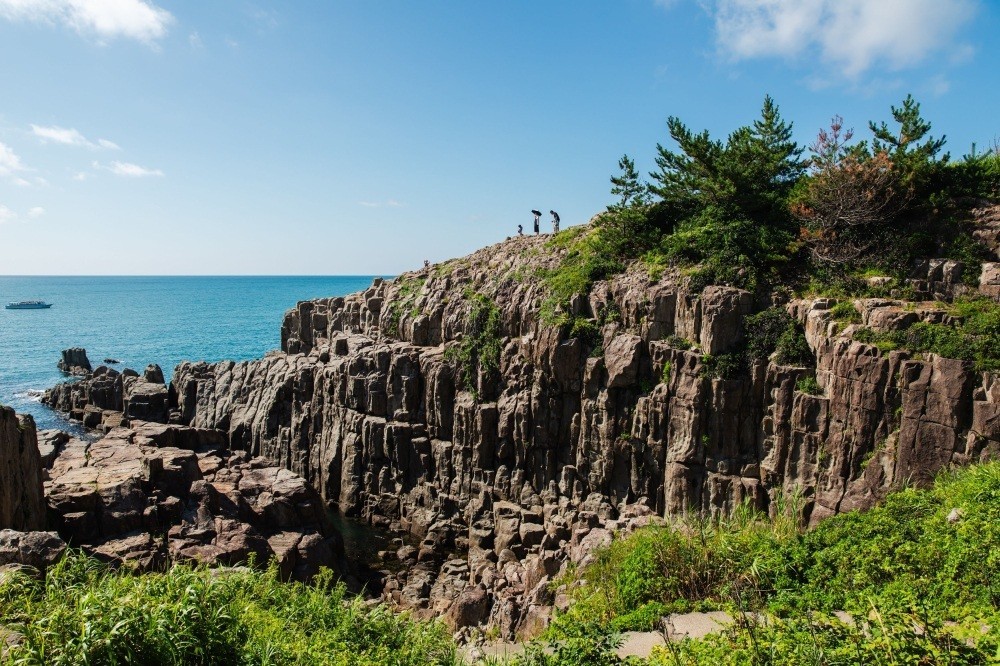
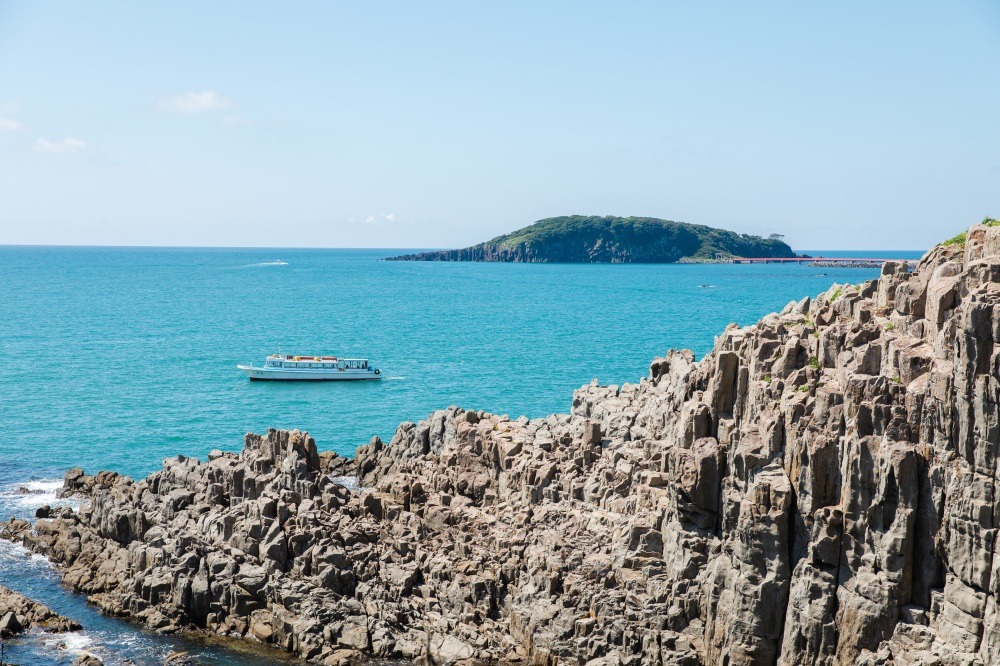
Tojinbo is a massive columnar jointing formation stretching approximately 1 km along the coastline in northern Fukui Prefecture. Columnar jointing on this scale is rare worldwide, and it is considered one of the “Three Great Scenic Wonders of Columnar Jointing.” Furthermore, due to its geological significance, it has been designated in Japan as both a National Natural Monument and a Place of Scenic Beauty. Once you visit, you’re sure to be captivated by the beautiful Sea of Japan and the awe-inspiring sheer cliffs. There are various ways to enjoy the site, such as walking along the cliffs formed by the rough waves of the Sea of Japan, viewing them from the sea on a sightseeing boat, and looking down from the Tojinbo Tower.
Column
What is columnar jointing?
Columnar jointing refers to the cracks that form when lava or magma cools and solidifies. As magma rises close to the Earth’s surface, its temperature drops, causing it to contract and shrink in volume. This process creates columnar cracks in the shape of pentagons or hexagons. This phenomenon is known as columnar jointing, and the columnar joints at Tojinbo were formed when lava erupted and solidified approximately 13 to 12 million years ago. Furthermore, they were eroded by tectonic movements and the rough waves of the Sea of Japan to take on their current form. It truly is a work of art created by Mother Nature!
2. How to Get to Tojinbo
Here’s how to get to Tojinbo. While traveling by car is the most convenient option, you can also get there by public transportation.
<By Car>
Fukui Station →→ (approx. 45 min) →→ Tojinbo
Kanazawa Station →→ (approx. 1 hour 15 minutes) →→ Tojinbo *When using toll roads
The nearest interchange on the Hokuriku Expressway is “Kanazu IC.” It takes about 40 minutes to get from Kanazu IC to Tojinbo. All parking lots require a fee.
<By Public Transportation>
Fukui Station →→ Echizen Railway Mikuni-Awara Line (approx. 50 min) →→ Echizen Railway Mikuni Station (*) →→ Keifuku Bus (approx. 10 min) →→ Get off at the “Tojinbo” bus stop, then walk approx. 5 min
*Buses bound for Tojinbo also depart from Echizen Railway’s Mikuni-Minato Station and Awara-Yunomachi Station.
JR Kanazawa Station →→ Hokuriku Shinkansen (approx. 27 min) →→ JR Awaraonsen Station →→ Keifuku Bus (approx. 45 min) →→ Get off at the “Tojinbo” bus stop, then walk about 5 minutes
Including transfer times, the journey from Fukui Station to Tojinbo takes about 1 hour and 20 minutes, and from Kanazawa Station, about 1 hour and 15 minutes. (*Times may vary depending on the time of day.)
Be sure to check train and bus schedules before departure.
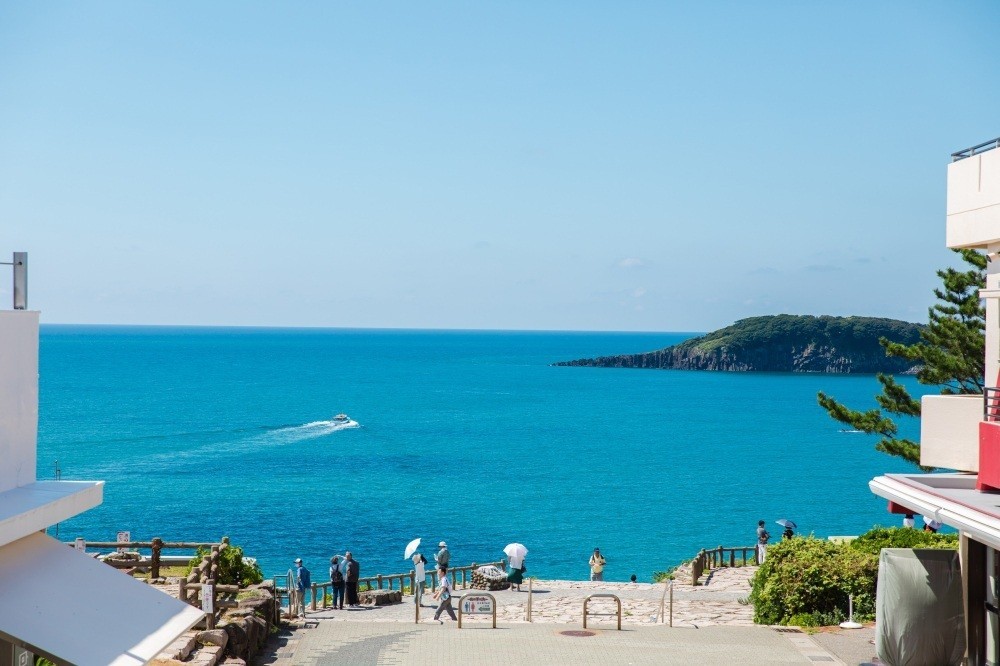
Once you arrive at the Tojinbo entrance, head toward the cliffs by walking through the “Tojinbo Shopping Street,” which stretches for about 300 meters. The shopping street is lined with restaurants serving fresh seafood, coffee shops, cafes, and souvenir shops.
3. Walk around and experience the sheer grandeur of Tojinbo!
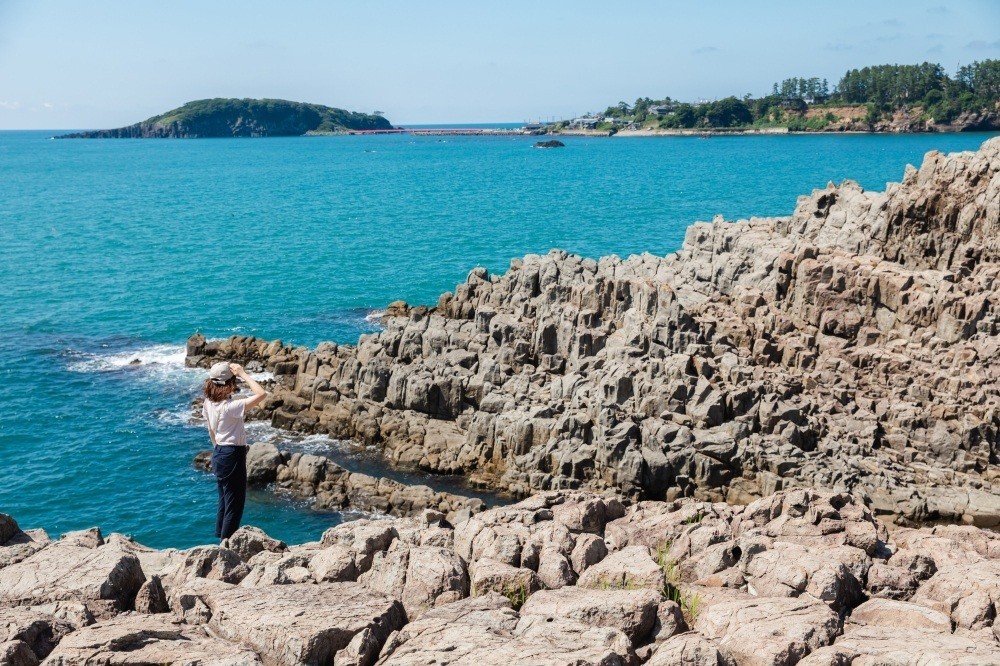
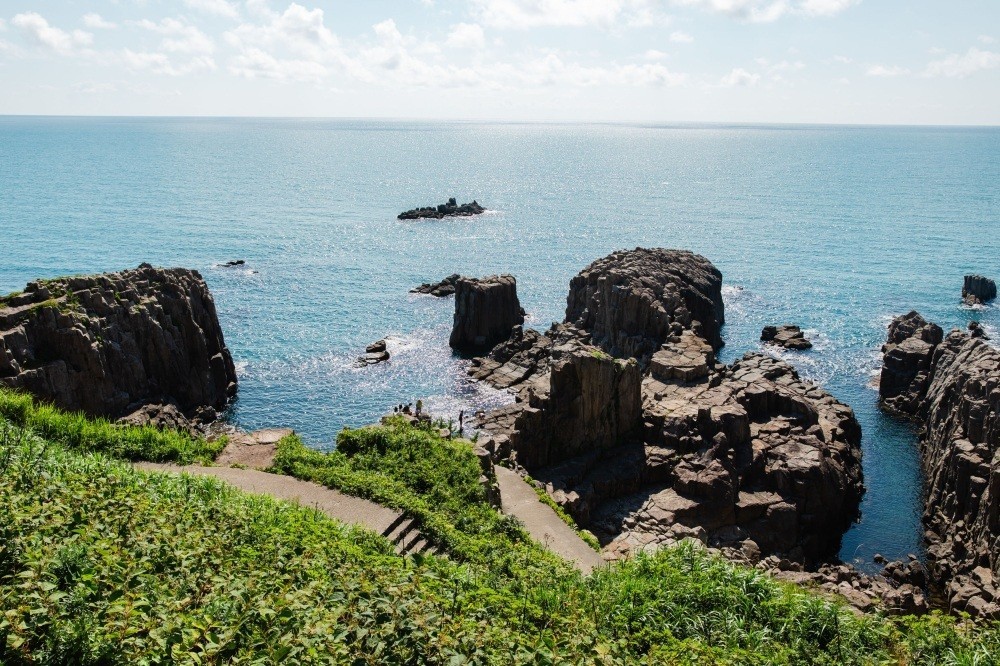
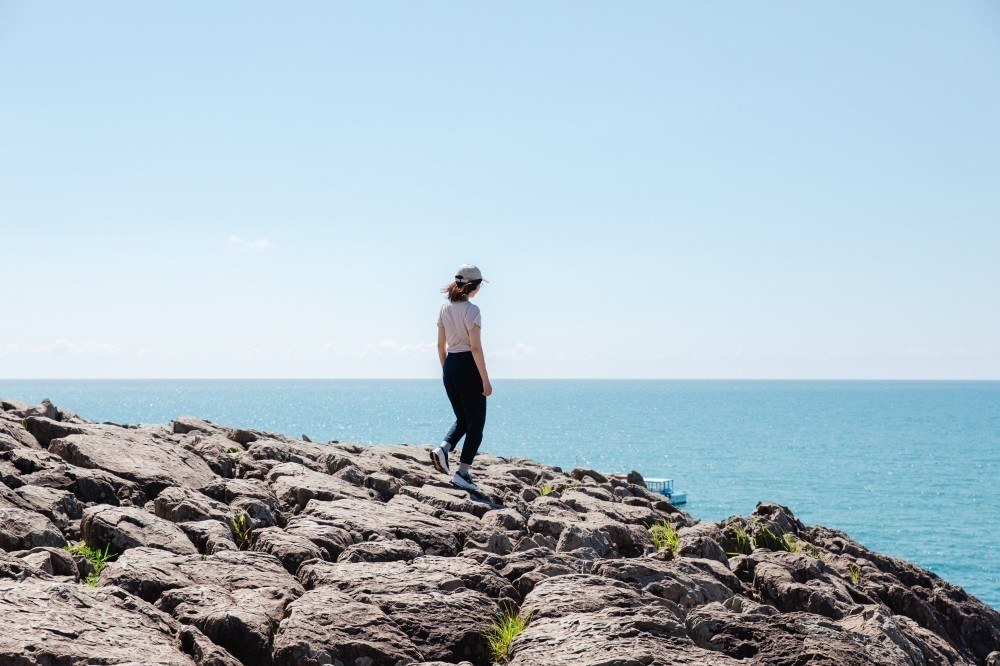
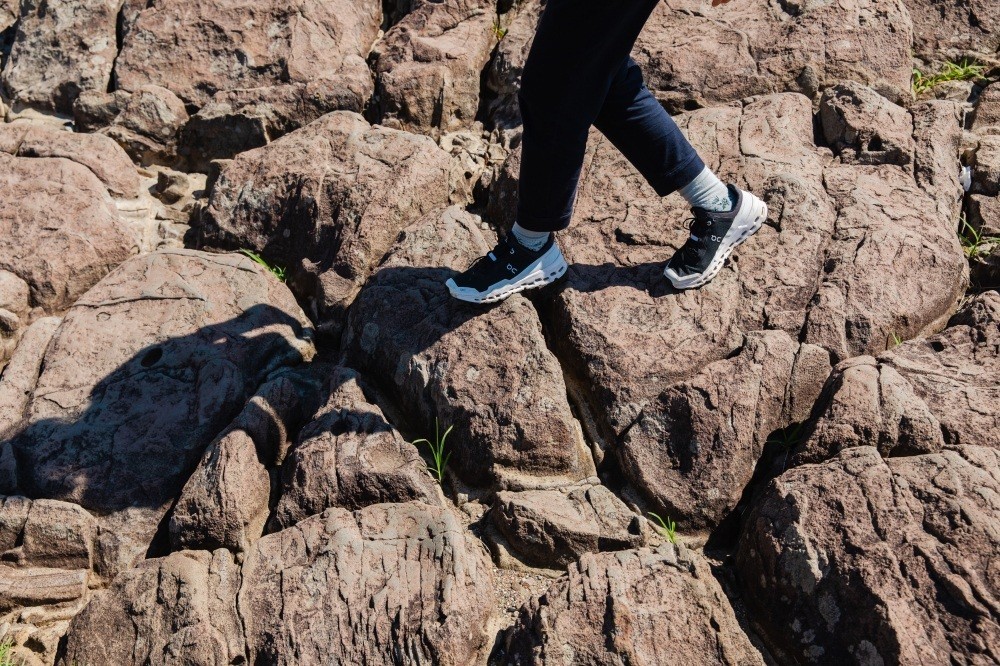
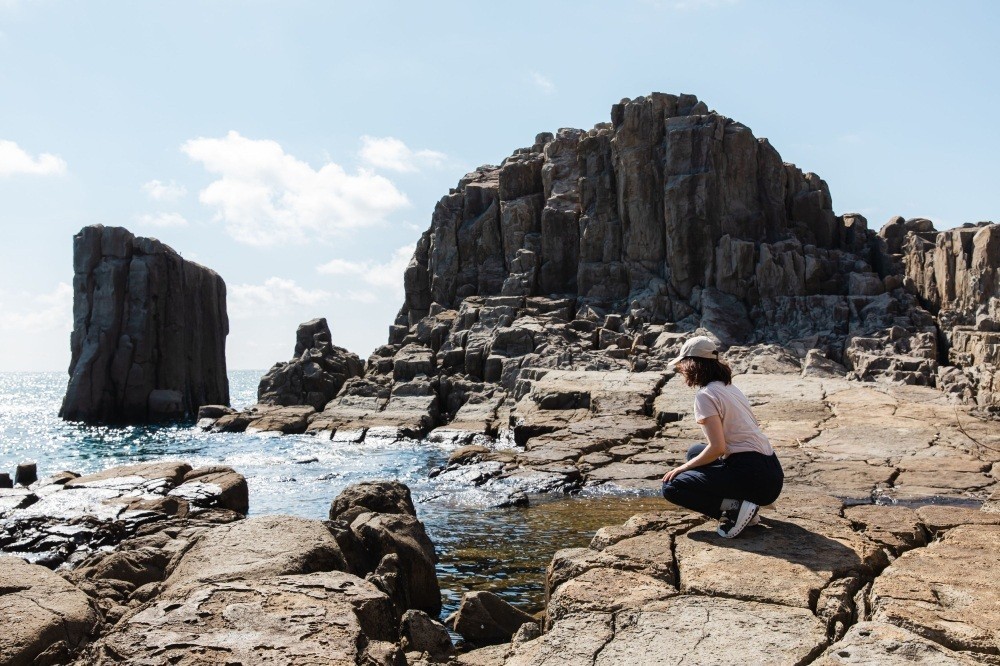
Once you pass through the Tojinbo Shopping Street, you’ll arrive at the sheer cliffs. On a clear day, you can enjoy the contrast between the crystal-clear blue sky, the Sea of Japan, and the sheer cliffs. The cliff known as “Oike”—the most spectacular in Tojinbo—stands a staggering 25 meters tall! Looking down at the sea from the cliff’s edge, the sheer height is enough to make your knees go weak. There is also a spot called “Senjojiki” where you can walk down to the water’s edge. Walk among and touch the massive columnar jointing—one of the world’s largest formations—and experience the grandeur of nature. To preserve the beautiful scenery, there are absolutely no handrails or fences at Tojinbo. Be sure to wear comfortable sneakers and take care as you explore. Pay special attention to your footing on windy or rainy days.
Column
The Origin of the Name "Tojinbo"
It is said that the name “Tojinbo” derives from the name of a monk named “Tojinbo.” During the Heian period (794 to 1185), there was a monk named “Tojinbo” at a temple called Heisenji (in present-day Katsuyama City, Fukui Prefecture). One day, over a woman named Aya-hime, Tojinbo was summoned to the cliffs by a rival monk named Magara Kaku-nen. There, he was plied with sake and pushed off the cliff. It is said that from that day onward, the sea raged violently for 49 days, leading the people of that time to begin calling this place “Tojinbo.” Even today, a stone pillar inscribed with “Tojinbo Site” remains at the Heisenji Hakusan Shrine. It might be a good idea to visit it along with Tojinbo.
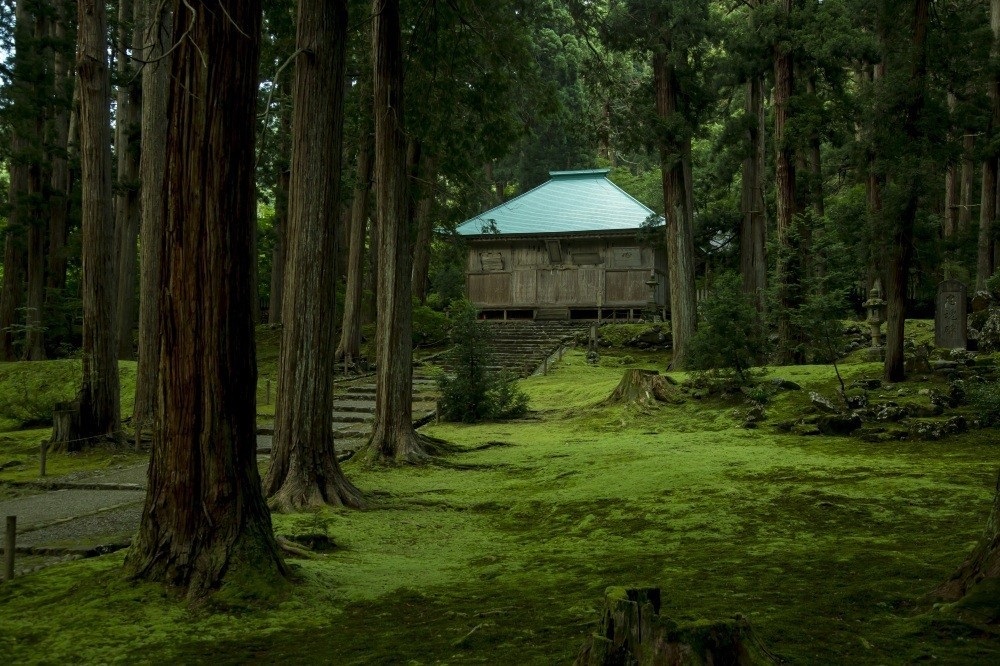
4. Enjoy the breathtaking views of Tojinbo and Oshima to the fullest on a sightseeing cruise!
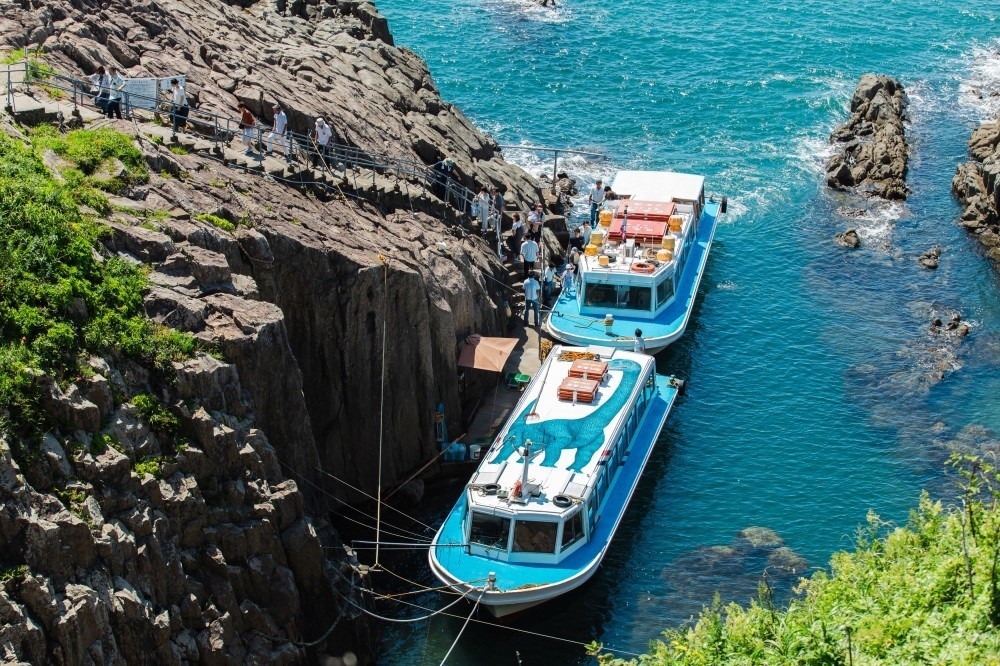
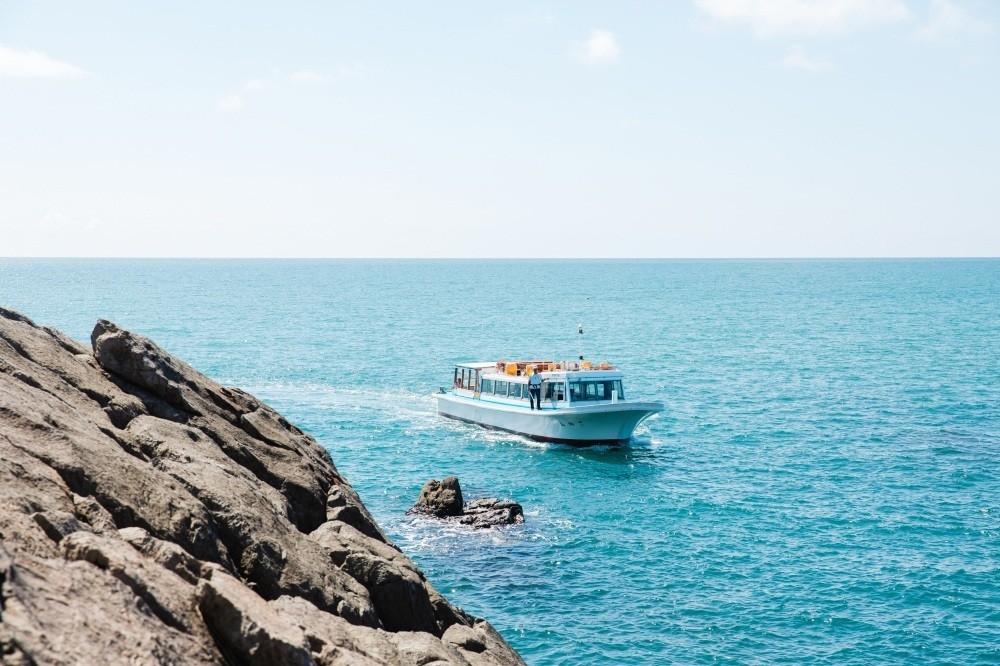
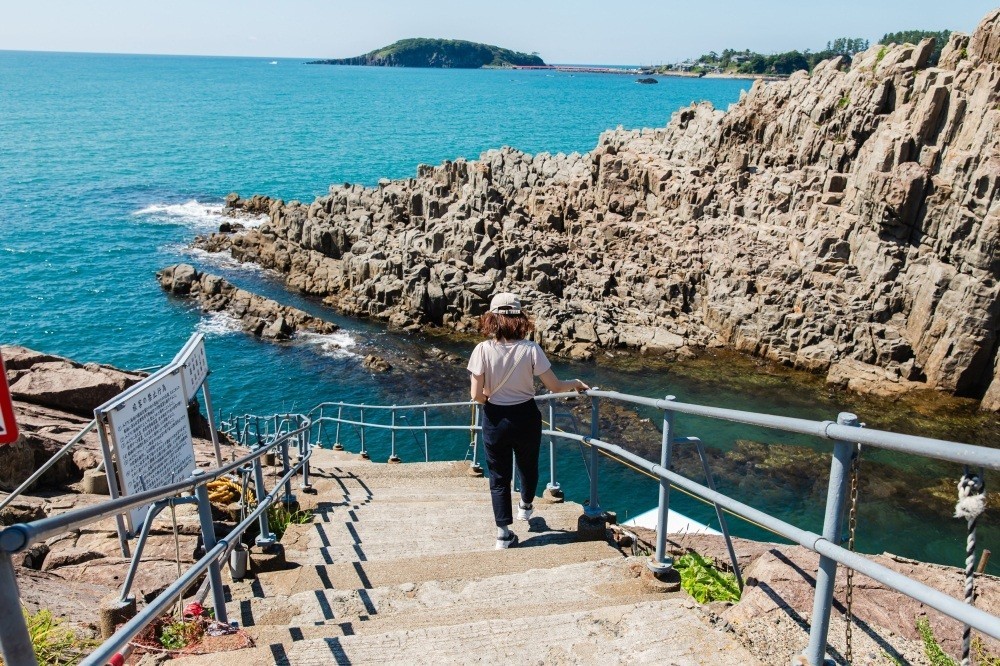
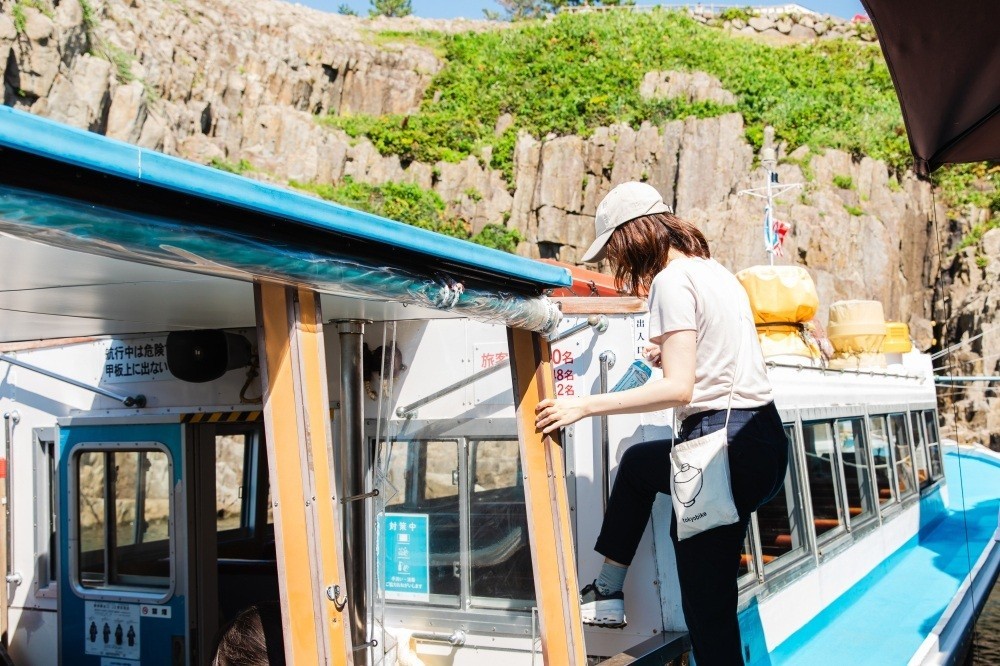
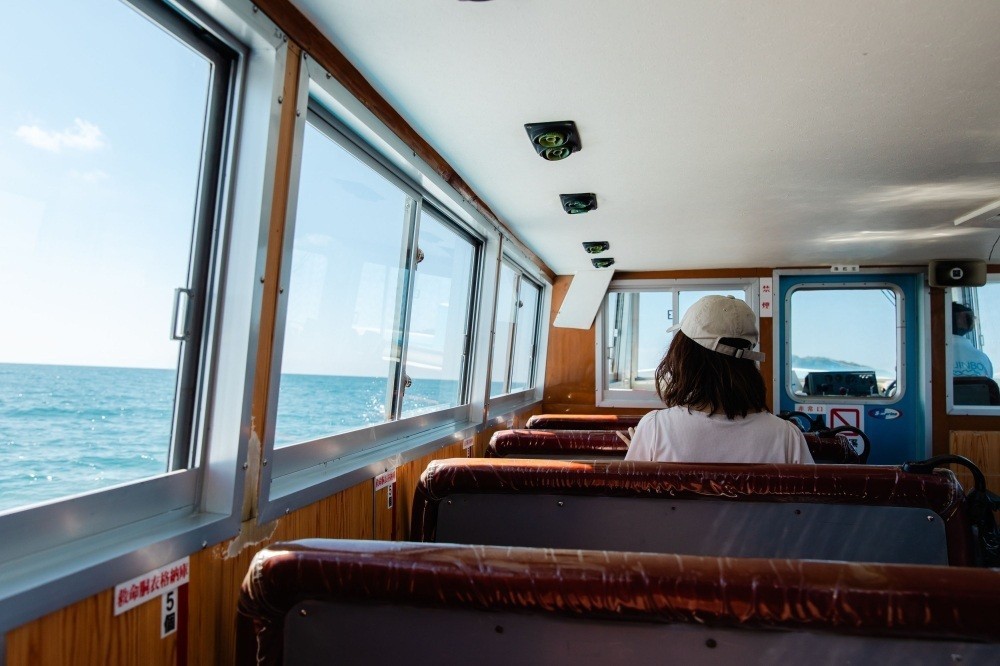
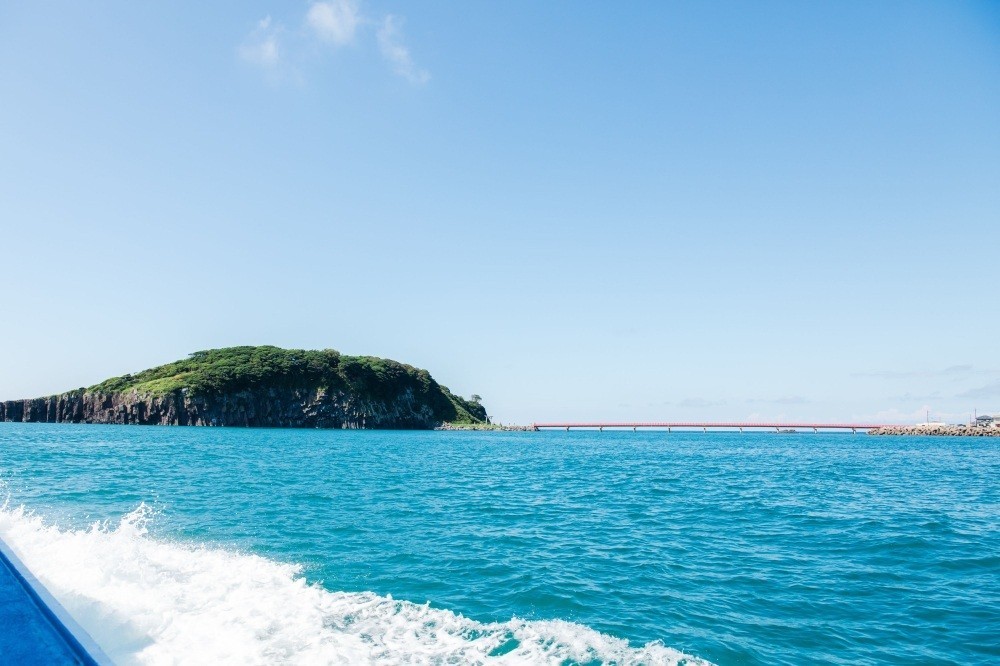
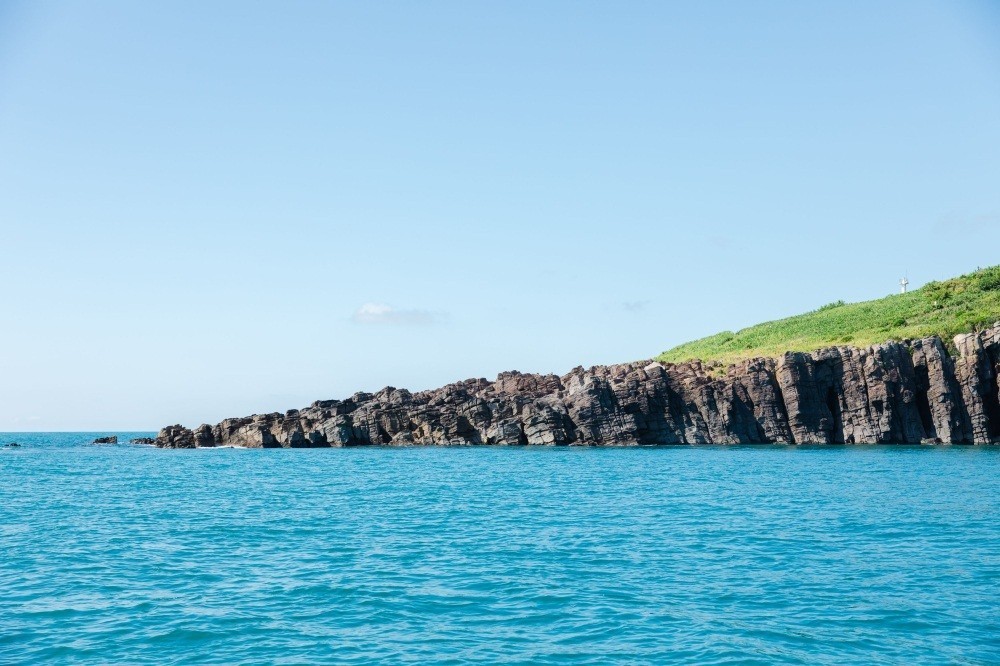
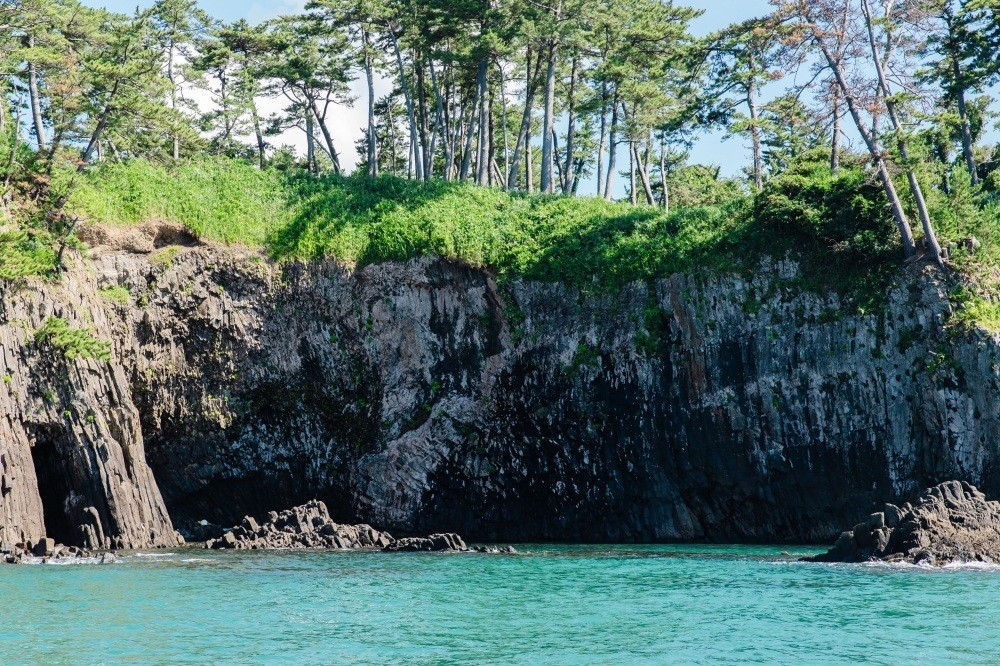
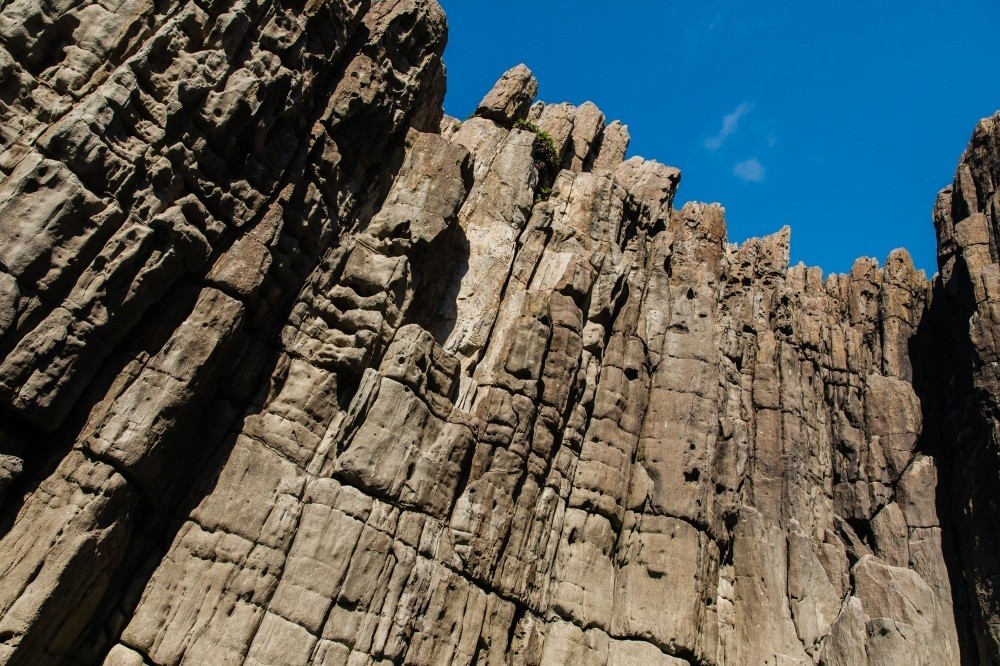
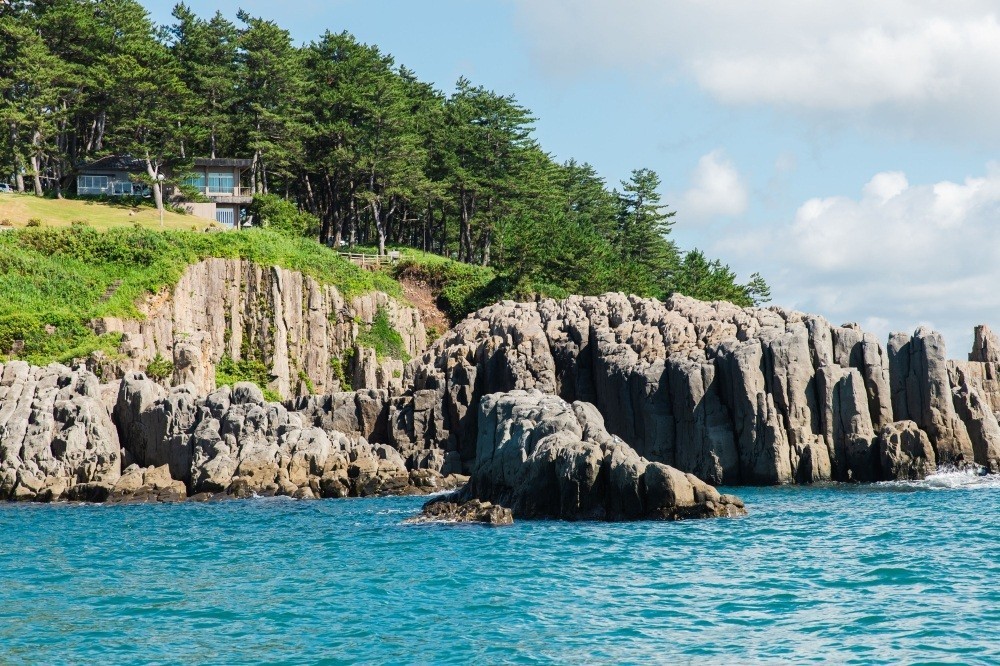
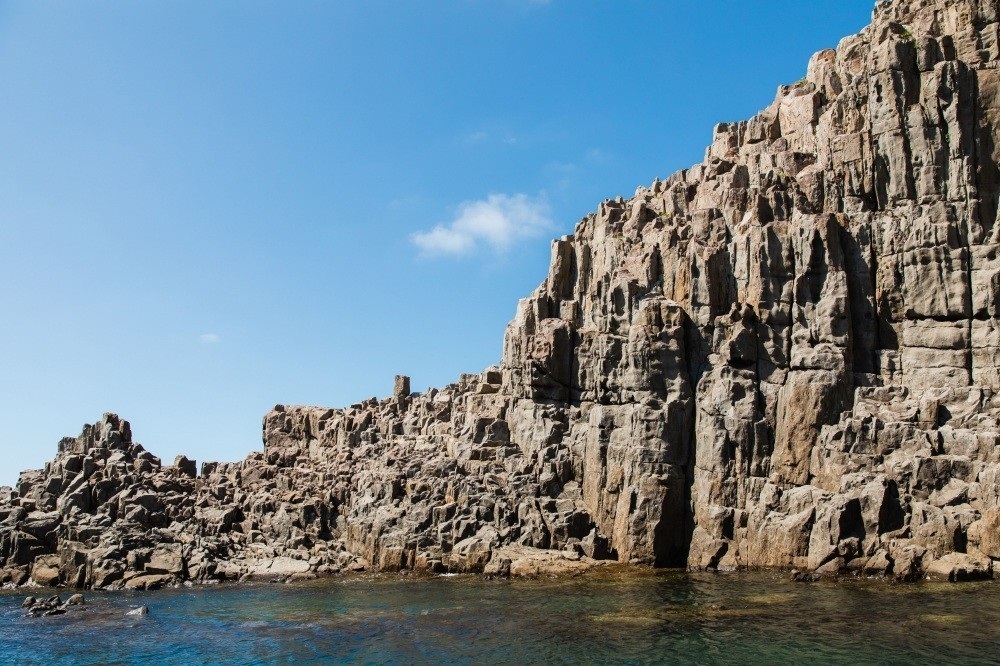
The view of the sheer cliffs is breathtaking even from above, but if you want to really take in the sights, I recommend seeing it from the sea. The “Tojinbo Sightseeing Cruise,” which takes about 30 minutes to tour Tojinbo and nearby Oshima Island, can sail right into the cove of “Oike”—which boasts a height of 25 meters—on days when the waves are calm. You can also enjoy views of “Lion Rock,” “Candle Rock,” and “Warship Rock” from the water.
The wait time before boarding is about 15 minutes. Once you’ve purchased your ticket, head to the boarding gate at the bottom of the stairs. Seating on board is first-come, first-served, so feel free to sit wherever you like. Since small boats tend to rock easily, if you’re worried about seasickness, it’s a good idea to bring motion sickness medication for peace of mind.
On the sightseeing cruise, you can also take your time admiring the back side of Oshima Island, which isn’t visible from land!
In addition,
・Hidden-Dinosaur Rock
・Beehive Rock
・Meoto-iwa (Husband-and-Wife Rock)
・Lion Rock
・Candle Rock
・Warship Rock
and many more highlights can been seen from the boat!
You can check the Tojinbo sightseeing cruise schedule on their official website (see below).
The boarding location may change depending on the weather. Be sure to check the schedule before departure.
Column
You can also enjoy the spectacular view from Tojinbo Tower!
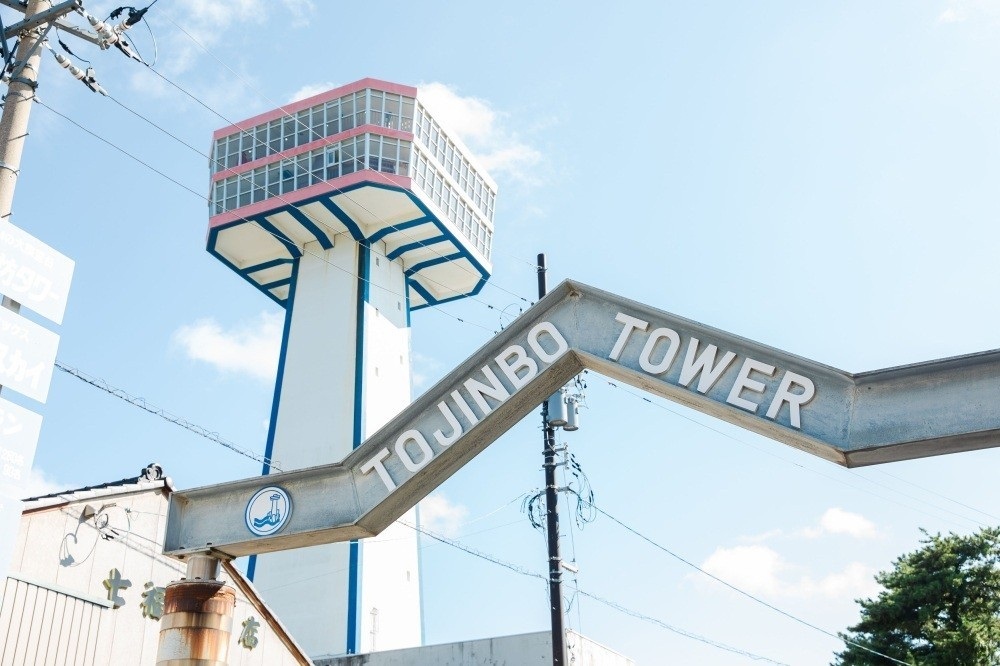
You can also enjoy the beautiful, breathtaking views from Tojinbo Tower. Built in 1964, Tojinbo Tower—with its retro charm—stands 100 meters above sea level and 55 meters above ground. From the observation deck on the top floor, you can take in a panoramic view of Tojinbo, Oshima Island, and the Echizen Coast. With its 360-degree view, you can even see the Hakusan Mountain Range on clear days.
5. Enjoy some great food at the Tojinbo Shopping Street!
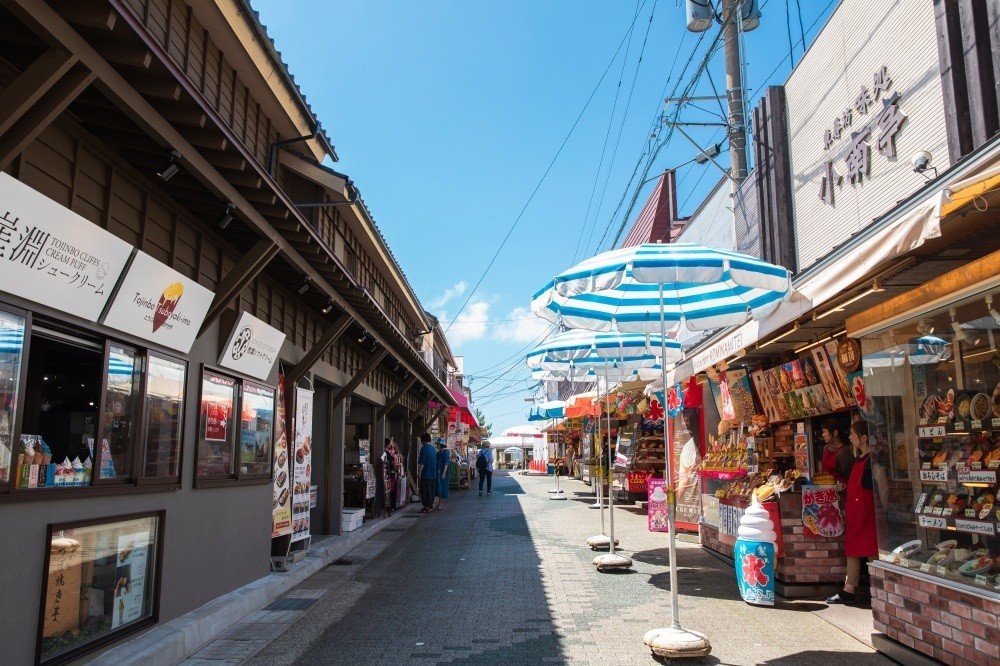
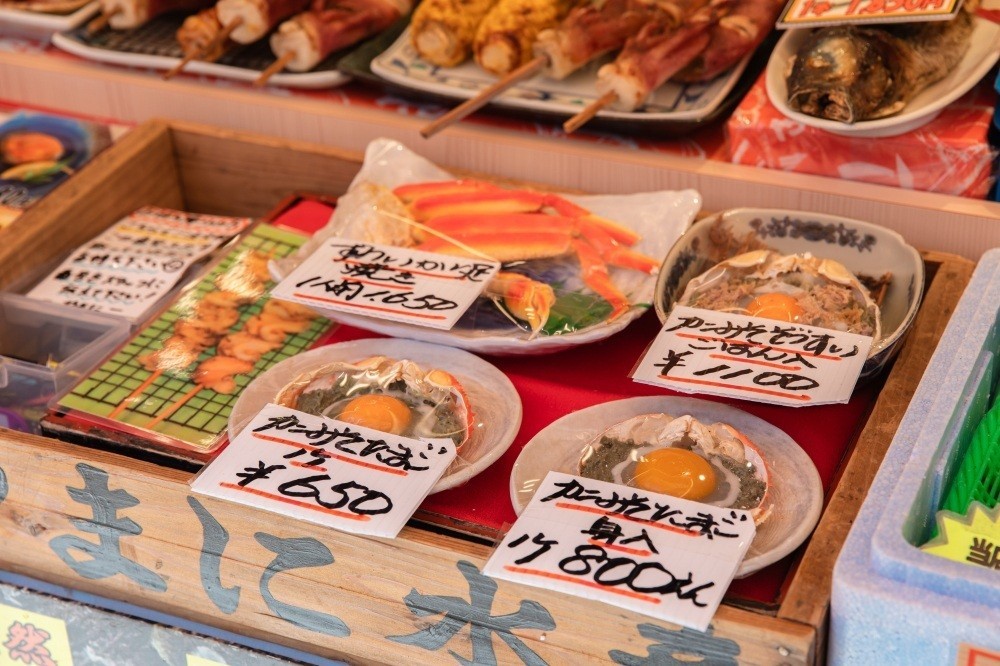
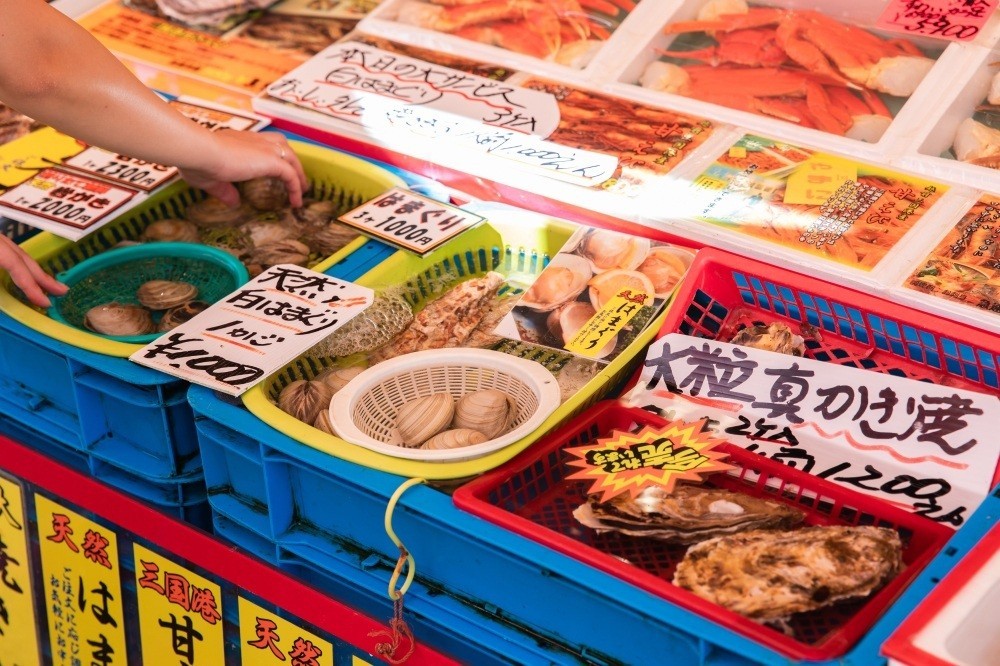
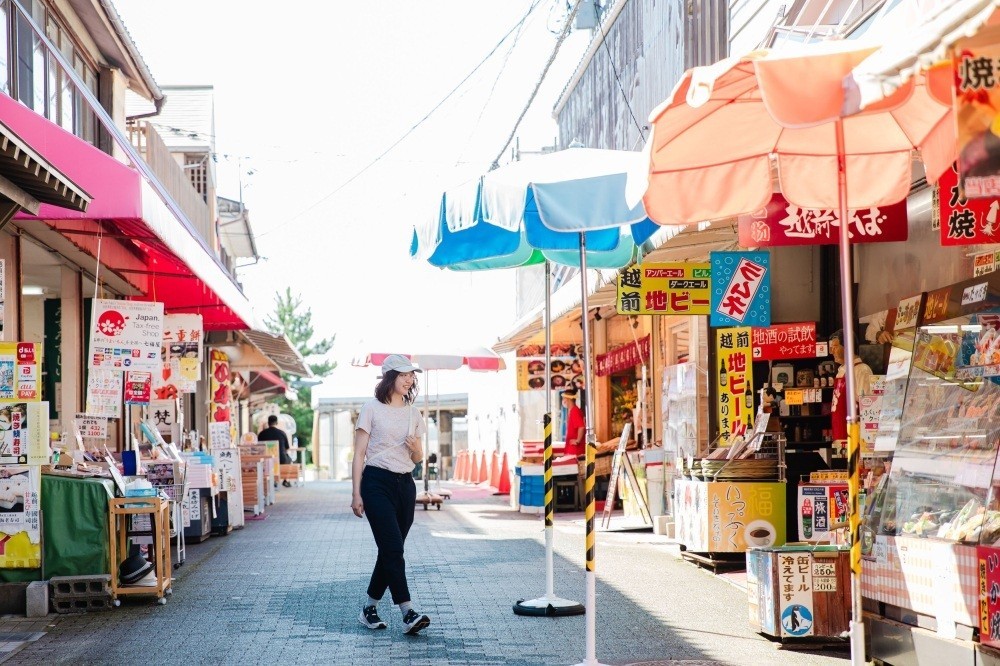
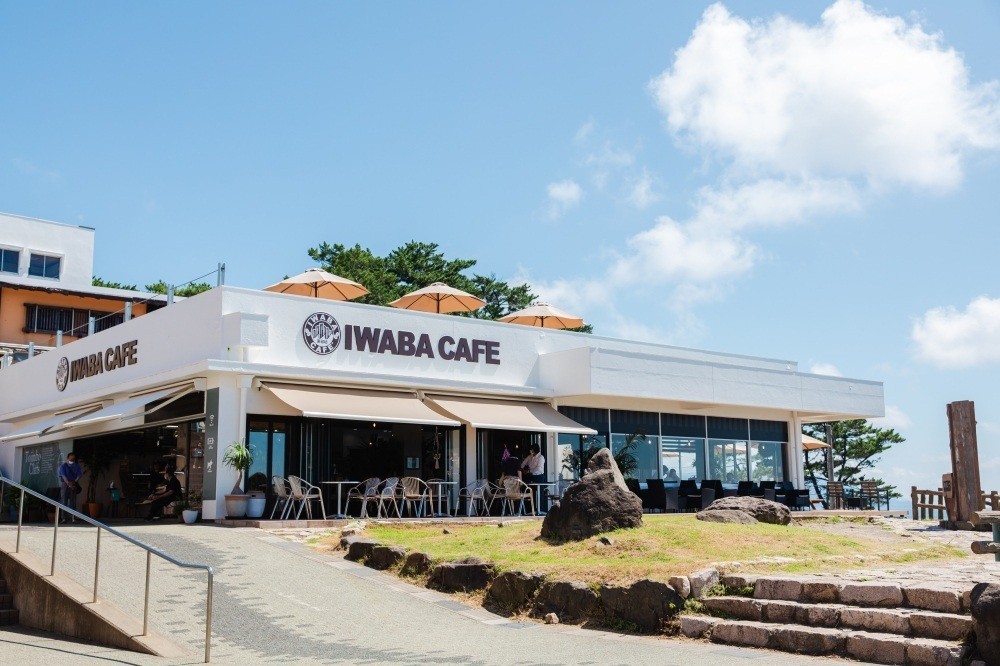
The Tojinbo Shopping Street, located right next to Tojinbo, stretches for about 300 meters right up to the cliff’s edge. It’s lined with shops such as “IWABA CAFE,” which offers ocean views, restaurants serving fresh seafood, and souvenir shops. You’ll find vendors grilling squid, scallops, turban shells, and other seafood right in front of their stores. You can enjoy walking around while sampling grilled seafood skewers and sweets, or take your time eating inside a restaurant. The charm of the Tojinbo Shopping Street lies in being able to enjoy food that’s freshly grilled or just made. If you’re not sure what to eat, ask the friendly staff for their recommendations.
Examples of culinary delights to enjoy at the Tojinbo Shopping Street:
・Seafood rice bowl
・Grilled squid skewers
・Soft-serve ice cream
・Cliff-Edge Cream Puffs
and more!
When you visit Tojinbo, be sure to enjoy the local cuisine in the shopping district!
Column
What are some recommended souvenirs from Tojinbo?
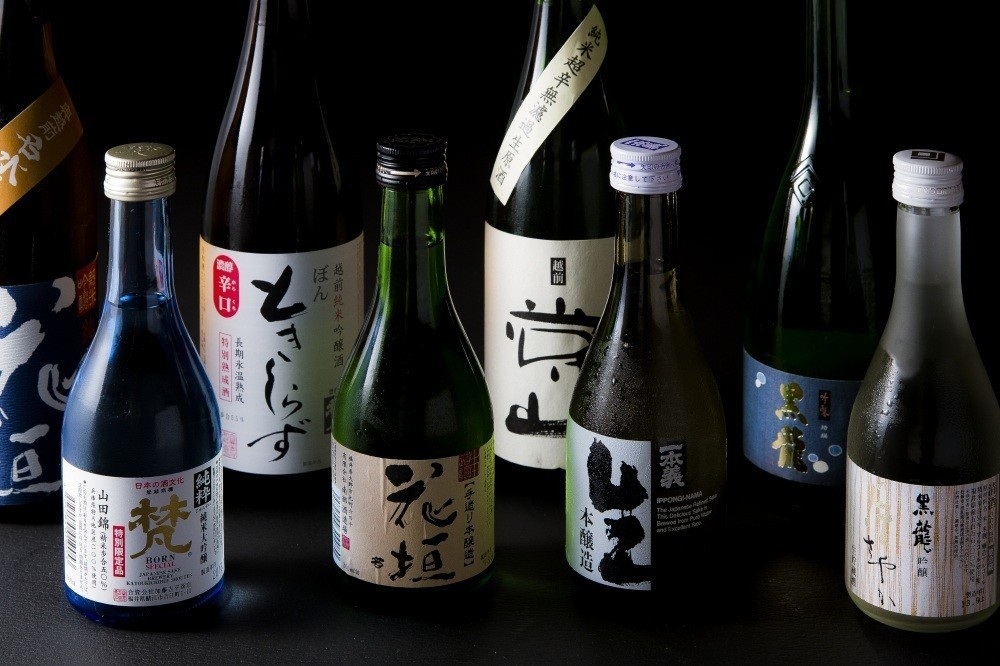
We asked Shichifukuya, a popular souvenir shop in the Tojinbo Shopping District, for their recommended souvenirs! They suggested Fukui’s local specialties—momi wakame (sun-dried seaweed carefully hand-crushed into a flavorful, aromatic powder or flakes), grilled mackerel sushi, and canned cod roe—as great souvenirs. In addition, as a major rice-producing region, Fukui boasts a wide variety of delicious local sake. Renowned Fukui brands such as “Bon,” “Hanagaki,” “Ippongi,” and “Kumonoi” are particularly popular. When it comes to sweets, in addition to Habutae Mochi—a classic Fukui souvenir—Habutae Langue de Chat, made with Habutae mochi flour kneaded into the dough, is also a favorite. Be sure to find your favorite item from their extensive selection!
6. I also recommend visiting in the evening! Enjoy the beautiful sunset over the Sea of Japan.
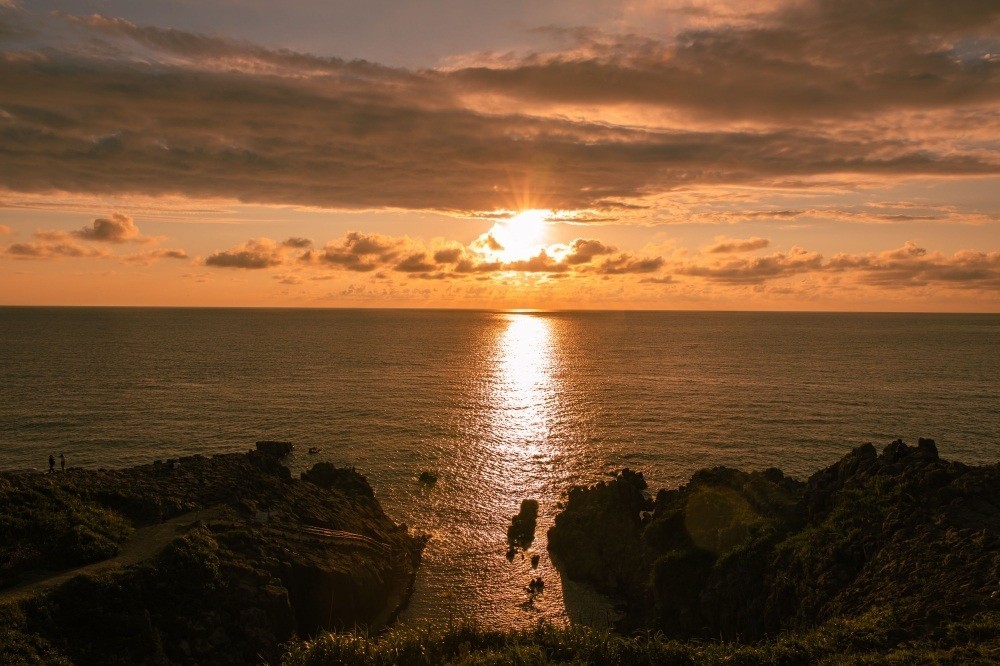
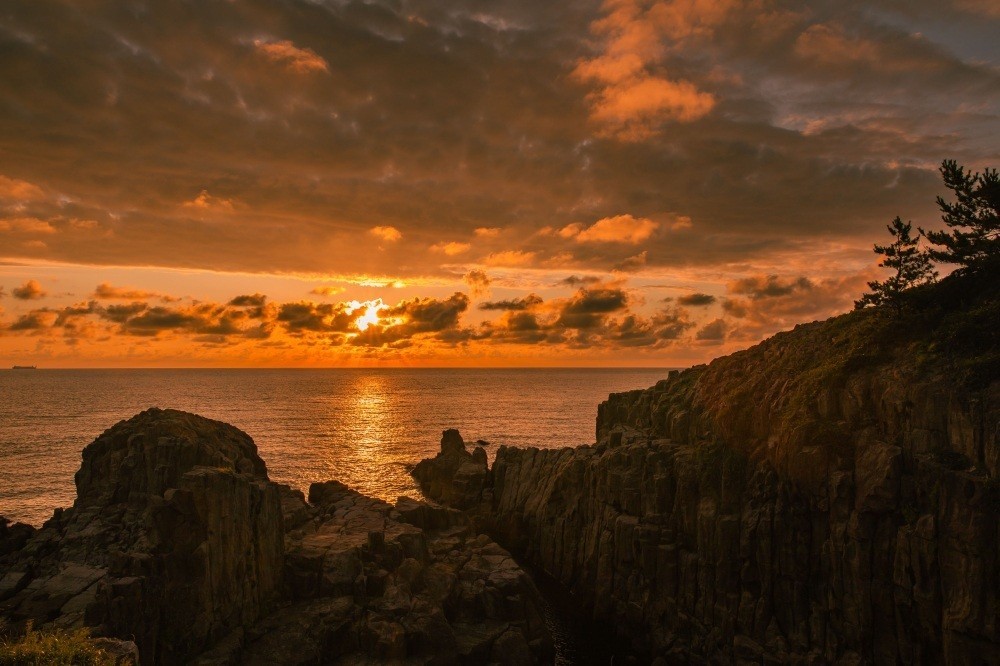
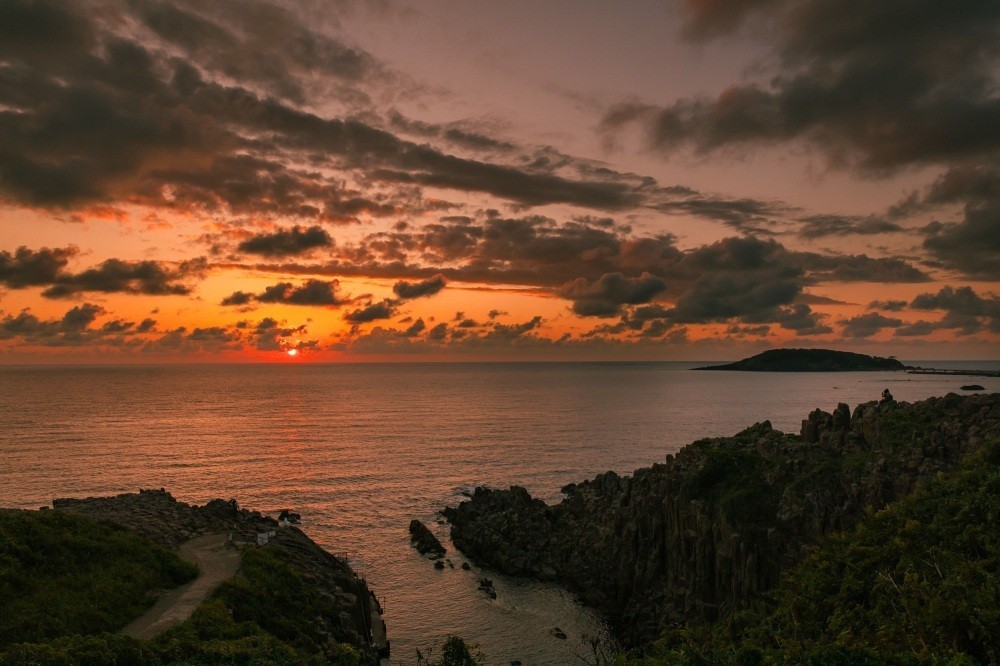
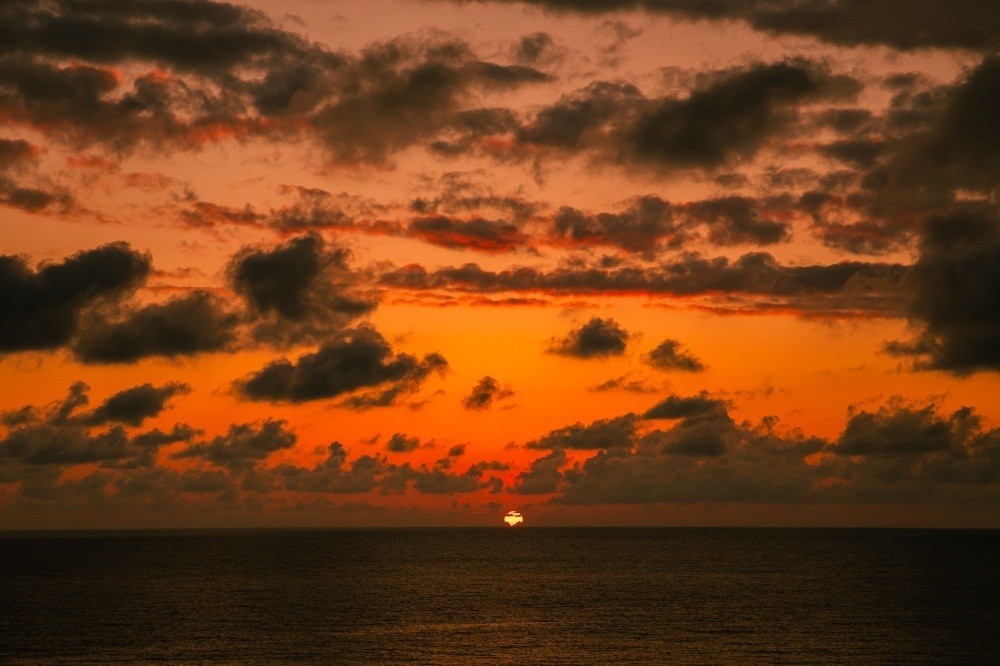
There are many beautiful sunset spots in Fukui Prefecture, and Tojinbo is one of them. Since Tojinbo features cliffs stretching along the coastline, we recommend taking photos from various vantage points to find your favorite spot. The sight of these magnificent cliffs—carved by nature—turning red in the sunset is truly breathtaking. It’s the perfect way to cap off a day’s trip. You’ll want to linger and watch the sky’s colors change even after sunset, but since the sheer cliffs make the ground beneath your feet treacherous, be sure to head back before it gets completely dark. The way the sunset appears varies depending on the season, weather, and time of day, making this a place you’ll want to visit again and again.
7. Could winter actually be the best time to visit Tojinbo!?
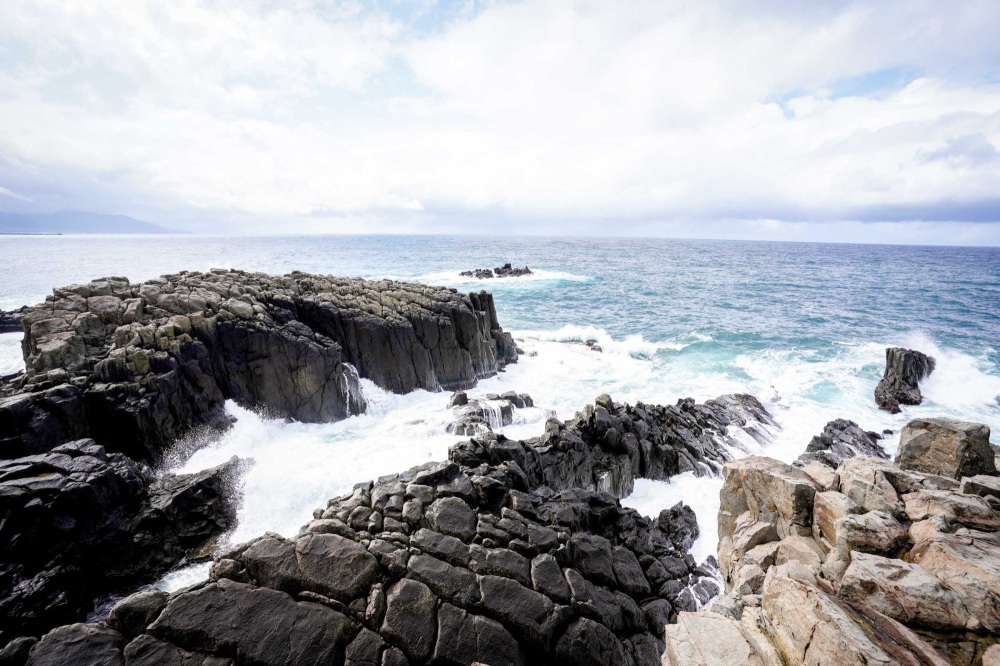
Winter in Fukui, when the cold really sets in, is a world apart from the other seasons.
The winter sea, in particular, takes on a completely different character due to the strong seasonal winds and rough waves.
While not many people may visit Tojinbo during the winter, there are actually breathtaking views and culinary delights that can only be experienced at this time of year!
8. Stroll through Oshima Island, a "power spot" rich in natural beauty
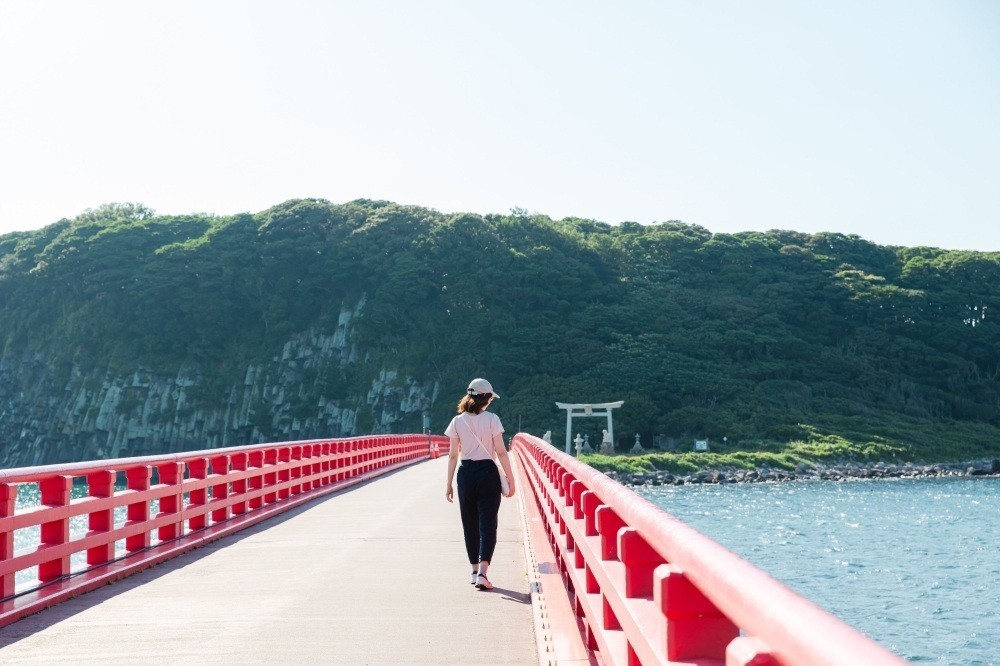
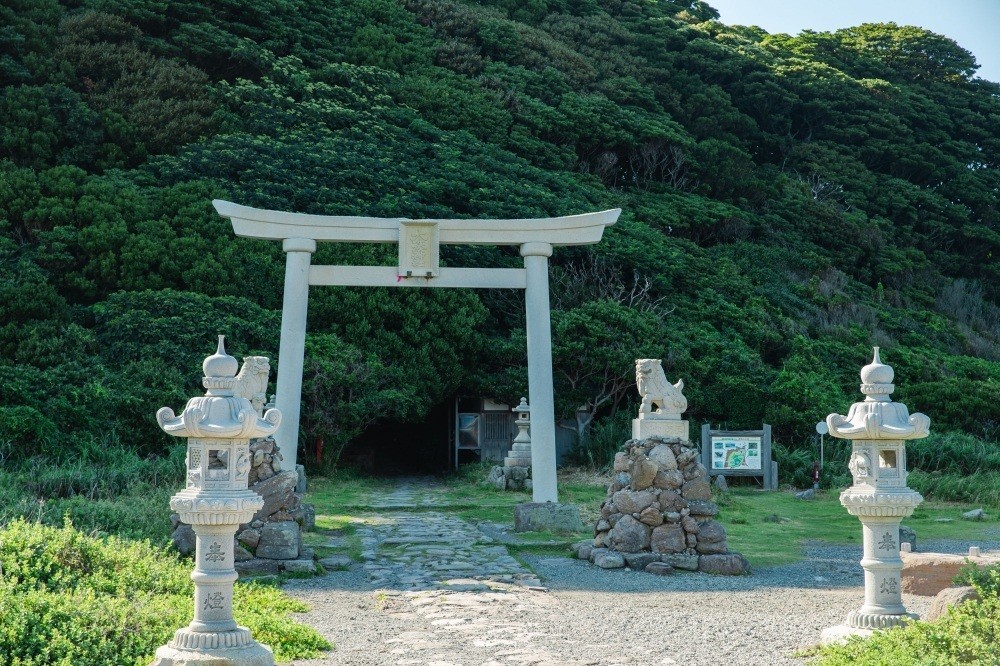
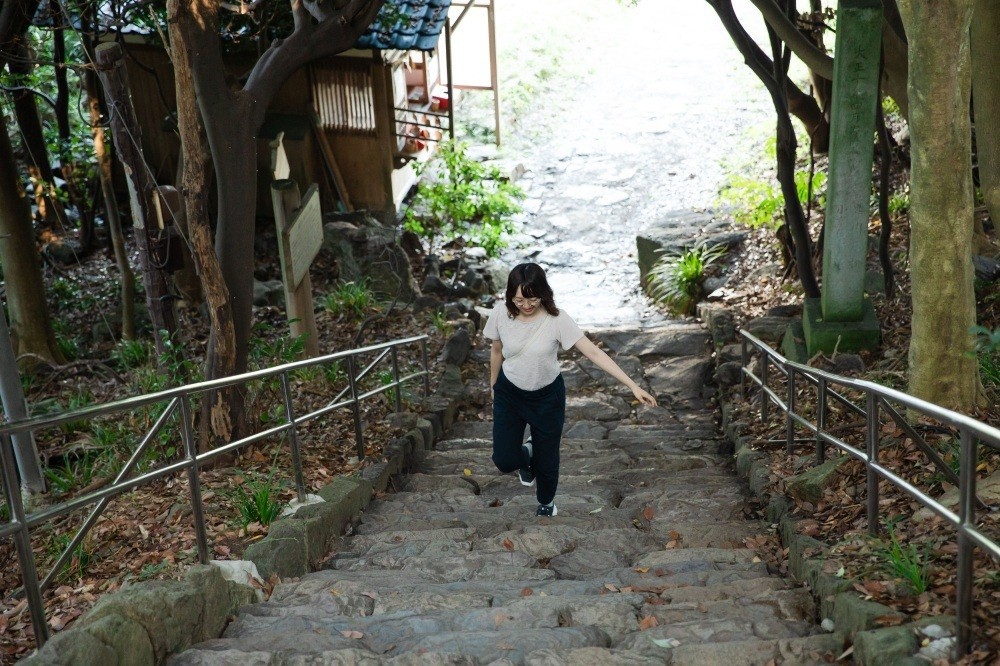
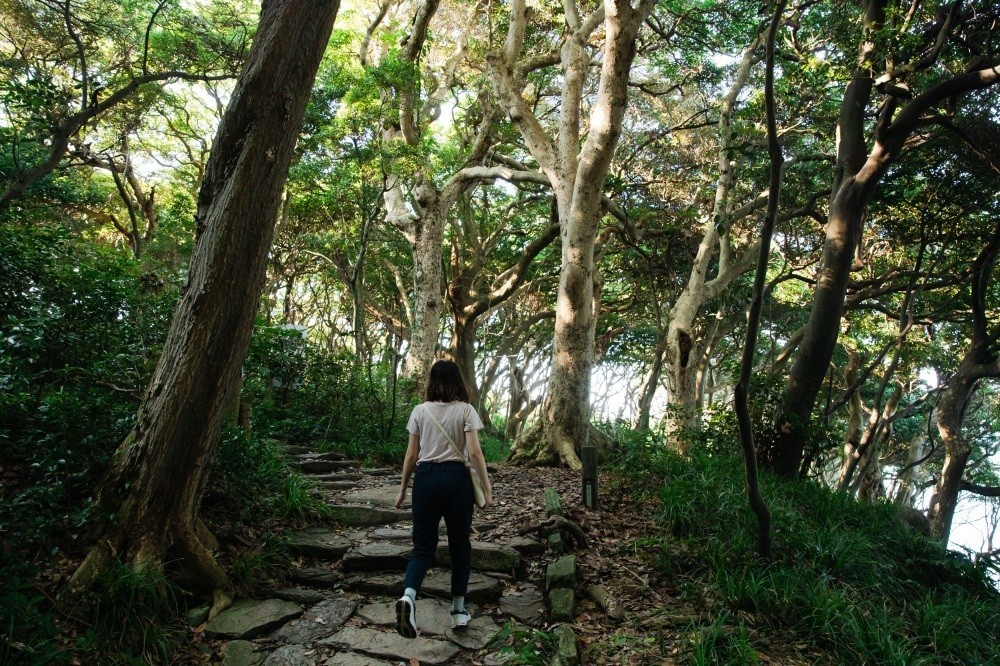
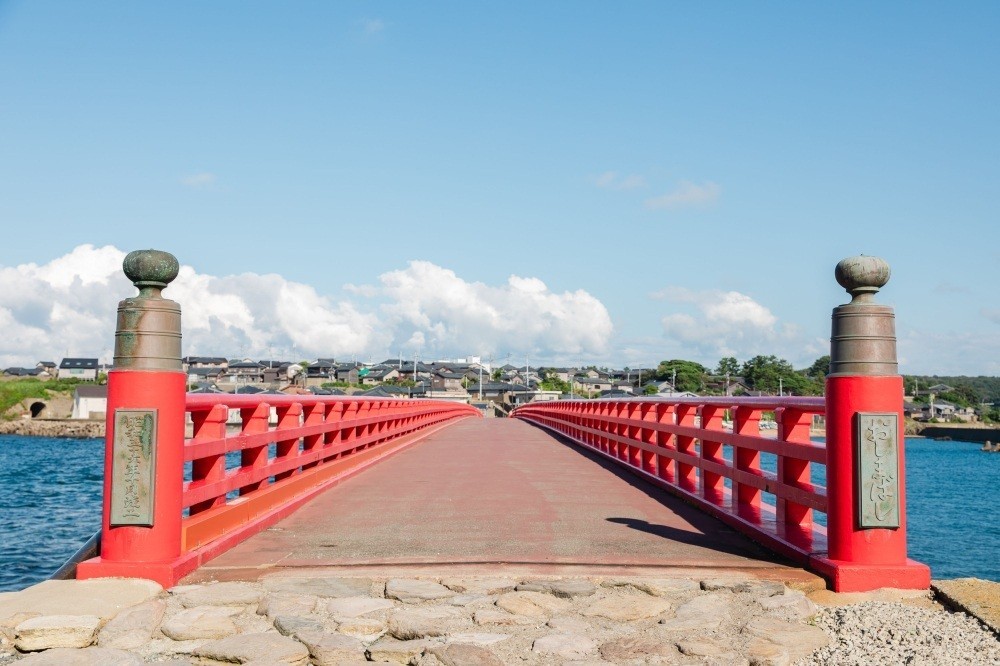
About a 10-minute drive from Tojinbo, take a short detour to Oshima Island. Oshima is a mysterious little island floating off the coast of Tojinbo. With a circumference of about 2 km, it’s a “power spot” featuring rocky landscapes distinct from those of Tojinbo and expansive natural forests. As you cross the red Oshima Bridge, a white torii gate welcomes you. Climb the steep stone steps, and you’ll find yourself surrounded by lush nature, creating a truly mystical atmosphere. There is a walking trail that circles the entire island; a clockwise walk takes about 40 minutes to complete the loop.
Oshima is packed with attractions, including “Ominato Shrine,” dedicated to prayers for safety at sea; “Uriwari no Mizu,” a spring nestled among the rocky cliffs; the mystical “Yabunikkei Forest”; and the mysterious “Magnetic Rock,” which causes compasses to go haywire. Please be mindful of your surroundings and watch your step as you explore, as some areas are dimly lit or slippery.
9. Even after you’ve enjoyed all that Tojinbo has to offer, there’s still plenty more to experience!
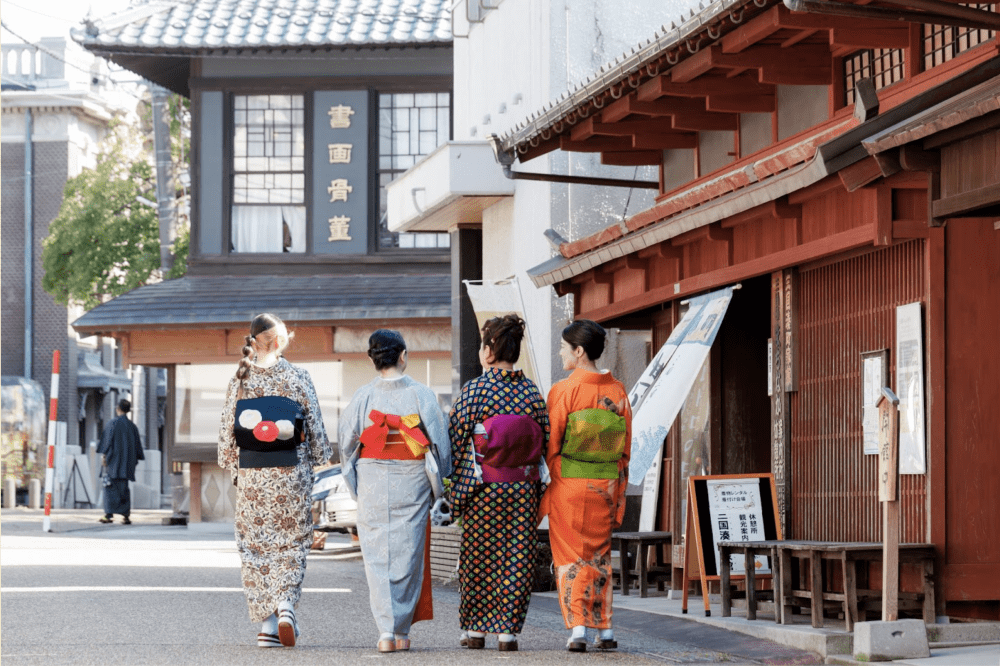
After enjoying Tojinbo to the fullest, you can explore a variety of activities depending on the purpose of your trip, such as soaking in a hot spring, shopping for souvenirs, or strolling through a traditional townscape. Mikuni Town in Sakai City, where Tojinbo is located, is a charming port town steeped in the history of the Kitamae ships. The Mikuni Minato area, located about a 10-minute drive from Tojinbo, features cobblestone streets dotted with traditional townhouses, restaurants, cafes, and gift shops. Mikuni Town in Sakai City is also home to a Michi-no-Eki roadside station where you can purchase seasonal produce like rakkyo (pickled garlic) and melons, as well as restaurants serving fresh seafood landed at Mikuni Port—making it a bustling spot for both locals and tourists. Be sure to walk around, explore, and enjoy the local cuisine to fully experience the Mikuni area.
・Mikuni Onsen Yua Port https://yourport.biz/ (Japanese only)
・Mikuni Sunset Beach https://www.fuku-e.com/en/attractions/detail_1389.html
・Mikuni Minato https://www.fuku-e.com/en/attractions/detail_1146.html
・Michi-no-Eki Mikuni https://www.fuku-e.com/en/attractions/detail_1415.html
・Mikuni Shrine https://www.fuku-e.com/en/attractions/detail_1115.html
・Former Morita Bank Headquarters https://www.fuku-e.com/en/attractions/detail_1134.html
・Sakai City Museum https://www.fuku-e.com/en/attractions/detail_1208.html
・Mikuni Fireworks Festival https://www.fuku-e.com/en/attractions/detail_5390.html