Tsuruga Sightseeing Spots & Dining Options Within a 30-Minute Walk of the Station
Tsuruga, the terminus of the Hokuriku Shinkansen, is known as a “city of railways and ports” and serves as a key transportation hub. It was the first city on the Sea of Japan coast to have a railway built and serves as a gateway connecting to the mainland across the sea. To ensure that even first-time visitors arriving in Tsuruga by Shinkansen can fully enjoy their visit, we’ve compiled a list of recommended spots located within about a 30-minute walk from the station. We hope you’ll enjoy exploring Tsuruga on foot!
1. What kind of town is Tsuruga, the new terminus of the Hokuriku Shinkansen?
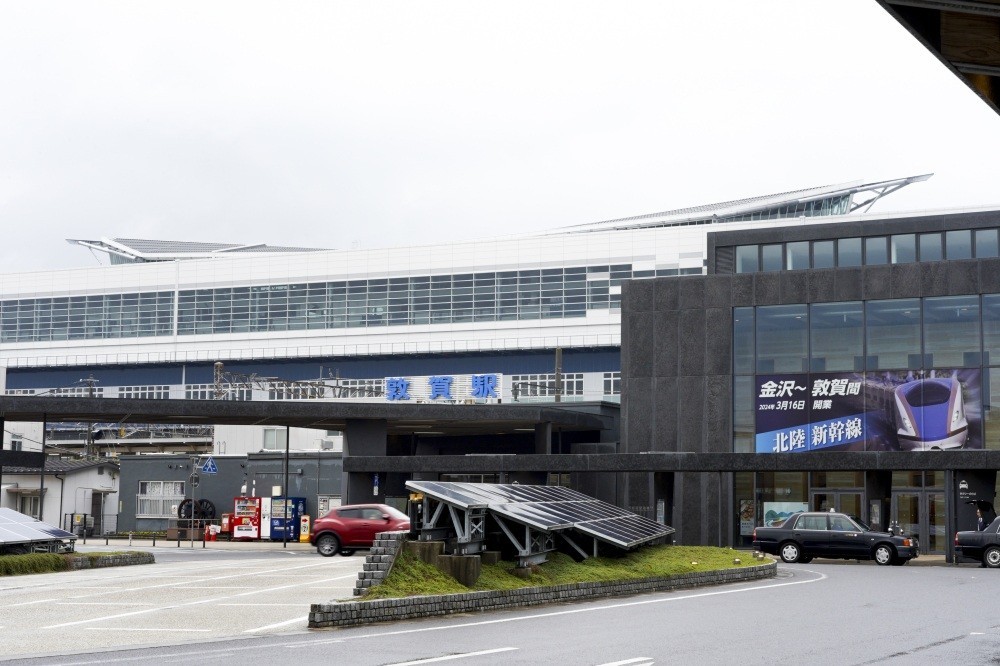
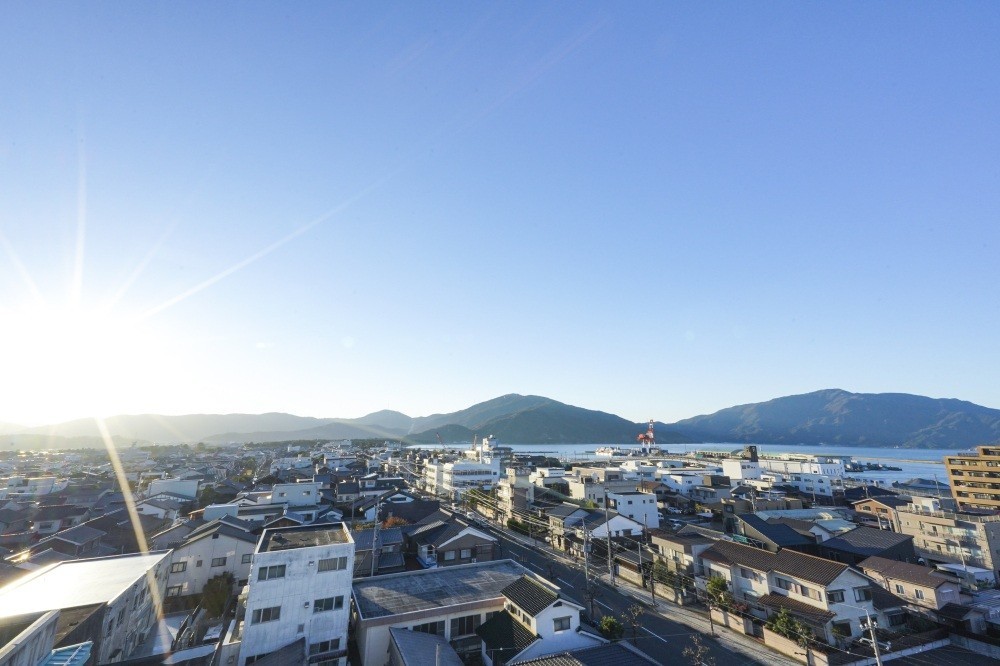
When discussing Tsuruga, one cannot overlook the presence of Tsuruga Bay, a natural harbor. Because the bay cuts deeply into the land and is sheltered from rough waves, it has long served as a port town where ships have anchored. The fact that the first railway on the Sea of Japan coast reached Tsuruga during the Meiji era (1868–1912) underscores just how important a transportation hub the city was. For Tsuruga, the opening of Tsuruga Station on the Hokuriku Shinkansen in March 2024 marks a new chapter. With the Shinkansen service, a total of 14 daily direct trains run from Tokyo, with the shortest travel time being 3 hours and 6 minutes*—making Tsuruga more accessible from major cities than ever before. At the same time, Tsuruga—with its rich natural scenery of mountains and the sea, as well as the nostalgic atmosphere that permeates the town—is the perfect place to escape the hustle and bustle of the city and enjoy a leisurely stroll.
*Please note that the service might slightly vary from year to year.
Column
Explore the City with Bike-Sharing!
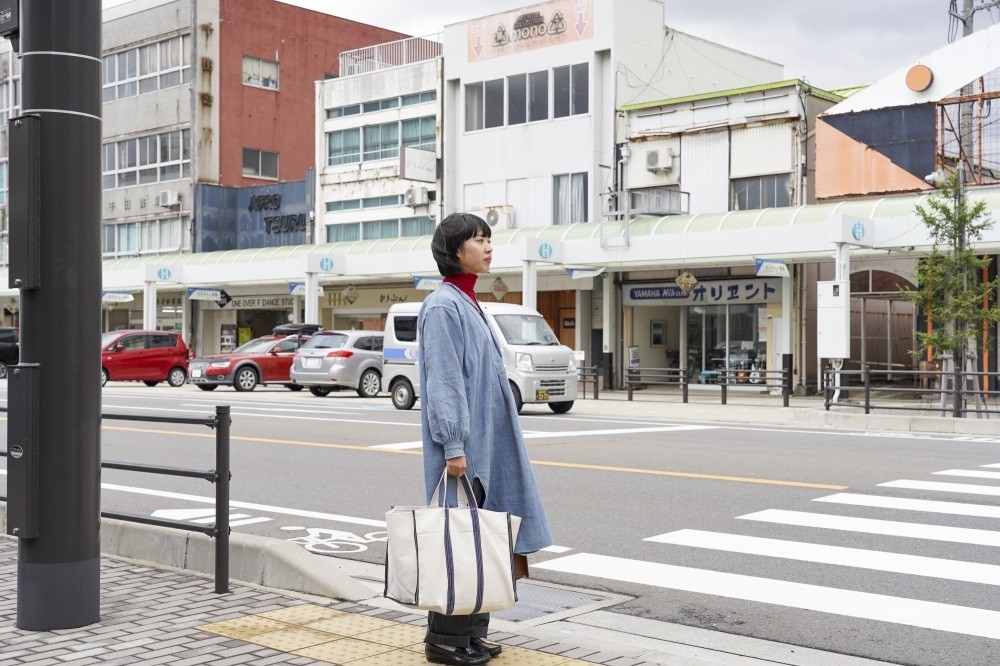
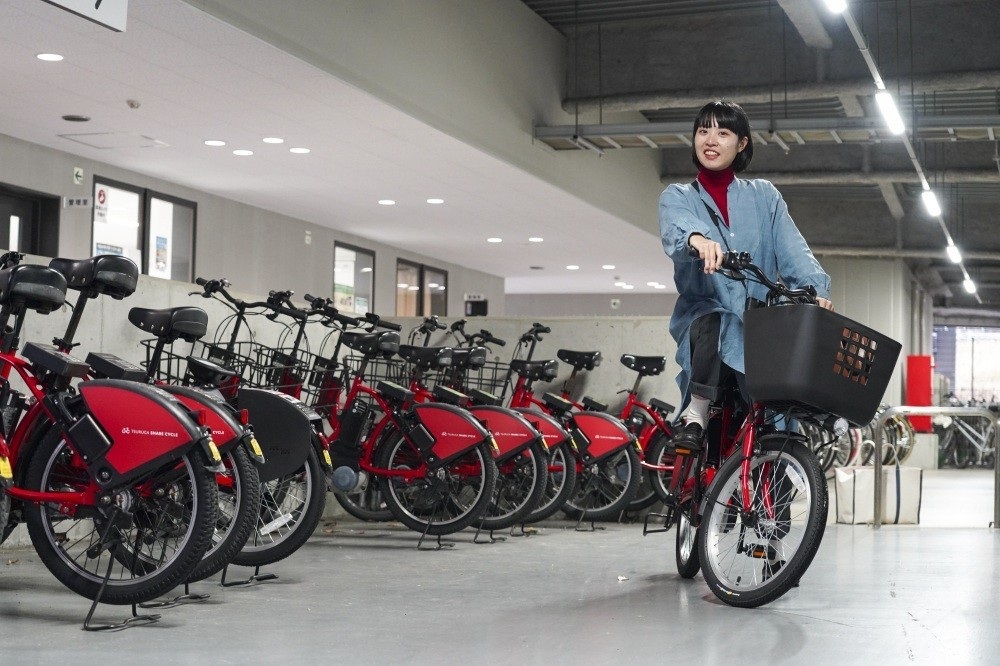
If you’re thinking, “A 30-minute walk is a bit of a stretch…,” we recommend using a bike-sharing service. With 15 stations throughout the city where you can drop off your bike at any station, and the ability to rent one using just your smartphone, it’s incredibly convenient. In Tsuruga, where a series of shopping arcades stretches for about 2 km from the station toward the port, this service comes in especially handy on rainy days. Since the city center is mostly flat, you can easily enjoy exploring by bike even without a car.
2. “Tsuruga Polt Square Otta,” a mixed-use commercial complex at Tsuruga Station
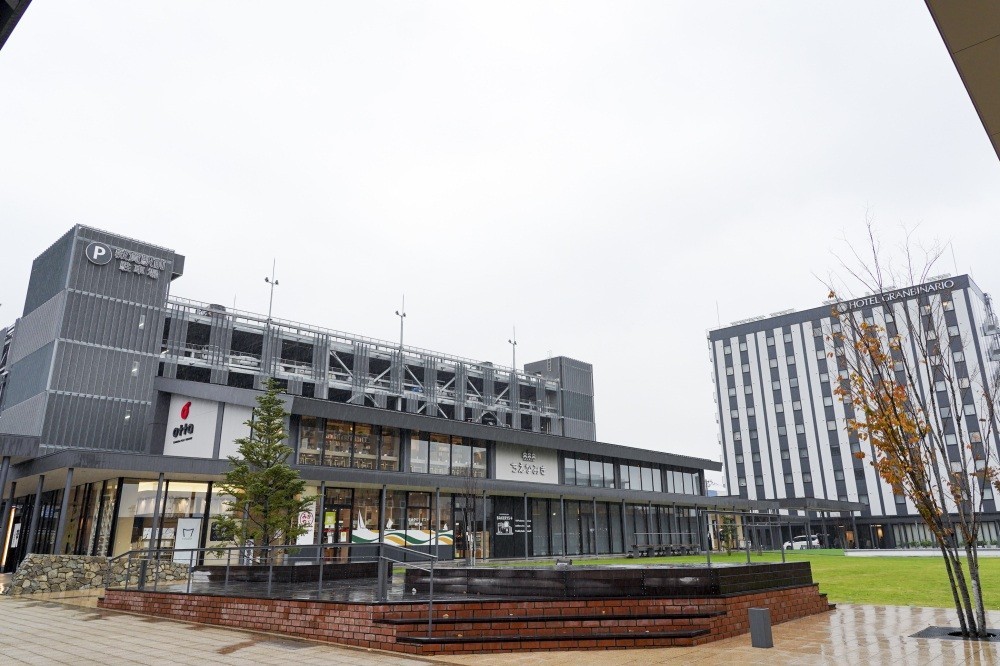
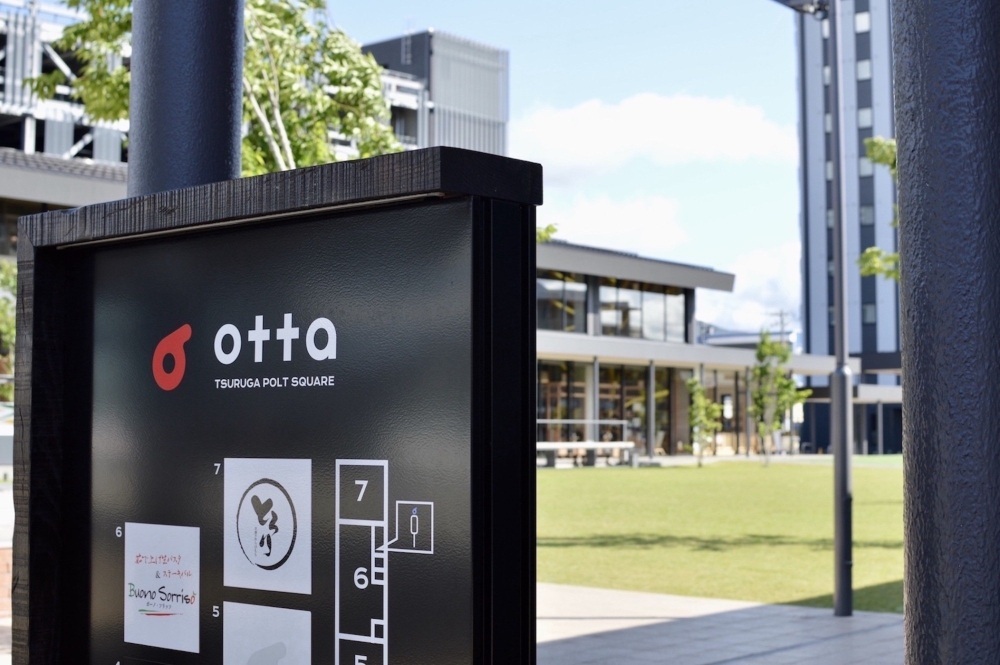
This area brings together a variety of experiences—from dining and lodging to educational and cultural enrichment—including “Chienamiki,” an educational and cultural facility known for its carefully curated collection of books found nowhere else, as well as souvenir shops, restaurants serving local cuisine, state-of-the-art lodging facilities, and child-rearing support services. Whether you’re looking to kill time before your train departs or gather information for a stroll through town, this is the gateway to the city, offering a wide range of ways to enjoy your visit.
3. Praying to the gods of food, clothing, shelter, and traffic safety for a fulfilling journey
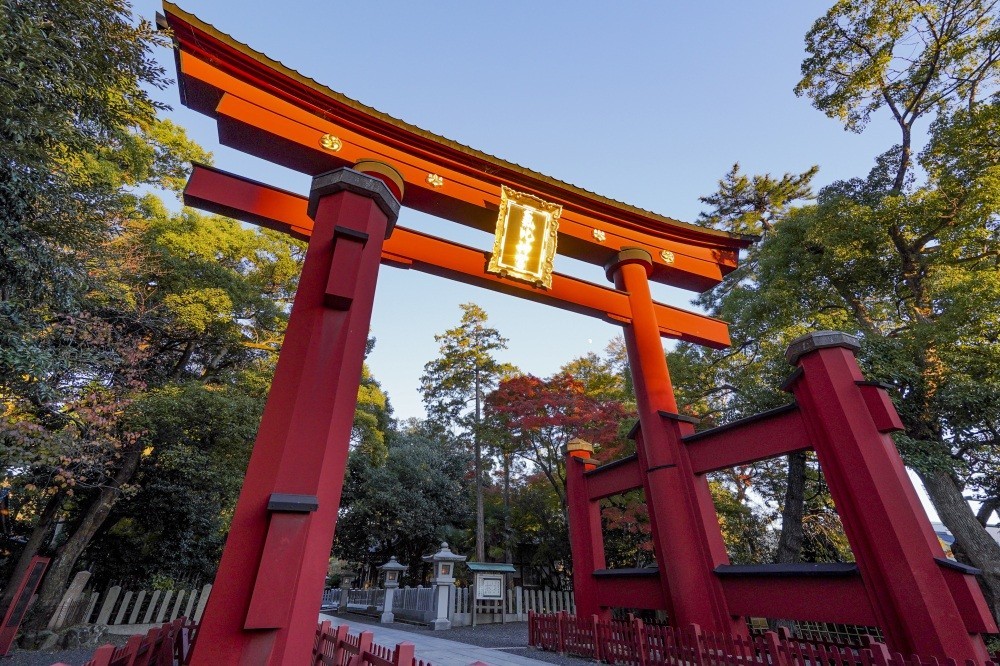
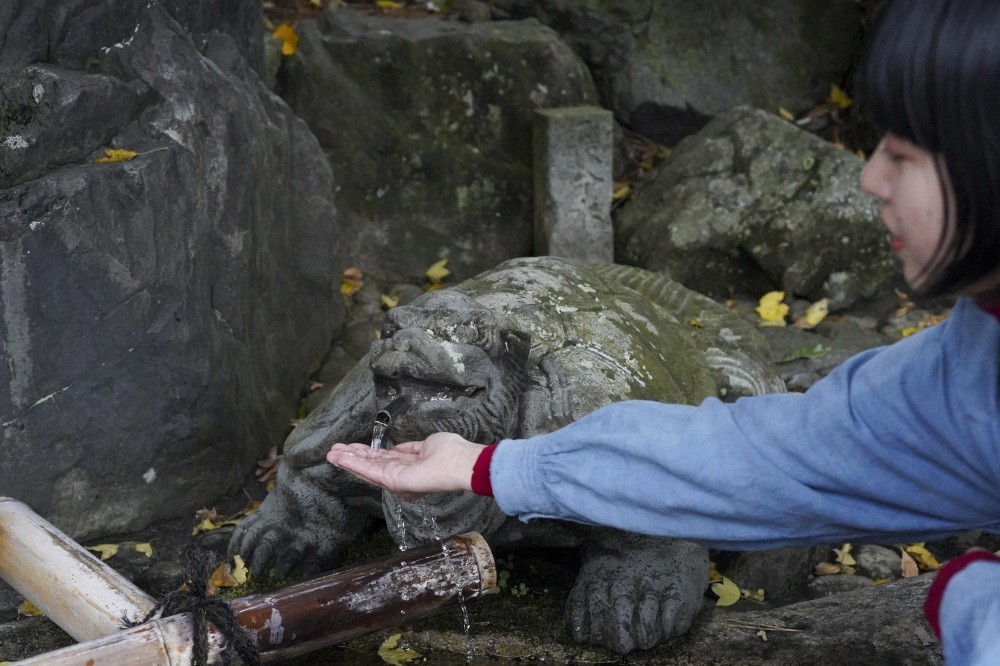
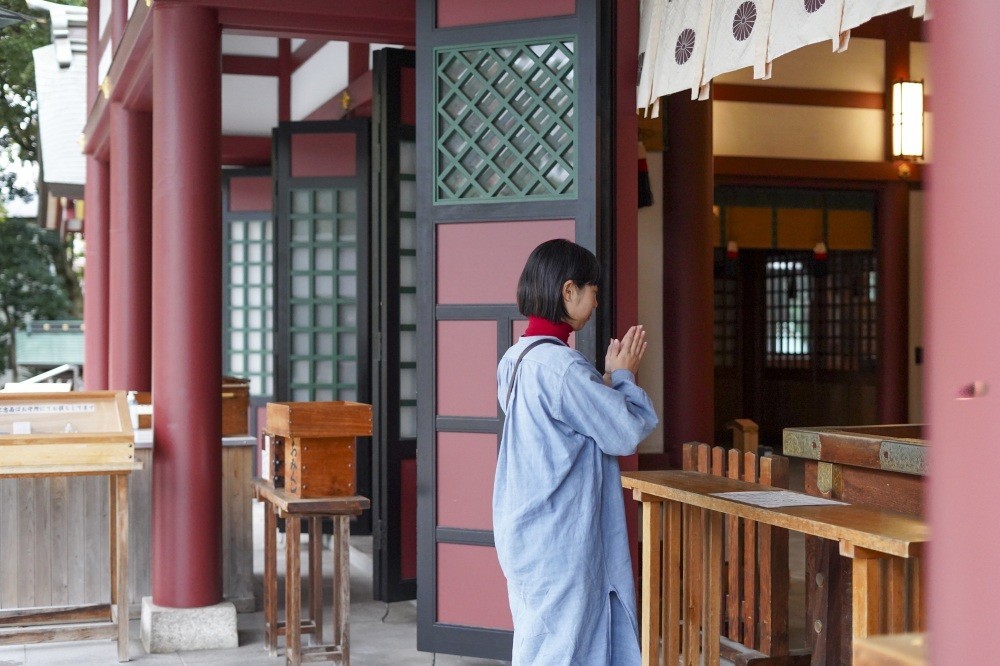
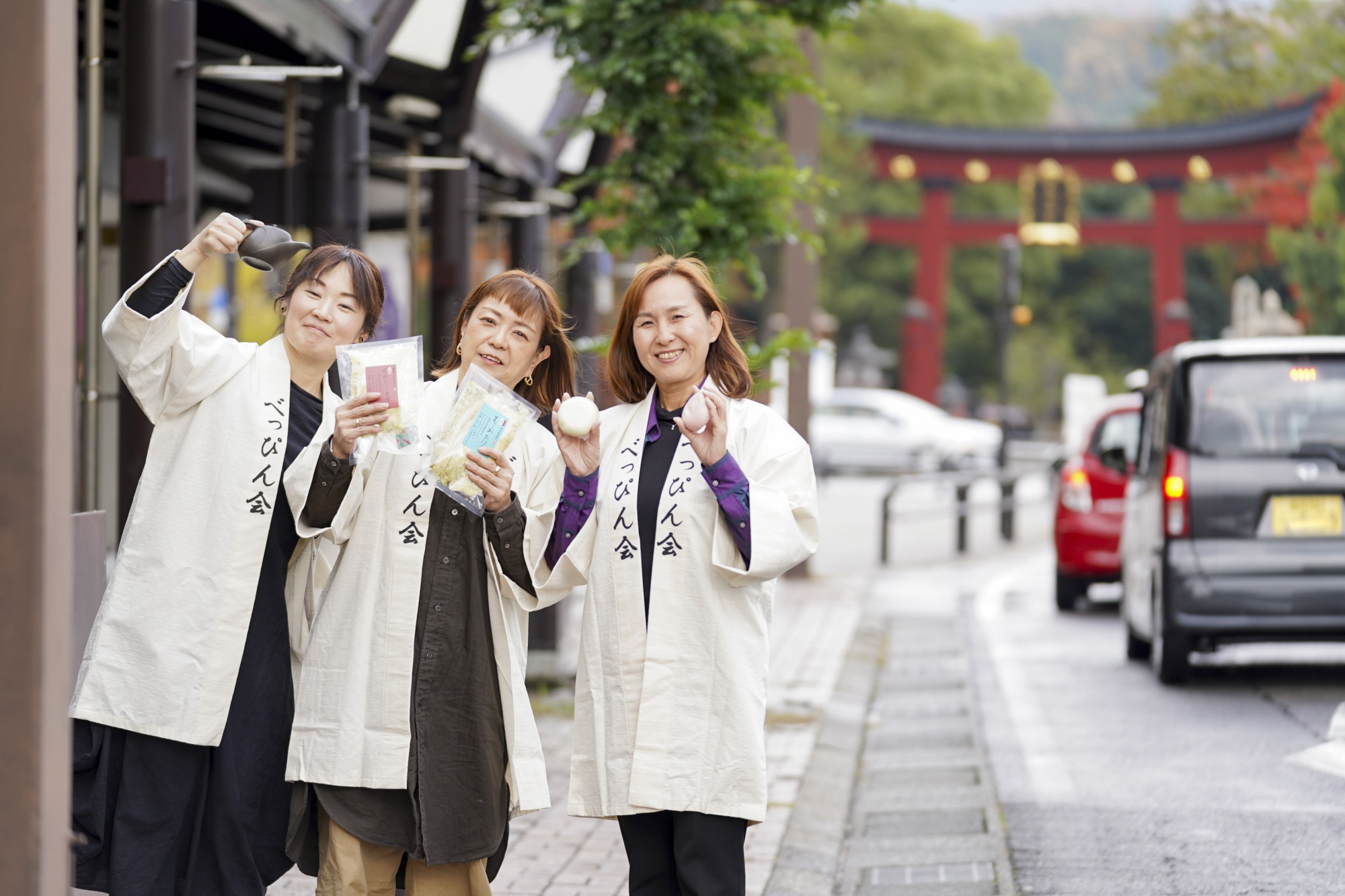
About an 18-minute walk from the station along the arcade, Kehi Jingu Shrine—marked by a massive 11-meter-tall torii gate—is a prestigious shrine known as the “First Shrine of Echizen Province” and the “Guardian Deity of the Hokuriku Region.” Its history dates back to ancient times, with its founding traditionally traced to 702, though most of the main shrine buildings were destroyed during air raids in World War II. However, the current grand torii gate, constructed in 1645, survived the air raids and has been designated a National Important Cultural Property. It is also counted among the “Three Great Wooden Torii Gates of Japan,” alongside Itsukushima Shrine (Hiroshima Prefecture) and Kasuga Grand Shrine (Nara Prefecture). Kehi Jingu, where seven deities are enshrined, is said to be particularly effective in bringing peace in daily life—including food, clothing, and shelter—as well as ensuring safe travel. Let’s start your trip by paying our respects to the deities of Kehi Jingu, praying for safe travels and a rich culinary experience.
4. Food, souvenirs, retro items… and more. There are endless ways to enjoy strolling through shopping districts!
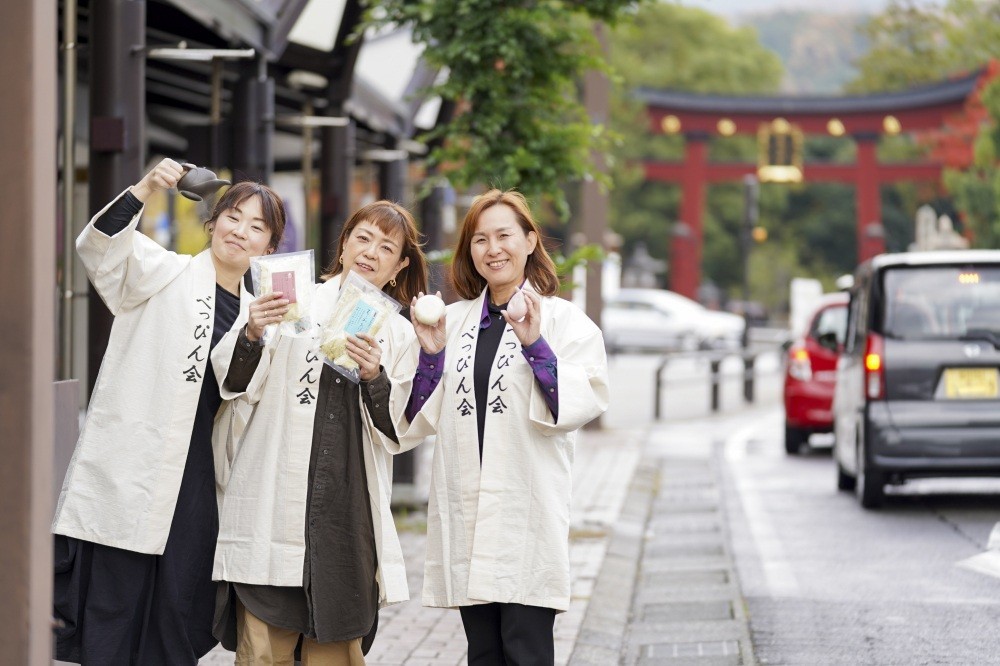
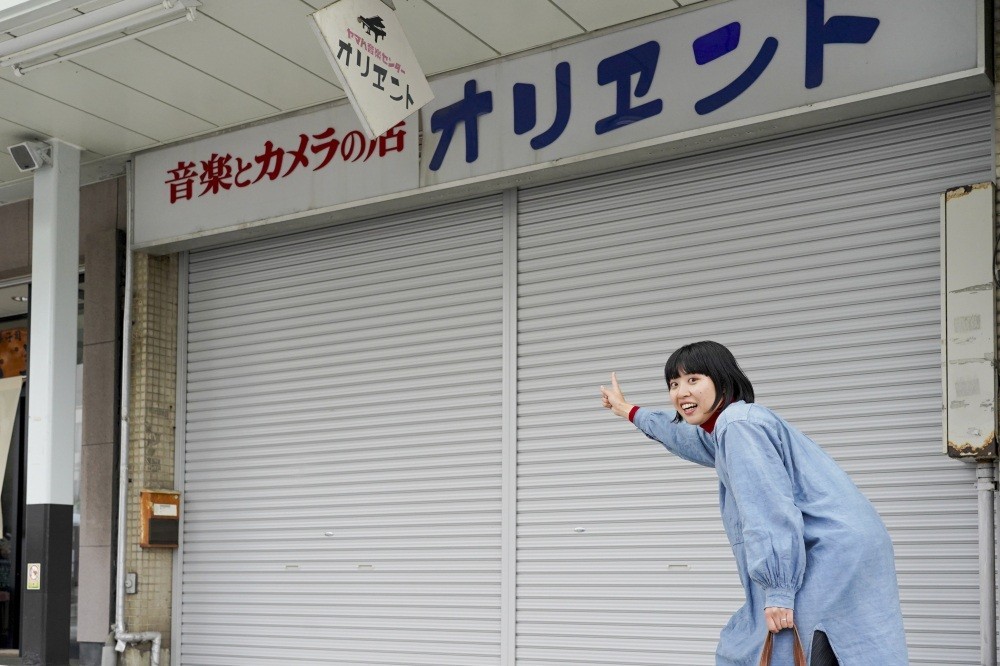
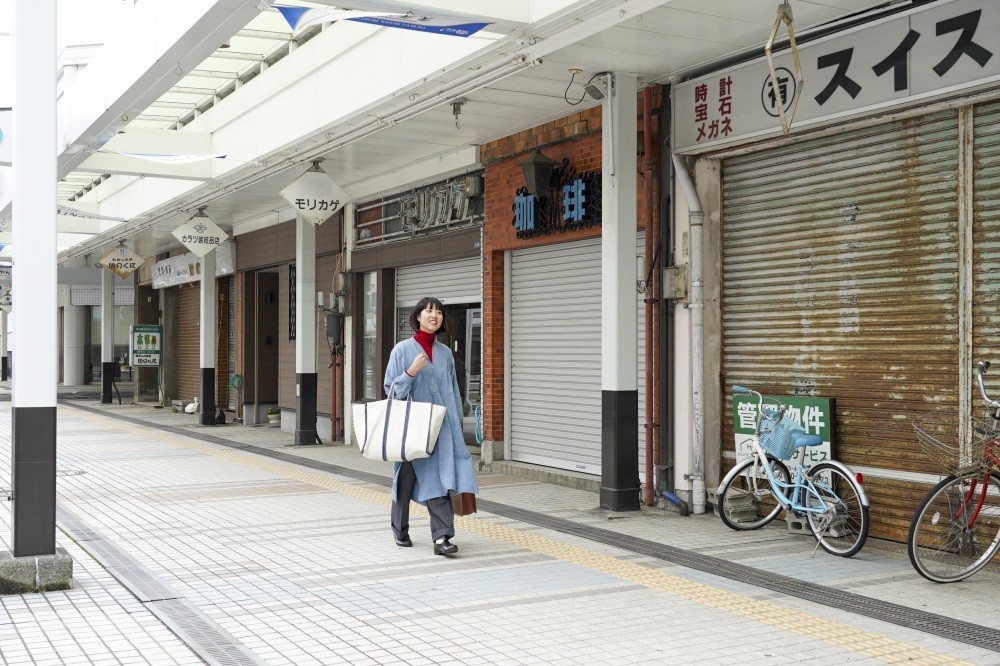
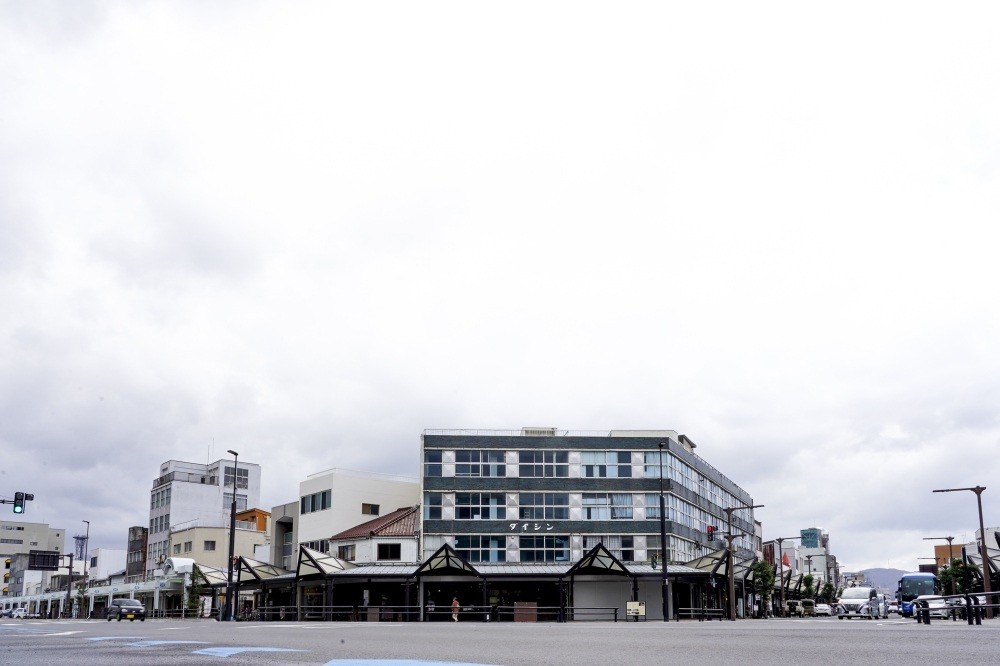
After stopping by Kehi Jingu Shrine, take a stroll through the nearby shopping district. The Kagura Shopping District—marked by a brown arcade that stretches straight ahead with the great torii gate behind you—is full of shops that will enhance your trip, including souvenir shops, cafes, and kimono rental shops. Don’t miss the local culinary delights that capture the romantic history of this port town, such as a long-established kelp shop celebrating its 100th anniversary and sake manju (steamed buns filled with sweet sake) made using a recipe passed down by traveling shogi players who arrived on Kitamae ships. A total of five shopping arcade streets stretch from the station to the harbor, covering a total length of 2 km. The varying architectural designs of the arcades in each shopping district, along with the retro signs and building facades, are a real treat for enthusiasts. As you take in the town from various angles, the 30-minute walk will fly by in the blink of an eye.
Column
No. 1 in the Country! Experience the kelp processing that the port city of Tsuruga is proud of
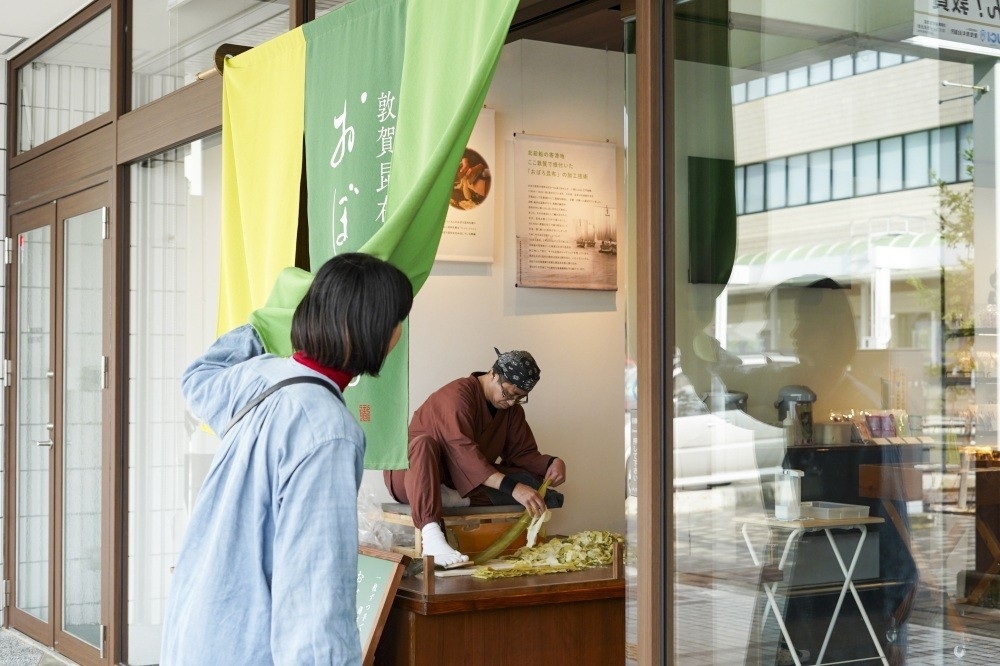
During the Edo period (1603–1868), Tsuruga flourished as a port of call for the Kitamae ships, and much of the culture born from these ships remains to this day. One such example is “kelp processing.” Kombu kelp harvested in Hokkaido was processed in Tsuruga and then transported to other towns. Among these products, “hand-made oboro kelp”—in which kelp is manually processed into thin sheets—is a local specialty that accounts for 80% of the national market share. At “Oboro-ya” in the Honmachi 1-chome Shopping District, demonstrations of the hand-made processing by artisans and hands-on workshops are held regularly. Also worth noting are the souvenirs available exclusively here. The shop is brimming with a wide variety of kelp products, including rare kelp processed by Akio Bessho—a kelp artisan selected as a “Contemporary Master Craftsman”—as well as original items like “Oboro Tsukiyo.”
5. To the Kanegasaki Area, Where Tsuruga’s History Meets International Charm
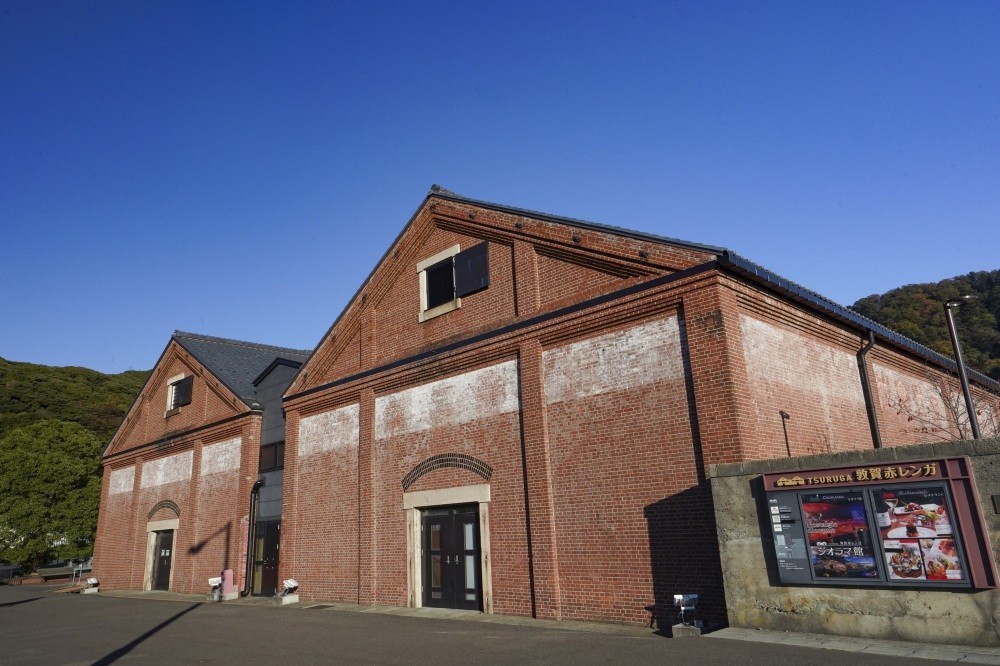
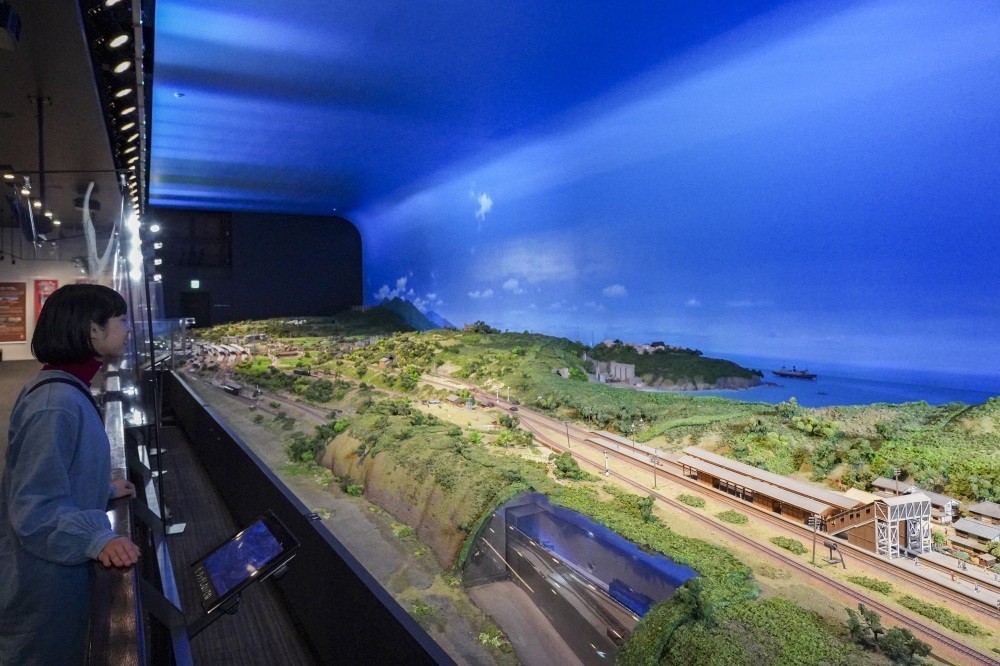
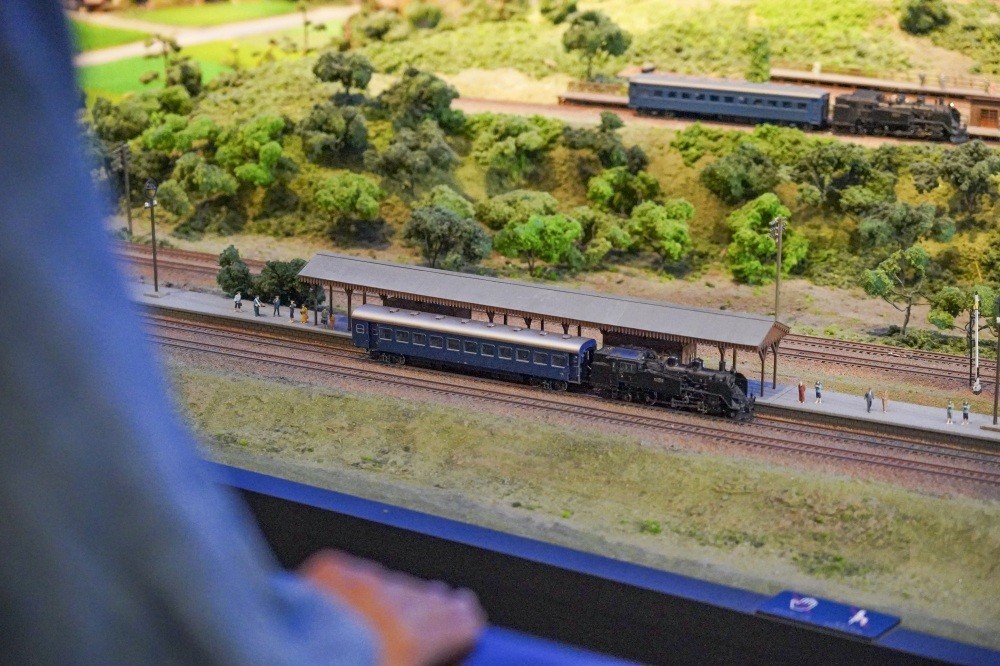
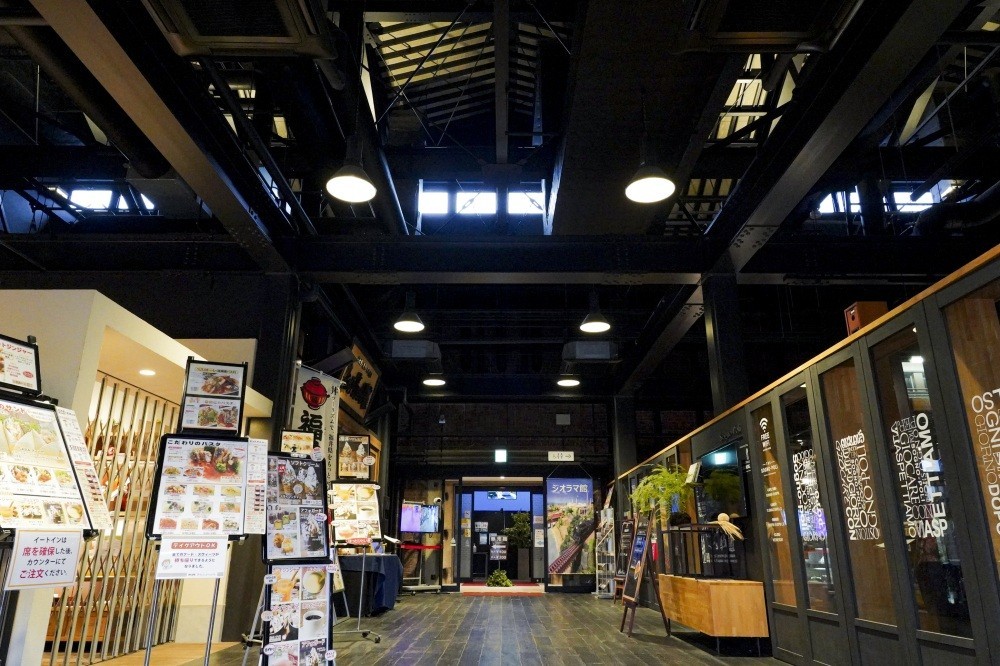
About a 15-minute walk further on lies the Kanegasaki area, home to several facilities that symbolize the history of Tsuruga Port. One of these, the Tsuruga Red Brick Warehouses, consists of warehouses originally built in 1905 by an American oil company to store oil. The North Wing, South Wing, and brick walls are registered as National Tangible Cultural Properties. In 2015, the North Wing was renovated into the “Diorama Hall,” and the South Wing into the “Restaurant Hall.” The massive diorama recreates the streetscape of Tsuruga from the late Meiji period (late 1890s to 1912) to the early Showa period (1926 to the 1930s) at a scale of 1:80, and visitors can enjoy a moving diorama accompanied by video footage. The diorama show features many exciting elements, such as model trains running through the diorama in sync with the video. At the “Restaurant Hall,” you can enjoy gourmet dishes made with local ingredients and do some shopping.
Column
For prayers for love, visit Kanegasaki-gu Shrine
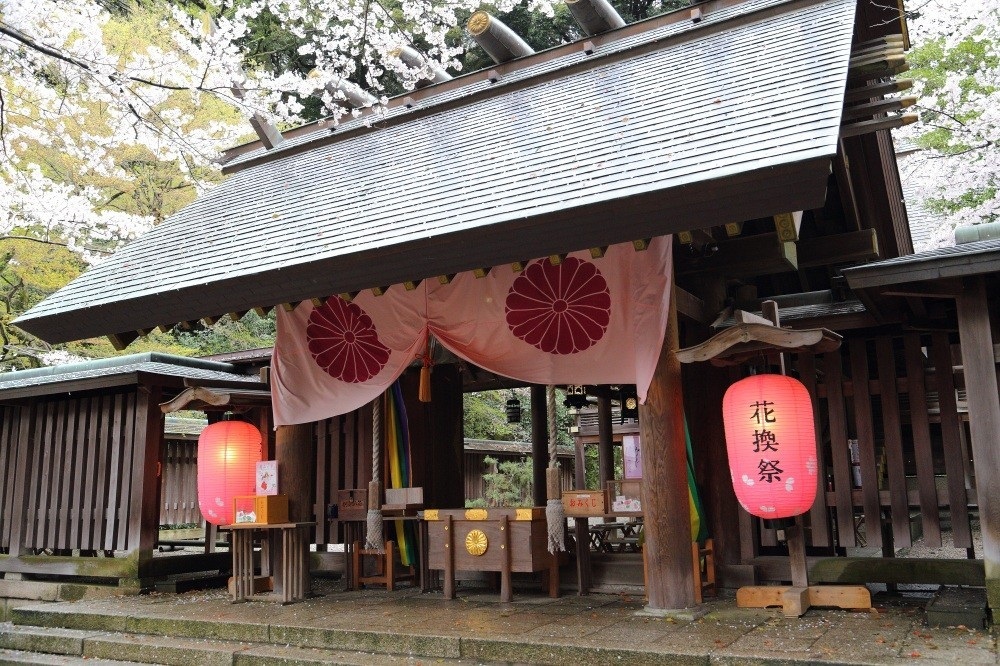
Located near the Red Brick Warehouses, Kanegasaki-gu Shrine is a “power spot” for matchmaking, also known as the “Shrine of Love.” The area around the Site of Kanegasaki Castle, where the shrine is situated, is home to approximately 400 Somei-Yoshino cherry trees and is renowned as a famous cherry blossom viewing spot. Every year during cherry blossom season, the Hanakae “Flower Exchange” Festival is held—a romantic festival that reenacts a legend from the past, in which young men and women in love would exchange cherry twigs to express their feelings.
6. Learn about the history of the “port of humanity” that took in refugees
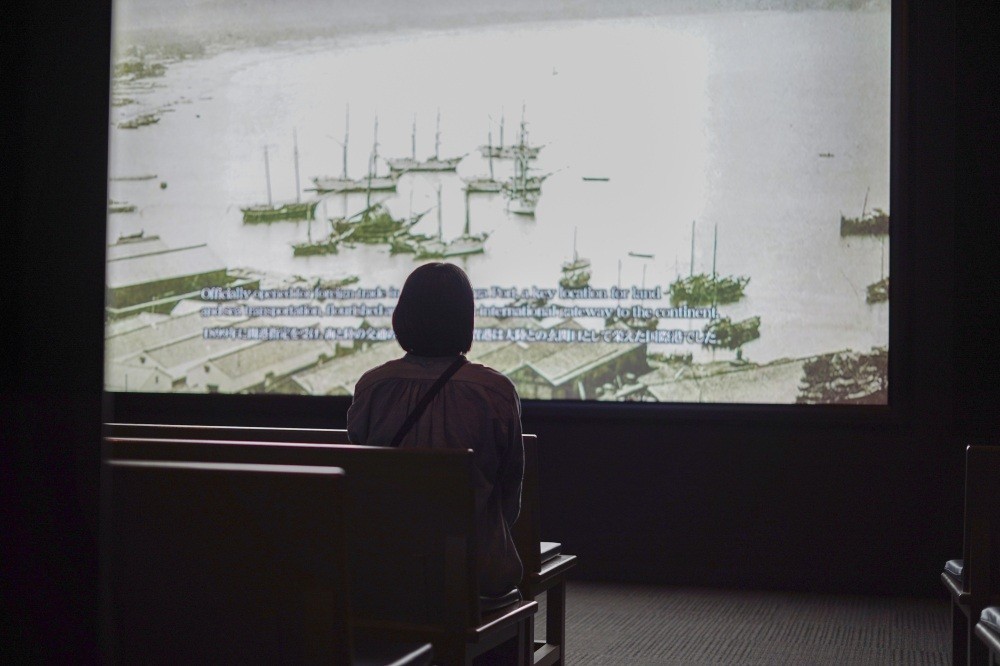
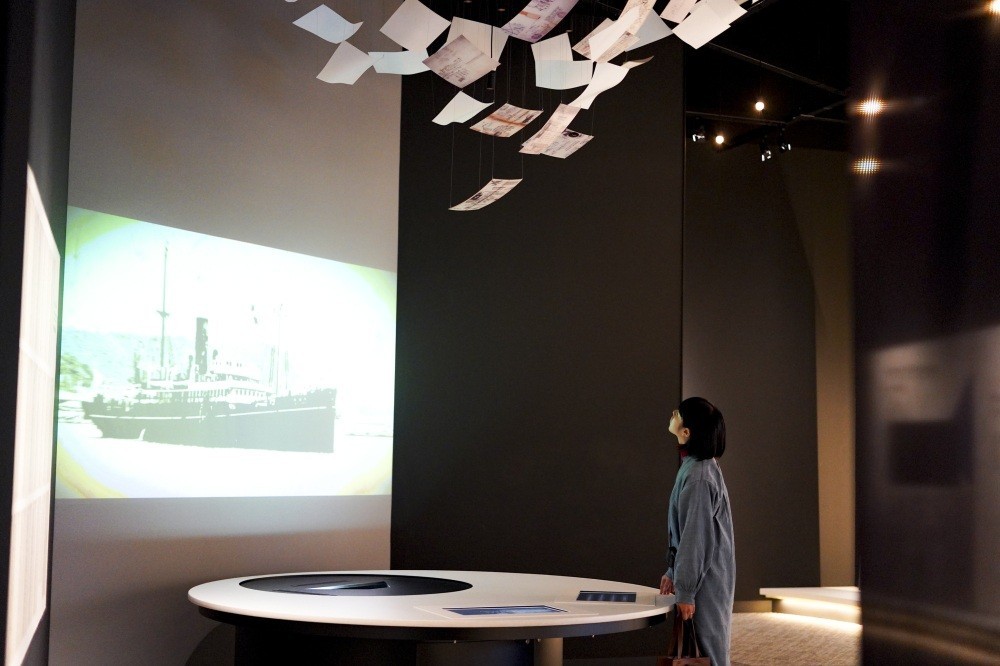
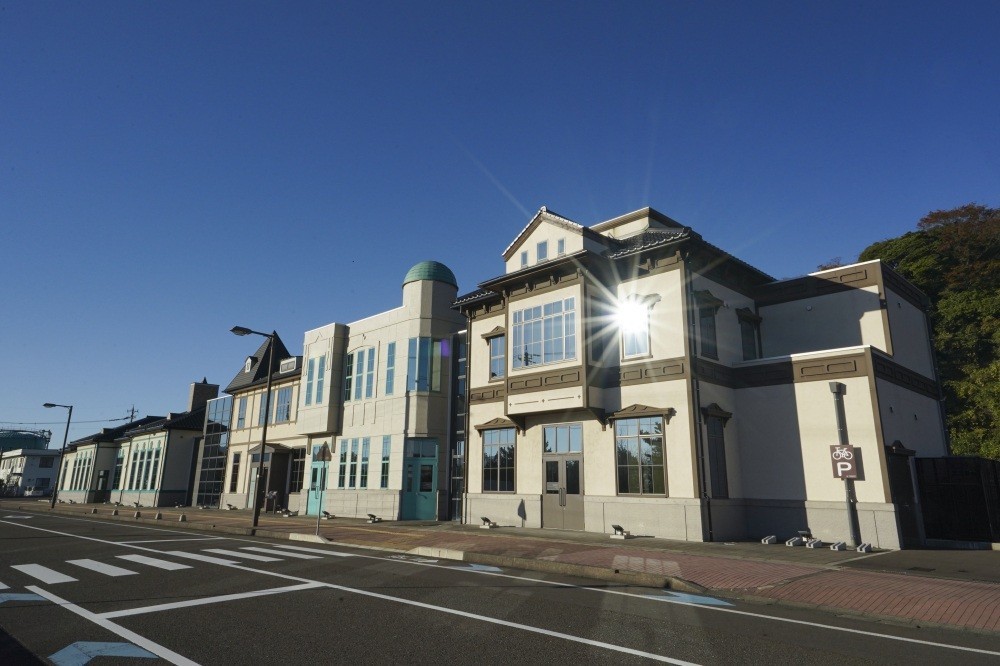
Just a short walk from the Red Brick Warehouses, “Port of Humanity Tsuruga Museum” is a museum that chronicles the history of Tsuruga Port—the only port in Japan where Polish orphans and Jewish refugees first set foot on Japanese soil in the 20th century. The Western-style complex is a reconstruction of four buildings that once stood on this site during the Taisho (1912-1926) and early Showa (1926-1941) periods, including Tsuruga Port Station and the Customs Baggage Inspection Office. The first exhibit—a video shown in the theater—provides a general overview of the history of the “Port of Humanity,” and subsequent exhibits allow visitors to delve deeper into the details of each historical period, making it accessible even for those unfamiliar with history. Don’t miss the exhibits that explore the story from a perspective unique to Tsuruga, such as valuable testimonies from Tsuruga residents who witnessed the refugees’ arrival and clocks left behind by the refugees themselves.
7. “Museum Street”: A Retro Townscape That Still Echoes with the Spirit of Merchants
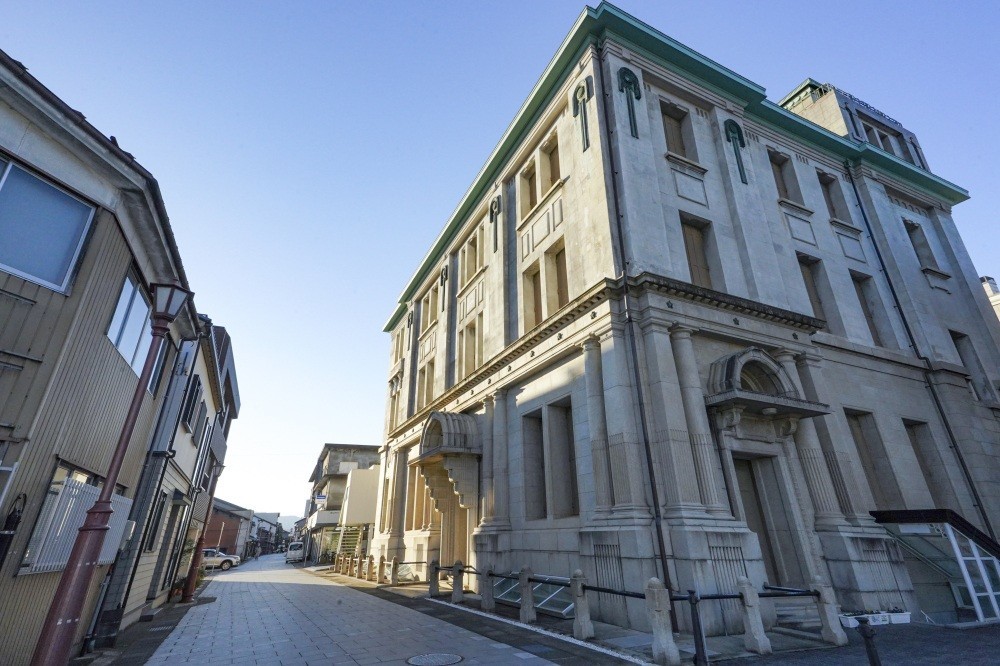
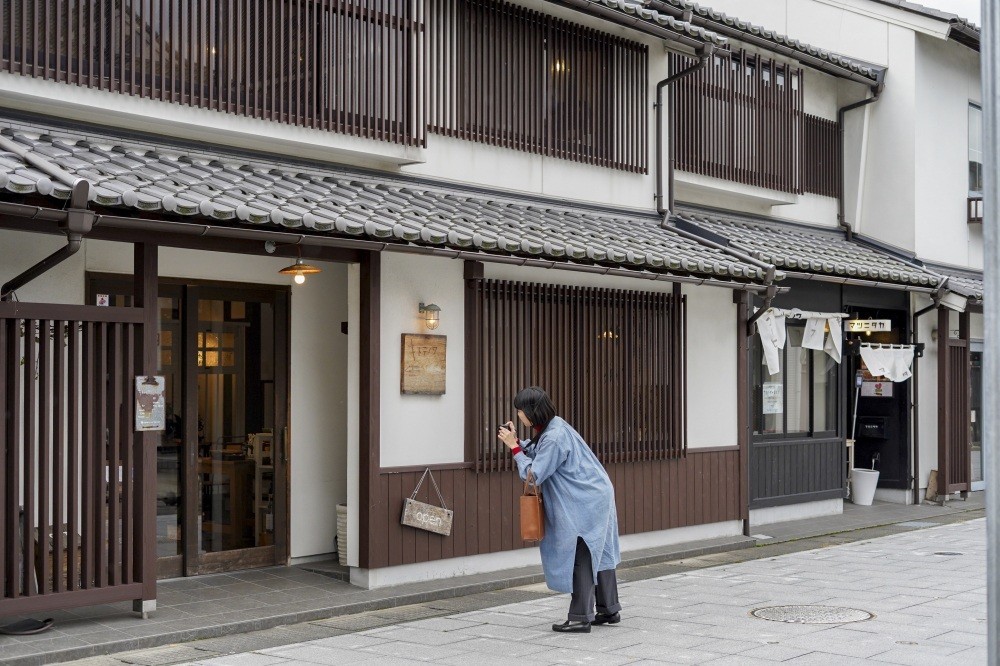
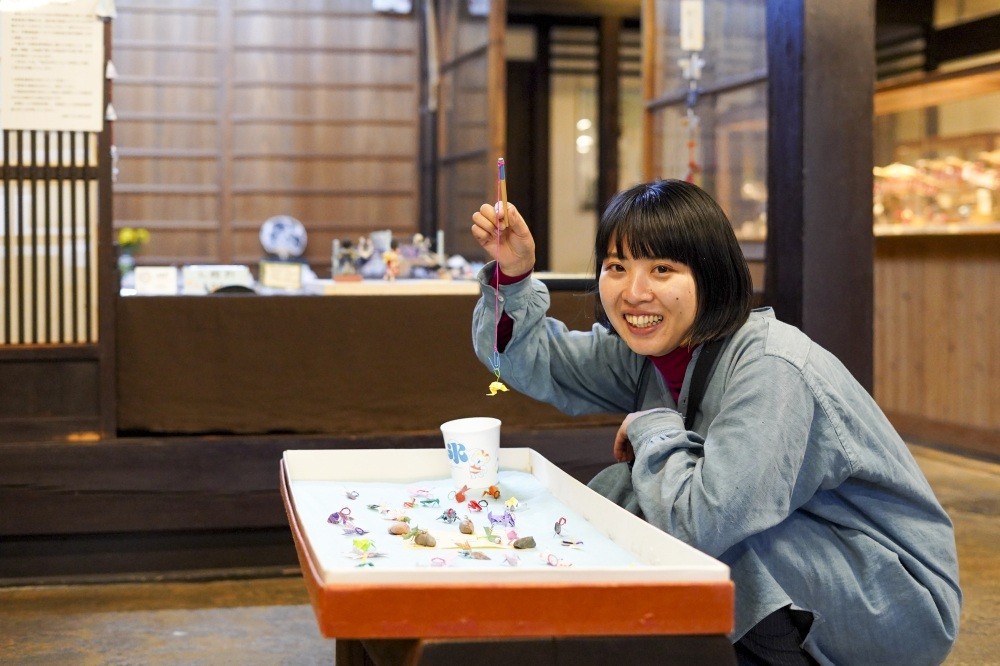
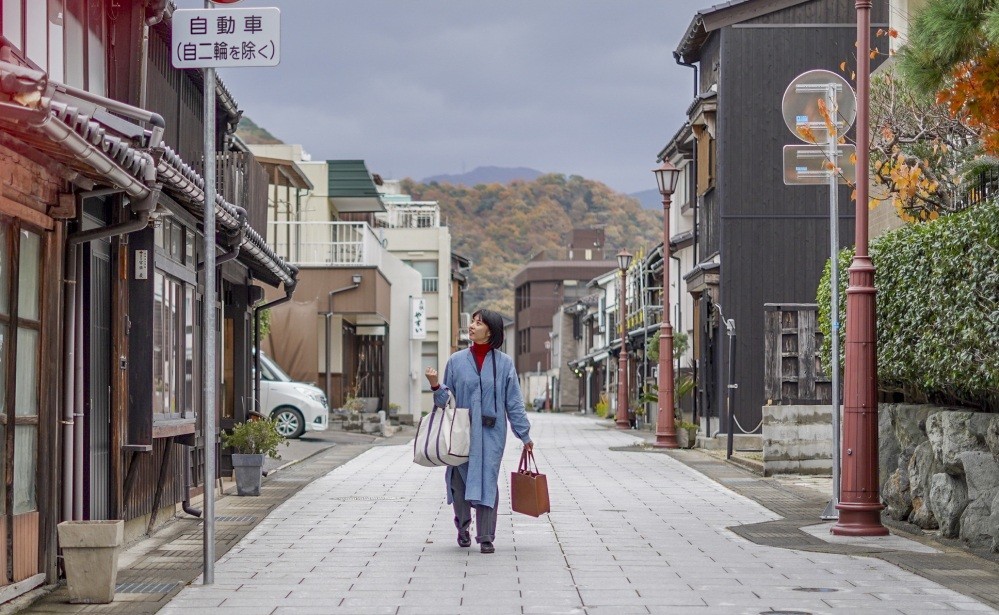
The main building of the former Owada Bank headquarters, constructed by Owada Shoshichi—a wealthy merchant who played a key role in Tsuruga’s designation as an international port and in the development of its harbor—is a valuable structure designated as a Nationally Designated Important Cultural Property. This iconic building, which symbolizes the street, serves as the “Tsuruga Municipal Museum,” where materials related to Tsuruga are collected, preserved, and exhibited. The street leading deeper into the town from the museum is paved with cobblestones and lined with traditional townhouses that survived the war. The atmosphere here is completely different from that of the surrounding streets. In addition to cafes and gift shops housed in renovated old townhouses, new shops have been gradually increasing in number over the past few years. The area is also rich in exhibition facilities—such as the “Kami-Warabe Washi Paper Doll Museum,” which displays the works of Tsuruga-based washi paper doll artist Eiko Takagi, and the “Minato Tsuruga Yama Hall,” which showcases the floats that enliven the Tsuruga Festival—making it a destination full of attractions.
8. Wake Up Early to Experience the Bustling Atmosphere of the Fish Market
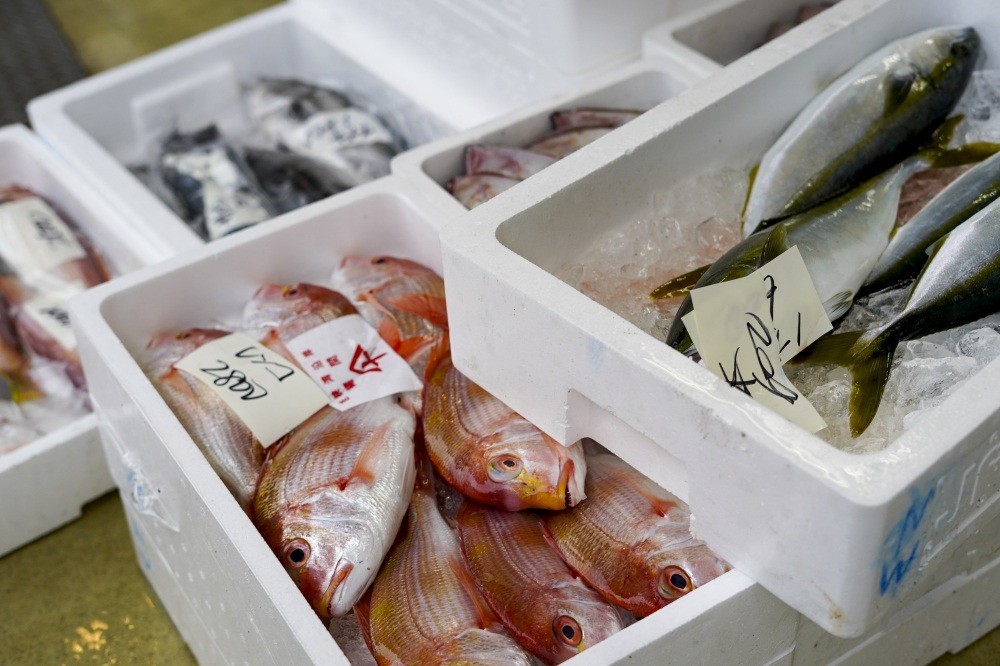
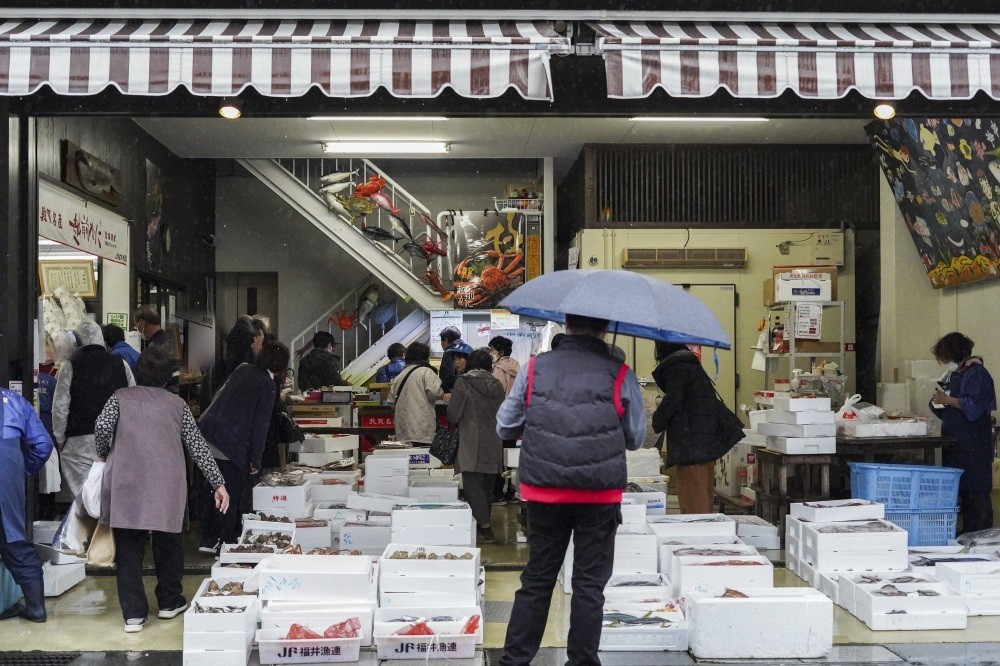
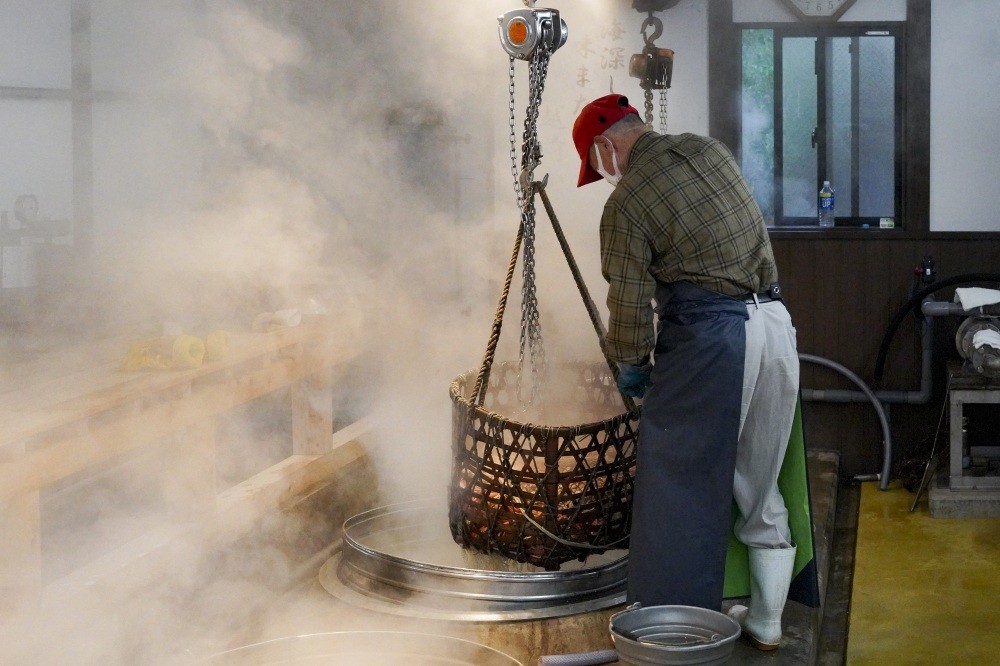
The area around the Tsuruga Seafood Wholesale Market is a local favorite for fish, lined with long-established fish wholesalers and other shops. As you’d expect from shops near a fish market, the best time to visit is first thing in the morning. That’s when the fish just delivered from the market are on display, and the air is filled with the lively chatter of the staff. During the season for Fukui’s specialty, “Echizen Gani” crab, you can also watch the “kama-age” (boiling) process. There’s a designated viewing area, and if you ask a staff member, they’ll be happy to show you around. Depending on how crowded it is, they might not be able to accommodate you, so be sure to ask first.
I Want to Eat It All: Tsuruga Gourmet
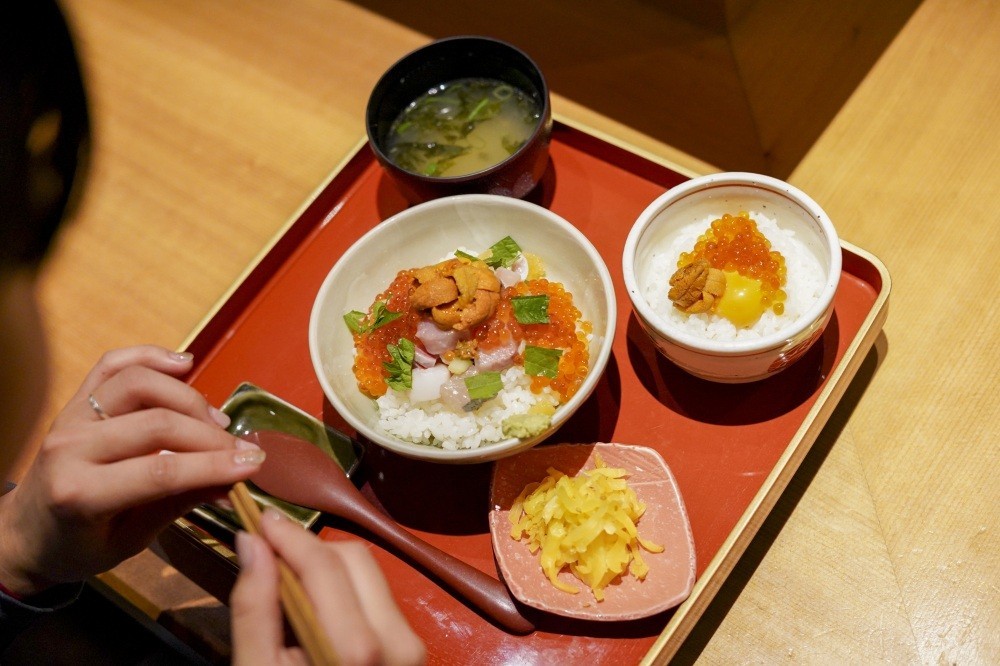
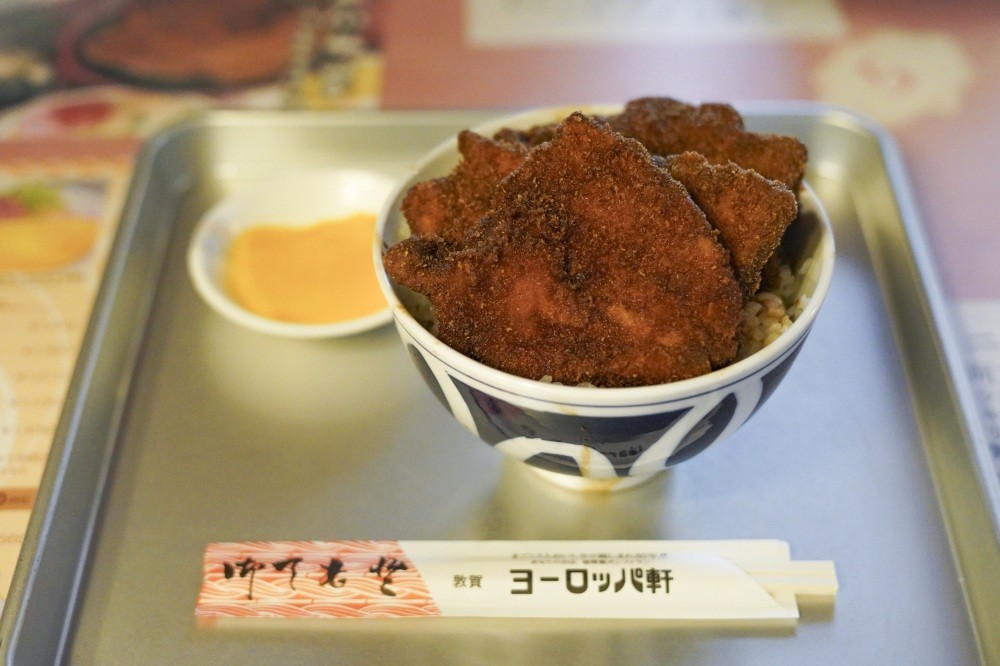
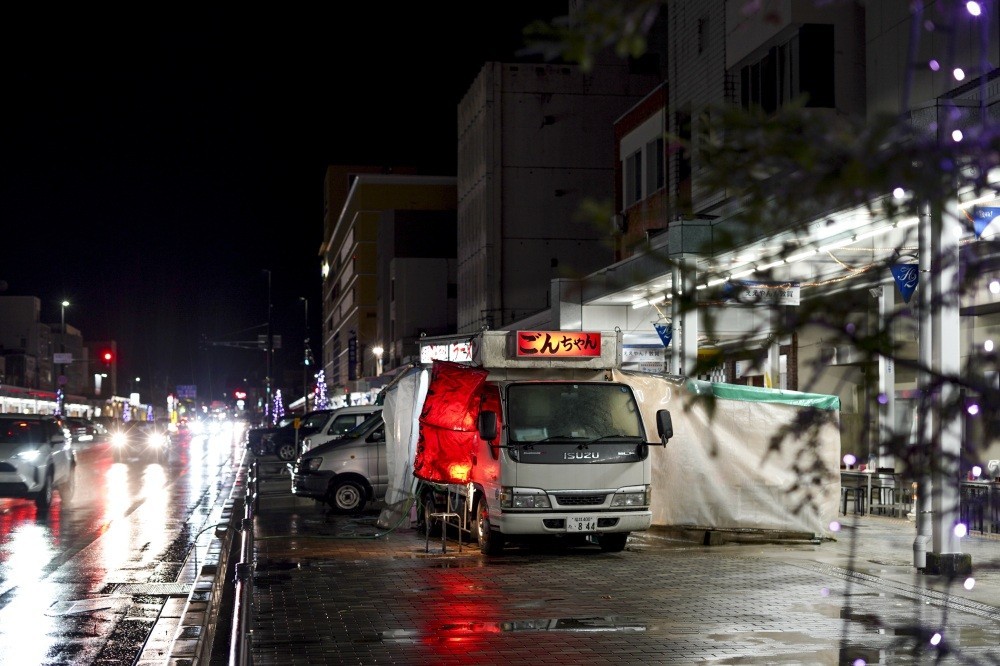
Along with exploring the city, you’ll want to enjoy Tsuruga’s local cuisine. Believe it or not, there’s actually a restaurant in Tsuruga that specializes in Fukui’s famous sauce katsu-don. At “Tsuruga Europe-ken Honten,” in addition to the classic sauce katsu-don, you’ll find plenty of Western-style dishes with unique names like “Scallop” and “Pork piccata.” You’ll definitely want to give them a try to see what they’re all about. You also can’t miss the seafood rice bowls, generously topped with fresh seafood caught in the Wakasa region. And one more thing that defines Tsuruga’s culinary scene is “street-stall ramen.” Around 6:00 p.m. along National Route 8, nostalgic ramen street stalls begin to appear. It’s a nostalgic nighttime specialty that’s become a rarity in contemporary Japan.
Inspired by the resourceful and creative way of life of the people of Fukui Prefecture, I moved there from Tokyo during the COVID-19 pandemic.