Fukui: Highlight of a Hokuriku Trip
Fukui is between the prefectures of Kyoto and Ishikawa, and easy to combine with visits to other popular destinations such as Kyoto and Kanazawa. Use the Hokuriku Shinkansen to hop across to Fukui from Kanazawa, then continue onward to Kyoto from Tsuruga (southern Fukui). As you travel through Fukui, discover dinosaur attractions, immerse yourself in ancient crafts, and navigate historic port towns.
Consider purchasing a Hokuriku Arch Pass for this four-day itinerary through Fukui. It allows visitors unlimited travel on most JR trains and Shinkansen services from Tokyo to Kyoto via Kanazawa and Fukui.
Itinerary Area
- Travel Time
- Recommended Length: 4 Days
- Transportation
- Car
Course Overview
- Dinosaur Plaza
-
![[ Undefined: coursed-title-nl2br ]](/lsc/upfile/courseDetail/0000/1624/1624_1_m.jpg)
- Fukui Prefectural Dinosaur Museum
-
![[ Undefined: coursed-title-nl2br ]](/lsc/upfile/courseDetail/0000/1625/1625_1_m.jpg)
- Forêt de Repos
-
![[ Undefined: coursed-title-nl2br ]](/lsc/upfile/courseDetail/0000/1810/1810_1_m.jpg)
- Echizen Washi Village
-
![[ Undefined: coursed-title-nl2br ]](/lsc/upfile/courseDetail/0000/1627/1627_1_m.jpg)
- Echizen Lacquerware Hall
-
![[ Undefined: coursed-title-nl2br ]](/lsc/upfile/courseDetail/0000/1628/1628_1_m.jpg)
- Takefu Knife Village
-
![[ Undefined: coursed-title-nl2br ]](/lsc/upfile/courseDetail/0000/1629/1629_1_m.jpg)
- Port of Humanity Tsuruga Museum
-
![[ Undefined: coursed-title-nl2br ]](/lsc/upfile/courseDetail/0000/1632/1632_1_m.jpg)
- Kehi no Matsubara pine tree grove
-
![[ Undefined: coursed-title-nl2br ]](/lsc/upfile/courseDetail/0000/1633/1633_1_m.jpg)
- Tsuruga Polt Square “otta”
-
![[ Undefined: coursed-title-nl2br ]](/lsc/upfile/courseDetail/0000/1637/1637_1_m.jpg)
Dinosaur Plaza
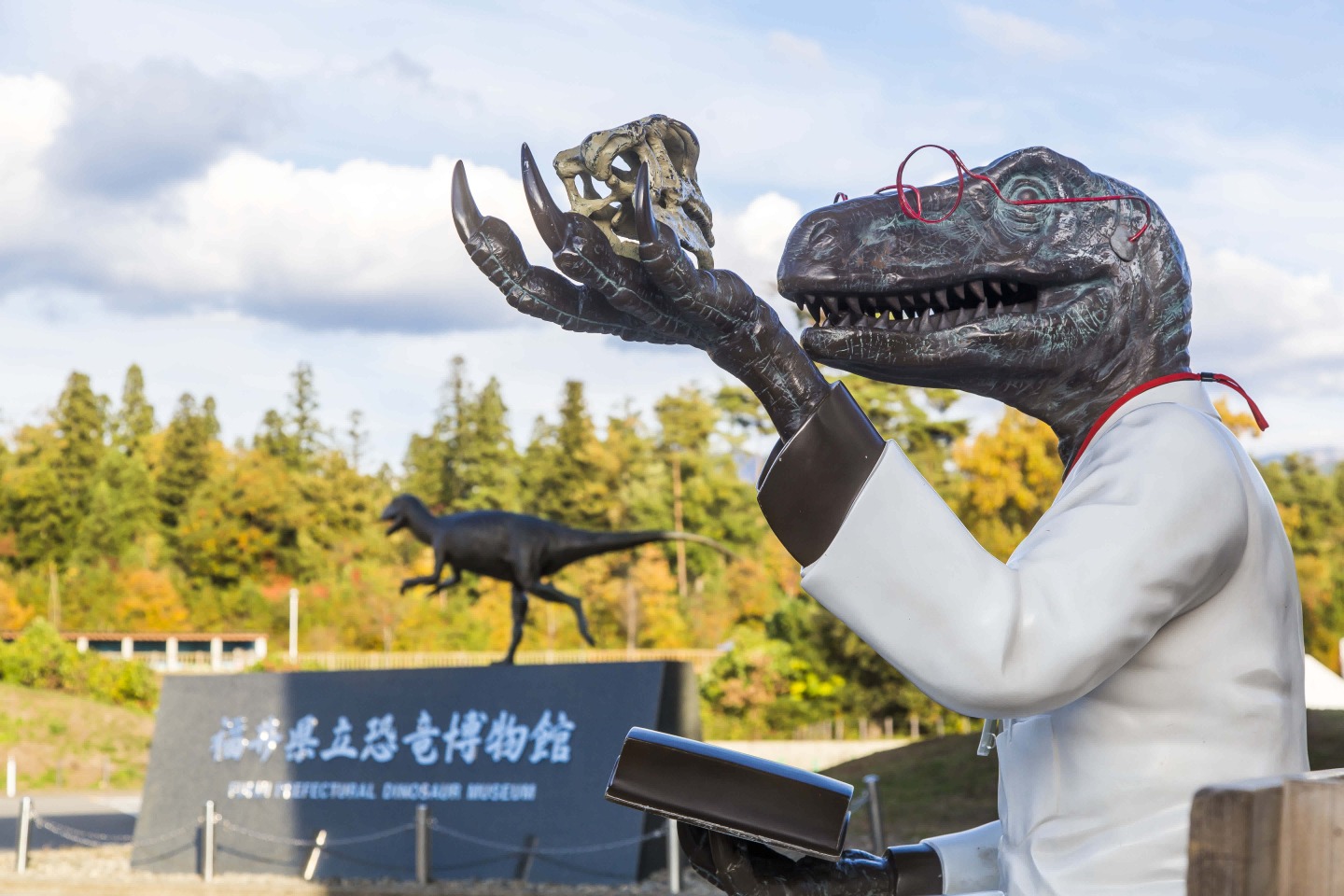
Approximately 80% of dinosaur fossils found in Japan come from Fukui, and the prefecture is known nationwide as the Dinosaur Kingdom. JR Fukui Station is the gateway to this kingdom. Life-sized models of the Fukuiraptor, Fukuisaurus, and Fukuititan welcome visitors at the Dinosaur Plaza outside the station’s west gate. The dinosaur theme is continued throughout the prefecture in motifs, designs, and local products from cookies to sake.
Fukui Prefectural Dinosaur Museum
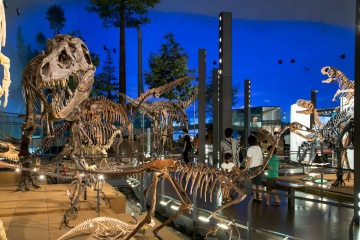
At the Fukui Prefectural Dinosaur Museum in Katsuyama to the east of Fukui City, there are 50 dinosaur skeletons on display, along with animatronics and exhibits on prehistoric life. Near the museum is Field Station, the largest dinosaur excavation site in Japan. Surveys of the site have yielded more dinosaur fossils than anywhere else in the country, and led to the discovery of multiple new species. Learn more about dinosaur fossils and the work of paleontologists through tours and hands-on experiences.
Forêt de Repos
Echizen Washi Village
South of Fukui City is Echizen, a region known for its long tradition of crafts including washi (Japanese paper) and blades.
Goka district in eastern Echizen produces the largest volume and widest variety of washi in Japan. Explore this ancient craft at the studios and paper museums of Echizen Washi Village. The Paper & Culture Museum is a great way to learn about the history and culture of Echizen washi. Observe the process of making washi at the Udatsu Craft Center, and take a fun washi-decorating course at the Papyrus House to make a paper memento.
Echizen Lacquerware Hall
Lacquerware has a history of 1,500 years in Echizen—one of the longest in Japan. Echizen Lacquerware Hall in Kawada Village showcases the very best of the local lacquer craftsmanship in its museum, display rooms, and gift shop. Try your hand at lacquering or decorating pre-lacquered pieces at one of the workshops, or watch artisans at work, carving, painting, and decorating wares. Be sure to check out the impressive and painstakingly detailed lacquer dashi (parade float) on display in the Float Hall on the grounds.
Takefu Knife Village
Echizen blades are globally recognized for their high quality and have a history of more than 700 years. In the east of Echizen City, Takefu Knife Village is a joint working space shared by multiple bladesmiths. It is a great place to learn about the process of forging blades and buy quality knives. Take a factory tour or try a knife-making or blade-sharpening workshop.
Port of Humanity Tsuruga Museum
Tsuruga is a vibrant and historically important port city that has facilitated intercultural and economic exchange between Japan and mainland Asia since ancient times, and Europe (via Vladivostok) in more recent times. Learn about its fascinating history at museums and historical sites near the port’s iconic Tsuruga Red Brick Warehouse. The Port of Humanity Tsuruga Museum, for example, details the city’s role in accepting Jewish refugees in the 1940s.
Kehi no Matsubara pine tree grove
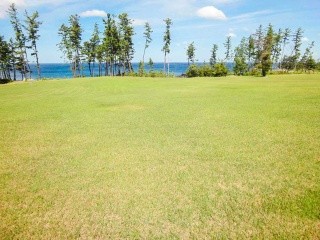
Explore Tsuruga’s natural beauty, taking coastal trails through ancient pine groves by the sea. The Kehi no Matsubara pine tree grove stretches more than a kilometer along the bay and is a popular walking spot. Enjoy the contrast of the dark green pine trees against the white sand beach.
Tsuruga Polt Square “otta”
Stock up on gifts and regional snacks for the onward journey to Kyoto, at Tsuruga Polt Square “otta” and other souvenir stores in and around Tsuruga Station. Habutae mochi are mochi rice cakes, named after local habutae silk for their smooth and soft texture. Mizu yokan, a gelatinous dessert made from red beans and agar, is another regional favorite. Both make for a tasty snack to take with you.
Onward Travels
It takes less than an hour to get to Kyoto from Tsuruga on the JR Thunderbird, an express train that skirts Lake Biwa, Japan’s largest lake.