Attractions
Area
Category
Preferences
Distance
- Sort
- Most Popular
- Last Updated
- Nearest
- Layout
- List view
- Grid view
- Map view
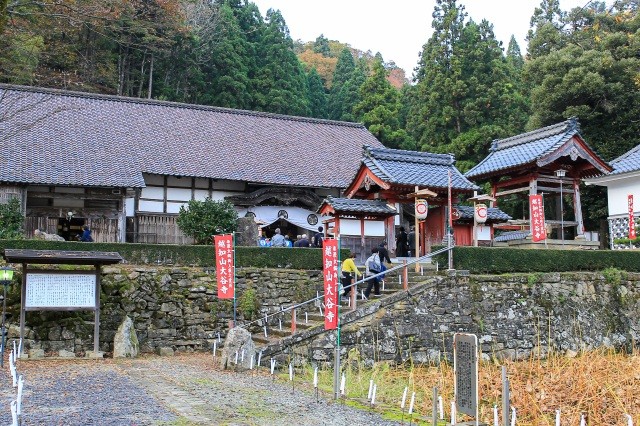
The Cave Where the Eight-Hundred-Year-Old Nun Entered Nirv…
The legend of the 800-year-old nun who ate mermaid flesh and lived to be 800 years old. The cave where she is said to have returned after traveling the nation, helping the poor, and scattering camellia seeds to make flowers bloom. Camellias reminis…
- Wakasa
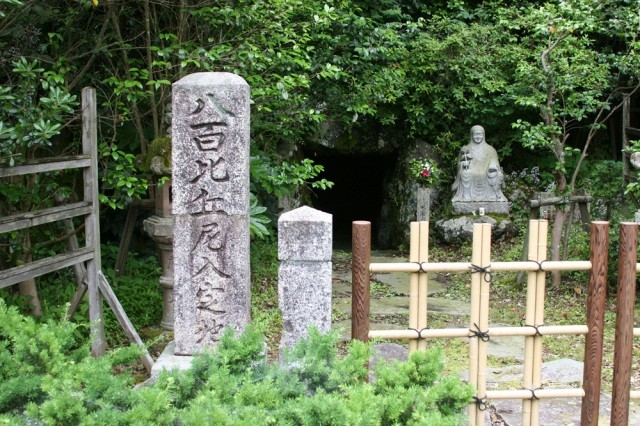
Ochi Shrine
The summit area of Mount Ochi is said to have once been a sacred mountain site blending Shinto and Buddhist elements. Near the trig point at the peak are the inner sanctuary, the Daishi Hall, the shrine office, Hiyoshi Shrine, the main hall, and th…
- Awara,Sakai,Fukui
- Tannan
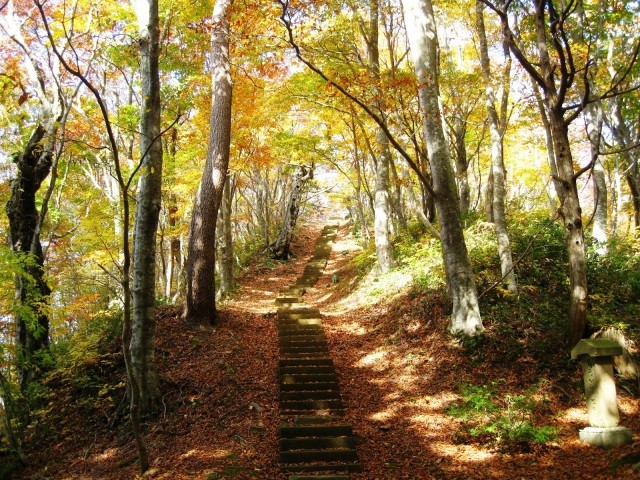
Kono Beach (Minami-Echizen Town)
The closest beach to National Route 8 within Minami-Echizen Town. Improvements to the surrounding area have made it easier to use. Nearby stands the Ukon Family Residence, home of the Kitamaebune shipowners.
- Tannan
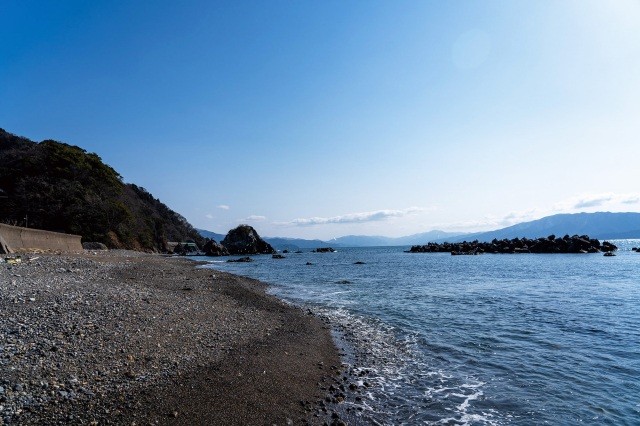
Oyadani Hakusan Shrine (The Great Rock of Oyadani)
The large rock within the grounds of Oyatani Hakusan Shrine is a massive boulder over 20 meters in size, transported here by a debris avalanche triggered by the collapse of Mount Kyogatake volcano. It broke away from near the summit approximately 3…
- Eiheiji, Okuetsu
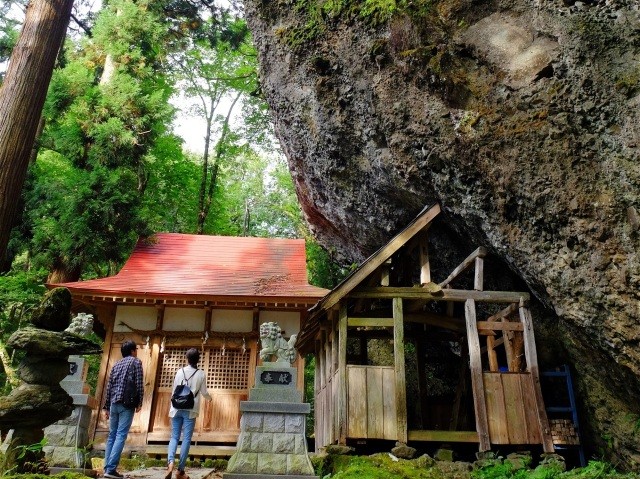
Yuo Pass
The Yuo Pass area has long been a key transportation hub and was frequently the site of battles, including the Genpei War, conflicts during the Nanboku-chō period, and the Ikko Ikki uprising. It is said that in 1578, when Shibata Katsuie improved t…
- Tannan
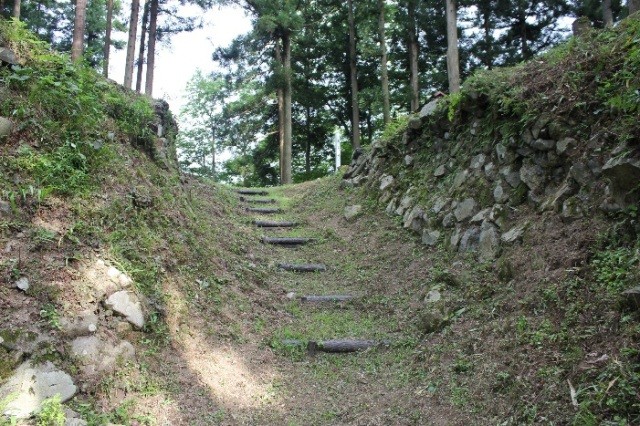
Hino River Ayu Fishing
The ayu, known as the "queen of river fish" for its beautiful form and excellent flavor. Ayu raised in the Hino River and Takura River are of the highest grade in terms of size and firmness of flesh. The season runs from early June to early Septemb…
- Tannan
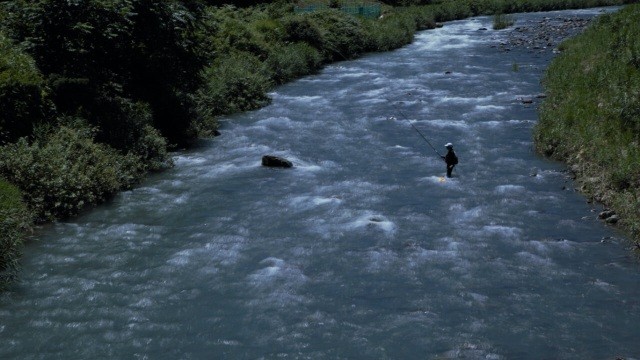
Tamagawa Cave Kannon
===================== The official website for Tamagawa Cave Kannon is now availablehttps://tamagawa-kannon.jimdofree.com/ ===================== While there are various theories, it is said that the origin…
- Tannan
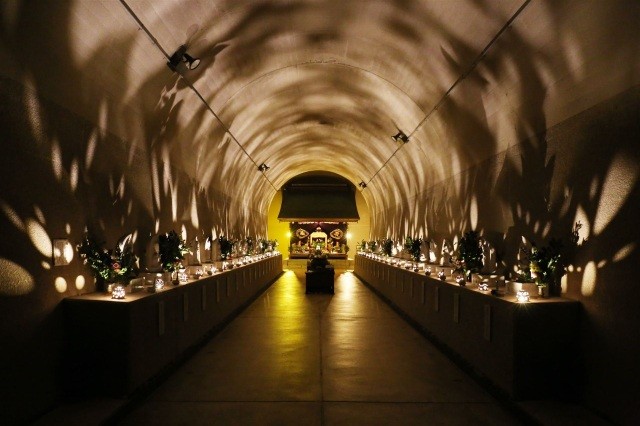
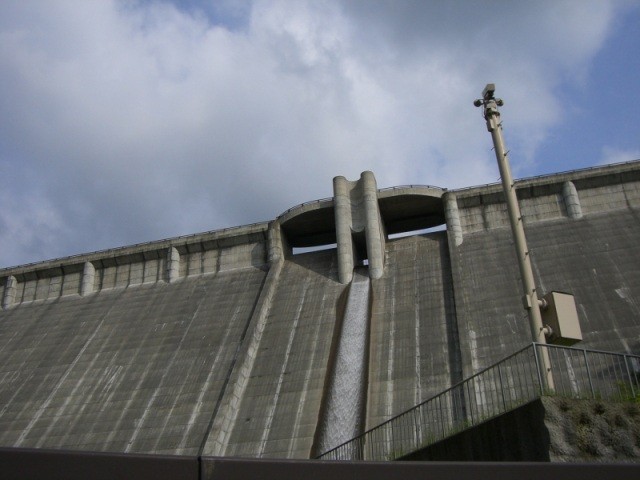
Eiheiji Dam
Completed in 2001, this dam is located upstream on the Eiheiji River, a first-class river in the Kuzuryu River system. It was constructed for flood control, unspecified water use, and water supply purposes. It is a gravity concrete dam with a heigh…
- Eiheiji, Okuetsu
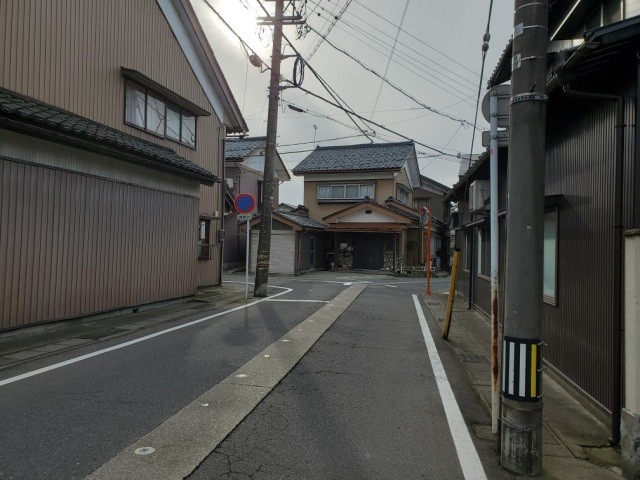
Matsuoka Twelve Turns
The main street from the Matsuoka domain era, the old Katsuyama Kaido, retains its Edo-period layout with multiple right-angle turns known as "key turns." It is called "Twelve Turns" because of the number of these bends. You can also see townhouse-…
- Eiheiji, Okuetsu
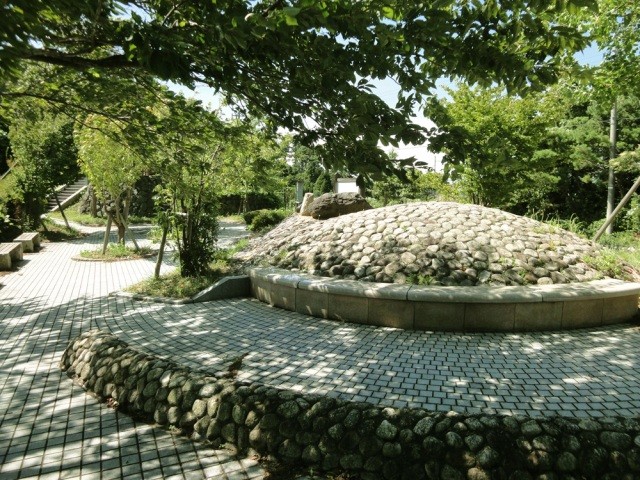
Yokoyama Tumuli
This is the largest tumulus cluster in the Hokuriku region, comprising approximately 300 ancient burial mounds, including numerous keyhole-shaped tumuli. From the largest tumulus within the cluster, Kannabiyama Kofun, burial goods such as gold ring…
- Awara,Sakai,Fukui
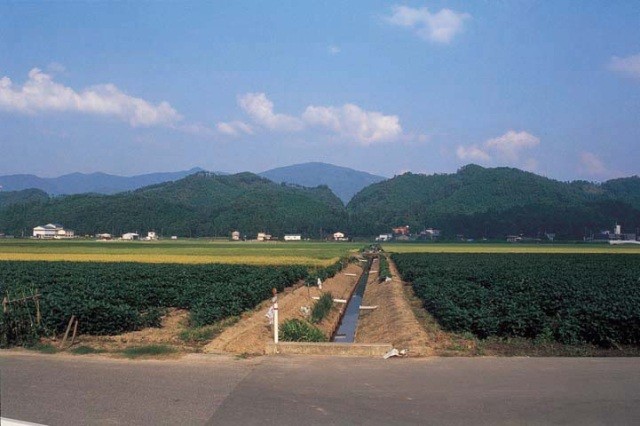
Rokuseyama Tumulus Group
Located on the right bank of the Kuzuryu River, this ancient burial mound complex consists of keyhole-shaped and square burial mounds situated atop Mount Rokuse in Kamikumeda. Based on its scale and contents, it is presumed to be the tomb of a chie…
- Awara,Sakai,Fukui
Castle Mountain
Located in Echizen Town, this mountain stands at an elevation of approximately 540 meters. Its bell-shaped summit is composed of rhyolite and is steep, covered in deep beech forests.
- Tannan
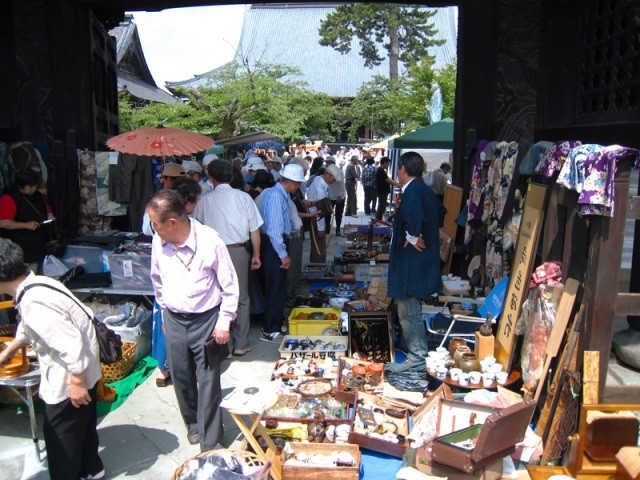
Makotoichi
The "Makoto Market" is Sabae's famous open-air antique market held within the grounds of Honzan Seishoji Temple. Alongside antiques, local restaurants also set up shop. Various seasonal events are held, drawing large crowds each time. It takes plac…
- Tannan
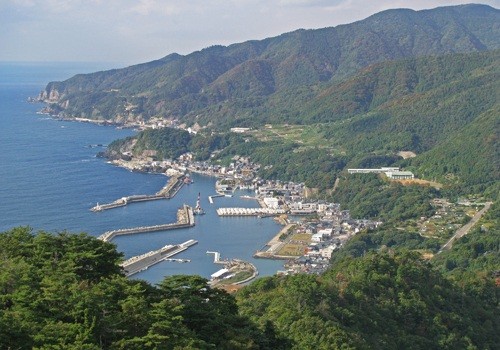
【Opening in 2024】Tamagawa Beach (Echizen Town)
A seaside bathing spot located in the area lined with hot spring inns of Tamagawa Onsen. Though a small beach, it's perfectly adequate for enjoying a swim. Nearby, enshrined within a rock cave at Echizen Misaki, stands the Eleven-Faced Kannon s…
- Tannan
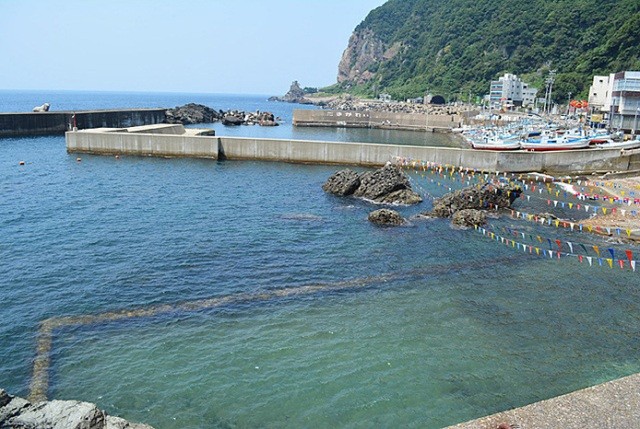
[Opening in 2024] Kabeishi Beach (Echizen Town)
The entrance and exit feature a ramp with handrails, making it safe for children and the elderly. This beach is recommended for those who enjoy scuba diving.【Beach】Rocky and Gravel BeachThe beach will open in 2024.Opening Period: July 10th to Aug…
- Tannan
![[Opening in 2024] Kabeishi Beach (Echizen Town)](/lsc/upfile/spot/0000/1341/1341_2_m.jpg)
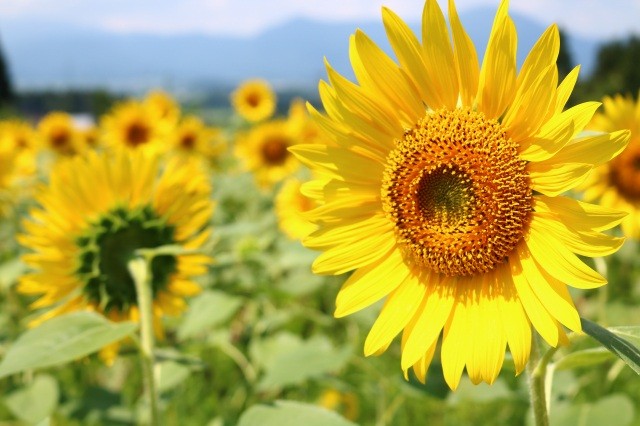
10,000 Sunflowers at Starland Sakadani
In front of the buildings at Starland Sakadani, sunflowers bloom in clusters.The sight of sunflowers blooming across the entire slope conveys the vigor of summer.Best viewing period: Early to late July
- Eiheiji, Okuetsu
Soanji Temple
Founded during the Yoro era (717-724) of the Nara period by the great master Taicho, this Tendai sect temple was originally located in Nojiri, Ikeda Town. It was relocated to its present site in Fuchu, Echizen, in 1533 (Tensho 2) by order of the As…
- Tannan
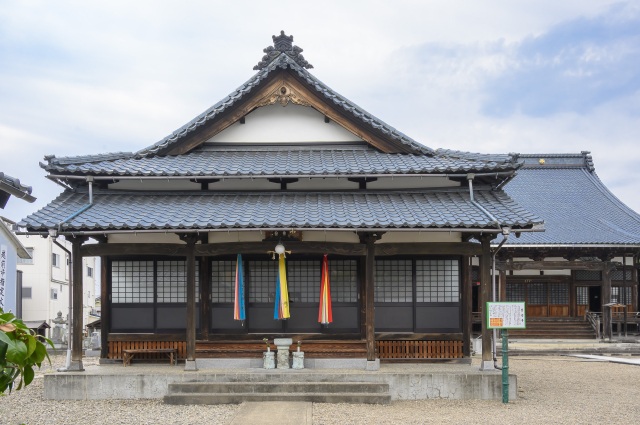
Obama Park
Obama Park is located at the western edge of Obama City, facing Obama Bay and situated at the eastern foot of Mount Kaibouzan. The Aoi River flows through the park, which features monuments to Obama-born late Edo period loyalist and anti-foreign ac…
- Wakasa
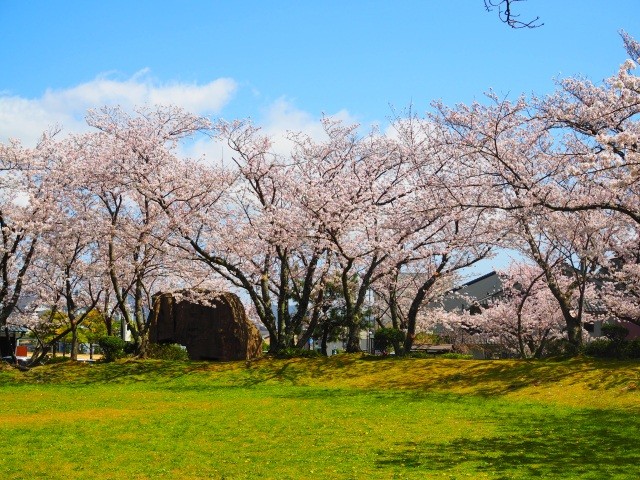
Matsuoka Riverside Park
Spanning the riverbed of the Kuzuryu River, this park features a mallet golf course certified by the Japan Mallet Golf Association—one of the largest in the prefecture—drawing enthusiasts from near and far daily. It also includes a mult…
- Eiheiji, Okuetsu
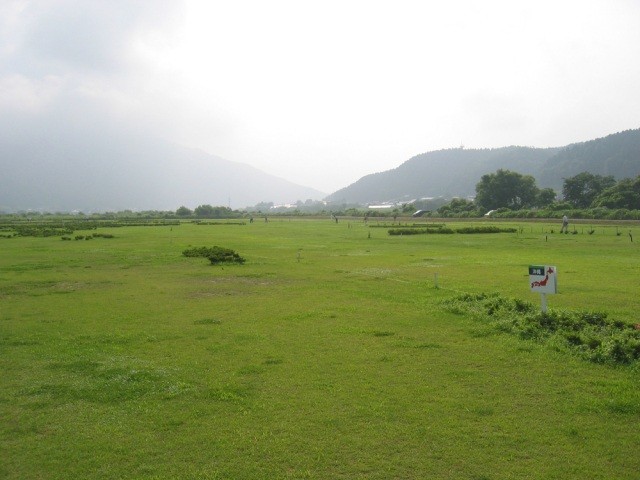
Ōtani-ji Daichō-in
Founded by the great monk Taichō, this site is said to have flourished greatly from the late Heian period through the Kamakura period. The stone nine-story pagoda, designated a National Important Cultural Property, stands at the foot of the mountai…
- Tannan