Attractions
Area
Category
Preferences
Distance
- Sort
- Most Popular
- Last Updated
- Nearest
- Layout
- List view
- Grid view
- Map view
Raigō-ji Temple
Jishū sect temple. Founded in 1387 by Priest Kokua. By the late 16th century, it gained the patronage of Otani Yoshitsugu, lord of Tsuruga Castle. Decorated waist-high sliding screens, said to have been entrusted to the temple by Otani Yoshitsugu b…
- Wakasa
Former Hokuriku Line Tunnel Complex
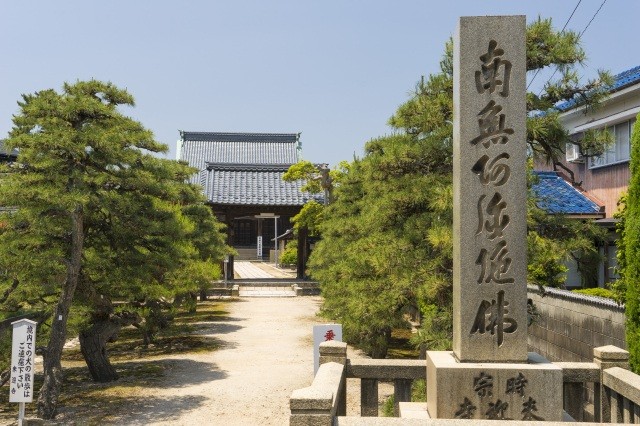
In 1896, the section between Tsuruga and Fukui on the former Hokuriku Line opened. Particularly challenging was the stretch between Tsuruga and Imajo, characterized by rugged mountains and steep gradients. Twelve tunnels were excavated here, eleven…
- Tannan
- Wakasa
Tsunemiya Shrine
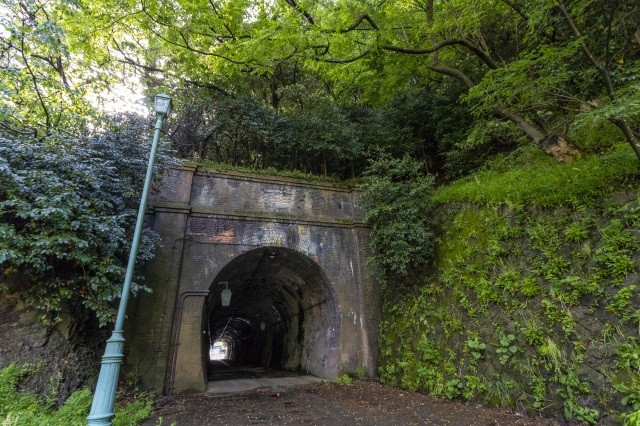
The enshrined deity is Empress Jingū, wife of Emperor Chuai at Kibitsu Shrine, revered as the "Goddess of Childbirth." On July 22 each year, a nationally rare ritual called the Sōsan Festival takes place, where the enshrined deity of Emperor Chuai …
- Wakasa
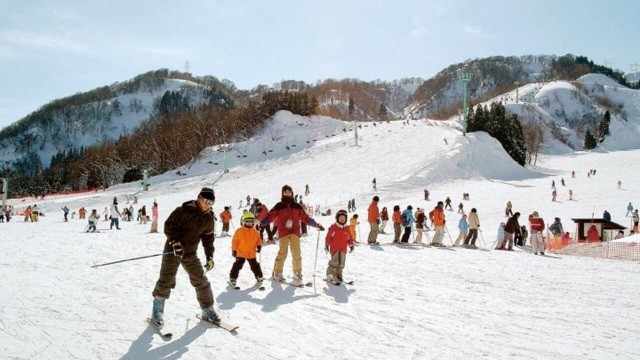
Imajo 365 Ski Resort
On clear days, the Imazuka 365 Ski Resort offers a breathtaking panorama of nature, with views stretching to the distant Hakusan mountain range. A Kids Park is also available, ensuring even the youngest children can enjoy themselves safely.
- Tannan
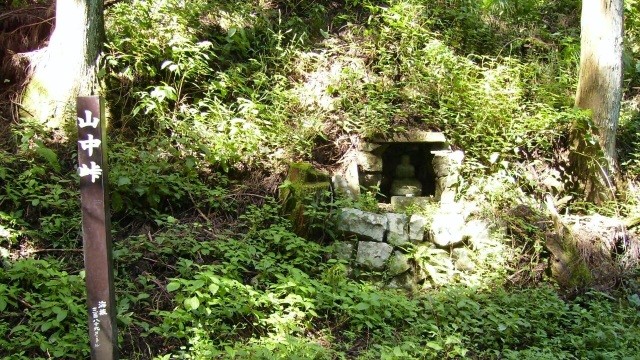
Yamanaka Pass
During the Nara period, travelers entering the province of Etchu (Hokuriku) from the capital crossed the Yamanaka Pass (elevation 389m) from Tsuruga. This was the oldest Hokuriku official road passing through the province of Echizen. It is also cal…
- Tannan
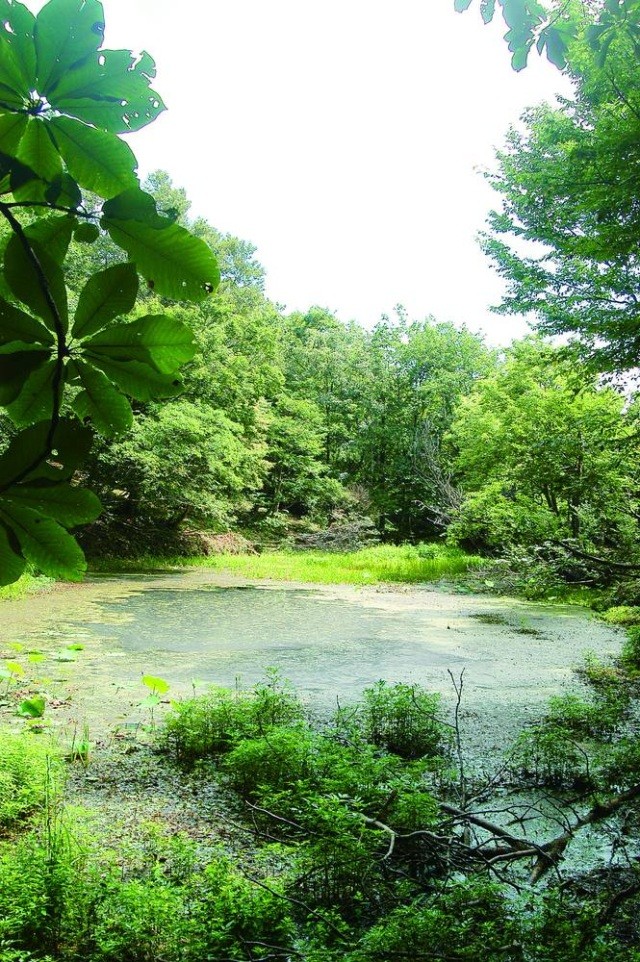
Takechū Pond (Minami-Echizen Town)
A pond with a circumference of approximately 360 meters located at the summit of Mt. Nomigatake. It is a prime hiking spot renowned for its beautiful flowers that bloom profusely throughout the seasons. It is also known for its mystical dragon god …
- Tannan
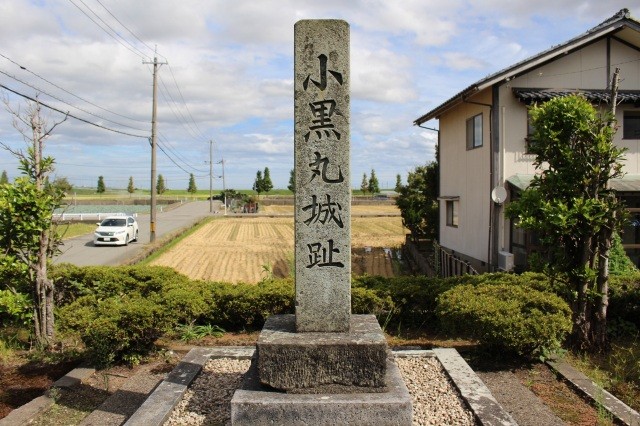
Kokuro-maru Castle Ruins
The military chronicle "Taiheiki" records that Shiba Takatsune, a military commander of the Nanboku-chō period, built seven castles, and Koguro-maru Castle is counted among them (though theories vary).According to Volume 20 of the Taiheiki, Takatsu…
- Awara,Sakai,Fukui
Willow Falls
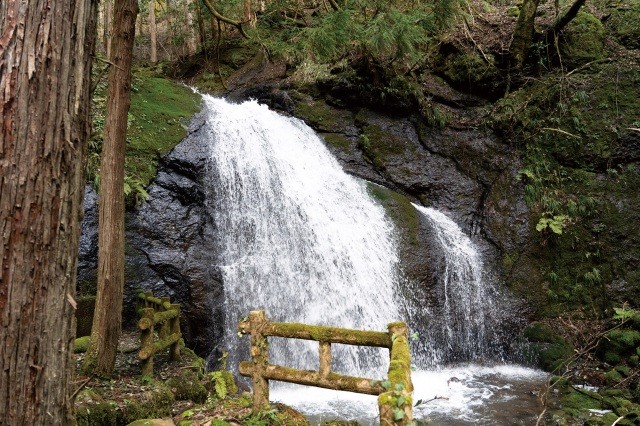
Yanagi Falls, located midway up Gongen Mountain in eastern Imadate, consists of five waterfalls of varying sizes. Visitors can enjoy a diverse waterfall landscape, including the 30-meter-high Nuno Falls, the Okama Falls where a giant rock is hollow…
- Tannan
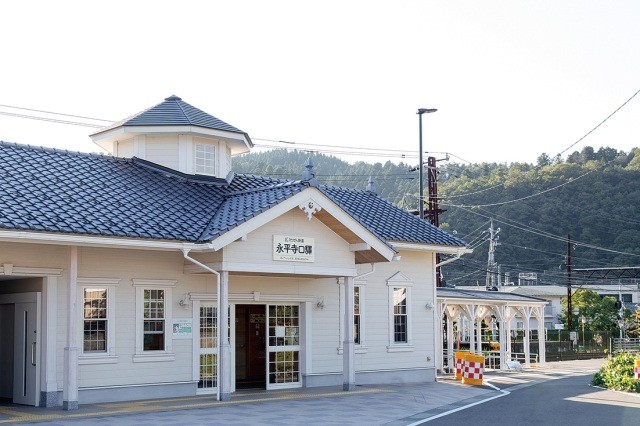
Echizen Railway Eiheiji-guchi Station
The station building features a Western-style design with white as its base color, incorporating the atmosphere of the former station building, which is a nationally registered tangible cultural property. It was developed alongside the former Kyoto…
- Eiheiji, Okuetsu
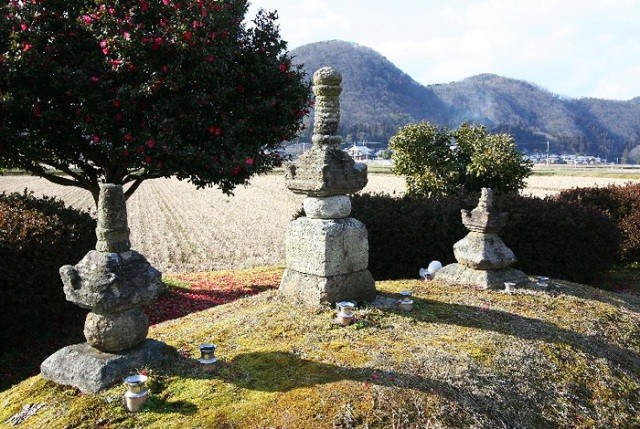
Semi-maru's Grave
The story of Semimaru, famous for the verse "This place, this very place / Where parting and reunion part ways / Where knowing and not knowing meet at Ōsaka Pass," has been passed down. After wandering through the provinces, Semimaru arrived in Ech…
- Tannan
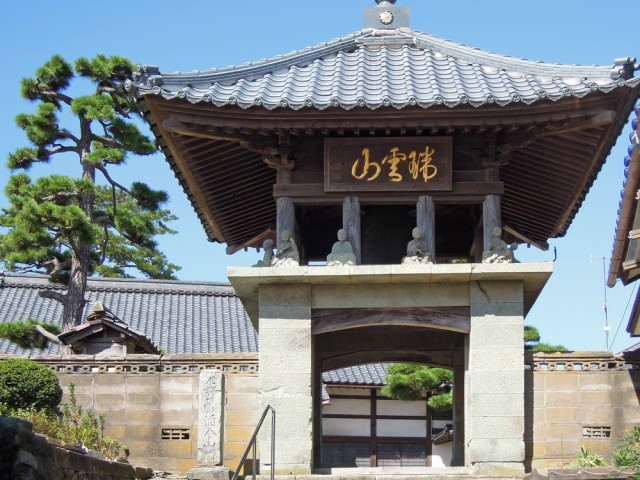
Zuiunzan Kinpōji Temple
Founded around the Eishō era (1504–1521) by the great priest Tōmoku Chōju (second abbot of Ryūun-ji), this is a Sōtō Zen temple. Perched on a hill overlooking the mouth of the Kuzuryu River, it was called "Hiyoriyama" (Weather Mountain) because dur…
- Awara,Sakai,Fukui
Suwaazuki Shrine
The main hall, built approximately 500 years ago, is a graceful shrine designated as a National Important Cultural Property. Its architecture masterfully blends Japanese, Tang, and Indian styles. The vermilion-lacquered mountain gate within the pre…
- Tannan
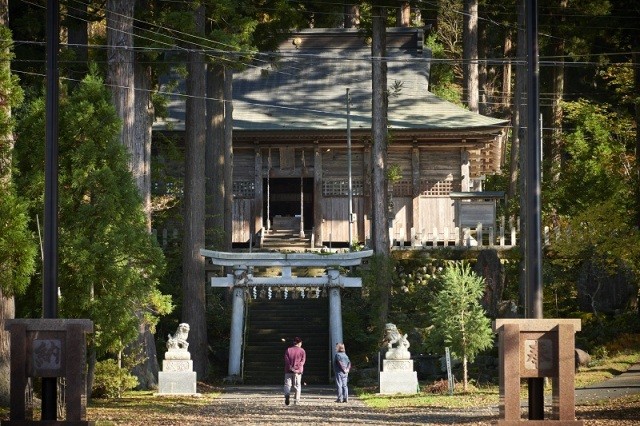
【Opening in 2024】Shirahama Beach (Echizen Town)
Paid parking and public restrooms are available. The gravel beach is a manageable size, making it safe for small children.【Beach】Gravel Beach The beach will open for swimming in 2024.Operating Period: July 10th to August 20th
- Tannan
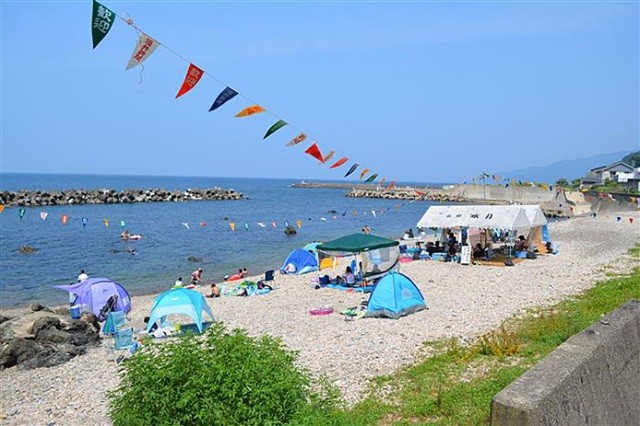
[Opening in 2024] Umeura Beach (Echizen Town)
The artificial beach bustles with many beachgoers seeking the sea every year.【Beach】Concrete BeachThe beach will be open for swimming in 2024, but facilities such as restrooms and showers will be unavailable.Opening Period: July 10th to August 20…
- Tannan
![[Opening in 2024] Umeura Beach (Echizen Town)](/lsc/upfile/spot/0000/1337/1337_2_m.jpg)
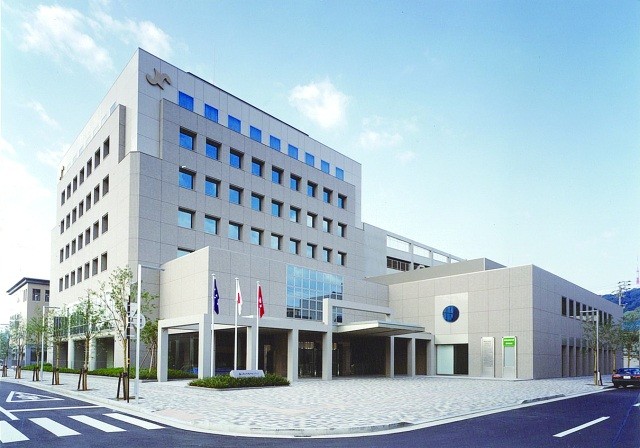
Fukui Chamber of Commerce and Industry Building
We offer rental meeting rooms and halls suitable for various purposes. All rooms are reasonably priced and available for use daily until 10 PM. We will not only suggest the optimal venue but also arrange all necessary equipment, signage, flowers, a…
- Awara,Sakai,Fukui
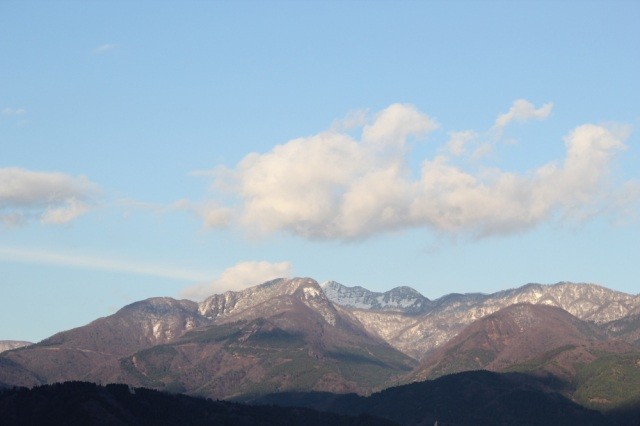
Mt. Kyōgatake
This mountain's name originates from a legend that, long ago when Heisenji Temple was burned down during the Ikkō uprising, its followers buried sutras at this mountaintop. This mountain belongs to the Hakusan volcanic range and is said to be a…
- Eiheiji, Okuetsu
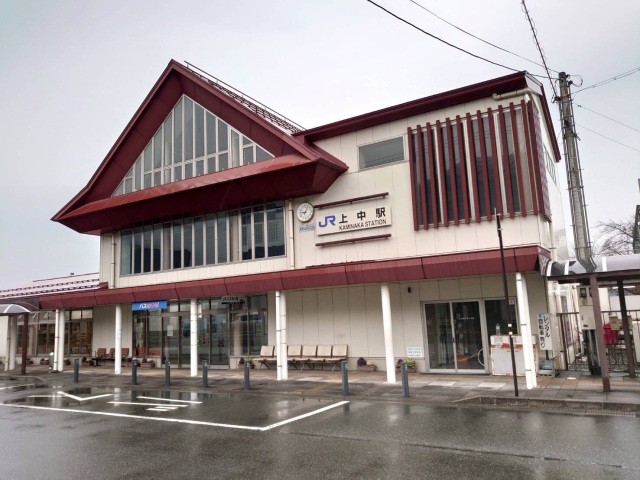
Bicycle Rental - Wakasa Town - JR Kaminaka Station
Rental bicycles are available at Kaminaka Station.Why not explore the attractions around Kamonaka Station, such as Kumagawa-juku and Uriwari Falls, by rental bicycle?
- Wakasa
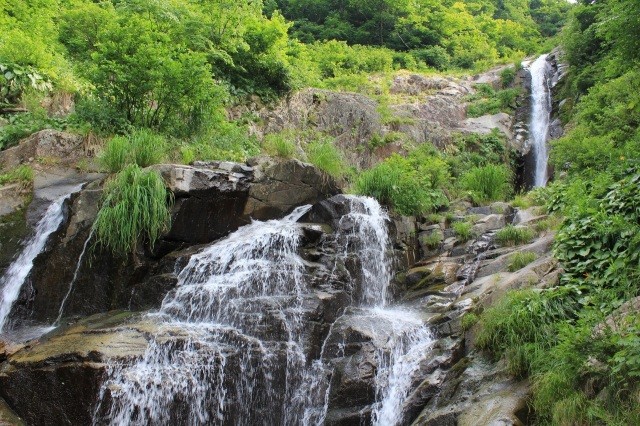
Buddha's Maiden Waterfall
A three-tiered waterfall plunging 100 meters from Mount Arajima, one of Japan's 100 Famous Mountains.The waterfall's name originates from a legend that "Buddha Gozen," beloved by Taira no Kiyomori and renowned as a master dancer w…
- Eiheiji, Okuetsu
Dormy Inn Premium Fukui
A 7-minute walk from Fukui Station. An ideal location for both business and leisure. Features a flat parking lot and a multi-level parking garage with 50 spaces! The top floor features a large public bath with natural hot spring water and a sauna. …
- Awara,Sakai,Fukui

Hikida Castle Ruins
This flatland castle was built on the hills behind the settlement in southwestern Hikita (elevation approx. 100m). It is said to have been constructed during the Bunmei era (1469–87) by Kubo Hikita, a vassal of the Asakura clan and Lord of Ts…
- Wakasa