Echizen Coast
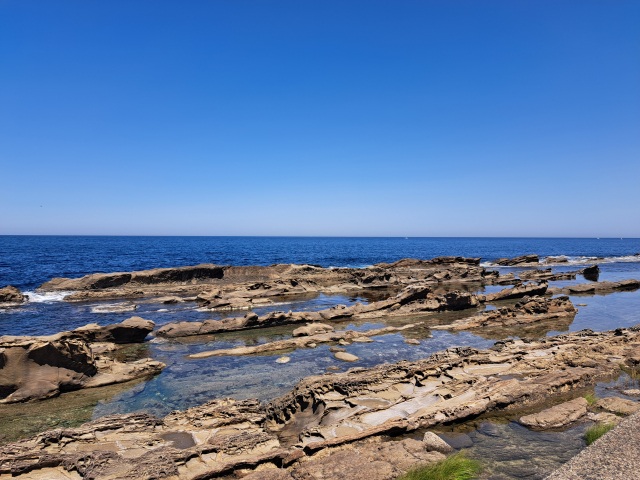
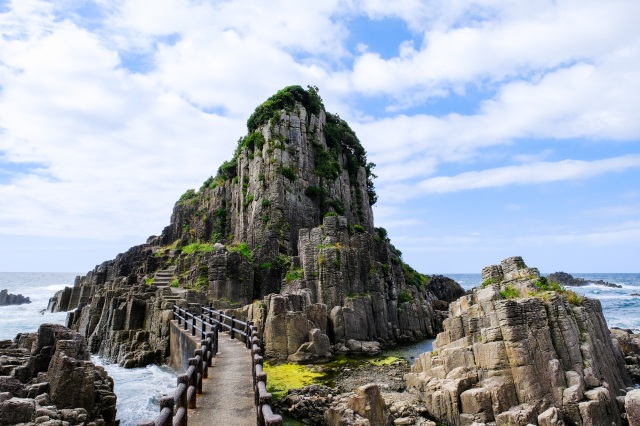
The majestic beauty of the coastline with its towering cliffs and unusual rock formations
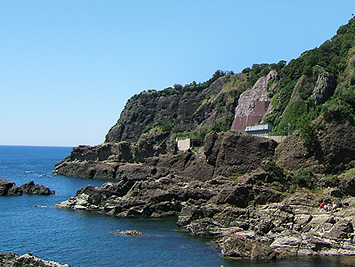
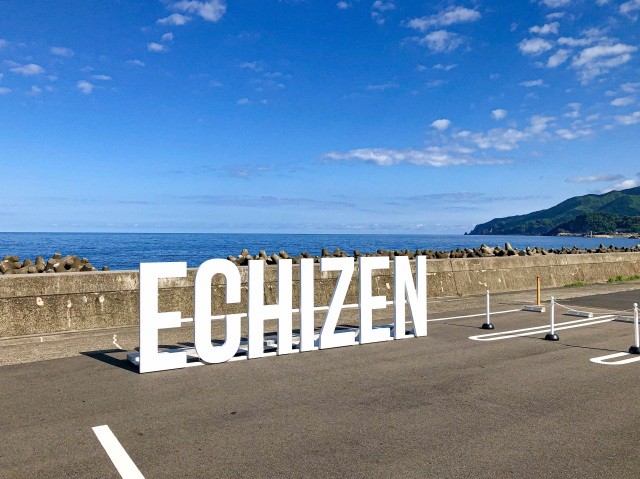
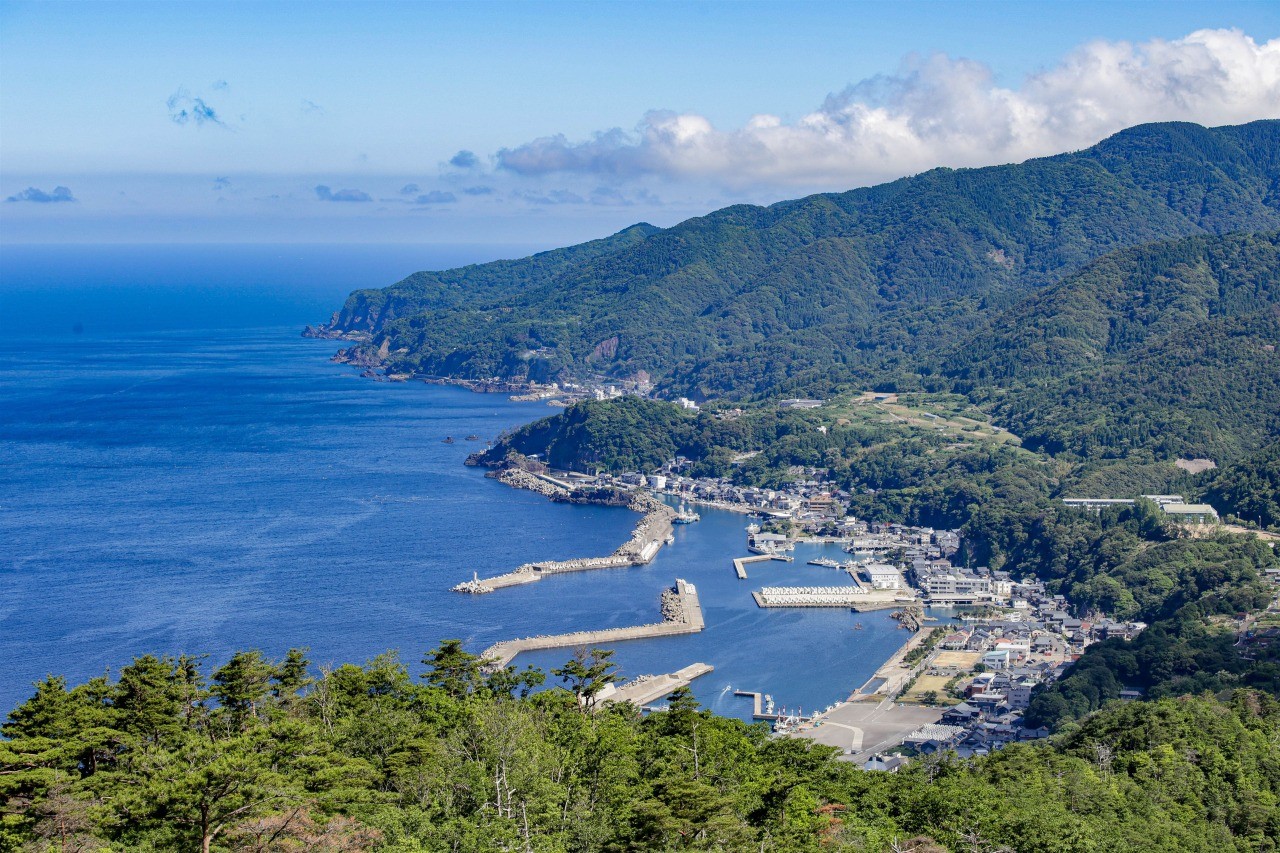
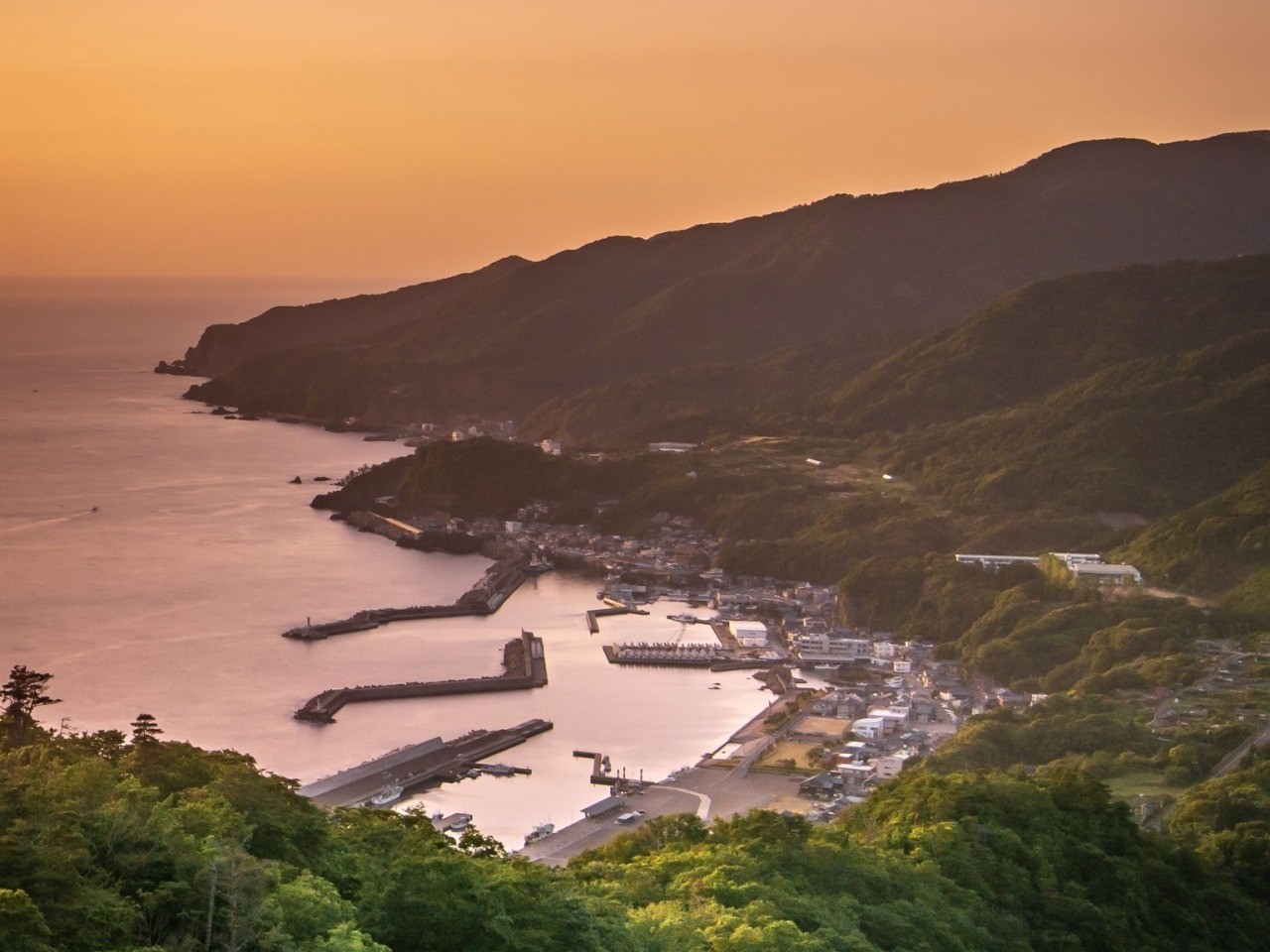
Designated as a national park, the Echizen Coast stretches from Tojinbo Cliffs in the north to Suizu in Tsuruga in the south. Centered around Cape Echizen at its western tip, it juts out into the Sea of Japan in a gentle "C" shape, with the Kuzuryu River flowing into its northern end.
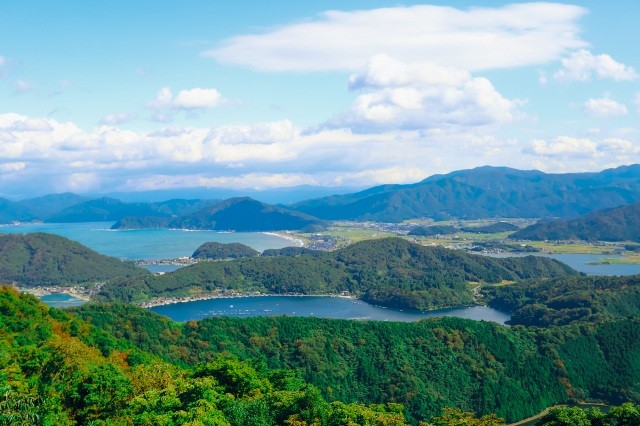
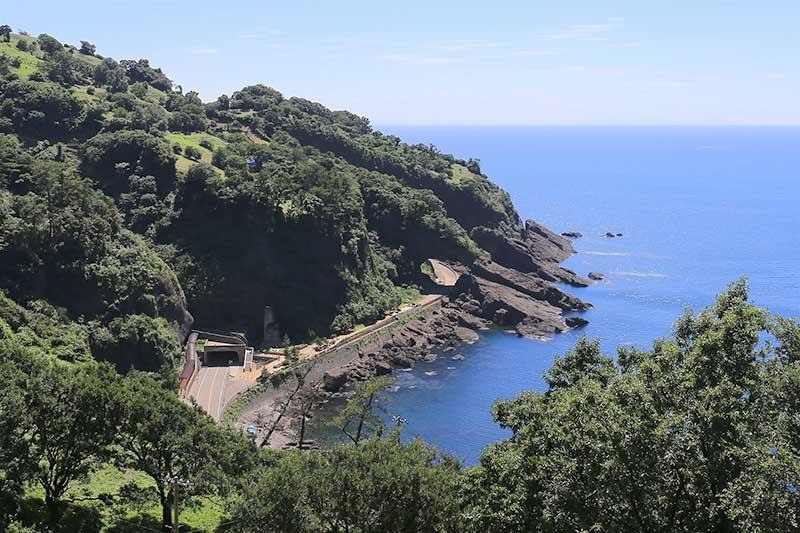
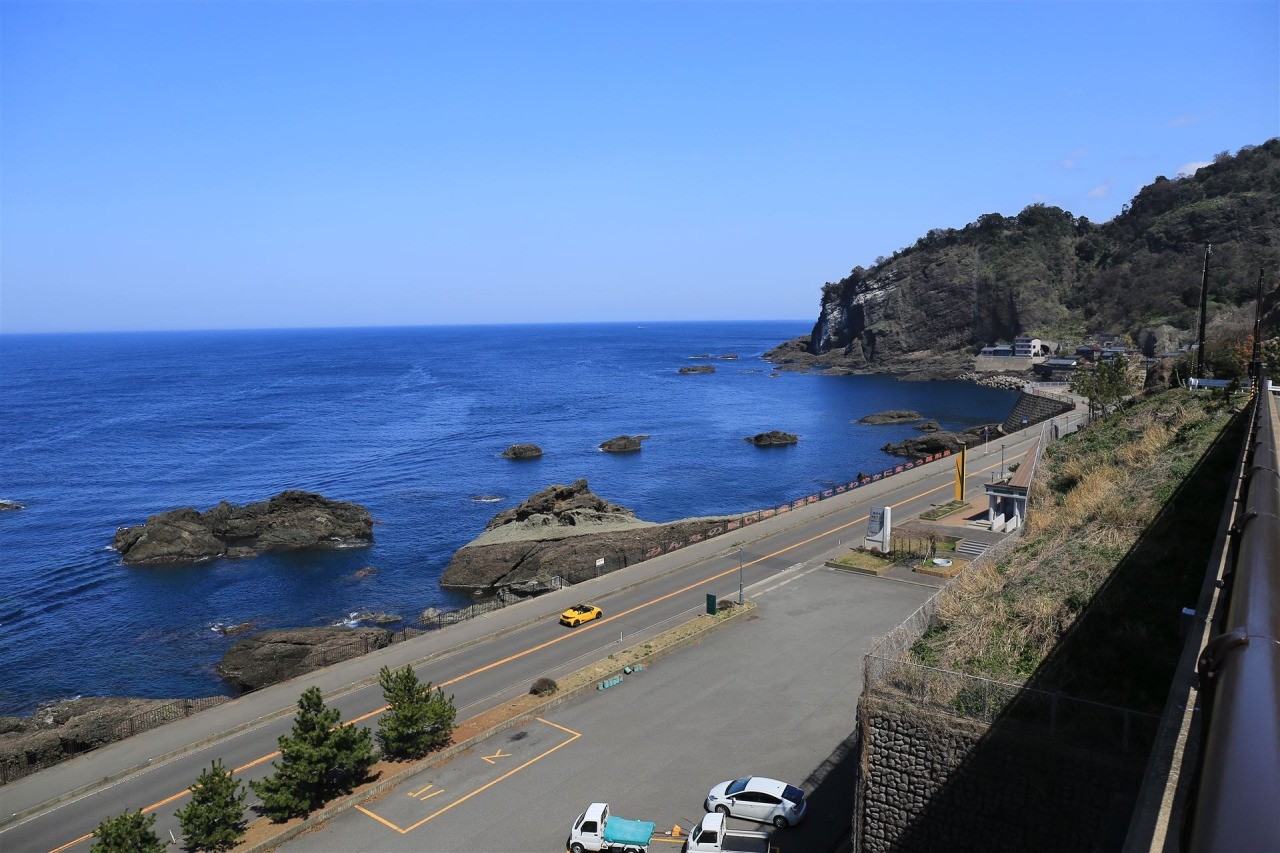
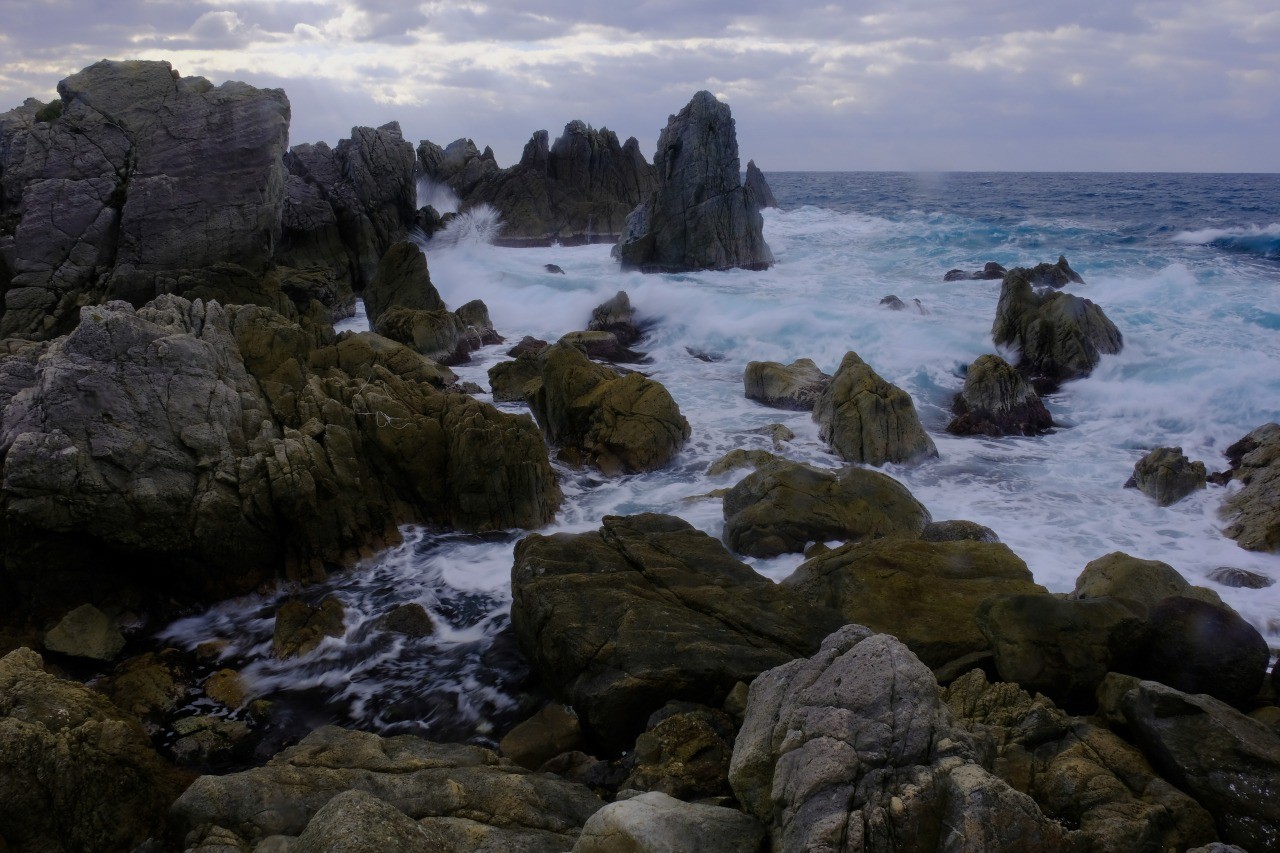
Unlike the rias coastline of Wakasa Bay, it is characterized by rugged rock formations and cliffs created by uplifted coastlines.
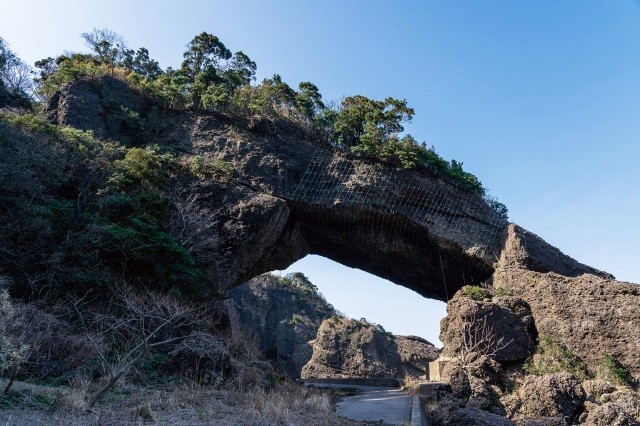
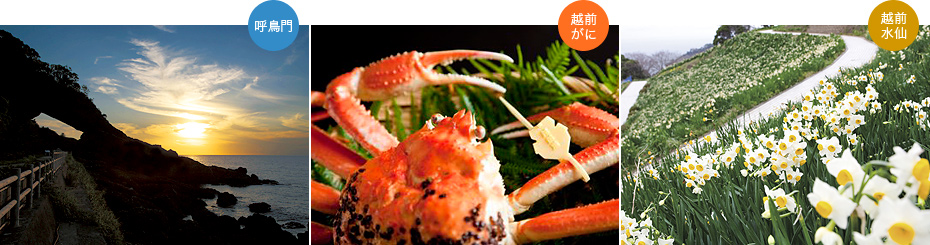
Centered around Cape Echizen, the coastal beauty—including natural rock formations like the "Kochomon" natural tunnel, carved by wind and wave erosion—captivates visitors.
Its unique scenery makes it a popular driving spot, bustling with cars and motorcycles on clear days.
Fresh seafood can be enjoyed year-round, with the winter season's "Echizen Gani snow crab" being particularly famous.
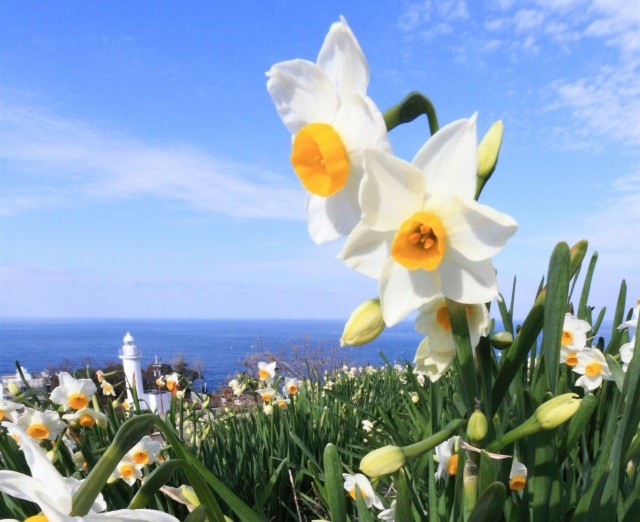
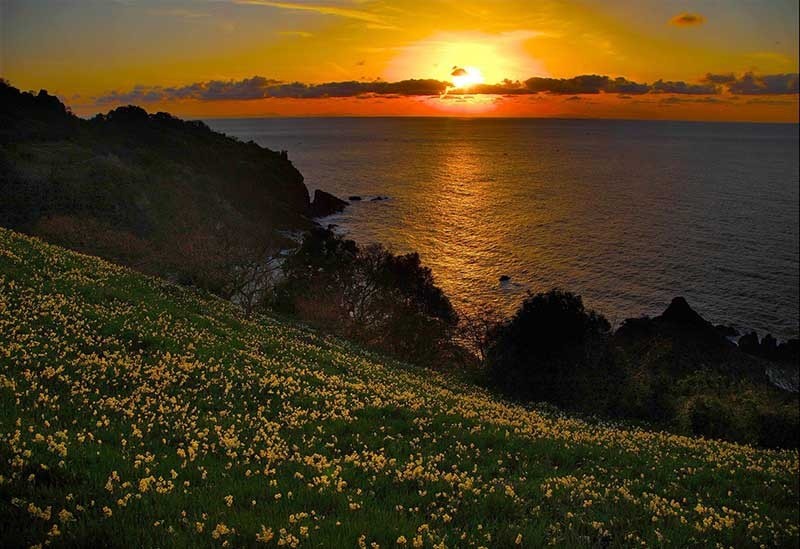
It is also one of Japan's three major narcissus blooming areas, where the lovely Echizen narcissus flowers bloom on the mountain slopes, captivating tourists.
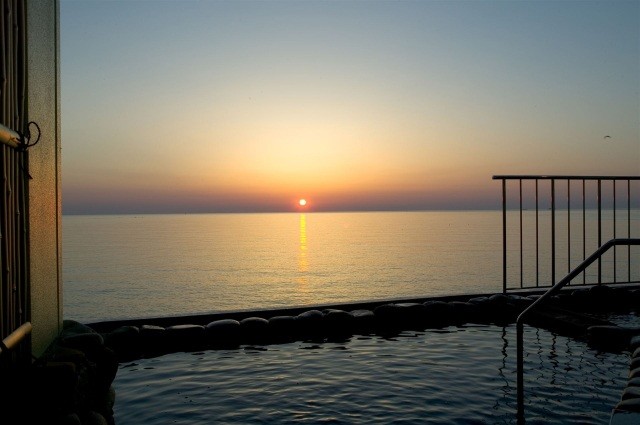
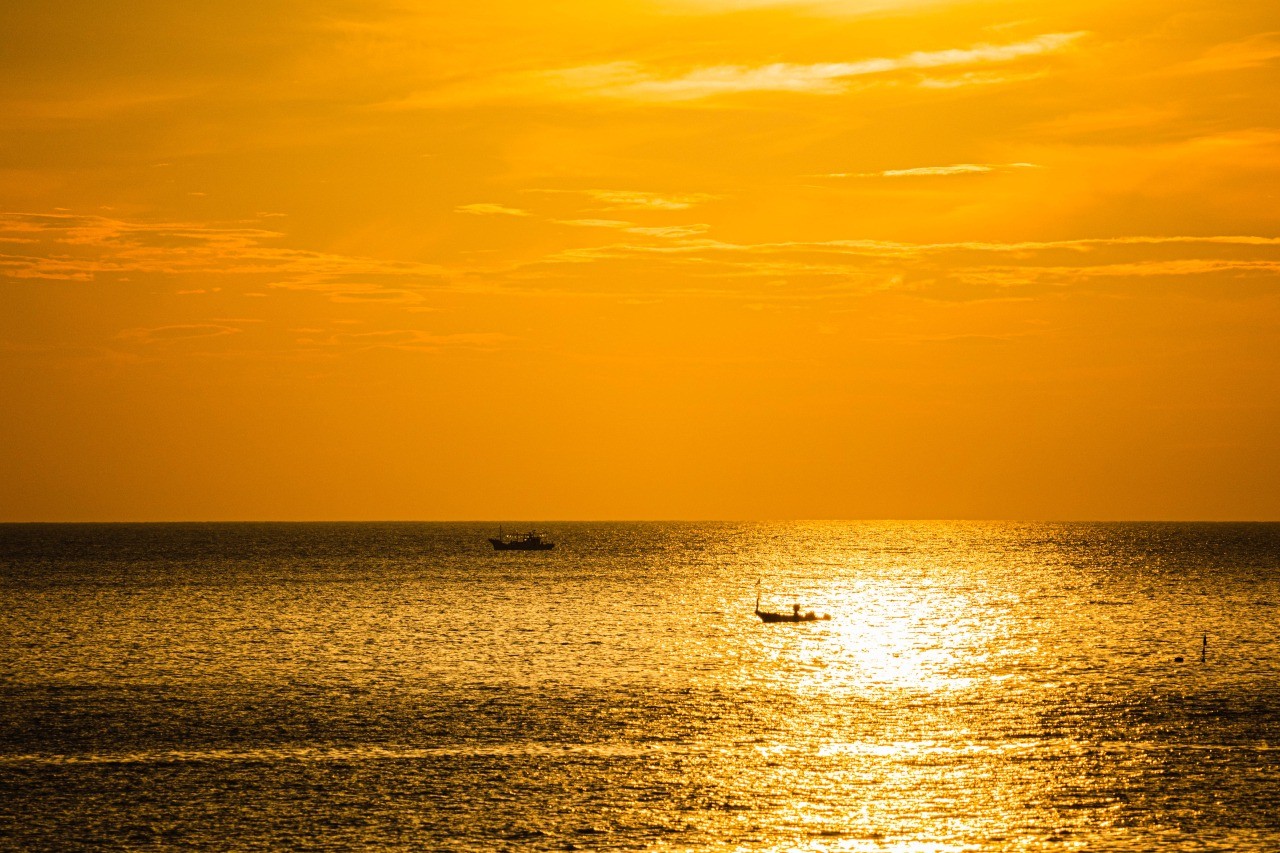
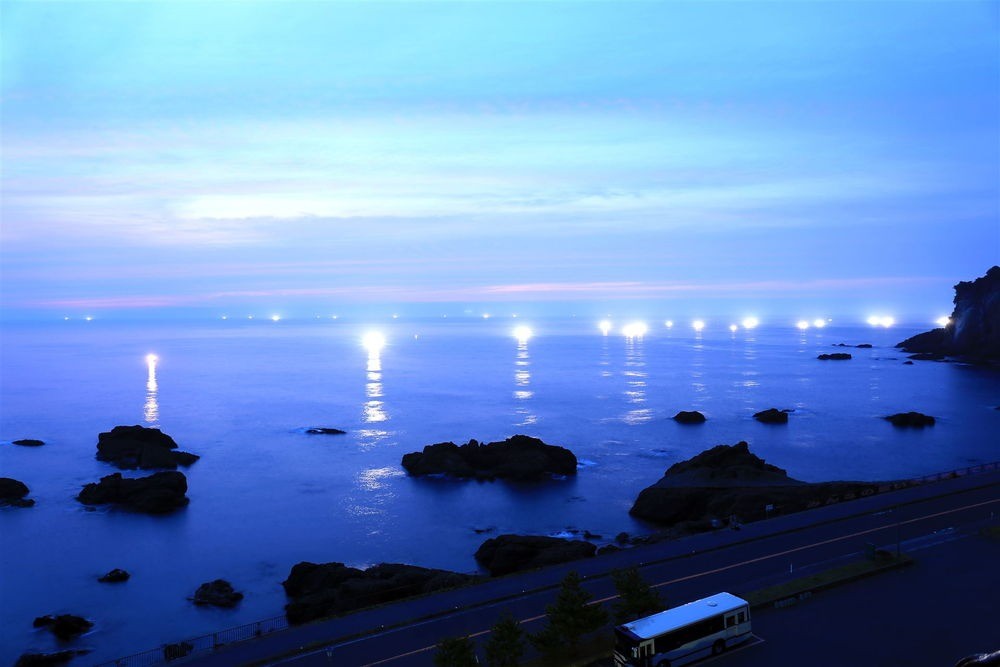
Echizen Cape and Tojinbo are also selected as one of "Japan's Top 100 Sunset Spots".
Spectacular Coastal Beauty
The natural tunnel "Kokuchomon," carved by wind and waves
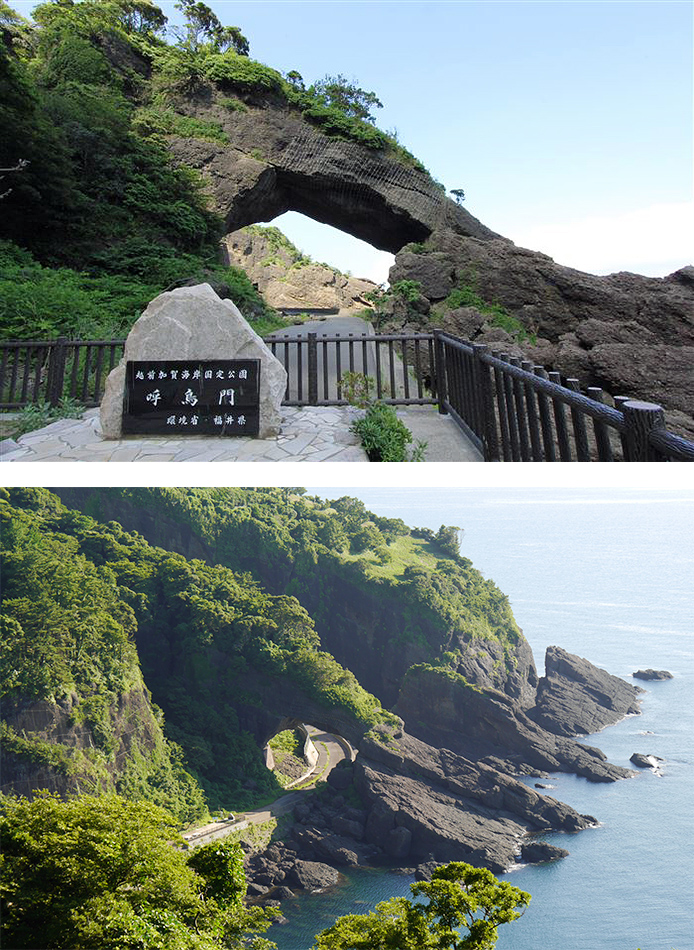
A cave formed by a large rock jutting out as if tumbling into the sea, with a gaping hole carved into it by wind and wave erosion. The natural tunnel of Kochomon, hollowed out over many years, is a representative scenic spot of the Echizen coast. While a national highway once passed beneath it, a promenade is now maintained, allowing visitors to see it up close.
≫Learn more about Kochomon
Tori-kuso-iwa: A 100-Meter-High Cliff
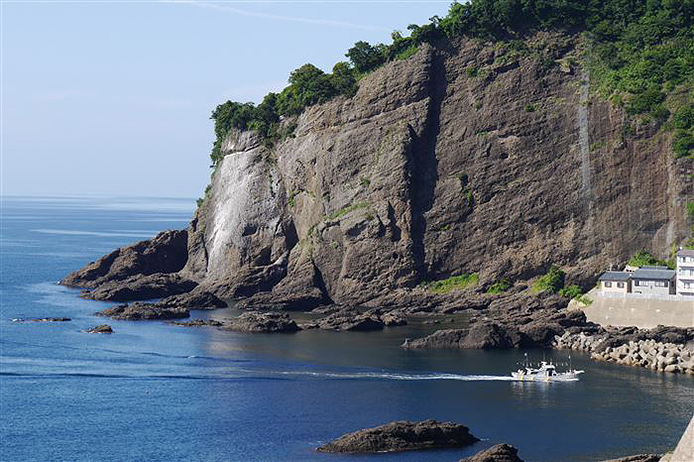
Located at the northern tip of Echizen Town, just south of Kochomon, this massive cliff rises about 100 meters high. The tip of this nearly vertical cliff rising from the sea serves as a habitat for seabirds, and it earned its name (which loosely translates to "bird-feces rock") because it is stained white by their droppings. It is a symbolic sight of this land, living alongside the majestic Sea of Japan.
≫Learn more about Tori-kuso-iwa
Echizen Cape: One of Japan's Top 100 Sunset Spots
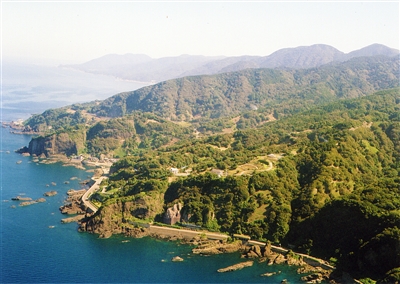
Located at the westernmost tip of Fukui Prefecture's northern Reihoku region, this is the premier scenic spot along the Echizen Coast. Soaring cliffs reaching 130 meters high meet the crashing waves, creating a dynamic landscape. Dotted with unusual rock formations and offering superb views, it is also selected as one of Japan's Top 100 Sunset Spots. The vista from the Cape Echizen Observatory is magnificent, offering sweeping views of Tojinbo Cliffs and the Tsuruga Peninsula. Standing atop the cape's 132-meter peak is the white Cape Echizen Lighthouse, a symbol of the cape.
≫Learn more about Cape Echizen
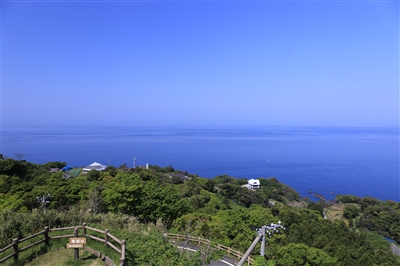
Perched atop the highest ridge leading to Cape Echizen is the Cape Echizen Observatory. From here, you can gaze down upon Cape Echizen Daffodil Land, the white lighthouse, and the vast expanse of the Sea of Japan—an observatory where you can truly feel the curvature of the Earth.
≫Learn more about the Cape Echizen Observatory
≫Learn more about Cape Echizen Daffodil Land
≫Learn more about the Cape Echizen Lighthouse
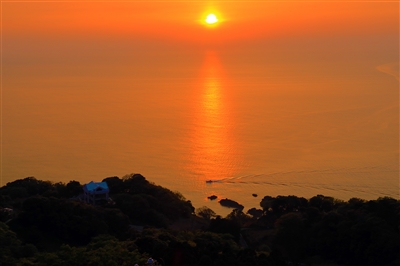
Along the Echizen Coast, Cape Echizen is selected alongside Tojinbo Cliffs as one of Japan's Top 100 Sunset Spots. The setting sun sinking into the vast panorama spread before your eyes is truly a spectacular sight.
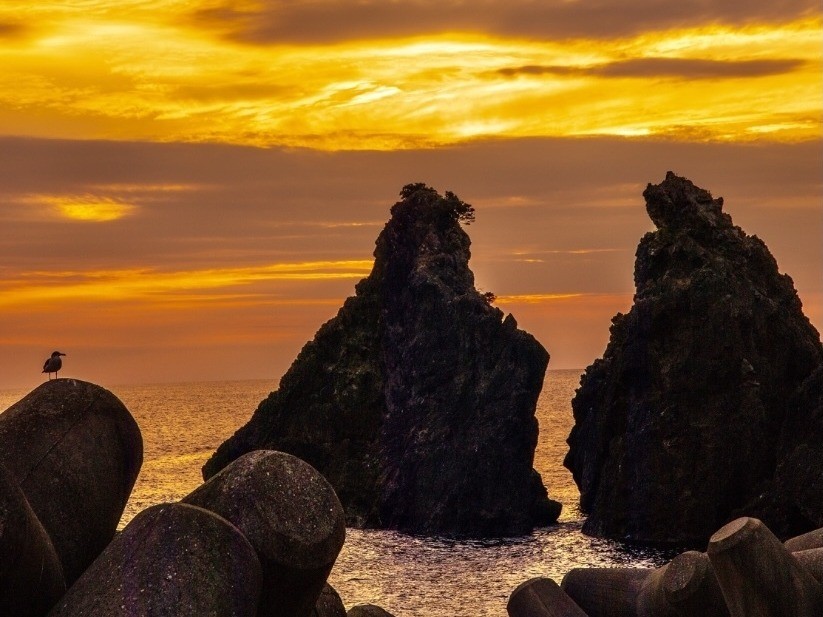
The Twin Rocks "Ebisu Rocks" Jutting Out Over the Sea
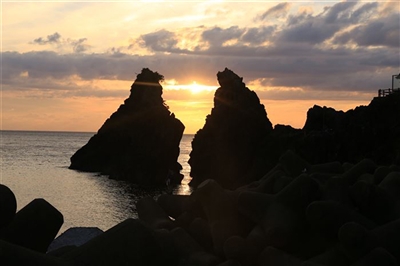
Located just south of Echizen Town, these strikingly similar twin rocks protrude from the sea surface, creating a unique landscape. If the timing is right, you can witness the sunset sinking between these two rocks.
≫Learn more about Ebisu Rocks
The naturally formed geyser "Shiofuki Rock"
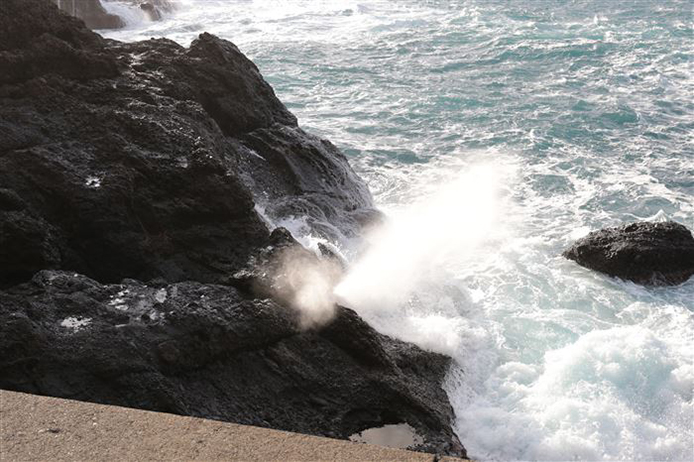
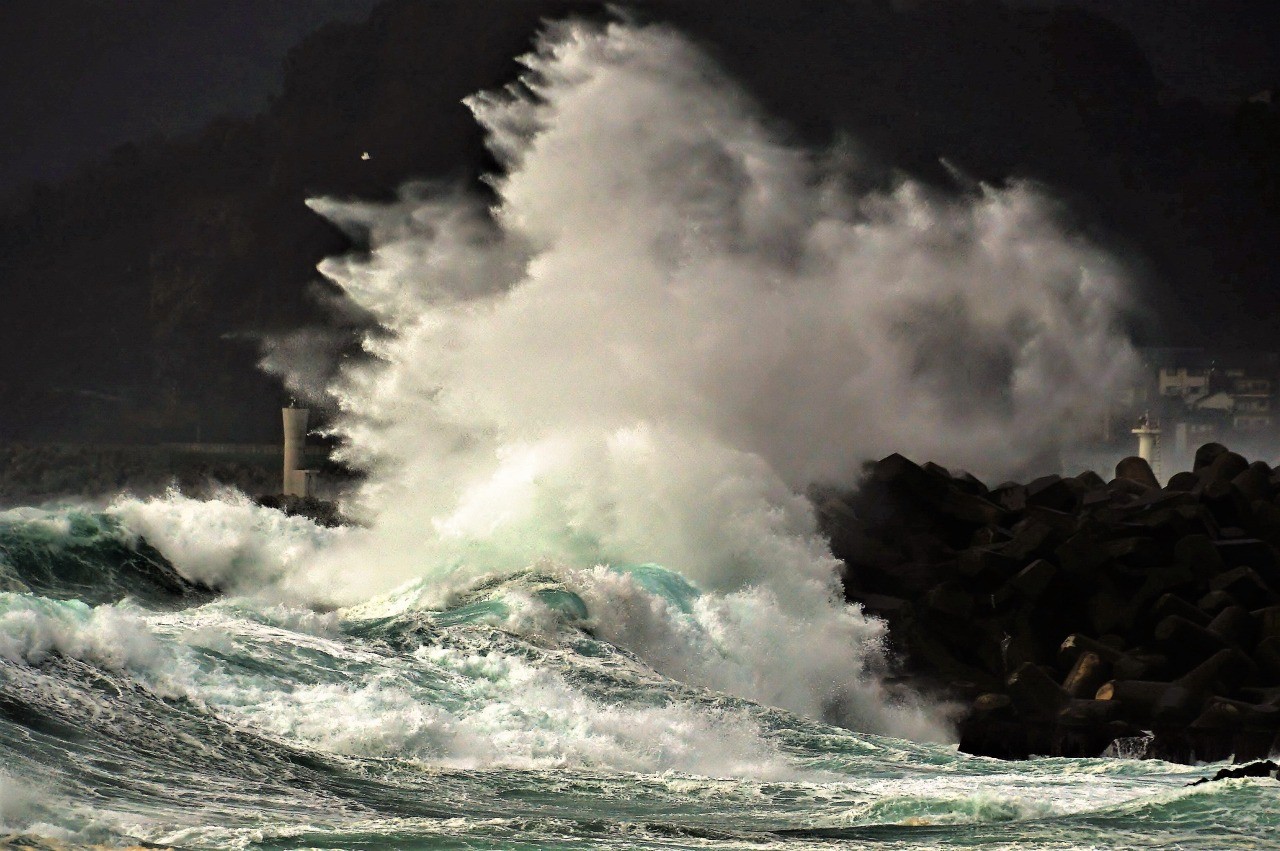
Located on the Echizen Coast, "Shiofuki Rock" is a natural geyser formed by chance. The spray erupts from the gap between rocks when waves crash against it in multiple layers. It cannot be seen when the sea is too calm or too rough. The best time to see it is during winter, but please be careful not to get too close on days with high waves.
≫Learn more about Shiofuki Rock
A collaboration of rugged coastline and delicate narcissus
Echizen Coast: Japan's Largest Natural Daffodil Habitat
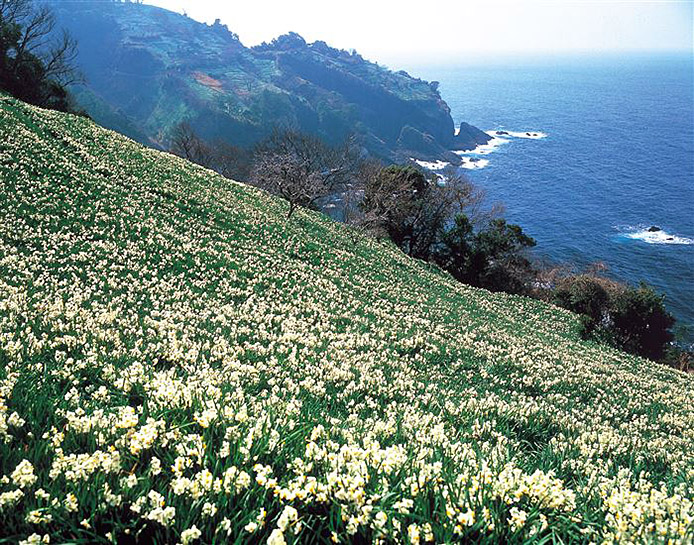
The area around Cape Echizen is one of Japan's three major narcissus colonies, boasting over 60 hectares—the largest in Japan. During the blooming season from December to January, the steep slopes of the Echizen Coast are blanketed in white, covered in blooming narcissus. As the only colony on the Sea of Japan side, the collaboration between its majestic coastline and delicate narcissus creates a spectacular view unique to the Echizen Coast.
≫Learn more about the narcissus fields of the Echizen Coast
≫Learn more about Nashigahira Park
≫Learn more about Nashigahira Senmaida Narcissus Garden
≫Learn more about Nashigadaira Plateau
Echizen's Pride: The Finest Seafood
The King of Winter Delicacies: "Echizen Gani Snow Crab"
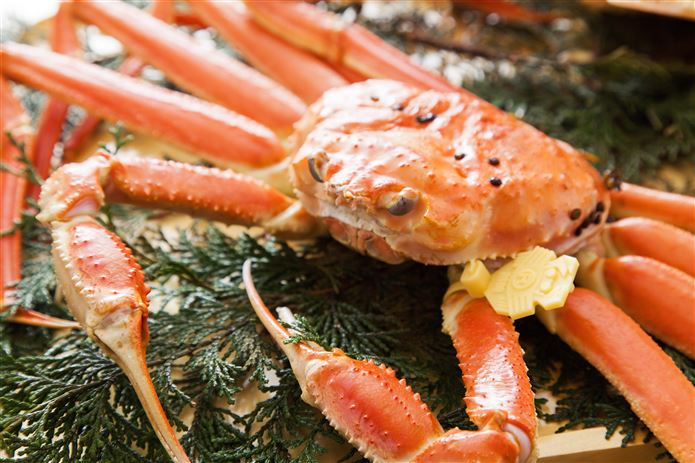
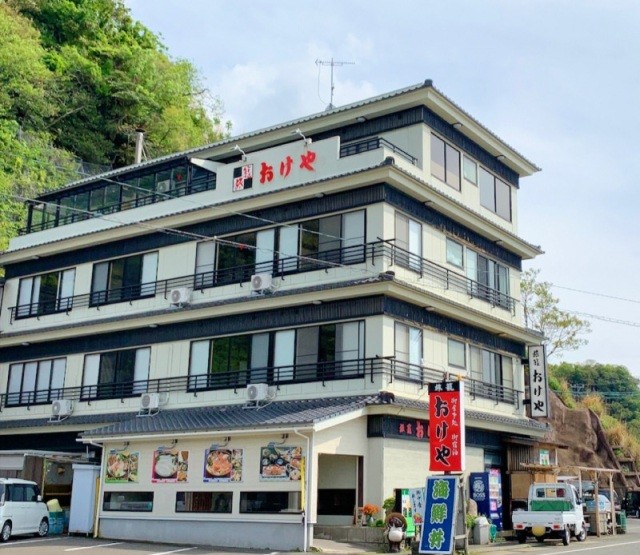
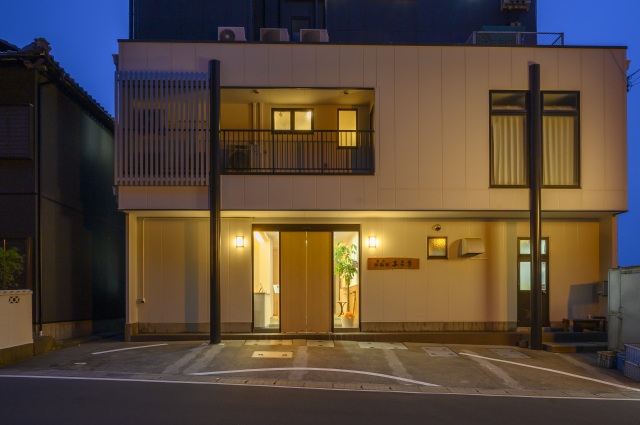
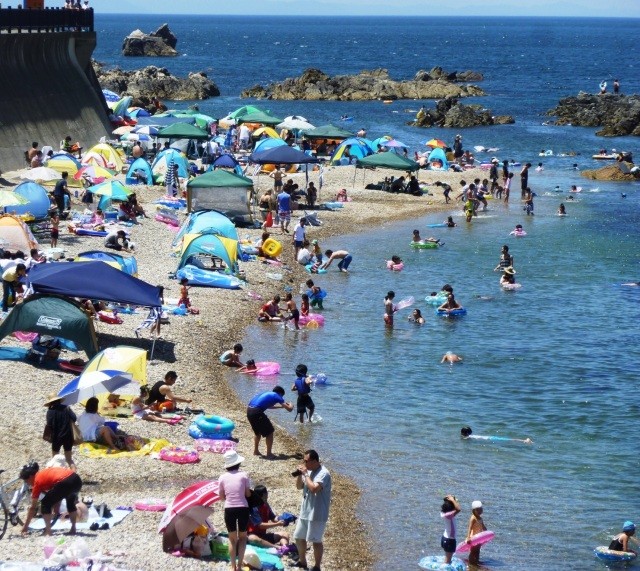
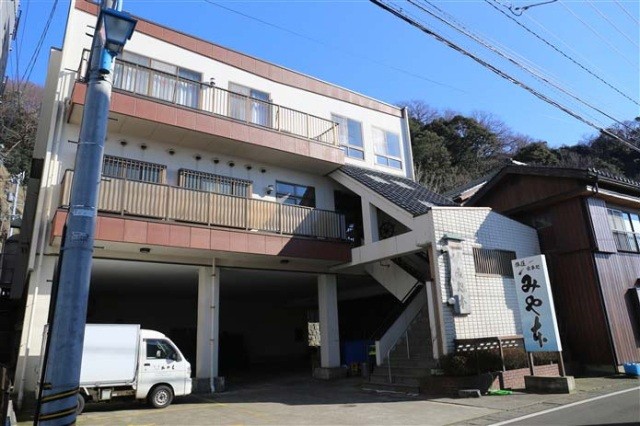
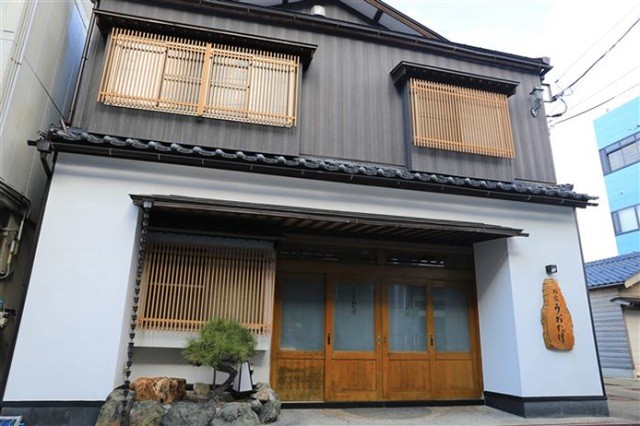
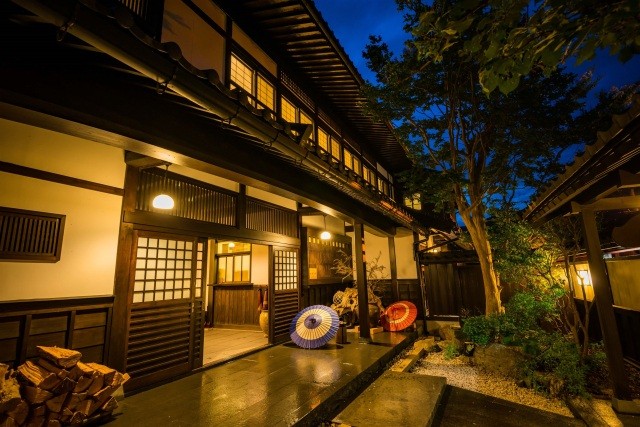
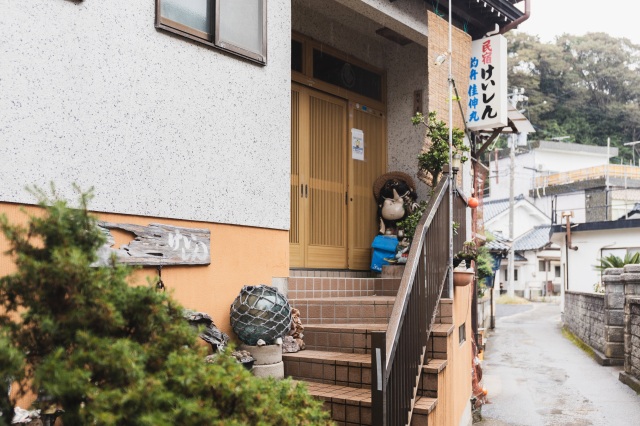
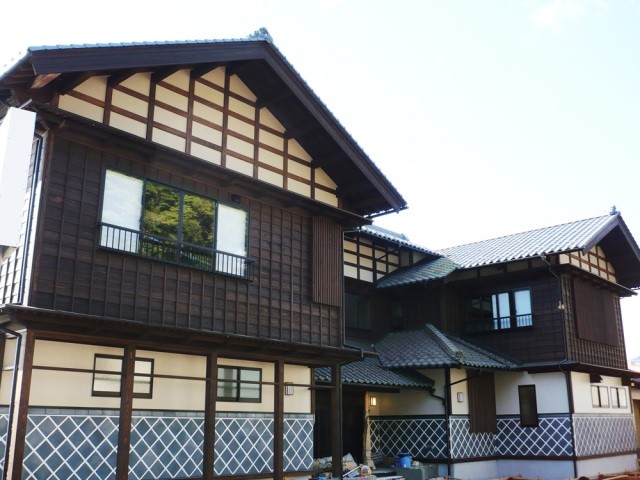
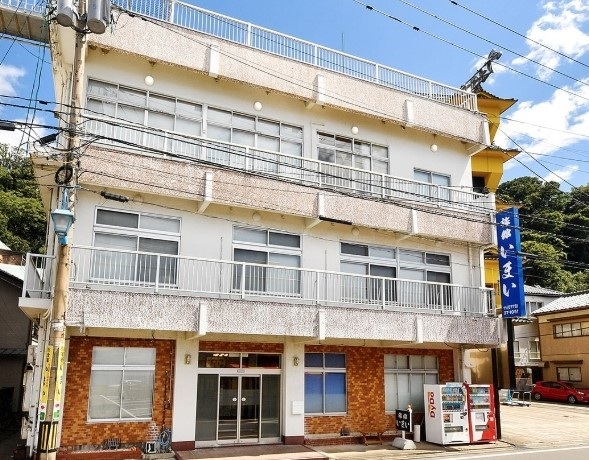
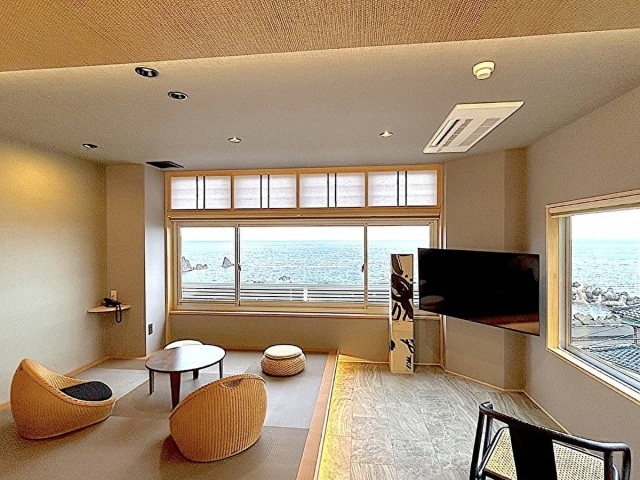
The Echizen Coast is renowned as the home of the king of snow crabs, the "Echizen Gani Crab." The coastline is lined with fish shops, eateries, and inns, bustling with visitors during the Echizen Gani Crab season from November to March.
≫Learn more about Echizen Gani Crab
Information
- Telephone Number Details
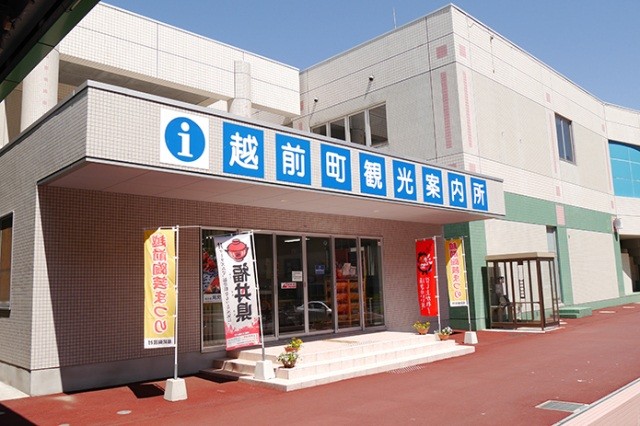
- Echizen Town Tourism Association 0778-37-1234
- Address (in Japanese)
- 福井県越前町(北は坂井市の東尋坊から南は敦賀市の杉津にかけての海岸線)
- Getting There
- Approximately 1 hour by car from Tsuruga IC on the Hokuriku Expressway, approximately 45 minutes by car from Sabae IC.
- Car Park
- No
- Website
Echizen Town Tourism Association Website
5 Best Sunset Spots over the Sea of Japan on the Echizen Coast