Introducing the Charms and Recommended Spots of Japan Heritage Premium: "Wakasa Heritage – Connecting the Sea and Kyoto ~ Imperial food purveyors and the Mackerel Road ~"

Japan’s Only Selection for Japan Heritage Premium!
In July 2024, the Japan Heritage (A program by the Agency for Cultural Affairs that recognizes regional stories of Japanese culture and tradition based on local history) site encompassing Obama City and Wakasa Town — "Wakasa Heritage – Connecting the Sea and Kyoto ~ Imperial food purveyors and the Mackerel Road ~" — was selected as a "Japan Heritage Premium." This designation is the highest rank for Japan Heritage certified areas, and it is the only one selected nationwide.
*Japan Heritage refers to stories that tell of Japan's culture and traditions through the historical charm and characteristics of a region; as of 2024, the Agency for Cultural Affairs has certified 104 such stories nationwide.
What is "Miketsukuni Wakasa and the Saba Kaido"?
"Miketsukuni Wakasa"
Since ancient times, Wakasa has played a historically significant role as one of the "Miketsukuni" (Ancient provinces designated to supply high-quality food and salt to the Imperial Court). It supported the food culture of the capital (Kyoto) by transporting abundant ingredients, such as salt and seafood from its rich fishing grounds, as "Minie" (Food specifically offered to the Emperor). In the "Engishiki" (A book of laws and customs compiled during the Heian Period of 794-1185), Wakasa is recorded alongside regions like Shima as a province that supplied "Minie."
"Saba Kaido" (Mackerel Road)
Many people may think of this as simply the road used to transport fresh "Saba" (Mackerel) caught in Wakasa Bay to the capital. While it became known as the Saba Kaido because large quantities of Wakasa’s mackerel were indeed carried to the capital, it was actually much more. In addition to mackerel, a variety of other rich seafood from Wakasa Bay and various continental cultures that arrived across the sea were transported to the capital. Conversely, festivals, performing arts, Buddhist culture, and history/crafts were brought from the capital to Wakasa.
Furthermore, "Saba Kaido" is a collective term for several routes. These include the "Wakasa Kaido (Kutsuki Route)," which saw the most goods passing through, the "Harihata-goe," which provided the shortest link between Wakasa and the capital, and the "Nishi-Omiji," which went from Wakasa through the western side of Lake Biwa. Even today, the townscapes and post towns along these roads retain the atmosphere of the past’s bustling activity, and the diverse interaction cultural heritage — such as festivals, performing arts, and Buddhist culture brought by these travels — continues to thrive in the Wakasa region.
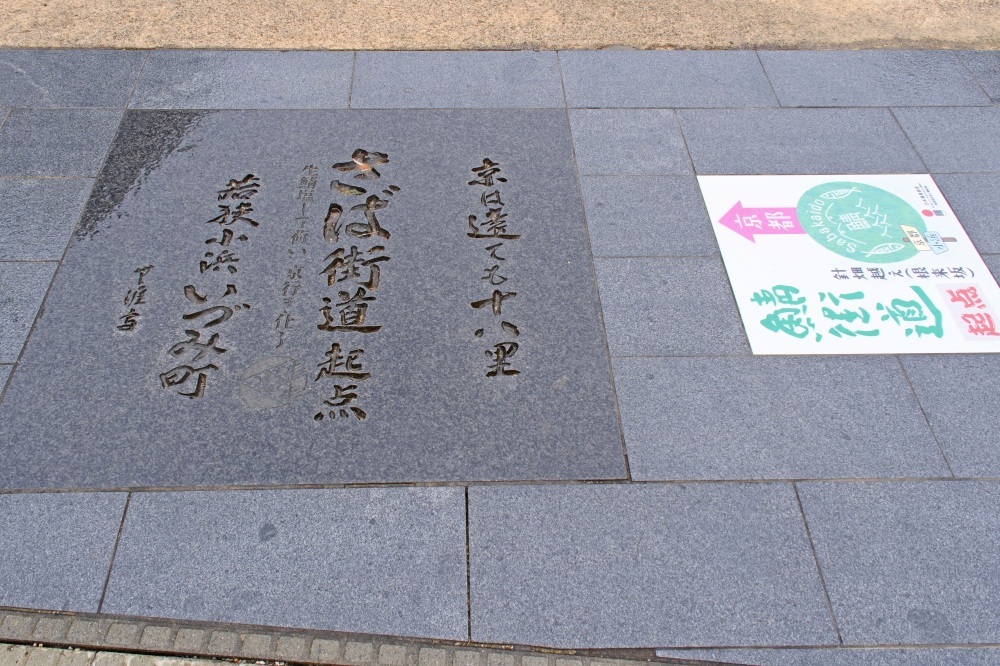

We will introduce the charms of Obama City, which has long flourished as a Miketsukuni and as the starting point of the Saba Kaido. We will also highlight Wakasa Town, home to "Kumagawa-juku," an important post town (Shukuba-machi: a town providing lodging and relay stations for travelers and goods) connecting Wakasa and Kyoto. Included in this guide are the "Food", "Culture," "History", and recommended sightseeing spots of this region.
[Wakasa's Mackerel Food Culture]
Since ancient times, Saba (Mackerel) has been caught in abundance in Wakasa Bay. However, because mackerel spoils quickly and refrigeration technology had not yet been developed, various methods were devised to preserve the fish and make it delicious. These include grilling, salt-curing, pickling in vinegar, and fermenting with Koji (Malted rice used as a starter for fermentation). These techniques have been passed down to this day as the traditional local cuisine of the Wakasa region.
Hamayaki Saba (Whole Grilled Mackerel)
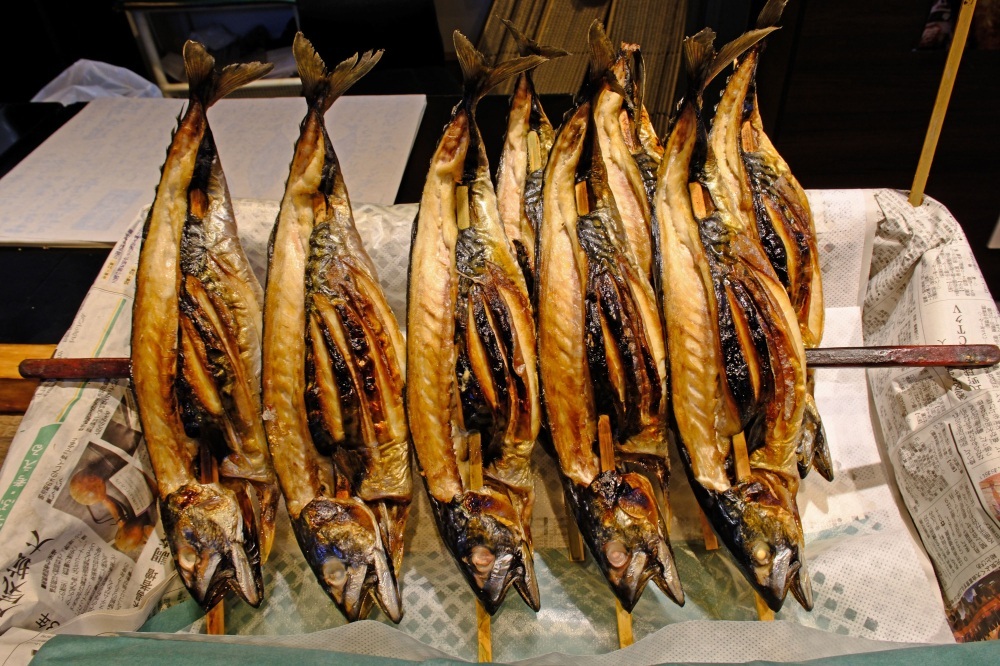
In Wakasa, including Obama City, it is common to eat Hamayaki Saba, which is a whole mackerel (including the head and tail) skewered and grilled. The fragrant grilled skin and the fatty, tender meat are best enjoyed with ginger soy sauce—a delicious combination that will make you want several helpings of rice! This dish is available at restaurants and supermarkets throughout Obama City.
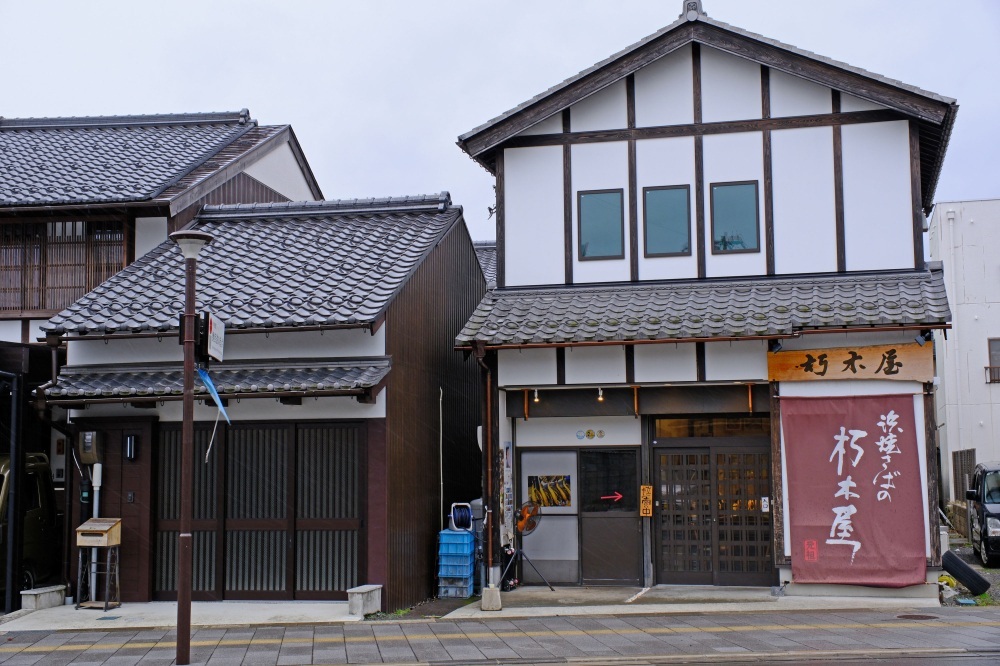
If you are looking for exquisite Hamayaki Saba, we recommend "Ganso Kutsukiya," a mackerel specialty shop with over 260 years of history located near the starting point of the Saba Kaido.
Heshiko
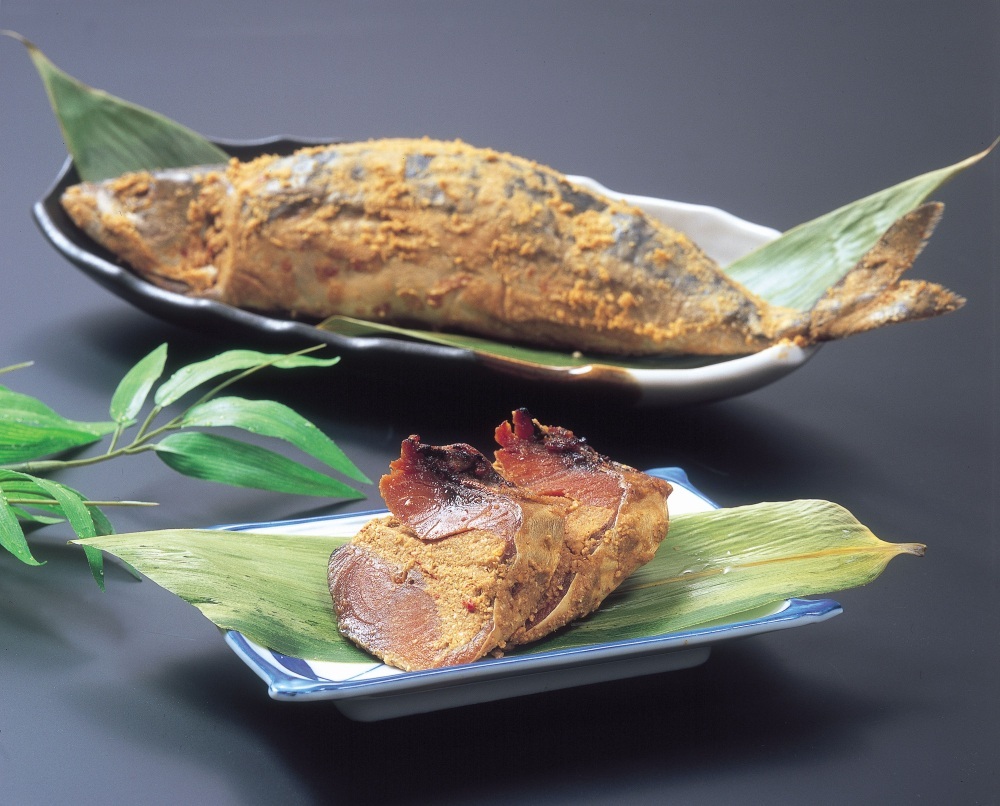


Heshiko is a traditional local dish passed down mainly along the Sea of Japan coast in Fukui. It is a fermented food made by salt-curing fish such as Saba (Mackerel) and then pickling it in Komenuka (Rice bran) to mature for over a year. Since ancient times, each household has created its own unique flavors. In the Wakasa region, heshiko made with mackerel is the most common. While milder versions with reduced saltiness have recently become available, nothing beats the classic, salty heshiko. It is best enjoyed as sashimi served with thin slices of Daikon (Japanese radish), or as "Yaki-heshiko" (Grilled heshiko), nibbled slowly alongside rice or local Fukui Sake. "Heshiko Chazuke" (A dish made by pouring tea or dashi broth over rice topped with heshiko) is also highly recommended as a finishing dish after drinks.
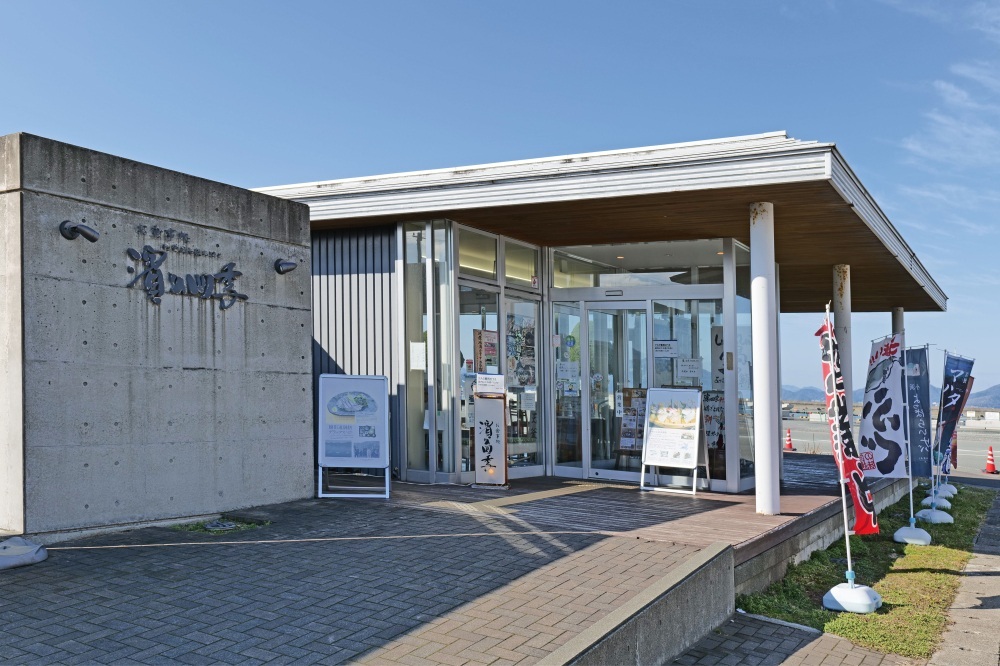
It is served at restaurants and Michi-no-Eki (Roadside rest areas providing local food and products) throughout the Reinan area of Southern Fukui. If you want to enjoy heshiko easily for lunch, we recommend the "Uchitomi Hon-zukuri Heshiko Teishoku" (A set meal featuring authentic heshiko from the Uchitomi area) at "Hamanoshiki," a restaurant where you can eat fresh seafood from Wakasa Bay. You can enjoy traditional heshiko sashimi, grilled heshiko, and heshiko dashi-chazuke from the Uchitomi district of Obama City all at once. Please check the official page for the latest prices.

Saba-zushi (Mackerel Sushi)
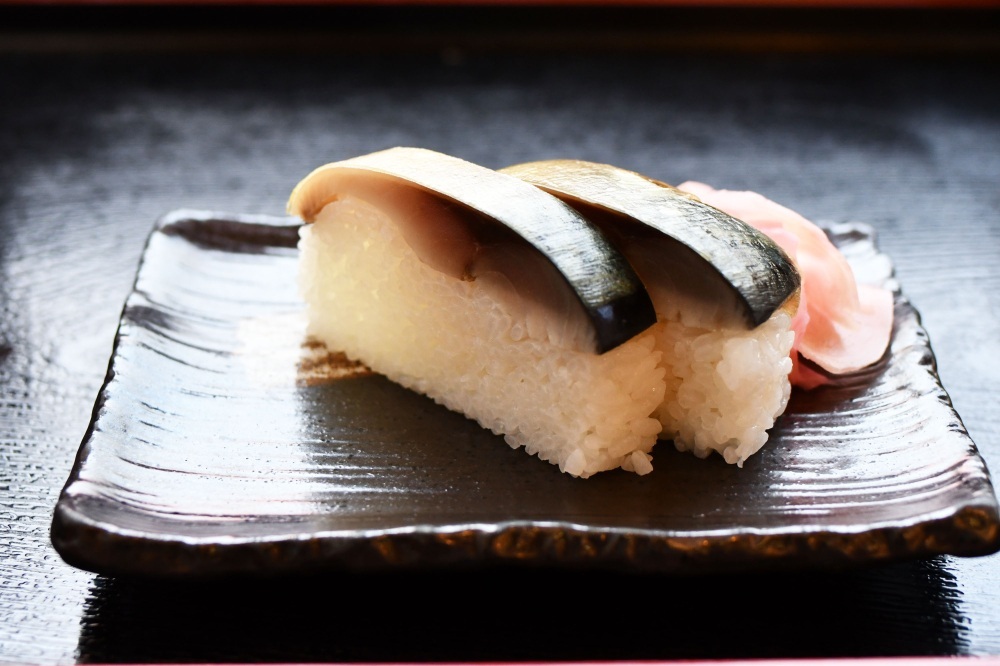

Saba-zushi, made in Kyoto and the Wakasa region, is prepared by filleting mackerel into three pieces, salting them, rinsing off the salt, and pickling the fish in vinegar. This vinegared mackerel is then placed on top of vinegared rice and shaped using a Makisu (A traditional bamboo mat used for rolling and shaping sushi). It is said to have originated in Kyoto during the Edo Period (1603–1867) and is served at sushi restaurants and Michi-no-Eki (Roadside rest areas providing local food and products) in Wakasa.
In addition, "Yaki-saba-zushi" (Grilled mackerel sushi), which has become popular in recent years, is said to have originated in Fukui. Wakahiro Co., Ltd., the producer of "Wakahiro's Yaki-saba-zushi" — which recorded the No. 1 sales for five consecutive years as an Soraben (A lunch box sold at airports for consumption during a flight) at Haneda Airport — is located in Obama City.
Along the Saba Kaido, there are many restaurants serving Saba-zushi. Among them, we will introduce shops in Obama City and Kumagawa-juku where you can enjoy traditional Saba-zushi, Yaki-saba-zushi (Grilled mackerel sushi), and unique varieties of mackerel sushi.
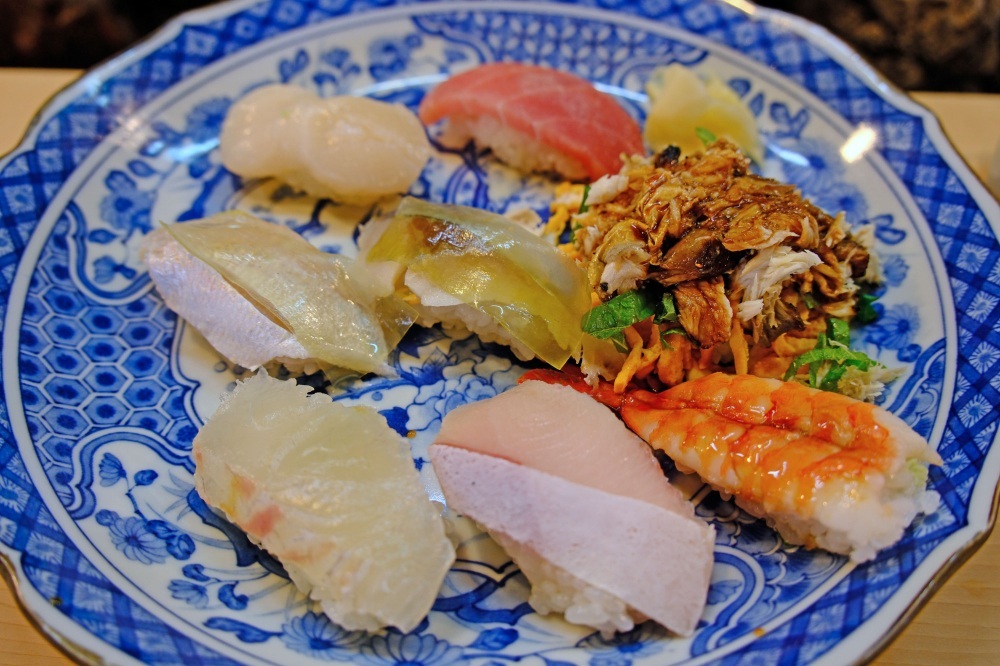
Sushimasa is a long-established sushi restaurant founded in 1960. Their specialties include Saba-zushi, Yaki-saba-zushi, and Kodai no Suzume-zushi (Small sea bream sushi shaped like a sparrow), all crafted using fresh fish from Wakasa Bay, Fukui-grown Koshikari rice, and rice vinegar from the local shop "Tobaya Su-ten." The most popular menu item, ordered by the majority of customers, is the "Nigiri and Three Specialties Assortment." This dish features Yaki-saba Chirashi (Scattered sushi with grilled mackerel), Kodai (Small sea bream) nigiri, and Saba nigiri, arranged so that guests can easily sample the shop’s famous flavors. The Yaki-saba Chirashi consists of vinegared rice topped with Kinshi Tamago (Thinly shredded egg crepe), Aojiso (Green perilla leaf), and flaked grilled mackerel, all drizzled with a secret sauce. The savory, fatty grilled mackerel pairs perfectly with the sweet sauce, the refreshing aroma of the perilla, and the delicate egg. The Kodai and Saba nigiri are expertly pickled in vinegar to an exquisite degree, bringing out the natural sweetness of the sea bream and the rich Umami of the mackerel.

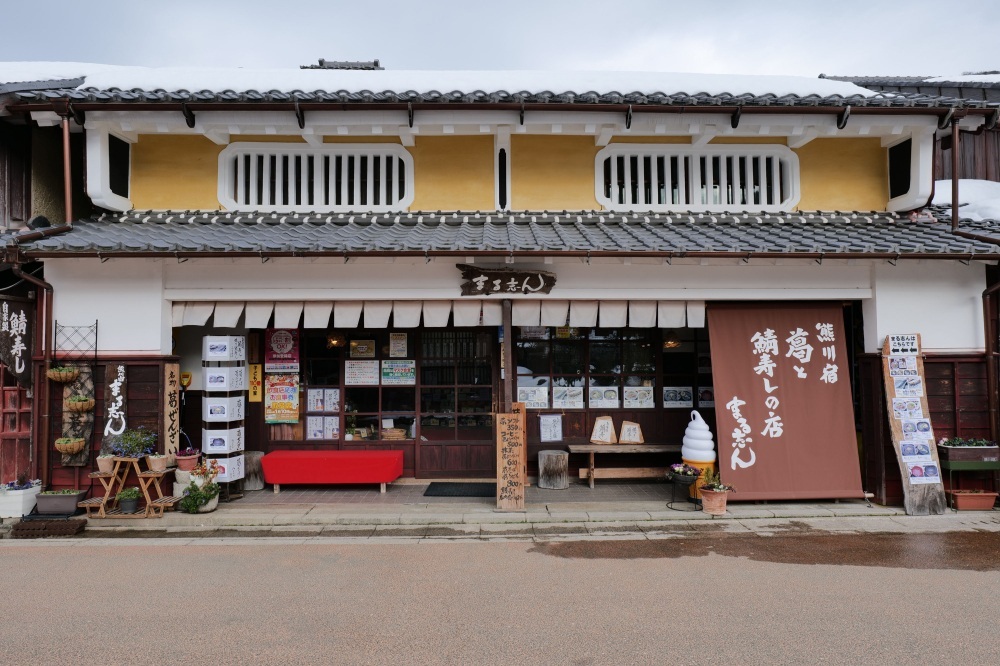
"Kuzu to Saba-zushi no Mise Marushin" is located in the heart of Kumagawa-juku. The restaurant is a renovated Kominka (A traditional Japanese house) built over 170 years ago, featuring the Hirairi (A traditional architectural style where the main entrance is located on the side parallel to the roof ridge) style, which is representative of the Kumagawa-juku area. They serve Kuzu-mochi and Kuzu-kiri (Traditional Japanese sweets made from starch extracted from the roots of the Kuzu or kudzu vine), as well as homemade Saba-zushi (Mackerel sushi).
The "Saba-zushi Gozen" (A traditional set meal featuring mackerel sushi) is popular, allowing guests to enjoy both regular Saba-zushi and Yaki-saba-zushi (Grilled mackerel sushi) together with Soba (Buckwheat noodles) or Udon (Thick wheat noodles). The Saba-zushi, made with domestic mackerel, features thick fillets pickled with just the right amount of vinegar, providing a satisfying texture. The Yaki-saba-zushi also uses domestic mackerel grilled to a fragrant finish, with ginger sandwiched between the fish and the vinegared rice. This creates a well-balanced flavor, combining the rich Umami of the mackerel with the refreshing zest of the ginger.

Culture and History
Even today, diverse interaction cultural heritage remains throughout the Wakasa region. This includes old townscapes and Shukuba-machi (Post towns: towns providing lodging and relay stations for travelers and goods) that convey the bustling activity of the past, as well as festivals, performing arts, and Buddhist culture brought by these ancient trade routes. These traditions continue to be preserved and passed down to this day.
Temples
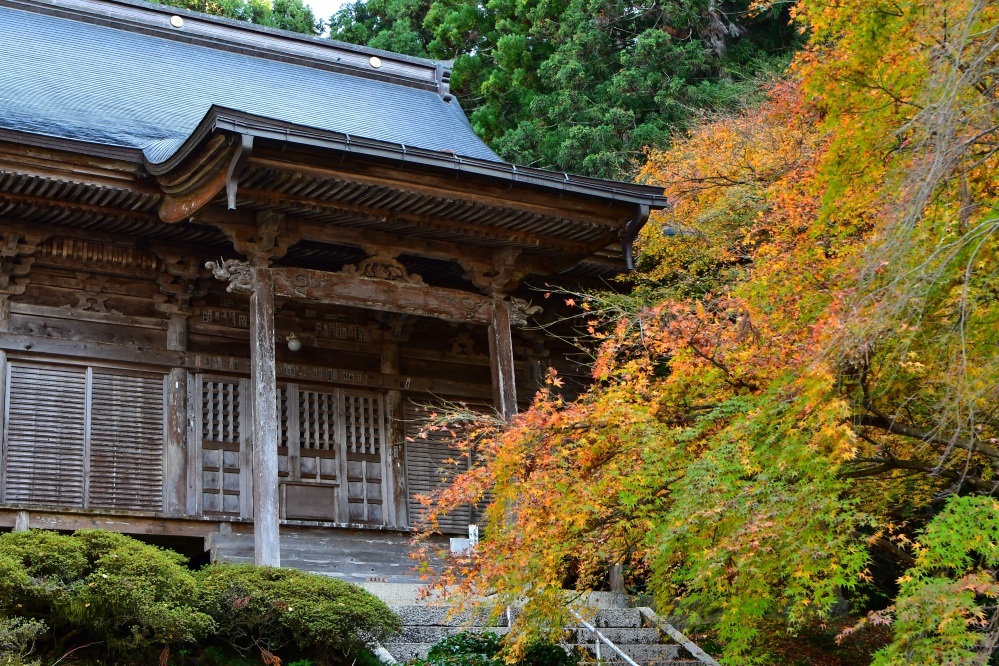


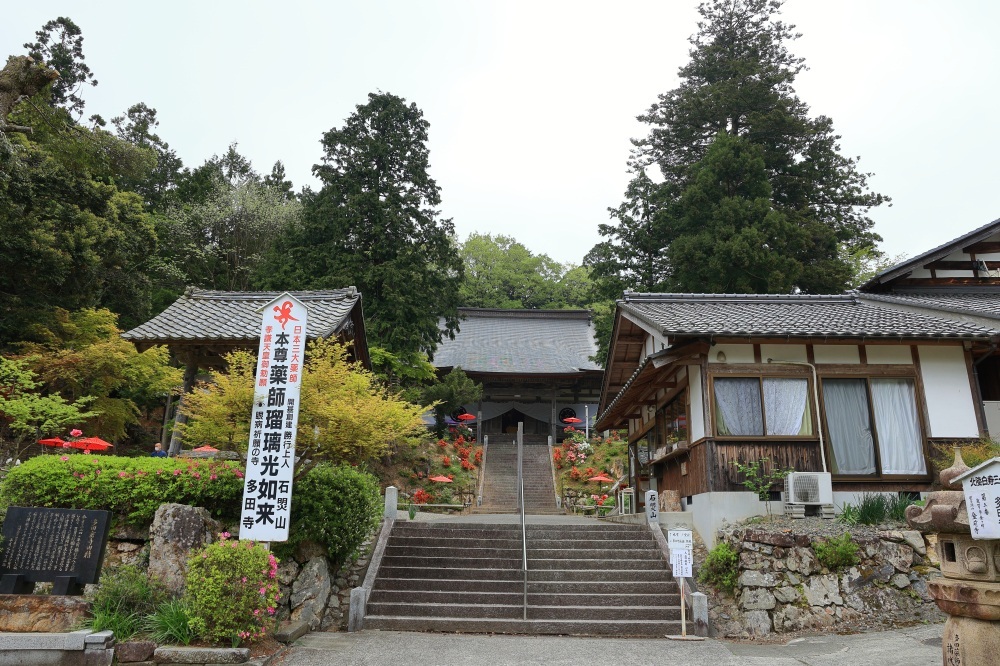
In Obama City, which had deep connections with the old capital of Kyoto through constant interaction, many temples were established, and numerous Kosatsu (Ancient temples of historical significance) and Buddhist statues remain today. Among these shrines and temples, eight specific temples (Mantokuji Temple, Kokubunji Temple, Myotsuji Temple, Hagaji Temple, Enshoji Temple, Myorakuji Temple, Jinguji Temple, and Tadaji Temple) are designated as National Treasures or Important Cultural Properties by the national or city government.
Collectively, they are known as the "Hachigatera" (The Eight Temples). Why not visit these eight temples to appreciate the magnificent architecture, Buddhist statues, and the seasonal scenery of the Satoyama (Traditional Japanese rural landscapes where people live in harmony with nature)?
Festivals
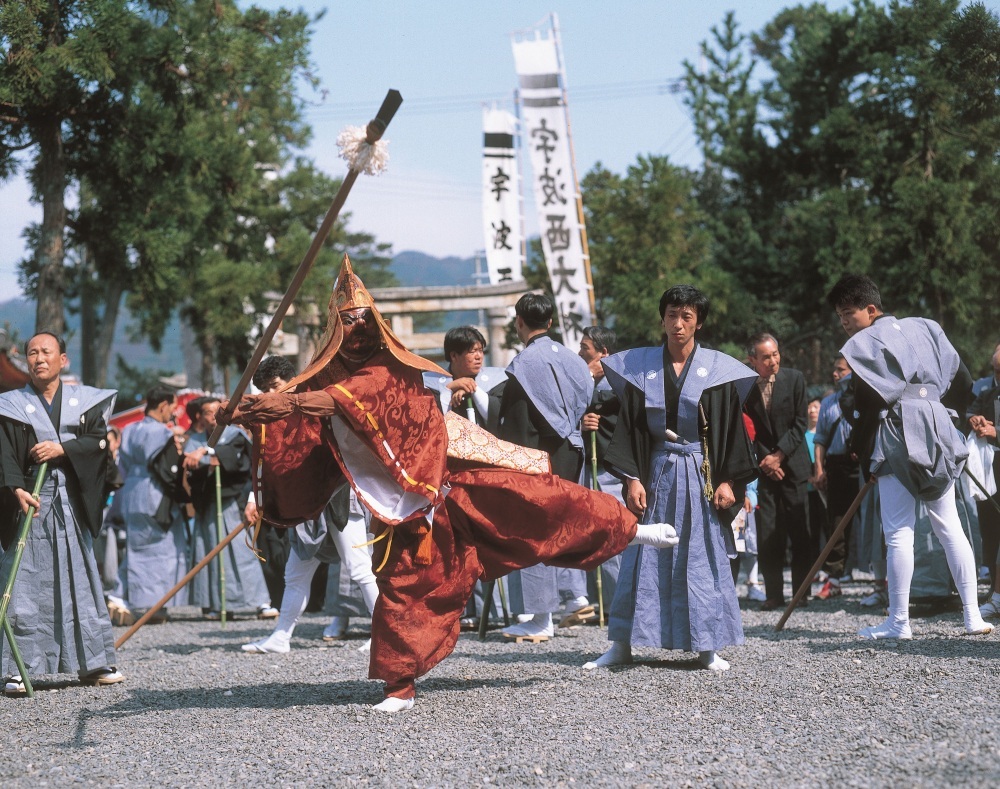


Through interactions with the ancient capital of Kyoto, various festivals, performing arts, and Buddhist cultures were brought to Wakasa. In the settlements along the highways, numerous folk rituals originating from the capital remain, such as the "O-no-Mai" (A traditional dance performed to pray for peace and a rich harvest), "Rokusai Nembutsu" (A Buddhist chanting ritual accompanied by drums and dancing), and "Jizo-bon" (A festival held in late summer to honor Jizo, the guardian deity of children).
These traditions continue to be preserved today, having evolved into unique forms specific to each community. The "Omizu-okuri" (Water-Sending) ritual, a representative Shinto ritual of Obama, has been held for approximately 1,300 years and is closely related to the "Omizu-tori" (Water-Drawing) ritual held at Todai-ji Temple in Nara. These traditions allow us to feel the deep, ancient connection between Wakasa and the capital.
Townscapes and Post Towns Steeped in Traditional Atmosphere
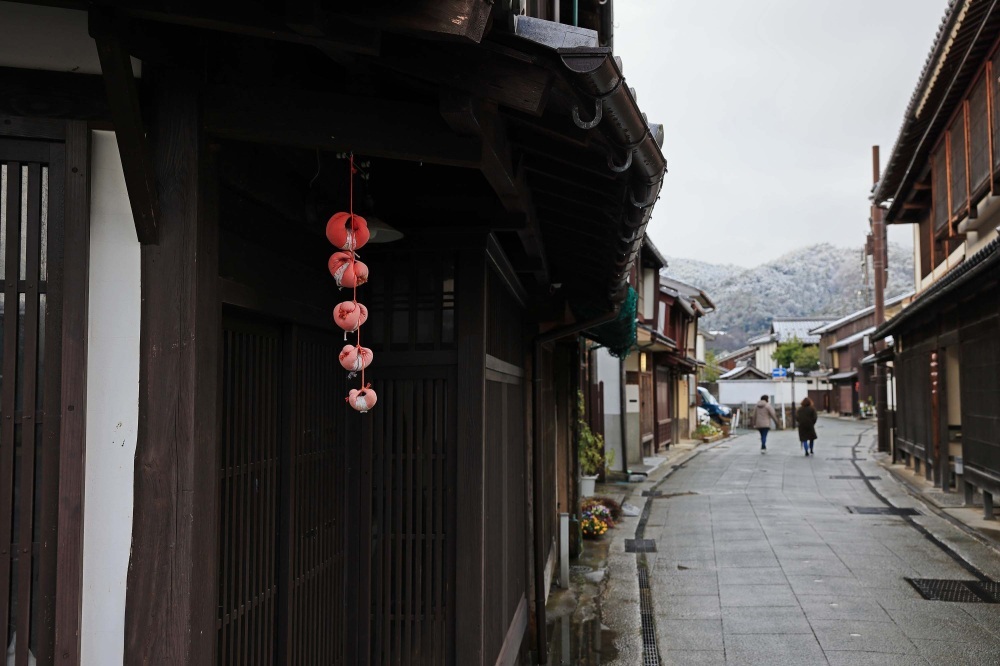


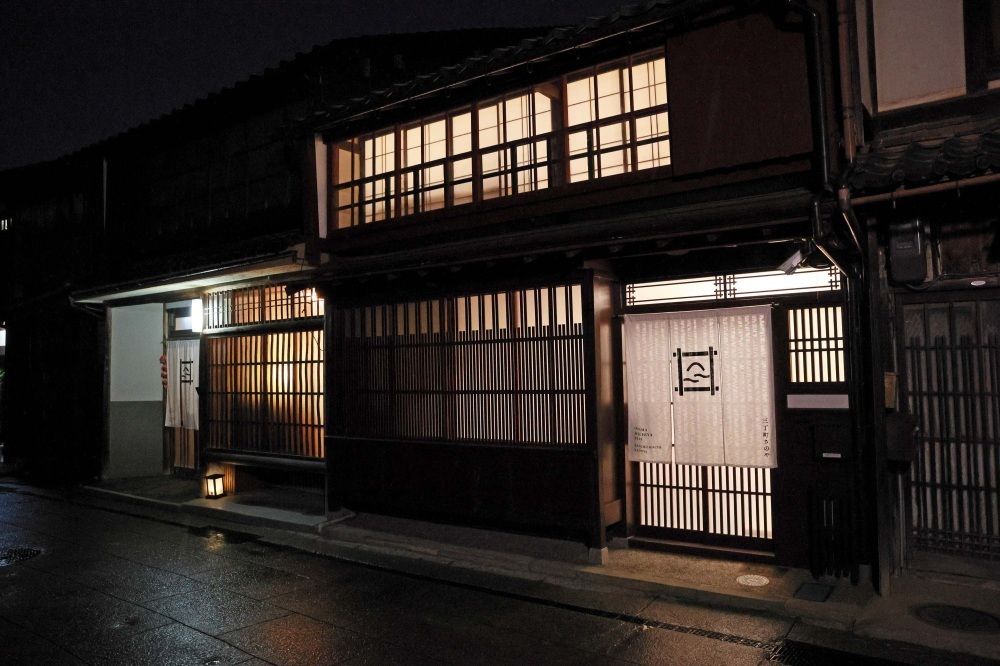
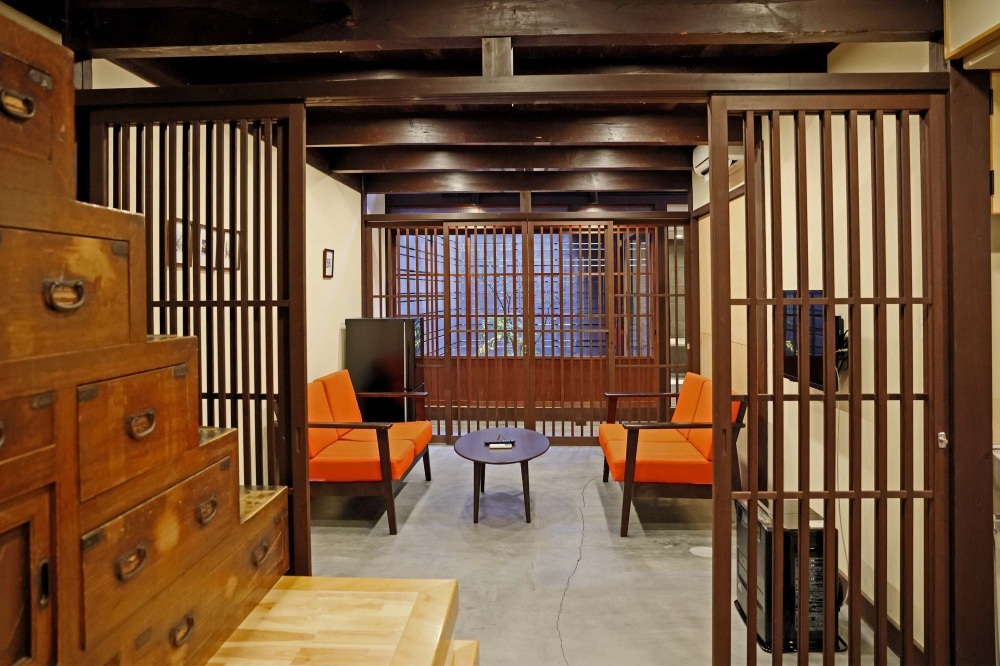
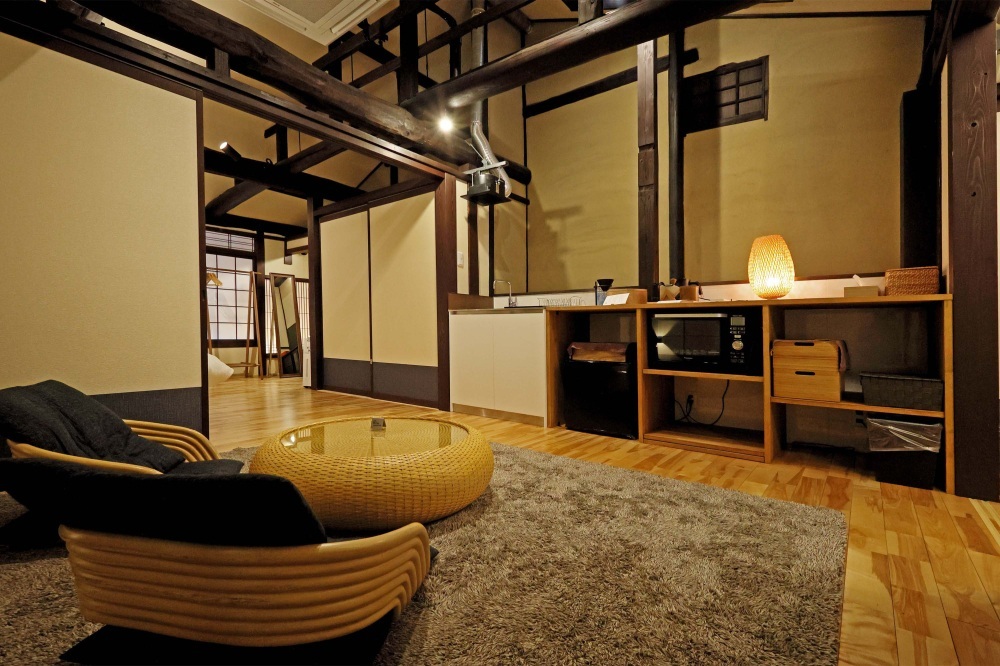

"Sancho-machi and the Obama Nishigumi Area"
As the starting point of the Saba Kaido (Mackerel Road), Obama has had deep ties with Kyoto since ancient times, with a flourishing exchange of people, goods, and culture. The many traditional townscapes remaining in the city are strongly influenced by Kyoto culture; the buildings feature narrow frontages and great depth, similar to "Kyo-machiya" (Traditional Kyoto-style wooden townhouses).
Within the area known as Obama Nishigumi, where traditional buildings are designated as a National Important Preservation District for Groups of Traditional Buildings, Sancho-machi is a Chaya-machi (Teahouse district) that most vividly retains the atmosphere of the past. The streets are lined with Machiya (Traditional wooden townhouses) featuring Bengala-koshi (Lattice windows painted with red iron oxide) and Degoshi (Projecting lattice windows), creating a calm and highly atmospheric setting.
"Houtourou," a former high-end Japanese restaurant in Sancho-machi, is currently open to the public on Saturdays, Sundays, and holidays, where visitors can listen to guides explain its history and architectural features. Additionally, by staying at "Obama Machiya Stay"—a collection of accommodations created by renovating Machiya throughout the city, including Sancho-machi—you can enjoy the night in Obama while experiencing the local lifestyle and culture rooted in Kyoto traditions.
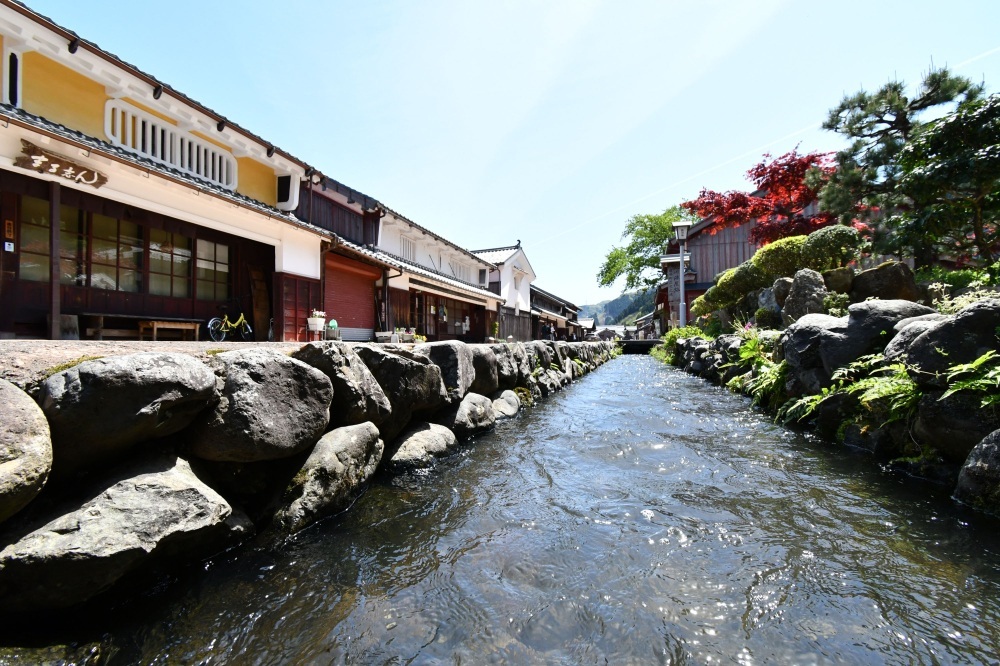


Kumagawa-juku was an important Shukuba-machi (Post town: a town providing lodging and relay stations for travelers and goods) connecting Wakasa and Kyoto. Today, the ruins of the Bugyosho (Magistrate's office), Bansho (Guardhouse), and Okura-yashiki (Storehouse residences) remain, and canals still flow along the highway. The area preserves its traditional, atmosphere-rich townscape and was designated as an Important Preservation District for Groups of Traditional Buildings in 1996.
While the aging population and an increase in vacant houses have become prominent in recent years, the area is regaining its bustle with the opening of new shared offices, cafes, and accommodations. Why not spend a wonderful time staying at "Yao-Kumagawa," an inn created by renovating a Kominka (A traditional Japanese house) within Kumagawa-juku?
[For those who want to learn more about Miketsukuni Wakasa and the Saba Kaido]
If you would like to learn more about Miketsukuni Wakasa, the Saba Kaido, and the history, festivals, performing arts, and Buddhist culture of Wakasa, we recommend the "Fukui Prefectural Wakasa History Museum," the "Miketsukuni Wakasa Obama Food Culture Museum," and the "Saba Kaido Museum."
Fukui Prefectural Wakasa History Museum


This facility introduces the history and culture of the Wakasa region. It presents the development of Reinan (The southern region of Fukui Prefecture) during the Jomon Period (Approx. 14,000–300 BCE), focusing on the Torihama Shell Mound, the connections between Miketsukuni Wakasa and Kyoto, and the various cultures that arrived via the Wakasa sea during the Middle Ages, all through precious historical materials. Additionally, it exhibits and introduces a wide array of festival cultures born from the interactions with the capital and overseas, as well as numerous "Wakasa no Mihotoke" (The revered Buddhist statues of the Wakasa region).
Miketsukuni Wakasa Obama Food Culture Museum
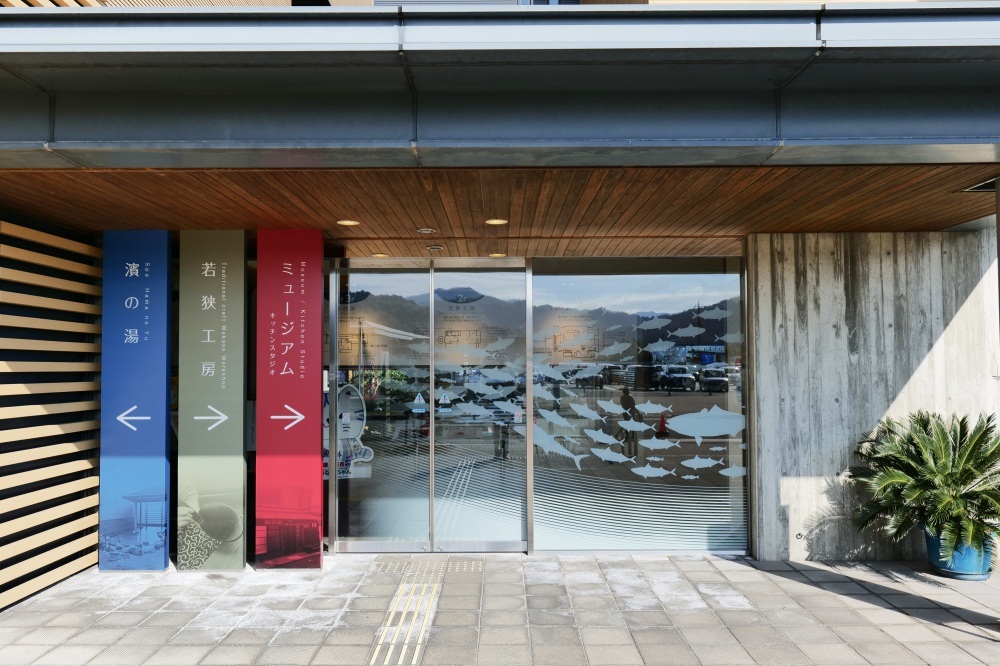


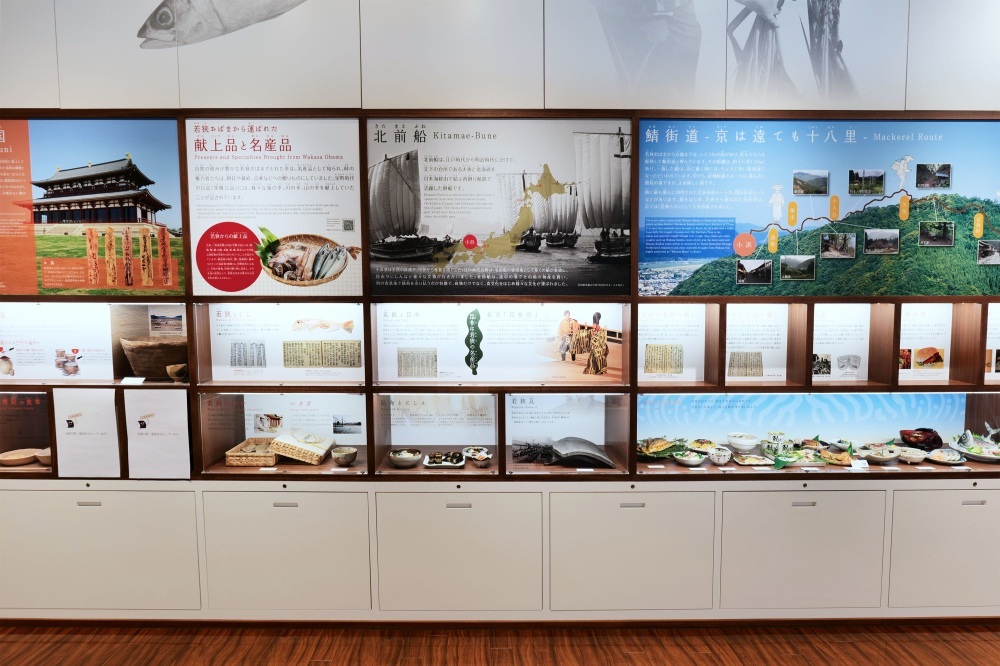

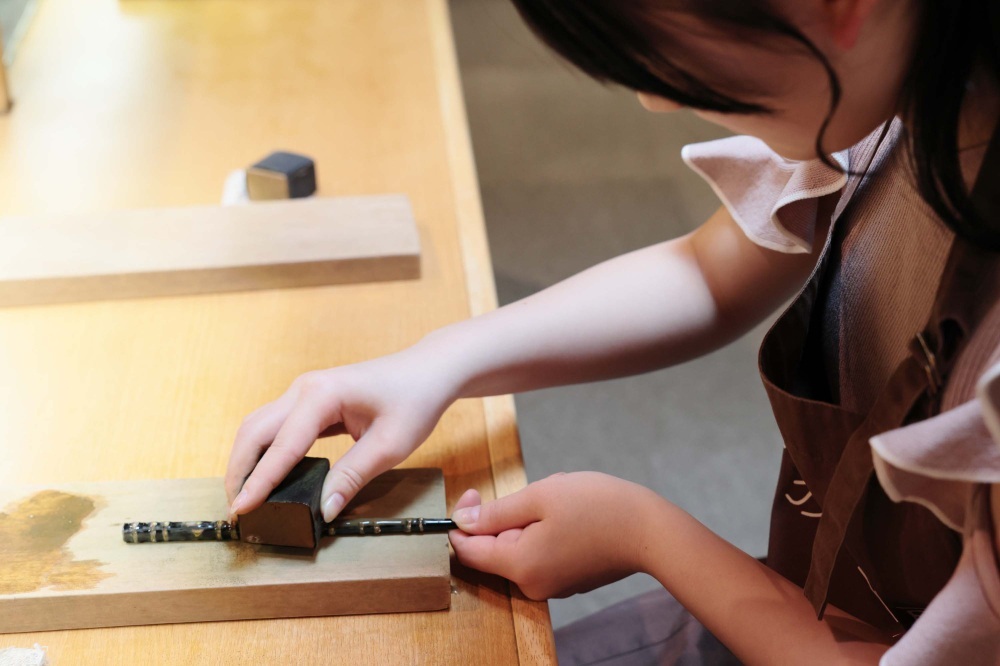
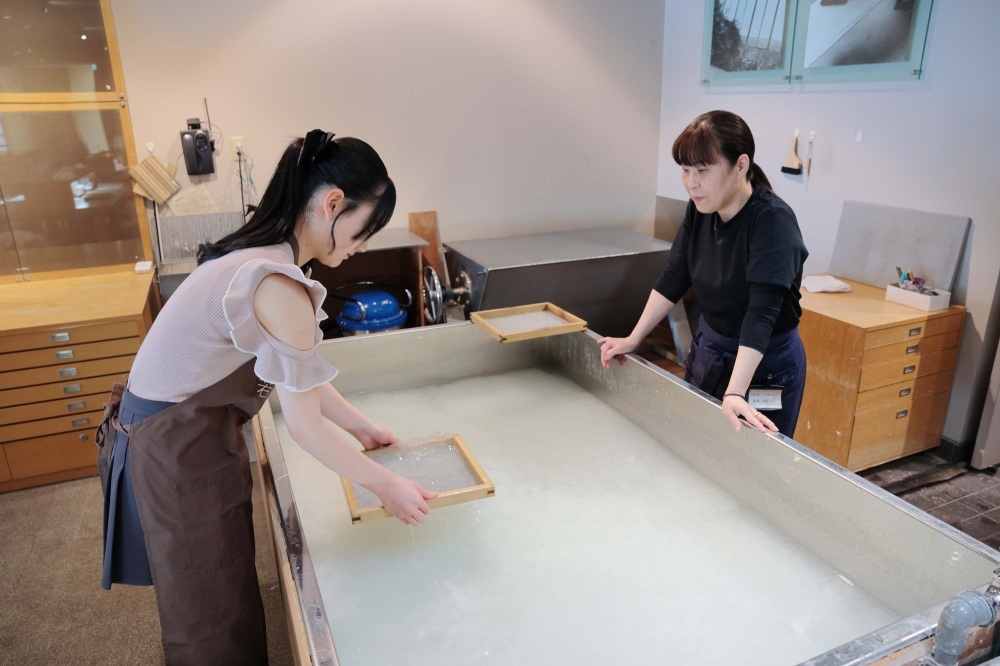
This facility includes a museum where you can learn about the history and culture of food, alongside the "Hama-no-Yu" Onsen hot spring bath facility. The museum introduces UNESCO Intangible Cultural Heritage "Washoku" (Traditional Japanese cuisine) and the Japan Heritage "Wakasa Heritage – Connecting the Sea and Kyoto ~ Imperial food purveyors and the Mackerel Road ~" through numerous food replicas. On the second floor, at "Wakasa Kobo," you can find exhibitions and sales of traditional crafts from Wakasa Obama, and even try your hand at traditional craft-making experiences.
Saba Kaido Museum
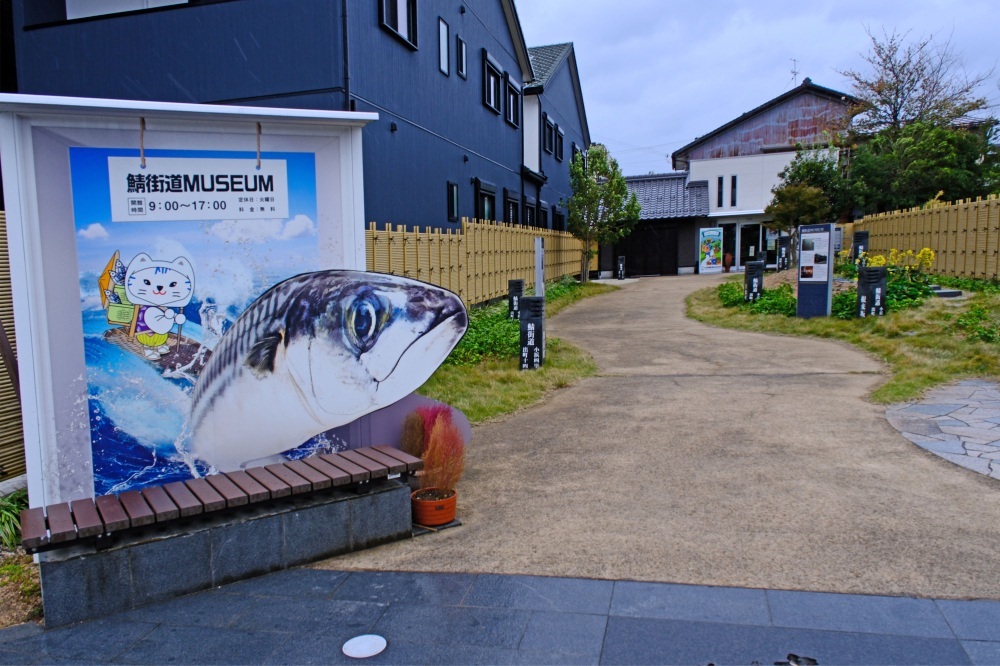

Located at the starting point of the Saba Kaido in Obama, this museum introduces the "Saba Kaido" Japan Heritage. It also showcases Obama's cultural assets and festivals, including another Japan Heritage site closely related to the Saba Kaido: the "Kitamaebune (Traditional northern-bound cargo ships) Ports of Call and Shipowner Settlements."
Recommended Spots in Wakasa
We will introduce several recommended spots, including "Wakasa Obama Fish Center," where you can buy fresh seafood caught in Wakasa Bay and processed goods; "Wakasa Fisherman's Wharf," famous for its cruising tours around the scenic "Sotomo" cliffs; "Rainbow Line Summit Park," offering a panoramic view of the stunning Five Lakes of Mikata (Mikatagoko); and the "Varve Museum," where you can encounter world-standard varves (annual layers of sediment).
Wakasa Obama Fish Center
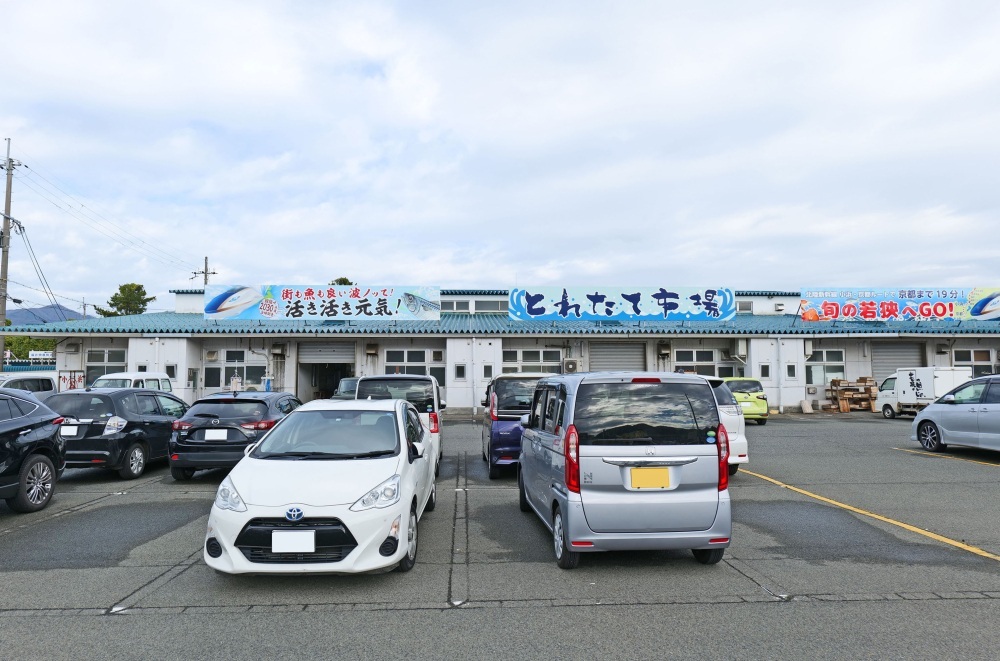


This market gathers 12 shops dealing in fresh fish and marine products. It is popular with both locals and tourists, offering fresh fish from Wakasa Bay and specialty processed goods such as Obama's famous "Yaki-saba" (Grilled mackerel) and "Himono" (Dried fish) cured in soy sauce. The market opens at 7:00 AM, and many items sell out by early afternoon, so visiting in the morning is highly recommended. Inside the market, there is also a restaurant called "Osashimidokoro Goemon," run by the fishmonger "Osawa Shoten," where you can enjoy fresh sashimi sets and grilled mackerel sets.
Wakasa Fisherman's Wharf
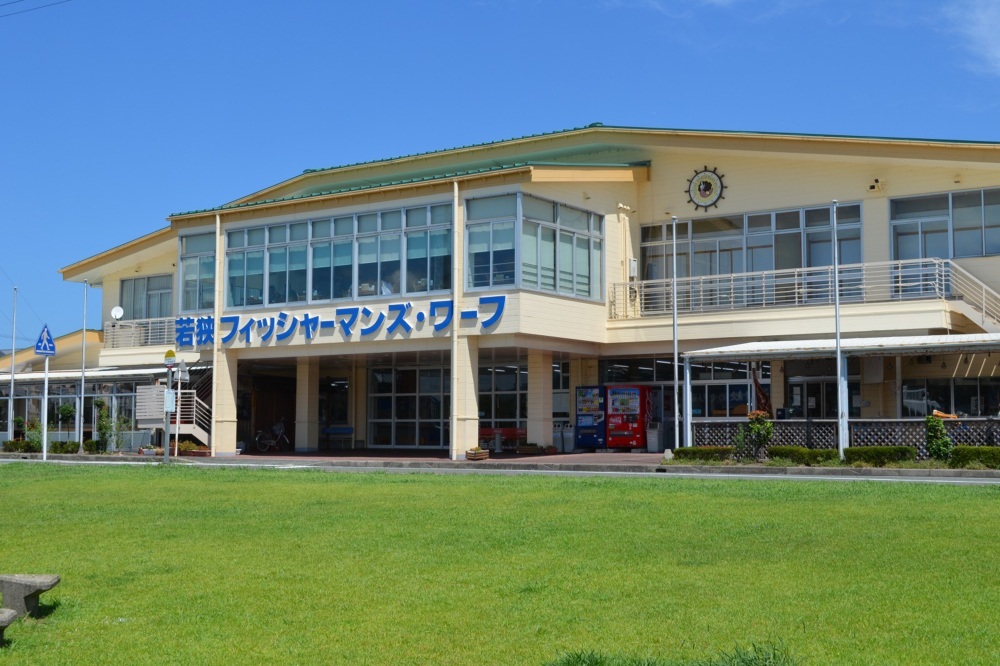


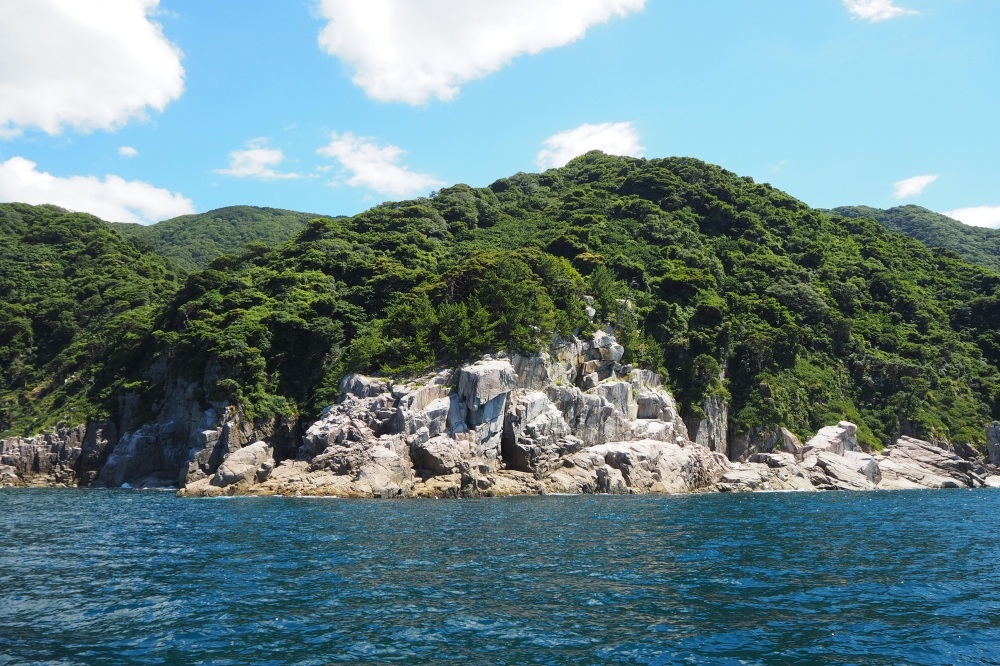
At Wakasa Fisherman's Wharf, you can enjoy the "Sotomo Meguri" (Sotomo Cruising), a tour of the scenic coastal cliffs of Wakasa Obama. The facility is a popular spot where you can fully experience the charms of Wakasa, featuring a souvenir corner, takeout fresh fish and sushi, and the restaurant "Kaikoyen," where you can taste the local bounty.
*Please note that the Sotomo Cruising is suspended during the winter (Dec. 1 – Feb. 28).
Rainbow Line Summit Park
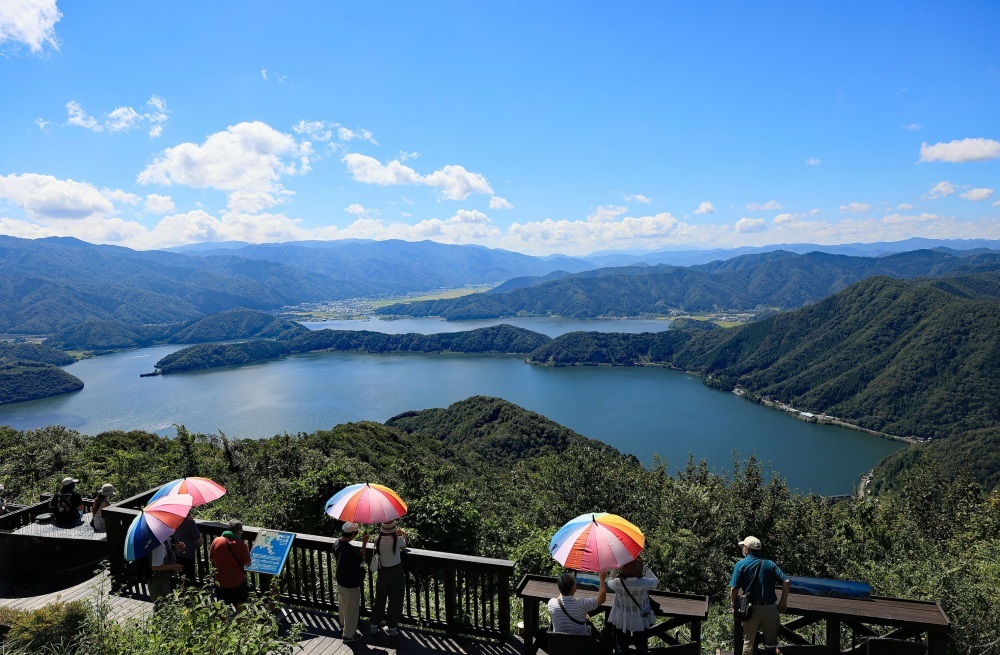


Located across Wakasa Town and Mihama Town, "Rainbow Line Summit Park" is a popular destination offering a panoramic view of the Five Lakes of Mikata (Mikatagoko), a collection of five interconnected lakes. The park features the "Tenku no Terrace" (Terrace in the Sky), footbaths, and romantic "power spots" (Locations believed to provide spiritual energy). Trying the local gourmet food at the summit is also recommended.
Varve Museum
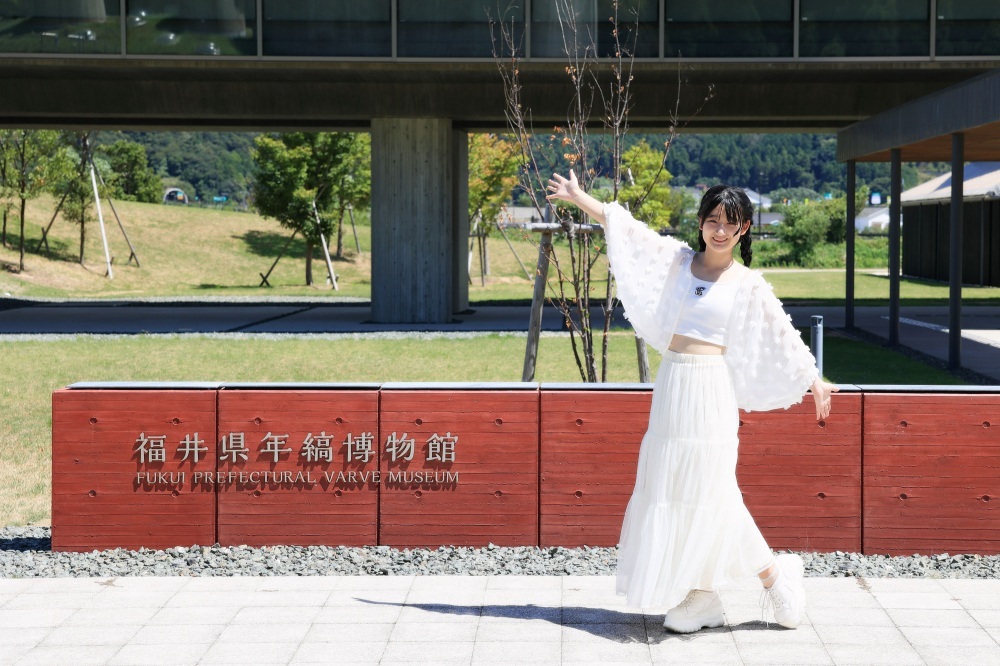


This museum displays world-standard "Varves" (Thinly layered annual deposits of sediment in a lake bed that serve as a clock for Earth’s history) in a beautiful stained-glass format, resembling works of art. Why not touch upon 70,000 years of Earth's memories carved into these varves? Nearby, you can also find the "Wakasa Mikata Jomon Museum" and "Michi-no-Eki (Roadside rest area) Mikata Goko," making it easy to enjoy them all together.
Recommended Michi-no-Eki for Souvenirs in Wakasa
If you are looking for popular Wakasa souvenirs, local specialties, or processed mackerel products such as Saba-zushi (Mackerel sushi) and Heshiko (Fermented mackerel pickled in rice bran), Michi-no-Eki (Roadside rest areas providing local food and products) are highly recommended.
Michi-no-Eki Roadside Station "Wakasa Obama"

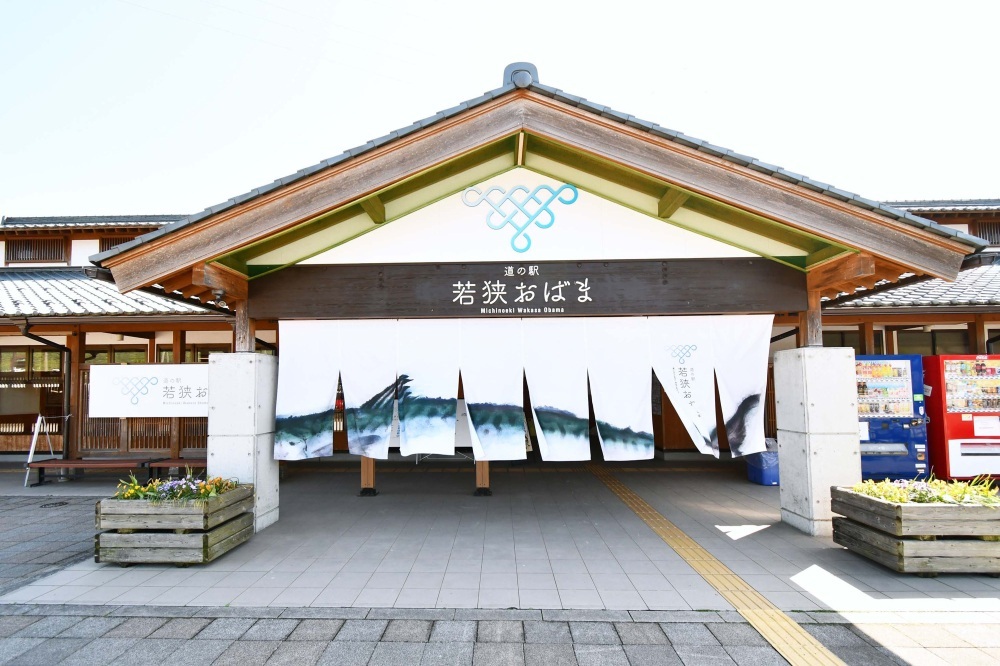


This station offers a wide array of Obama’s representative specialties and souvenirs, including processed mackerel products like Yaki-saba-zushi (Grilled mackerel sushi) and Heshiko, local Wakasa Sake, traditional Japanese sweets, and crafts such as Wakasa Nuri-bashi (Lacquered chopsticks decorated with shells or gold leaf). Additionally, as many companies in Obama City produce canned mackerel, the shop features an extensive "Canned Mackerel Corner" with various types on display. Why not look for your favorite can?
Michi-no-Eki Roadside Station "Wakasa Kumagawajuku"
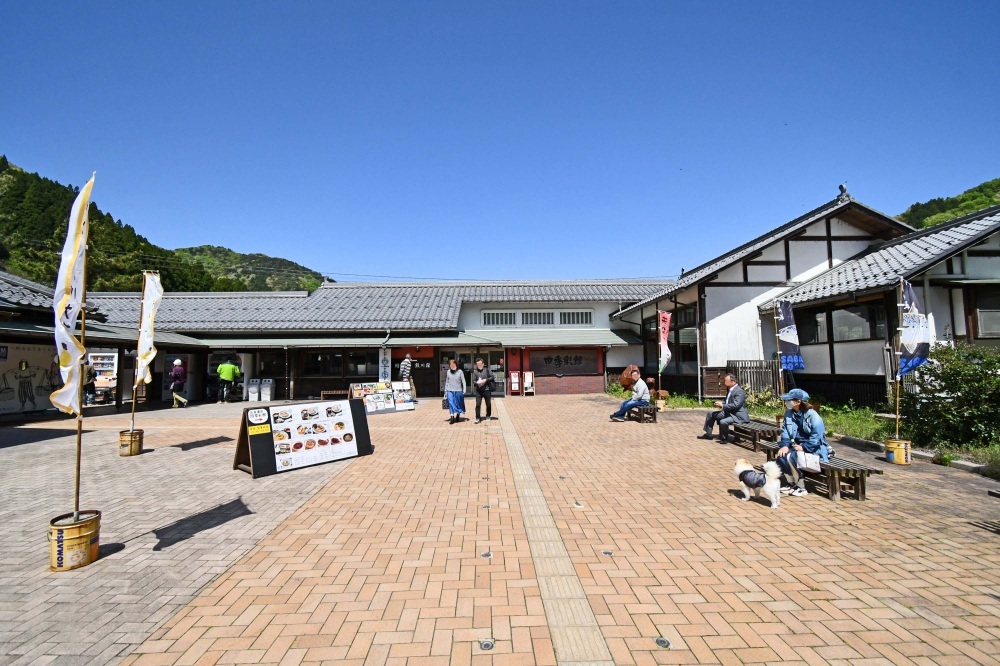
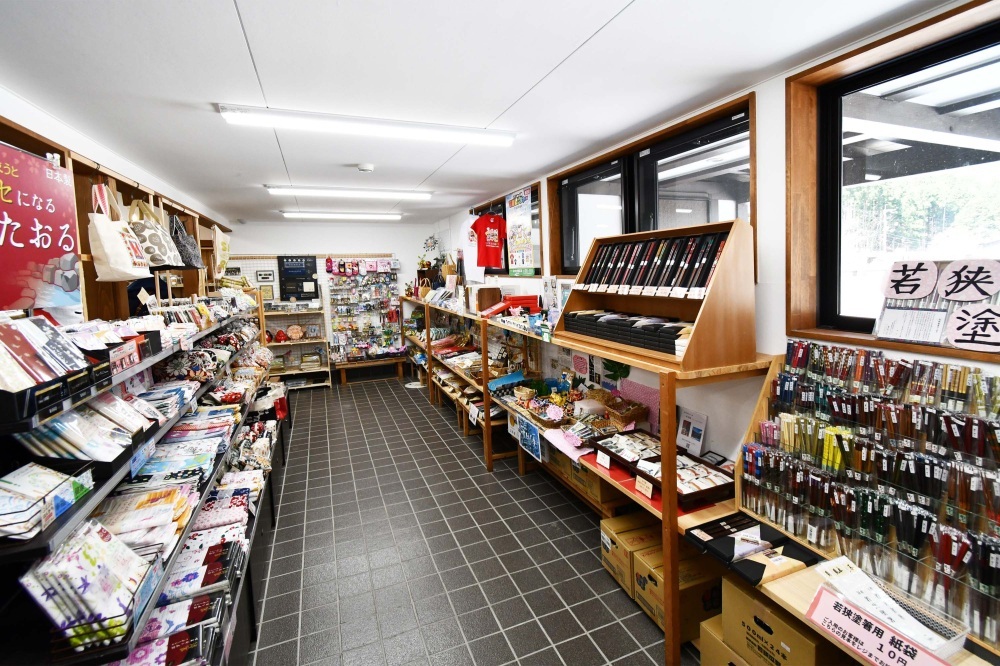


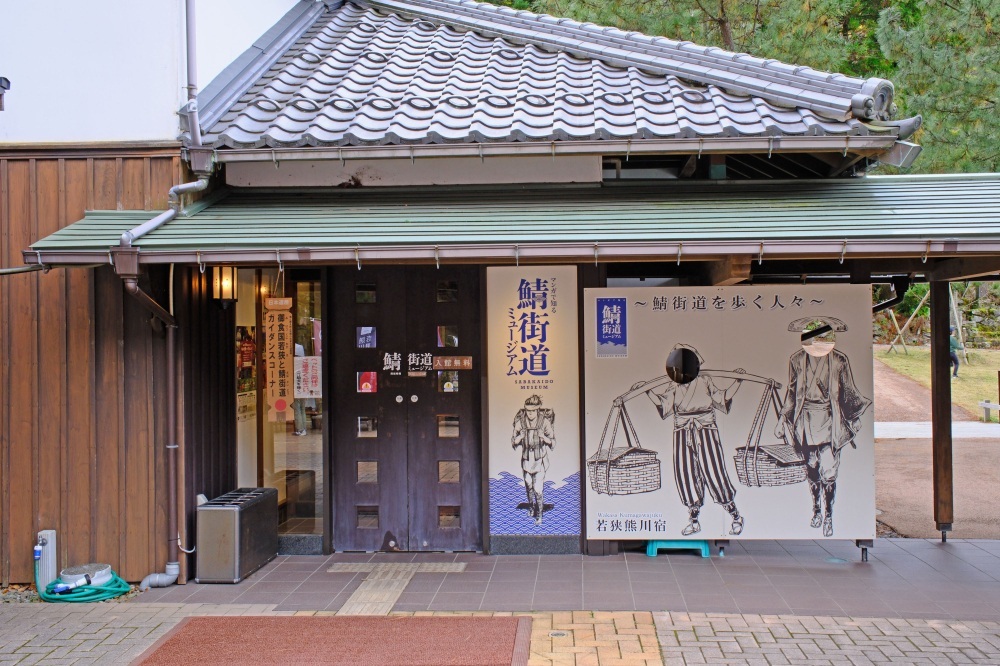


Located in the historic Kumagawa-juku area, this Michi-no-Eki features popular items such as Umeshu (Plum wine) made with Wakasa Town’s specialty plums and Kuzu-yokan (A jellied dessert made from Kuzu starch and sweet bean paste). Their original Saba-zushi, prepared strictly following the station's own traditional recipe, is a top seller. This mackerel sushi can also be enjoyed at the "Shikisaikan" restaurant on-site.
Why not take this opportunity to enjoy the "Food", "Culture and History", and the diverse charms of Wakasa woven by Miketsukuni Wakasa and the Saba Kaido?
I am maruekaho, originally from the Wakasa region of Fukui Prefecture. In my younger days, I longed for the bright lights of Tokyo and lived there for a while, but I eventually realized how much I truly love Wakasa and returned home. Every day, I capture the landscapes and festivals of Wakasa through my camera lens.