Attractions
Area
Category
Preferences
Distance
- Sort
- Most Popular
- Last Updated
- Nearest
- Layout
- List view
- Grid view
- Map view
Fukui Sightseeing Bus Tour "Hapi (Happy) Bus"
"Hapi Bus" is a bus tour that lets you easily visit Fukui Prefecture’s major tourist attractions! Even for destinations that are hard to reach by train, "Hapi Bus" allows you to travel efficiently and comfortably. A t…
- Awara,Sakai,Fukui
- Eiheiji, Okuetsu

Eiheiji Temple
The temple of Eiheiji was established in 1244 as a temple of the Soto school of Zen Buddhism, by Zen Master Dogen (1200–1253). The temple is located in a deep mountain valley with more than 70 halls and towers. Today, Eiheiji is one of the he…
- Eiheiji, Okuetsu
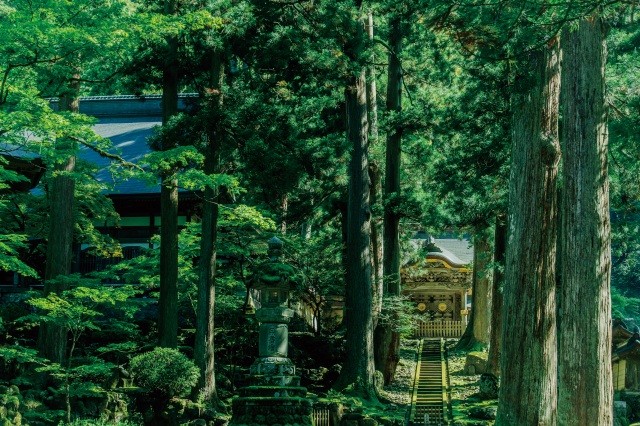
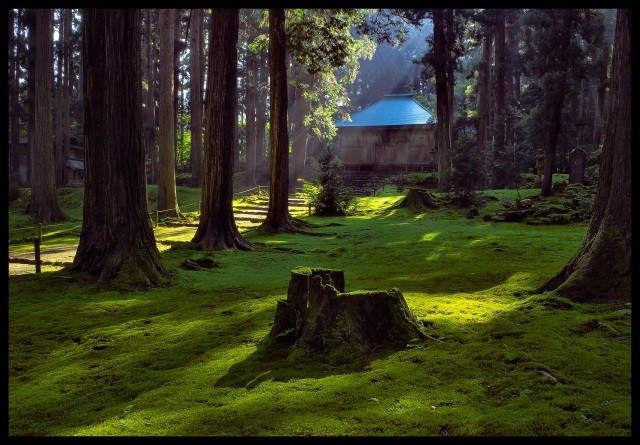
Heisenji Hakusan Shrine
The grounds are covered entirely in beautiful green moss, earning it the nicknames "Moss Shrine" and "Moss Temple"; however, following the Meiji government’s 1868 Edict on the Separation of Shinto and Buddhism, its status …
- Eiheiji, Okuetsu
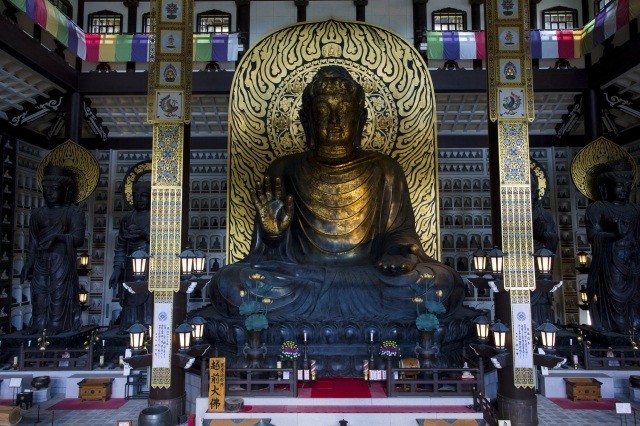
Echizen Great Buddha
The model for the principal Buddha statue at Daishizan Seidai-ji Temple in Katsuyama City is a seated statue located in the Longmen Grottoes on the outskirts of Luoyang, Henan Province, China—the birthplace of Buddhism—which stands 17 m…
- Eiheiji, Okuetsu
Kitanosho Castle Site & Shibata Shrine
The ruins of Kitanosho Castle can be found at Shibata Park. Construction of the castle was started in 1575, by the warlord Shibata Katsuie (c. 1523–1583), but it was destroyed in 1583 with Shibata’s defeat. The park also includes a shri…
- Awara,Sakai,Fukui
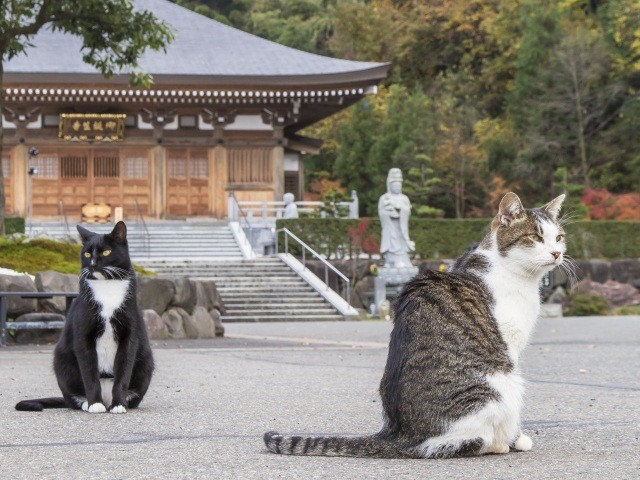
Gotanjoji Temple
Located in the quiet mountains of Shoden-cho, Echizen City, Gotanjoji Temple ーof the Soto Zen Buddhist sectー is a temple specializing in ascetic practices where monks devote themselves to daily training.Commonly called "Neko-dera,&…
- Tannan
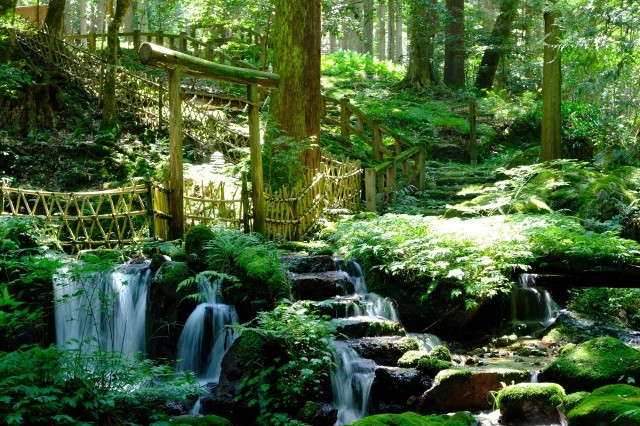
Uriwari no Taki Falls
Uriwari no Taki Falls is located near Obama, known for a delicious natural spring that produces cold water all year round—consistently 13°C, even in summer. Unlike most famous waterfalls, it is wide and low to the ground, spreading out in…
- Wakasa
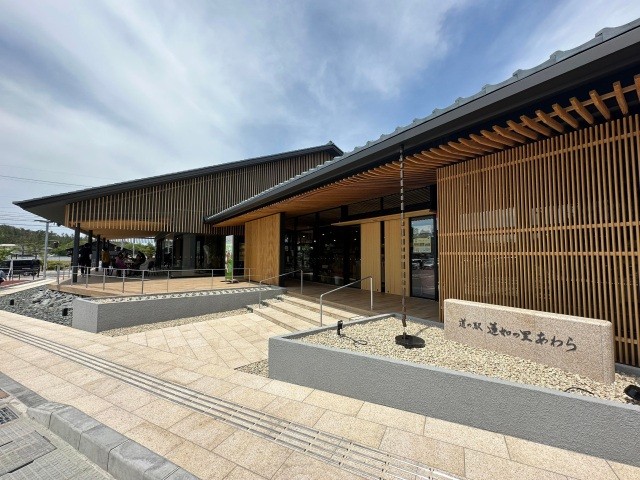
Michi no Eki Roadside Station Rennyo no Sato Awara
In the Yoshizaki area, where Rennyo, the founder of the Jodo Shinshu sect of Buddhism, made his missionary base, a new roadside station has opened to serve as a new tourist base while refining the area's natural, cultural, historical, culinary,…
- Awara,Sakai,Fukui
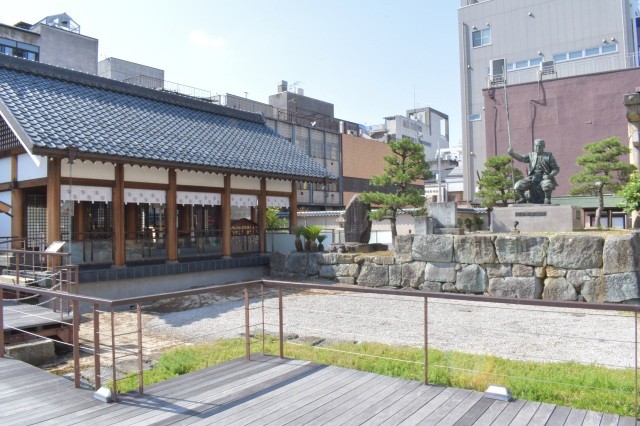
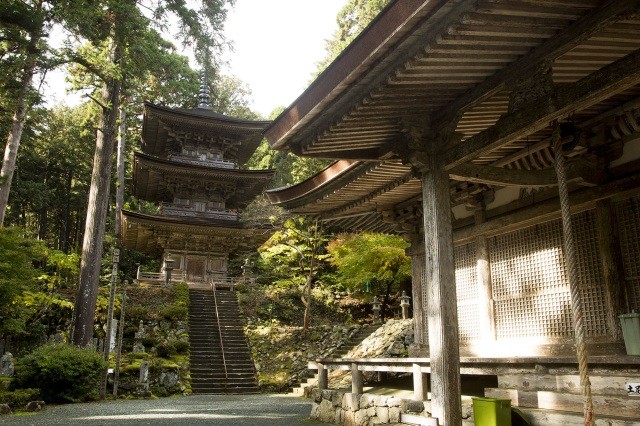
Myotsuji Temple
Myotsuji Temple is located in the mountains of Obama, surrounded by peaceful forests. The temple’s Hondo main hall and three-tiered pagoda are designated National Treasures. Visitors can step inside the Hondo and see the main shrine, as well …
- Wakasa
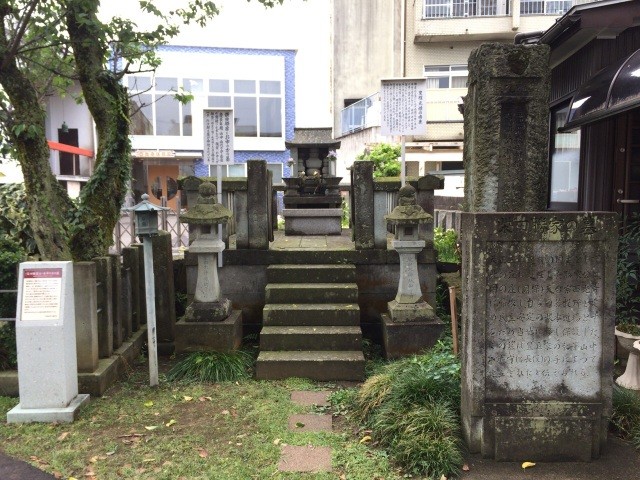
Saikoji Temple (Shibata Katsuie and Oichi's Tomb)
Saikoji Temple is the family temple of Shibata Katsuie and Oichi. After the fall of the Asakura clan, it is said that Katsuie relocated the temple from to its current location when he built his castle in Kitanosho. Within the temple grounds lies th…
- Awara,Sakai,Fukui
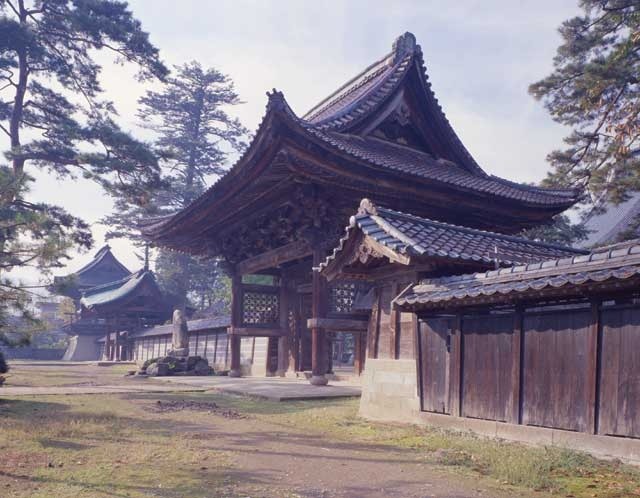
Goshoji Temple
Goshoji Temple, with its majestic red-tiled zomyo-style mountain gate, is the head temple of the Shinnyo-shu Izumoji sect.Founded by Shinran Shonin in Kyoto's Izumoji region in the first year of Tenpuku (1254), it was relocated to its present s…
- Tannan
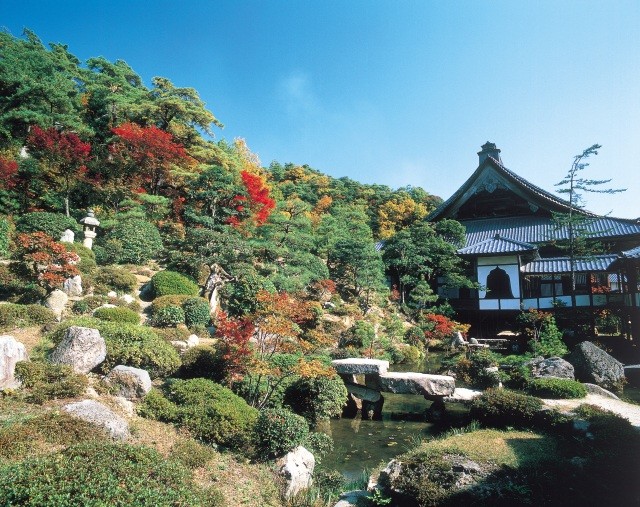
Saifukuji Temple
The Jodo Buddhist temple Saifukuji was built in 1368. The temple is best known for its huge garden, more than 4,600 square meters in size. The garden is said to represent the Buddhist land of perfect bliss, with rich greenery in spring and summer, …
- Wakasa
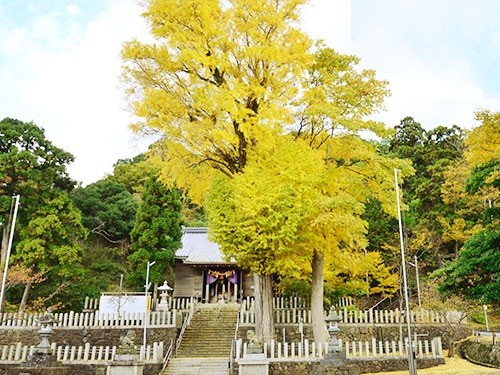
Shingū Shrine
This historic shrine is notable for its towering ginkgo tree. Climb the long staircase within the grounds to reach Atago Shrine, where you can also enjoy the scenery. During the annual festival held every October, mikoshi portable shrines and float…
- Wakasa
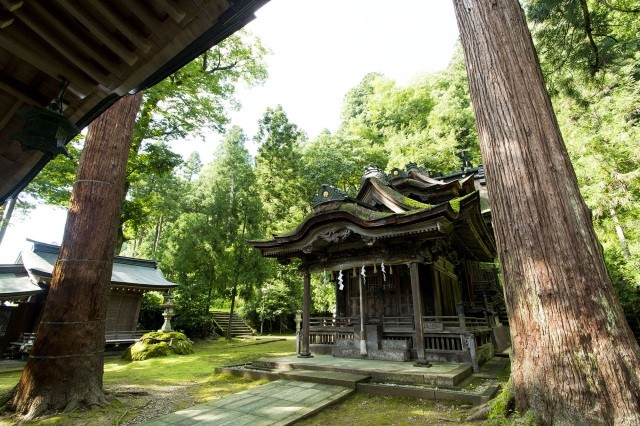
Okamoto Shrine, Otaki Shrine
This shrine is designated as an Important Cultural Property of Japan and is dedicated to the “Goddess of Paper,” a deity rarely found in Japan.About 1,500 years ago, when Emperor Keitai was in Echizen and was known as Prince Otori, a be…
- Tannan
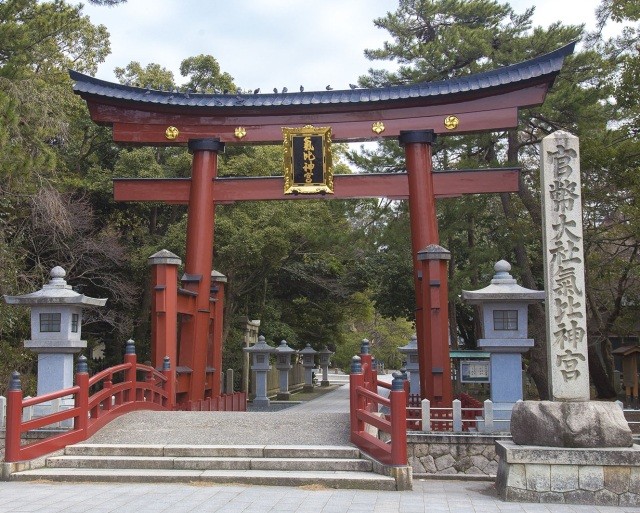
Kehi Jingu Shrine
This ancient shrine enshrines Emperor Chuai and six other deities, and is known as the “First Shrine of Echizen” and the “Guardian Deity of the Hokuriku Region.” The grand torii gate, said to have been built from driftwood t…
- Wakasa
Matsuki Shrine
This shrine enshrines the spirit of Matsuki Shōzaemon, who, at the beginning of the Edo period, became the representative of farmers in Wakasa suffering under harsh tax collection. He personally petitioned the feudal lord for tax reduction, sacrifi…
- Wakasa
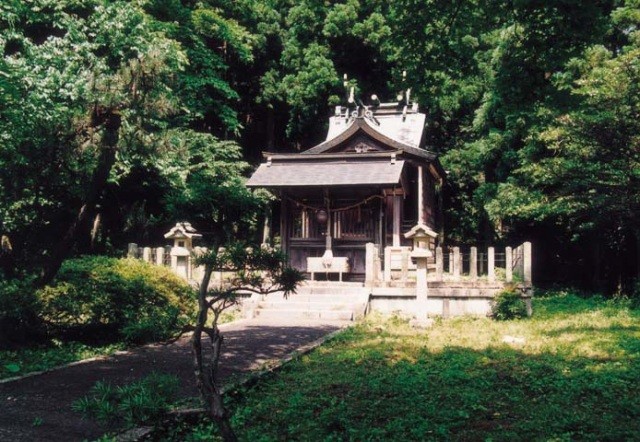
Hino Shrine
A shrine at the trailhead of Mount Hino, also known as the Mt. Fuji of Echizen (present-day northern Fukui Prefecture), which has been a sacred mountain since ancient times. The inner shrine is located at the summit.During the summer "Mount Hi…
- Tannan
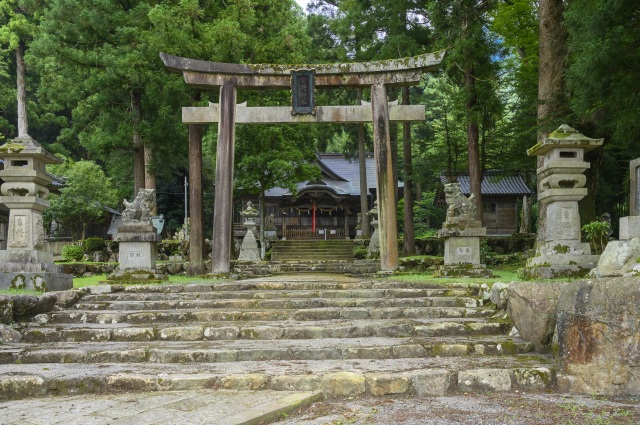
Sakae no Yashiro Shrine
Sakaenoyashiro Shrine is a major shrine located next to the ruins of Fukui Castle. A stone torii gate welcomes visitors to its peaceful grounds. The shrine holds over a dozen events and rituals throughout the year, including a large festival at the…
- Awara,Sakai,Fukui
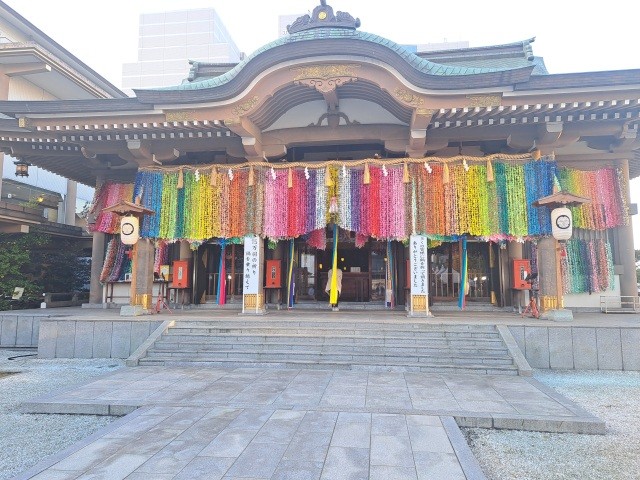
Ryusenji Temple
Ryusenji Temple, known as a training ground for the Soto Zen sect, features a quiet atmosphere with pine trees lining its approach. Founded in 1367 by Tsuugen Jaku-rei, it served as the family temple for the Honda clan, feudal lords of Fuchu (aroun…
- Tannan
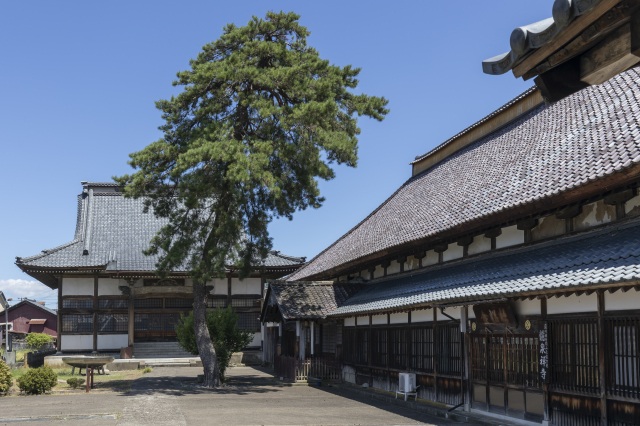
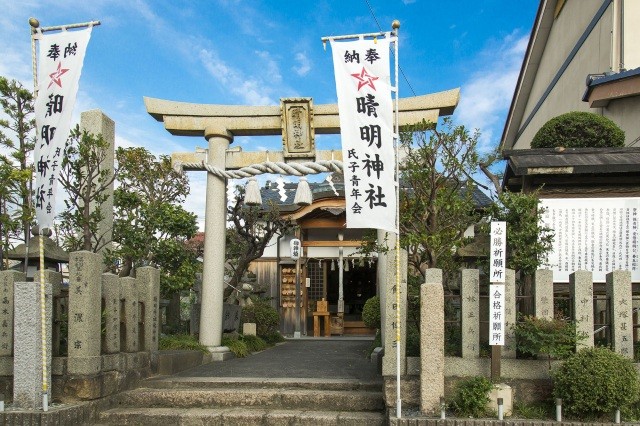
Seimei Shrine
A shrine dedicated to Abe no Seimei, a Heian-period (794-1185) "onmyoji", those technical officers in charge of divination and geomorphology based on the theory of the yin-and-yang five phases. Revered as a guardian against fire for prote…
- Wakasa