Attractions
Area
Category
Preferences
Distance
- Sort
- Most Popular
- Last Updated
- Nearest
- Layout
- List view
- Grid view
- Map view
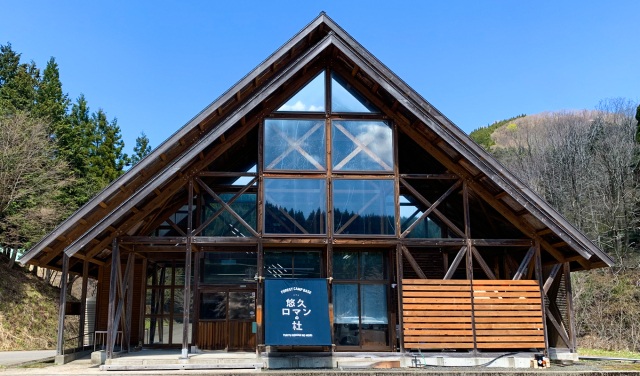
Forest Camp Base: Yukyu Roman no Mori (Echizen Town)
Stars twinkle, and you feel the forest's breath. Hear nature's voice in the Eternal Grove.Yukyu Roman no Mori features thatched-roof houses, available to rent for overnight stays. Warm up by a wood fire in the open hearth in …
- Tannan
SUKU
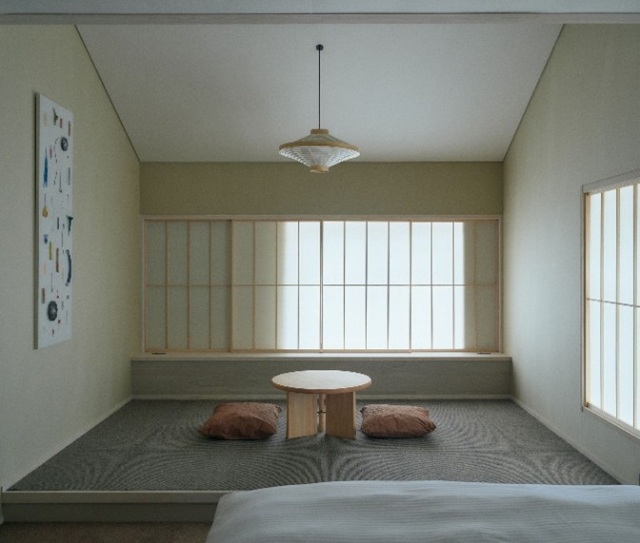
Staying in the Production Area: An Extraordinary Experience "SUKU" is a lodging nestled in the Echizen Washi production area.Step outside to find a townscape lined with nearly 40 workshops. Here in Imadate, Echizen City, the profound dept…
- Tannan
Echizen Pottery Museum
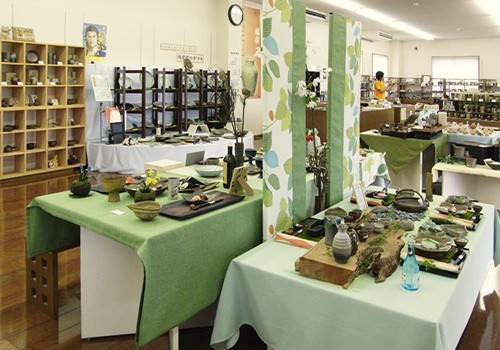
Echizen-yaki pottery kilns showcase and sell their products and works all in one place. The spacious venue permanently displays approximately 1,000 diverse items, ranging from traditional natural-glazed jars and vases to everyday plates and bowls, …
- Tannan
Echizen Lacquerware Hall
Echizen Lacquerware Hall provides visitors with the opportunity to learn about and experience Echizen Lacquerware. Visitors can see traditional lacquerware artisans at work here. Hands-on workshops are available, to decorate lacquered wood or apply…
- Tannan
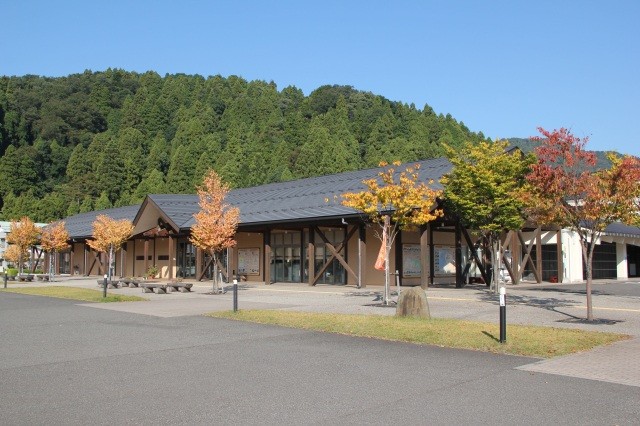
Learn from a Traditional Craftsman of Echizen Lacquerware:…
■HighlightsAt Nishikikuri Lacquerware Shop in Kawada, the town of Echizen lacquerware, brothers run a lacquer workshop. In this experience, you'll receive hands-on instruction directly from Masataka Nishikikuri, the elder brother and artisan at…
- Tannan
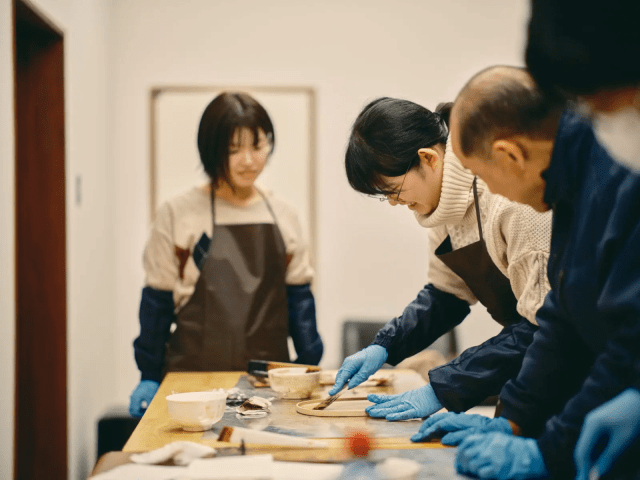
Murasaki Shikibu Park
Echizen City is the place where Murasaki Shikibu, the author of *The Tale of Genji*, lived away from the capital for the only time in her life.It is said that she visited here with her father, Fujiwara no Tameoki, who had been appointed governor of…
- Tannan
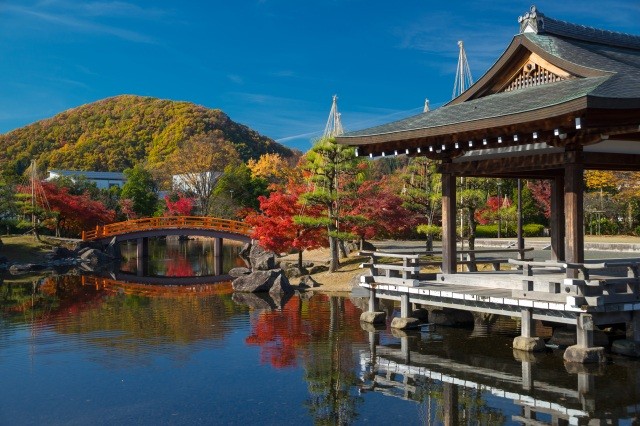
Soba Village: Ikedaya
Our skilled artisans will carefully teach you the authentic method of making soba noodles. Why not try making and savoring Fukui's specialty, "Oroshi Soba," with your own hands? Even if the finished product looks a little rough around…
- Tannan
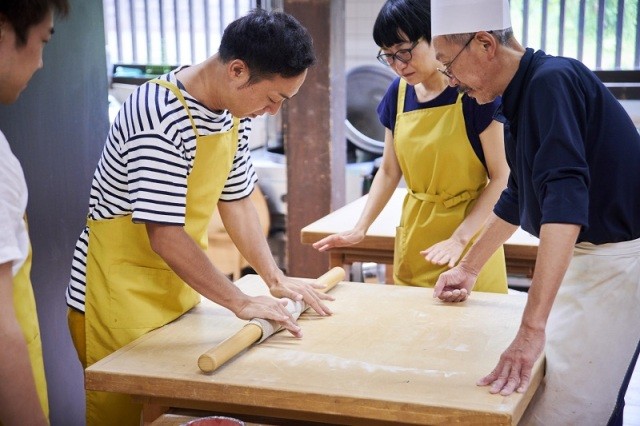
Fukui Prefectural Ceramic Art Museum
Opened in 1971 to promote Echizen ware, one of Japan's Six Ancient Kilns. The museum features historical exhibits, displays and sales of contemporary Echizen ware, and live demonstrations by kiln masters. Visitors can also create their own orig…
- Tannan
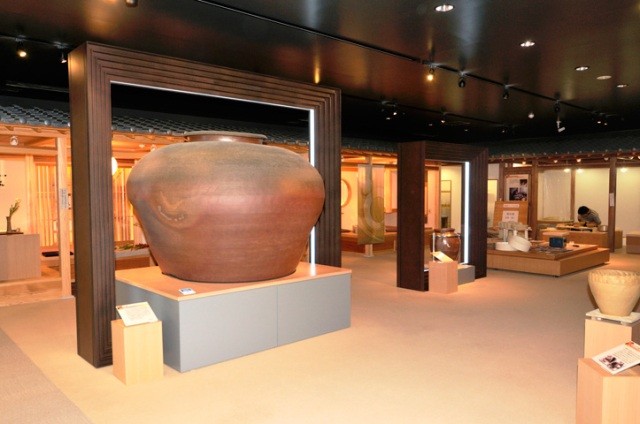
Michi no Eki Roadside Station Kono
The roadside station "Kono," marked by its large windmill, is packed with information on Echizen Coast specialties and guides to local attractions. It's the perfect spot for a break during your drive. With ample parking, a café…
- Tannan
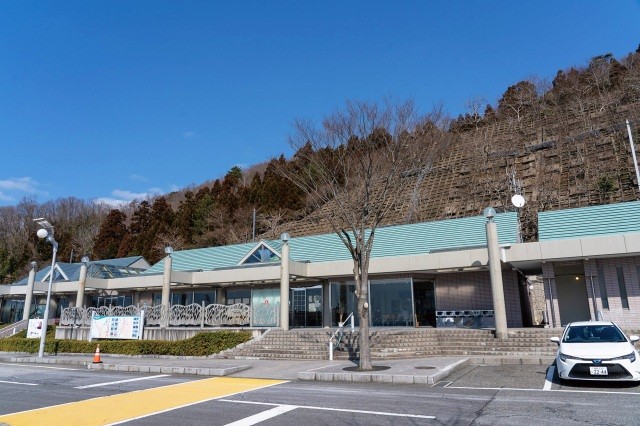
Takefu Central Park
Every autumn, this park hosts the Takefu Chrysanthemum Doll Festival. Supervised by picture book author Kako Satoshi, it features the popular "Daruma-chan Plaza" beloved by children.
- Tannan
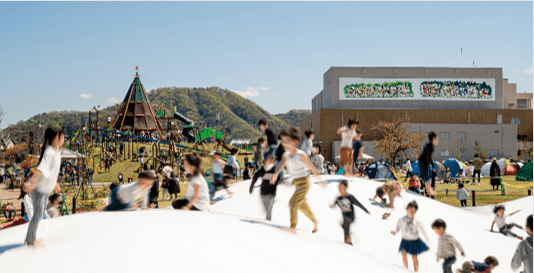
Kamiyagaya Sue Ware Kiln Site
This Sue ware kiln site dates from the late Heian period and is an exceptionally valuable kiln site that remains largely intact. (Prefectural Designated Cultural Property)
- Tannan
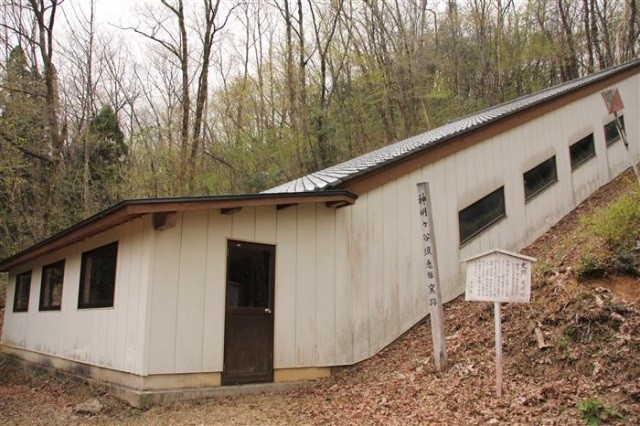
Kazura Bridge
The Forest and River Promenade is a four-kilometer trail through the lush natural environment of Ikeda. Surround yourself with cherry blossoms in spring, greenery in summer, and red leaves in autumn. The trail passes by Tree Picnic Adventure Ikeda …
- Tannan
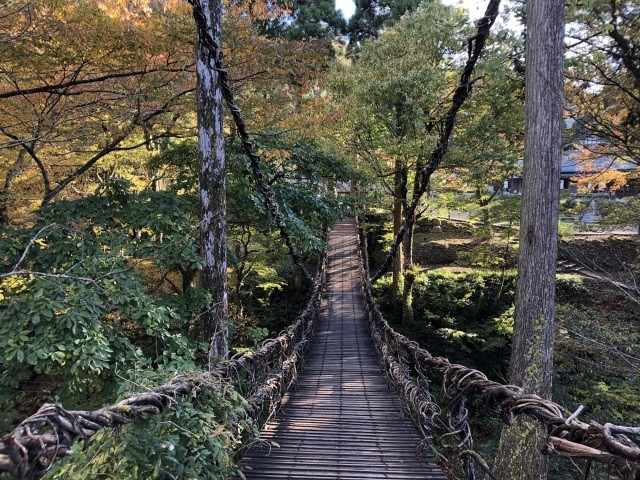
Echizen Ancient Kiln Museum
The Echizen Ancient Kiln Museum consists of the "Museum," which displays nationally registered tangible cultural properties; the "Former Mizuno Family Residence," relocated from Fukui; and the authentic tea rooms "Tenshindo…
- Tannan
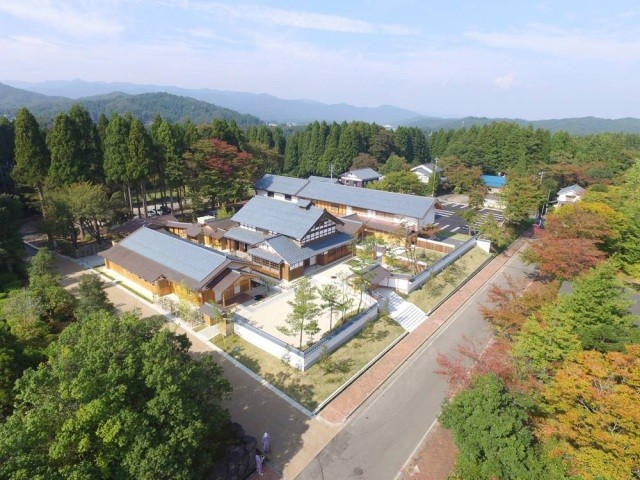
Ryokan Jukoen (Echizen Town)
Jukoen, located within the Echizen Pottery Village, home to Echizen ware—one of Japan's Six Ancient Kilns. On a site of approximately 6,600 square meters, just five guest rooms. A soothing, traditional-style dwelling. A peaceful space fil…
- Tannan
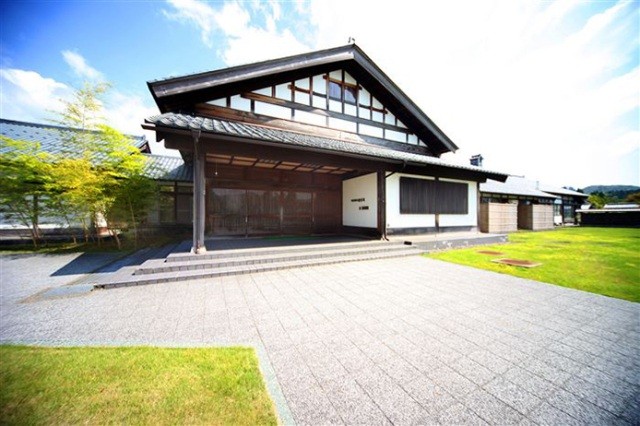
Goshoji Temple
Goshoji Temple, with its majestic red-tiled zomyo-style mountain gate, is the head temple of the Shinnyo-shu Izumoji sect.Founded by Shinran Shonin in Kyoto's Izumoji region in the first year of Tenpuku (1254), it was relocated to its present s…
- Tannan
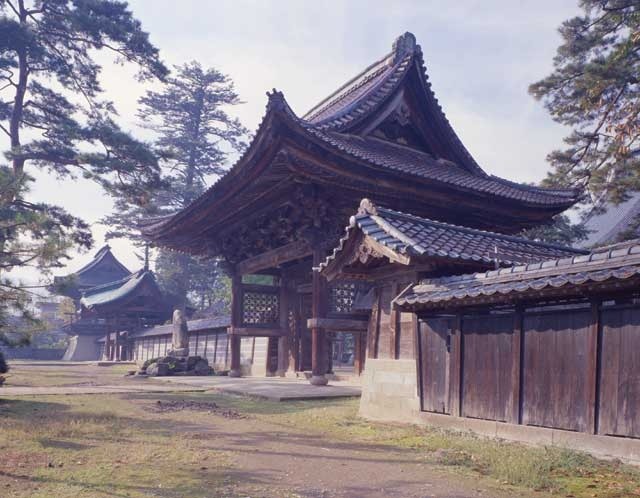
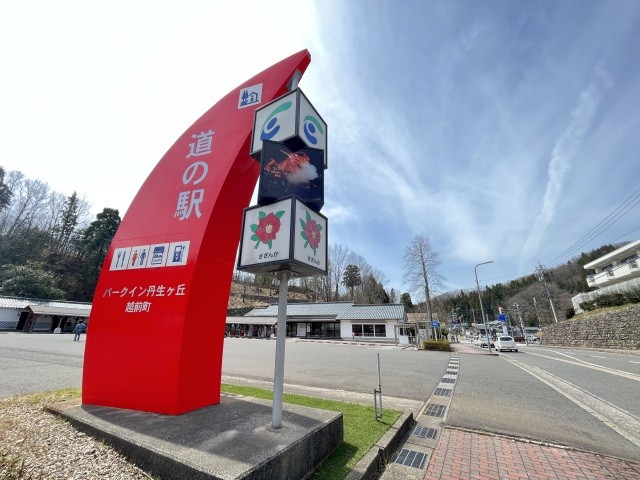
Roadside Station Park Inn Niwagaoka
Established in 1996, this is the second roadside station to open in Fukui Prefecture. Located along National Route 417 en route from the Hokuriku Expressway to the Echizen Coast, it sells a wide variety of local specialties and fresh vegetables. It…
- Tannan
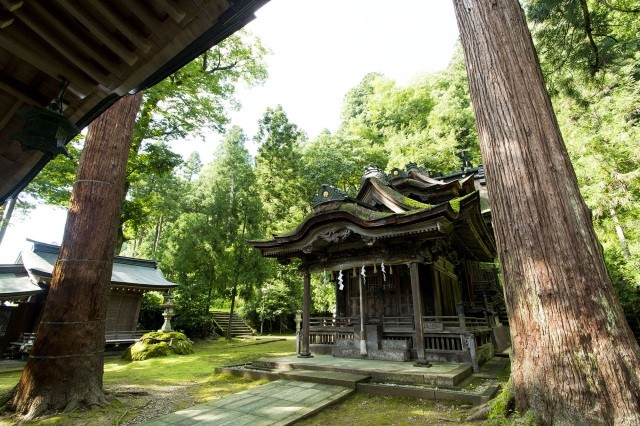
Okamoto Shrine, Otaki Shrine
This shrine is designated as an Important Cultural Property of Japan and is dedicated to the “Goddess of Paper,” a deity rarely found in Japan.About 1,500 years ago, when Emperor Keitai was in Echizen and was known as Prince Otori, a be…
- Tannan
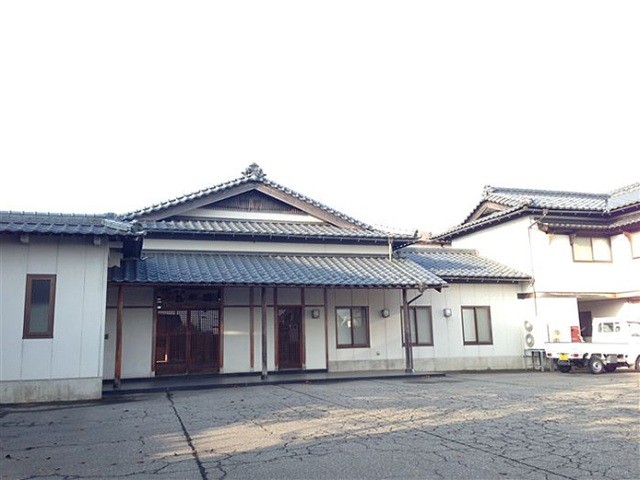
Kirakuya (Echizen Town)
The birthplace of the Oda clan, the Oda family, the Tsurugi Shrine with its approximately 1,800-year history, and Echizen ware—one of Japan's six ancient kilns, renowned for its natural elegance. In this land steeped in such history and t…
- Tannan
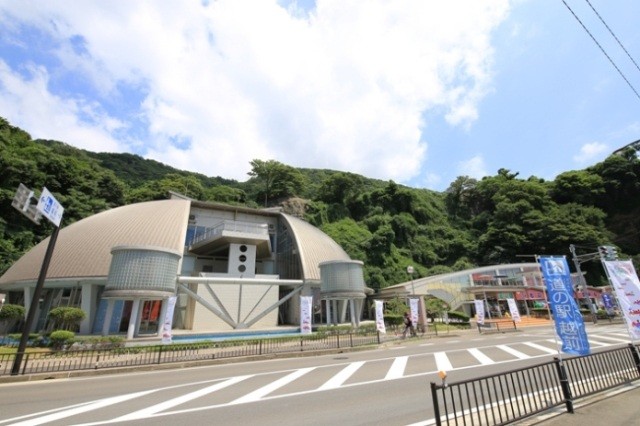
Echizen Gani Crab Museum
The Echizen Crab Museum is a hands-on facility where visitors can play and learn about the mysteries of Echizen crabs and the fish of the surrounding seas. The museum is filled with fun zones such as the Sea Walkway, Theater, Fishing Boat Challenge…
- Tannan
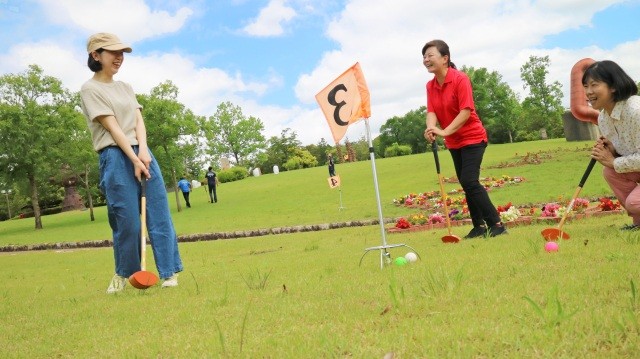
Echizen Pottery Village Grand Golf
A grand golf course has opened at Echizen Pottery Village, offering fun for everyone from children to seniors! This original course winds around the monuments in the undulating Art Plaza. Enjoy a full 8 holes! Why not come play to your heart's cont…
- Tannan