Attractions
Area
Category
Preferences
Distance
- Sort
- Most Popular
- Last Updated
- Nearest
- Layout
- List view
- Grid view
- Map view
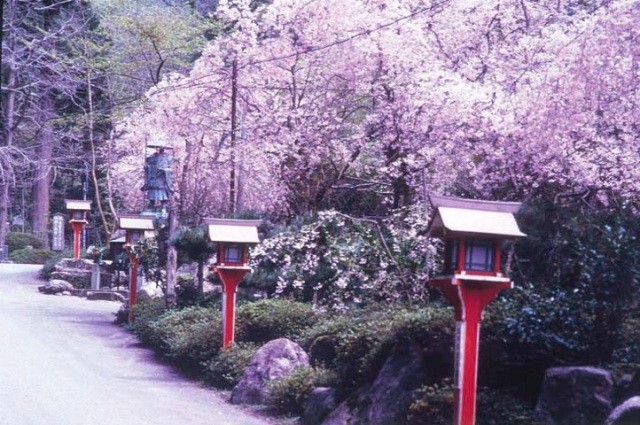
Weeping Cherry Tree at Sanpōishi Kannon
The principal statue of Kannon Bodhisattva lacks a right hand. Legend has it that Kobo Daishi carved the statue overnight, but when a rooster crowed at dawn, he descended the mountain leaving only the right wrist behind. For this reason, it is said…
- Wakasa
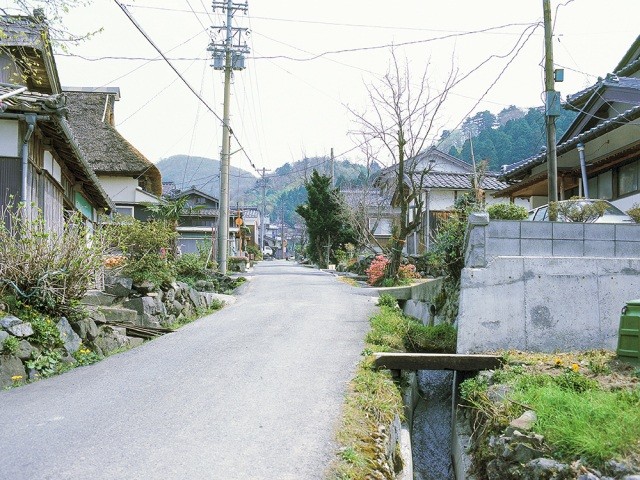
Shinbo Inn Kinome Ancient Path
The Kinome Old Road, which once served as the gateway to the Hokuriku region, has been traveled by numerous historical figures including Murasaki Shikibu and Matsuo Basho on the road to Imajo.
- Wakasa
Grave of Takeda Kōunsai and Others
In 1864, the Mito Tengu Party, a group of imperial loyalists advocating expulsion of foreigners, raised arms to petition the Imperial Court. They were captured and executed in Tsuruga the following year. The graves of the Mito martyrs, including th…
- Wakasa
Former Kishina Family
This is the machiya townhouse where Shinbo-ya Kishina Sosuke, a lumber merchant in Fukui Domain's Mikuni Port, lived for generations. Located at the mouth of the Kuzuryu River, which flows through the Echizen Plain and empties into the Sea of Japan…
- Awara,Sakai,Fukui
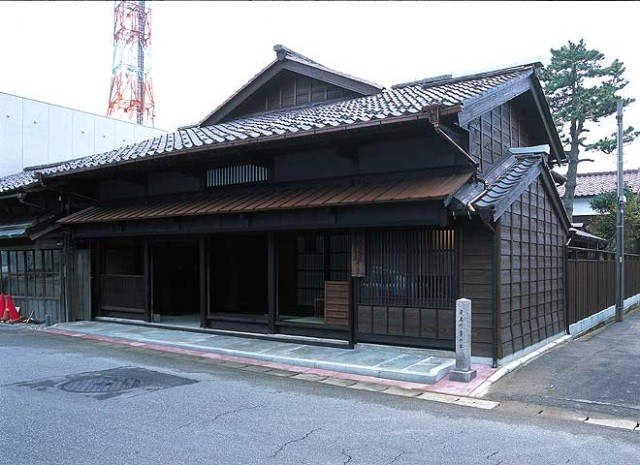
Northern Route
The Hokkoku Highway stretches approximately 520 km from Kyoto through Otsu, Hikone, and Lake Biwa into Fukui Prefecture, passing through Imajo, Nanjo, Echizen City (formerly Takefu City), Sabae City, and Fukui City, continuing on to Kanazawa, Toyam…
- Tannan
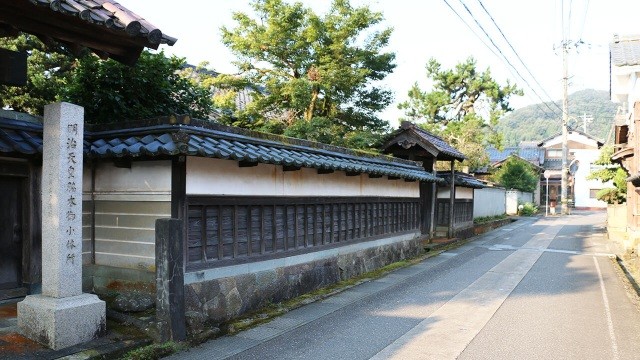
Iwaya Kannon
Iwaya Kannon is said to have originated when three statues—the Nyoirin Kannon, the Eleven-Headed Kannon, and the Sacred Kannon—were enshrined in the shadow of a massive rock within the temple grounds. Formerly known as Reigenji Temple, it is also s…
- Eiheiji, Okuetsu
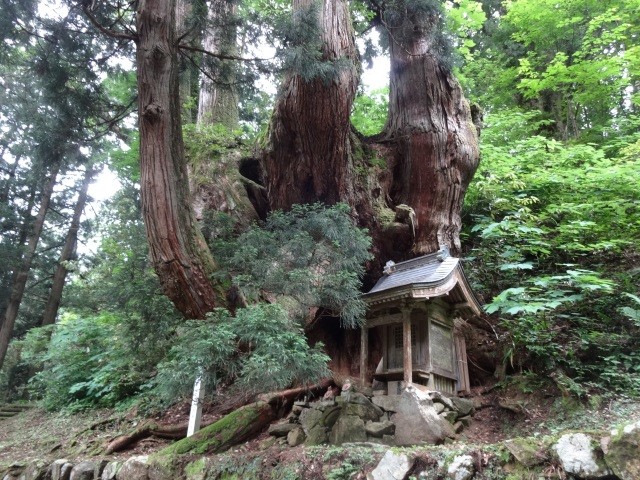
Daikokumaru Castle Ruins (Miyake Kurokumar Castle Ruins)
This castle site served as the Asakura clan's base in Echizen for seven generations and 130 years, until they established their castle at Ichijōdani. It is believed to have been built by Asakura Hirokage, who entered Echizen from Tajima Province's …
- Awara,Sakai,Fukui
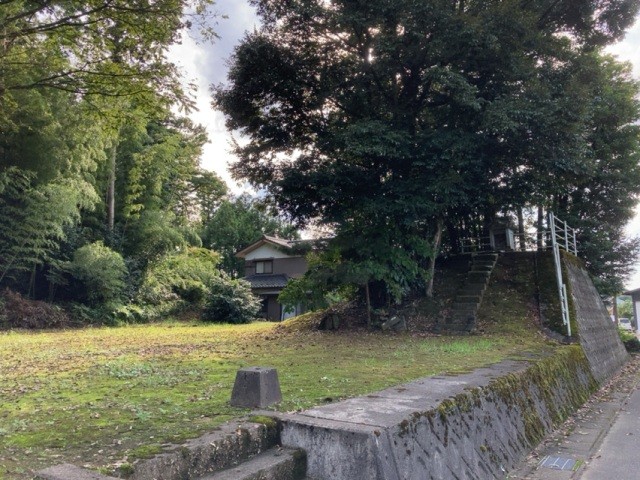
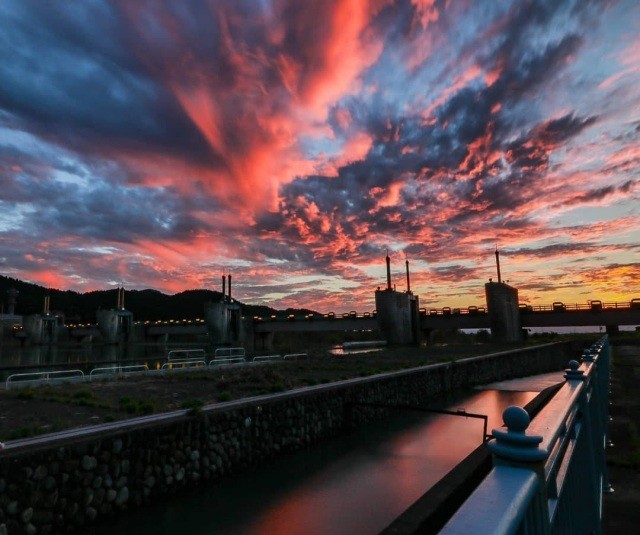
Kuzuryu River Museum: Waku Waku RiverCAN
If you want to learn about the Kuzuryu River and Narika Dam, this is the place. You can enjoy learning through models showing how the dam works, large water tanks, live shows, and more.
- Eiheiji, Okuetsu
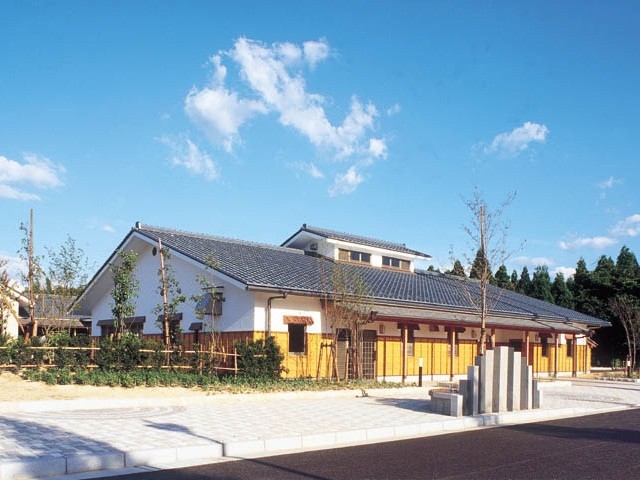
Otaiko Hills
A tranquil public lodge surrounded by nature, perfect for relaxing. (Accommodates 55 guests) The area features various sports and cultural facilities, making it ideal for families and groups alike—whether for sightseeing, training camps, or meeting…
- Tannan
Tenman Shrine
Taira no Kiyomori's grandson, Taira no Morimori, fought as a commander for the Taira clan. He achieved a great victory in the Battle of Hiuchi at Imajō's Hiuchi Castle, but was defeated by Kiso Yoshizane at the Battle of Kurikara Pass. The Tale of …
- Awara,Sakai,Fukui

Site of the Residence of the Imperial Consorts
Next to Nishifujishima Elementary School lies the site said to be where Gion and his sister Gion-nyo once lived. Giō and Gime were shirabyōshi (female entertainers who sang and danced in male attire), appearing in The Tale of the Heike. They enjoye…
- Awara,Sakai,Fukui
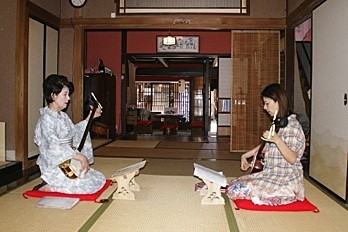
Shamisen Experience
Mikuni Minato Kitamae Street is home to a stylish establishment where shamisen music and Edo-style folk songs play. You can enjoy matcha while listening to Edo folk song performances. In the tatami room, you can even experience playing the shamisen…
- Awara,Sakai,Fukui
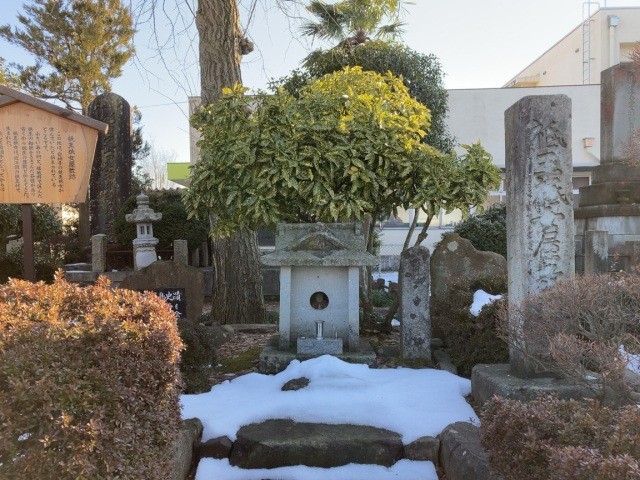
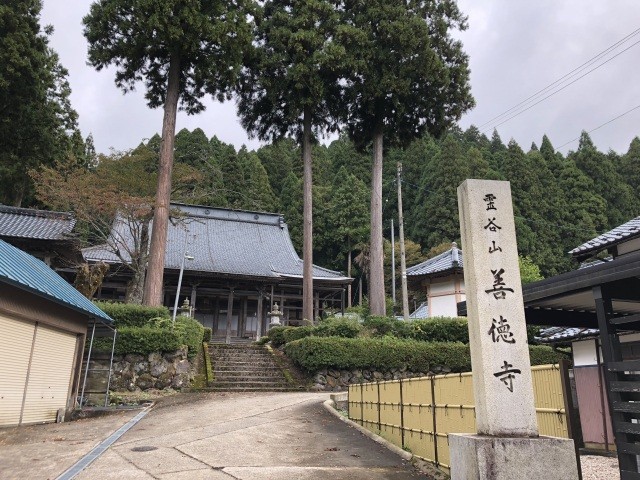
Zentokuji Temple
On November 1, 1864, the Mito Tengu Party, having raised their banner at Mount Tsukuba in Hitachi Province to realize the cause of revering the Emperor and expelling the barbarians, set out for Kyoto. In December, the Tengu Party passed through Ike…
- Tannan
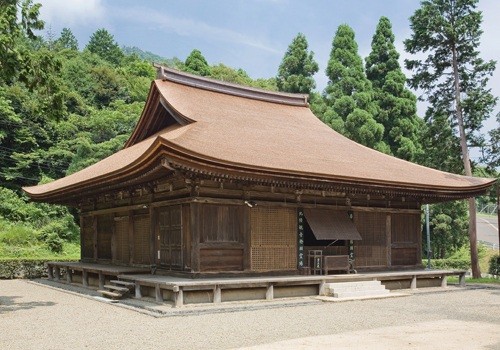
Nakayama-dera Temple
Nestled halfway up Mt. Aoba, Nakayama-dera Temple is the first temple of the Hokuriku Thirty-Three Kannon Pilgrimage. Its main hall and Kongo Rikishi statues are designated as Important Cultural Properties by the national government. From the templ…
- Wakasa
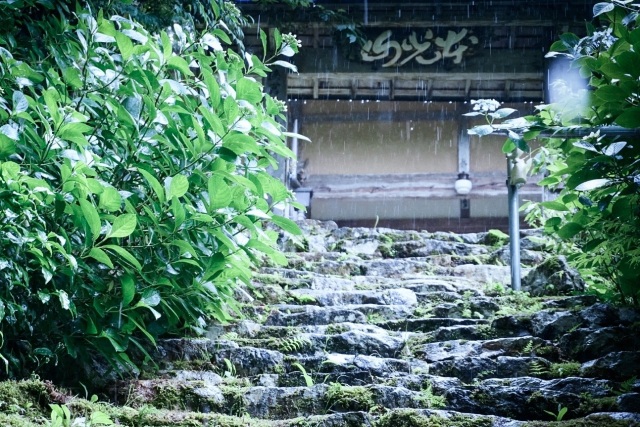
Daisho-ji Temple
It is one of the few Nakamoto-san temples of the Rinzai School’s Kennin-ji branch in Wakasa and serves as the 31st pilgrimage site on the Wakasa Thirty-Three Kannon Pilgrimage. The temple also offers zazen meditation experiences to refresh th…
- Wakasa
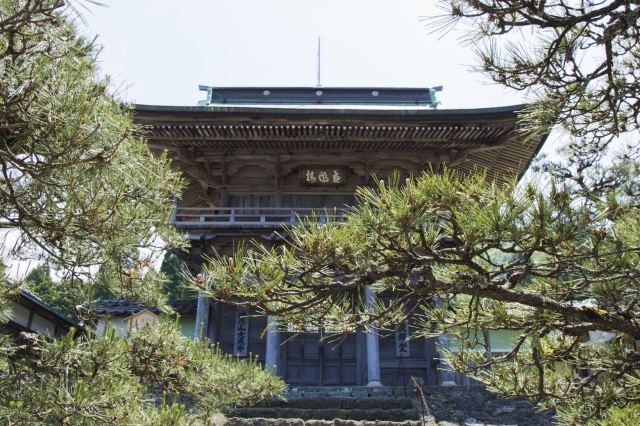
Magoji Temple
Magoji Temple, the second temple in the Hokuriku 33 Kannon Pilgrimage, is said to have been founded by Prince Shōtoku, and its principal image—a wooden seated statue of Bato Kannon—is designated as an Important Cultural Property of Japa…
- Wakasa
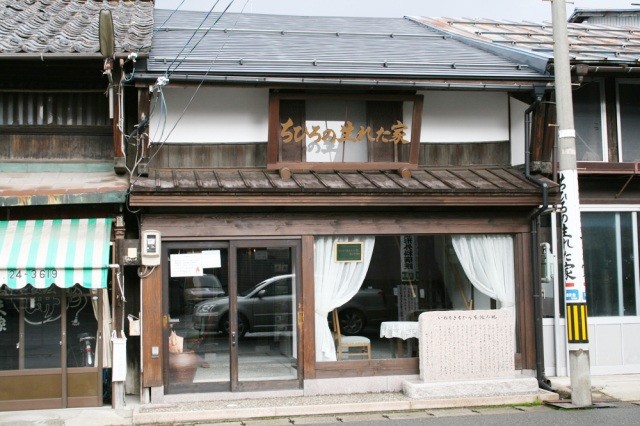
Chihiro's Birthplace Memorial Museum
This is the birthplace of Chihiro Iwasaki, the picture book artist from Echizen City. The main building retains the charm of its era throughout, and the second-floor gallery hosts several special exhibitions each year. The annex, equipped with a pi…
- Tannan
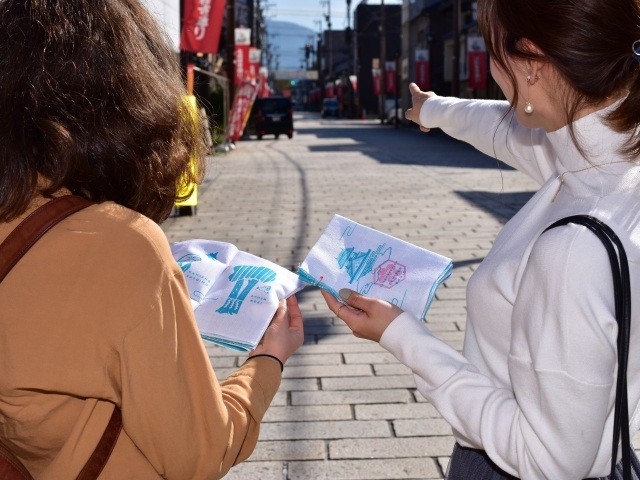
Ono Machitsumugi ~ Tenugui Walk ~
Ono Machitsumugi ~ Tenugui Walk ~ is a walking tour item where you complete an original-design tenugui by collecting stamps on a stamp card while exploring restaurants and cultural facilities.The finished tenugui makes for an adorable souvenir that…
- Eiheiji, Okuetsu
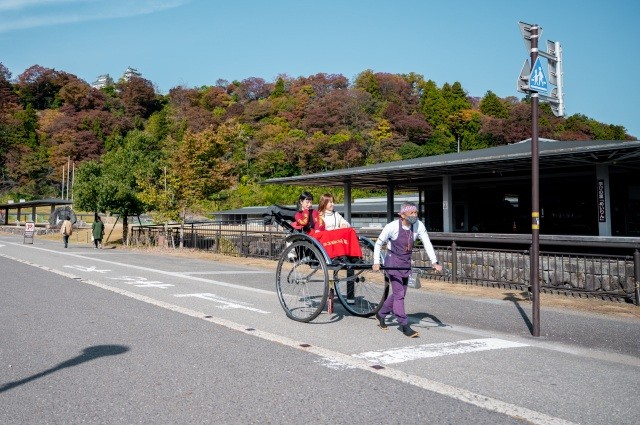
Echizen Kobushi Group Rickshaw
On weekends and holidays, you can see rickshaws carrying tourists through the downtown area of Ono City.This is a service provided by the local volunteer group "Echizen Kobushi-gumi," guiding tourists in nostalgic rickshaws.Of course, the…
- Eiheiji, Okuetsu
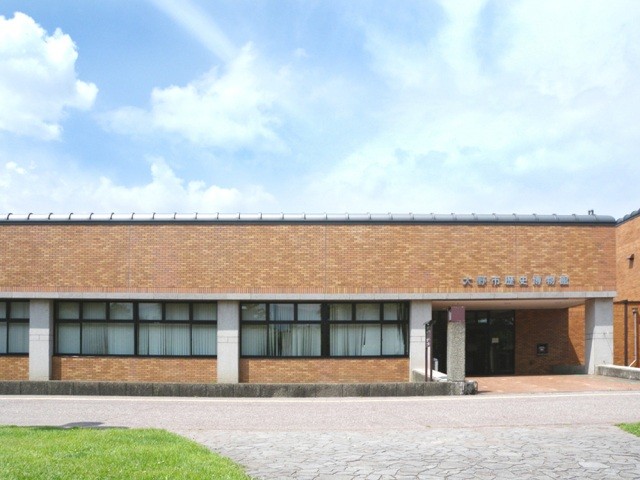
Ono City History Museum
The museum collects, preserves, and exhibits historical materials from the Jomon period through the modern era in Ono City. In particular, regarding the Hakusan faith, the museum houses valuable artifacts and materials illustrating its connection t…
- Eiheiji, Okuetsu