Attractions
Area
Category
Preferences
Distance
- Sort
- Most Popular
- Last Updated
- Nearest
- Layout
- List view
- Grid view
- Map view
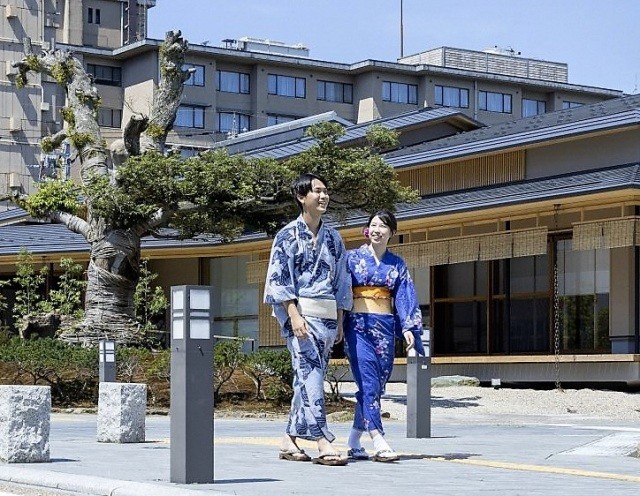
Strolling Through Town in a Yukata
Why not go for a stroll around town wearing a yukata while visiting sweet shops? Everything you need for dressing is included, so you can come empty-handed.Our separate-style yukata and one-touch obi make dressing easy—perfect for first-timer…
- Awara,Sakai,Fukui
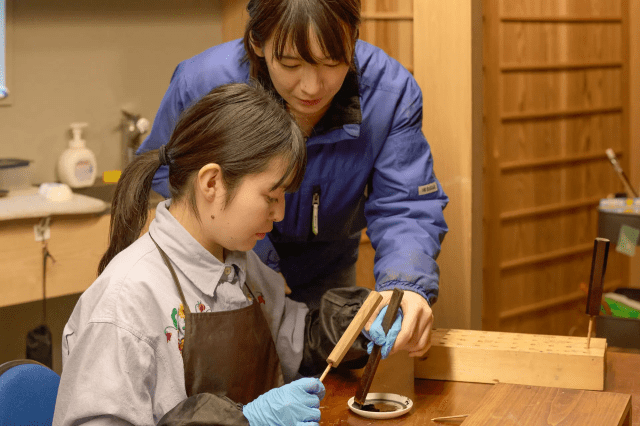
Customize your knife handle to your own color & tour works…
■HighlightsYamaken Woodworking is the only company in Takefu, the heartland of Echizen cutlery, specializing in crafting handles for Japanese kitchen knives. While it's a part we rarely notice in daily life, the knife handle is packed with meti…
- Tannan
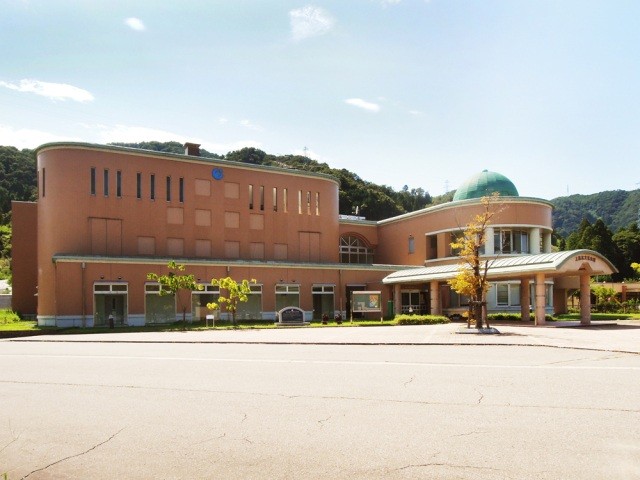
Kamishihi Cultural Center Sun Sun Hall
The Sun Sun Hall at Kamishibi Cultural Center hosts various events such as lectures and concerts. A library is also located on the premises.
- Eiheiji, Okuetsu
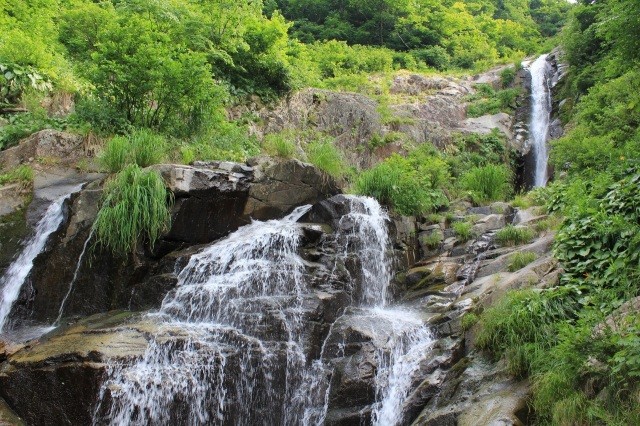
Buddha's Maiden Waterfall
A three-tiered waterfall plunging 100 meters from Mount Arajima, one of Japan's 100 Famous Mountains.The waterfall's name originates from a legend that "Buddha Gozen," beloved by Taira no Kiyomori and renowned as a master dancer w…
- Eiheiji, Okuetsu
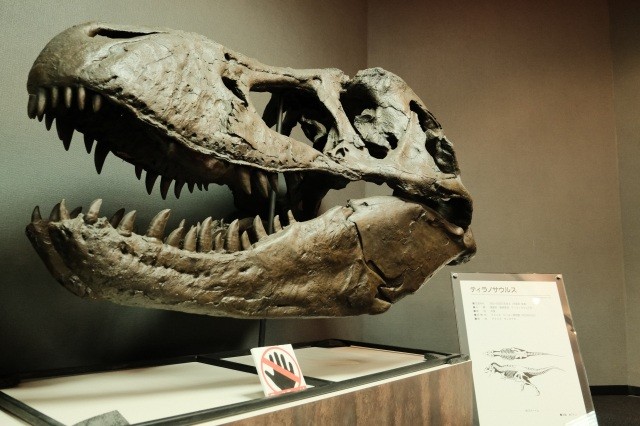
Ga-Ono Kuzuryu Fossil Lab
The museum displays fossils that have attracted global attention—such as some of the world’s oldest Tyrannosauridae teeth discovered in the Izumi area and neighboring municipalities, Japan’s oldest bird footprints, and the world&r…
- Eiheiji, Okuetsu
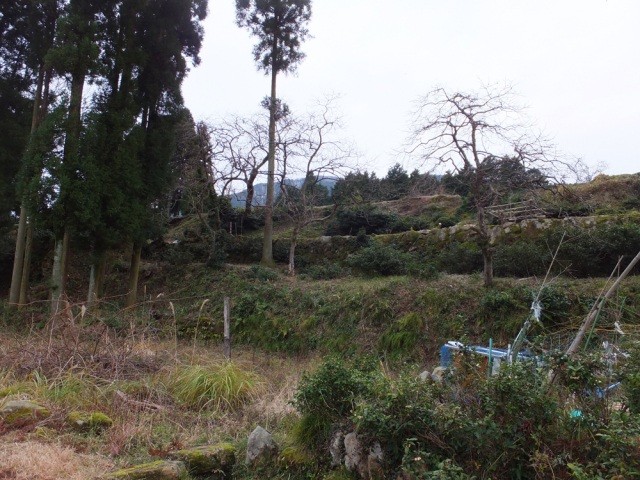
Hikida Castle Ruins
This flatland castle was built on the hills behind the settlement in southwestern Hikita (elevation approx. 100m). It is said to have been constructed during the Bunmei era (1469–87) by Kubo Hikita, a vassal of the Asakura clan and Lord of Ts…
- Wakasa
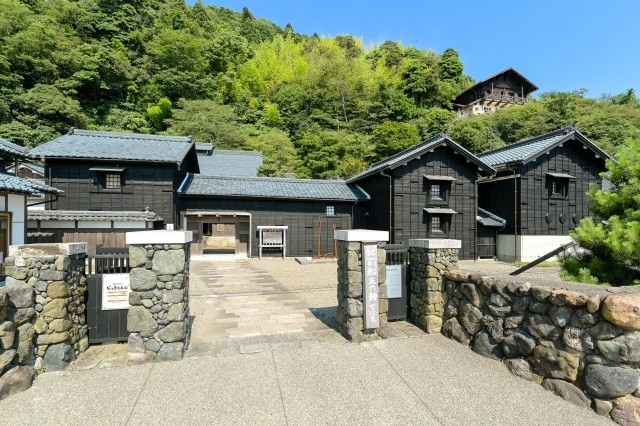
Ukonke Museum (Kitamaebune Archives Center)
The Ukonke Museum (Kitamaebune Archives Center) teaches visitors about the Kitamaebune trading ships that once traveled along the Sea of Japan coast. Mikuni was once a major port for these ships. This museum was originally the house of the wealthy …
- Tannan
Shogakuji Temple
This Jodo-shu temple is a major temple with five sub-temples. It stands on the site of the former Shinshokoji Castle, built during the Nanbokucho period of 1336-1392 by Shiba (Ashikaga) Takatsune, the provincial governor of Echizen Province (presen…
- Tannan
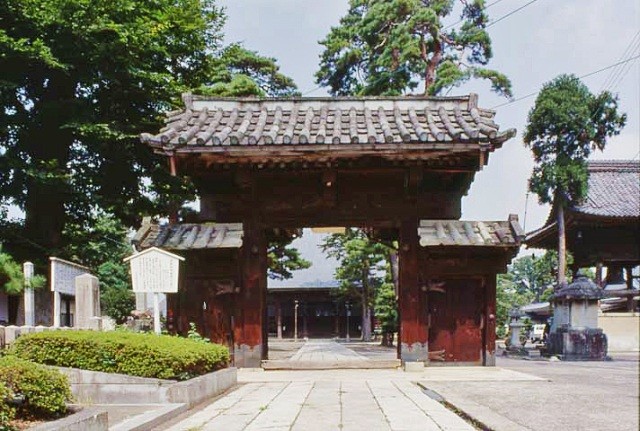
Shinmei Shrine (Kamisoja)
Shinmei Shrine is also known as Kamisoja Shrine.During the Edo period, this site was known as a place for bowing in worship (fushio-gami) and was a spot for distant worship of Mount Hino, which was revered as the Mt. Fuji of Echizen (present-day no…
- Tannan
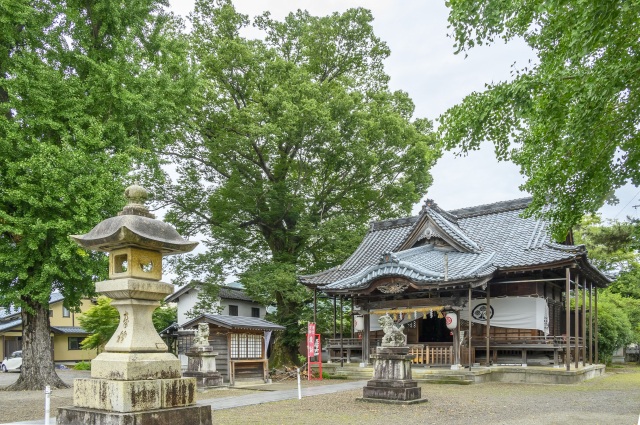
Ebisu Shrine (Sube Shrine)
Built during the Nara period (710-794 CE), this shrine is known as "Wakasa Ebisu." It attracts many worshippers from within and outside the prefecture as a deity of prosperous business, fishing, and the guardian of children. Its vermilion…
- Wakasa
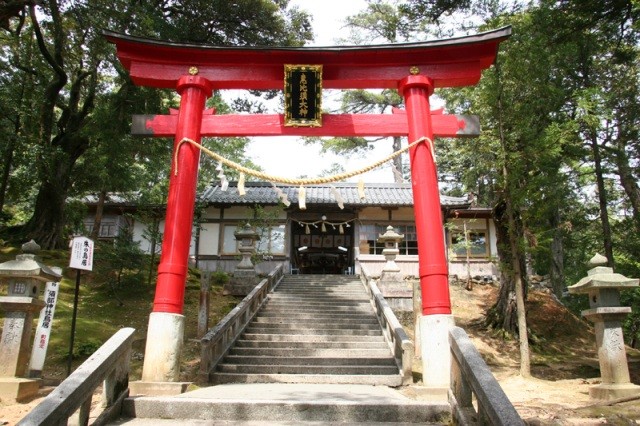
Daibutsuji Mountain
Elevation 807m. The trail along the ridge from Yoshimine Temple, passing through Daibutsu-ji Mountain, and reaching the Head Temple Eiheiji is affectionately known as the "Ancestral Footsteps Course," as it is said to be the path Zen Mast…
- Eiheiji, Okuetsu
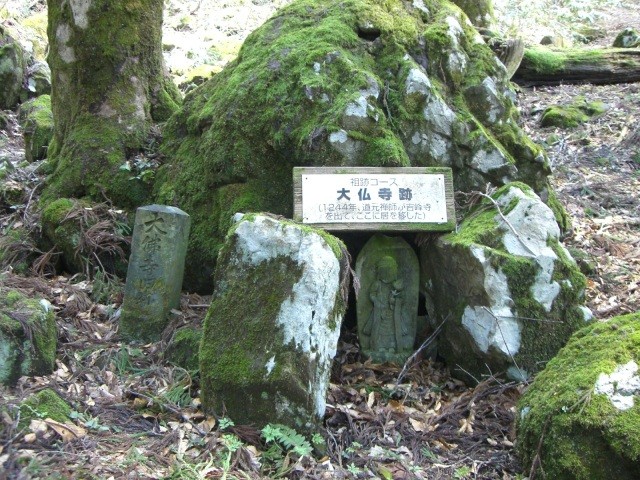
Tangando
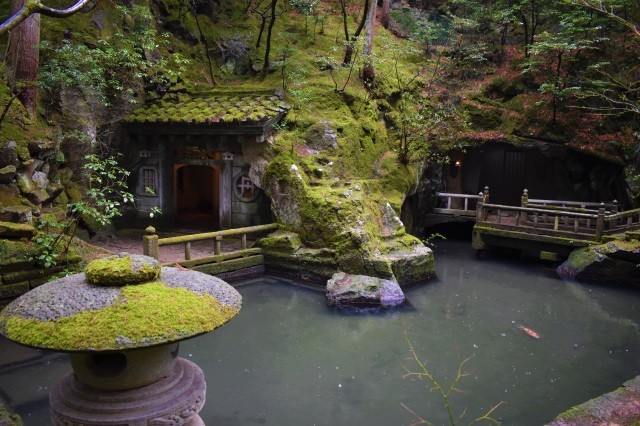
Away from the hustle and bustle, the hermitage and garden retain the atmosphere of the end of the Edo period (1603-1868).This hermitage was built as a villa by Zuian Yamamoto, a doctor of the Fukui domain, in 1846 in the late Edo period. The feudal…
- Awara,Sakai,Fukui
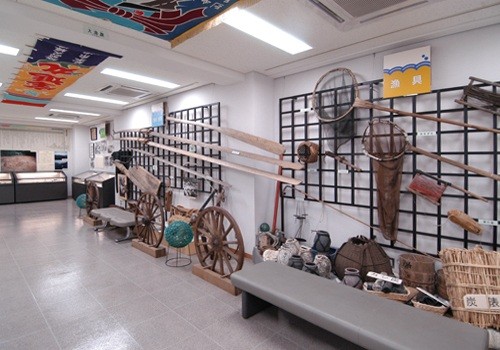
History and Culture Exchange Hall
Located next to the Kitamaebune Shipowner's Residence and the Ukon Family Residence, you can learn about a part of the history of the Kono district.
- Tannan
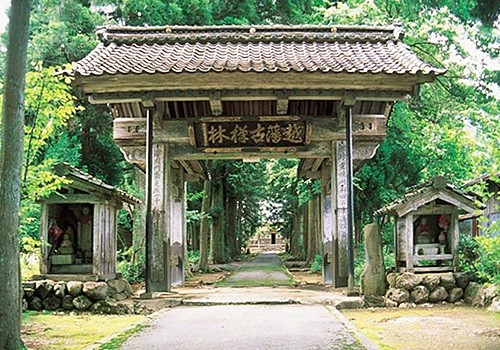
Jigenji Temple
Founded in the first year of the Jiaqing era by Zen Master Tenshin Jisei, the principal image is the Eleven-Faced Kannon Bodhisattva. In its heyday, it boasted over 1,200 branch temples. Legend has it that a single bean sprouted into a towering tre…
- Tannan
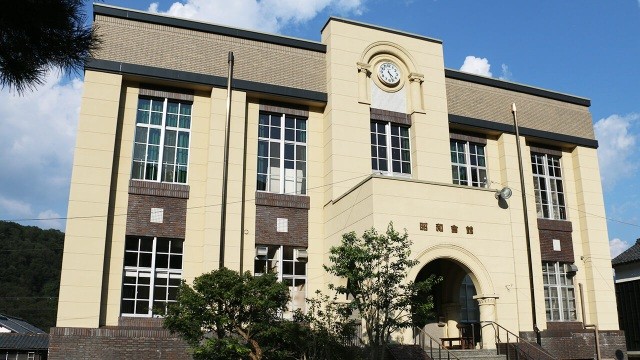
Showa Hall
In 1930, Mr. Tanaka Kazukichi invested his personal fortune to build the Showa Kaikan at the site of the former Waki-honjin post station as a center for social education. This three-story reinforced concrete building, groundbreaking for its time, s…
- Tannan
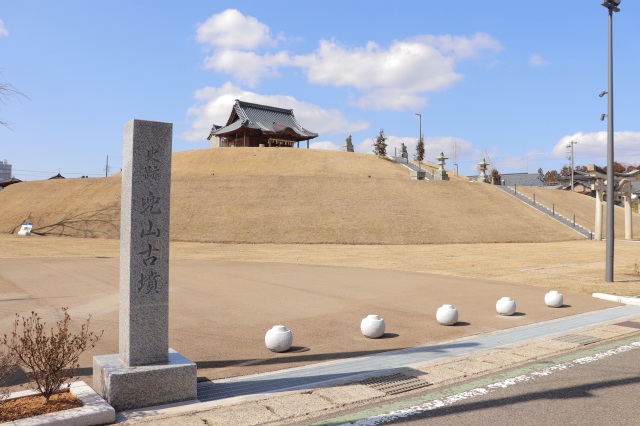
Kabutoyama Kofun
Located on the Sabae Plateau, this circular burial mound stands approximately 8 meters tall with a double-tiered structure and is surrounded by a moat. It is one of the largest in the Hokuriku region and is designated as a National Historic Site.
- Tannan
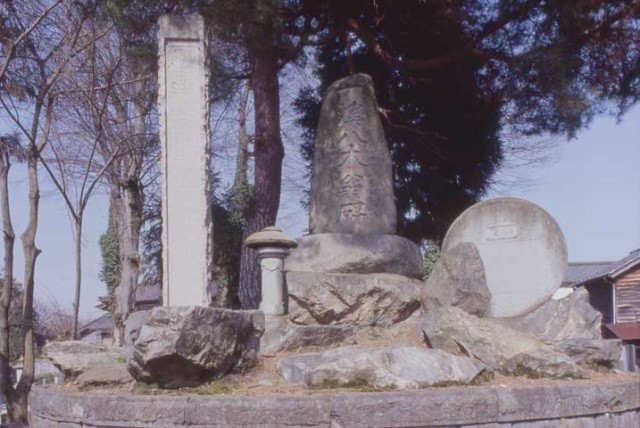
Myōkōji Temple
According to records of the Nichiren sect, the temple was founded in 1464. Its founder was Nichin, a Nichiren priest who authored the Treatise on Establishing the Correct Teaching for the Governance of the Nation. However, it was actually Kuwano-ya…
- Tannan
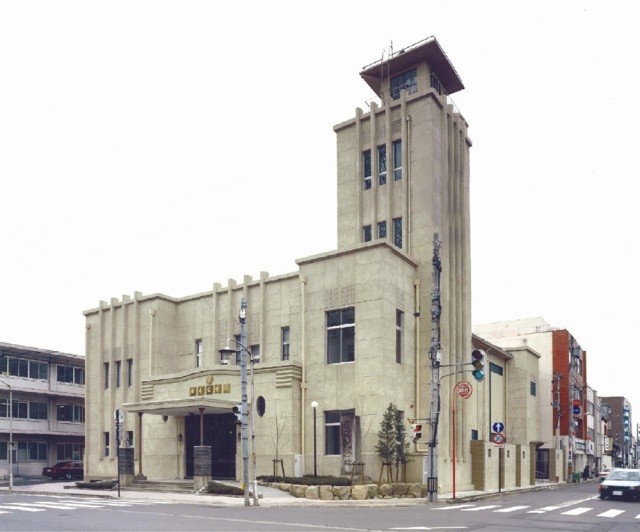
Takeshi Public Hall Memorial Museum, Echizen City
Completed in 1929, the Takefu Public Hall is a representative Western-style building from the early Showa period. It served as the town hall (city hall) from 1934 to 1955, and subsequently as a public hall, truly becoming a symbolic building for Ta…
- Tannan
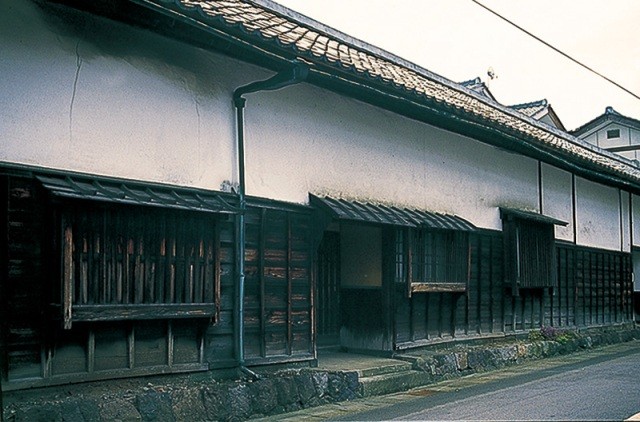
Sabae Domain Senior Councilor Ueda Family Gatehouse
The long gate of the Ueda family, who served as senior retainers of the Sabae domain for generations, still conveys the atmosphere of the domain's townscape from that era. At that time, senior samurai were permitted to have front gates, and since p…
- Tannan
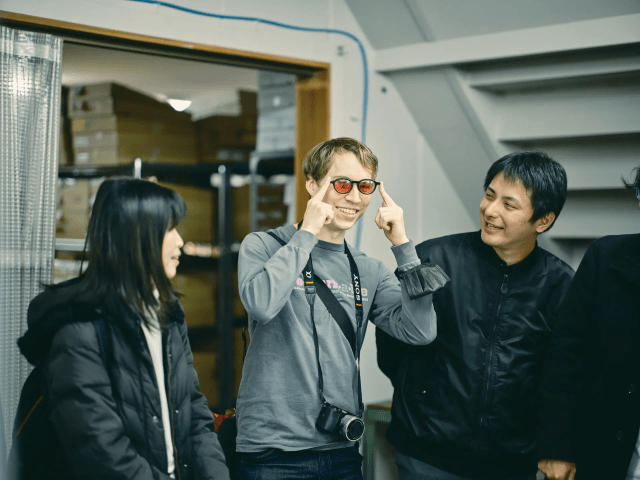
Create your own sunglasses from a selection of approximate…
Highlights Inui Lens specializes in sunglass lenses. It is also a company dedicated to protecting eyes from harmful elements like ultraviolet rays, which can cause eye diseases. Experience creating safe and secure sunglasses—something only Inui Len…
- Tannan