Attractions
Area
Category
Preferences
Distance
- Sort
- Most Popular
- Last Updated
- Nearest
- Layout
- List view
- Grid view
- Map view
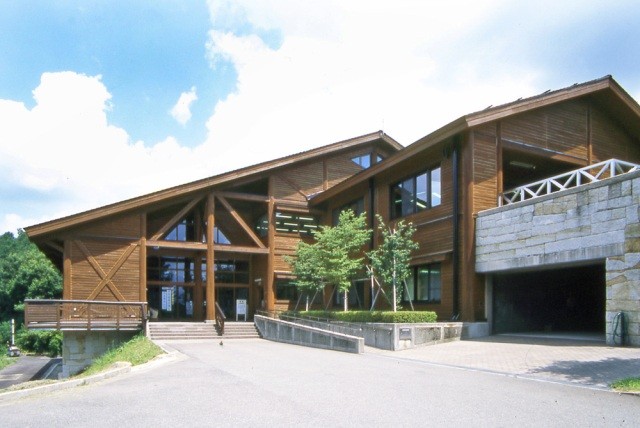
Fukui Prefecture Nature Conservation Center
The main building and observation building are located within the approximately 28-hectare Nature Observation Forest.The main building houses an exhibition hall that clearly displays Fukui's nature, along with a lecture hall and a reference roo…
- Eiheiji, Okuetsu
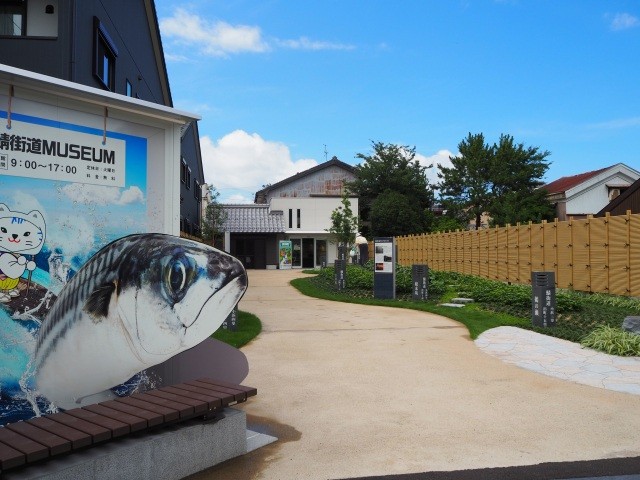
Saba Kaido Museum
Opened March 8, 2020. This Japan Heritage Guidance Facility introduces cultural properties and festivals in Obama City, including the Japan Heritage site "Saba Kaido" (Mackerel Highway) and another Japan Heritage site, "Kitamae-sen P…
- Wakasa
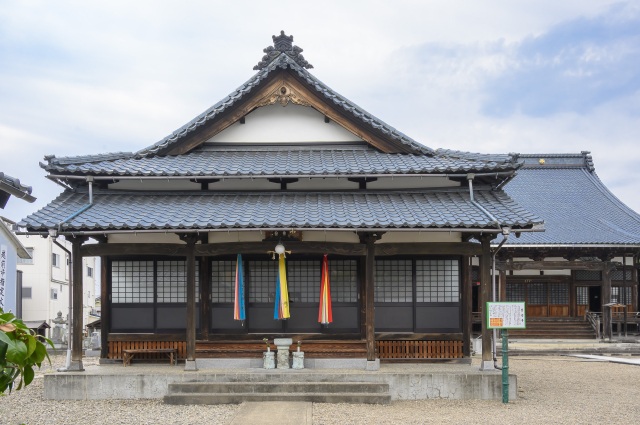
Soanji Temple
Founded during the Yoro era (717-724) of the Nara period by the great master Taicho, this Tendai sect temple was originally located in Nojiri, Ikeda Town. It was relocated to its present site in Fuchu, Echizen, in 1533 (Tensho 2) by order of the As…
- Tannan
Jomon Roman Park
Jomon Roman Park offers an experience of ancient romance. The Wakasa Mikata Jomon Museum, housed in a building designed to resemble the belly of a clay figurine, displays artifacts excavated from Jomon-period (ca. 14000-1000 BCE) sites, including d…
- Wakasa
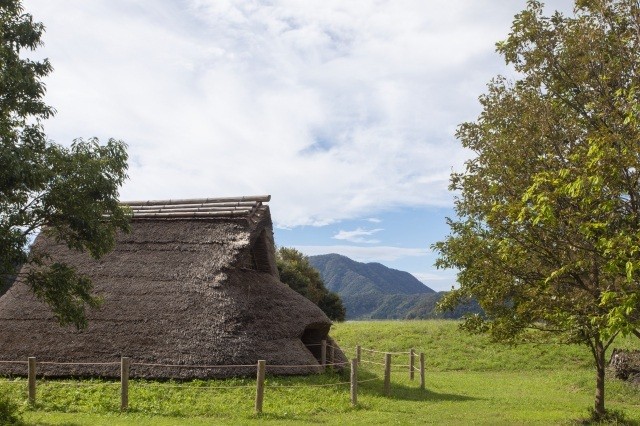
Suibun Shrine
According to legend, when a nun bathed in the water due to the extreme heat, the spring dried up. Following an oracle stating "If you wrestle, water will flow," sumo matches were held, and water gushed forth. To this day, an annual sumo t…
- Awara,Sakai,Fukui
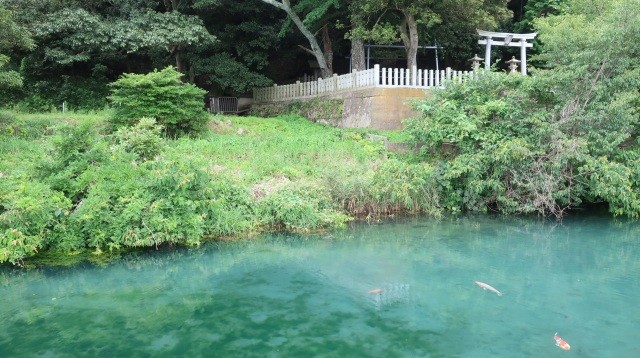
Ōtani-ji Daichō-in
Founded by the great monk Taichō, this site is said to have flourished greatly from the late Heian period through the Kamakura period. The stone nine-story pagoda, designated a National Important Cultural Property, stands at the foot of the mountai…
- Tannan
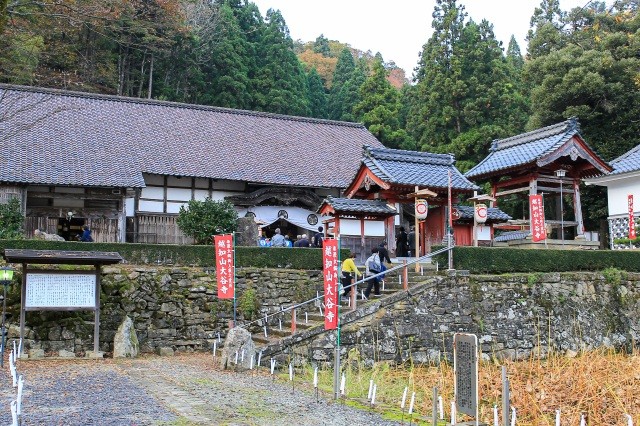
Yoshizaki Temple Memorial Hall of Rennyo Shonin
Japan's only museum dedicated to cultural artifacts themed around Rennyo, cleansing both mind and body. Featuring a popular special exhibition, a museum shop selling Kyoto souvenirs, and the opportunity to float "Rennyo's Happiness Charms" down the…
- Awara,Sakai,Fukui
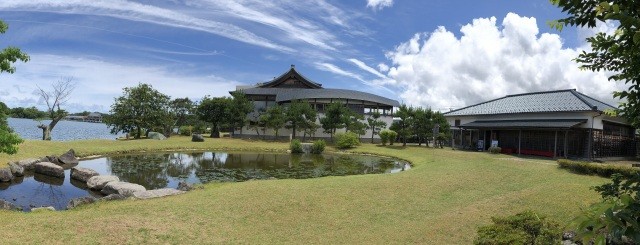
Ishida Shima Handwoven Textile Center (Sabae City Textile …
Ishida Shima, the roots of Fukui's textile kingdom, flourished as a cotton cloth production area from the late Edo period through the Taisho era. To help visitors rediscover its appeal, the center offers Ishida Shima hand-weaving experiences and di…
- Tannan
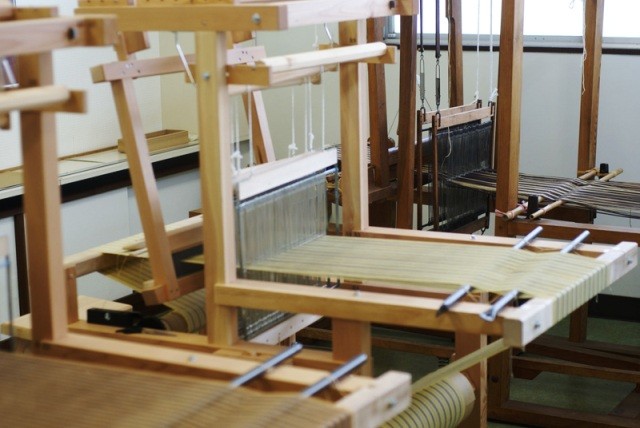
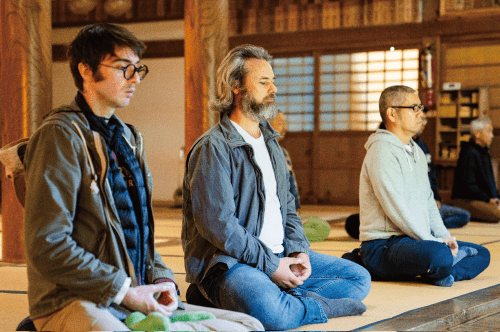
Zabuton Making & Zen Experience
This Zen program in Fukui Prefecture, the birthplace of Soto Zen Buddhism, maximizes cultural elements. Using fabric and thread discarded during the manufacturing process at a local textile company, participants create zafu meditation cushions. Thi…
- Wakasa
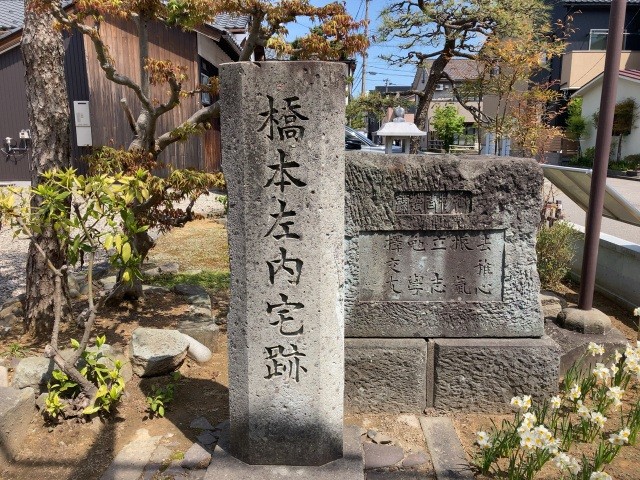
Site of Hashimoto Sainai's Residence
Hashimoto Sainai, a samurai of the Fukui domain during the Bakumatsu period, was promoted by Matsudaira Shungaku, the 16th lord of the Fukui domain, and played an active role. However, he met an untimely death at the young age of 26 due to the Anse…
- Awara,Sakai,Fukui
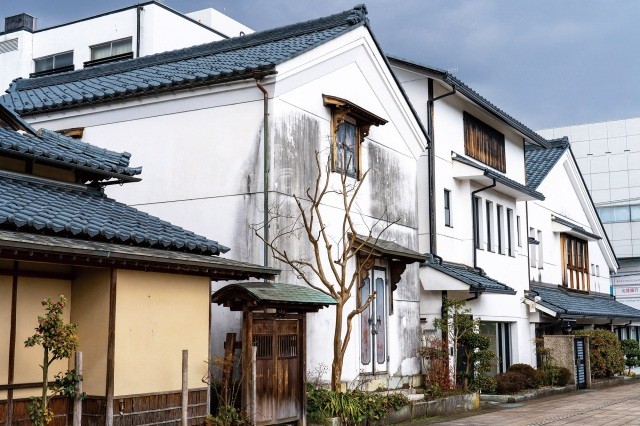
Kura no Tsuji
Diagonally across from Soja Grand Shrine lies a stylish corner known as "Kura no Tsuji," lined with white-walled storehouses. Since the Edo period, this area flourished as a transit hub for goods traveling from Kansai to the Hokuriku region, with m…
- Tannan
Shinchoji Temple
Established in Ichijōdani in 1533 by Asakura Takakage, a devotee of Dōchiku, this is a temple of the Tendai Shinshū sect. It is said to have been relocated here after the fall of the Asakura clan.
- Tannan
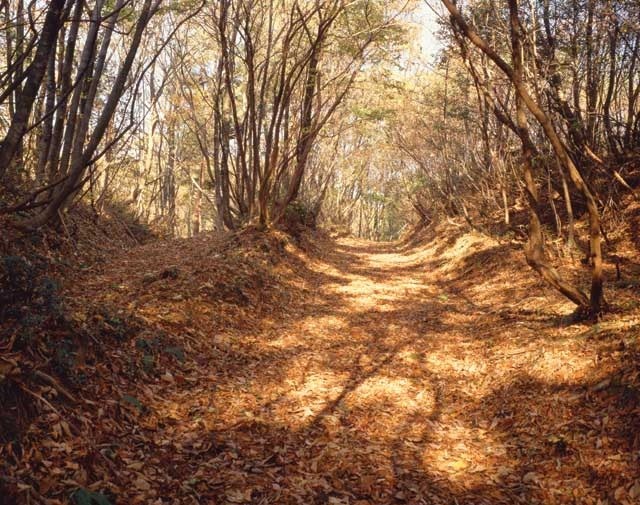
Fuchu Horse-Hire Road
From Takefu, where the provincial capital was located, one had to cross rugged mountains to reach the capital. However, crossing the lower mountains west of Takefu led to Minami-Echizen Town, from where it was relatively easy to reach Tsuruga by bo…
- Tannan
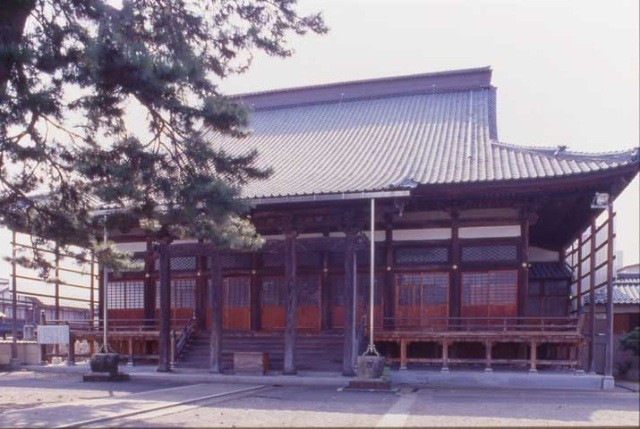
Enkyūji Temple
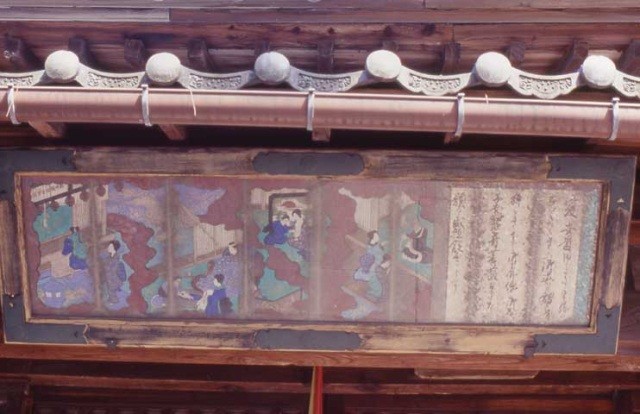
An ancient temple with a thousand-year history. In 1472, under the teachings of Rennyo Shonin, it converted from the Tendai sect to Jodo Shinshu. In 1575, during Oda Nobunaga's campaign against the Echizen Ikkō uprising, Enkyūji's chief priest Ryok…
- Tannan
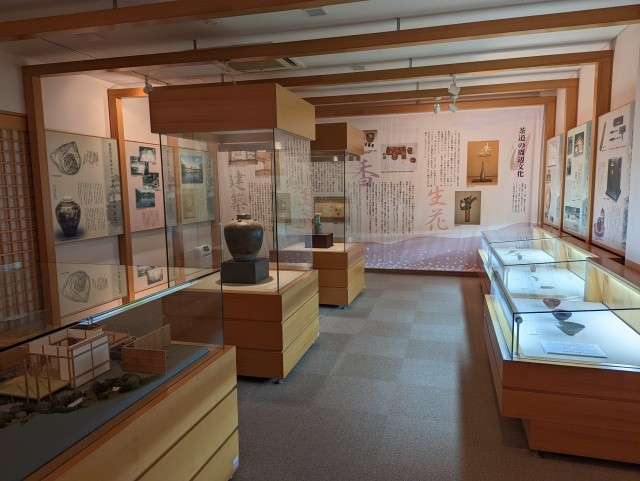
Fukui City Atagozaka Tea Ceremony Art Museum
This exhibition clearly introduces the history of tea ceremony in Fukui City through four sections: an overview of tea ceremony history using a chronological table; the tea ceremony of the Warring States period revealed by research at the Asakura C…
- Awara,Sakai,Fukui
Unose Park Museum
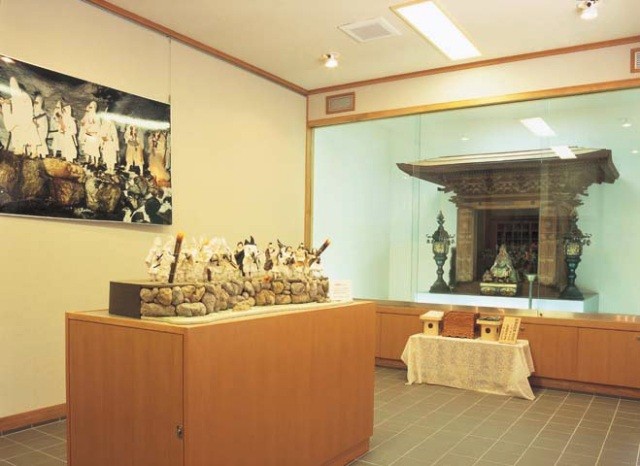
Wooden single-story building, 129.52 m². The exhibition room displays panels about the O-mizuokuri ritual, washi paper dolls, and the principal image of the ascetic practitioners' association. The Japanese-style room can be used for workshops, meet…
- Wakasa
Goshoen
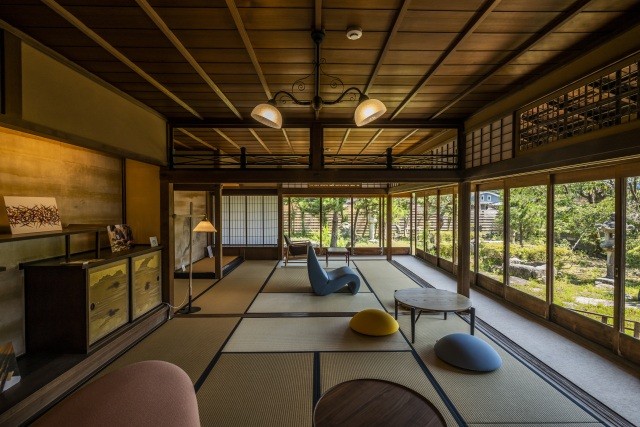
Goshoen: Your Second Home, a Bridge to Obama Goshoen is a prefecturally designated tangible cultural property known as the "Former Furukawa-ya Villa," originally built by the Furukawa family, who made their fortune through Kitamae ships, …
- Wakasa
Chōenji Temple
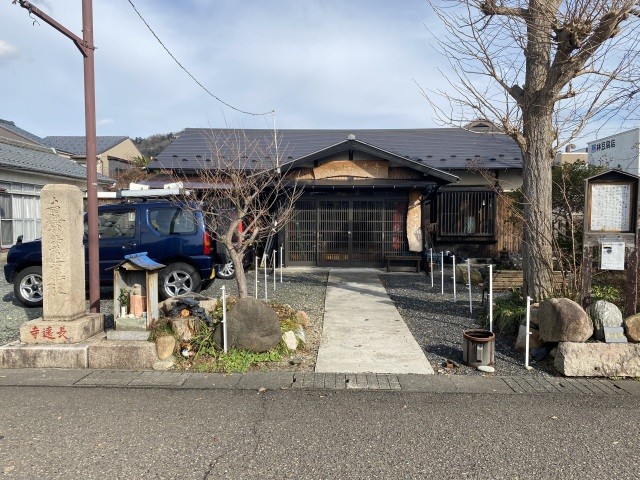
An independent temple. This temple was one of three where the Mito Tengu Party was held immediately after their surrender, housing 90 members of the group. Their treatment at the temple was generous, but after being handed over to the shogunate, th…
- Wakasa
Kohama Townscape Preservation Museum
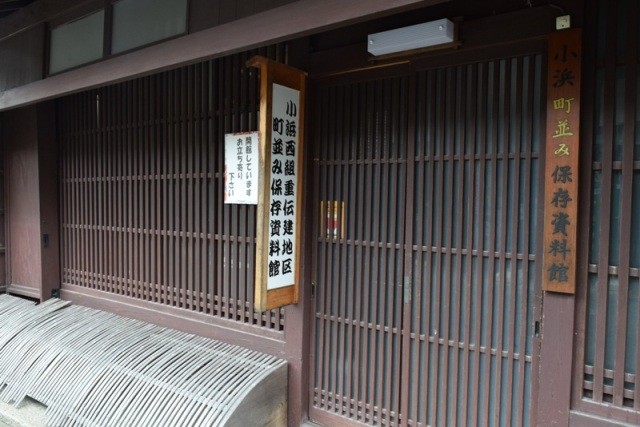
In June 2008, the Kobanishi District, an area preserving its traditional townscape, was designated as a National Important Preservation District for Groups of Traditional Buildings. This museum is a traditional Kyoto-style machiya townhouse built d…
- Wakasa
Jōkōji Temple
The second daughter of the Asai sisters, Ohatsu (Jōkō-in), built this temple to mourn her husband Kyōgoku Takatsugu. She invited Zen Master Shūko of the Enjō school, a native of Obama, to serve as the founding priest. Ohatsu is also historically no…
- Wakasa