Attractions
Area
Category
Preferences
Distance
- Sort
- Most Popular
- Last Updated
- Nearest
- Layout
- List view
- Grid view
- Map view
Ooi Town Information Intersection Portal
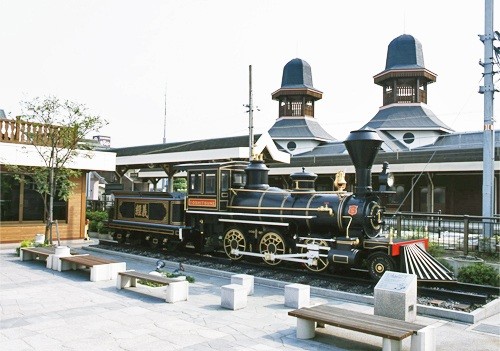
Along National Route 27, "Portal" welcomes visitors with the full-scale SL Yoshitsune locomotive that ran at the Osaka Flower Expo. Inside, a panoramic model train delightfully moves around, drawing children's attention.
- Wakasa
Hagaji Temple
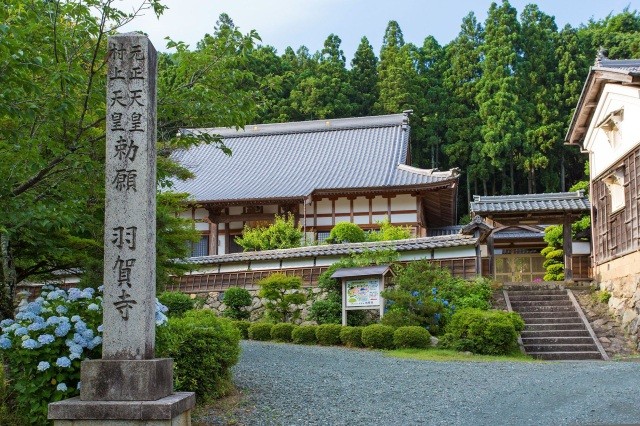
Among the many Buddhas, the wooden standing statue of the Eleven-Faced Kannon Bodhisattva at Haga Temple in Obama (height 146.4 cm, early Heian period, Important Cultural Property) is particularly beautiful. It is said to be modeled after Empress G…
- Wakasa
Tadaji Temple
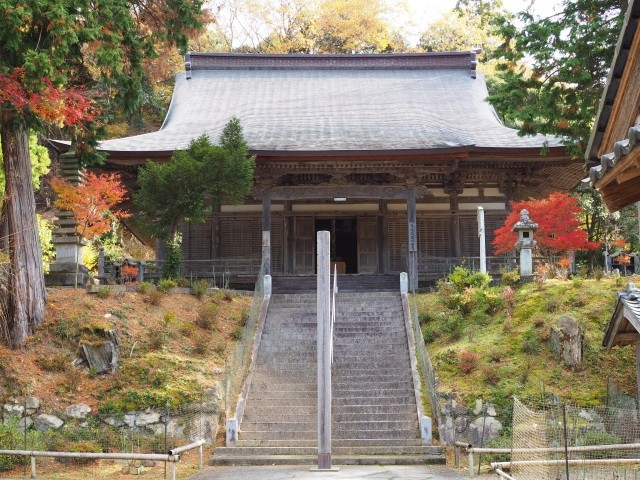
The main hall of Tada-ji enshrines the principal image of Yakushi Nyorai, renowned for its miraculous healing power against eye ailments. Flanking it are the Eleven-Faced Kannon, also called the Mona Lisa of Wakasa, and the Heian-period Sacred Kann…
- Wakasa
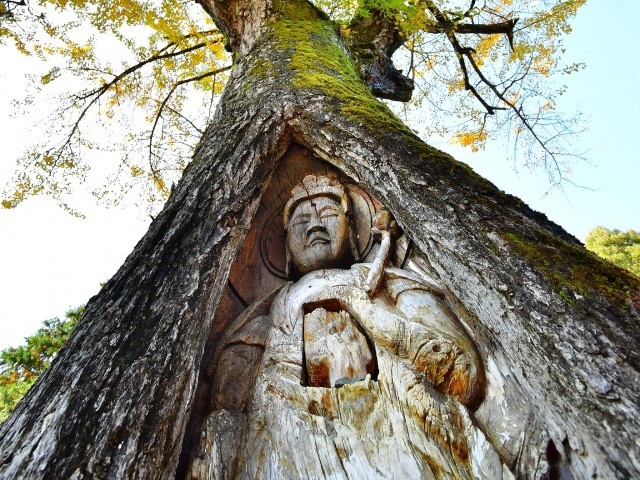
Ginkgo Kannon of Daionji Temple
This standing statue of the Eleven-Faced Kannon is carved into a ginkgo tree, estimated to be about 450 years old, standing near the mountain gate of Jōtan-zan Taiō-ji Temple. Believed to save people from all kinds of suffering, it attracts local w…
- Wakasa
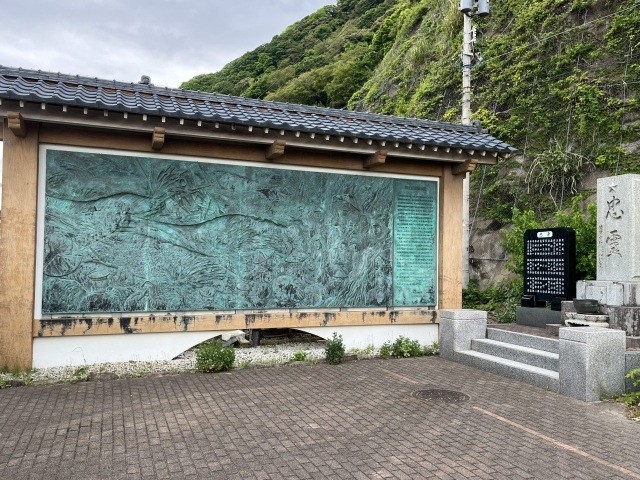
Special Mission Ship Kantō Disaster Memorial Park
The sea off Kono usually presents a calm and tranquil face. Yet long ago, a fierce storm struck these peaceful waters. Amid blinding snow and raging waves where visibility was zero, there were those who fought desperately to save lives. On December…
- Tannan
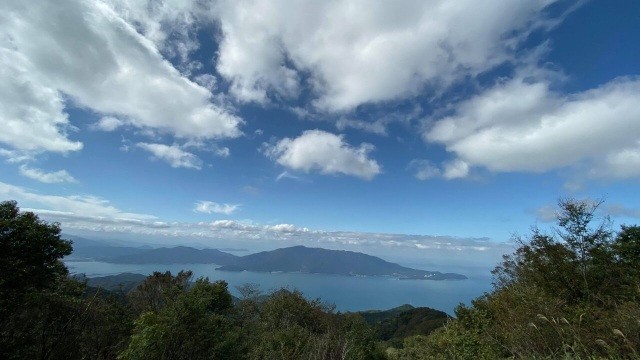
Mount Hachifusuyama
The area around Kinome Pass, which divides Fukui Prefecture into the northern and southern regions, is historically fascinating with many preserved historical sites. Today, Hachifusuyama features the Imajō 365 Ski Resort, making hiking to the summi…
- Tannan
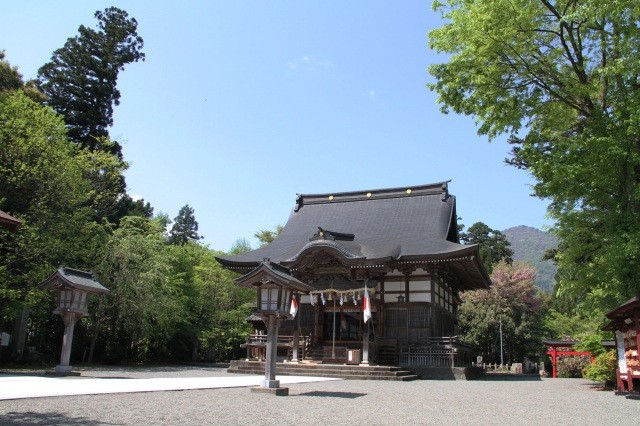
Shinozato Shrine
・A purifying pilgrimage experience at Shinozato Shrine, the sacred water sanctuary ・Learn about "The Sacred Spring of Shinozato Shrine"・Visit the Sacred Spring・Receive amulets and make wishes on votive plaques. (About Shinoza Shrine) An ancient…
- Eiheiji, Okuetsu
Zazen (Zen Meditation) Experience
Daisho-ji Temple is one of the few head temples of the Kennin-ji branch of the Rinzai school in the Wakasa region. Set in a quiet, nature-rich setting, the temple offers zazen meditation experiences. Visitors can also attend a sermon by the head pr…
- Wakasa

Kurodani Kannon
Kokubuzan Busshoji Temple, famous for its Eleven-Faced Kannon statue, is said to be the oldest temple in Ono City, having been founded in 807. The temple is home to a "stroking Buddha" statue, commonly known as "Obinzuru-san." I…
- Eiheiji, Okuetsu
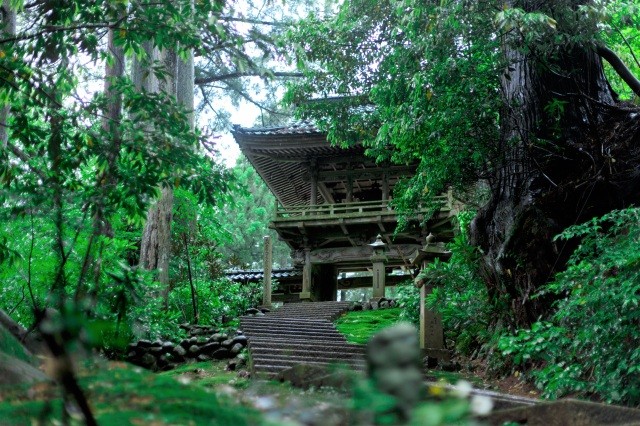
Hakusan Shrine (Ikeda Town)
Shizuhara Village's Shirayama Shrine stands quietly, with ancient cedar and zelkova trees of unknown age standing side by side before its torii gate. Until the late Edo period, Noh plays were dedicated here, and many ancient Noh masks, costumes, an…
- Tannan
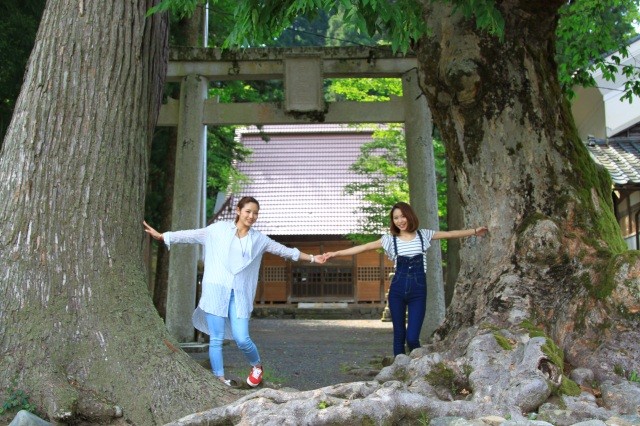
Jizō Bridge
Once located along the old Hokuriku Highway by a river, it served as a bridge to aid travelers passing by. Legend has it that a Jizo statue, destroyed during Oda Nobunaga's invasion of Echizen, appeared in a monk's dream, instructing him to build a…
- Tannan
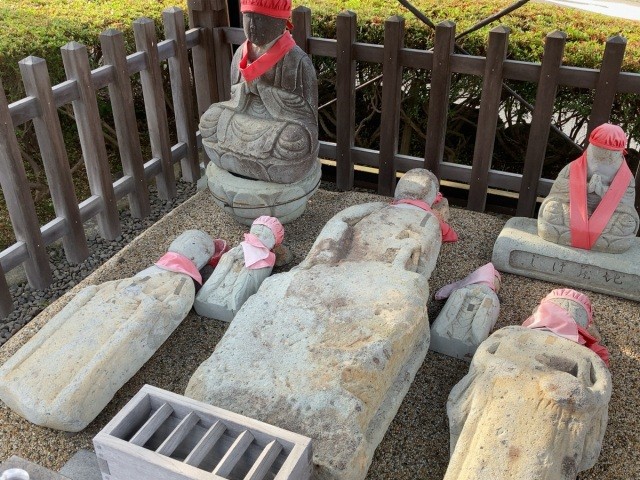
Goryo Shrine
The enshrined deity is Prince Sawara, the son of Emperor Kanmu. It is said that an imperial edict was issued to provincial governors nationwide to establish Goryo Shrines to appease the vengeful spirit of Prince Sawara, who was caught up in politic…
- Tannan
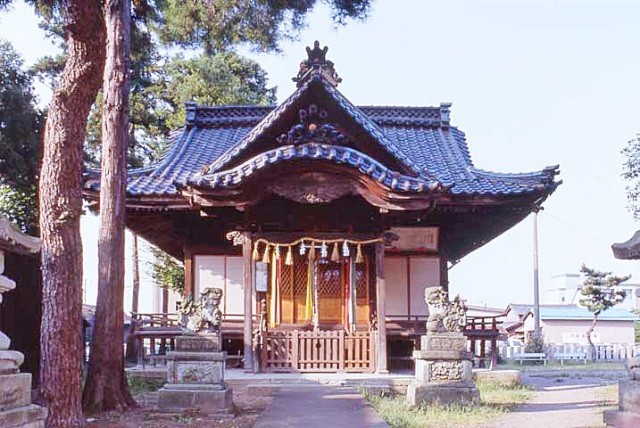
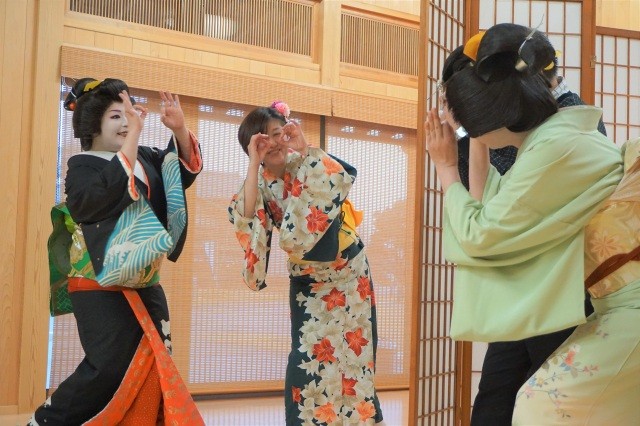
Interact with Geisha and Experience Traditional Entertainm…
After enjoying the songs and dances of the Ashihara geisha, you can casually experience drumming and traditional parlor games like "Toratora" and "Konpira Funabune." Finally, take a commemorative photo with the Ashihara geisha to cherish as a trave…
- Awara,Sakai,Fukui
Shion-in Temple
The Wakasa Kannon Pilgrimage consists of 33 sites. Shion-in Temple is the 28th temple on this pilgrimage route, an ancient temple housing a sacred Kannon statue of the Rinzai sect. The 33 Kannon statues enshrined within the temple buildings were pl…
- Wakasa
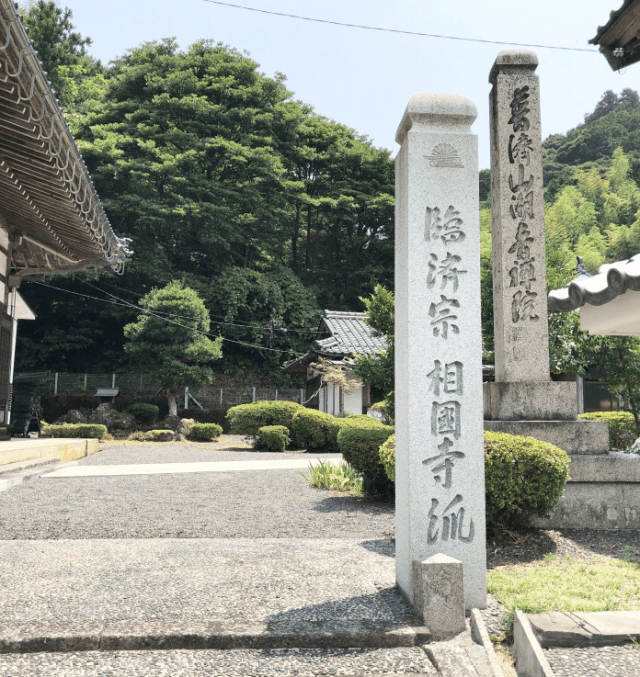
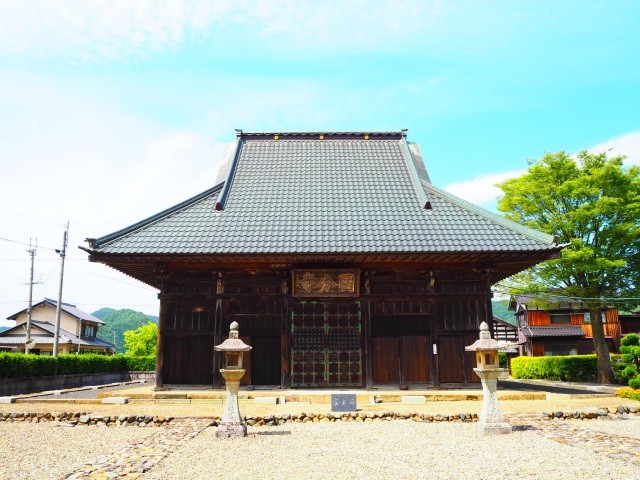
Kokubunji (Obama City)
Wakasa Kokubunji Temple is one of the provincial temples established nationwide during the Nara period by imperial decree of Emperor Shōmu and is designated as a national historic site. The Shakado Hall houses a large seated statue of Shaka Nyorai,…
- Wakasa
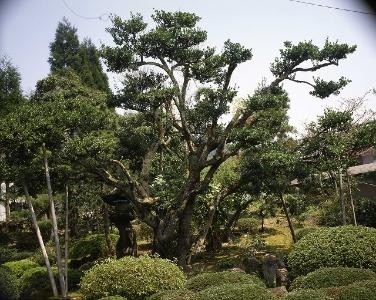
The Holly of the Saito Juro Family
Saito Bettei Sanemori, a Heike commander who fought against the Minamoto forces led by Kiso Yoshizane during the Genpei War, is said to have planted this holly in his family home's garden when he returned to his hometown for the first time in many …
- Tannan
House of Learning
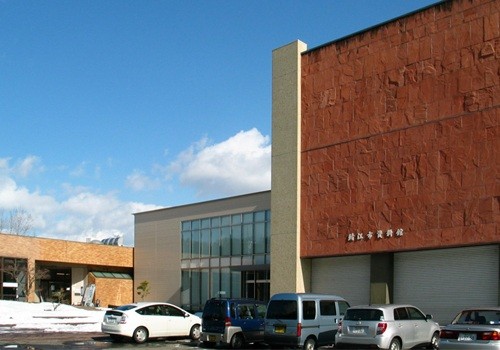
In addition to works by animation artist Kuri Yōji and Western-style painter Shinichi Nishiyama, the museum features a permanent exhibition room where visitors can learn about Sabae's transformation and history from ancient times to the early moder…
- Tannan
COCONO Art Place
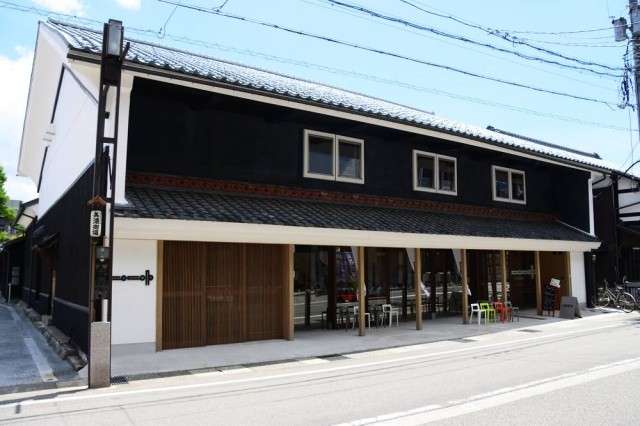
A cultural and arts facility renovated from an old folk house built in the late Meiji period. It displays paintings and other works owned by citizens, and also features a cafe and shop.
- Eiheiji, Okuetsu
Mankei-ji Temple
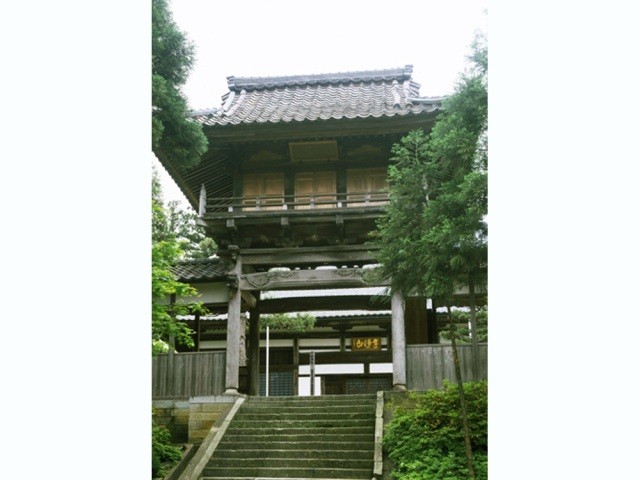
A direct branch temple of Eiheiji, the head temple of the Soto Zen sect, and the family temple of the Sabae domain lords, the Kanbe clan. The ceiling ink paintings "Wind God," "Dragon God," and "Thunder God," painted by the 7th domain lord, Kanbe A…
- Tannan
Kagura Wooden Tablet Pilgrimage
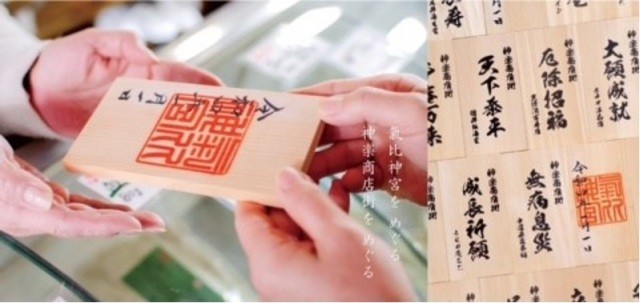
Exploring Kibijingu Shrine Exploring Kagura Shopping StreetAt Kagura-cho 1-chome Shopping Street, located before the large torii gate of Kibitsu Shrine, wooden plaques (¥700 each) inscribed with words connected to each shop are available. They are …
- Wakasa