Attractions
Area
Category
Preferences
Distance
- Sort
- Most Popular
- Last Updated
- Nearest
- Layout
- List view
- Grid view
- Map view
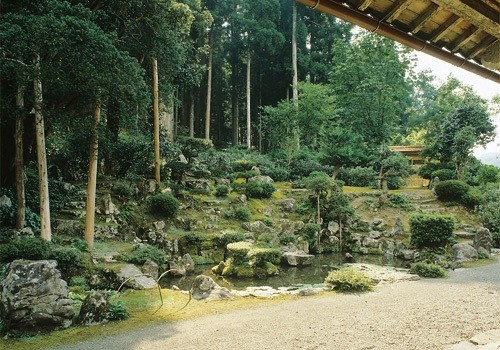
Umeda Family Garden
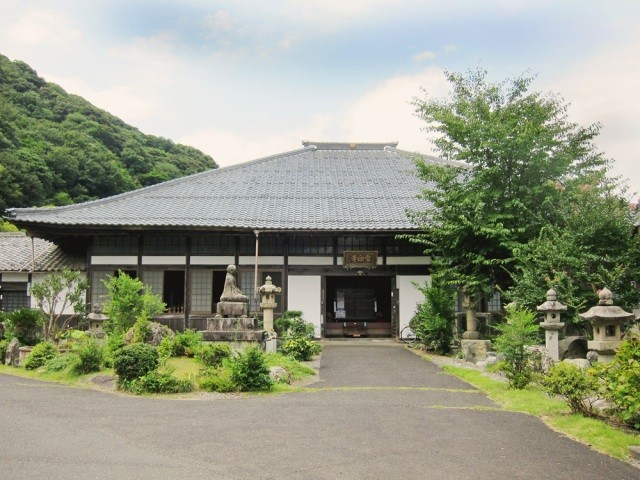
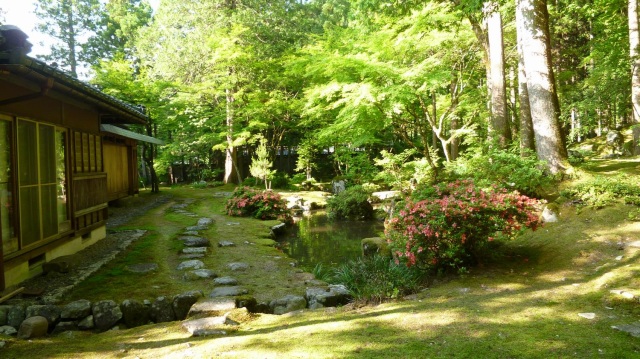
This garden is a “pond-viewing style landscape garden” that once belonged to the residence of the Umeda clan, a powerful local family in Ikeda Village. Descended from Taira no Yorimori, the Umeda family settled in this area following th…
- Tannan
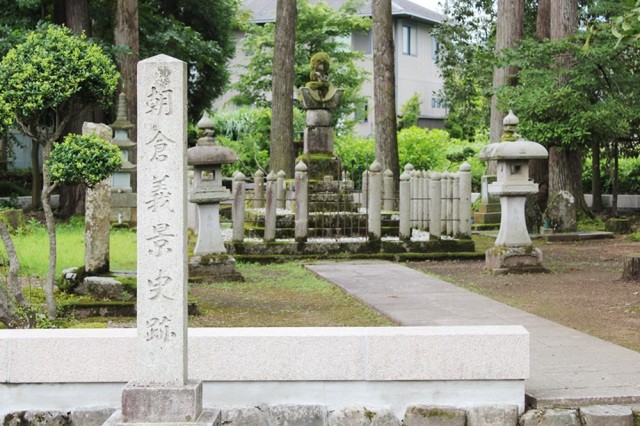
The Tomb of Yoshikage Asakura
Located within Yoshikage Park, the area is also famous as a prime spot for cherry blossoms. The Asakura clan flourished for 103 years across five generations, from the Muromachi period through the age of civil war. Yoshikage, the shugo daimyo of Ec…
- Eiheiji, Okuetsu
Kamo Shrine
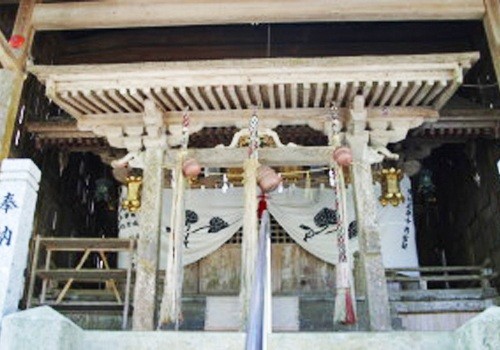
Kamo Shrine is located in Nata-sho, Ooi Town. It is said to have been established in 1348 (the 4th year of the Jōwa era), and records indicate it underwent renovations around the middle of the Edo period. Unique folk customs not seen elsewhere are …
- Wakasa
Reisenji Temple
Walking along the approach lined with tall, straight cedar trees, a tall, slender building comes into view on the left. Inside stands a large, black-lacquered wooden Buddha statue, approximately 8 meters tall.It is one of the Three Great Buddhas of…
- Tannan
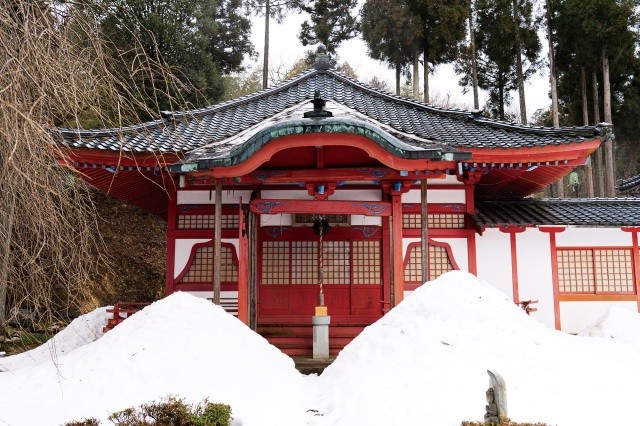
Mido Yoganji Temple
Established in 1484 (Bunmei 16) by Zenchin Shonin, a senior disciple of Rennyo Shonin of Honganji (and head priest of Goshakuji, the head temple of the Shinnyo-shu Izumoji sect), the temple name "Yoganji" was bestowed by Rennyo Shonin him…
- Tannan
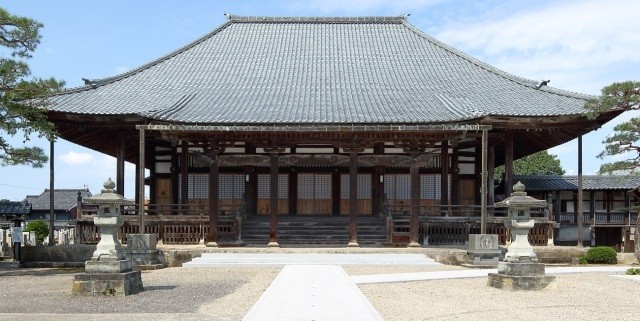
Oshio Hachimangu Shrine
In 887, Chūnagon Nariyuki, exiled to Echizen (present-day northern Fukui Prefecture), prayed here continuously to clear his name of false charges. Soon after, he was pardoned and returned to the capital. Grateful, he built the shrine hall, which is…
- Tannan
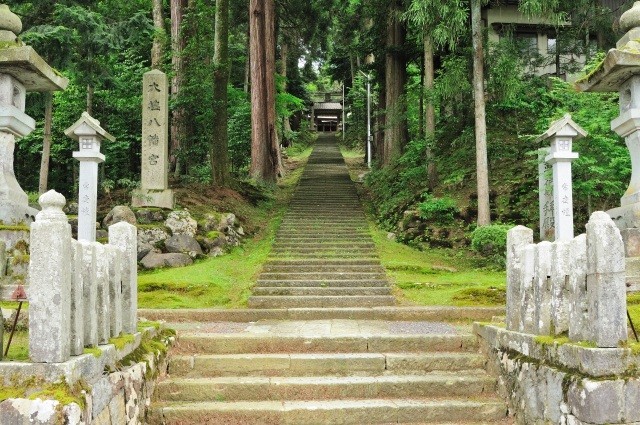
Tentokuji Temple
This temple of the Koyasan Shingon sect is said to have been founded by the great master Taichō. In the early Heian period (794-1185), it became an imperial temple commissioned by Emperor Murakami, and its name is said to derive from the era name T…
- Wakasa
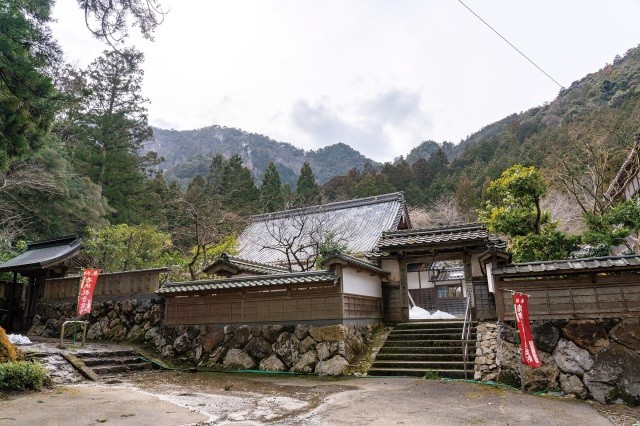
Ichijodani Asakura Family Site Museum
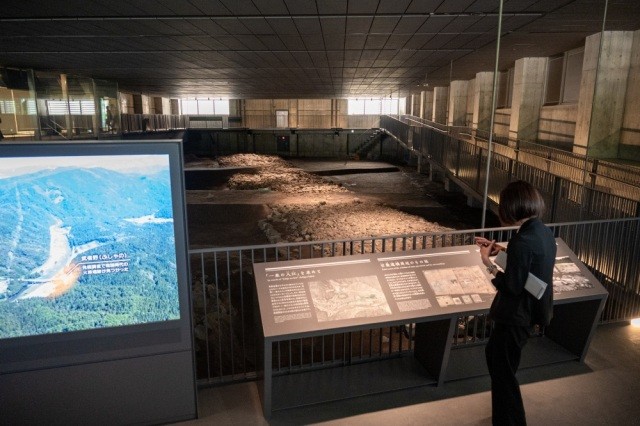
The Ichijodani Asakura Family Site Museum has opened, offering visitors the chance to learn about the full picture and historical value of the once-prosperous Asakura clan's Sengoku-period (the 'Warring States" period of Japanese histo…
- Awara,Sakai,Fukui
Fukui City Designated Cultural Property: Osagoe Folk House…
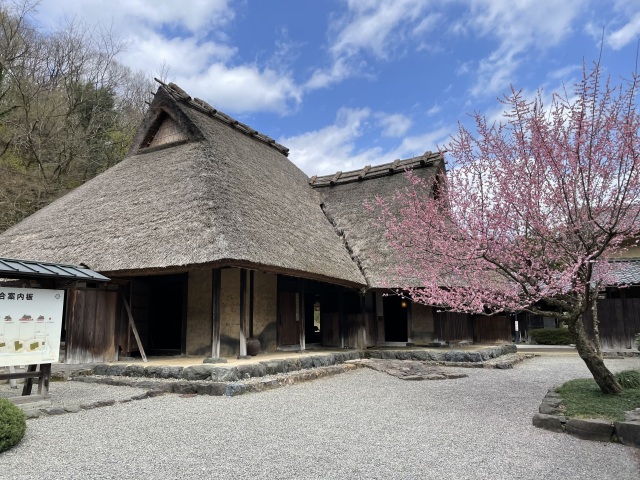
Osagoe Folk House Museum is a traditional village where visitors can glimpse the lives of Fukui's ancestors. Five representative old houses from around the 18th century—including those of wealthy farmers and village headmen—have been relocated and …
- Awara,Sakai,Fukui
Gokō Shrine
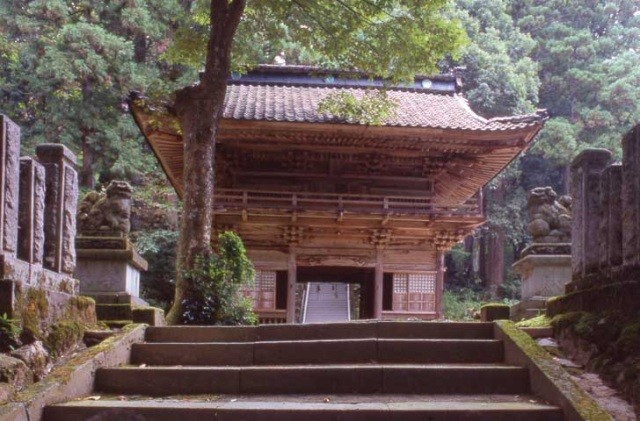
Gokō Shrine, with its magnificent sacred gate, enshrines the divine spirits of five generations: from Emperor Keitai and Emperor Ōjin down to Emperor Keitai's father, Prince Hikonozumi. The "Broom Festival" held on April 18th involves parishioners …
- Tannan
Uchibori Park
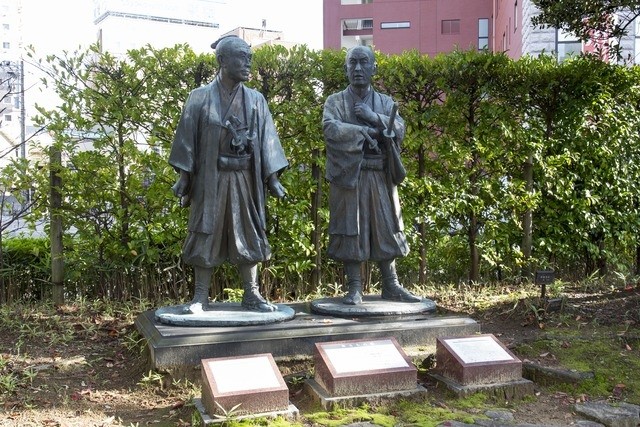
A small park beside the moat of Fukui Castle ruins. It features a restored diagram of the main keep, explanatory panels detailing the history of Fukui Castle town, and a statue depicting Yokoi Shōnan departing for Kyushu in the winter of 1858 for a…
- Awara,Sakai,Fukui
Ito Garden
This charming small garden was created based on garden design manuals popular during the Kyōhō era (1716–1735). It is an outstanding example of the Momoyama style, where visitors can appreciate the calculated beauty of nature—man-made hills, ponds,…
- Tannan
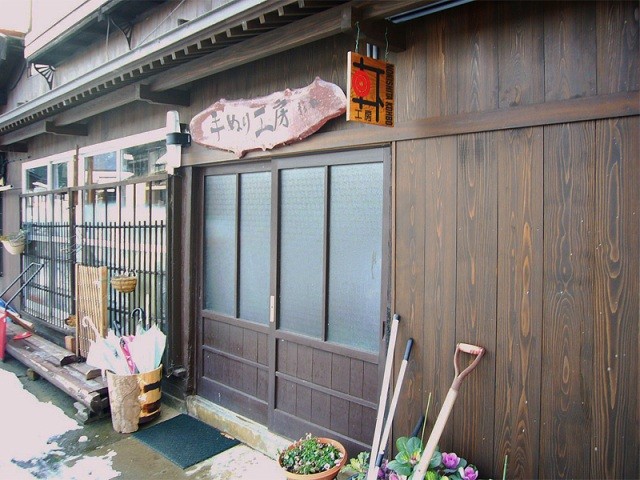
Eaves Workshop
Eaves Workshop is a group of Echizen lacquerware artisans inviting you to casually observe their crafting process. Through conversations with the artisans and tours of the manufacturing stages, we aim to transform each artisan's workshop into a pla…
- Tannan
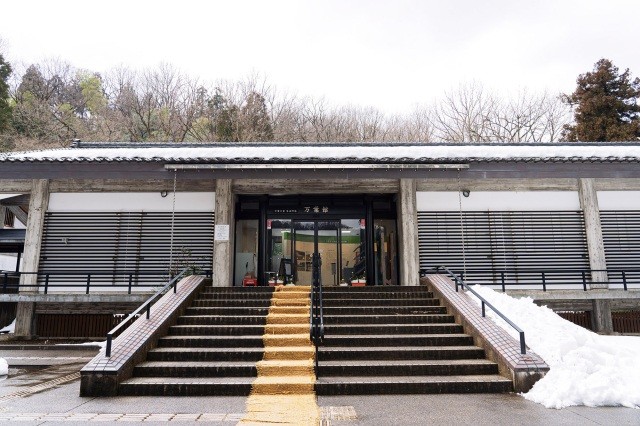
Manyo Village Ajinomonoen Museum Manyo Hall
Echizen City's Ajimano is known as the setting for the tragic love songs of Nakatomino Yakamori, exiled here from the Heijō capital, and Sano no Otogami no Otome, who longed for him in the capital. Additionally, Echizen City serves as the backdrop …
- Tannan
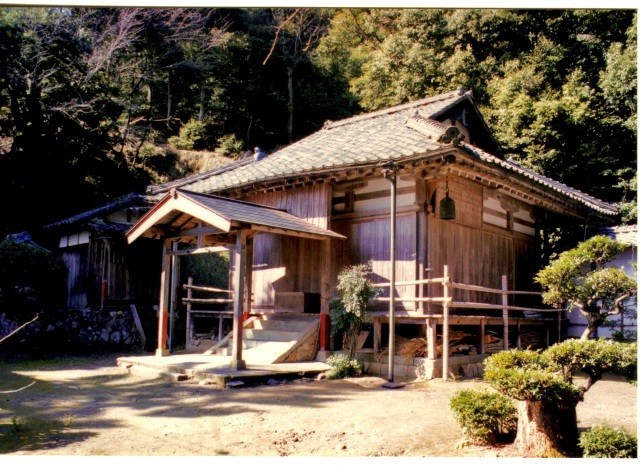
Suiseiji Temple
The principal image enshrined within the altar cabinet at Suisei-ji Temple is a standing statue of the Eleven-Faced Kannon Bodhisattva. Standing 99 cm tall, it is a yosegi-zukuri (joined wood) sculpture. Its elongated face, large, prominent feature…
- Wakasa
Site of Takeda Kōunsai's Honjin (Shinbo Jinya)
On December 11, 1864 (Genji 1), the Mito Tengu Party crossed Kinome Pass and arrived at Shinbo Village (present-day Shinbo, Tsuruga City), coming face-to-face with the Kaga Domain forces encamped in Habara Village (present-day Habara, Tsuruga City)…
- Wakasa
The Mountain Maple Trees of Mandokuji Temple
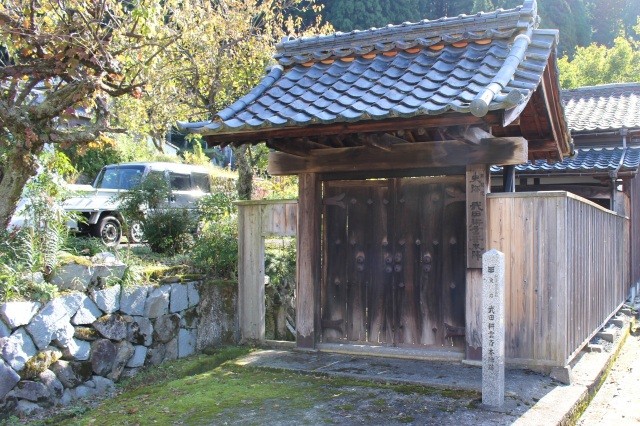
The crimson of the mountain maple leaves beautifully complements the dry landscape garden, soothing the eyes of visitors. The principal image, a wooden seated statue of Amida Nyorai, and the ink-on-silk painting of Miroku Bosatsu are truly worth se…
- Wakasa
Matsuki Shōkichi Art Memorial Museum and Local History Mus…
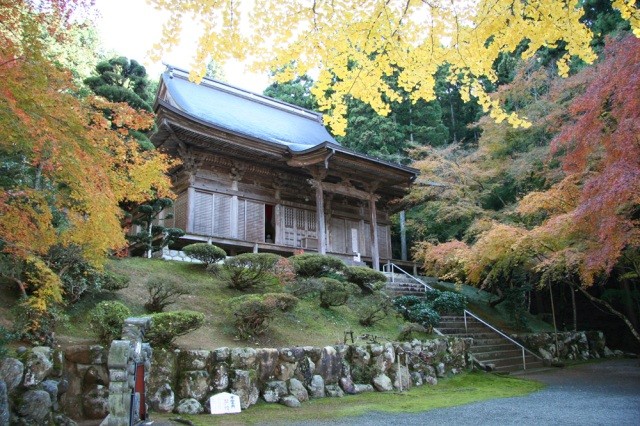
Born in Wakasa Town, Fukui Prefecture, and raised in Hongo, Ooi Town, sculptor Shokichi Matsuki's works are displayed alongside exhibits showcasing Ooi Town's history and way of life from ancient times to the present.
- Wakasa

Suzaki's Tall Lantern
On the left bank of the former Shō River estuary stands a stone lantern entwined with vines. This tall stone lantern, built in 1802 by Shōyama Seibei, a ship merchant, is also known as "Shōyama's Tall Stone Lantern." It served as a vital landmark f…
- Wakasa
Kūinji Temple
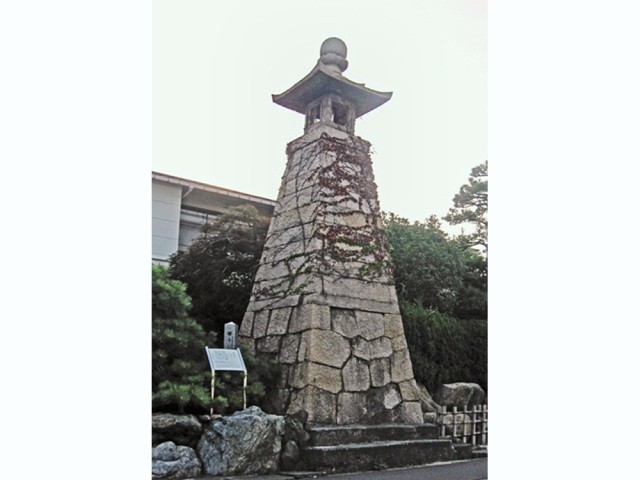
This Soto Zen temple serves as the family temple of the Sakai clan, lords of Obama Domain, and houses the graves of successive generations. It stands on the site of the 1552 residence of Wakasa guardian Takeda Motomitsu, surrounded by moats dug int…
- Wakasa