Attractions
Area
Category
Preferences
Distance
- Sort
- Most Popular
- Last Updated
- Nearest
- Layout
- List view
- Grid view
- Map view
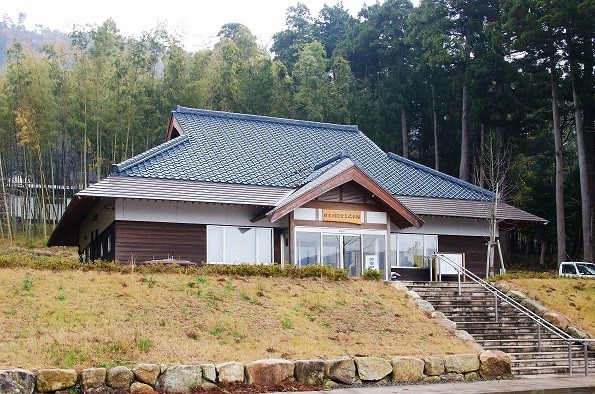
Sakuma Memorial Exchange Hall
Commander Tsutomu Sakuma of Submarine No. 6, whose example remains a standard for naval officers to this day. His diaries and personal effects, which convey his thoughts, are on display.
- Wakasa
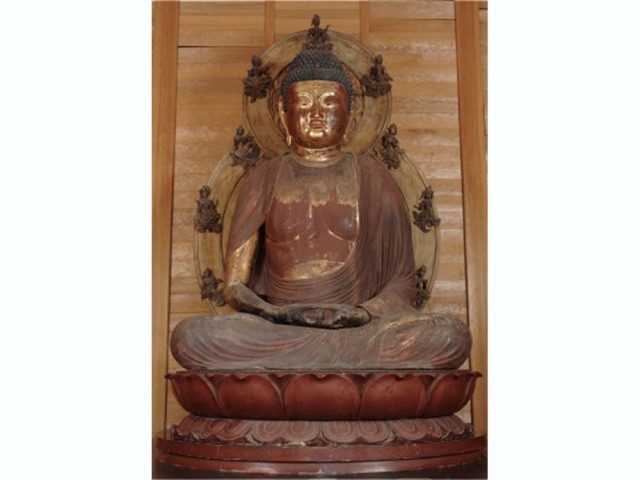
Chōraku-ji Temple
The seated statue of Amida Nyorai, modeled after the style of the Buddhist sculptor Jocho, glows brilliantly in gold, while nine celestial dancers gracefully dance on its halo. It is the largest sculpture in the town and, together with the standing…
- Wakasa
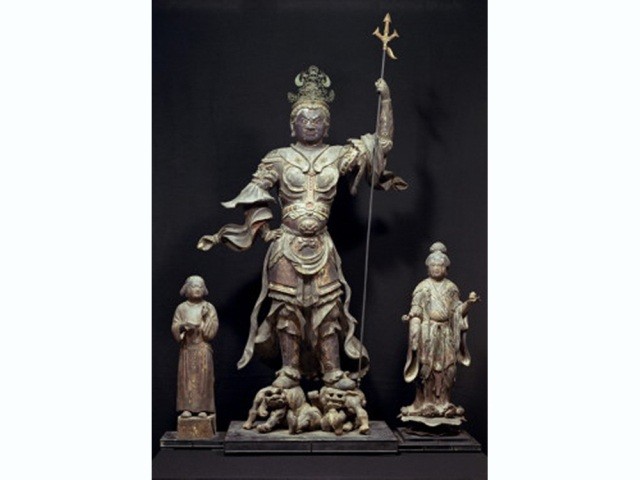
Seionji Temple
The imposing standing statue of Bishamonten, created during the Kamakura period, is characterized by its fierce, demonic expression. Flanking it are standing statues of Kichijōten and Zenshidoji, all three designated as Important Cultural Propertie…
- Wakasa
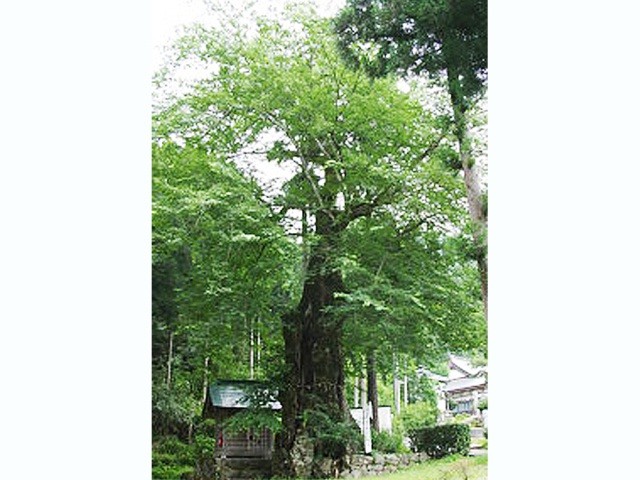
Karihime Shrine
Following the old road through Ooi Town's Namashōshita district leads to Kanda Himegami Shrine. To the right of the main hall stand a Japanese mulberry tree and Japanese cedars, while to the left are Japanese cedars and cherry trees. The Japanese m…
- Wakasa
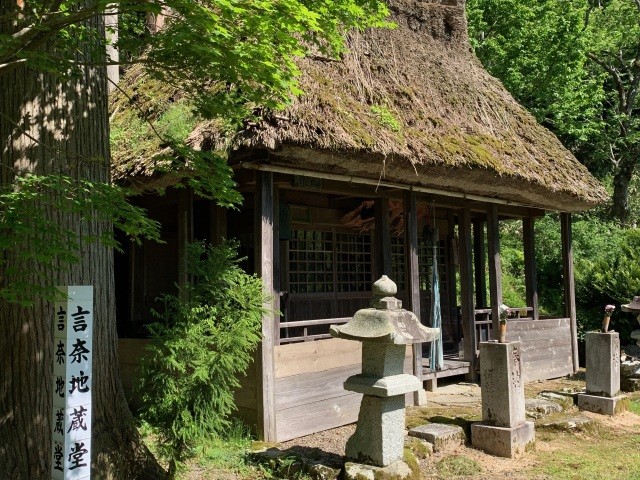
Kotona Jizo
Long ago, a horse carrier named Gonroku killed a traveler and stole his money. When he whispered "Don't tell anyone!" to a nearby Jizo statue, it replied, "Jizo may be silent, but I will not." He then descended the mountain. Later, at this very pas…
- Tannan
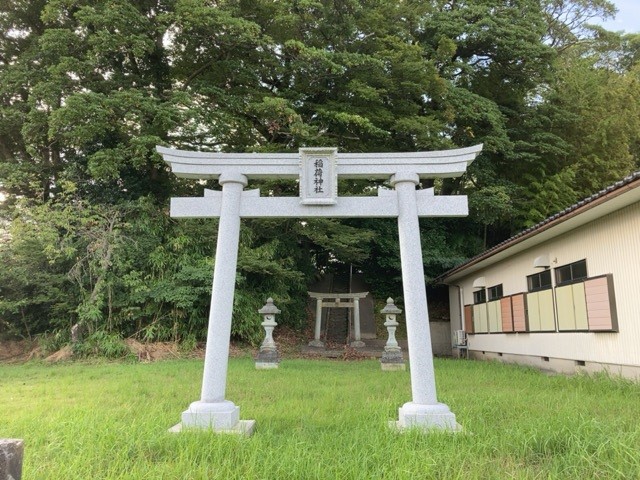
Inari Shrine (Nishinakano-cho, Fukui City)
The founding of Kamisunagawa Town, Hokkaido, dates back to Meiji 32 (1899), when it was pioneered by Mr. Jinnosuke Yamauchi, originally from the former Fukui Prefecture village of Utsurimura, along with eight others. The sacred object that once res…
- Awara,Sakai,Fukui
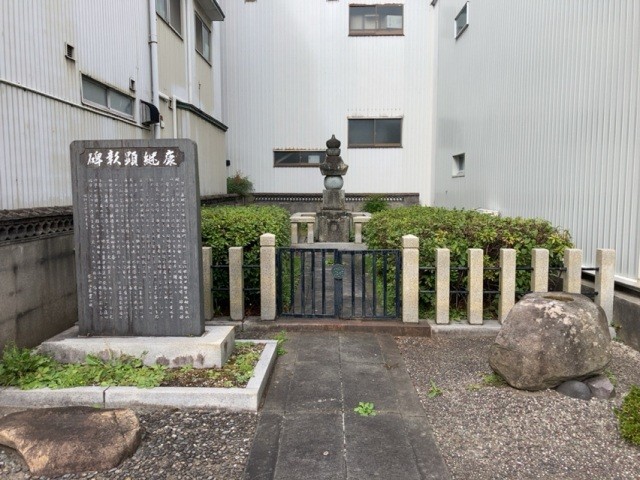
Kōkei Memorial Monument
This is a monument honoring Echizen Yasutsugu, located in the residential area of Hoei, Fukui City. During the Edo period, Echizen was renowned as one of Japan's foremost sword-producing regions. Among its most prominent sword smiths were the "Shim…
- Awara,Sakai,Fukui
Monzaemon Chikamatsu Monument
Chikamatsu Monzaemon, famous for works such as "Sonezaki Shinjū," was born as the second son of Sugimori Nobuyoshi, a samurai of the Fukui domain, and spent his youth in Yoshie Town. The literary monument in the front garden of the Tachimachi Commu…
- Tannan
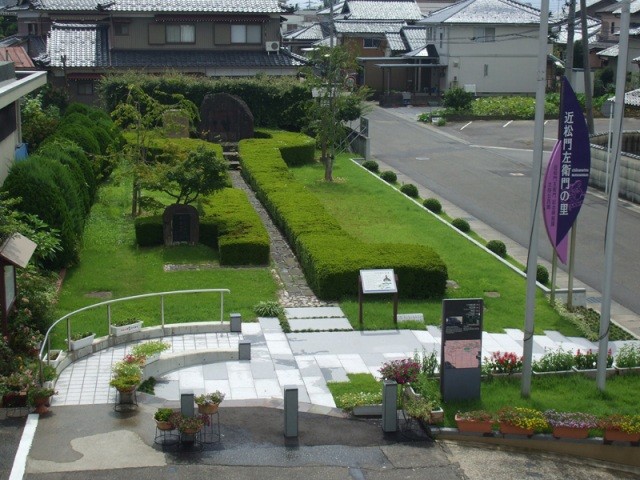
Association for Creating Communities Where History Comes A…
We’ll be happy to guide you through Fukui City’s many attractions—including Kitanosho Castle Site & Shibata Park, the “Site of Fukui Castle” (part of the “100 Famous Castles” series), Mt. Asuwa, the nat…
- Awara,Sakai,Fukui
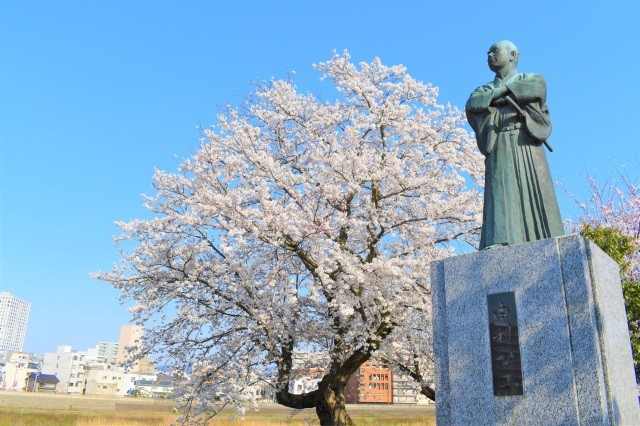
Sakichi Shrine
Sakichi Shrine is an ancient shrine said to have been founded over 1,000 years ago. The “Takahama Seven-Year Festival”—one of the largest festivals in the Reinan region of Fukui Prefecture, held once every six years and lasting se…
- Wakasa
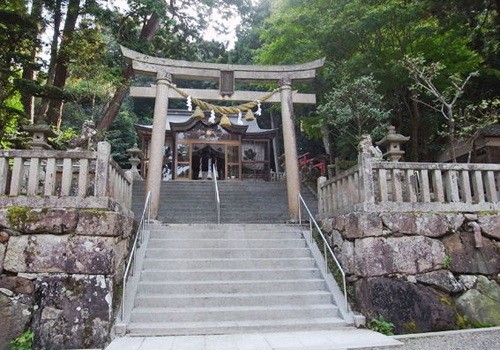
Former Hashimoto Residence
The Hashimoto family, whose members served as village headmen and wardens in the Hōkyōji settlement for generations, built this residence around the mid-Edo period, in the first half of the 18th century. It was relocated and restored to its present…
- Eiheiji, Okuetsu
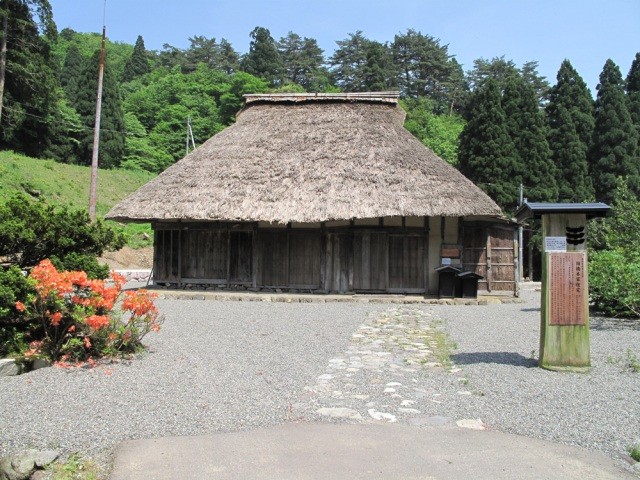
Koyomi Kaikan
The Kōra-zukuri-style Calendar Museum is a unique museum filled with materials related to calendars, including rare ancient astronomical instruments and calendars from bygone eras. It was built in commemoration of the descendants of Abe no Seimei, …
- Wakasa
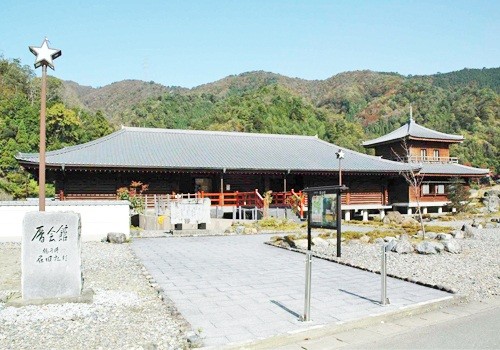
Wakasa Kuniyoshi Castle History Museum
The Wakasa Kuni Yoshikiyama Historical Museum introduces the history of Yoshikiyama Castle and Sakaki, known for repelling invasions by the Asakura army for several years and for being occupied by Oda Nobunaga, Toyotomi Hideyoshi, Tokugawa Ieyasu, …
- Wakasa
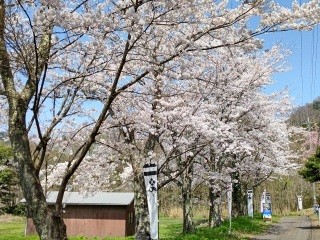
Hakama Dressing Experience (Bachu Kimono Shop)
Experience traditional hakama and kimono dressing at our long-established kimono shop. Enjoy the world of Chihayafuru with easy dressing over your own clothes.
- Awara,Sakai,Fukui
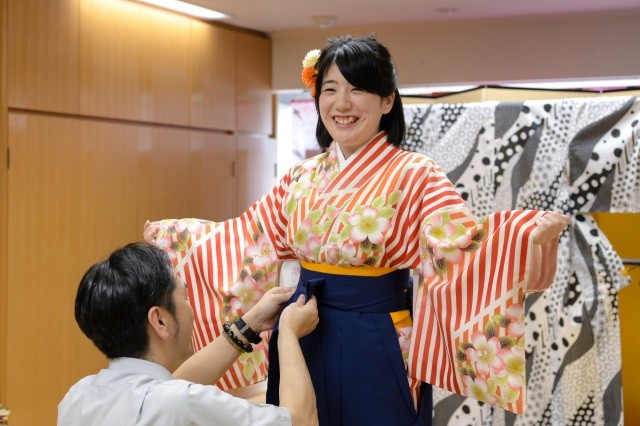
Tea Brewing Experience
By brewing tea yourself, you can appreciate the "aroma" of the tea leaves more than when simply drinking it. Tea also contains theanine, a component known for its relaxing effects. To let you experience these qualities, this experience invites y…
- Wakasa
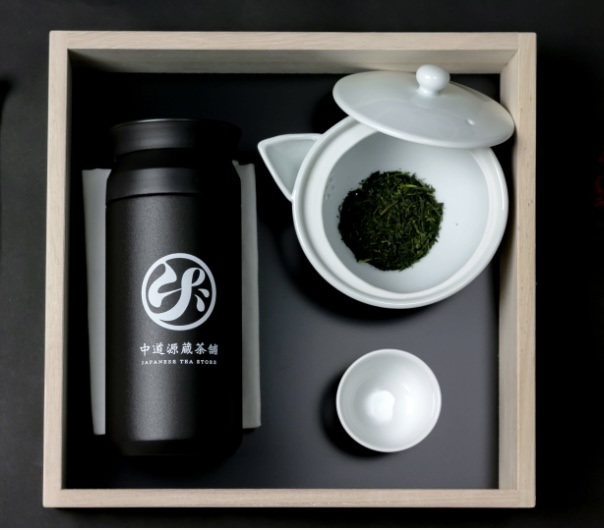
Myōtai-ji Temple
Myōtaiji Temple, known as a sacred site of the Nichiren Shū Myōkenji sect, was founded in 1294 by Nichirō, a disciple of Nichiren Daishōnin. Within its grounds, the main hall built in 1746 stands quietly surrounded by ancient cedar trees said to be…
- Tannan
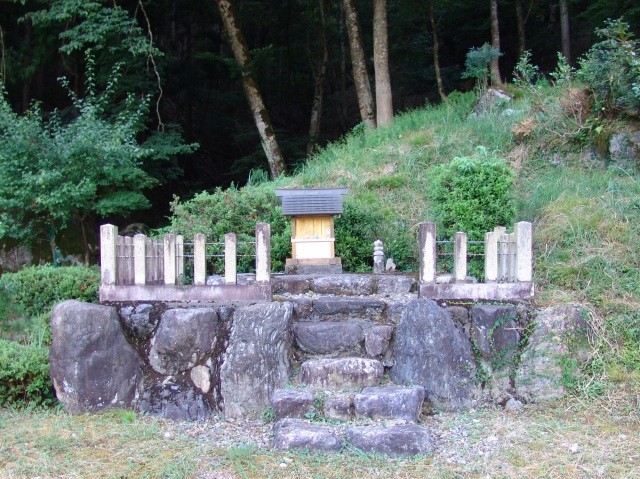
Tomb of Shigemori Komatsu
Komatsu Shigemori Tomb, located near the Minamikawa Sand Control Dam in the former Noda-sho Village (Komatsu District). Komatsu Shigemori was the eldest son of Taira no Kiyomori. Legend holds that people associated with Taira no Shigemori fled to a…
- Wakasa
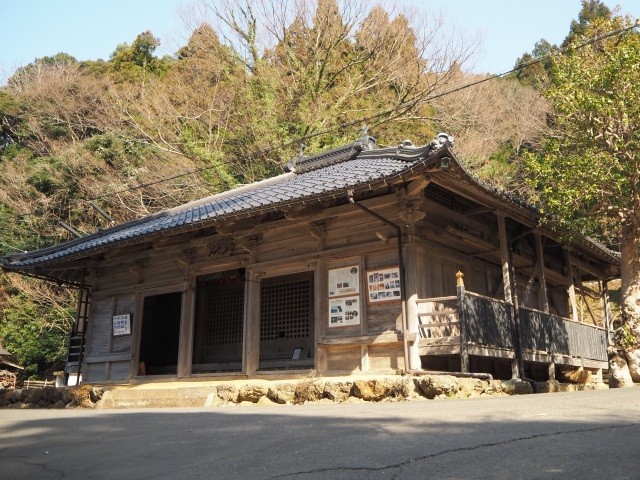
Yashiro Kannon Hall Fukuju Temple
The Sacred Kannon Bodhisattva enshrined in Fukujuji Temple's main hall is said to depict the form of the princess from the Hand-Pestle Festival. It has also been claimed that this Kannon Bodhisattva was brought from Tang China.This seated statue st…
- Wakasa
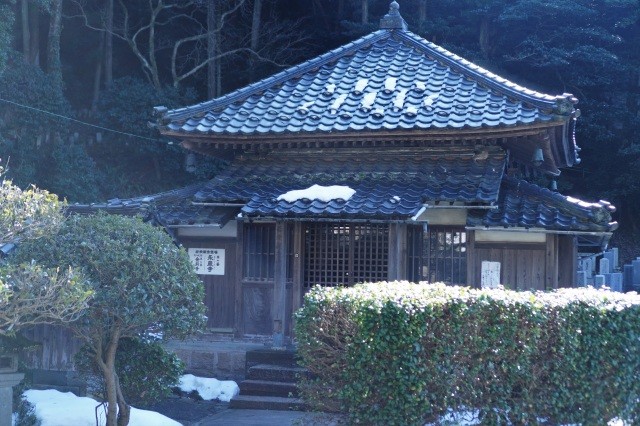
Eiganjiji Temple
Sōtō Zen sect. The first temple of the Wakasa Thirty-Three Kannon Pilgrimage. Founded in 1413 in what is now Eishin-chō. Relocated to its present site in 1607 by Uta no Sōtei. The Mito Tengu Party included 11 young boys. It is said that Ryudo, the…
- Wakasa
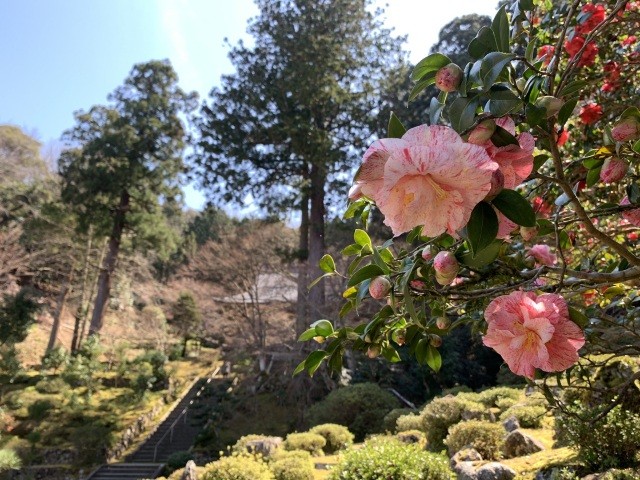
The Five-Colored Camellia of Mandokuji Temple
It is rare nationwide for a single camellia tree to bloom with five different colors. Many people travel from afar to see it, delighting the eyes of visitors. (Mid- to late March)
- Wakasa