Attractions
Area
Category
Preferences
Distance
- Sort
- Most Popular
- Last Updated
- Nearest
- Layout
- List view
- Grid view
- Map view
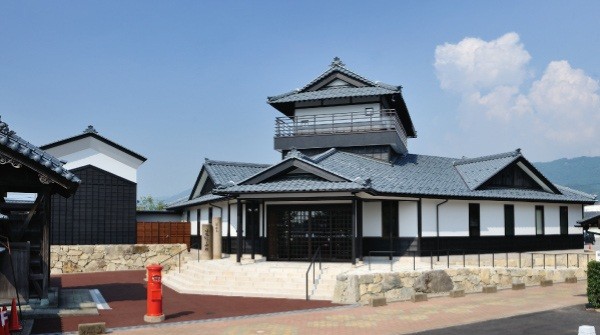
Tsuruga City Museum
The building is the former main branch of the Yamada Bank, constructed in 1927 by local luminary Shōshichi Yamada. Designated a National Important Cultural Property, its opulent design symbolizes the prosperity of Tsuruga Port at the time. The buil…
- Wakasa
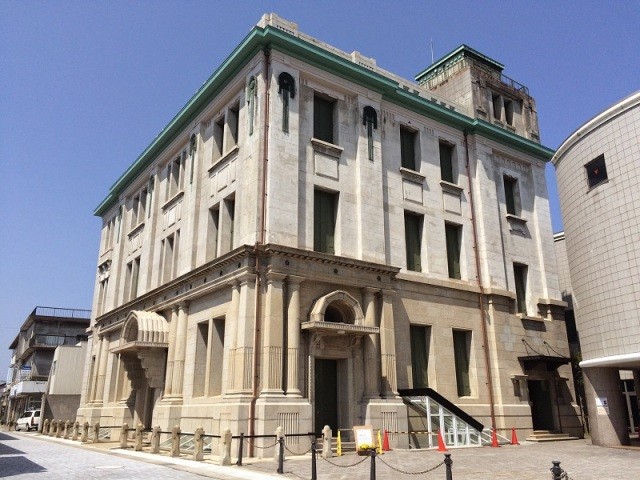
Fukui Prefectural Museum of Art
The museum focuses on collecting modern Japanese paintings related to Okakura Tenshin, along with works connected to Fukui and Western prints, which are gradually unveiled in its permanent exhibition. It also hosts special exhibitions and offers ha…
- Awara,Sakai,Fukui
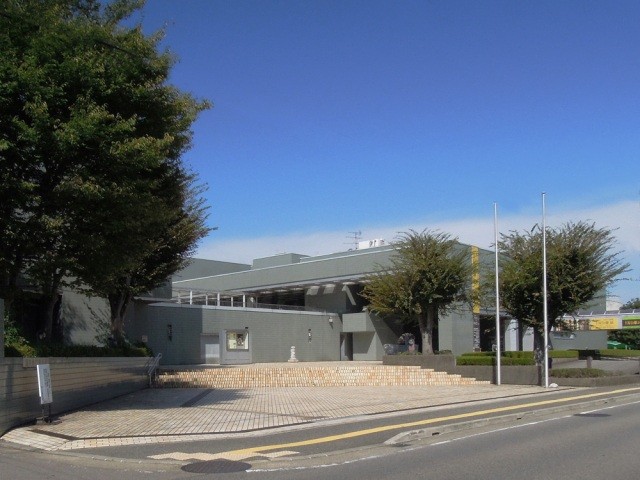
Fukui Prefecture Hometown Literature Museum
The Fukui Prefectural Library opened on February 1, 2015. It introduces literary works by authors connected to Fukui or depicting Fukui, alongside their original manuscripts and personal belongings, utilizing video and audio materials. It also supp…
- Awara,Sakai,Fukui
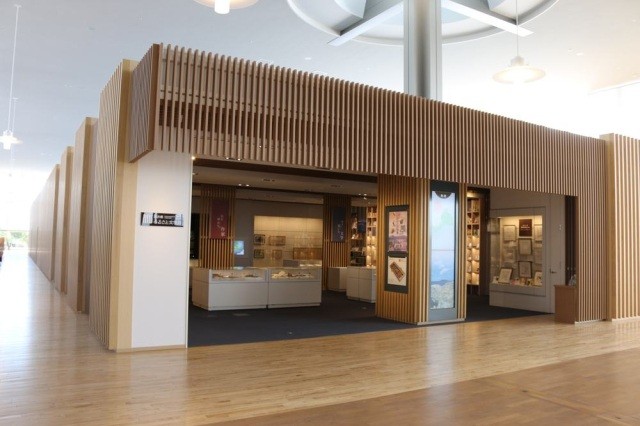
Fukui Shrine
The enshrined deity is Lord Matsudaira Yoshitaka (Shungaku), the 16th lord of the Echizen Fukui domain.
- Awara,Sakai,Fukui
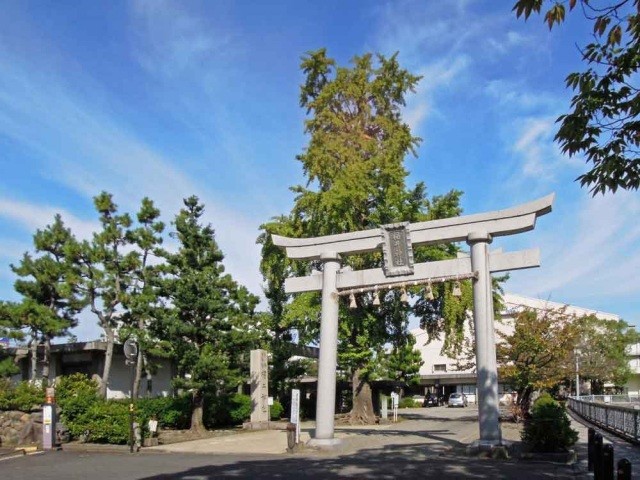
YUMIKATSURA MUSEUM WAKASA
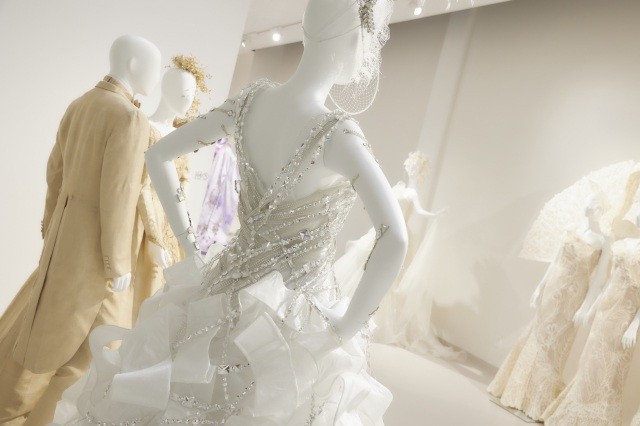
BRIDAL LAND WAKASA, a wedding dress mecca, opens in Wakasa Town this April. The YUMIKATSURA MUSEUM WAKASA, featuring dresses by world-renowned bridal fashion designer YUMI KATSURA, permanently displays approximately 60 pieces, including archival dr…
- Wakasa
Honmyōji Temple
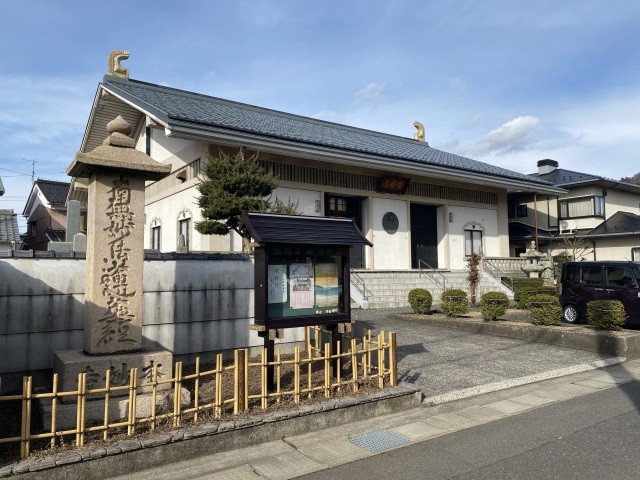
Founded in 1376, its founding priest was Nikyo. Damaged by war during the Genki era, it received temple grounds from Lord Otani of Tsuruga Castle in 1590 and relocated from Hosen-cho to Kamijima-dera-cho. This temple was one of three where the Mit…
- Wakasa
Tomiko Yamakawa Memorial Museum
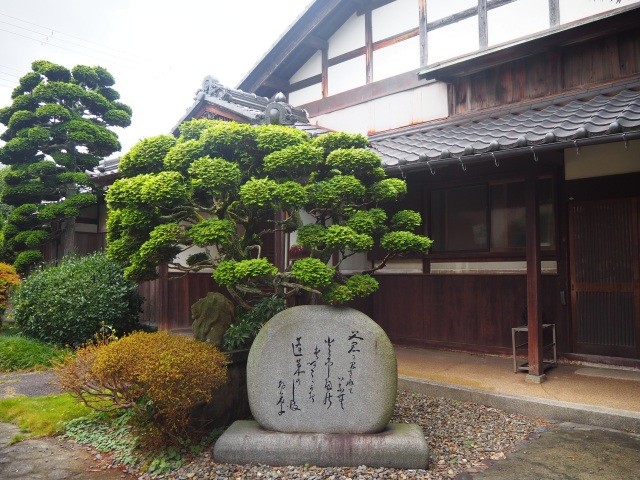
This facility opened in April 2007 as the Tomiko Yamakawa Memorial Museum after her birthplace and personal belongings were donated to Obama City. It displays Tomiko's personal belongings and song manuscripts. It was the filming location for the de…
- Wakasa
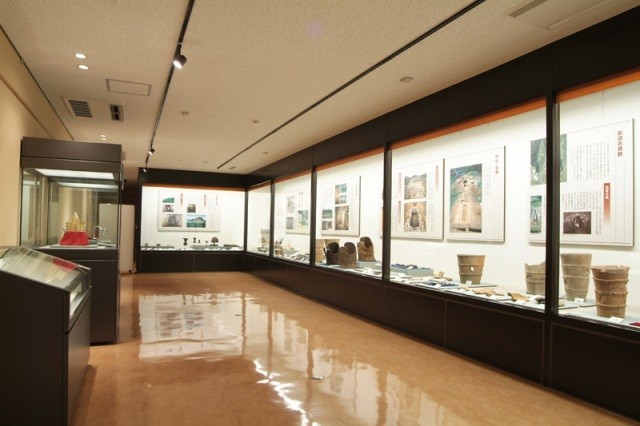
Wakasa Town History and Culture Museum
Approximately 170 items, including various haniwa clay figures and gold earrings with pendants excavated from ancient burial mounds within Wakasa Town, are on permanent display.
- Wakasa
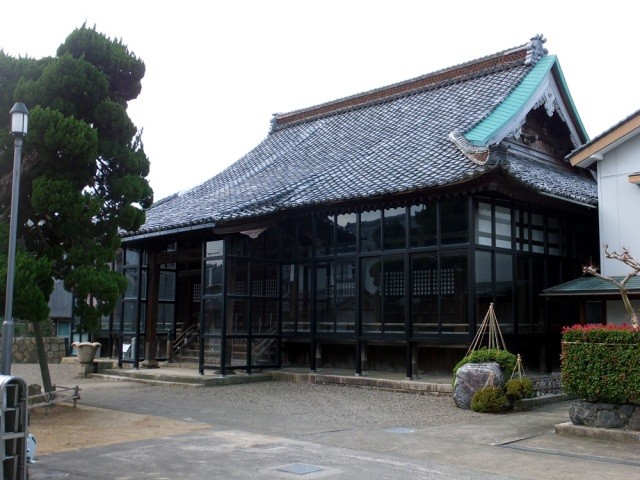
Kōtoku-ji Temple
A Jōdo Shinshū temple in Tsuruga City. Its main hall, built in the early Edo period, has been preserved almost unchanged to this day, making it a valuable structure that exemplifies the form of early Jōdo Shinshū main halls. Designated as a Prefect…
- Wakasa
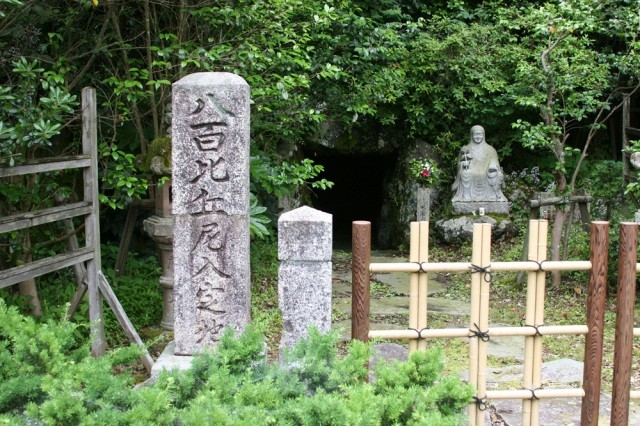
The Cave Where the Eight-Hundred-Year-Old Nun Entered Nirv…
The legend of the 800-year-old nun who ate mermaid flesh and lived to be 800 years old. The cave where she is said to have returned after traveling the nation, helping the poor, and scattering camellia seeds to make flowers bloom. Camellias reminis…
- Wakasa
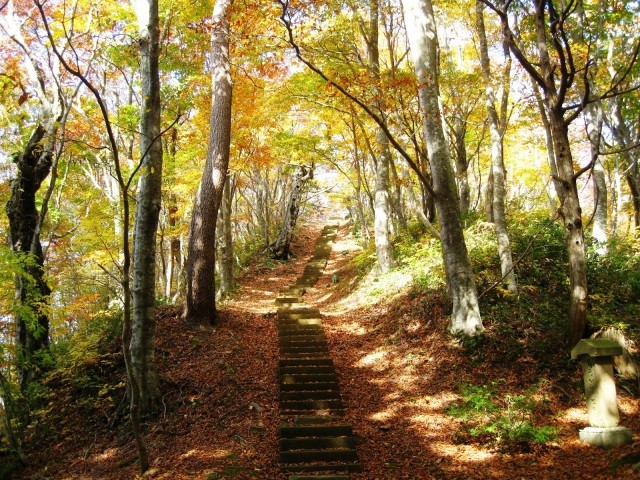
Ochi Shrine
The summit area of Mount Ochi is said to have once been a sacred mountain site blending Shinto and Buddhist elements. Near the trig point at the peak are the inner sanctuary, the Daishi Hall, the shrine office, Hiyoshi Shrine, the main hall, and th…
- Awara,Sakai,Fukui
- Tannan
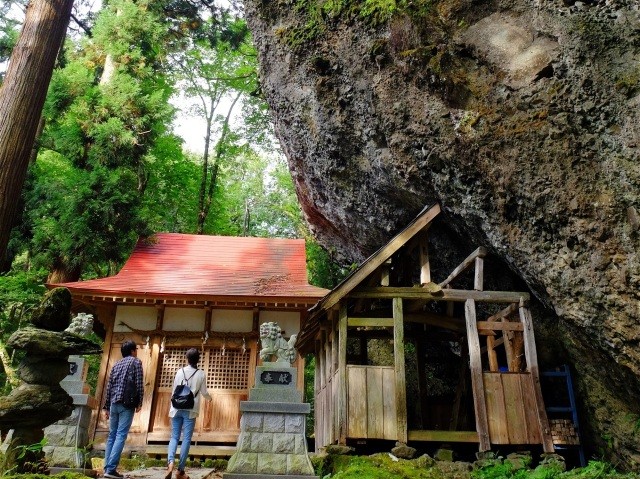
Oyadani Hakusan Shrine (The Great Rock of Oyadani)
The large rock within the grounds of Oyatani Hakusan Shrine is a massive boulder over 20 meters in size, transported here by a debris avalanche triggered by the collapse of Mount Kyogatake volcano. It broke away from near the summit approximately 3…
- Eiheiji, Okuetsu
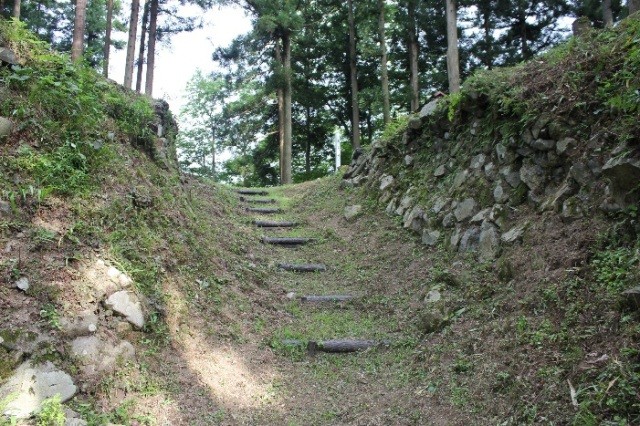
Yuo Pass
The Yuo Pass area has long been a key transportation hub and was frequently the site of battles, including the Genpei War, conflicts during the Nanboku-chō period, and the Ikko Ikki uprising. It is said that in 1578, when Shibata Katsuie improved t…
- Tannan
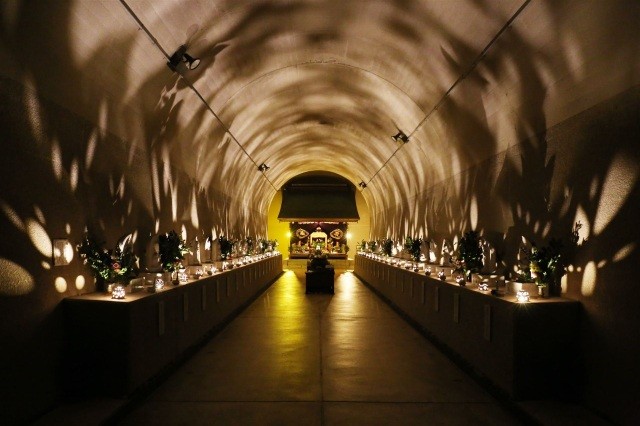
Tamagawa Cave Kannon
===================== The official website for Tamagawa Cave Kannon is now availablehttps://tamagawa-kannon.jimdofree.com/ ===================== While there are various theories, it is said that the origin…
- Tannan
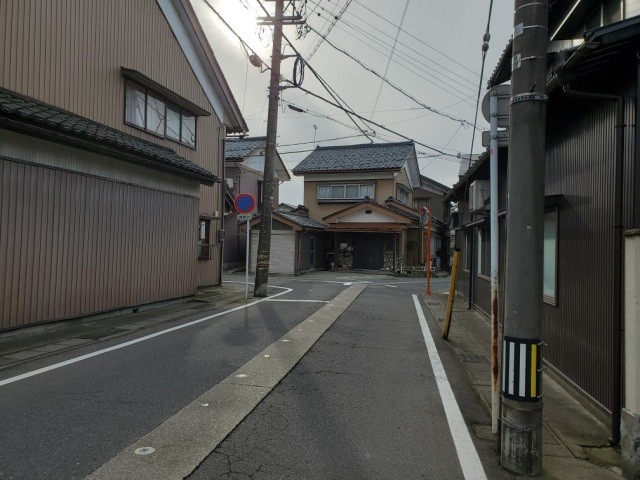
Matsuoka Twelve Turns
The main street from the Matsuoka domain era, the old Katsuyama Kaido, retains its Edo-period layout with multiple right-angle turns known as "key turns." It is called "Twelve Turns" because of the number of these bends. You can also see townhouse-…
- Eiheiji, Okuetsu
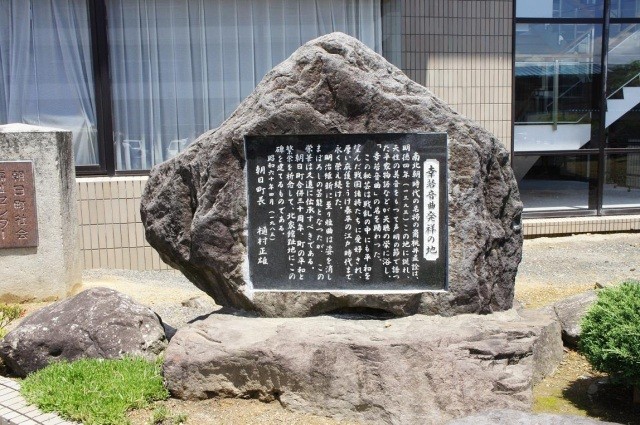
Monument Commemorating the Birthplace of Kōwakon Music
The monument marking the birthplace of Kōwakamono (Kōwakamai) is located beside the main entrance of the Echizen Town Social Welfare Center Chōjuden (Nishitanaka, Echizen Town). Sawaka-mai originated in Nishitanaka, Echizen Town. Like Sarugaku and …
- Tannan
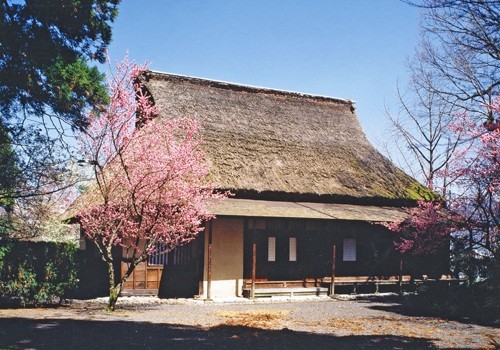
Former Uryu Family Residence
The former Uryu family residence, built around 1699, is one of the oldest surviving private houses in the prefecture. It features a unique beam structure utilizing cross-braced pillars and thick, tapered columns. Sitting beside the irori hearth wit…
- Tannan
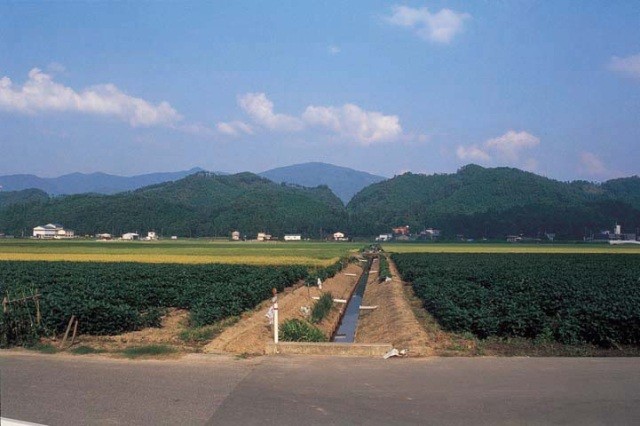
Yokoyama Tumuli
This is the largest tumulus cluster in the Hokuriku region, comprising approximately 300 ancient burial mounds, including numerous keyhole-shaped tumuli. From the largest tumulus within the cluster, Kannabiyama Kofun, burial goods such as gold ring…
- Awara,Sakai,Fukui
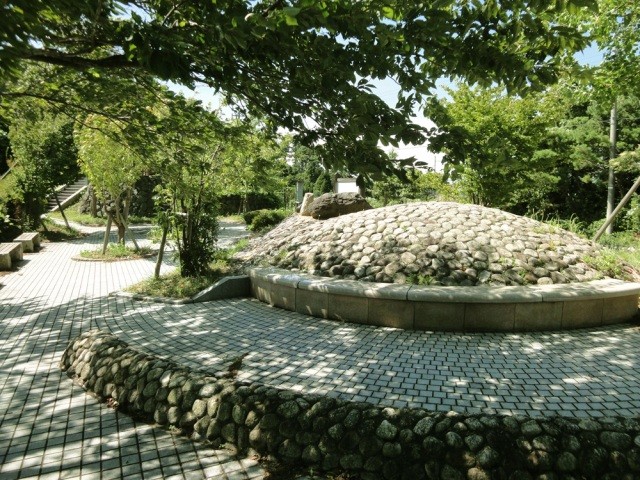
Rokuseyama Tumulus Group
Located on the right bank of the Kuzuryu River, this ancient burial mound complex consists of keyhole-shaped and square burial mounds situated atop Mount Rokuse in Kamikumeda. Based on its scale and contents, it is presumed to be the tomb of a chie…
- Awara,Sakai,Fukui
A Brief Note: The Museum of Japan's Shortest Letters
The "One-Stroke Letter: Japan's Shortest Letter Museum" has opened, showcasing past winning entries from the One-Stroke Letter Contest for Japan's Shortest Letter. The centerpiece of the permanent exhibition room, "FUMI NO TAKI," is a video install…
- Awara,Sakai,Fukui