Attractions
Area
Category
Preferences
Distance
- Sort
- Most Popular
- Last Updated
- Nearest
- Layout
- List view
- Grid view
- Map view
Windmill Hall (Wakasa Hongo Station)
Wakasa-Hongō Station on the JR Obama Line, serving as the gateway to Ōi Town, is known for its unique station building. Inspired by British fairy tales, it features two hexagonal towers mounted atop its roof. This structure is a relocated version o…
- Wakasa

Wakasa History Museum
The Wakasa History Museum offers visitors a look at southern Fukui’s past. The museum’s exhibits include items that show the region’s history as an imperial food province, a collection of Buddhist art, and displays about the festi…
- Wakasa

Griffith Memorial
The Fukui City Griffith Memorial Museum, which revived the Western-style residence of William Elliott Griffith (1843-1928), an American who worked as a teacher for the Fukui Domain in the early Meiji period, opened in October 2015.The city of Fukui…
- Awara,Sakai,Fukui

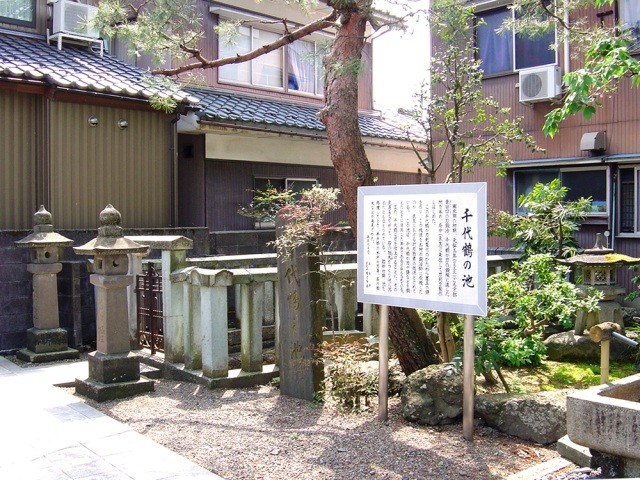
Chiyozuru Shrine
This shrine enshrines Chiyozuru Kuniyasu, the founder of Echizen-style swordsmithing.Within the grounds lies "Chiyozuru Pond," where Chiyozuru Kuniyasu is said to have drawn water while forging swords.Blacksmithing involves repeatedly tem…
- Tannan
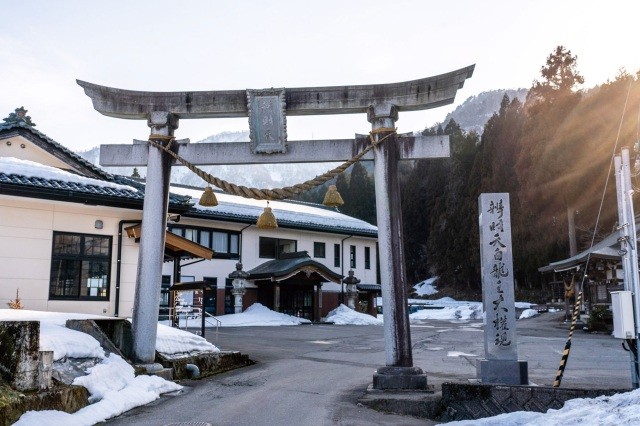
Benzaiten Hakuryu-o Daigongen
It is said that Benzaiten Hakuryu-o Daigongen was enshrined within the precincts of a branch temple of Hakusan Heisenji Shrine, which was founded in 717 (the first year of the Yoro era) during the Nara period by the great monk Taicho. In 1574 (the …
- Eiheiji, Okuetsu
Horiguchi Residence
Built approximately 300 years ago during the early Edo period, this traditional gabled-roof farmhouse has been restored to its original condition and is designated as an Important Cultural Property of Japan. It is said to have belonged to one of th…
- Tannan

Hongan Shozu Spring
"Hongan Shozu Spring" has been designated a National Natural Monument as the southernmost known habitat of the landlocked Japanese minnow (itoyo). This is an educational facility dedicated to the protection of freshwater Japanese minnows …
- Eiheiji, Okuetsu

Kogyoji Temple, Museum Hana-no-Kura
Kogyoji Temple was founded in 1406 by Shūgaku Shōnin, the third son of Shōnyo Shōnin, the fifth head priest of Hongan-ji. Its "weeping cherry blossoms in spring" and "ginkgo trees in autumn" are renowned, and the museum "Ha…
- Eiheiji, Okuetsu
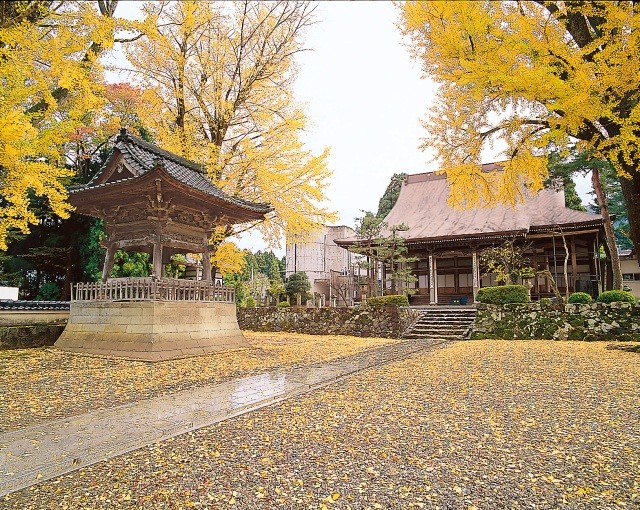
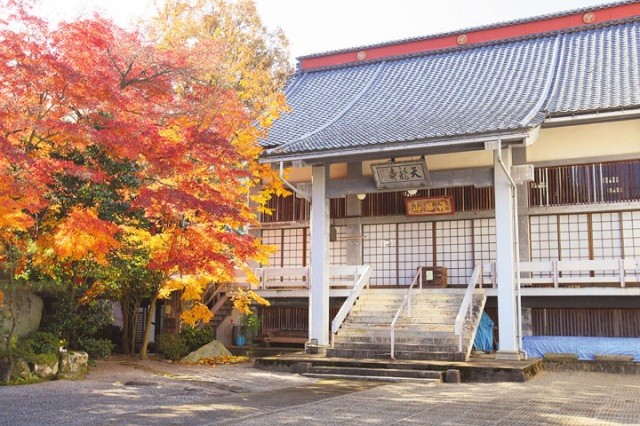
Tenryuji Temple (Soto Zen Buddhism, Seiryōzan Tenryū-ji)
This temple is a branch temple of Eiheiji, the head temple of the Soto Zen sect. It was established in 1653 by order of Matsudaira Masakatsu, the first lord of the Echizen Matsuoka domain. Originally built to pray for the repose of the soul of Lord…
- Eiheiji, Okuetsu
Itadori Inn
In the sixth year of Tenshō (1578), the town flourished after Shibata Katsuie improved the road. As the gateway to the Hokuriku Highway, it served as a crucial checkpoint where travelers were regulated, starting with the first lord of Fukui Domain,…
- Tannan

Kongo-in Temple
Kongo-in Temple, exuding the simple atmosphere of a mountain temple, is a Soto Zen temple. It was founded in 1433.In 1610, Honda Tomomasa relocated it to its current site, where the castle of the former lord, Aoki Kii-no-kami, once stood. Within th…
- Tannan
Kokubunji Temple (Echizen City)
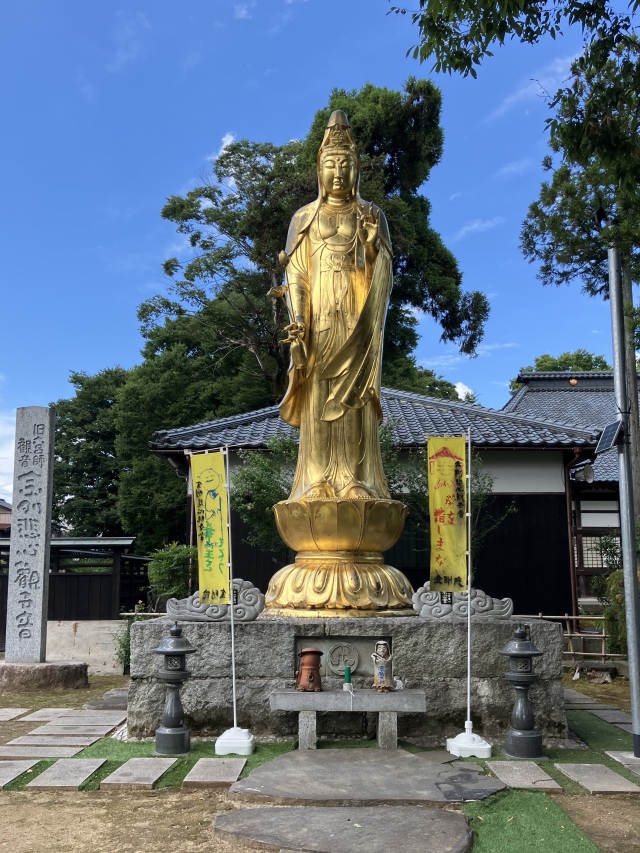
By imperial decree issued by Emperor Shomu in 741, Kokubunji Temple was built in Takefu (present-day Echizen City), where the provincial capital was located. Today, it stands modestly beside the Soja Grand Shrine, but at the time of its founding, E…
- Tannan
Oyama Tumuli
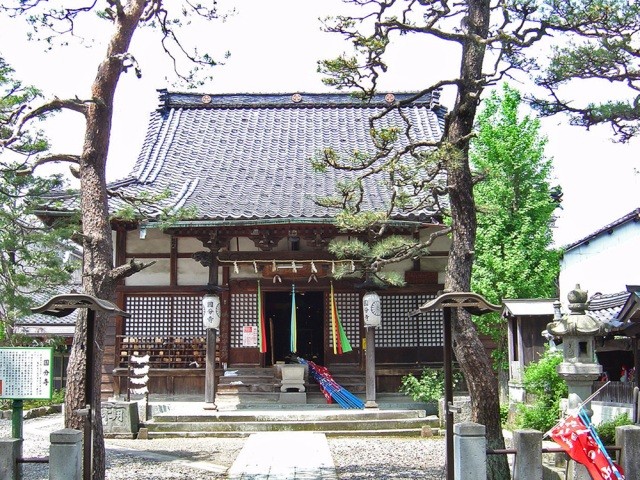
Approximately 50 square and round burial mounds remain on the hills at the southern tip of the Sabae Plateau. They are estimated to date from the mid-Yayoi period to the late Kofun period and are now maintained as a burial mound park.
- Tannan

Asahi Kannon (Fukutsuji Temple)
It is said to have been founded by the great master Taichō, and in its heyday was a large temple with seven main halls. Today, it enshrines statues of the Bodhisattva Avalokiteśvara and the Thousand-Armed Kannon (both designated as prefectural cult…
- Tannan
Awara City Local History Museum
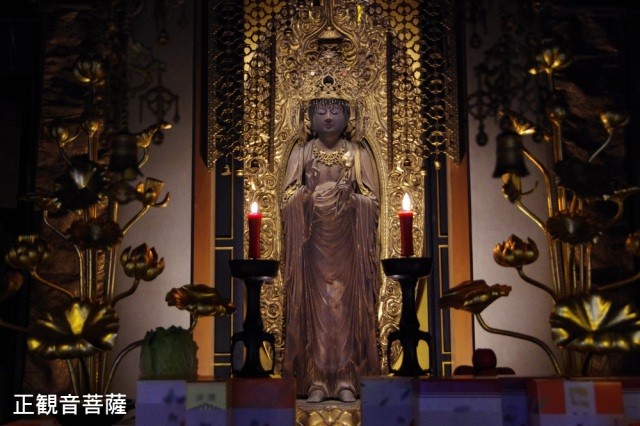
The Awara City Local History Museum is located on the second floor of "Kanazu Honjin IKOSSA," a lifelong learning complex.For details about Kanazu Honjin IKOSSA, please click here. The museum houses and displays artifacts excavated from sites that …
- Awara,Sakai,Fukui

Myōyū-ji Temple
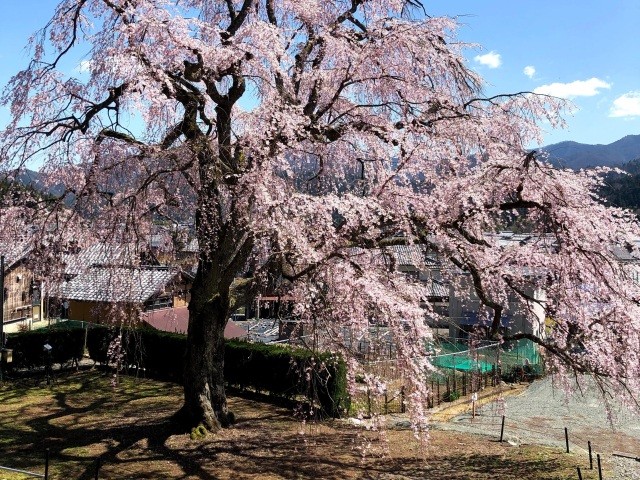
The weeping cherry tree, designated as a municipal natural monument, is famous. During its blooming season, it is illuminated and draws large crowds of visitors. This cherry tree stands 17 meters tall with a trunk circumference of 3 meters. It is s…
- Wakasa
Shibata Garden
This former residence of Shibata Gon'emon, a wealthy farmer in Tsuruga during the Edo period, is also known as "Gantōen." Its strolling landscape garden with artificial hills and ponds borrows the scenery of Mount Nosaka, Tsuruga's most prominent p…
- Wakasa

Mihama Town Energy and Environment Education Experience Ce…
A facility that introduces the characteristics of everyday energy through various energy-focused experiences. In addition to power generation experiences, visitors can try out battery-powered cars and standing electric two-wheelers, offering fun fo…
- Wakasa

The Great Ginkgo Tree of Myokoji Temple
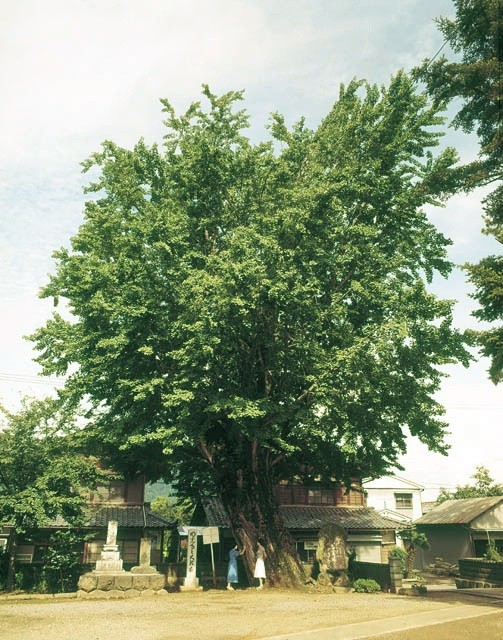
The great ginkgo tree at Myōkōji Temple is a large female ginkgo located on the western side of the temple grounds and is designated as a Prefectural Natural Monument. Its trunk circumference at breast height is 5.5 meters, its branch spread is app…
- Tannan
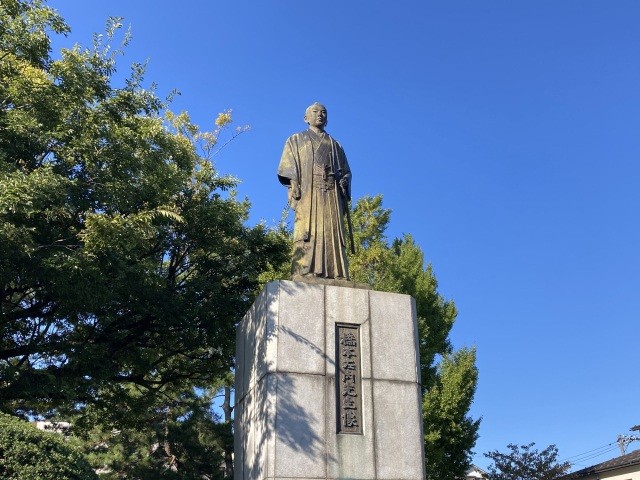
Sanae Park · Statue of Hashimoto Sanae
Hashimoto Sainai was a samurai of the Fukui domain during the late Edo period, a man who demonstrated exceptional talent at a young age. Born the eldest son of a domain physician, he entered the Tekijuku school founded by Ogata Koan in Osaka to stu…
- Awara,Sakai,Fukui