Attractions
Area
Category
Preferences
Distance
- Sort
- Most Popular
- Last Updated
- Nearest
- Layout
- List view
- Grid view
- Map view
Shinmei Shrine (Kamisoja)
Shinmei Shrine is also known as Kamisoja Shrine.During the Edo period, this site was known as a place for bowing in worship (fushio-gami) and was a spot for distant worship of Mount Hino, which was revered as the Mt. Fuji of Echizen (present-day no…
- Tannan
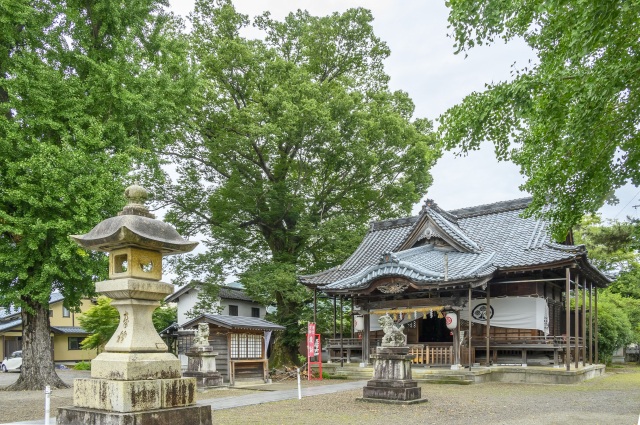
Ebisu Shrine (Sube Shrine)
Built during the Nara period (710-794 CE), this shrine is known as "Wakasa Ebisu." It attracts many worshippers from within and outside the prefecture as a deity of prosperous business, fishing, and the guardian of children. Its vermilion…
- Wakasa
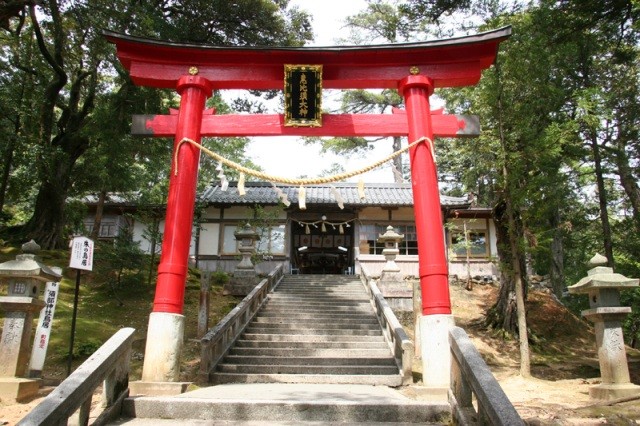
Jigenji Temple
Founded in the first year of the Jiaqing era by Zen Master Tenshin Jisei, the principal image is the Eleven-Faced Kannon Bodhisattva. In its heyday, it boasted over 1,200 branch temples. Legend has it that a single bean sprouted into a towering tre…
- Tannan
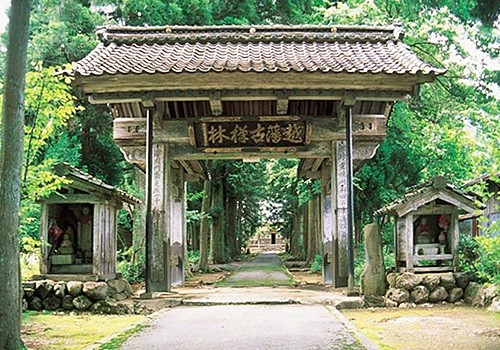
Myōkōji Temple
According to records of the Nichiren sect, the temple was founded in 1464. Its founder was Nichin, a Nichiren priest who authored the Treatise on Establishing the Correct Teaching for the Governance of the Nation. However, it was actually Kuwano-ya…
- Tannan
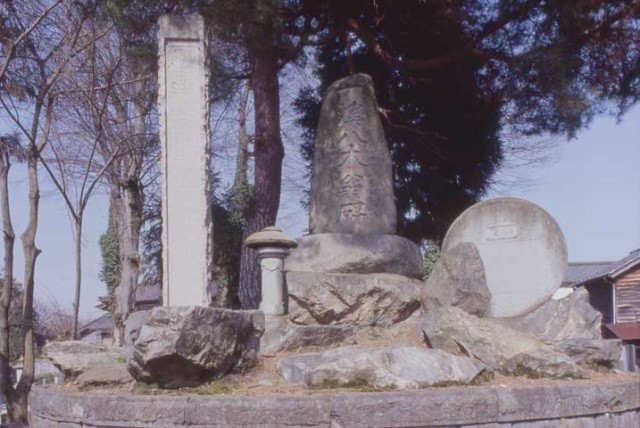
Fukui Shrine
The enshrined deity is Lord Matsudaira Yoshitaka (Shungaku), the 16th lord of the Echizen Fukui domain.
- Awara,Sakai,Fukui
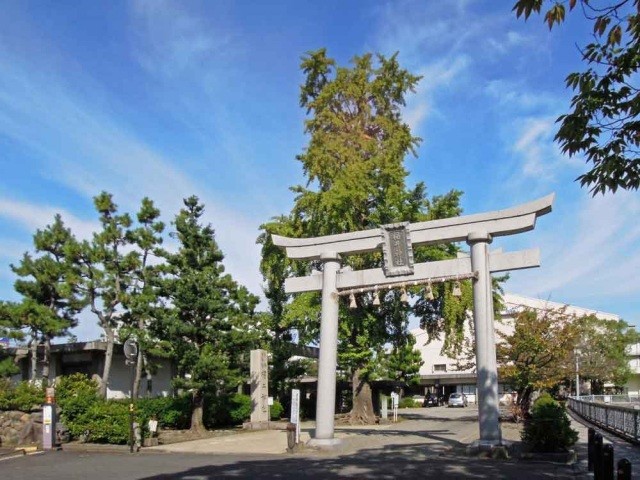
Honmyōji Temple
Founded in 1376, its founding priest was Nikyo. Damaged by war during the Genki era, it received temple grounds from Lord Otani of Tsuruga Castle in 1590 and relocated from Hosen-cho to Kamijima-dera-cho. This temple was one of three where the Mit…
- Wakasa
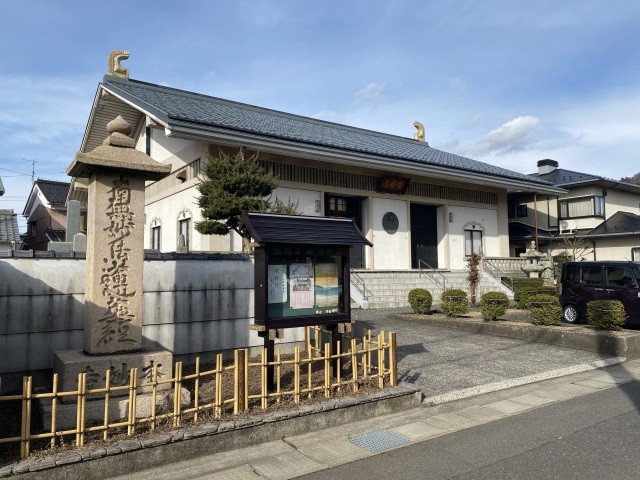
Kōtoku-ji Temple
A Jōdo Shinshū temple in Tsuruga City. Its main hall, built in the early Edo period, has been preserved almost unchanged to this day, making it a valuable structure that exemplifies the form of early Jōdo Shinshū main halls. Designated as a Prefect…
- Wakasa
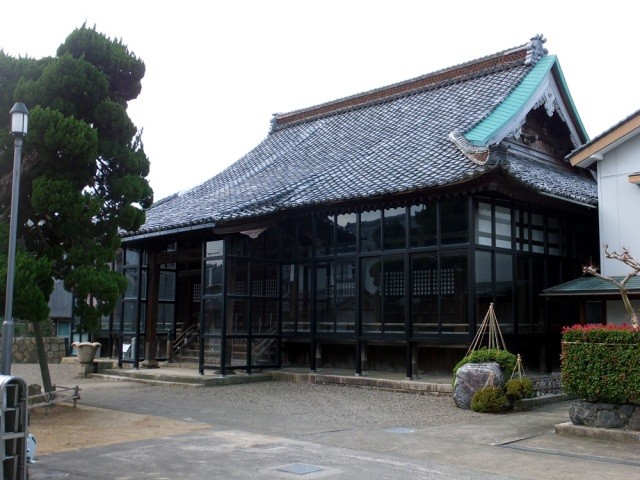
Ochi Shrine
The summit area of Mount Ochi is said to have once been a sacred mountain site blending Shinto and Buddhist elements. Near the trig point at the peak are the inner sanctuary, the Daishi Hall, the shrine office, Hiyoshi Shrine, the main hall, and th…
- Awara,Sakai,Fukui
- Tannan
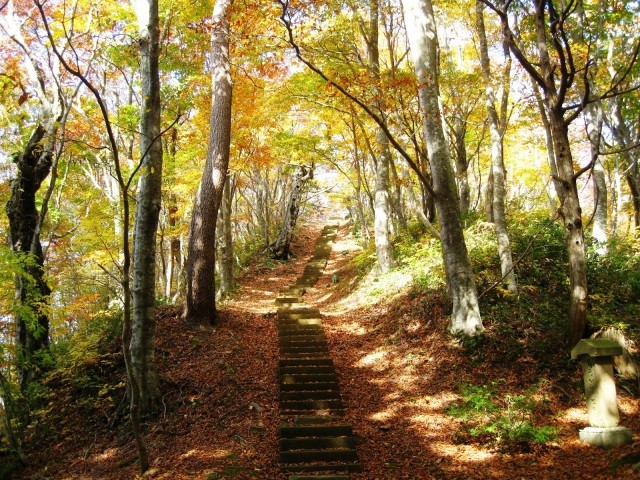
Oyadani Hakusan Shrine (The Great Rock of Oyadani)
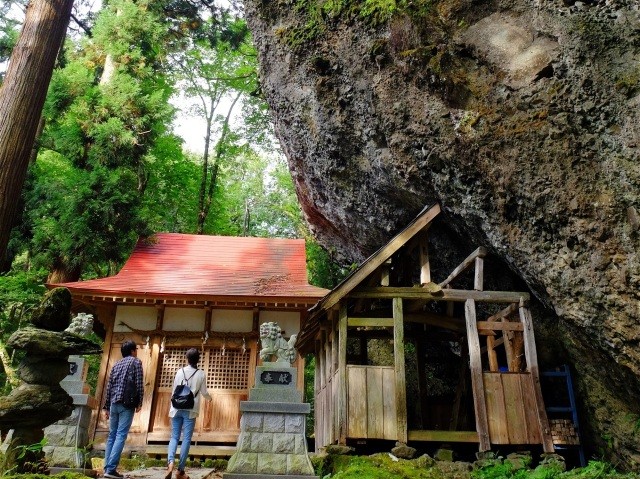
The large rock within the grounds of Oyatani Hakusan Shrine is a massive boulder over 20 meters in size, transported here by a debris avalanche triggered by the collapse of Mount Kyogatake volcano. It broke away from near the summit approximately 3…
- Eiheiji, Okuetsu
Tamagawa Cave Kannon
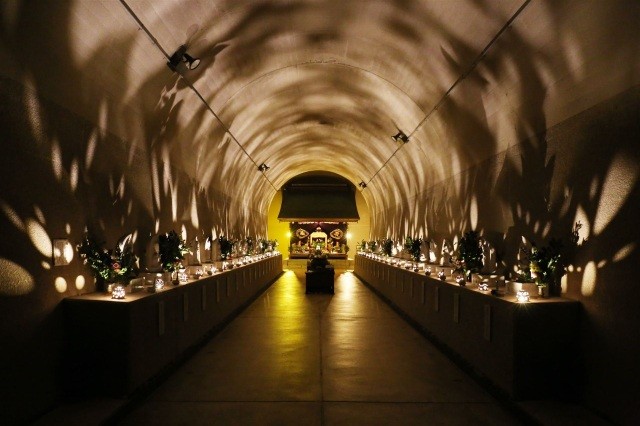
===================== The official website for Tamagawa Cave Kannon is now availablehttps://tamagawa-kannon.jimdofree.com/ ===================== While there are various theories, it is said that the origin…
- Tannan
Soanji Temple
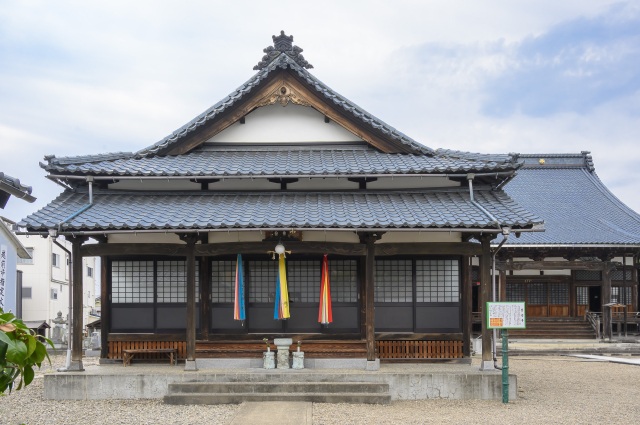
Founded during the Yoro era (717-724) of the Nara period by the great master Taicho, this Tendai sect temple was originally located in Nojiri, Ikeda Town. It was relocated to its present site in Fuchu, Echizen, in 1533 (Tensho 2) by order of the As…
- Tannan
Suibun Shrine
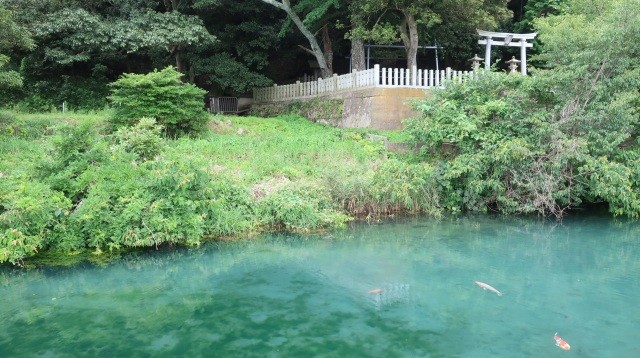
According to legend, when a nun bathed in the water due to the extreme heat, the spring dried up. Following an oracle stating "If you wrestle, water will flow," sumo matches were held, and water gushed forth. To this day, an annual sumo t…
- Awara,Sakai,Fukui
Ōtani-ji Daichō-in
Founded by the great monk Taichō, this site is said to have flourished greatly from the late Heian period through the Kamakura period. The stone nine-story pagoda, designated a National Important Cultural Property, stands at the foot of the mountai…
- Tannan
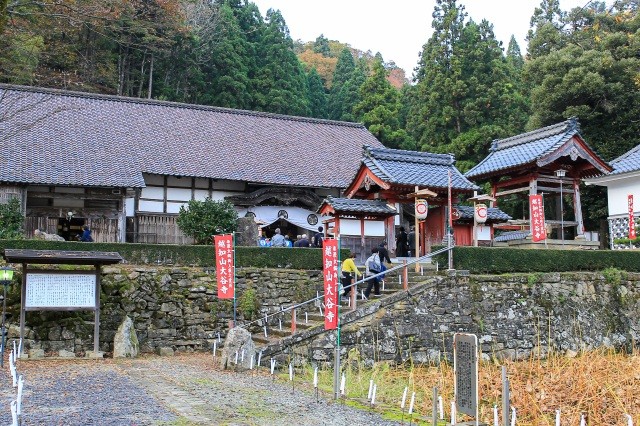
Shinchoji Temple
Established in Ichijōdani in 1533 by Asakura Takakage, a devotee of Dōchiku, this is a temple of the Tendai Shinshū sect. It is said to have been relocated here after the fall of the Asakura clan.
- Tannan
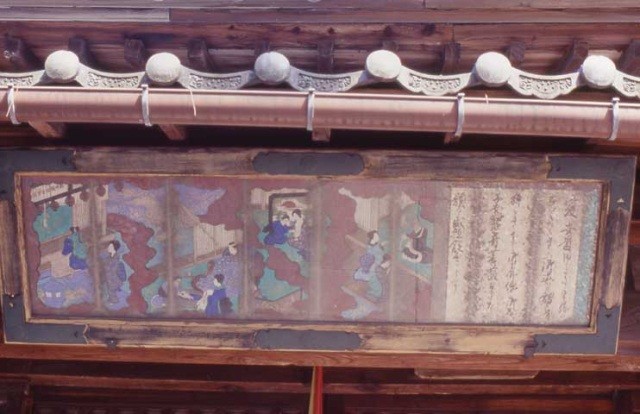
Enkyūji Temple
An ancient temple with a thousand-year history. In 1472, under the teachings of Rennyo Shonin, it converted from the Tendai sect to Jodo Shinshu. In 1575, during Oda Nobunaga's campaign against the Echizen Ikkō uprising, Enkyūji's chief priest Ryok…
- Tannan
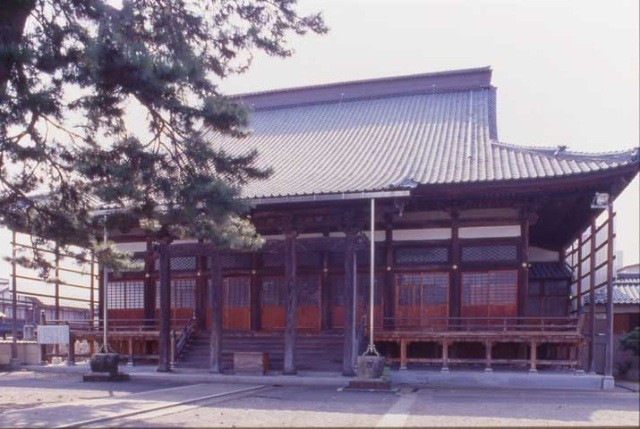
Chōenji Temple
An independent temple. This temple was one of three where the Mito Tengu Party was held immediately after their surrender, housing 90 members of the group. Their treatment at the temple was generous, but after being handed over to the shogunate, th…
- Wakasa
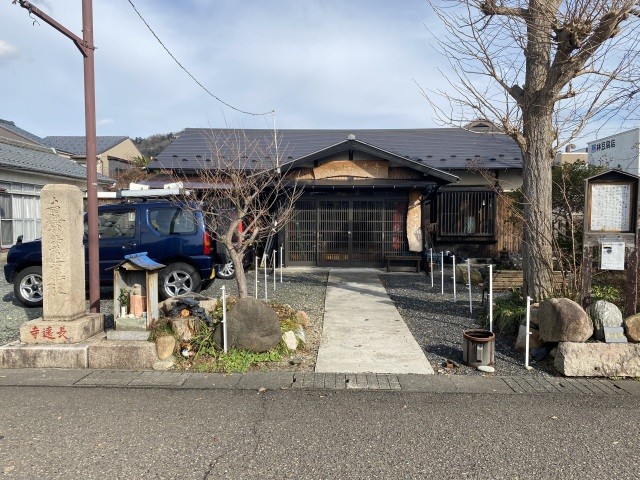
Jōkōji Temple
The second daughter of the Asai sisters, Ohatsu (Jōkō-in), built this temple to mourn her husband Kyōgoku Takatsugu. She invited Zen Master Shūko of the Enjō school, a native of Obama, to serve as the founding priest. Ohatsu is also historically no…
- Wakasa
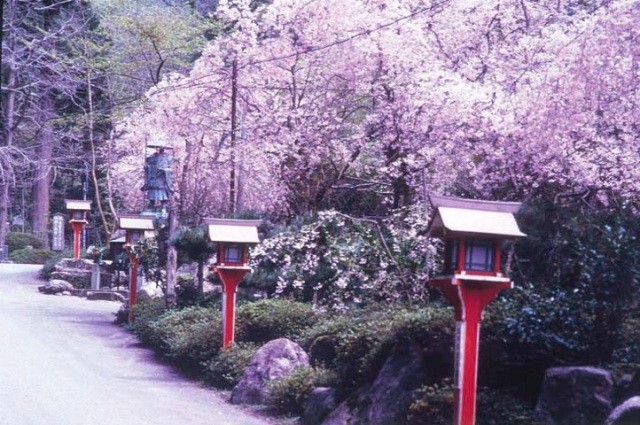
Weeping Cherry Tree at Sanpōishi Kannon
The principal statue of Kannon Bodhisattva lacks a right hand. Legend has it that Kobo Daishi carved the statue overnight, but when a rooster crowed at dawn, he descended the mountain leaving only the right wrist behind. For this reason, it is said…
- Wakasa
Iwaya Kannon
Iwaya Kannon is said to have originated when three statues—the Nyoirin Kannon, the Eleven-Headed Kannon, and the Sacred Kannon—were enshrined in the shadow of a massive rock within the temple grounds. Formerly known as Reigenji Temple, it is also s…
- Eiheiji, Okuetsu
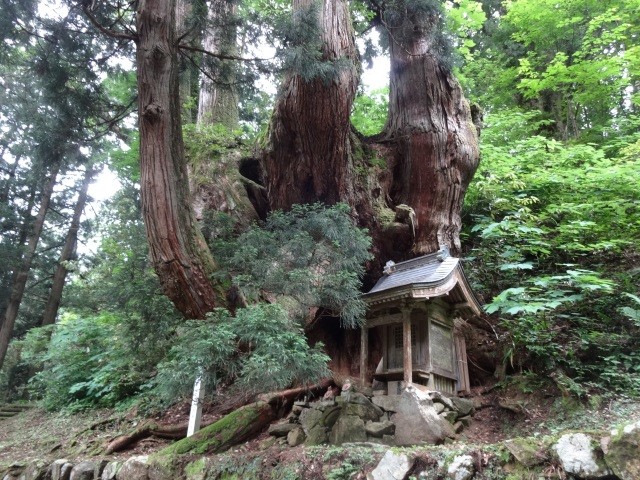
Tenman Shrine
Taira no Kiyomori's grandson, Taira no Morimori, fought as a commander for the Taira clan. He achieved a great victory in the Battle of Hiuchi at Imajō's Hiuchi Castle, but was defeated by Kiso Yoshizane at the Battle of Kurikara Pass. The Tale of …
- Awara,Sakai,Fukui