Attractions
Area
Category
Preferences
Distance
- Sort
- Most Popular
- Last Updated
- Nearest
- Layout
- List view
- Grid view
- Map view
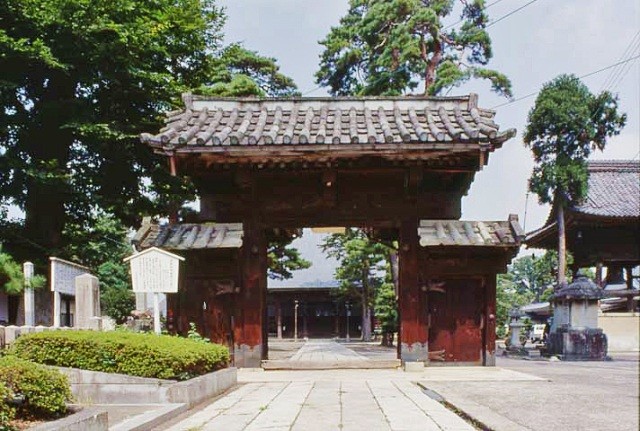
Zenkei-ji Temple
Zenkei-ji Temple is the family temple of Hashimoto Sainai, a great figure of the late Edo period born in Fukui. Zenkei-ji and Myōkyō-ji were originally located in what is now Ichijōdani before the Edo period, but were relocated to their current sit…
- Awara,Sakai,Fukui
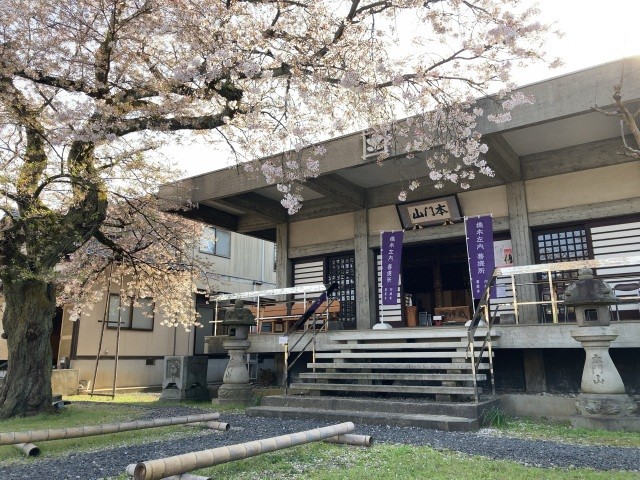
An'yoji Temple
In 1473, Asakura Takakage (Eirin), the first lord of Ichijōdani, established this temple in Ichijōdani. In 1567, it became the residence of Ashikaga Yoshiaki, the 15th shogun of the Muromachi shogunate. After the fall of the Asakura clan, it was re…
- Awara,Sakai,Fukui
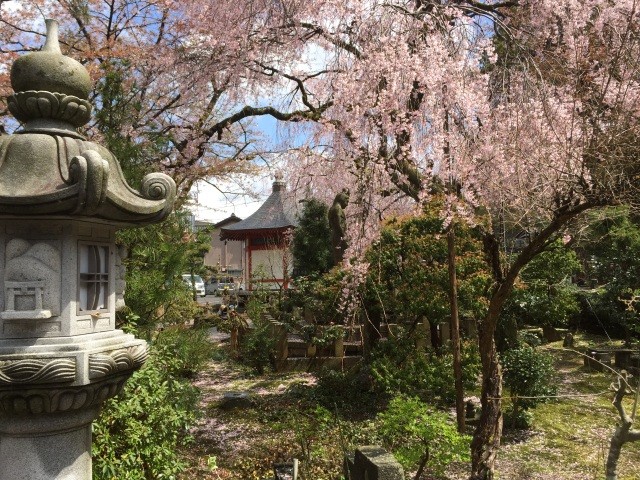
Chiyozuru Shrine
This shrine enshrines Chiyozuru Kuniyasu, the founder of Echizen-style swordsmithing.Within the grounds lies "Chiyozuru Pond," where Chiyozuru Kuniyasu is said to have drawn water while forging swords.Blacksmithing involves repeatedly tem…
- Tannan
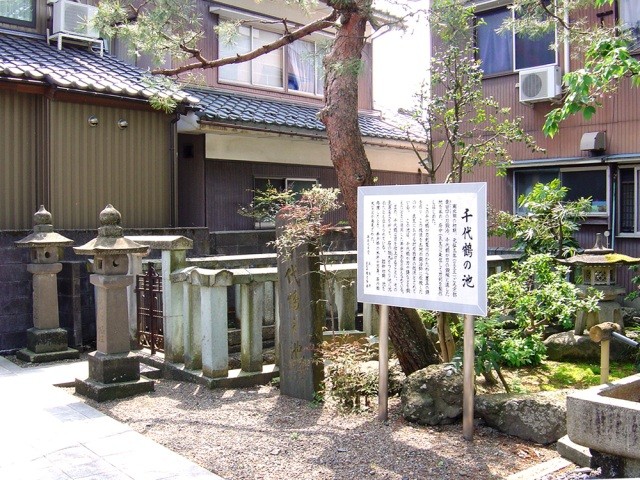
Benzaiten Hakuryu-o Daigongen
It is said that Benzaiten Hakuryu-o Daigongen was enshrined within the precincts of a branch temple of Hakusan Heisenji Shrine, which was founded in 717 (the first year of the Yoro era) during the Nara period by the great monk Taicho. In 1574 (the …
- Eiheiji, Okuetsu
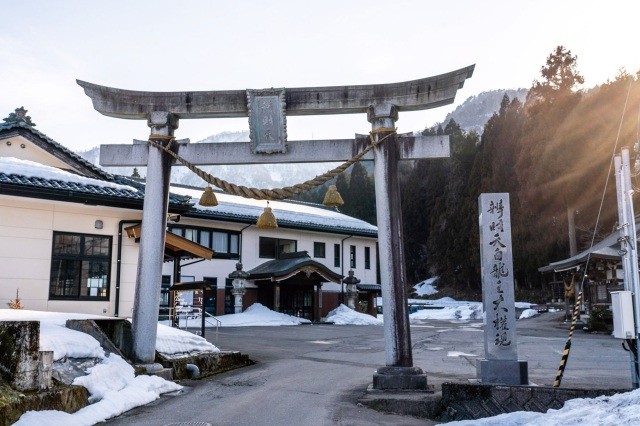
Kogyoji Temple, Museum Hana-no-Kura
Kogyoji Temple was founded in 1406 by Shūgaku Shōnin, the third son of Shōnyo Shōnin, the fifth head priest of Hongan-ji. Its "weeping cherry blossoms in spring" and "ginkgo trees in autumn" are renowned, and the museum "Ha…
- Eiheiji, Okuetsu
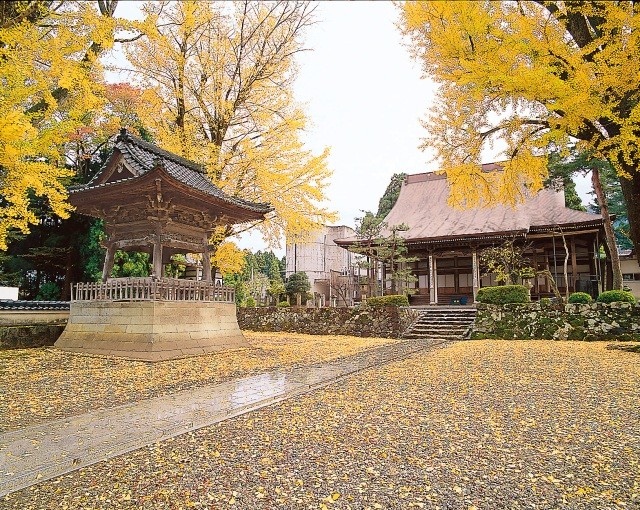
Tenryuji Temple (Soto Zen Buddhism, Seiryōzan Tenryū-ji)
This temple is a branch temple of Eiheiji, the head temple of the Soto Zen sect. It was established in 1653 by order of Matsudaira Masakatsu, the first lord of the Echizen Matsuoka domain. Originally built to pray for the repose of the soul of Lord…
- Eiheiji, Okuetsu
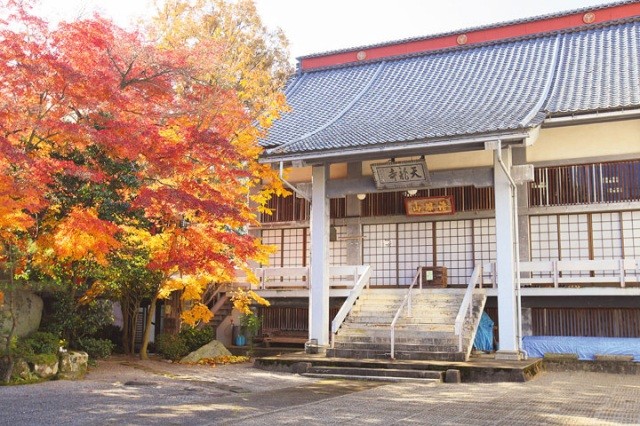
Kongo-in Temple
Kongo-in Temple, exuding the simple atmosphere of a mountain temple, is a Soto Zen temple. It was founded in 1433.In 1610, Honda Tomomasa relocated it to its current site, where the castle of the former lord, Aoki Kii-no-kami, once stood. Within th…
- Tannan
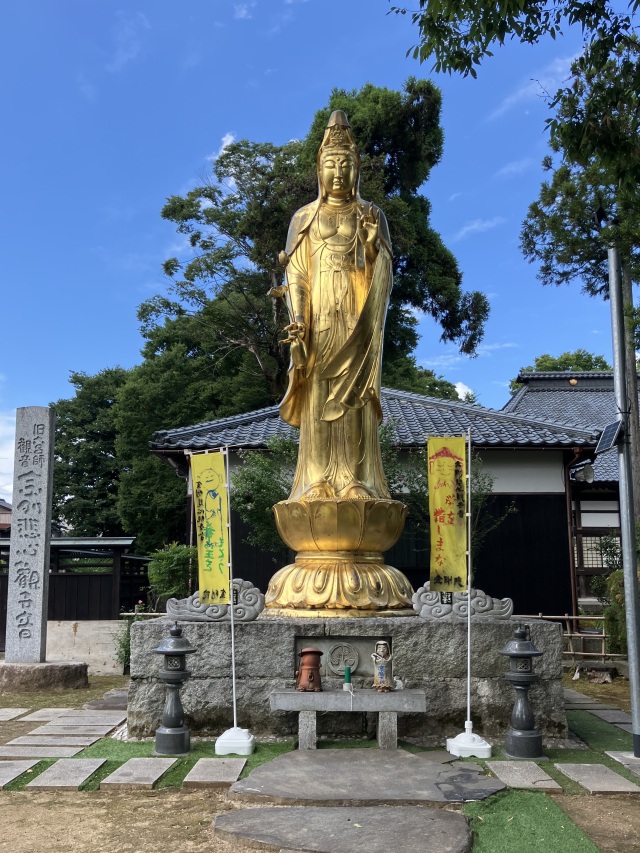
Kokubunji Temple (Echizen City)
By imperial decree issued by Emperor Shomu in 741, Kokubunji Temple was built in Takefu (present-day Echizen City), where the provincial capital was located. Today, it stands modestly beside the Soja Grand Shrine, but at the time of its founding, E…
- Tannan
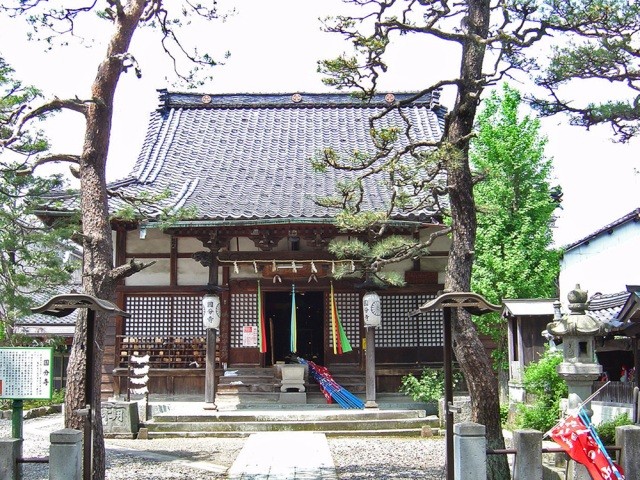
Asahi Kannon (Fukutsuji Temple)
It is said to have been founded by the great master Taichō, and in its heyday was a large temple with seven main halls. Today, it enshrines statues of the Bodhisattva Avalokiteśvara and the Thousand-Armed Kannon (both designated as prefectural cult…
- Tannan
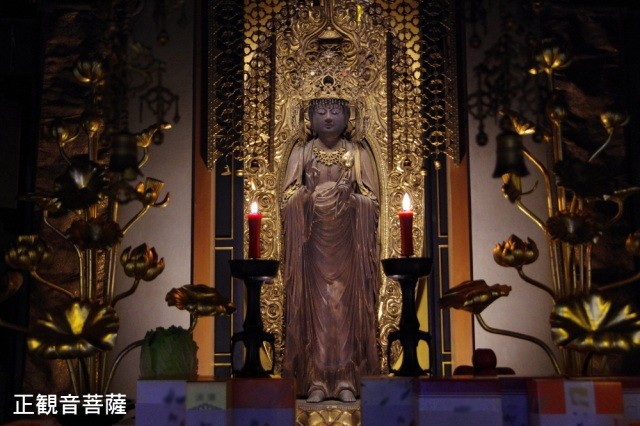
Myōyū-ji Temple
The weeping cherry tree, designated as a municipal natural monument, is famous. During its blooming season, it is illuminated and draws large crowds of visitors. This cherry tree stands 17 meters tall with a trunk circumference of 3 meters. It is s…
- Wakasa
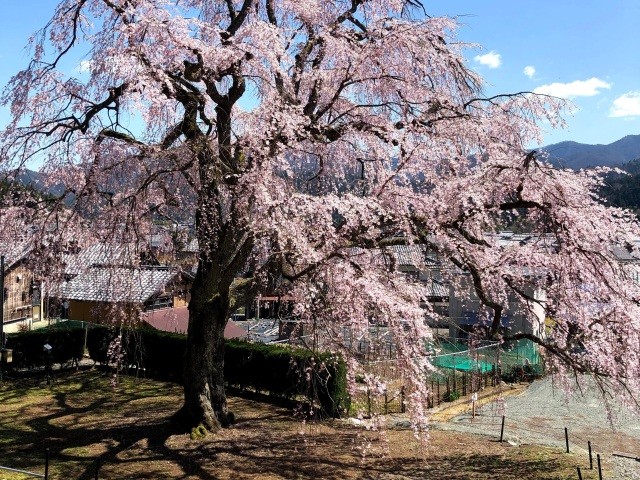
The Great Ginkgo Tree of Myokoji Temple
The great ginkgo tree at Myōkōji Temple is a large female ginkgo located on the western side of the temple grounds and is designated as a Prefectural Natural Monument. Its trunk circumference at breast height is 5.5 meters, its branch spread is app…
- Tannan
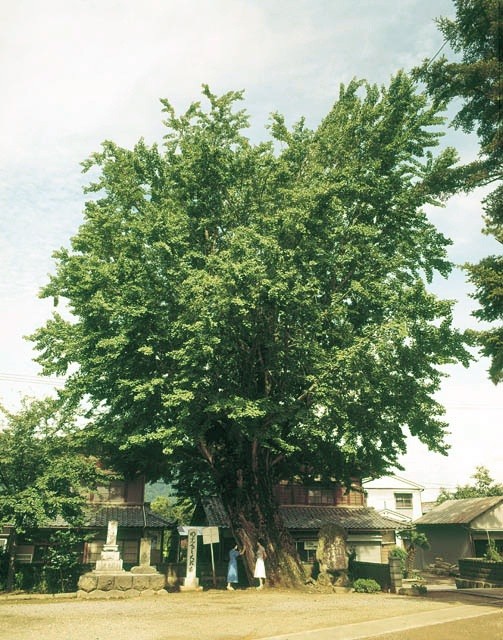
Amino Shrine
A shrine dedicated to Emperor Keitai. Legend holds that Emperor Keitai lived in Ajimano before his ascension to the throne. During the Muromachi period, the Kuratani clan maintained a castle here, and remnants of earthen ramparts remain to the nort…
- Tannan
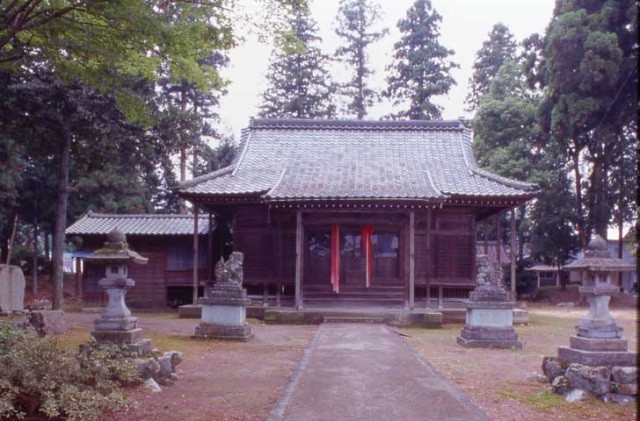
Gekkō-ji Temple
Upon entering the main hall, a magnificent, lustrous bronze Buddha statue immediately greets visitors. Standing approximately 5.5 meters tall from lotus pedestal to crown, it features a serene countenance. Erected in 1847 (Kōka 4), it was dedicated…
- Tannan
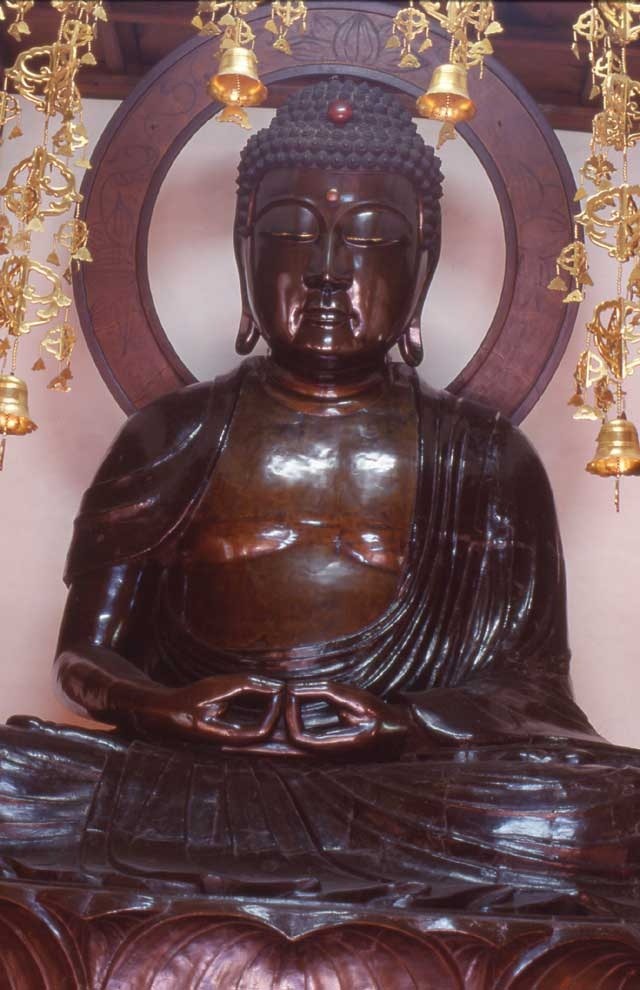
The Solitary Cherry Tree of Zuirinji Temple
From the hill with the solitary cherry tree at Zuirinji Temple, you can take in panoramic views of the Sea of Japan, Lake Kuguko (one of the Sanbōgoko lakes), and the fishing village scenery. This location also served as the setting for the film "S…
- Wakasa
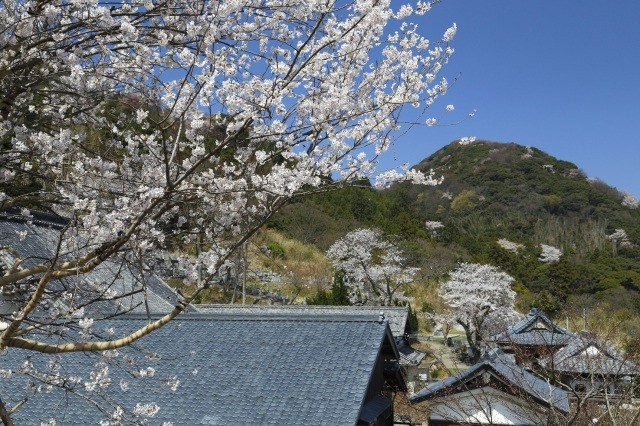
Eigenji
This temple is the family temple of Nijōin Sanuki. Within its grounds stands a monument inscribed with the poem selected for the Hyakunin Isshu anthology: "My sleeves, like the tide's ebb, Are never seen. The offshore rock— Though others may know i…
- Wakasa
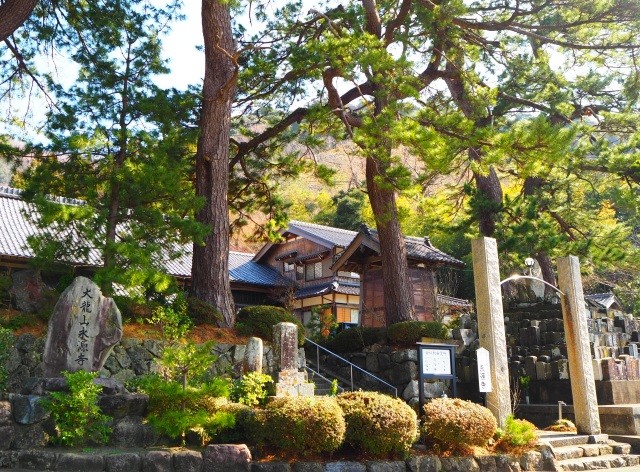
Raigō-ji Temple
Jishū sect temple. Founded in 1387 by Priest Kokua. By the late 16th century, it gained the patronage of Otani Yoshitsugu, lord of Tsuruga Castle. Decorated waist-high sliding screens, said to have been entrusted to the temple by Otani Yoshitsugu b…
- Wakasa
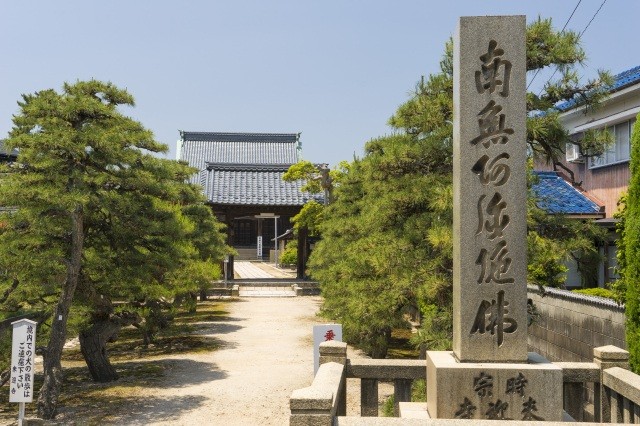
Tsunemiya Shrine
The enshrined deity is Empress Jingū, wife of Emperor Chuai at Kibitsu Shrine, revered as the "Goddess of Childbirth." On July 22 each year, a nationally rare ritual called the Sōsan Festival takes place, where the enshrined deity of Emperor Chuai …
- Wakasa
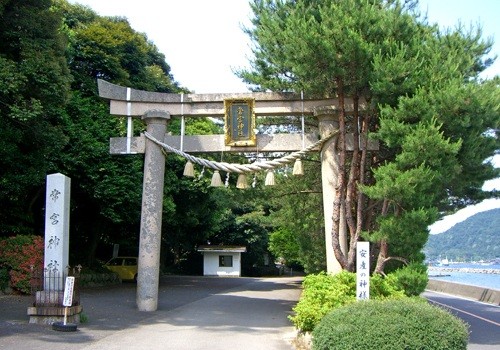
Zuiunzan Kinpōji Temple
Founded around the Eishō era (1504–1521) by the great priest Tōmoku Chōju (second abbot of Ryūun-ji), this is a Sōtō Zen temple. Perched on a hill overlooking the mouth of the Kuzuryu River, it was called "Hiyoriyama" (Weather Mountain) because dur…
- Awara,Sakai,Fukui
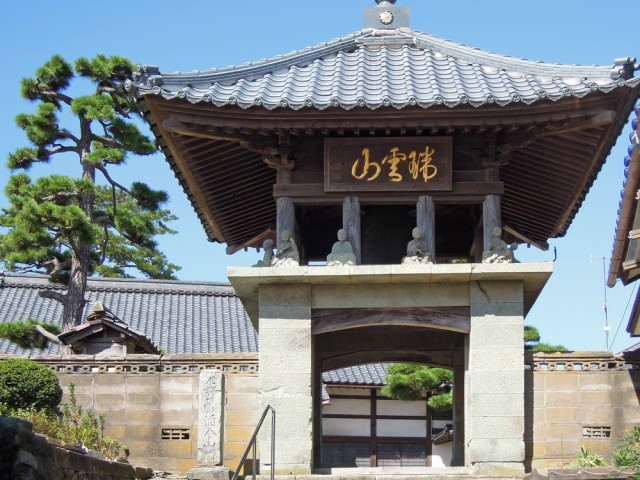
Suwaazuki Shrine
The main hall, built approximately 500 years ago, is a graceful shrine designated as a National Important Cultural Property. Its architecture masterfully blends Japanese, Tang, and Indian styles. The vermilion-lacquered mountain gate within the pre…
- Tannan
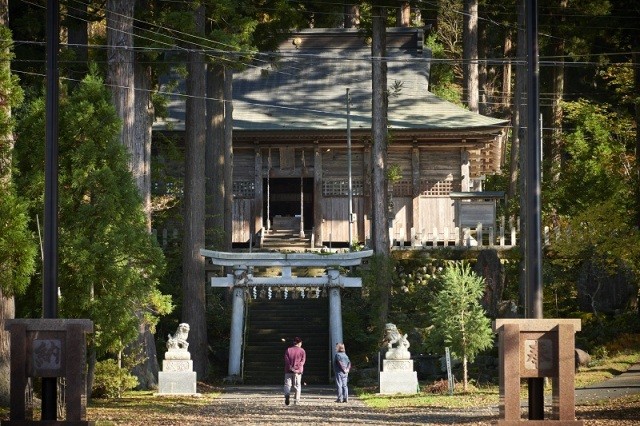
Shogakuji Temple
This Jodo-shu temple is a major temple with five sub-temples. It stands on the site of the former Shinshokoji Castle, built during the Nanbokucho period of 1336-1392 by Shiba (Ashikaga) Takatsune, the provincial governor of Echizen Province (presen…
- Tannan