Attractions
Area
Category
Preferences
Distance
- Sort
- Most Popular
- Last Updated
- Nearest
- Layout
- List view
- Grid view
- Map view
Eikaku-ji Temple
A Jōdo Shinshū temple. On January 29, 1865 (Genji 2), after confining the Mito Tengu Party to 16 warehouses, the shogunate established a temporary interrogation area at Eikaku-ji Temple on February 1 and conducted a preliminary investigation. Follo…
- Wakasa
Zui Gen Temple
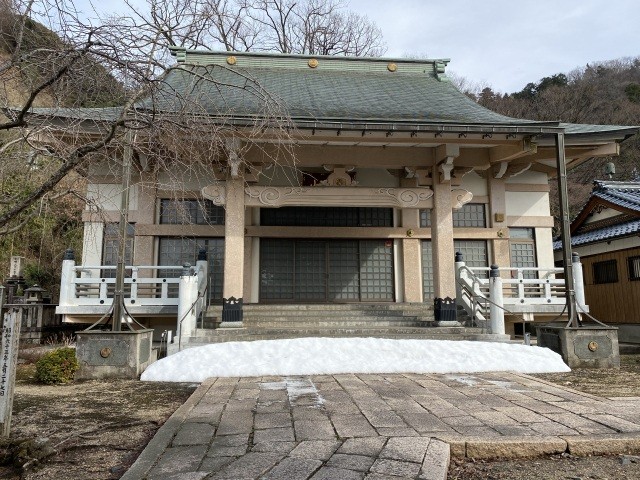
A Zen temple belonging to the Myōshinji branch of the Rinzai school. It is said to have been founded by the great master Taichō during the Tenpyō-hōji era in what is now Yoshié, Sabae City. After falling into ruin, it was restored during the…
- Awara,Sakai,Fukui
Mantokuji Temple
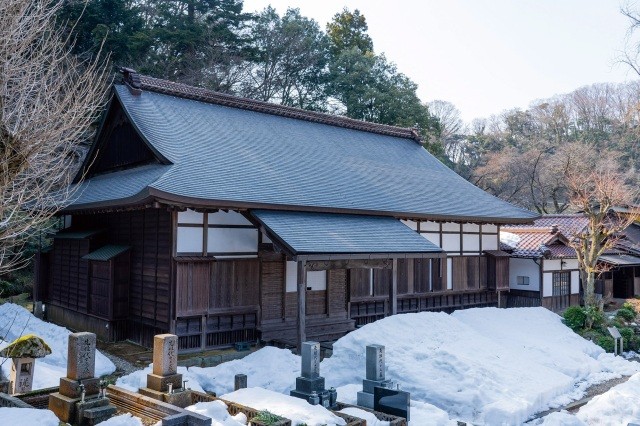
Mantokuji Temple is a Shingon Buddhist temple best known for its hillside landscape garden and carefully raked rock garden. These gardens are particularly popular destinations when the azaleas bloom in May and June. The temple is also home to a gia…
- Wakasa
NPO Volunteer Guide Kitamae Mikuni
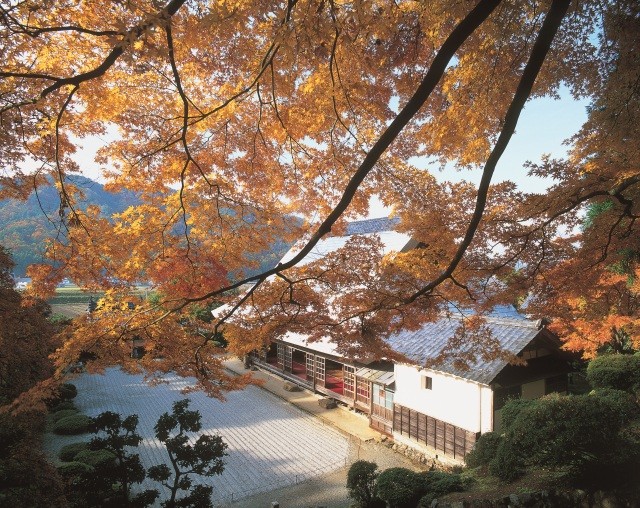
Volunteer Guides Showcasing the Charm of MikuniWe serve as volunteer guides, sharing with tourists the charm of Mikuni Town—a historic port town that has long prospered through water transport.Our goal is to contribute to community developmen…
- Awara,Sakai,Fukui
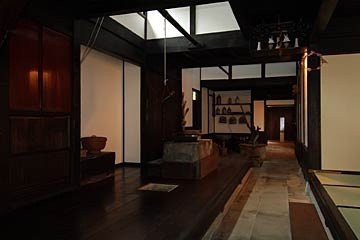
Enshoji Temple
Originally a Shingon temple called Tōmatsu-ji, it was located in Dōdani across the Minami River. It is said that the daughter of Uryū Minbu, lord of Echizen Somayama Castle, became a nun and entered this temple. In the first year of the Bun'an …
- Wakasa
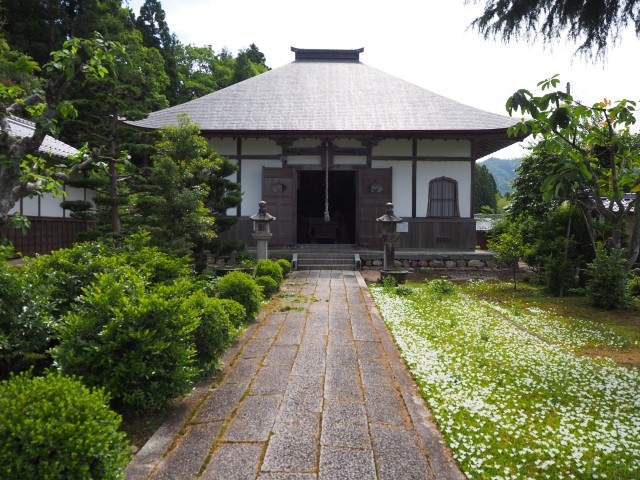
Honkoji Temple
This is a large temple of the Honzan class within the Hokke-shu Shimon-ryu sect, boasting five sub-temples.Based on the size of the temple grounds recorded in ancient documents and the location of ancient grid-pattern settlement remains preserved i…
- Tannan
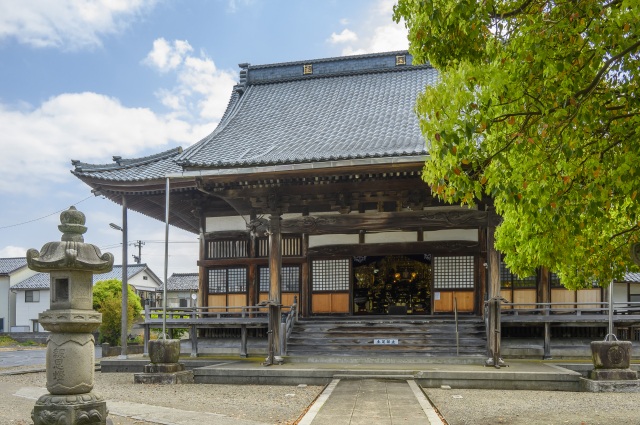
Jakkoen
The garden features the "Statue of the Young Dogen," depicting Zen Master Dogen in his youth when he resolved to become a monk, alongside the "Jojō Pagoda" built to repay the kindness of his master, Zen Master Jōjō, and the grav…
- Eiheiji, Okuetsu
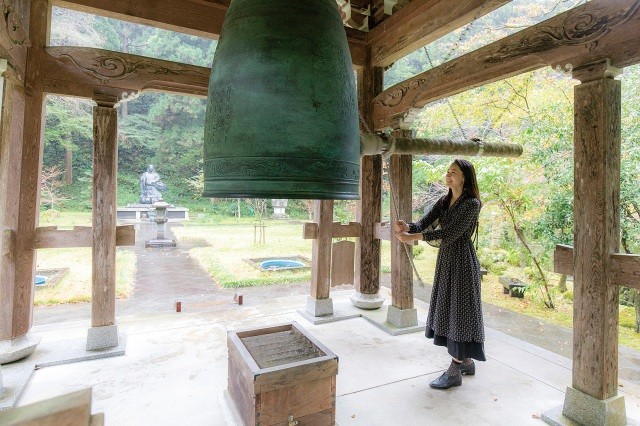
Wakashihiko Shrine (Wakasa Ichinomiya)
Wakashahiko Shrine is divided into two shrines: Wakashahiko Shrine (Upper Shrine) and Wakashahime Shrine (Lower Shrine). This shrine is the Upper Shrine, established in the first year of the Reikyu era (715 AD) during the Nara period. It enshrines …
- Wakasa
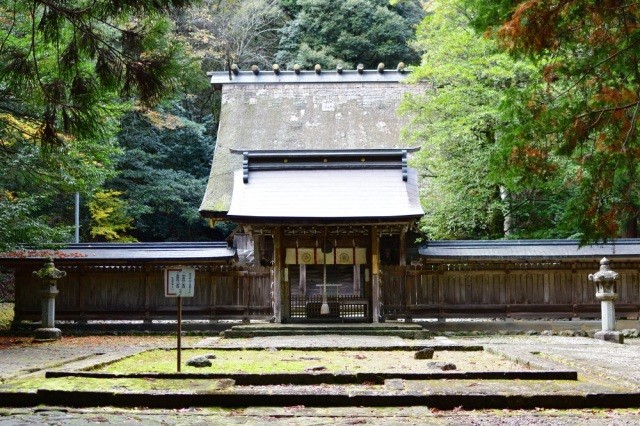
Saishōshōji Temple (Fujishima Castle Ruins)
Chōshōji Temple was built on the site of Fujishima Castle from the Nanboku-chō period, and part of the castle's earthen ramparts remain within the grounds of Nishi-Chōshōji Temple. Fujishima Castle is said to have been built by Shiba Takatsune, a m…
- Awara,Sakai,Fukui
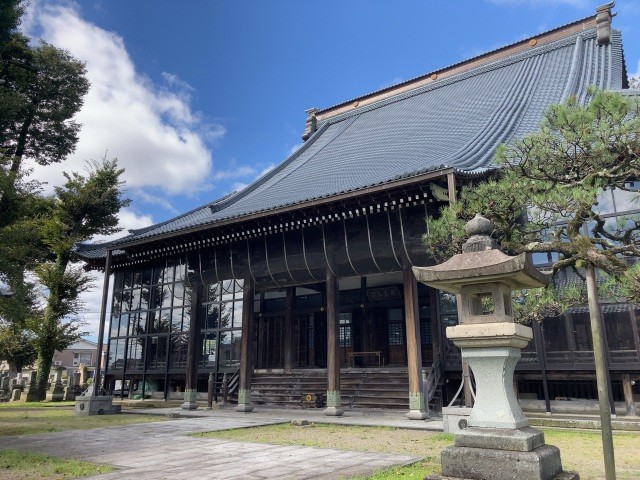
Ryumonji Temple
The temple possesses the simple, unadorned appearance characteristic of Zen temples. However, a map of Fuchu from the first year of the Shotoku era (1711) records its grounds as measuring 44 ken (approximately 80 meters) north to south and 50 ken (…
- Tannan
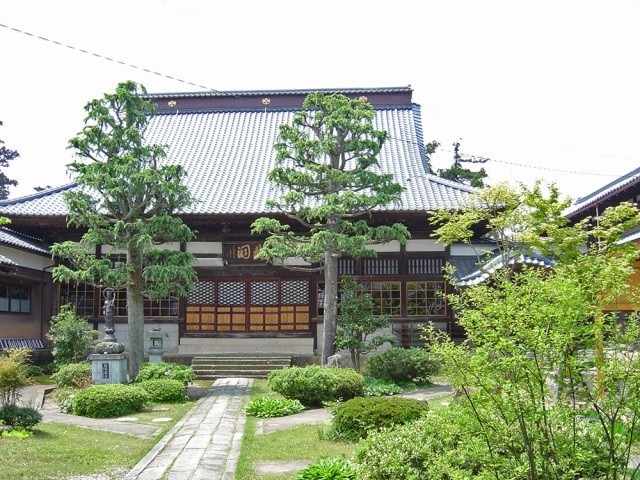
Mikuni Shrine
This shrine enshrines Ōyamakui-no-mikoto and Emperor Keitai. Alongside a prefecturally designated cultural property sword and a prayer document, it houses a life-sized, wooden, painted sacred horse. The imposing Suijin Gate and the magnificent carv…
- Awara,Sakai,Fukui
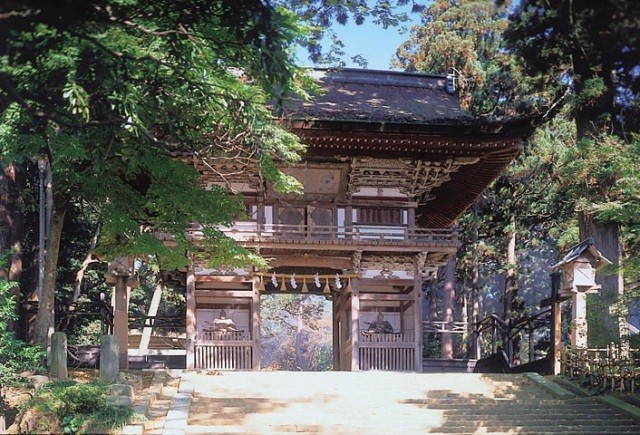
Soja Daijingu Grand Shrine
The Soja was a shrine invariably established at the location of the provincial capital. In ancient times, one of the major duties of the provincial governor was to make an annual pilgrimage to the principal shrines within the province.The Soja shri…
- Tannan
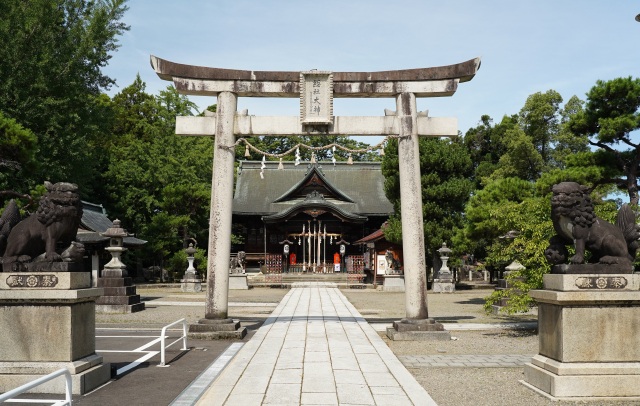
Kawasosan Hoshunji Temple
This temple enshrines Dainichi Nyorai as its principal image and is the only temple in Echizen City belonging to the Rinzai sect's Daitoku-ji school. A river flows right beside it, and since ancient times, worshippers would purify themselves in…
- Tannan
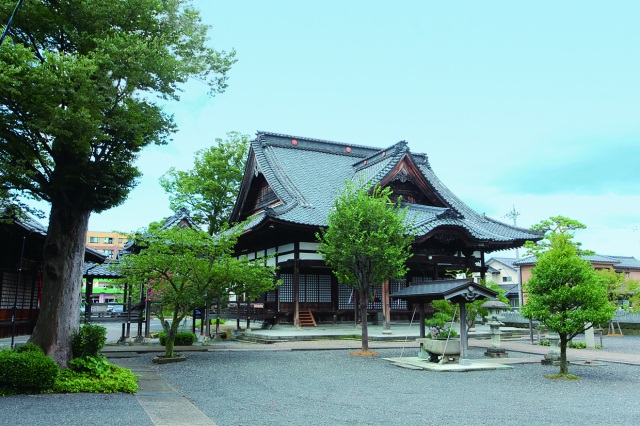
Omushi Shrine
This shrine is said to have a history as ancient as Ise Jingu (Ise Grand Shrine). Its two wooden statues of male deities, created during the Heian period (794-1185), are designated as Important Cultural Properties of Japan. Legend has it that long …
- Tannan
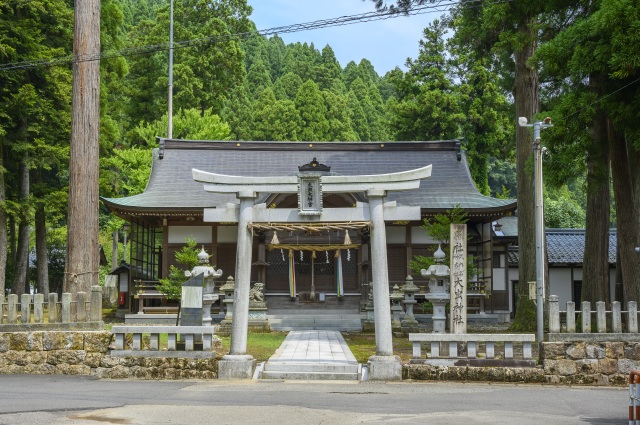
"Basho's Tomb" Tenryuji Temple Grounds
"Writing things down, Opening the fan, What lingering echoes!" This is a gift verse composed by Matsuo Bashō during his journey along the Narrow Road to the Deep North, when he stopped at Tenryū-ji Temple. The Bashō Tomb was erected in 18…
- Eiheiji, Okuetsu
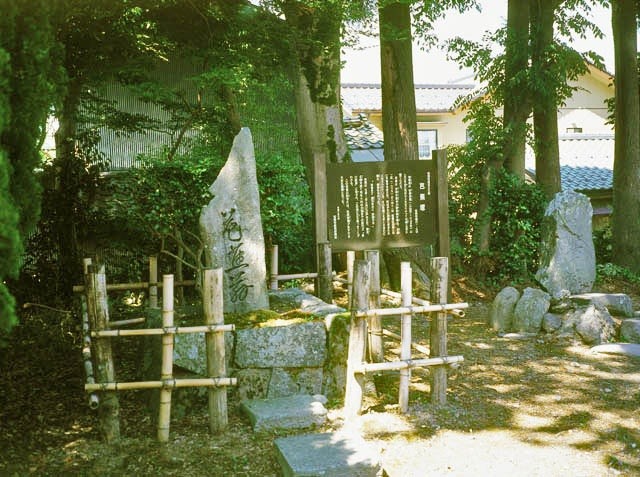
Takidanji Temple
Takidanji Temple, originally built in 1375, is a popular destination for its beauty, both inside and out. Visitors can see temple buildings that date back to centuries ago, and enjoy the scenery of the temple’s Japanese garden and mossy groun…
- Awara,Sakai,Fukui
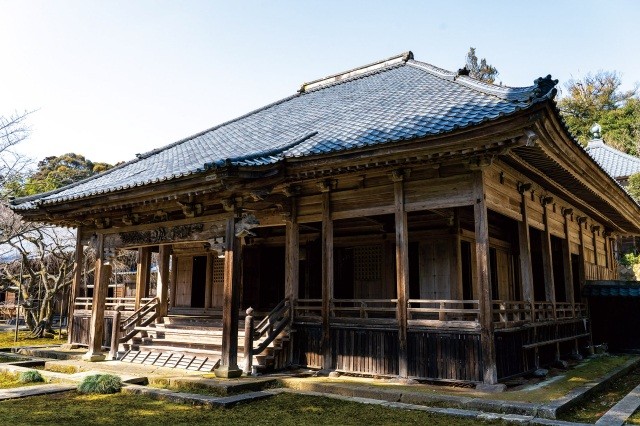
Lord Nitta Yoshisada's Tomb (Shōnenji Temple)
This historic temple has been in existence since the 5th year of the Yōrō era (721). The remains of Nitta Yoshisada, a warrior from the Nanbokucho period, are buried here with great care, and a tombstone stands in his honor. Additionally, Shōnenji …
- Awara,Sakai,Fukui
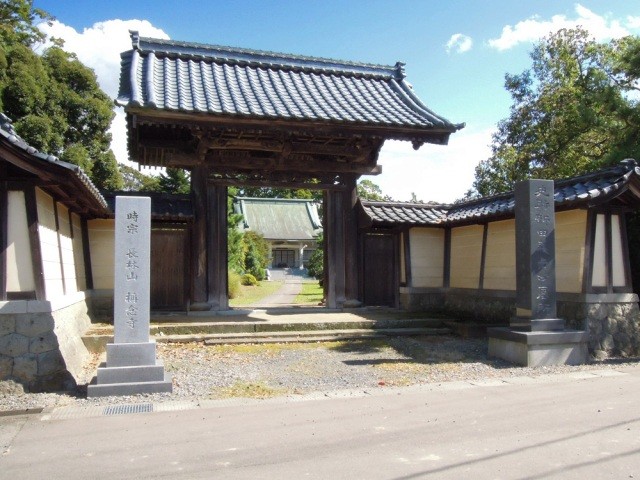
Matsubara Shrine
This shrine was established in 1875 to honor the Mito Tengu Party. Although no shrine hall existed at the time of its founding, a shrine monument was erected in October 1883. Subsequently, with funding from the Marquis Maeda family, the shrine hall…
- Wakasa
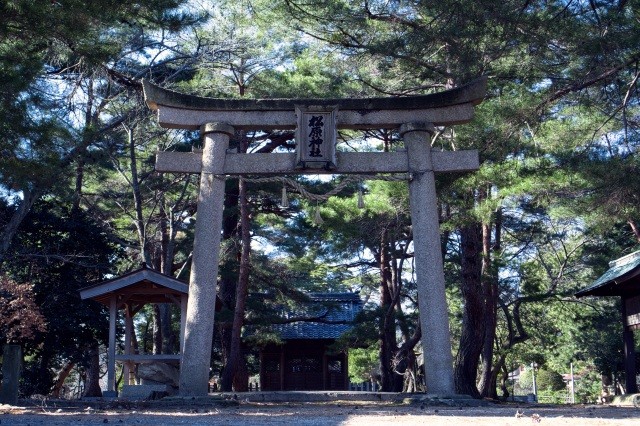
Honkatsuji Temple
A temple of the Nichiren Shu sect. Originally founded in 810 as a Shingon sect temple, it was converted to Nichiren Shu by Saint Nichiryu in 1426. Members of the Mito Tengu Party who had surrendered to the Kaga Domain forces participating in the s…
- Wakasa
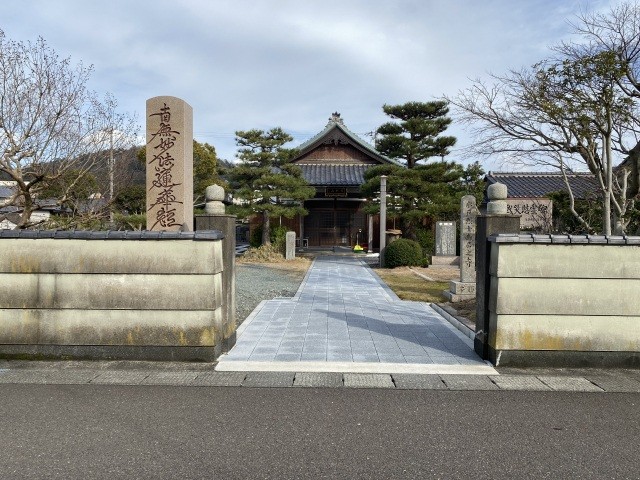
Jōzenji Temple
The seated statue of Fudō Myōō, believed to date from the Heian period, is designated an Important Cultural Property. Its imposing and majestic appearance has earned it the alternate name "Wave-Cutting Fudō," and it is revered by fishermen.
- Wakasa