Attractions
Area
Category
Preferences
Distance
- Sort
- Most Popular
- Last Updated
- Nearest
- Layout
- List view
- Grid view
- Map view
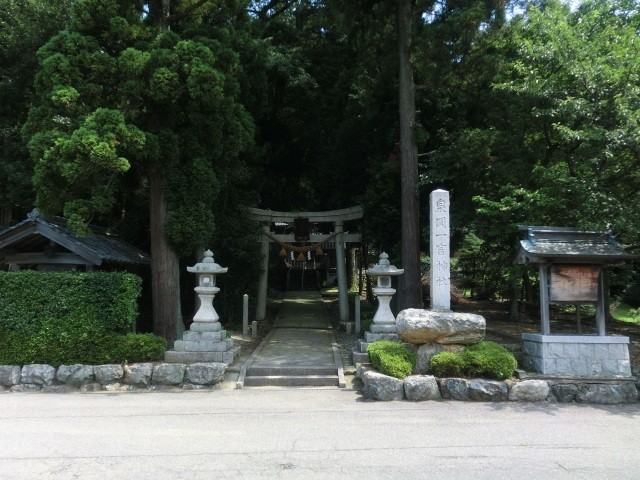
Izumioka Ichigoto Shrine
As per the words of the deity Ichimon, who said "Do not build a shrine," Wakasa Town's Ichimon Shrine is a rare "shrine without a shrine building" in Japan. It is said that if you make a single wish with a pure heart and tell no one, it will come t…
- Wakasa
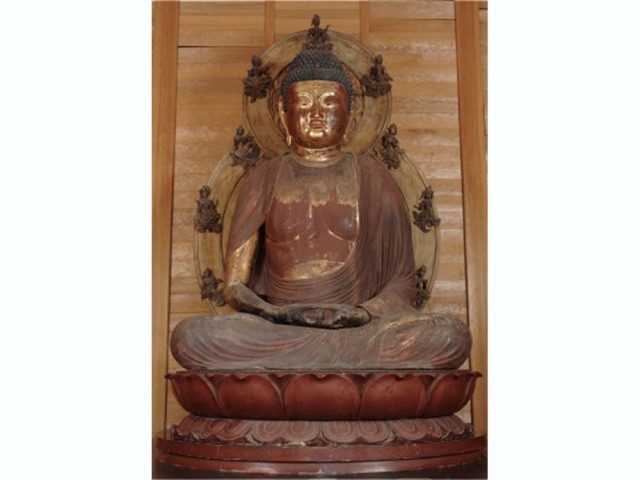
Chōraku-ji Temple
The seated statue of Amida Nyorai, modeled after the style of the Buddhist sculptor Jocho, glows brilliantly in gold, while nine celestial dancers gracefully dance on its halo. It is the largest sculpture in the town and, together with the standing…
- Wakasa
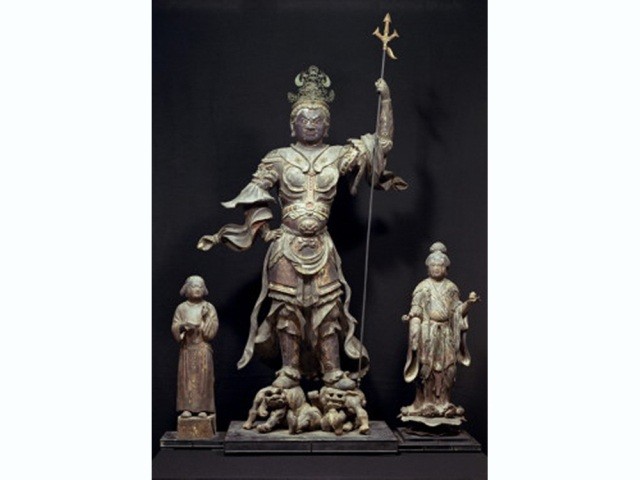
Seionji Temple
The imposing standing statue of Bishamonten, created during the Kamakura period, is characterized by its fierce, demonic expression. Flanking it are standing statues of Kichijōten and Zenshidoji, all three designated as Important Cultural Propertie…
- Wakasa
Karihime Shrine
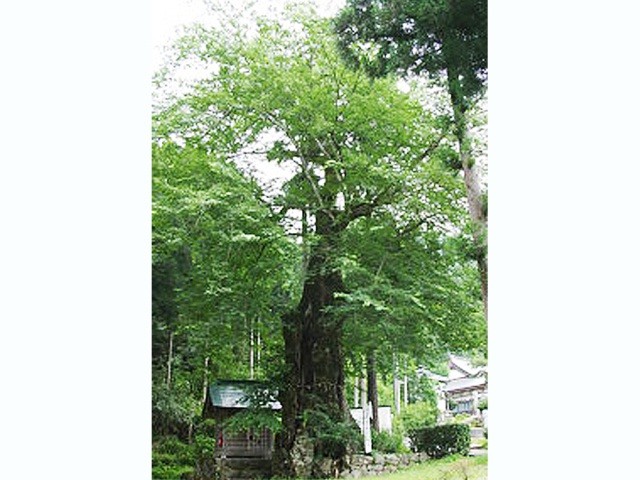
Following the old road through Ooi Town's Namashōshita district leads to Kanda Himegami Shrine. To the right of the main hall stand a Japanese mulberry tree and Japanese cedars, while to the left are Japanese cedars and cherry trees. The Japanese m…
- Wakasa
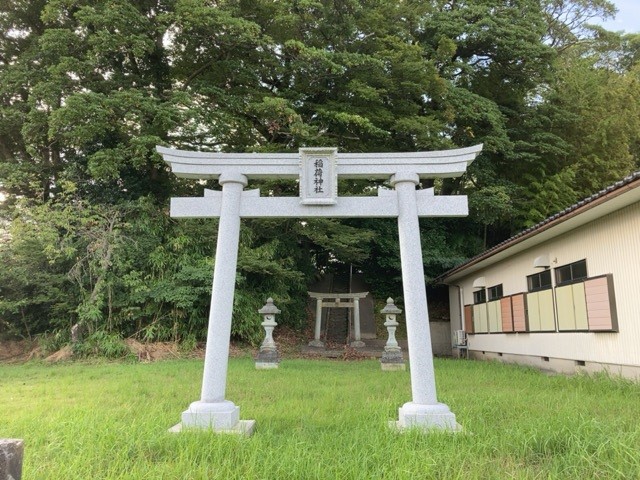
Inari Shrine (Nishinakano-cho, Fukui City)
The founding of Kamisunagawa Town, Hokkaido, dates back to Meiji 32 (1899), when it was pioneered by Mr. Jinnosuke Yamauchi, originally from the former Fukui Prefecture village of Utsurimura, along with eight others. The sacred object that once res…
- Awara,Sakai,Fukui
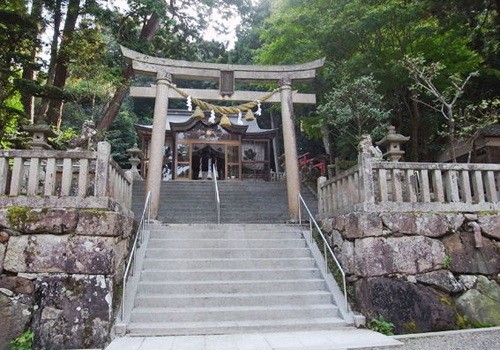
Sakichi Shrine
Sakichi Shrine is an ancient shrine said to have been founded over 1,000 years ago. The “Takahama Seven-Year Festival”—one of the largest festivals in the Reinan region of Fukui Prefecture, held once every six years and lasting se…
- Wakasa
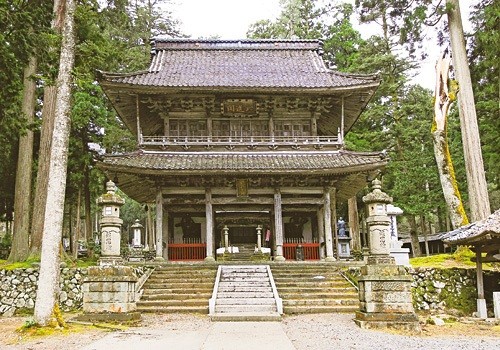
Myōtai-ji Temple
Myōtaiji Temple, known as a sacred site of the Nichiren Shū Myōkenji sect, was founded in 1294 by Nichirō, a disciple of Nichiren Daishōnin. Within its grounds, the main hall built in 1746 stands quietly surrounded by ancient cedar trees said to be…
- Tannan
Yashiro Kannon Hall Fukuju Temple
The Sacred Kannon Bodhisattva enshrined in Fukujuji Temple's main hall is said to depict the form of the princess from the Hand-Pestle Festival. It has also been claimed that this Kannon Bodhisattva was brought from Tang China.This seated statue st…
- Wakasa
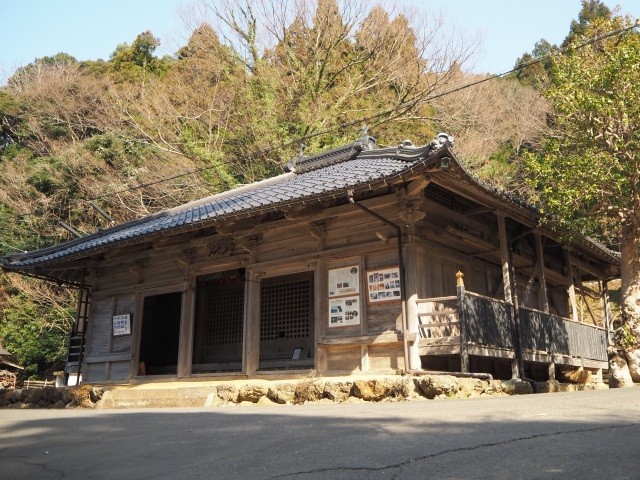
Eiganjiji Temple
Sōtō Zen sect. The first temple of the Wakasa Thirty-Three Kannon Pilgrimage. Founded in 1413 in what is now Eishin-chō. Relocated to its present site in 1607 by Uta no Sōtei. The Mito Tengu Party included 11 young boys. It is said that Ryudo, the…
- Wakasa
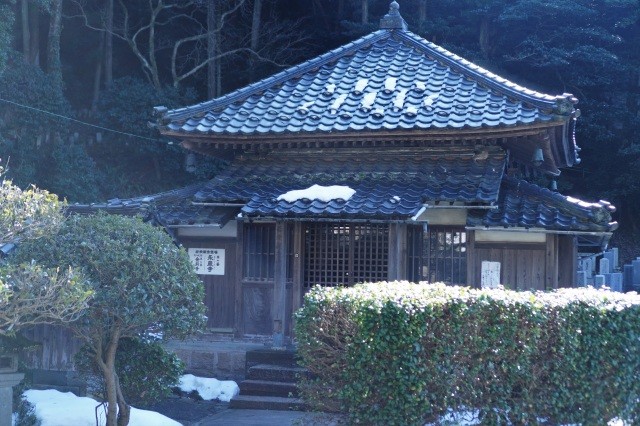
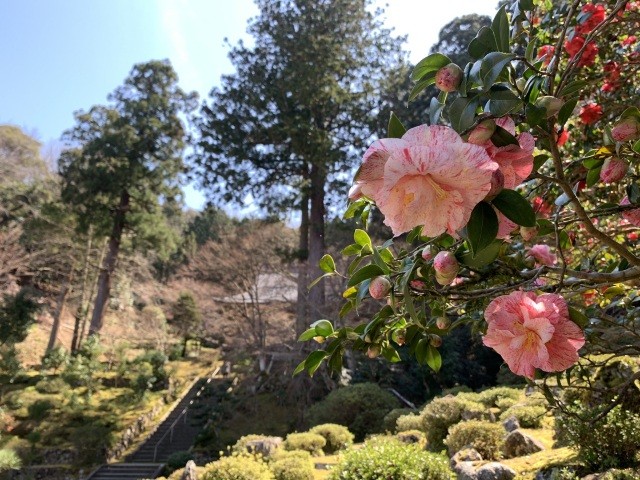
The Five-Colored Camellia of Mandokuji Temple
It is rare nationwide for a single camellia tree to bloom with five different colors. Many people travel from afar to see it, delighting the eyes of visitors. (Mid- to late March)
- Wakasa
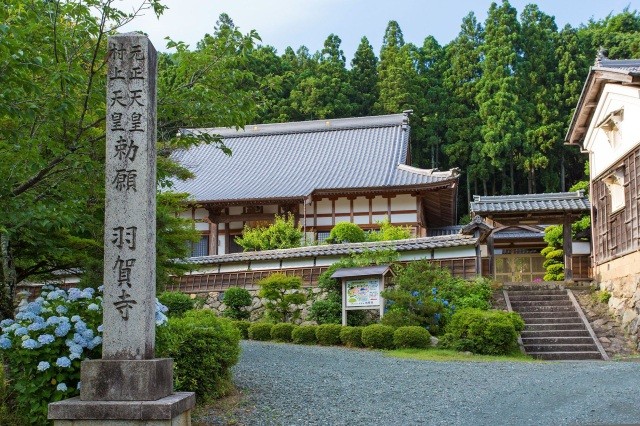
Hagaji Temple
Among the many Buddhas, the wooden standing statue of the Eleven-Faced Kannon Bodhisattva at Haga Temple in Obama (height 146.4 cm, early Heian period, Important Cultural Property) is particularly beautiful. It is said to be modeled after Empress G…
- Wakasa
Tadaji Temple
The main hall of Tada-ji enshrines the principal image of Yakushi Nyorai, renowned for its miraculous healing power against eye ailments. Flanking it are the Eleven-Faced Kannon, also called the Mona Lisa of Wakasa, and the Heian-period Sacred Kann…
- Wakasa
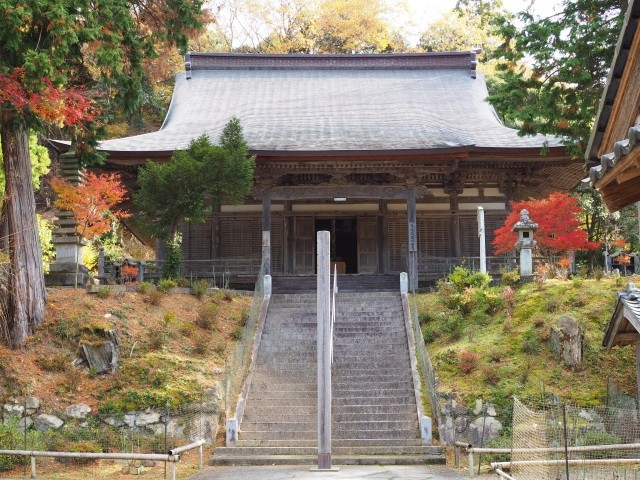
Ginkgo Kannon of Daionji Temple
This standing statue of the Eleven-Faced Kannon is carved into a ginkgo tree, estimated to be about 450 years old, standing near the mountain gate of Jōtan-zan Taiō-ji Temple. Believed to save people from all kinds of suffering, it attracts local w…
- Wakasa
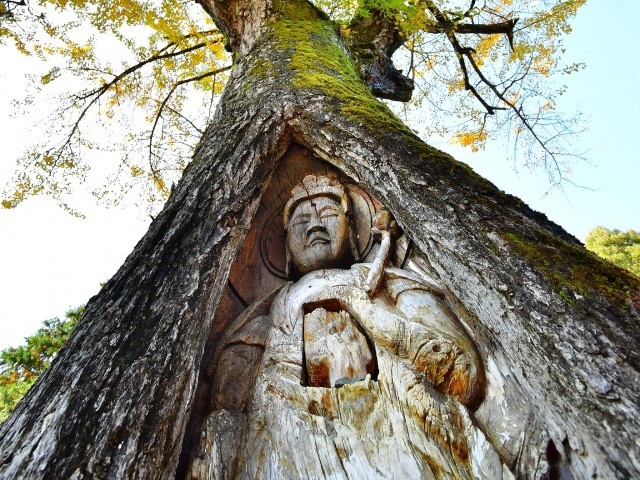
Shinozato Shrine
・A purifying pilgrimage experience at Shinozato Shrine, the sacred water sanctuary ・Learn about "The Sacred Spring of Shinozato Shrine"・Visit the Sacred Spring・Receive amulets and make wishes on votive plaques. (About Shinoza Shrine) An ancient…
- Eiheiji, Okuetsu
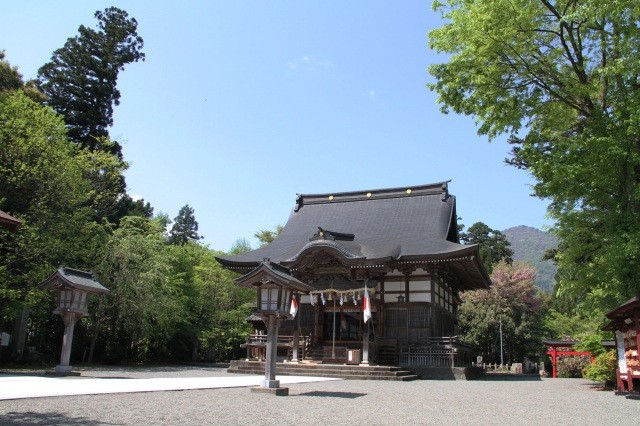
Kurodani Kannon
Kokubuzan Busshoji Temple, famous for its Eleven-Faced Kannon statue, is said to be the oldest temple in Ono City, having been founded in 807. The temple is home to a "stroking Buddha" statue, commonly known as "Obinzuru-san." I…
- Eiheiji, Okuetsu
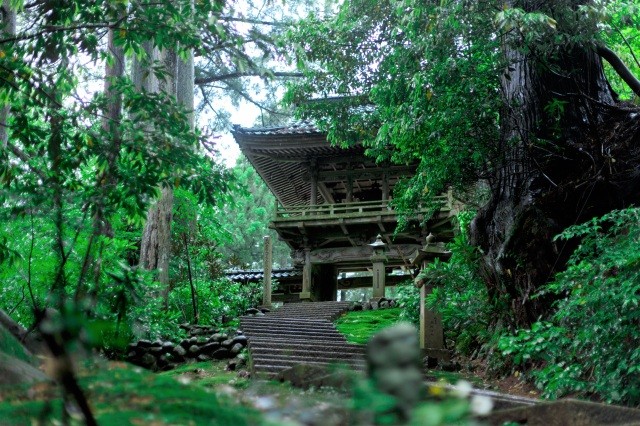
Hakusan Shrine (Ikeda Town)
Shizuhara Village's Shirayama Shrine stands quietly, with ancient cedar and zelkova trees of unknown age standing side by side before its torii gate. Until the late Edo period, Noh plays were dedicated here, and many ancient Noh masks, costumes, an…
- Tannan
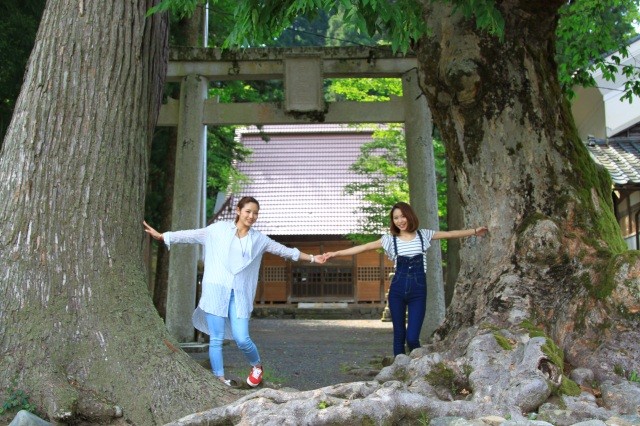
Goryo Shrine
The enshrined deity is Prince Sawara, the son of Emperor Kanmu. It is said that an imperial edict was issued to provincial governors nationwide to establish Goryo Shrines to appease the vengeful spirit of Prince Sawara, who was caught up in politic…
- Tannan
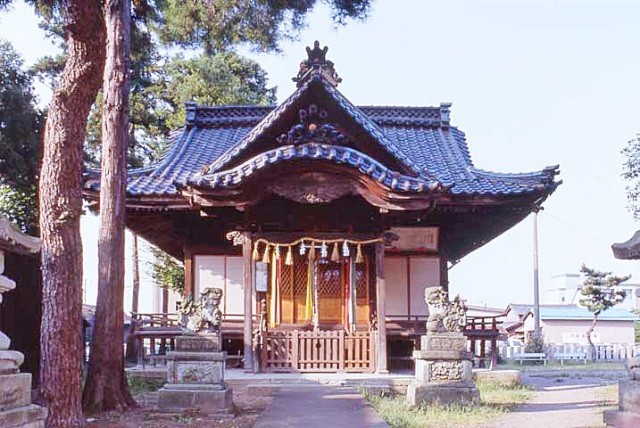
Shion-in Temple
The Wakasa Kannon Pilgrimage consists of 33 sites. Shion-in Temple is the 28th temple on this pilgrimage route, an ancient temple housing a sacred Kannon statue of the Rinzai sect. The 33 Kannon statues enshrined within the temple buildings were pl…
- Wakasa
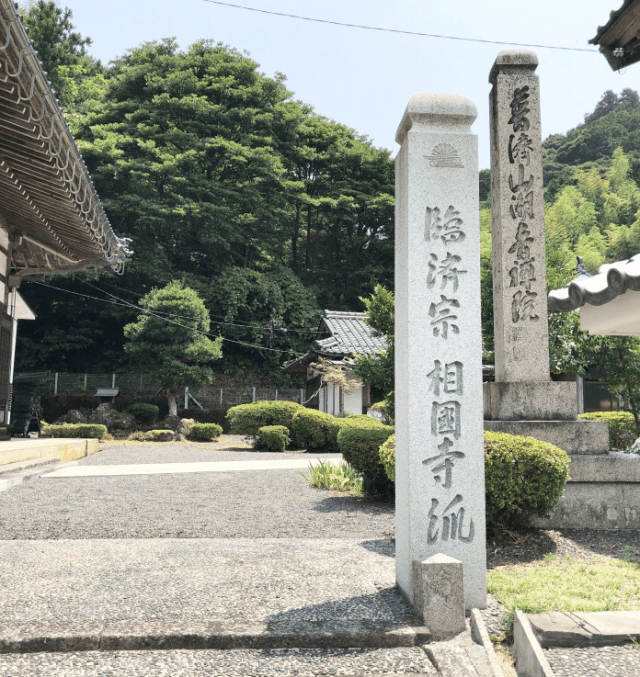
Kokubunji (Obama City)
Wakasa Kokubunji Temple is one of the provincial temples established nationwide during the Nara period by imperial decree of Emperor Shōmu and is designated as a national historic site. The Shakado Hall houses a large seated statue of Shaka Nyorai,…
- Wakasa
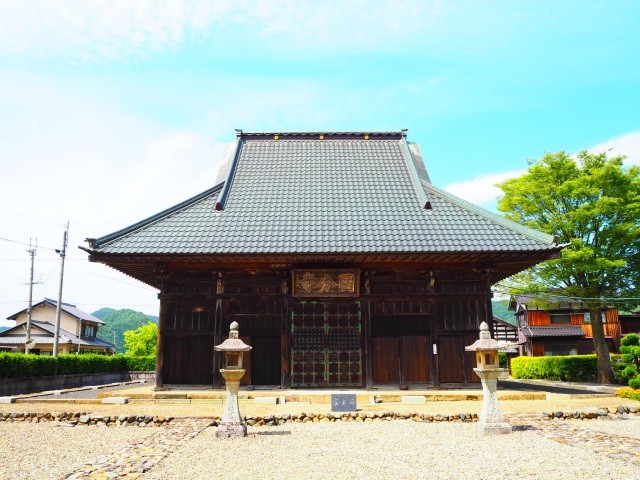
Mankei-ji Temple
A direct branch temple of Eiheiji, the head temple of the Soto Zen sect, and the family temple of the Sabae domain lords, the Kanbe clan. The ceiling ink paintings "Wind God," "Dragon God," and "Thunder God," painted by the 7th domain lord, Kanbe A…
- Tannan