Attractions
Area
Category
Preferences
Distance
- Sort
- Most Popular
- Last Updated
- Nearest
- Layout
- List view
- Grid view
- Map view
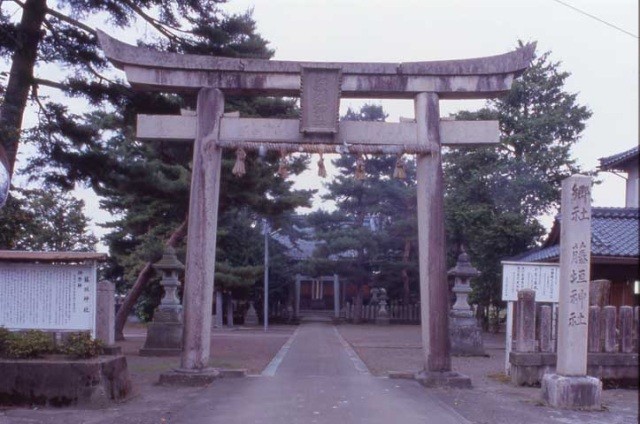
Tsurugi Shrine
Tsurugi Shrine was burned down by Taira no Kiyomori in 1161, but Taira no Shigemori, Kiyomori's eldest son, rebuilt the shrine in 1164. Shigemori is enshrined at the Komatsu Ken'un Shrine within the grounds.Tsurugi Shrine is the second most…
- Tannan
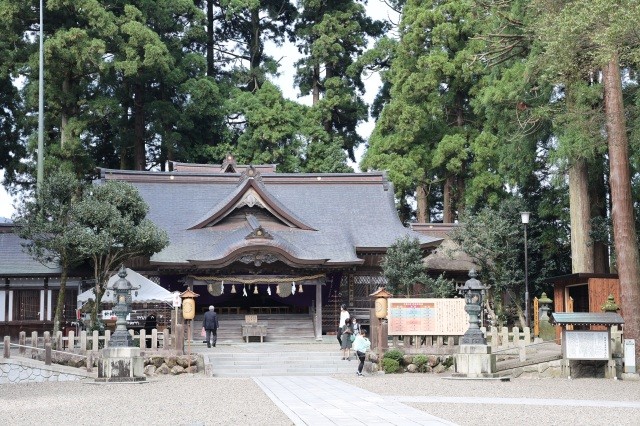
Tomb of Magara Jurozaemon Naotaka @ Kotokuji Temple
Shimobe Jurozaemon, a retainer of the Echizen Asakura clan who appears in the "Asakura Shumonki," "Nobunaga Koki," and "Akechi Gunki," maintained his residence in Shimano, Echizen (present-day Echizen City). He was ren…
- Tannan
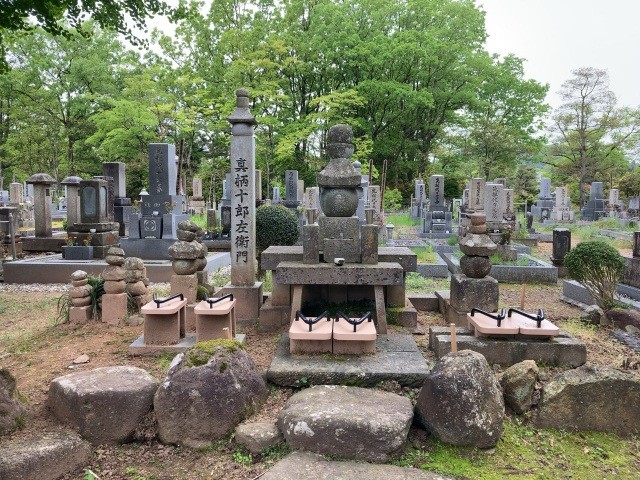
Daianzenji Temple
Daianzenji Temple is a Rinzai Zen Buddhist temple known for architecture, gardens, and Zen experiences. The temple offers zazen seated meditation sessions, as well as shakyo (tracing sutras), shabutsu (tracing Buddhist imagery), and kirie (cutting …
- Awara,Sakai,Fukui
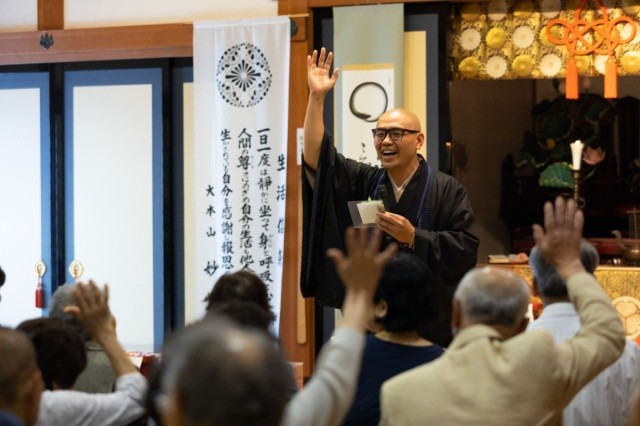
Jinguji Temple
The Omizu-Okuri “Water-Sending” Ritual to Nara's Todaiji Temple is renowned as a sacred ritual of this shrine temple. With the sacred mountain as its backdrop, the main hall (a designated Important Cultural Property), the fines…
- Wakasa
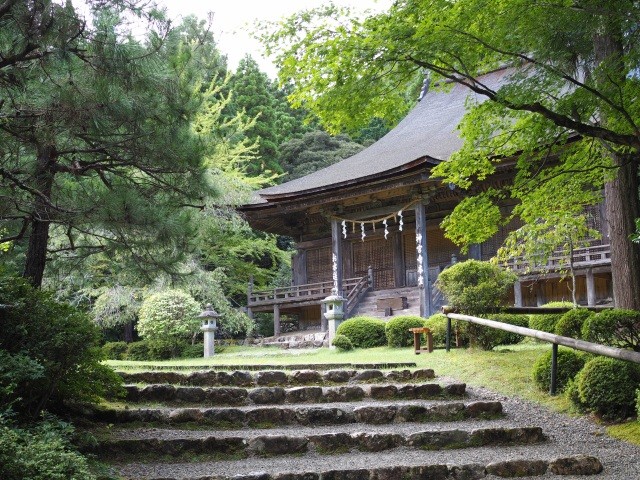
Hōkyōji Temple
Hōkyōji Temple is a renowned temple located approximately 10 kilometers southwest of Ōno City, situated upstream along the Kiyotaki River. Founded in 1278 by the eminent monk Jaku'en, who came to Japan out of reverence for Dōgen Zenji, the foun…
- Eiheiji, Okuetsu
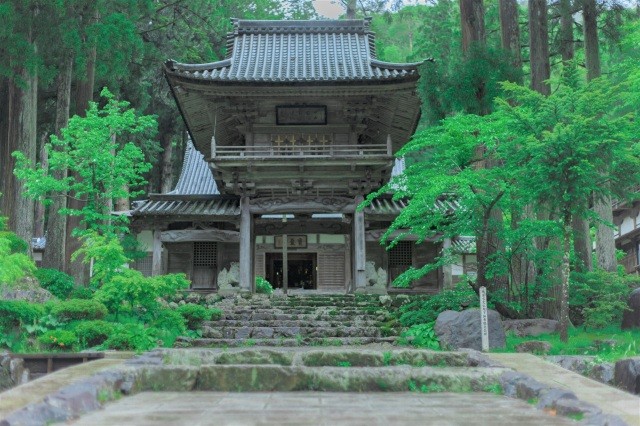
Injoji Temple
Established in 1488, this temple is a special head temple of the Tendai Shinshu sect. Its magnificent mountain gate is constructed entirely of Keyaki zelkova wood. It features dynamic carvings, including the Sixteen Arhats, carp climbing a waterfal…
- Tannan
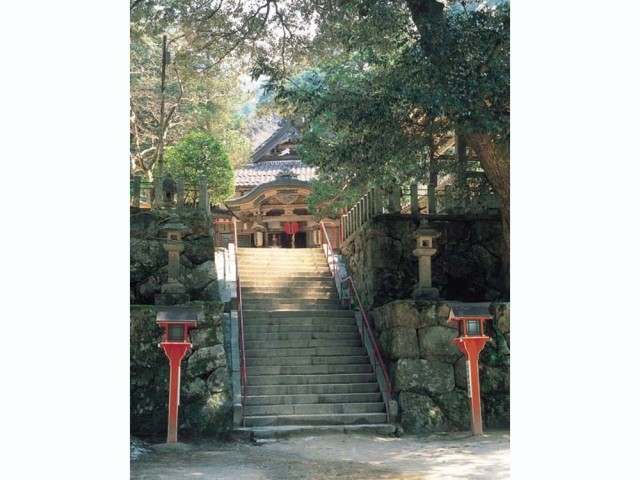
Three-Sided Stone Kannon
Just beside Mikata Station stands the Mikata Stone Kannon. As you climb the stone steps, you'll find a stone rooster partway up. Legend has it that Kobo Daishi, carving the Kannon statue overnight, heard the rooster crow at dawn and left the right …
- Wakasa
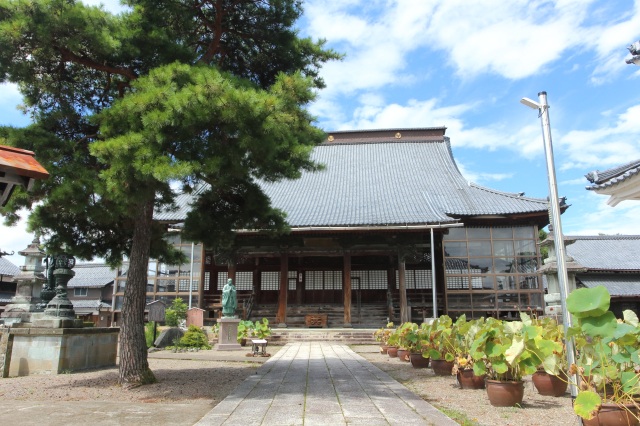
Honzan Seishō-ji Temple
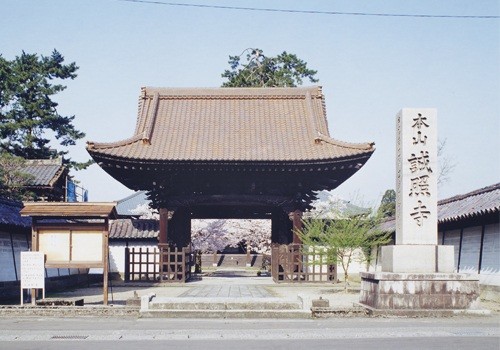
Seishōji Temple, associated with Saint Shinran and cherished as "Sabae's Head Temple," is one of the Ten Head Temples of Jōdo Shinshū, alongside Kyoto's Higashi Honganji and Nishi Honganji. The Gokekidō Hall at the center of the temple grounds is t…
- Tannan
Jofukuji Temple
This temple belongs to the Shin-shū Izumoji sect. A garden lies south of the temple's kitchen quarters and is designated a National Scenic Spot. It is a landscape garden borrowing the mountain range of the Hinoyama range as its backdrop, featuring …
- Tannan
Kippoji Temple
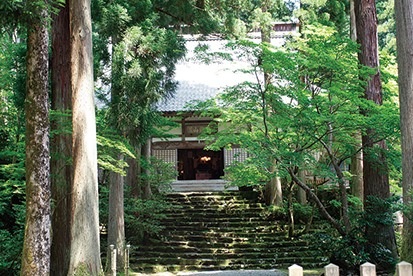
The first dojo where Zen Master Dogen practiced upon entering Echizen, boasting a history of approximately 800 years. At the invitation of Lord Hatano Yoshishige in 1243, Zen Master Dogen entered Yoshimine-ji Temple in Shibi District, Echizen, spen…
- Eiheiji, Okuetsu
Tomb of Niwa Nagahide (Sōkōji Temple)
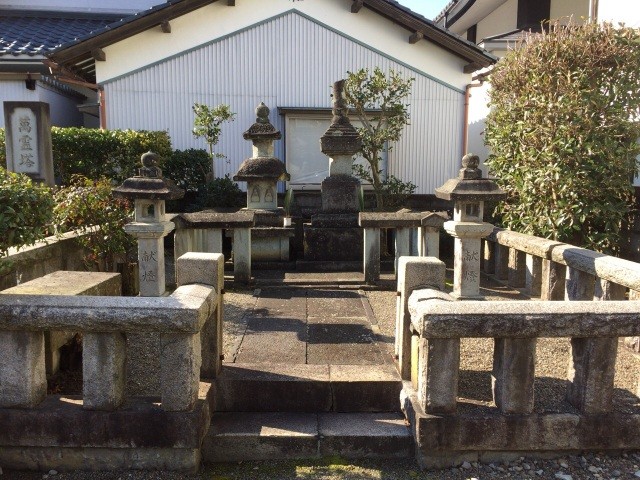
Nobuhide Niwa, a trusted vassal whom Oda Nobunaga called "a friend and brother," was known alongside Shibata Katsuie as one of the twin pillars of the Oda clan. Nobuhide's grave lies at Sōkōji Temple (founded by Nobuhide as his family…
- Awara,Sakai,Fukui
Myorakuji Temple
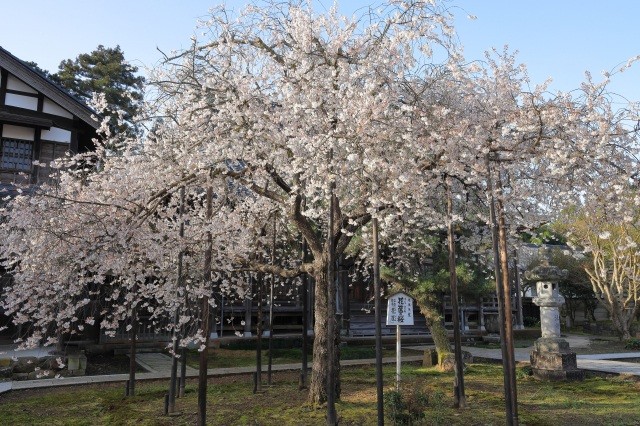
At the foot of the sacred Mount Tadagadake, passing through the mountain gate along the cherry-lined approach, the temple grounds' tranquility briefly lifts you from the mundane world. The main hall, Wakasa's oldest structure, features a hi…
- Wakasa
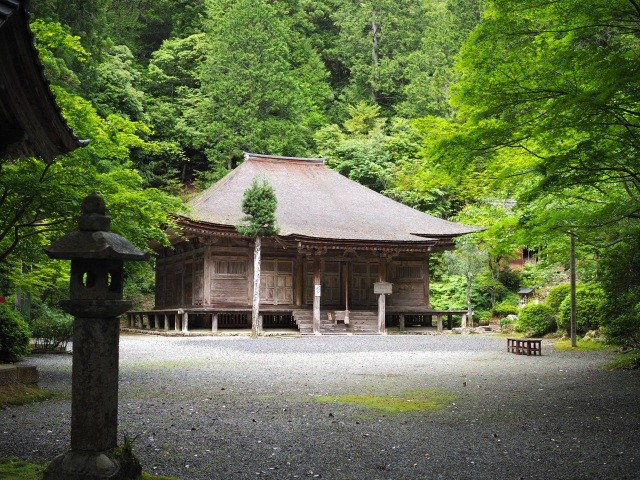
Hoyamaji Temple
The principal image is the Thousand-Armed Kannon. It is a secret Buddha statue said to have been created by the great Nara-period monk Taicho Daishi. It is unveiled only once every 33 years; the most recent unveiling was in 1998.This temple enshrin…
- Tannan
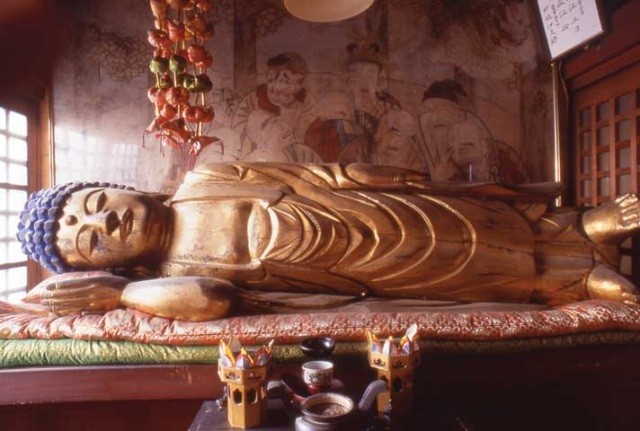
Koyasu Kannon @ Shokoji Temple
The Koyasu Kannon ーBuddhist deity of compassionー is enshrined in the inner sanctuary of Shokoji Temple. It was placed here by Emperor Kinmei, the son of Emperor Keitai, who was known for his deep filial devotion.The Kannon Bodhisattva is known fo…
- Tannan
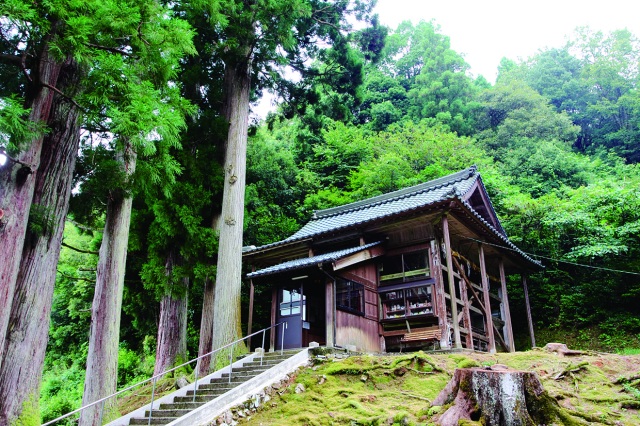
Hosshinji Temple
Established in 1522 by Takeda Motomitsu, the governor of Wakasa (now southern Fukui Prefecture), this temple belongs to the Soto sect of Zen Buddhism. Though later falling into disrepair, it was rebuilt by Kyogoku Tadataka. It houses a monument to …
- Wakasa
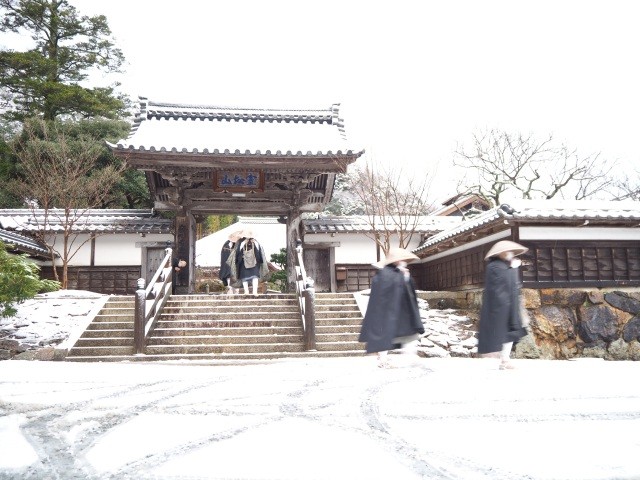
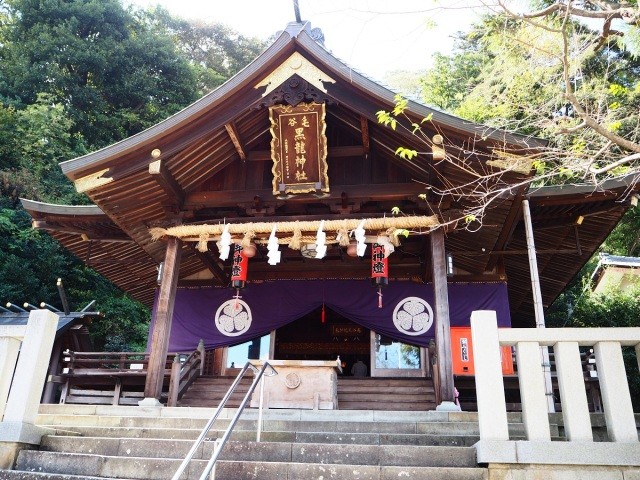
Keya Kurotatsu Shrine
This shrine was built as the guardian deity of the Kuzuryu River for the protection of the land and the people.It is said to be home to one of the four great deities of ancient Japan, and is also the prayer place of the Echizen Matsudaira family.Th…
- Awara,Sakai,Fukui
Wakasahime Shrine (Wakasa Ichinomiya Shrine)
Wakasa Ichinomiya Shrine was established as the main Shinto shrine of Wakasa Province. Wakasa Ichinomiya actually consists of a pair of shrines: Wakasahiko Shrine as the “upper shrine,” and Wakasahime Shrine as the “lower shrine.&…
- Wakasa
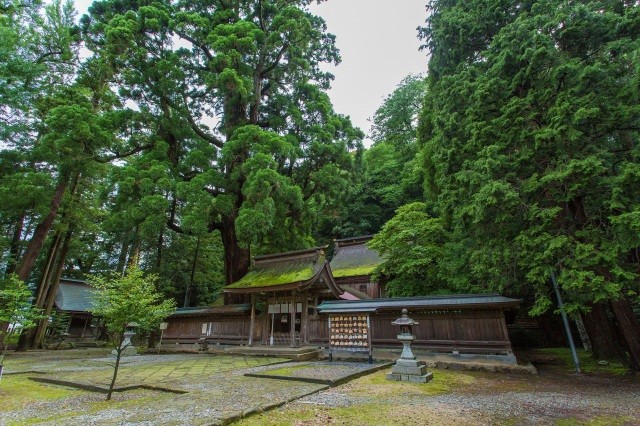
The Great Cedar of Inari
Deep within the grounds of Suwa Azuki Shrine, about five minutes up a mountain path, it stands tall as if watching over Ikeda Town. This giant cedar, one of the largest in the Hokuriku region, stands 40 meters tall with a trunk circumference of ove…
- Tannan
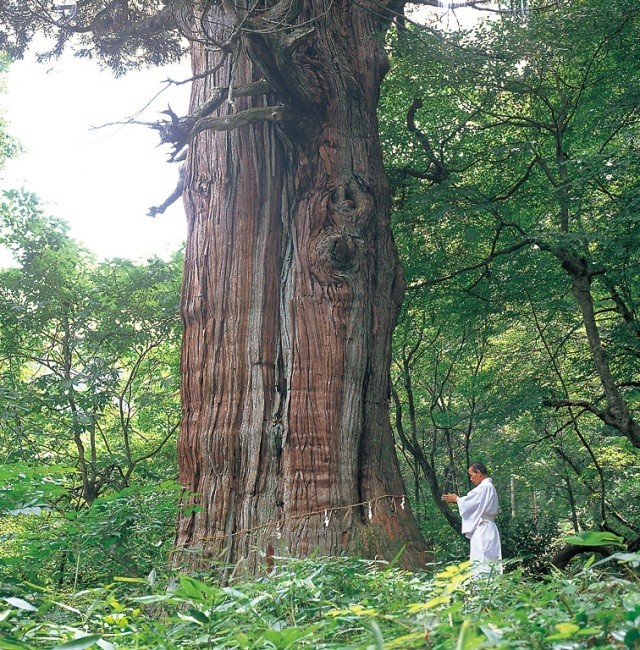
Funatsu Shrine
The large torii gate standing approximately 6.5 meters tall along the approach path and the red torii gate, constructed partly of wood and partly of stone, are valuable wooden torii gates built during the mid-Edo period. The main hall, with its cyp…
- Tannan
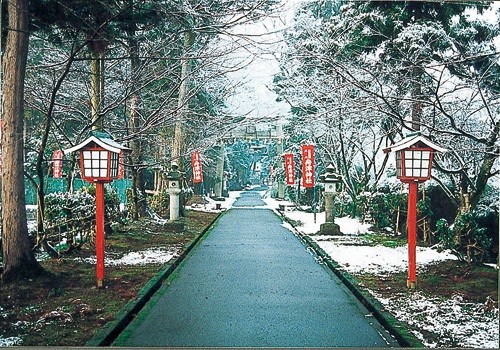
Fujigaki Shrine
A shrine dedicated to Honda Tomomasa, lord of Fuchu. Tomomasa was a renowned ruler who devoted himself to rebuilding the war-ravaged town of Fuchu, improving its streets and irrigation systems, and fostering local industries. From a young age, he s…
- Tannan