Attractions
Area
Category
Preferences
Distance
- Sort
- Most Popular
- Last Updated
- Nearest
- Layout
- List view
- Grid view
- Map view
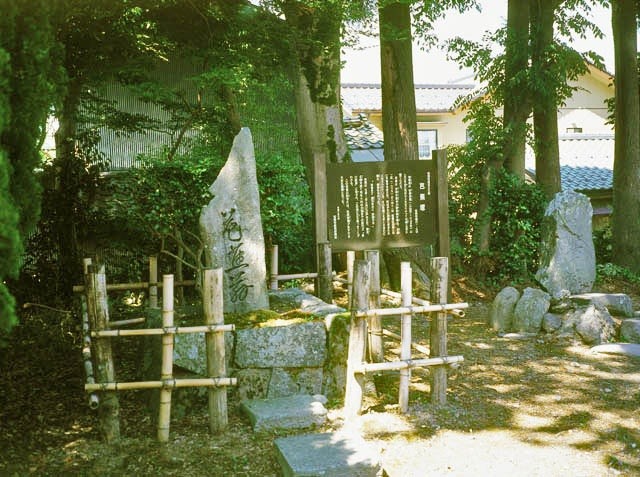
"Basho's Tomb" Tenryuji Temple Grounds
"Writing things down, Opening the fan, What lingering echoes!" This is a gift verse composed by Matsuo Bashō during his journey along the Narrow Road to the Deep North, when he stopped at Tenryū-ji Temple. The Bashō Tomb was erected in 18…
- Eiheiji, Okuetsu
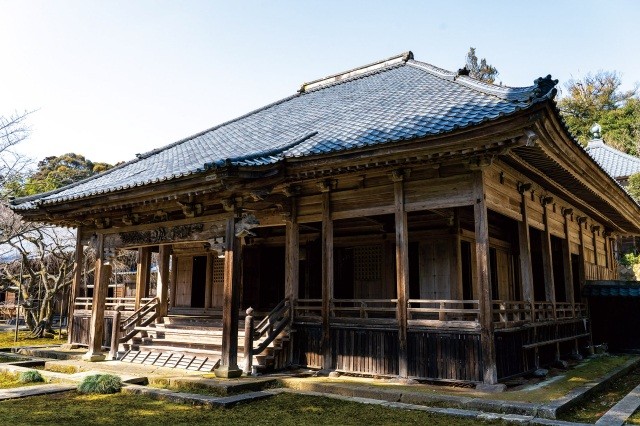
Takidanji Temple
Takidanji Temple, originally built in 1375, is a popular destination for its beauty, both inside and out. Visitors can see temple buildings that date back to centuries ago, and enjoy the scenery of the temple’s Japanese garden and mossy groun…
- Awara,Sakai,Fukui
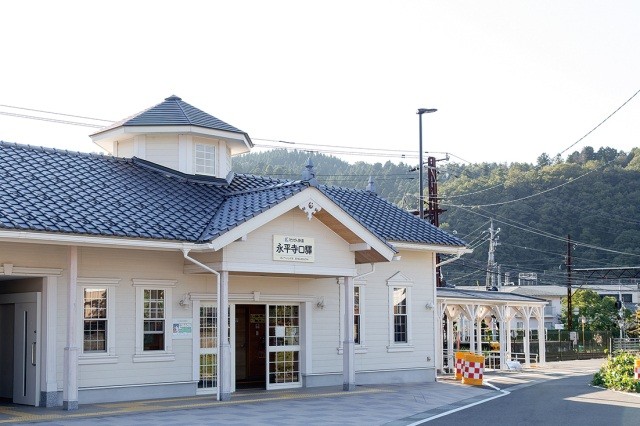
Bicycle Rental - Eiheiji Town - Echizen Railway Eiheiji-gu…
Enjoy sightseeing tours by bicycle. Ideal for touring the nearby attractions, including the head temple Eiheiji. 【Rental Locations】 ・Echizen Railway Eiheiji-guchi Station 【For details, see below】 Rent-a-Cycle - User Guide - Echizen Railway
- Eiheiji, Okuetsu
Kyoto Fuji Jingo Family
The Kyōfuji residence, distinguished by its fire-prevention gables that stand out strikingly, served as a secondary official inn in Imajō-juku. It houses calligraphy by late Edo-period national scholar and poet Tachibana Akiran, among others. Addit…
- Tannan
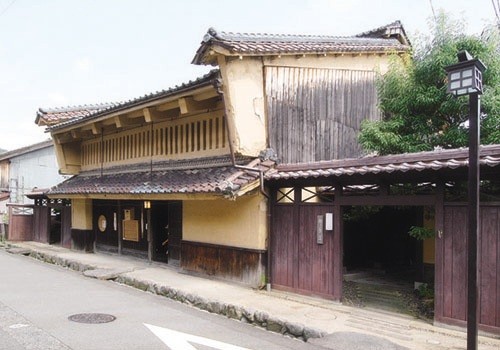
Fukui City Art Museum (Art Lab Fukui)
The Fukui City Art Museum houses and exhibits works by Hiroatsu Takada, a sculptor with ties to our city who spent the turbulent period around World War II in France. Centered on Takada, who cultivated friendships with a wide range of cultural figu…
- Awara,Sakai,Fukui
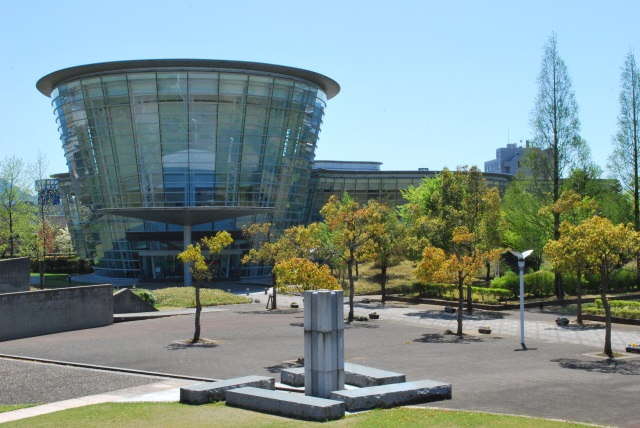
Lord Nitta Yoshisada's Tomb (Shōnenji Temple)
This historic temple has been in existence since the 5th year of the Yōrō era (721). The remains of Nitta Yoshisada, a warrior from the Nanbokucho period, are buried here with great care, and a tombstone stands in his honor. Additionally, Shōnenji …
- Awara,Sakai,Fukui
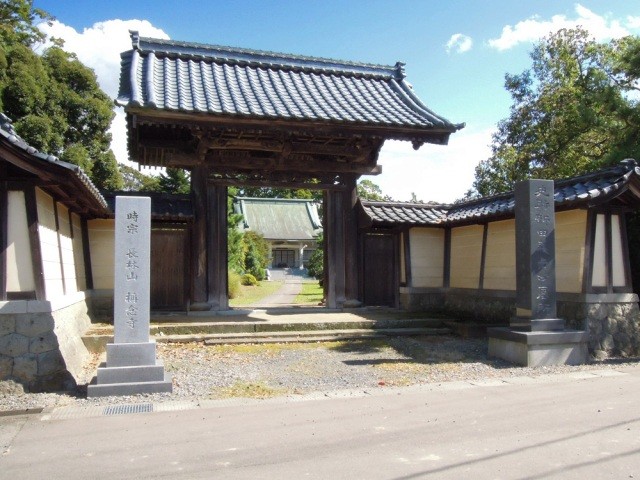
Tamamura-ya: Experience the Entire Region
A renovated 90-year-old traditional house in Imajo-juku. With the concept of "stepping into the local daily life," it offers experiences that let you immerse yourself in the diverse ways of life in the area.
- Tannan
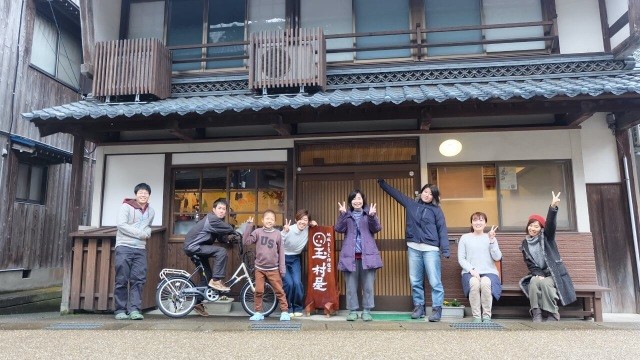
Hidari Castle Ruins
This mountain castle, standing at an elevation of 267 meters, was built on the hill commonly known as Atagoyama behind Imajō-juku around the late Heian period. It is located near Imajō Station and is also part of a hiking course. During the Genpei …
- Tannan
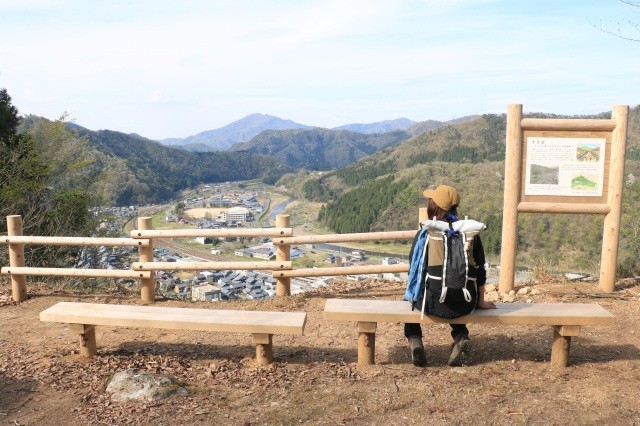
Site of Yuri Kōsei's Residence
This is the place where Yuri Kōsei (Mitsuo Hachirō) lived, who rebuilt the finances of the Fukui domain and drafted the original version of the "Five Charter Oaths," titled "Outline of the Principles of Government," for the new government. It is sa…
- Awara,Sakai,Fukui
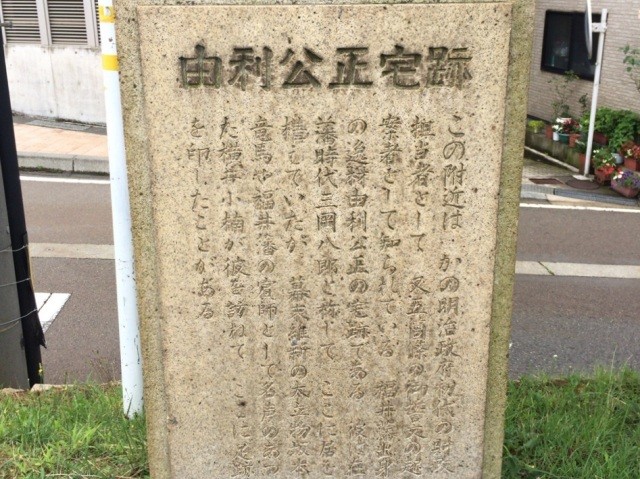
Site of the Tobacco Inn
In November 1867, before Sakamoto Ryoma was assassinated, he met with Yuri Kōsei at this inn to discuss plans for the new government. It is said they talked late into the night about Japan's future. A stone monument was erected on the site of the i…
- Awara,Sakai,Fukui
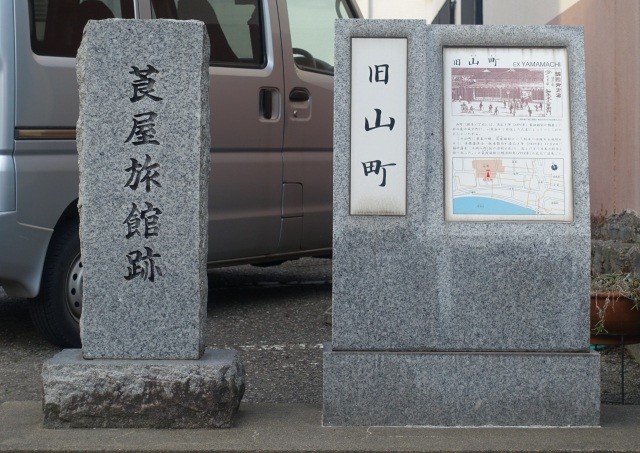
Kōroen
Located in the heart of historic Fukui City, this tranquil inn faces Mount Asuwa and the cherry-lined Asuwa River. Savor our signature cuisine showcasing Fukui's four seasons, served with authentic local hospitality. We await you with seasonal Echi…
- Awara,Sakai,Fukui
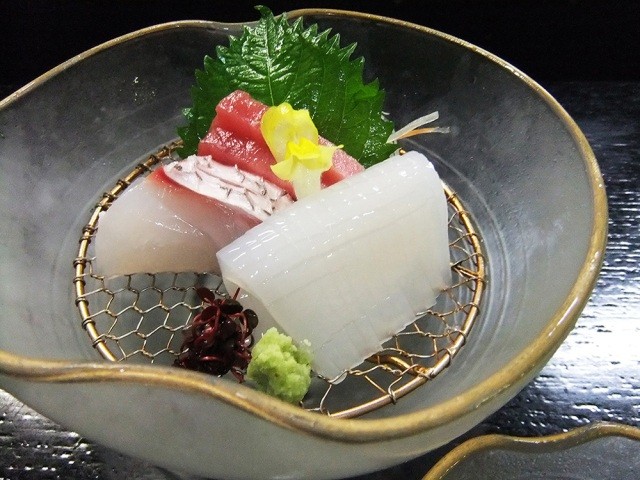
Matsubara Shrine
This shrine was established in 1875 to honor the Mito Tengu Party. Although no shrine hall existed at the time of its founding, a shrine monument was erected in October 1883. Subsequently, with funding from the Marquis Maeda family, the shrine hall…
- Wakasa
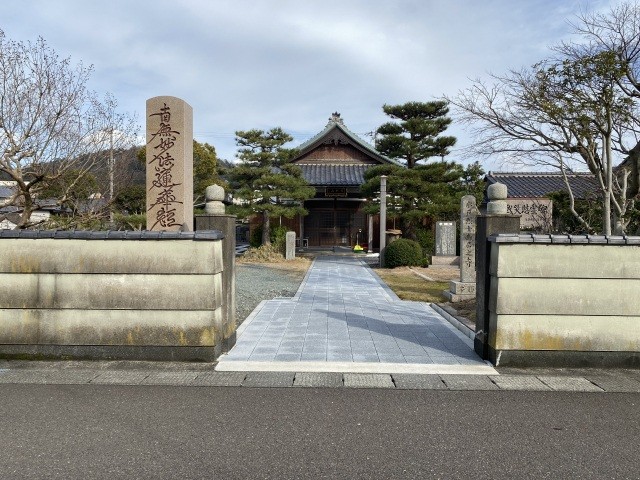
Honkatsuji Temple
A temple of the Nichiren Shu sect. Originally founded in 810 as a Shingon sect temple, it was converted to Nichiren Shu by Saint Nichiryu in 1426. Members of the Mito Tengu Party who had surrendered to the Kaga Domain forces participating in the s…
- Wakasa
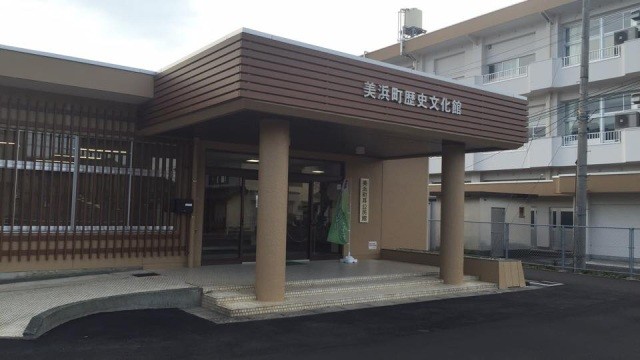
Mihama Town History and Culture Museum
The Mihama Town History and Culture Museum was established to collect, preserve, research, and publicly exhibit cultural assets and historical and cultural materials created by our ancestors dating back to the Jomon period. It serves as a hub for d…
- Wakasa
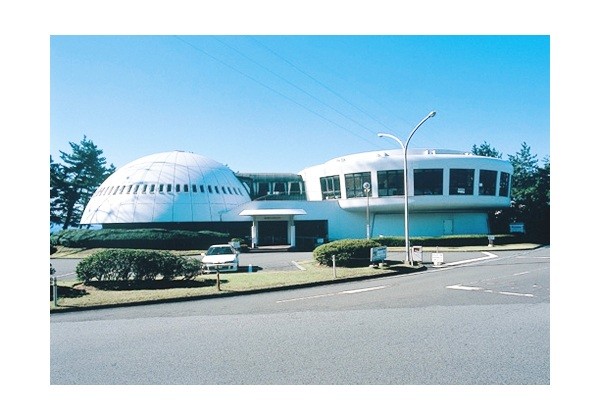
Mihama Nuclear Power PR Center
At the tip of the Tsuruga Peninsula, a beautiful cove with white sand and blue waves is spanned by the elegant Niou Bridge. Our center is located at its base. Here, you can learn about various aspects of nuclear power, including how nuclear power p…
- Wakasa
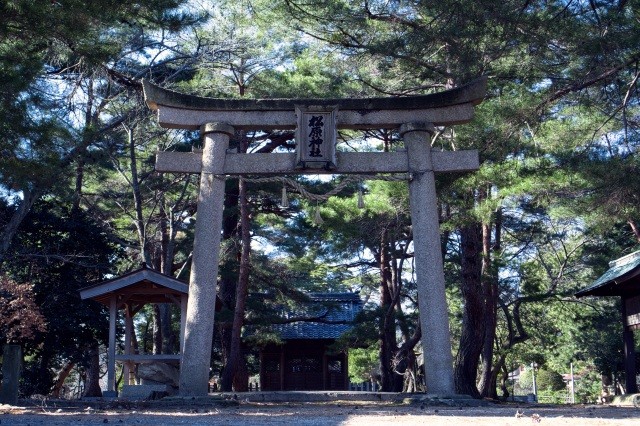
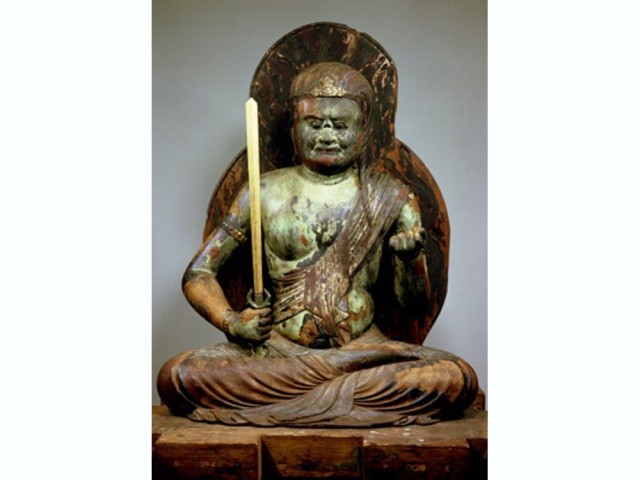
Jōzenji Temple
The seated statue of Fudō Myōō, believed to date from the Heian period, is designated an Important Cultural Property. Its imposing and majestic appearance has earned it the alternate name "Wave-Cutting Fudō," and it is revered by fishermen.
- Wakasa
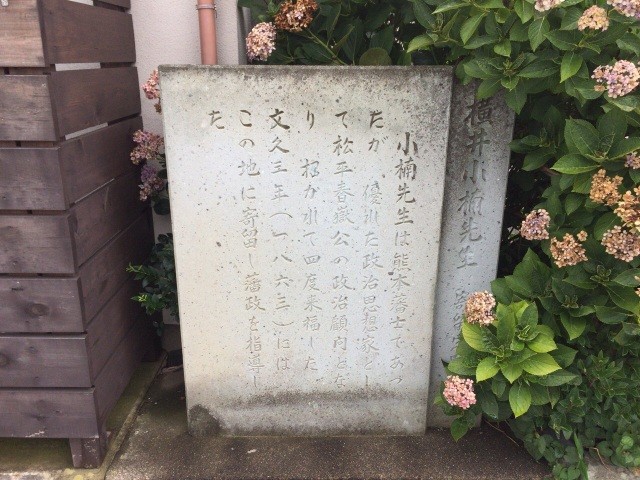
Site of Yokoi Shōnan's Residence
The site of the residence where Yokoi Shōnan, invited from Kumamoto Domain by Matsudaira Sōgaku to serve as political advisor to Fukui Domain, stayed during his visit to Fukui. Sakamoto Ryōma visited this residence when he came to Fukui at the behe…
- Awara,Sakai,Fukui
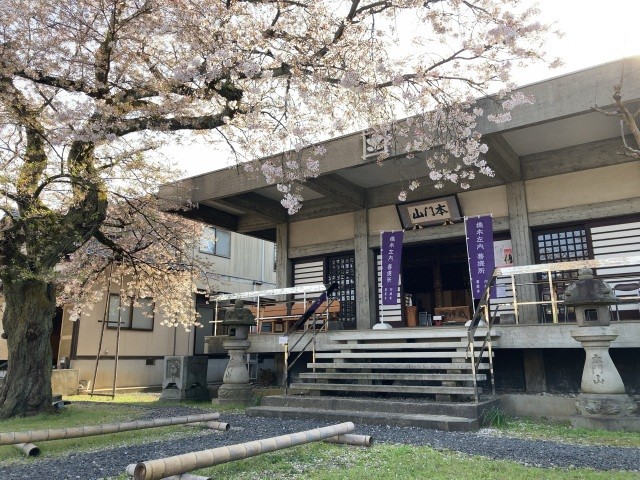
Zenkei-ji Temple
Zenkei-ji Temple is the family temple of Hashimoto Sainai, a great figure of the late Edo period born in Fukui. Zenkei-ji and Myōkyō-ji were originally located in what is now Ichijōdani before the Edo period, but were relocated to their current sit…
- Awara,Sakai,Fukui
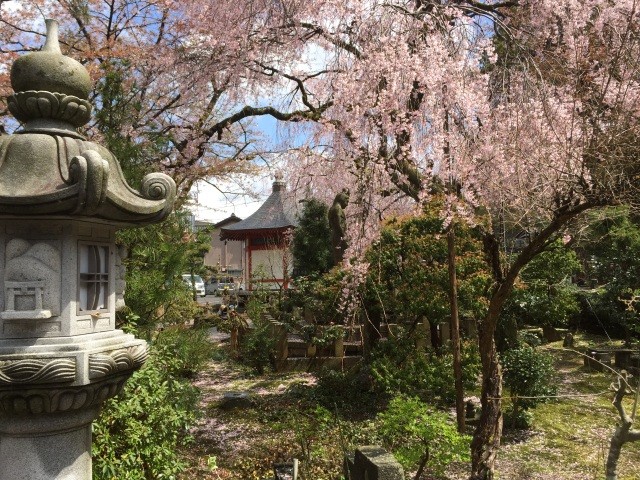
An'yoji Temple
In 1473, Asakura Takakage (Eirin), the first lord of Ichijōdani, established this temple in Ichijōdani. In 1567, it became the residence of Ashikaga Yoshiaki, the 15th shogun of the Muromachi shogunate. After the fall of the Asakura clan, it was re…
- Awara,Sakai,Fukui
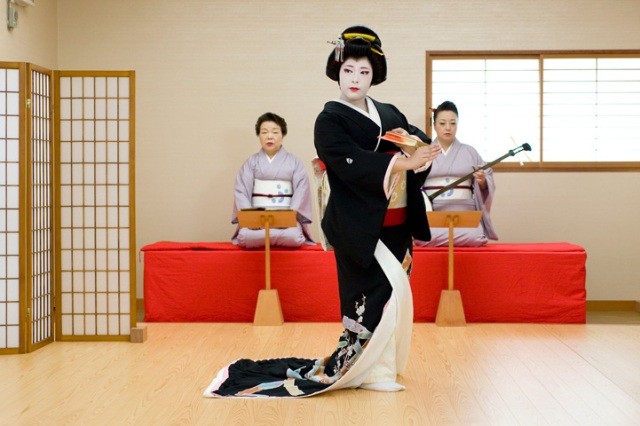
Traditional Performing Arts Hall
Located within Awara Onsen Yumachi Plaza, it serves as a public practice venue for Awara geisha. Visitors can also experience geisha and maiko transformation sessions and participate in traditional geisha entertainment experiences. (Reservations re…
- Awara,Sakai,Fukui