Attractions
Area
Category
Preferences
Distance
- Sort
- Most Popular
- Last Updated
- Nearest
- Layout
- List view
- Grid view
- Map view
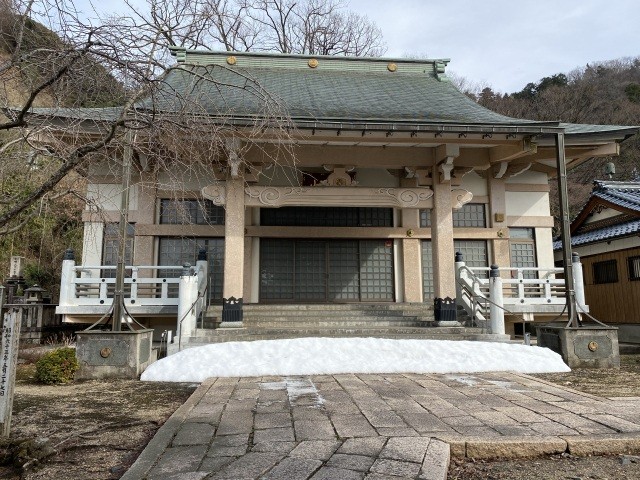
Transformation Plan into a Glamorous Maiko or Geisha
Transform into the geisha or maiko of your dreams with authentic kimono and makeup, dressed by the renowned geisha of Awara Onsen!Location: 3-minute walk from Awara Yunomachi StationPerfect for parents and children, families, anniversaries, or as a…
- Awara,Sakai,Fukui
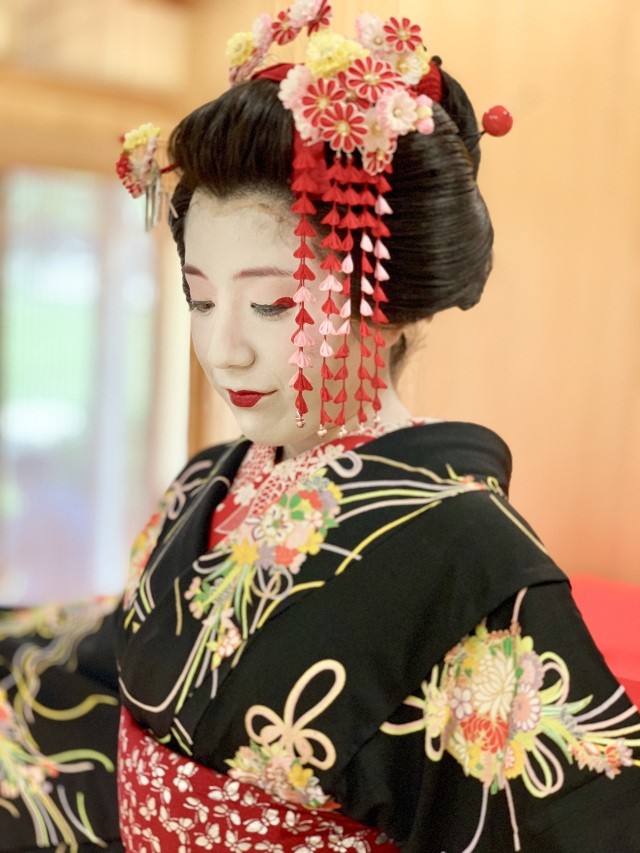
A Mystical Picnic at the Site of the Former Miyadani Quarr…
[A Mountain Gate That Blasts Out Cold Air in the Dead of Summer]―― Beyond that tunnel lies a “stone otherworld”Walking along a gently sloping forest road, a small tunnel suddenly appears.Standing at its entrance, a chill—about 10&…
- Awara,Sakai,Fukui
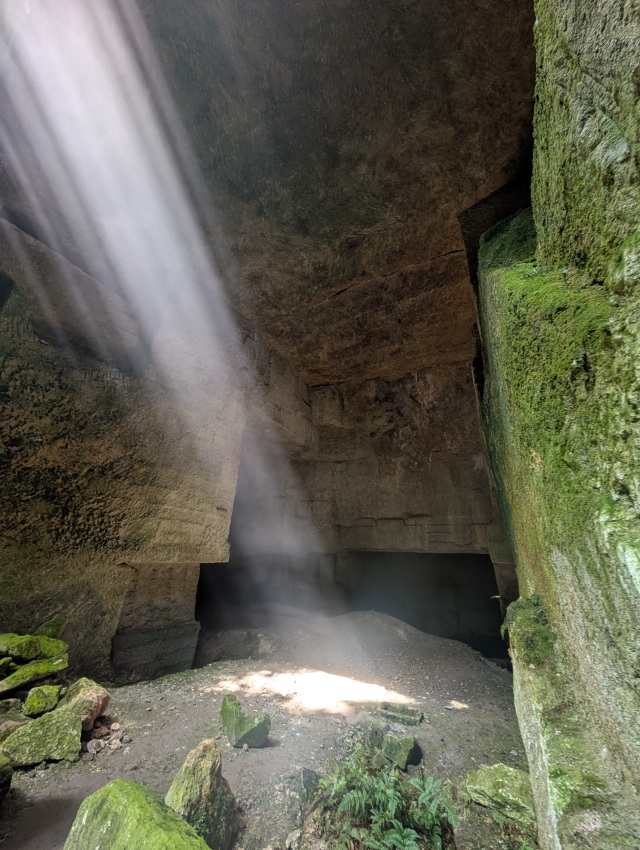
Sake Tasting Experience at a Liquor Store in Tsuruga
Enjoy a sake tasting experience with the shop owner's recommended selections. The available sakes change with the seasons, and we'll let you choose from several varieties including local prefectural sakes and our shop's original blends.…
- Wakasa
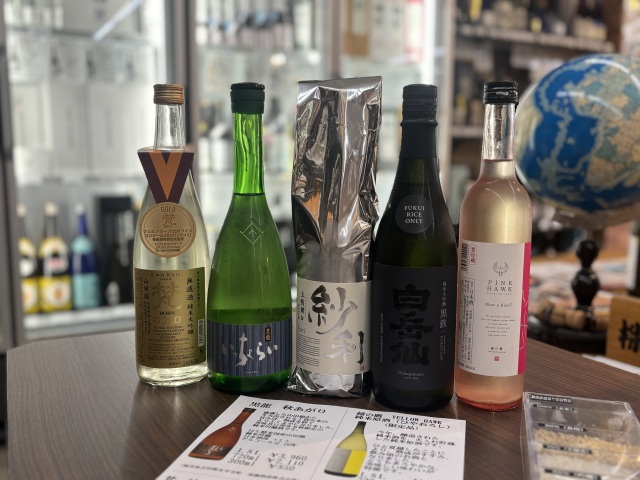
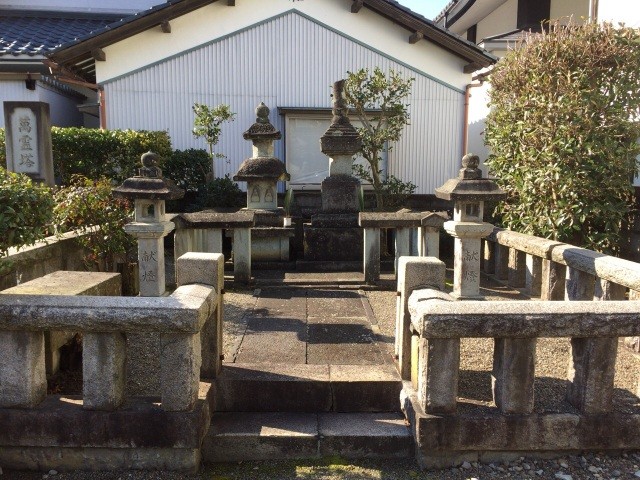
Tomb of Niwa Nagahide (Sōkōji Temple)
Nobuhide Niwa, a trusted vassal whom Oda Nobunaga called "a friend and brother," was known alongside Shibata Katsuie as one of the twin pillars of the Oda clan. Nobuhide's grave lies at Sōkōji Temple (founded by Nobuhide as his family…
- Awara,Sakai,Fukui
Myorakuji Temple
At the foot of the sacred Mount Tadagadake, passing through the mountain gate along the cherry-lined approach, the temple grounds' tranquility briefly lifts you from the mundane world. The main hall, Wakasa's oldest structure, features a hi…
- Wakasa
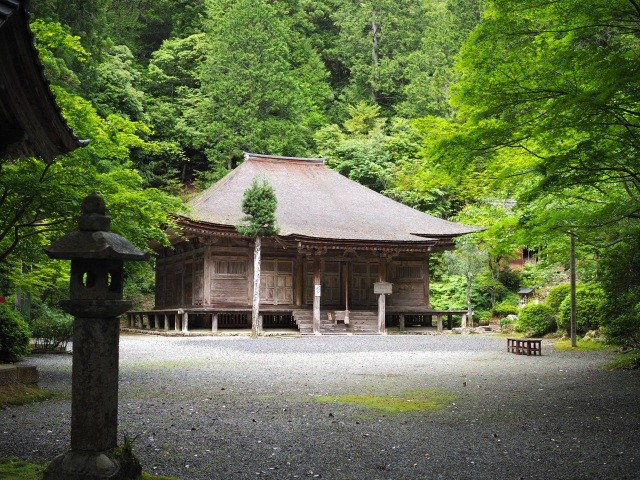
Hoyamaji Temple
The principal image is the Thousand-Armed Kannon. It is a secret Buddha statue said to have been created by the great Nara-period monk Taicho Daishi. It is unveiled only once every 33 years; the most recent unveiling was in 1998.This temple enshrin…
- Tannan
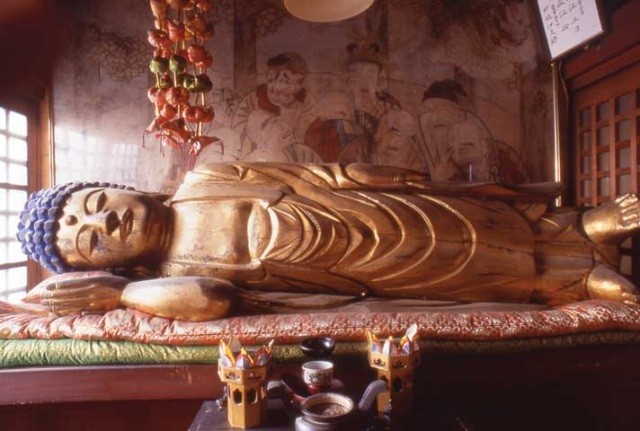
Koyasu Kannon @ Shokoji Temple
The Koyasu Kannon ーBuddhist deity of compassionー is enshrined in the inner sanctuary of Shokoji Temple. It was placed here by Emperor Kinmei, the son of Emperor Keitai, who was known for his deep filial devotion.The Kannon Bodhisattva is known fo…
- Tannan
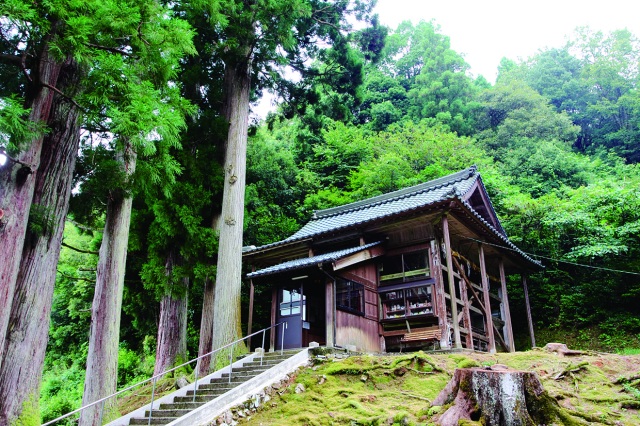
Hosshinji Temple
Established in 1522 by Takeda Motomitsu, the governor of Wakasa (now southern Fukui Prefecture), this temple belongs to the Soto sect of Zen Buddhism. Though later falling into disrepair, it was rebuilt by Kyogoku Tadataka. It houses a monument to …
- Wakasa
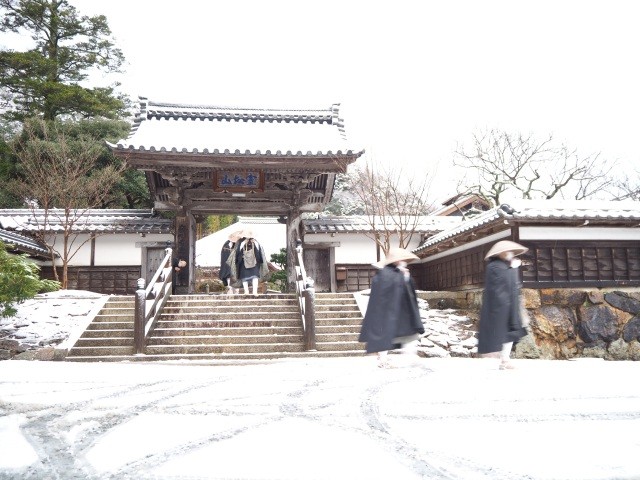
Keya Kurotatsu Shrine
This shrine was built as the guardian deity of the Kuzuryu River for the protection of the land and the people.It is said to be home to one of the four great deities of ancient Japan, and is also the prayer place of the Echizen Matsudaira family.Th…
- Awara,Sakai,Fukui
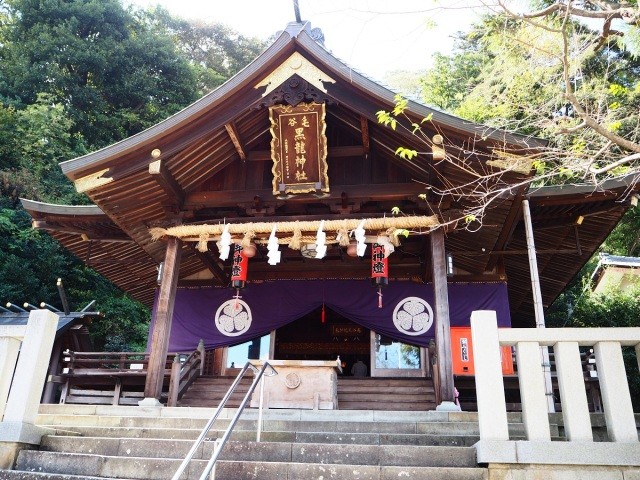
Echizen-Kaga Prefectural Border Center
This facility serves as a hub for disseminating information about walking routes connecting religious and cultural resources in the Yoshizaki area along the Fukui-Ishikawa prefectural border, such as the Yoshizaki Gobo Ruins and the natural monumen…
- Awara,Sakai,Fukui
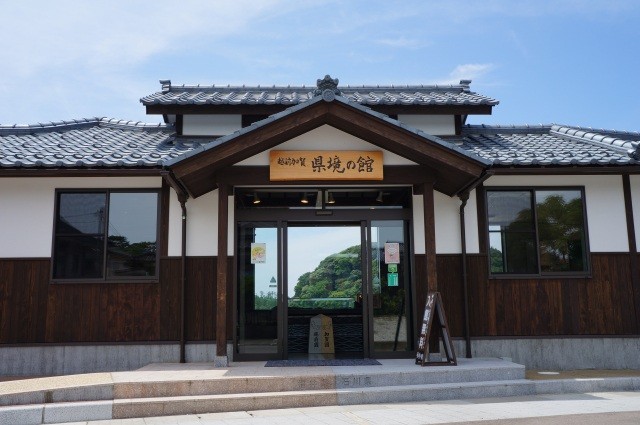
Wakasahime Shrine (Wakasa Ichinomiya Shrine)
Wakasa Ichinomiya Shrine was established as the main Shinto shrine of Wakasa Province. Wakasa Ichinomiya actually consists of a pair of shrines: Wakasahiko Shrine as the “upper shrine,” and Wakasahime Shrine as the “lower shrine.&…
- Wakasa
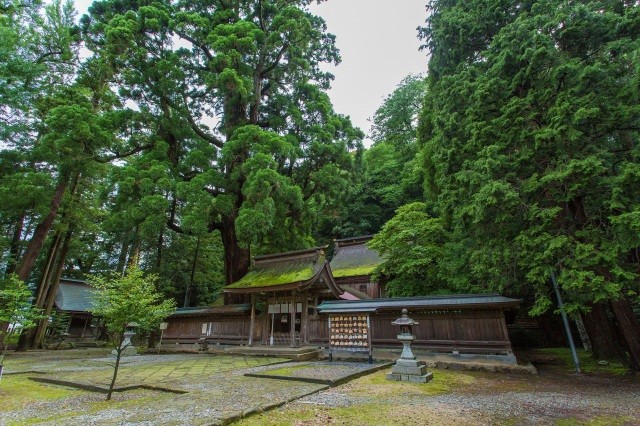
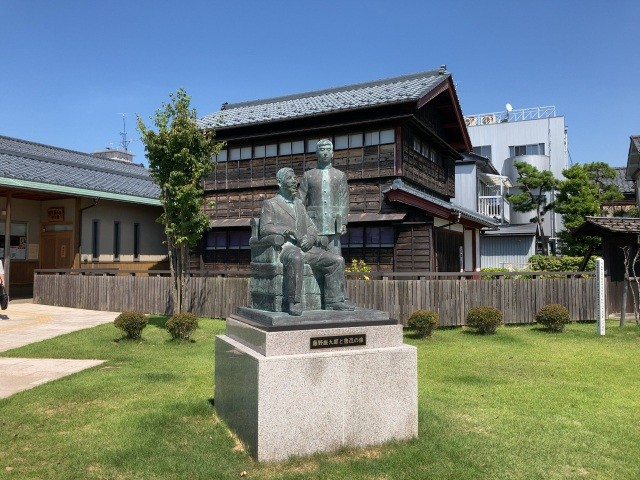
Fujino Gankuro Memorial Museum
This memorial hall commemorates the sister city agreement signed in 1983 between Awara City (formerly Awara Town) and Shaoxing City in China's Zhejiang Province. The former residence of the Fujino family, located in Mikuni-cho, was donated by the f…
- Awara,Sakai,Fukui
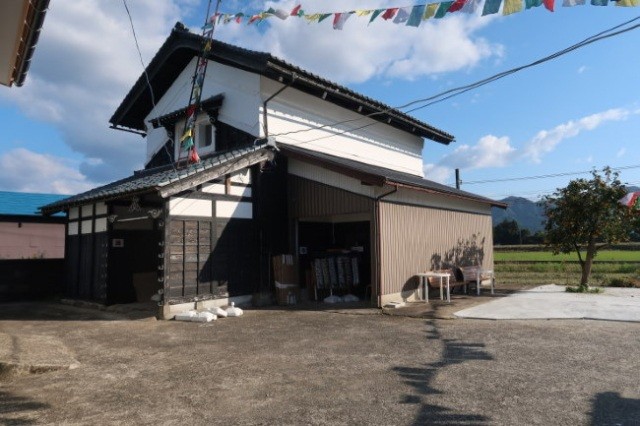
Bhutan Museum
The Bhutan Museum is a museum introducing the Himalayan kingdom of Bhutan. Why not visit this museum and experience the people, nature, and culture of Bhutan?
- Eiheiji, Okuetsu
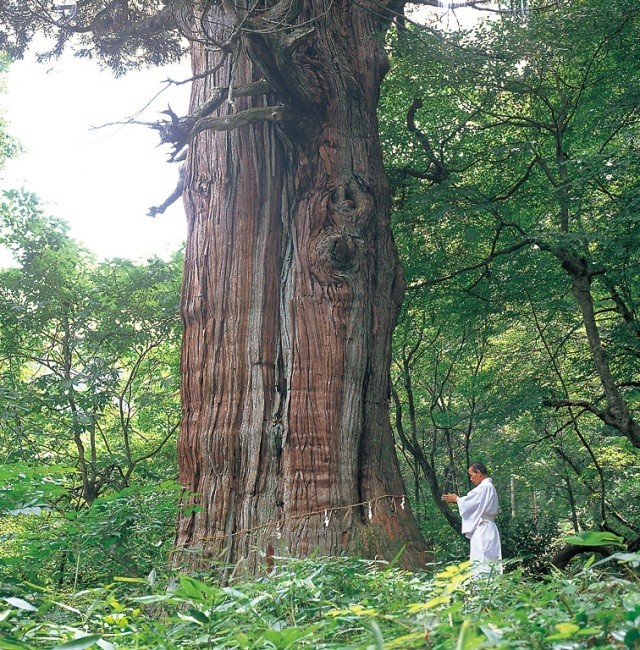
The Great Cedar of Inari
Deep within the grounds of Suwa Azuki Shrine, about five minutes up a mountain path, it stands tall as if watching over Ikeda Town. This giant cedar, one of the largest in the Hokuriku region, stands 40 meters tall with a trunk circumference of ove…
- Tannan
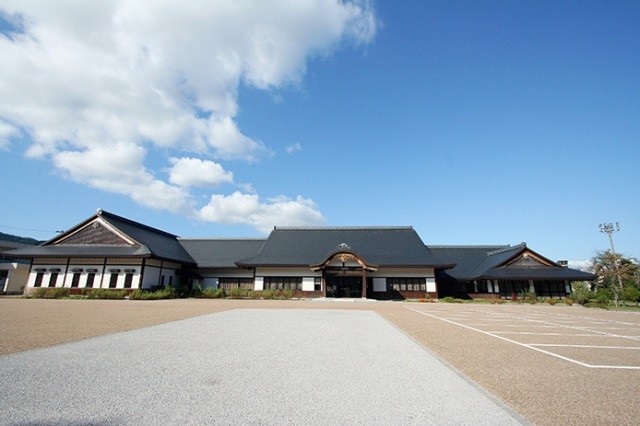
Echizen-cho Oda Museum of Culture and History
This complex facility houses a historical museum, library, and cultural exchange hall. The museum exhibits archaeological and documentary materials, models, and reconstructed dwellings, focusing on themes such as Echizen Ninomiya Tsurugi Shrine and…
- Tannan
Funatsu Shrine
The large torii gate standing approximately 6.5 meters tall along the approach path and the red torii gate, constructed partly of wood and partly of stone, are valuable wooden torii gates built during the mid-Edo period. The main hall, with its cyp…
- Tannan
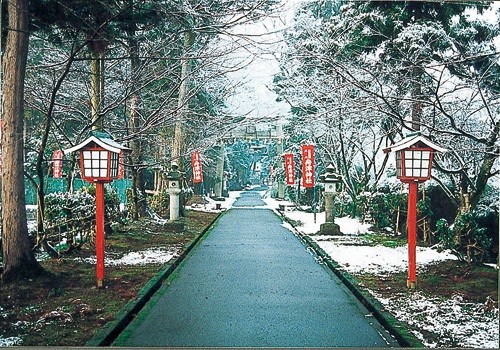
Fujigaki Shrine
A shrine dedicated to Honda Tomomasa, lord of Fuchu. Tomomasa was a renowned ruler who devoted himself to rebuilding the war-ravaged town of Fuchu, improving its streets and irrigation systems, and fostering local industries. From a young age, he s…
- Tannan
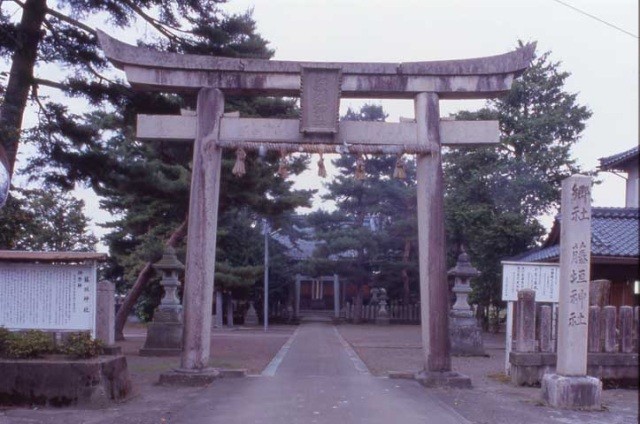
Teramachi Street (Echizen City)
Just north of Sōja, on the road extending west from the old Hokuriku Highway, proceed west along the road in front of Kokubunji Temple to find Hikitsugi Temple at its western end. The "Shōtoku 1st Year Fuchū Map" (1711) depicts Kokubunji Temple to …
- Tannan
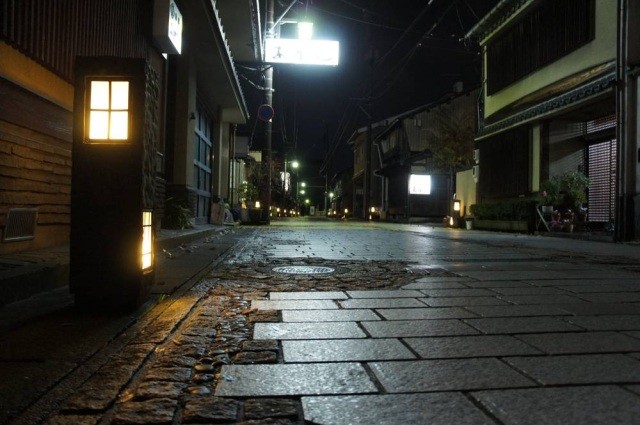
Corridor Cafe
Founded by the renowned 14th-century monk Ryōnyo, this temple stands as one of the foremost temples of the Jōdo sect. It is also a place associated with the Tokugawa family, where a study hall was built through the donation of Lord Yūki Hideyasu,…
- Wakasa
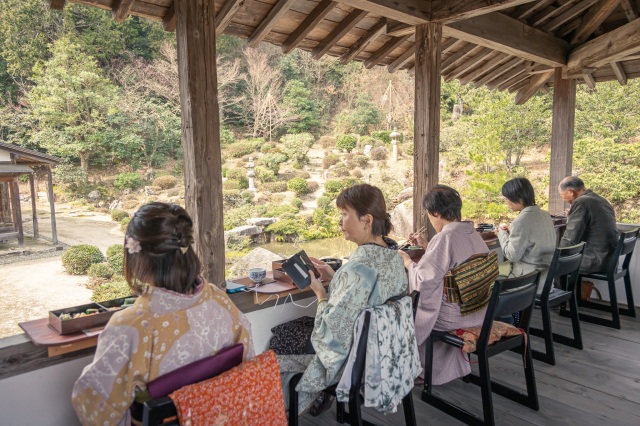
Eikaku-ji Temple
A Jōdo Shinshū temple. On January 29, 1865 (Genji 2), after confining the Mito Tengu Party to 16 warehouses, the shogunate established a temporary interrogation area at Eikaku-ji Temple on February 1 and conducted a preliminary investigation. Follo…
- Wakasa