Attractions
Area
Category
Preferences
Distance
- Sort
- Most Popular
- Last Updated
- Nearest
- Layout
- List view
- Grid view
- Map view
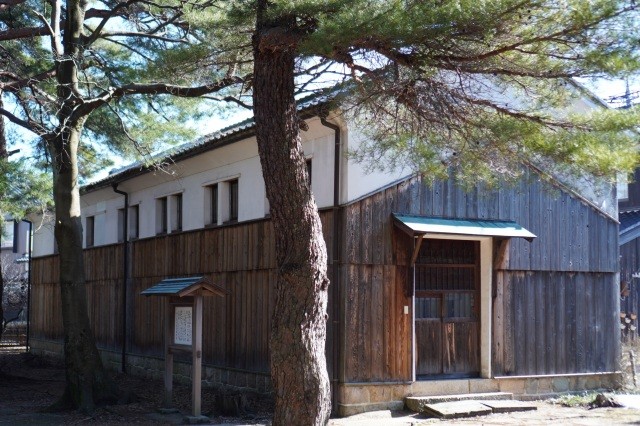
Mito Martyrs Memorial Hall (Former Herring Warehouse)
Currently closed for relocation work. For details, please see below.Notice Regarding Relocation Work for the Mito Martyrs Memorial Hall (Former Herring Warehouse) - Tsuruga City This is one of the sixteen warehouses that housed the 823 members of t…
- Wakasa
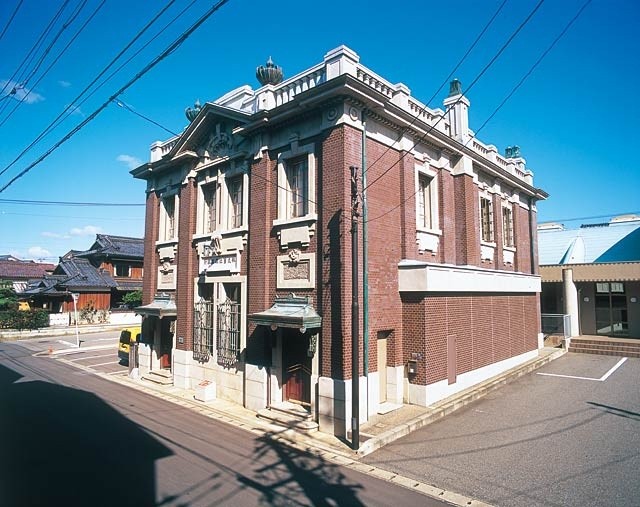
Former Morita Bank Head Office
Constructed in 1920 as the new headquarters of Morita Bank, founded by the wealthy merchant family Morita of Mikuni Port, its exterior features classical Western design while its interior boasts beautiful, luxurious plasterwork. It is the oldest re…
- Awara,Sakai,Fukui
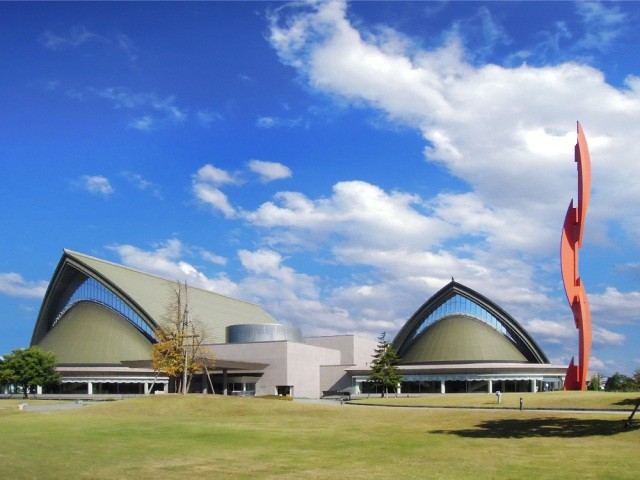
Fukui Prefectural Music Hall (Harmony Hall Fukui)
Harmony Hall Fukui, the prefectural concert hall located in Imaichimachi, Fukui City, serves as a hub for promoting the prefecture's musical culture, where visitors can enjoy the sounds performed by artists from around the world. It features two ha…
- Awara,Sakai,Fukui
Zui Gen Temple
A Zen temple belonging to the Myōshinji branch of the Rinzai school. It is said to have been founded by the great master Taichō during the Tenpyō-hōji era in what is now Yoshié, Sabae City. After falling into ruin, it was restored during the…
- Awara,Sakai,Fukui
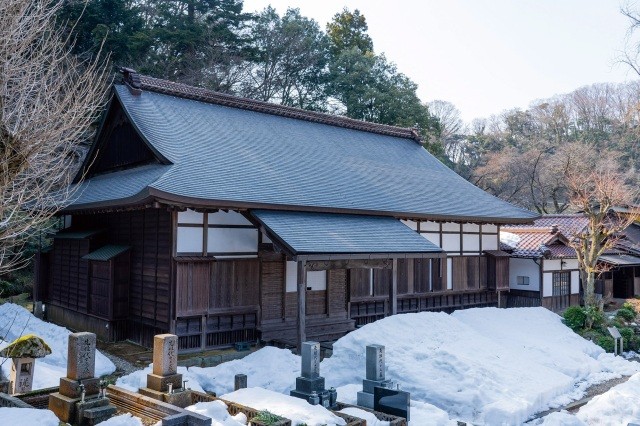
Mantokuji Temple
Mantokuji Temple is a Shingon Buddhist temple best known for its hillside landscape garden and carefully raked rock garden. These gardens are particularly popular destinations when the azaleas bloom in May and June. The temple is also home to a gia…
- Wakasa
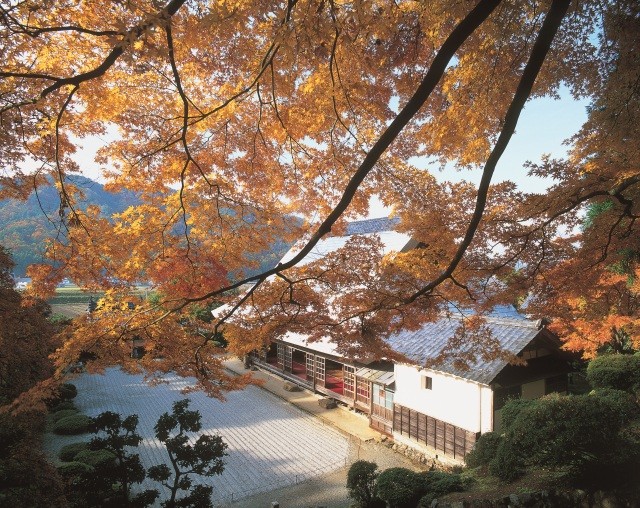
A journey into the world of woodworking and lacquer throug…
HighlightsThe Kawada district of Sabae City, Fukui Prefecture, is the production center for Echizen lacquerware, a tradition spanning over 1,500 years. It is said that Echizen lacquerware, produced here, accounts for over 80% of Japan's commerc…
- Tannan
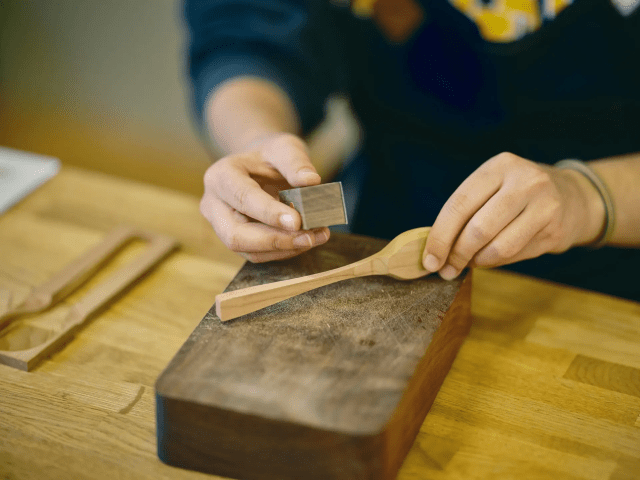
Komaru Castle Ruins
This is the site of a flatland castle built in 1575 by Sassa Narimasa, a retainer of Oda Nobunaga and one of the Three Lords of Fuchu. It is a prefecturally designated historic site. At the time, inner and outer moats were constructed, and the enti…
- Tannan
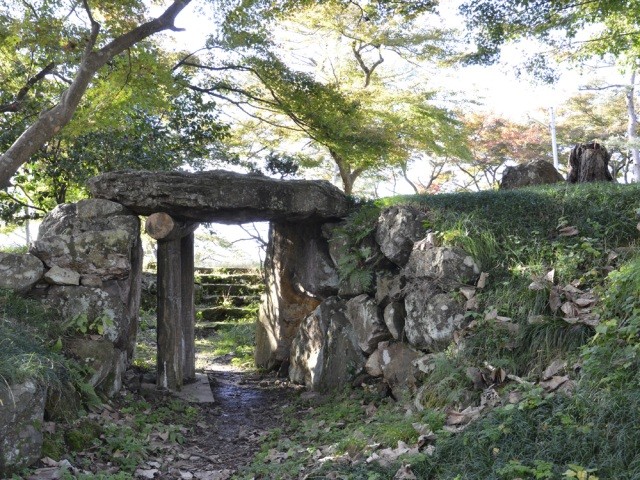
NPO Volunteer Guide Kitamae Mikuni
Volunteer Guides Showcasing the Charm of MikuniWe serve as volunteer guides, sharing with tourists the charm of Mikuni Town—a historic port town that has long prospered through water transport.Our goal is to contribute to community developmen…
- Awara,Sakai,Fukui
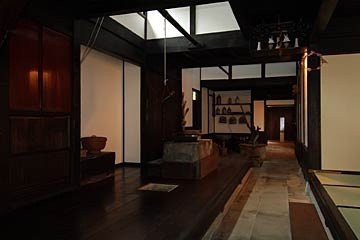
Enshoji Temple
Originally a Shingon temple called Tōmatsu-ji, it was located in Dōdani across the Minami River. It is said that the daughter of Uryū Minbu, lord of Echizen Somayama Castle, became a nun and entered this temple. In the first year of the Bun'an …
- Wakasa
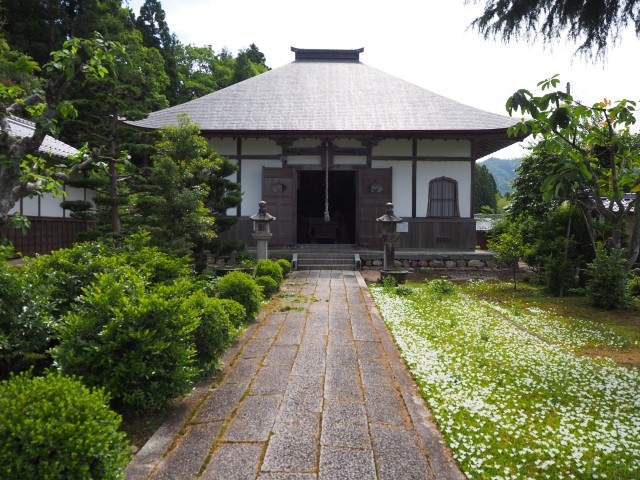
Sakai City Museum
A museum modeled after the exterior of Ryusho Elementary School, built atop Mikuni Hill in 1879.It was renovated in 2023, changing its name from "Mikuni Ryusho-kan" to "Sakai City Museum."With the slogan "Playful excitement…
- Awara,Sakai,Fukui
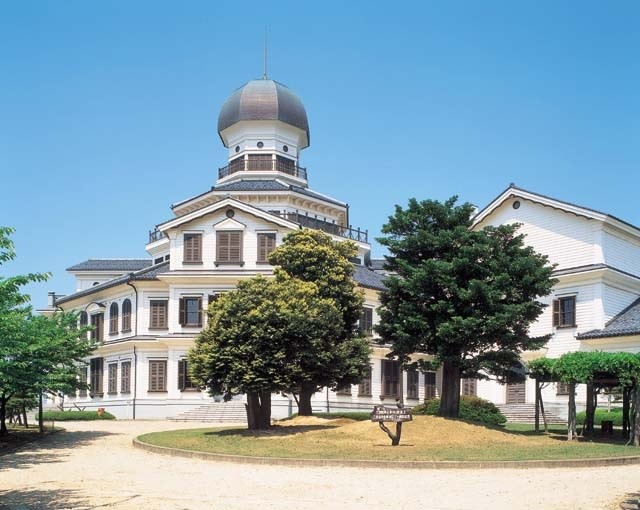
Honkoji Temple
This is a large temple of the Honzan class within the Hokke-shu Shimon-ryu sect, boasting five sub-temples.Based on the size of the temple grounds recorded in ancient documents and the location of ancient grid-pattern settlement remains preserved i…
- Tannan
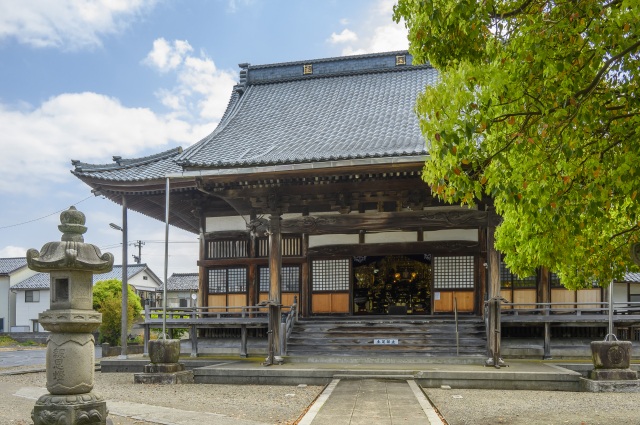
Site of Obama Castle
A rare water castle in Japan, skillfully utilizing natural terrain. Construction began in 1601 when Kyogoku Takatsugu became lord of Wakasa Province. Sakai Tadakatsu became lord in 1634, and the castle was completed in 1641. It served as the reside…
- Wakasa
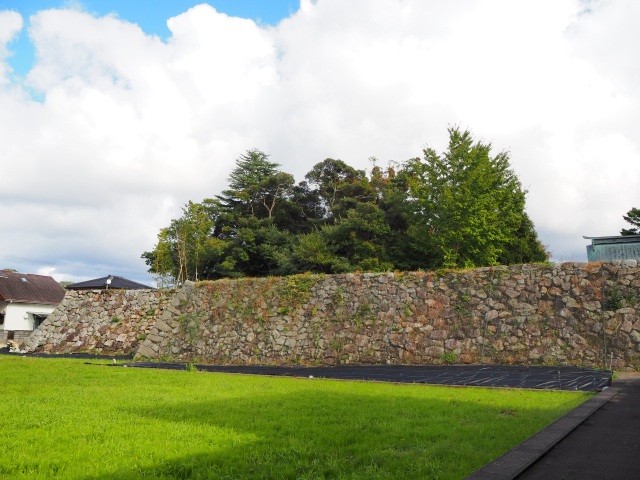
Fukui Prefecture Children and Family Center
This experiential children's center offers a wealth of play, learning, and hands-on activities. Features include a workshop zone for hands-on crafting and cooking experiences; an adventure play zone with Japan's largest ball pool, a large s…
- Wakasa
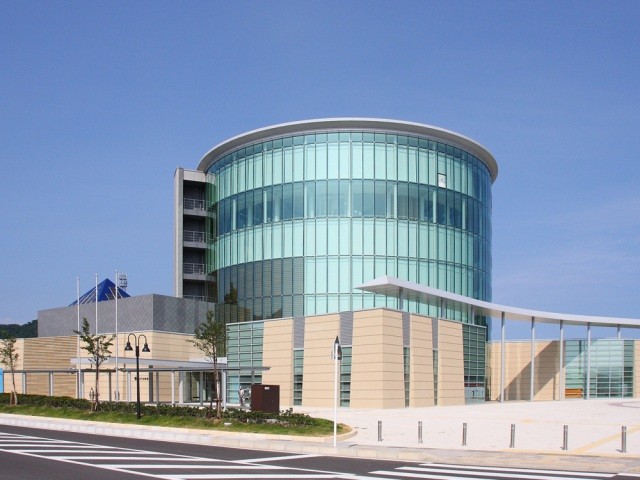
Jakkoen
The garden features the "Statue of the Young Dogen," depicting Zen Master Dogen in his youth when he resolved to become a monk, alongside the "Jojō Pagoda" built to repay the kindness of his master, Zen Master Jōjō, and the grav…
- Eiheiji, Okuetsu
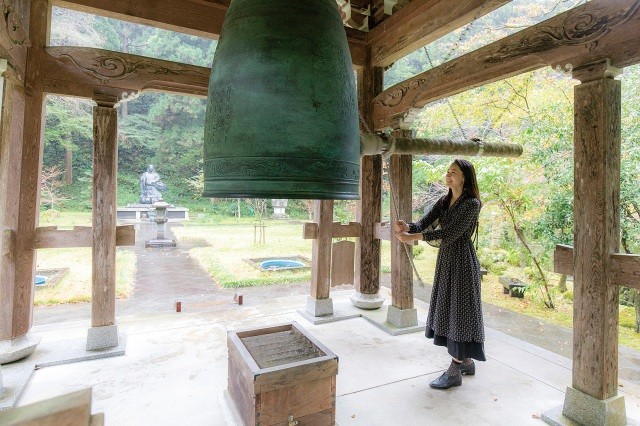
Shihi Magaibutsu Engravings
Buddhist statues painted on the rock face at the entrance to the Shibi district, home to the head temple Eiheiji. Beneath the large rock formation jutting out from the east side of Sogen Bridge over the Eiheiji River, Jizo statues, stone monuments,…
- Eiheiji, Okuetsu
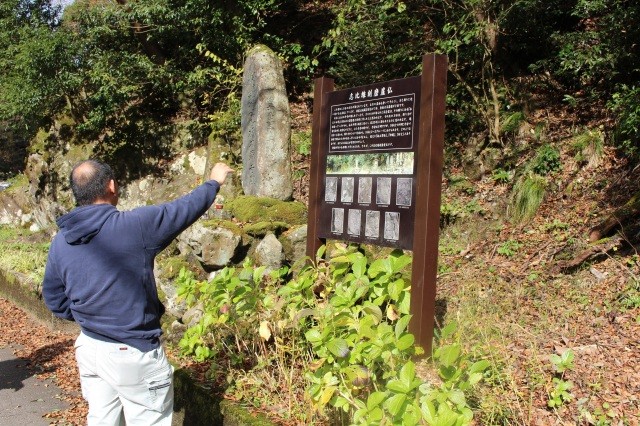
Wakashihiko Shrine (Wakasa Ichinomiya)
Wakashahiko Shrine is divided into two shrines: Wakashahiko Shrine (Upper Shrine) and Wakashahime Shrine (Lower Shrine). This shrine is the Upper Shrine, established in the first year of the Reikyu era (715 AD) during the Nara period. It enshrines …
- Wakasa
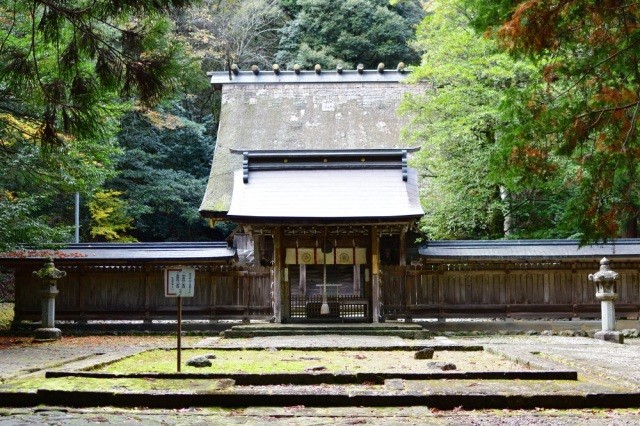
Fukui Castle Mountain Village Entrance Gate
The Yamazato-guchi Gate, also known as the "Rokabashi Gate" or "Tenshudai-shitamon," is a masugata gate guarding the western side of Fukui Castle's Honmaru. From the early Edo period, the western area connecting to the Honmaru, known as the Nishi …
- Awara,Sakai,Fukui
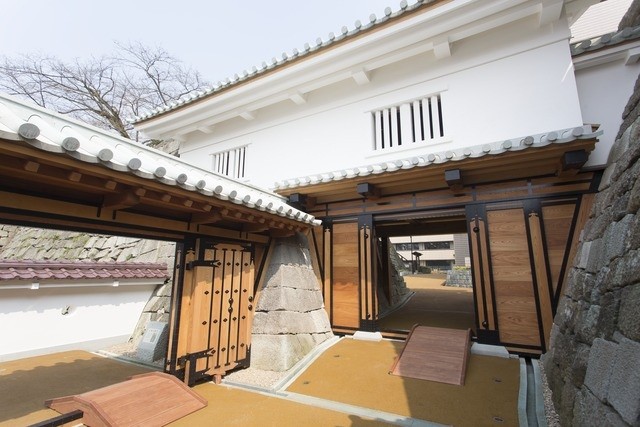
Site of the Former Residence of a Junior Feudal Retainer
Built in 1866 to house remnants of the Mito Tengu Party who had been placed under the custody of the Obama Domain. Only the surrounding stone walls remain today. On November 1, 1864, the Mito Tengu Party raised their banner at Mount Tsukuba in Hit…
- Wakasa
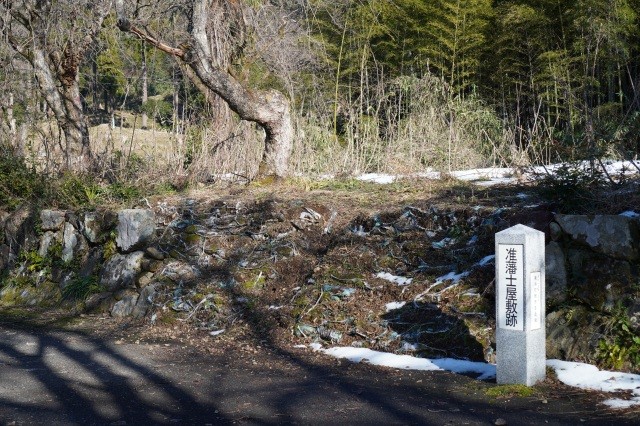
Sparkling Port Hall
The facility features a multipurpose event hall and a smaller hall ideal for plays and recitals, hosting various events including tourism and product fairs. There is also a relaxing space where visitors can enjoy a cup of coffee while gazing out at…
- Wakasa
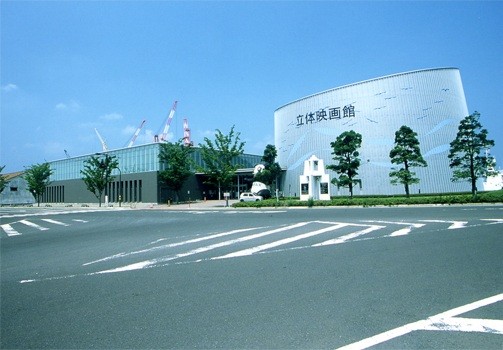
Wakashū Ichideki Bunko
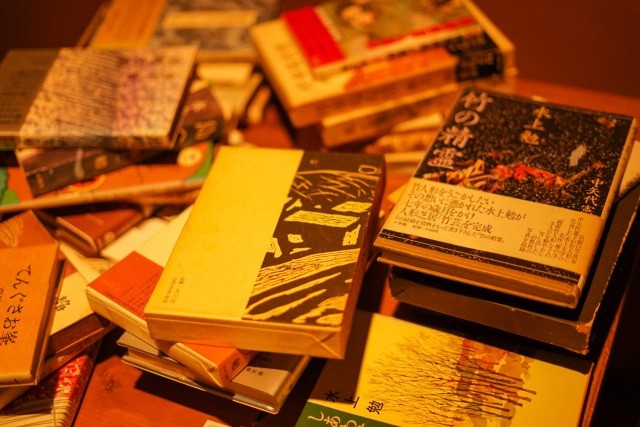
The literary museum established by author Tsutomu Mizukami, a native of Hongo Village, Oi District (present-day Oi Town), in his hometown. It features a main two-story wooden building housing a library containing Mizukami's personal collection of 2…
- Wakasa