Attractions
Area
Category
Preferences
Distance
- Sort
- Most Popular
- Last Updated
- Nearest
- Layout
- List view
- Grid view
- Map view
Fukui City Museum of Natural History
A museum gathering materials on Fukui's nature under one roof. Its permanent exhibition combines actual specimens, dioramas, and videos to clearly display Fukui Prefecture's natural environment and its formation. The rooftop observation dec…
- Awara,Sakai,Fukui

Daianzenji Temple
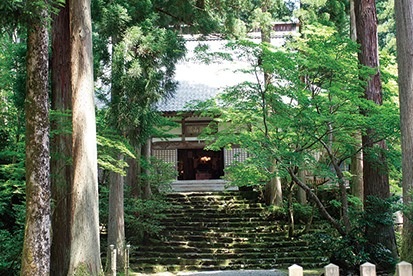
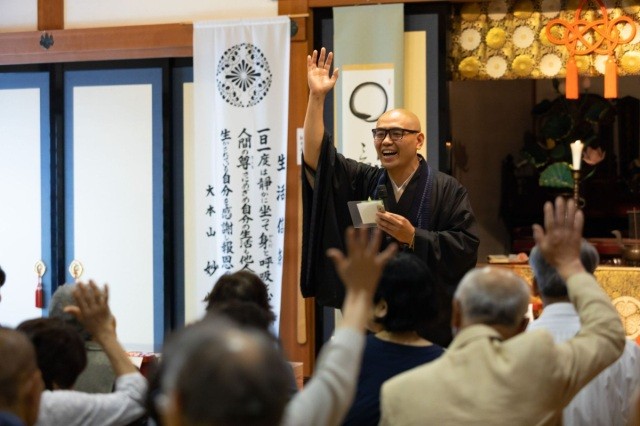
Daianzenji Temple is a Rinzai Zen Buddhist temple known for architecture, gardens, and Zen experiences. The temple offers zazen seated meditation sessions, as well as shakyo (tracing sutras), shabutsu (tracing Buddhist imagery), and kirie (cutting …
- Awara,Sakai,Fukui
Yukemuri Yokocho (Awara Onsen)
Located within Awara Onsen Yunomachi Square, this food stall village is marked by nostalgic red lanterns. About 10 stalls offering a variety of cuisines, including ramen and teppanyaki, line the street, each serving up their signature dishes.The Aw…
- Awara,Sakai,Fukui

Jinguji Temple
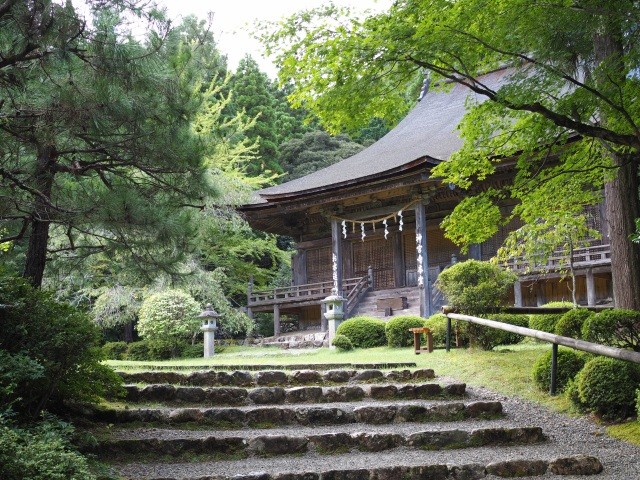
The Omizu-Okuri “Water-Sending” Ritual to Nara's Todaiji Temple is renowned as a sacred ritual of this shrine temple. With the sacred mountain as its backdrop, the main hall (a designated Important Cultural Property), the fines…
- Wakasa
Echizen Washi Village Paper Culture Museum
This museum introduces the origins of Echizen Washi, from its legends and history to the advanced techniques that have supported the production of essential papers for Japanese art, including ceremonial paper, and the creation of banknotes. On the …
- Tannan

Hōkyōji Temple
Hōkyōji Temple is a renowned temple located approximately 10 kilometers southwest of Ōno City, situated upstream along the Kiyotaki River. Founded in 1278 by the eminent monk Jaku'en, who came to Japan out of reverence for Dōgen Zenji, the foun…
- Eiheiji, Okuetsu
Teramachi Street (Ono City)
Located in Ono City—a castle town known as the "Little Kyoto of the Hokuriku region"—Teramachi was developed during the Tenshō era (1573-1592) as part of Kanamori Nagachika’s efforts to build a castle town. It features a…
- Eiheiji, Okuetsu

Imajo-shuku Historic Post Town
Imajo-shuku was once a major post town along the routes that led into Fukui, which connected the region to Kyoto and modern-day Tokyo. Visitors can still see elements of the old townscape, such as narrow townhouses, along a kilometer-long stretch o…
- Tannan

Injoji Temple
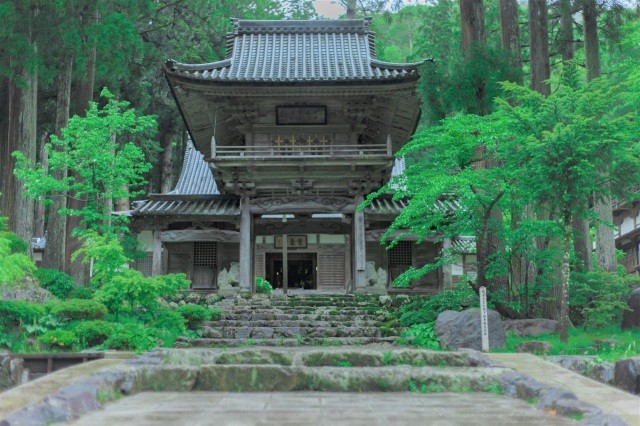
Established in 1488, this temple is a special head temple of the Tendai Shinshu sect. Its magnificent mountain gate is constructed entirely of Keyaki zelkova wood. It features dynamic carvings, including the Sixteen Arhats, carp climbing a waterfal…
- Tannan
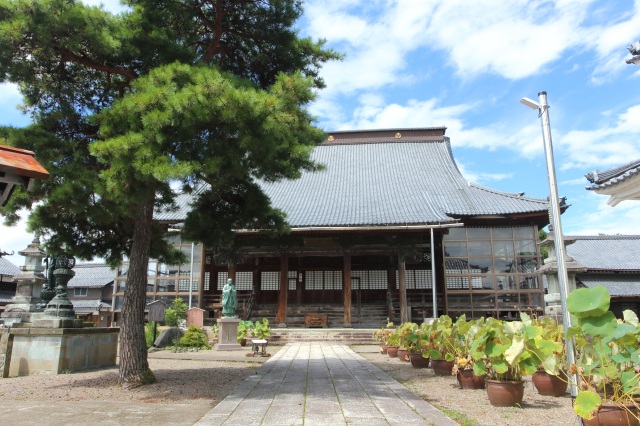
Somayama Castle Ruins
Mount Somayama, standing at an elevation of 492 meters, was once called the Hiei of the North, referring to the famous Kyoto mountain. During the Nanbokucho period of 1336-1392, it became a stronghold for the Southern Court and was the site of many…
- Tannan

Three-Sided Stone Kannon
Just beside Mikata Station stands the Mikata Stone Kannon. As you climb the stone steps, you'll find a stone rooster partway up. Legend has it that Kobo Daishi, carving the Kannon statue overnight, heard the rooster crow at dawn and left the right …
- Wakasa
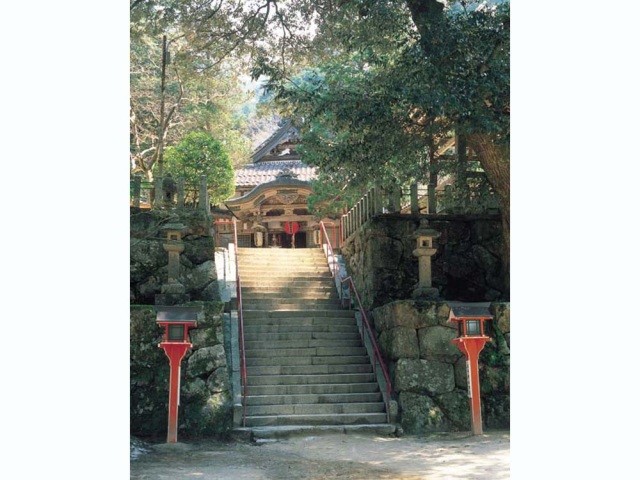
Honzan Seishō-ji Temple
Seishōji Temple, associated with Saint Shinran and cherished as "Sabae's Head Temple," is one of the Ten Head Temples of Jōdo Shinshū, alongside Kyoto's Higashi Honganji and Nishi Honganji. The Gokekidō Hall at the center of the temple grounds is t…
- Tannan
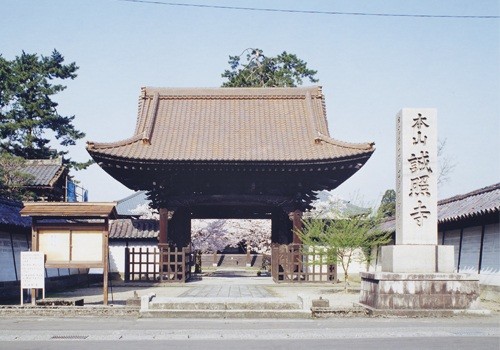
Wakasa Mikata Jomon Museum
A museum centered on artifacts excavated from the Tori-hama Shell Mound in Wakasa Town, focusing on Jomon culture. Inside the building, designed to resemble the belly of a clay figurine, exhibits include dugout canoes, Jomon pottery, stone tools, w…
- Wakasa

Jofukuji Temple
This temple belongs to the Shin-shū Izumoji sect. A garden lies south of the temple's kitchen quarters and is designated a National Scenic Spot. It is a landscape garden borrowing the mountain range of the Hinoyama range as its backdrop, featuring …
- Tannan
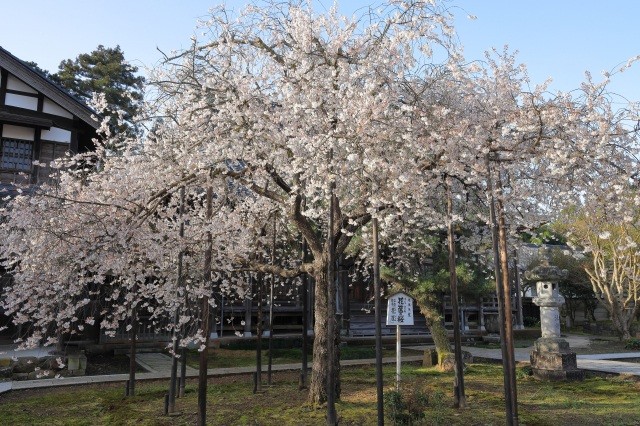
Obama City Town Station Asahi-za
On Sunday, May 1, 2016, the "Obama City Machi-no-Eki" opened. It features the relocated and restored Asahi-za, the only surviving Meiji-period theater in Fukui Prefecture. Along with tourist information, retail shops, and rest facilities, it serves…
- Wakasa

Kinome Pass
This pass divides Fukui Prefecture into the northern and southern regions. For 1,200 years, a checkpoint stood here as the gateway to Echizen. From the Edo period onward, the Maekawa family served as tea house attendants and mountain patrol officer…
- Tannan

【Sustainable Tsuruga】Handmade Oboro Kombu Experience
Tsuruga City is a port of call for the Kitamaebune ships, boasting several components of the Japan Heritage site "A Dream Woven by Men Who Conquered the Rough Seas: The Kitamaebune Port and Shipowners' Village." Experience the local industry of "ha…
- Wakasa

Kodai Kuroya Store
The raw material for Echizen Japanese candles is the wax from the Japanese wax tree, and the wick is specially made from Japanese paper. Beyond the standard stick shape, they come in various forms, patterns, and colors, and are increasingly used fo…
- Awara,Sakai,Fukui

Echizen Zen Meditation Path
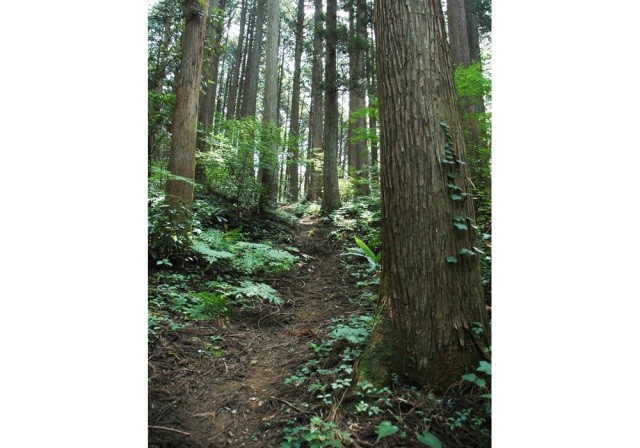
This is the pilgrimage route to the sacred Mount Hakusan. In the past, three routes known as the Zen-jo-do (Zen Summit Paths) led to the summit from the three provinces of Echizen, Kaga, and Mino. These were named because the summit of Mount Hakusa…
- Eiheiji, Okuetsu
Kippoji Temple
The first dojo where Zen Master Dogen practiced upon entering Echizen, boasting a history of approximately 800 years. At the invitation of Lord Hatano Yoshishige in 1243, Zen Master Dogen entered Yoshimine-ji Temple in Shibi District, Echizen, spen…
- Eiheiji, Okuetsu