Attractions
Area
Category
Preferences
Distance
- Sort
- Most Popular
- Last Updated
- Nearest
- Layout
- List view
- Grid view
- Map view
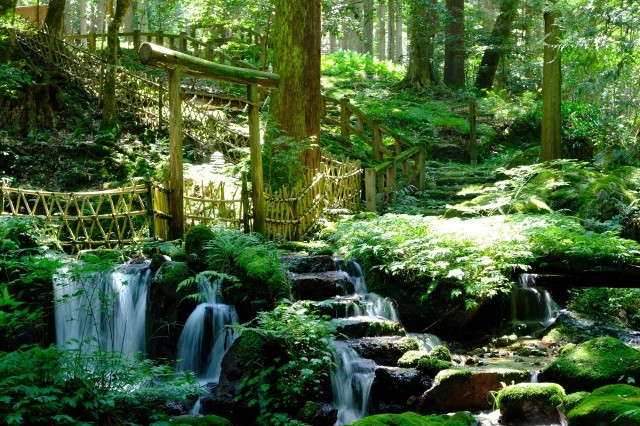
Uriwari no Taki Falls
Uriwari no Taki Falls is located near Obama, known for a delicious natural spring that produces cold water all year round—consistently 13°C, even in summer. Unlike most famous waterfalls, it is wide and low to the ground, spreading out in…
- Wakasa
Echizen Washi Village
Echizen City boasts Japan's largest share as a producer of high-quality handmade washi paper. Particularly, the five villages known as the Echizen Washi Village—Oizu, Otaki, Iwamoto, Shinzai, and Sadatomo—are collectively called the…
- Tannan
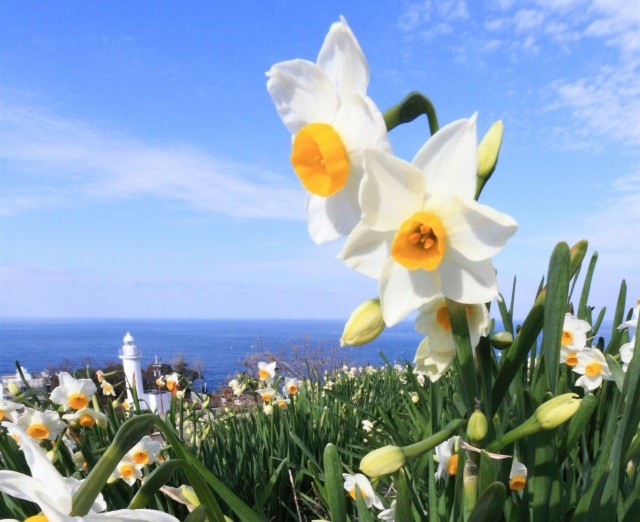
Echizen Daffodils
"Echizen Daffodils" is the collective term for the Japanese daffodils that bloom along the Echizen coast. Along with the Boso Peninsula in Chiba Prefecture and Awaji Island in Hyogo Prefecture, it is counted among Japan’s three majo…
- Awara,Sakai,Fukui
- Tannan
Michi no Eki Roadside Station Rennyo no Sato Awara
In the Yoshizaki area, where Rennyo, the founder of the Jodo Shinshu sect of Buddhism, made his missionary base, a new roadside station has opened to serve as a new tourist base while refining the area's natural, cultural, historical, culinary,…
- Awara,Sakai,Fukui
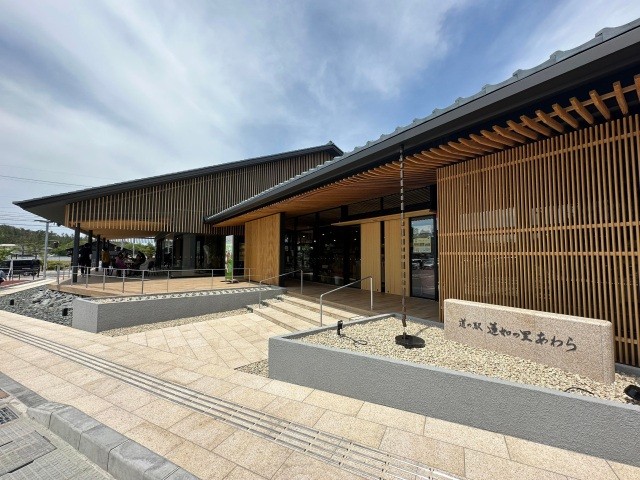
Tsuruga Railway Museum (Former Tsuruga Port Station Buildi…
The former Tsuruga Port Station building, with its distinctive pointed roof. This structure was recreated for the 1999 "Tsuruga Sparkling Port Expo 21" event, representing the former Tsuruga Port Station that once held a vital position as…
- Wakasa
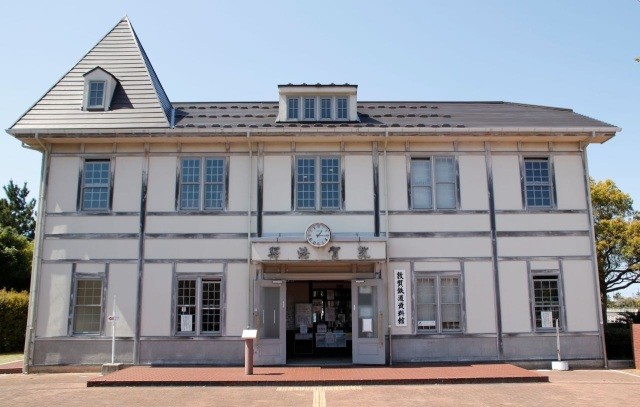
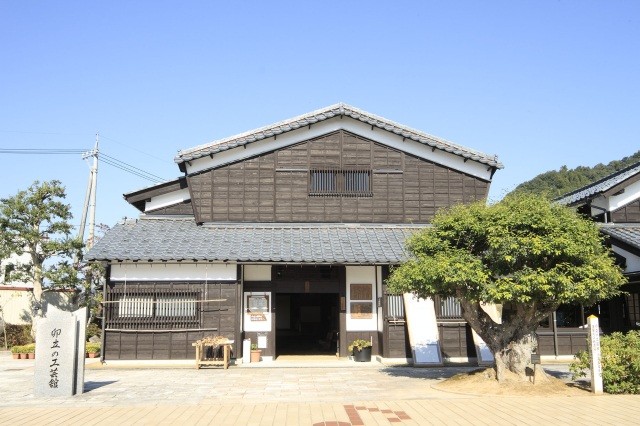
Echizen Washi Village Uritate Craft Museum
This craft museum, with its rare udatsu-style gabled roof that creates an atmosphere befitting the village of washi paper, allows visitors to observe traditional craftsmen using old-fashioned tools to make washi paper. To create high-quality washi,…
- Tannan
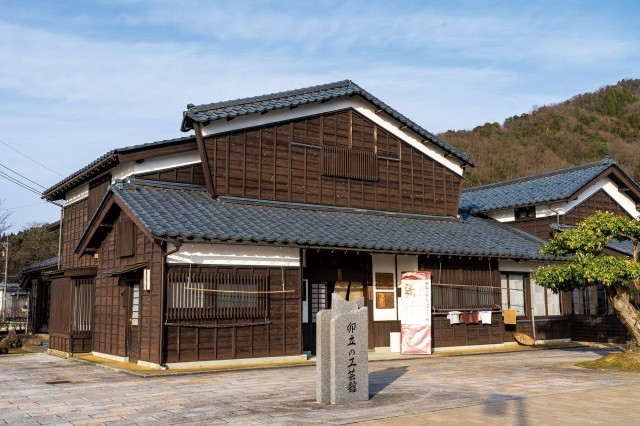
Varve Museum
At the bottom of Suigetsu Lake, one of the Three Lakes of Mikata, sediment from the past 70,000 years forms distinct stripes. These annual growth rings, known as "nenko," are recognized as the global standard for dating. Inside the museum…
- Wakasa
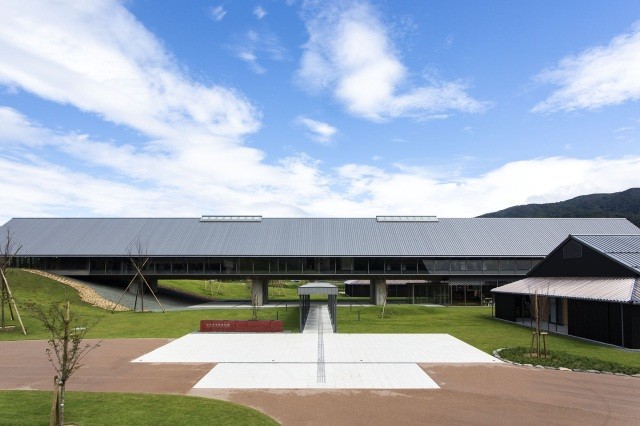
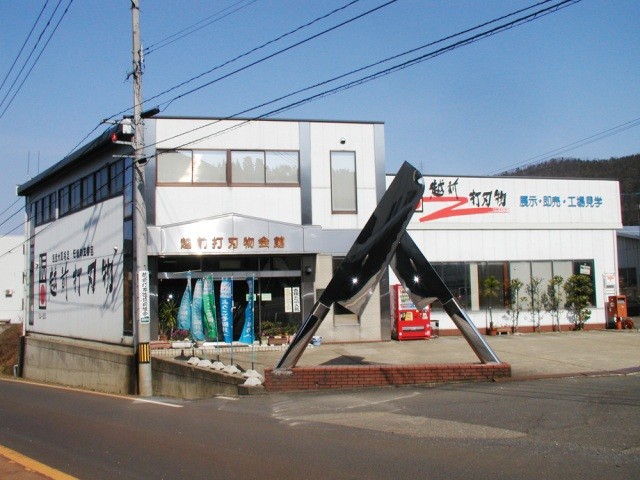
Echizen Knife Kaikan
Echizen Forged Blades continues to uphold Japan's ancient fire-forging techniques and hand finishing to this day. Here, we introduce the 700-year history and manufacturing process of Echizen Forged Blades through panel displays and videos. Prod…
- Tannan
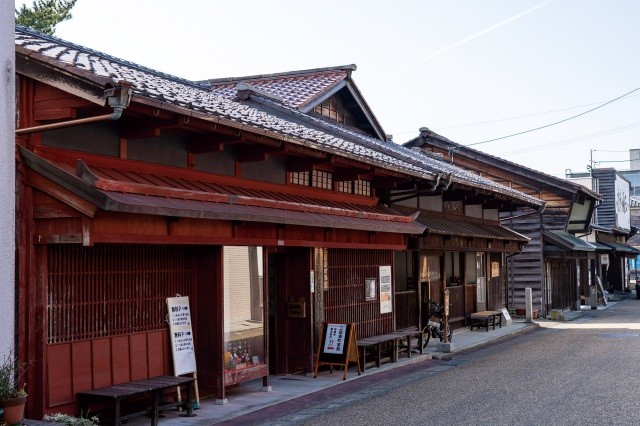
Mikuni Minato Retro
Mikuni Minato Town flourished as a bustling port during Japan’s Edo period (1603–1868) and Meiji period (1868–1912), thanks to the Kitamae-bune coastal trade routes. Today, the town retains a charming retro atmosphere, with rows o…
- Awara,Sakai,Fukui
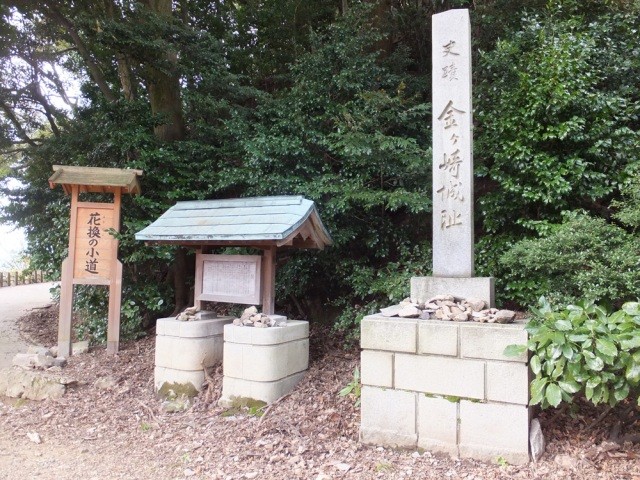
Site of Kanegasaki Castle
The ruins of Kanegasaki Castle are located on a small mountain overlooking Tsuruga Bay. Although there are many anecdotes from various periods, it is said that the castle was first built by Taira no Michimori in the late Heian period (794-1185) dur…
- Wakasa
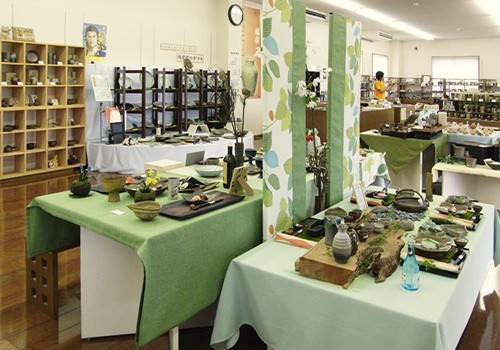
Echizen Pottery Museum
Echizen-yaki pottery kilns showcase and sell their products and works all in one place. The spacious venue permanently displays approximately 1,000 diverse items, ranging from traditional natural-glazed jars and vases to everyday plates and bowls, …
- Tannan
Echizen Lacquerware Hall
Echizen Lacquerware Hall provides visitors with the opportunity to learn about and experience Echizen Lacquerware. Visitors can see traditional lacquerware artisans at work here. Hands-on workshops are available, to decorate lacquered wood or apply…
- Tannan
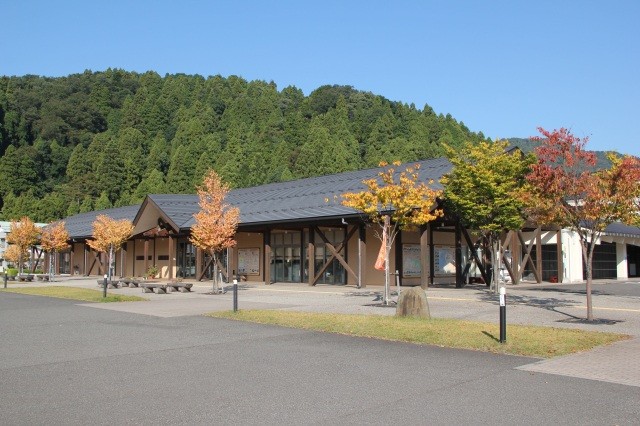
Learn from a Traditional Craftsman of Echizen Lacquerware:…
■HighlightsAt Nishikikuri Lacquerware Shop in Kawada, the town of Echizen lacquerware, brothers run a lacquer workshop. In this experience, you'll receive hands-on instruction directly from Masataka Nishikikuri, the elder brother and artisan at…
- Tannan
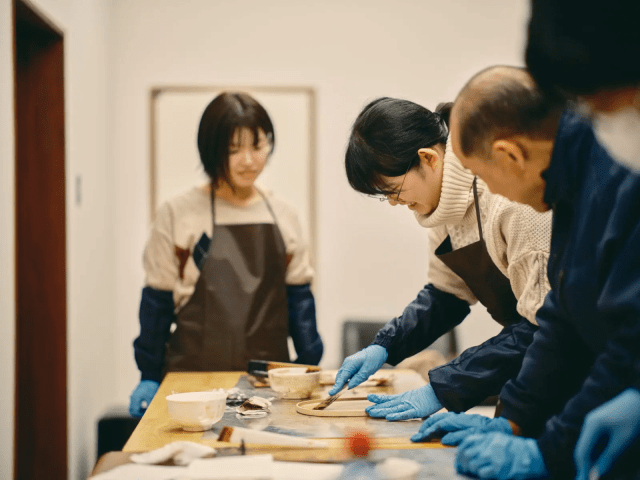
Former Tamura Residence
The former Tamura residence is the site of the former home of the Tamura Matazaemon family, who served as senior retainers of the Ono Domain (designated as a municipal cultural property).The main residence, built in 1827 (Bunsei 10), is one of the …
- Eiheiji, Okuetsu
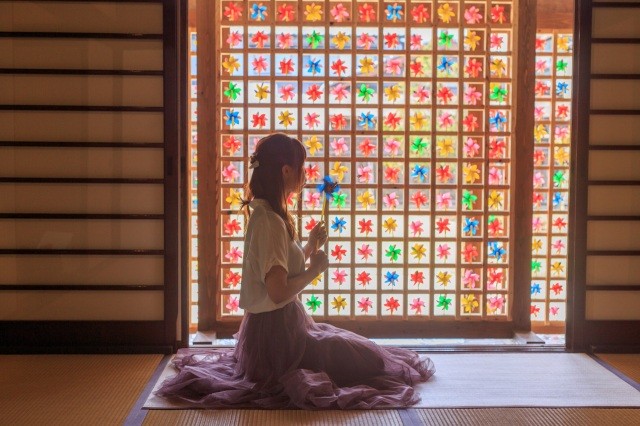
Murasaki Shikibu Park
Echizen City is the place where Murasaki Shikibu, the author of *The Tale of Genji*, lived away from the capital for the only time in her life.It is said that she visited here with her father, Fujiwara no Tameoki, who had been appointed governor of…
- Tannan
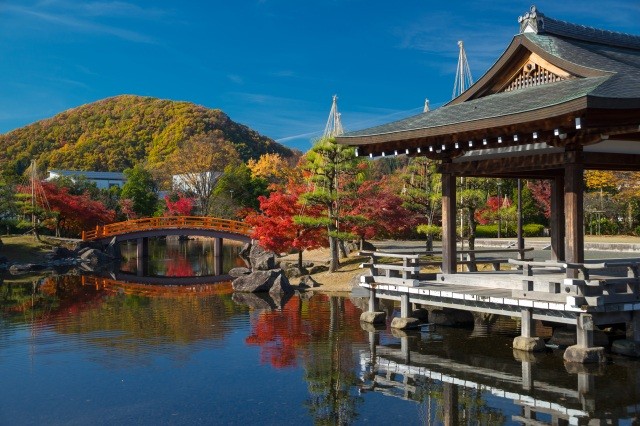
Myotsuji Temple
Myotsuji Temple is located in the mountains of Obama, surrounded by peaceful forests. The temple’s Hondo main hall and three-tiered pagoda are designated National Treasures. Visitors can step inside the Hondo and see the main shrine, as well …
- Wakasa
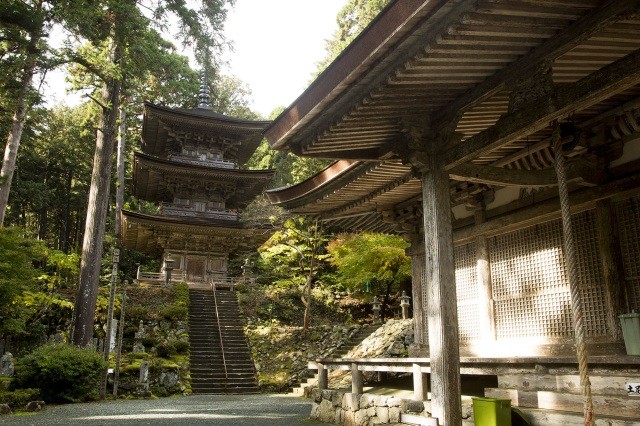
Fukui Prefectural Ceramic Art Museum
Opened in 1971 to promote Echizen ware, one of Japan's Six Ancient Kilns. The museum features historical exhibits, displays and sales of contemporary Echizen ware, and live demonstrations by kiln masters. Visitors can also create their own orig…
- Tannan
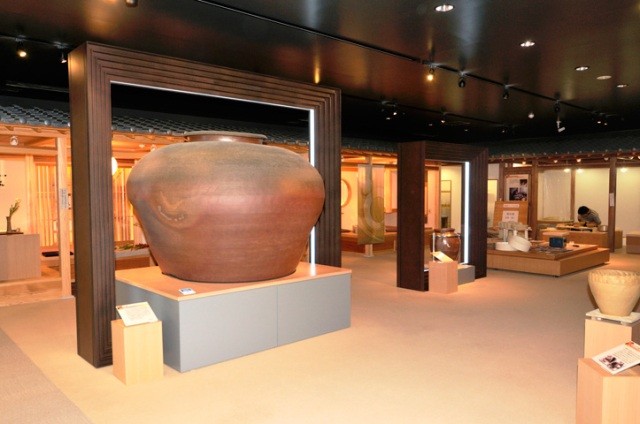
Saikoji Temple (Shibata Katsuie and Oichi's Tomb)
Saikoji Temple is the family temple of Shibata Katsuie and Oichi. After the fall of the Asakura clan, it is said that Katsuie relocated the temple from to its current location when he built his castle in Kitanosho. Within the temple grounds lies th…
- Awara,Sakai,Fukui
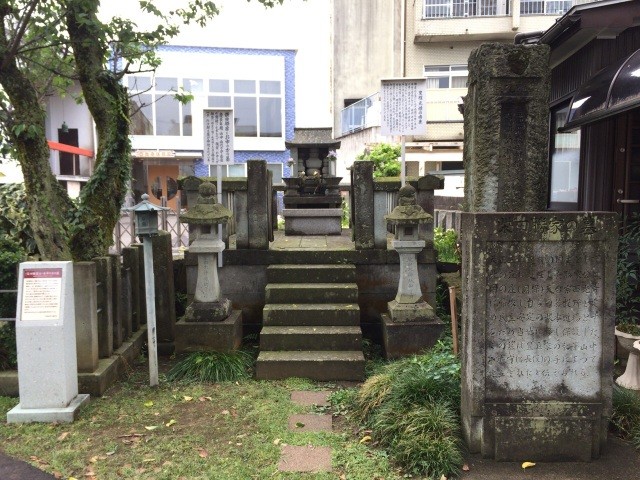
Kamiyagaya Sue Ware Kiln Site
This Sue ware kiln site dates from the late Heian period and is an exceptionally valuable kiln site that remains largely intact. (Prefectural Designated Cultural Property)
- Tannan
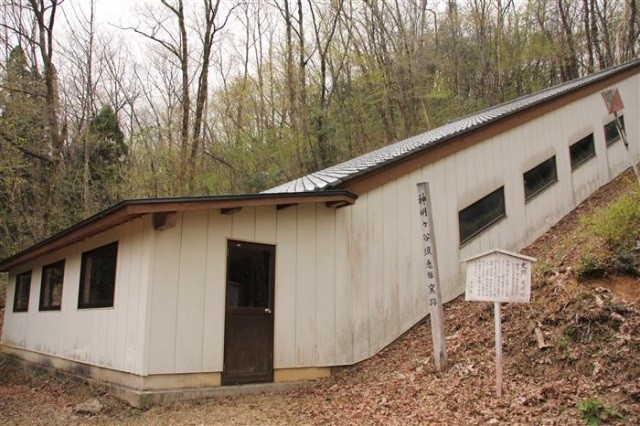
Fukui City History Museum
The Fukui City History Museum offers visitors a look at the history of Fukui. Exhibits on display include items found buried in ancient tombs, and animations that show the World War II air raids of Fukui. Hands-on workshops are available.The perman…
- Awara,Sakai,Fukui